
| Manager of Curlew Action
A GCSE in Natural History
Environmental education is something we care deeply about at GreenTheUK and we work with our partners around the country to deliver impactful and educational projects in schools every year. While we support these educational projects, it is worth asking “Why? Why is environmental education important?”
To answer that, we’ve turned to Ellen Bradley, the Manager of Curlew Action and the voice behind the new Natural History GCSE rolling out in 2025.
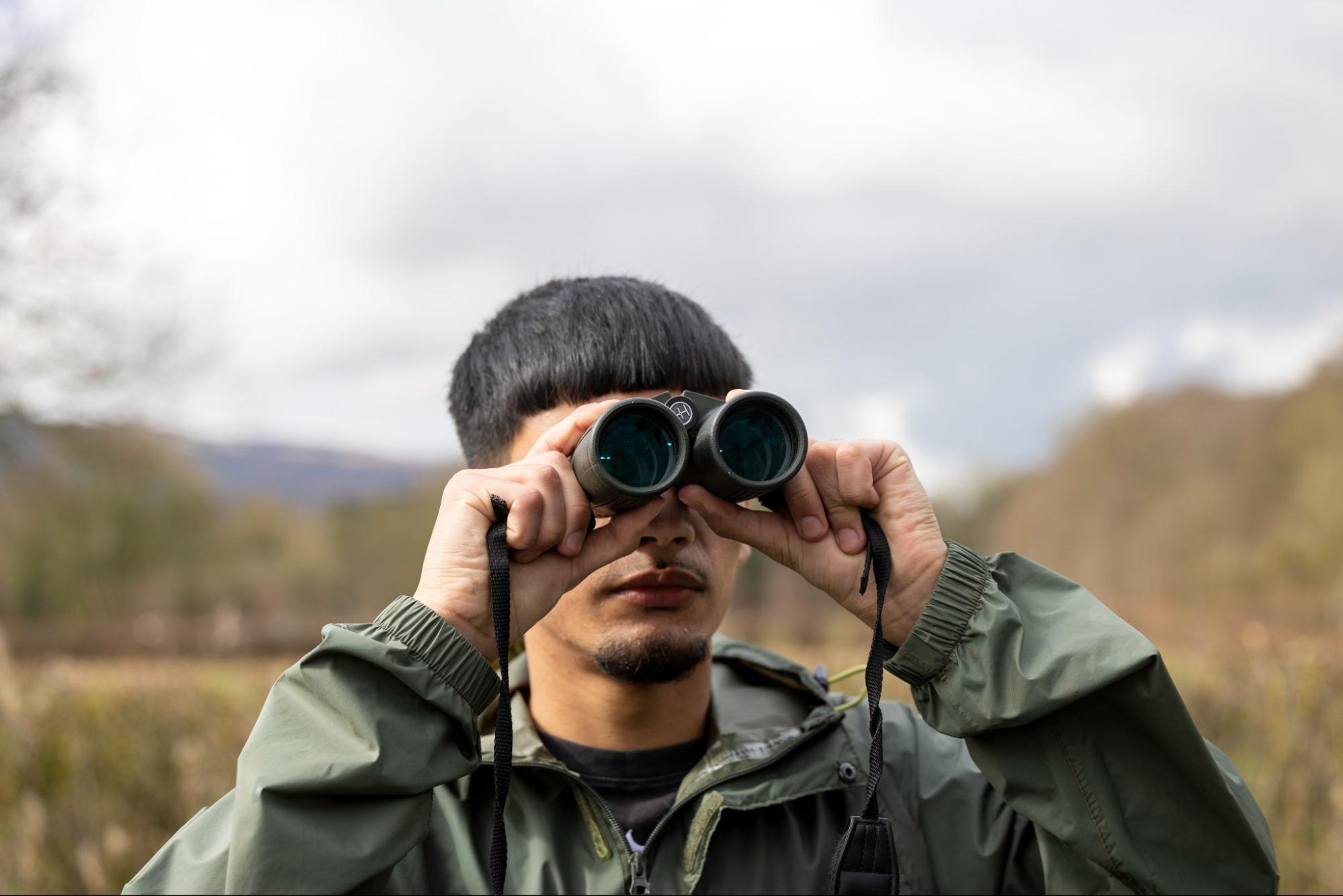
What is the difference between an oak and an ash? Between a bumblebee and a honeybee? Does it matter if we know which birds stay with us all year round and which disappear to warmer shores come winter? I think it does. Having an understanding of the world around us deepens our connection with it and opens up new vistas of joy as we observe our fellow creatures. There was a time when knowing the lives of the wildlife around us was a given, when our connection to nature was a crucial part of our lives. I’d argue that it still is, many of us have just learned to exist without it.
At a time when we are watching our climate warm and species fade from our landscape, it is vital that we rediscover that connection. Future generations cannot be expected to tackle biodiversity loss without an understanding of the natural world. Our education system is poorly equipped to share nature knowledge or inspire wonder. The closest thing I remember to learning how to observe wildlife was copying out of a textbook information on how to use quadrats and transects. A friend of mine was lucky enough to have a practical lesson using quadrats, but instead of using them to explore wildlife, they were taken into the playground and instructed to count chewing gum on the tarmac.
For eleven years, founder of Curlew Action, Mary Colwell, campaigned for a Natural History GCSE and in time gained the support of Caroline Lucas MP and Tim Oates from the OCR exam board. On 21 April 2022 (World Curlew Day!), the Department for Education announced that the GCSE will be taught in schools across England from September 2025. The next stage of the development was to create the subject criteria, which has been drawn up by an independent advisory panel and is now waiting for Nick Gibb, the Minister for Schools, to sign it off. Once the long-awaited subject criteria has been signed off, we can begin working with schools, students and teachers to prepare for the GCSE.
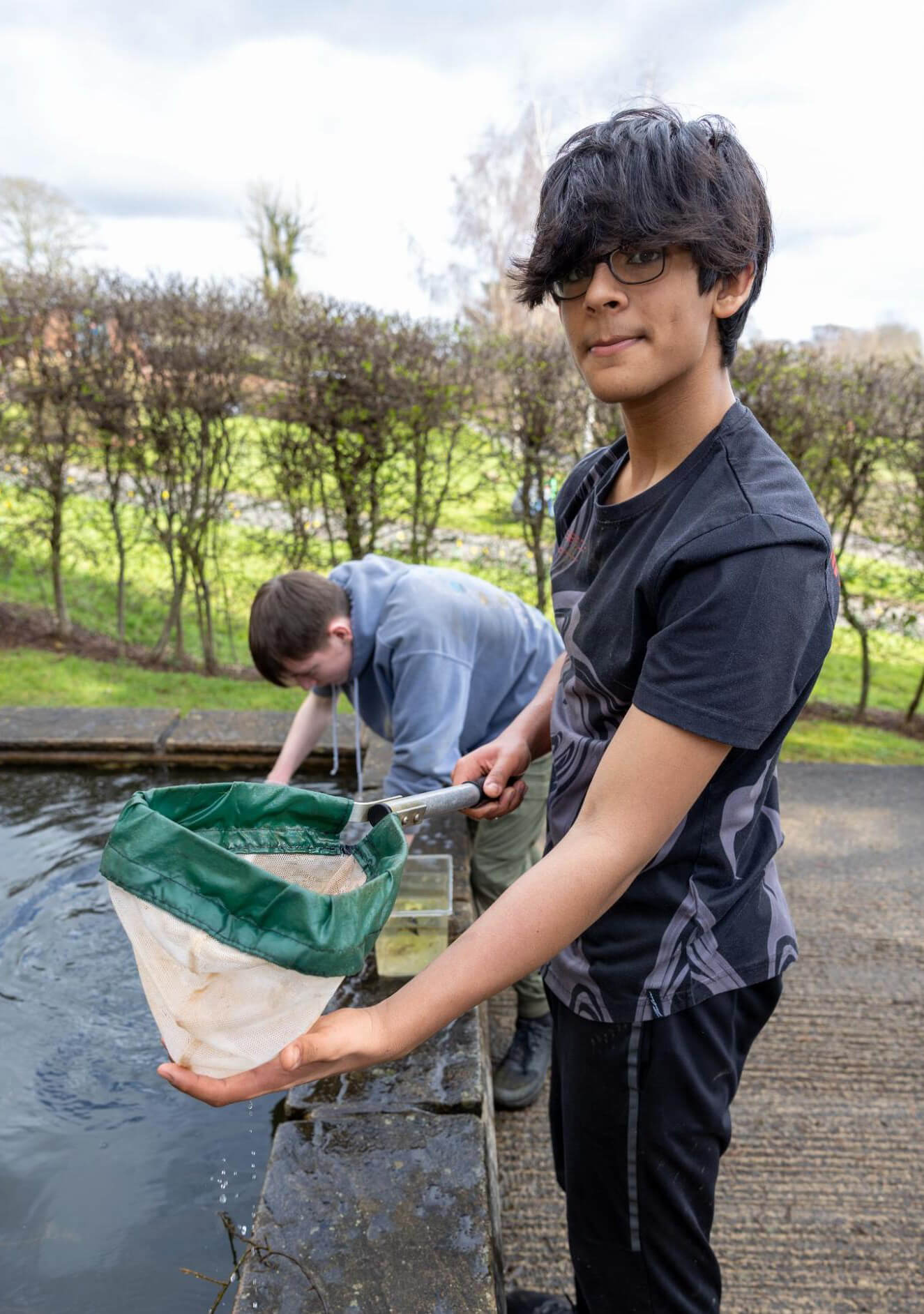
The current nature education in schools relies on dedicated individuals with the knowledge and passion to engage young people with the natural world. Many schools do not have such an individual, driving another wedge in the inaccessibility of nature education and routes into green jobs. During the campaign for the GCSE, many teachers came forward to say they loved the idea but were nervous that they did not have the skills or knowledge to teach it. Providing a range of teachers with inspiring training will be crucial to the success of the GCSE,nature education should be accessible to all young people, not just a privileged few. Curlew Action is working to address this need for teacher training by developing a new project that will collaborate with existing networks across England to give teachers and students access to the support they need.