| Director of Fundraising and Communications at Buglife
Grow Your Own - Eating and Gardening through the Seasons
Gardening is a great pastime that provides light physical exercise and relief from stress. It helps to keep you healthy in body and mind. It can also be a source of fresh vegetables, fruit and herbs all of which can add to its health benefits.
A key to healthy gardening in terms of the food generated and the stress-free feeling is to ensure we garden planet friendly. Do not resort to insecticides and herbicides but practice hands on weeding, pollinator encouragement, and planned pest control by encouraging the natural pest controllers into your space.
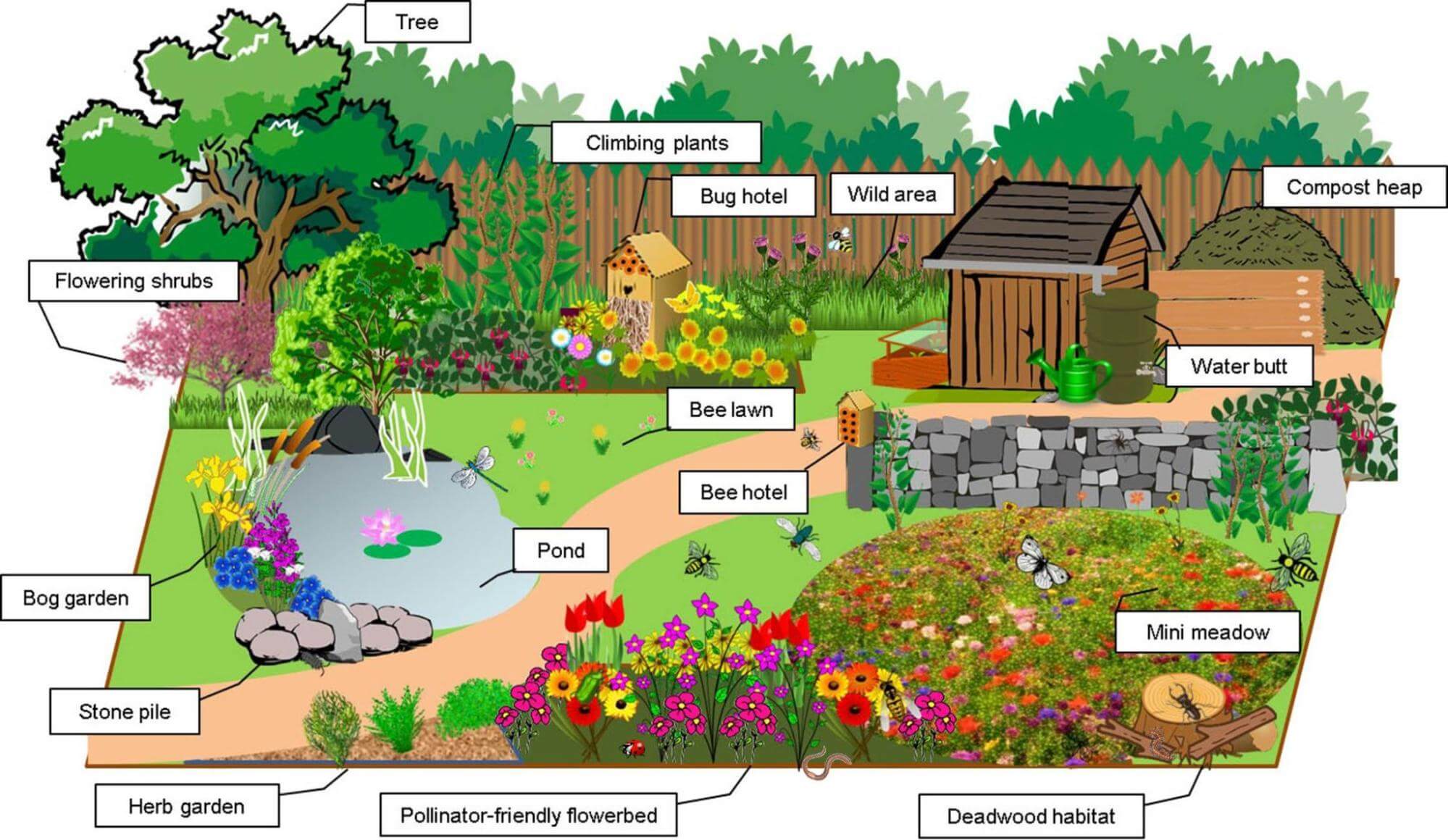
Plan your garden from the outset key features to include are:
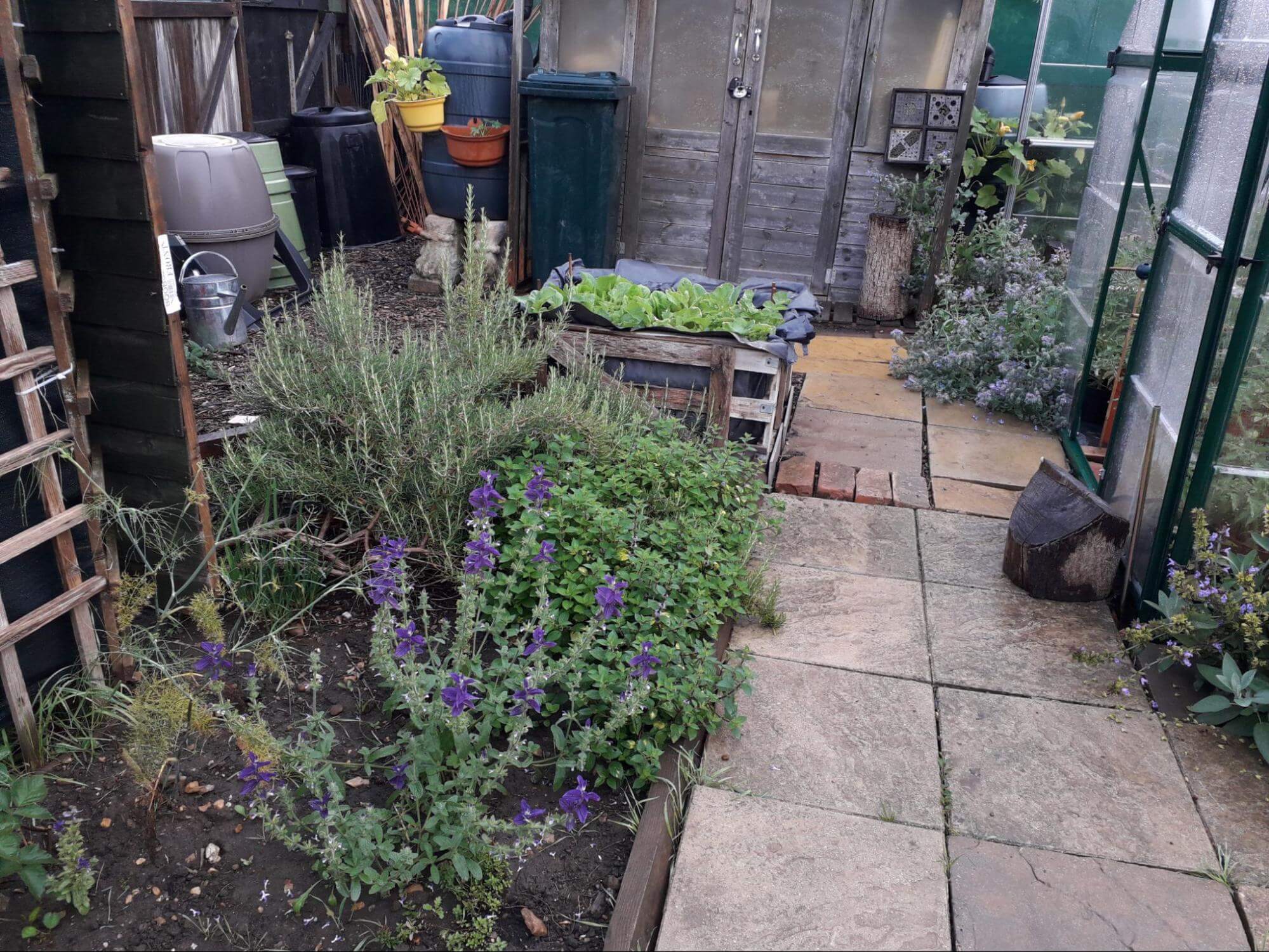
Compost heaps or bins rot down spent plant materials and at the same time provide a haven for useful bugs such as ground beetles and centipedes who will both assist in slug control.
A pond will encourage frogs, toads and newts who are more natural pest controllers. Make sure at least one edge is shallow enough to enable bees and hedgehogs to be able to drink and escape. Ponds are also great for hoverflies to breed (key pollinator) and of course, the carnivores of the air: dragonflies.
Solitary bee homes are great for boosting solitary bee numbers and they are key pollinators for fruits, so install them south facing close to planned fruit areas.
Rainwater harvesting via water butts is a great way to collect water for your garden and generally better for plants than treated tap water. If you are adding a greenhouse, ideal for early crops of tomatoes as well as for rearing tender plants use this for water collection too.
Try and find space for a log pile, another great habitat for predatory beetles – likewise, a rock pile can work wonders.
Leave some leaf piles in the autumn as this can provide overwinter shelter for beneficial insects such as ladybirds and lacewings.
Consider adding bird feeders to bring more birds in to eat pests, but be aware that many will also eat your seeds and plants. Also remember to clean bird feeders at least weekly to prevent the passing of bird diseases and consider removing them during outbreaks of avian flu.
With these basic building blocks in place, now is the time to consider planting.
Fruit bushes and trees are generally best planted as bare root plants after the leaves have fallen. Pick a day when the ground is not frozen to plant these out, relatively close together, to aid pollination and be prepared to stake trees in the early years to prevent wind damage. Sadly, in year one it is best to remove fruit early to encourage the plants to establish, that way in years ahead you should reap the benefits of bumper crops.
A herb bed is a great addition as some are available all year round and virtually all provide an abundance of pollinator friendly flowers. Most herbs can be grown either from seeds or cuttings so are generally inexpensive. If growing mint, you may wish to keep it in a bucket or similar to prevent vigorous spread.
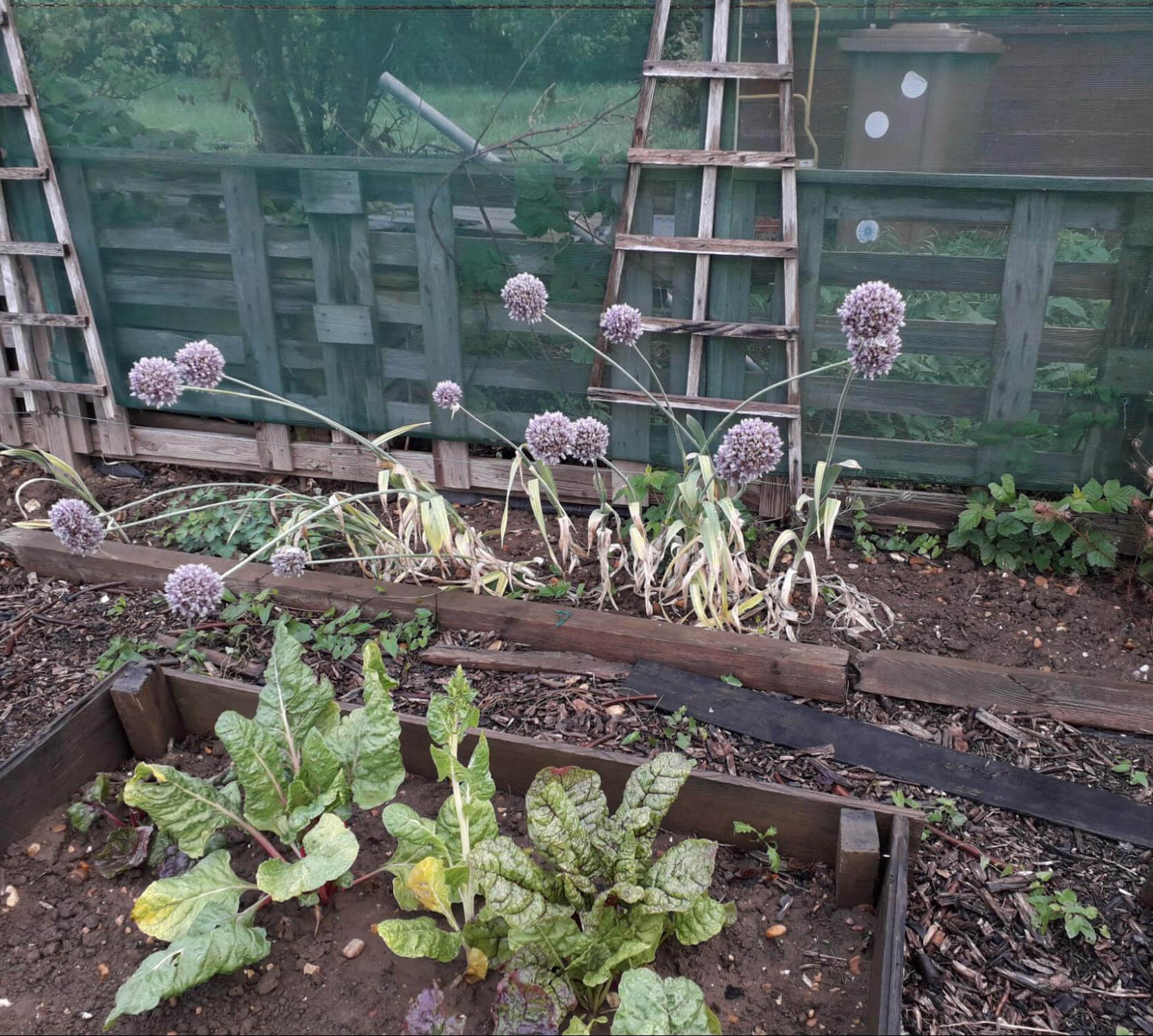
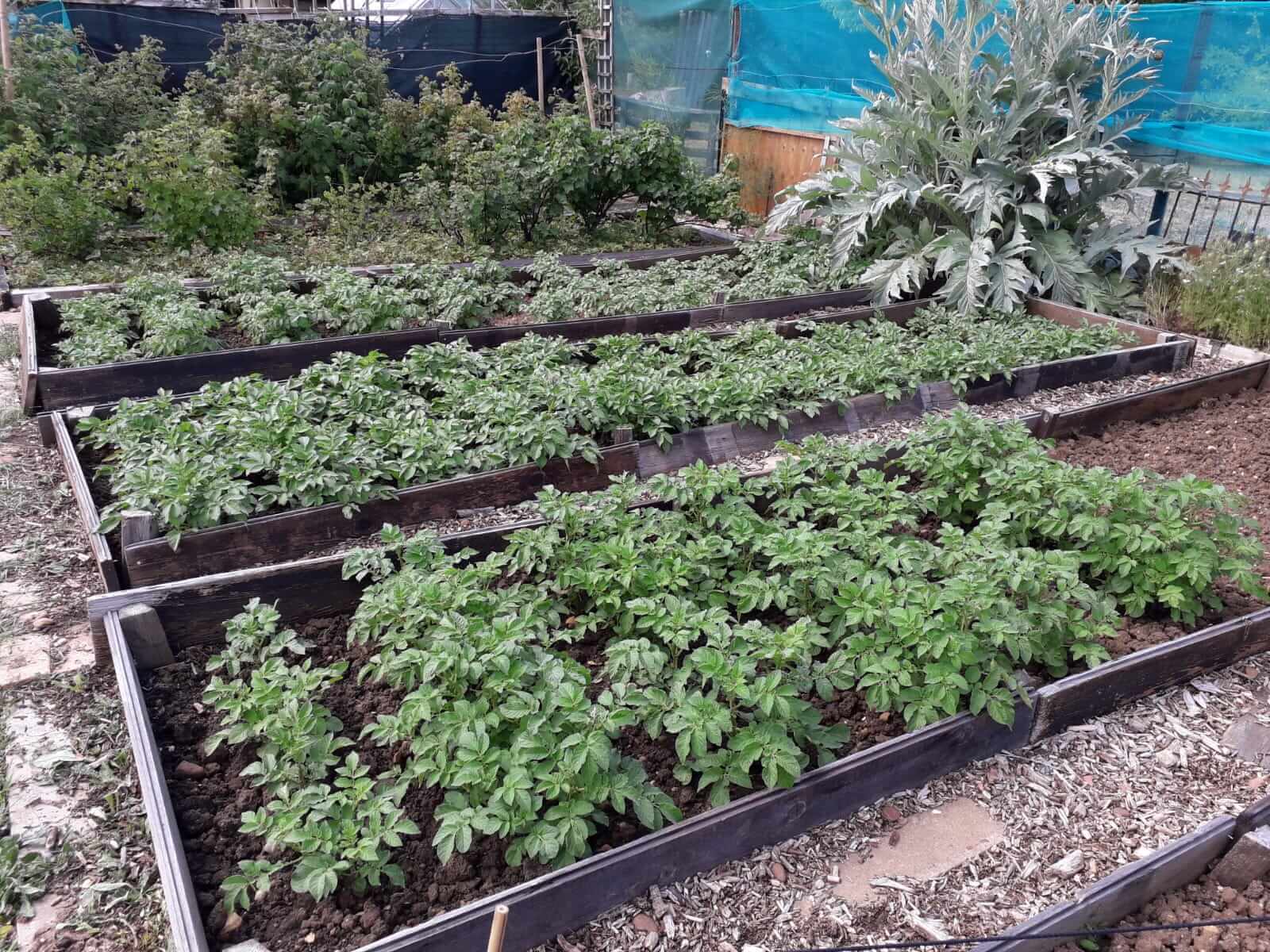
Whilst potatoes make a great staple food for most diets, the return on investment in terms of money saved for money spent is not the best with the exception of salad potatoes. When growing vegetables look to grow less common and/or more expensive items and you can be rewarded with year-round food.

The following table offers some tips on key food plants to grow and when you could be eating them, remember you may need to experiment as different soil types, temperatures and rainfall all support different vegetables best so you may need to tinker to see what works.
| Vegetable / Fruit | When to harvest | When to sow / plant |
|---|---|---|
| Asparagus | May (two years later) | April |
| Broad Bean | June - September | March - April |
| French / Runner Beans | July - October | May - June |
| Leaf beet (Swiss Chard) | August - November | April |
| Beetroot | July - September | April - June |
| Calabrese | August - October | April - May |
| Broccoli | February - May | April - May |
| Brussels Sprouts | October - January | March - April |
| Cabbage | August - February | April - May |
| Peppers | August - September | February |
| Carrots | July - October | April - June |
| Cauliflower | March - November | April - May |
| Celery | September - February | March - April |
| Cucumber | February - March | June - September |
| Kale | December - March | May |
| Leek | November - April | March - April |
| Lettuce | Year round | Year round |
| Marrow / Courgette | July - October | May - June |
| Onions | August | March - April |
| Parsnip | November - February | March |
| Peas | May - October | February - April |
| Potatoes | June - October | March - April |
| Radish | May - August | March - May |
| Rhubarb | April - July (1 year later) | March |
| Spinach | June - April | March - May |
| Swede | November - February | May - June |
| Sweet Corn | August - September | May |
| Tomato | January | July - October |
| Turnip | October - December | July - August |
| Apples/Pears & other fruit trees | August - October | November - March |
| Raspberries/Currants/Gooseberries/Blackberries etc. | June - September | November - March |
| Strawberries | May - September | August |
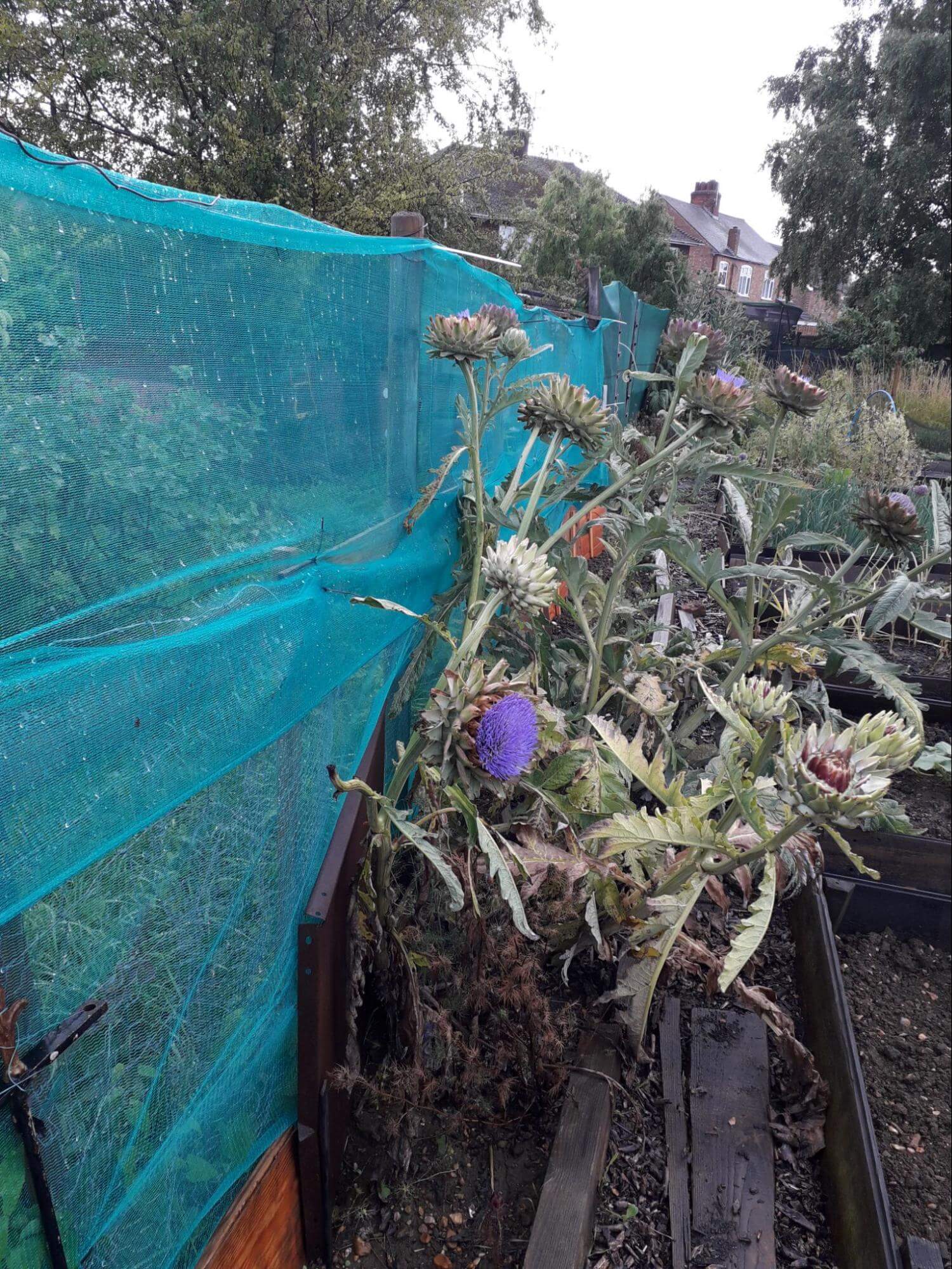
Remember to attract pollinators; they are essential for good crops so you need to ensure a good supply of attractive flowering plants as well. This is where having a herb bed helps but you could also include some wildflower patches, or popular pollinator annuals such as the Poached Egg Plant, single flowering calendula (marigolds), or try some more exotic flowering vegetables such as Cardoon, Globe and Jerusalem Artichokes.