

Help Pollinators Thrive: Plant What Already Grows Around You
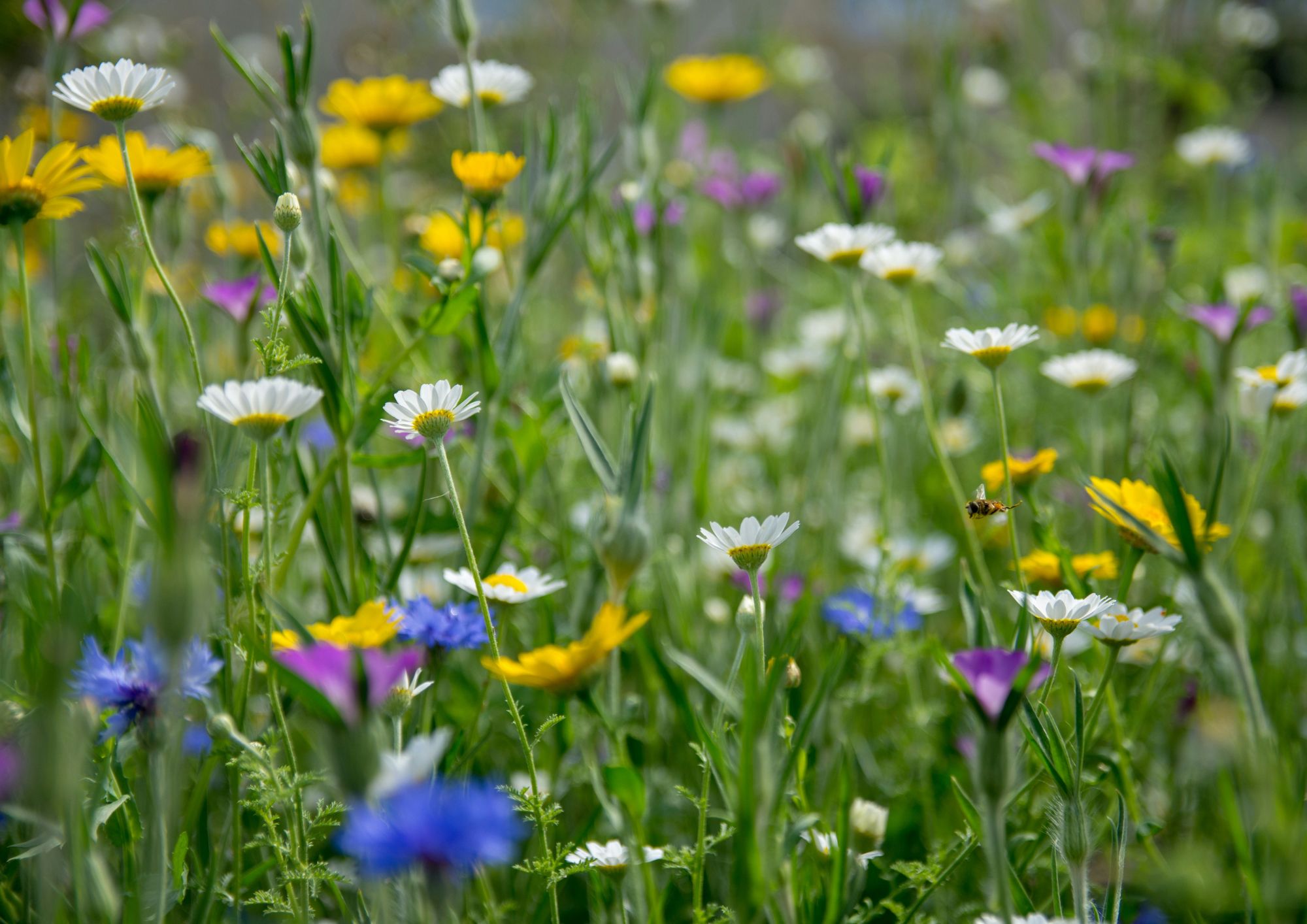
There’s a noticeable shift in how we think about our gardens. Instead of striving for perfectly edged lawns and highly controlled planting schemes, more people are embracing wilder outdoor spaces that are both beautiful and full of life. Gardens aren’t just spaces for people; they can provide valuable habitats for wildlife too.
In a garden context, taking a rewilding-inspired approach doesn’t mean neglecting the space. Rather, it’s about working alongside natural processes to create a more biodiverse and resilient environment.
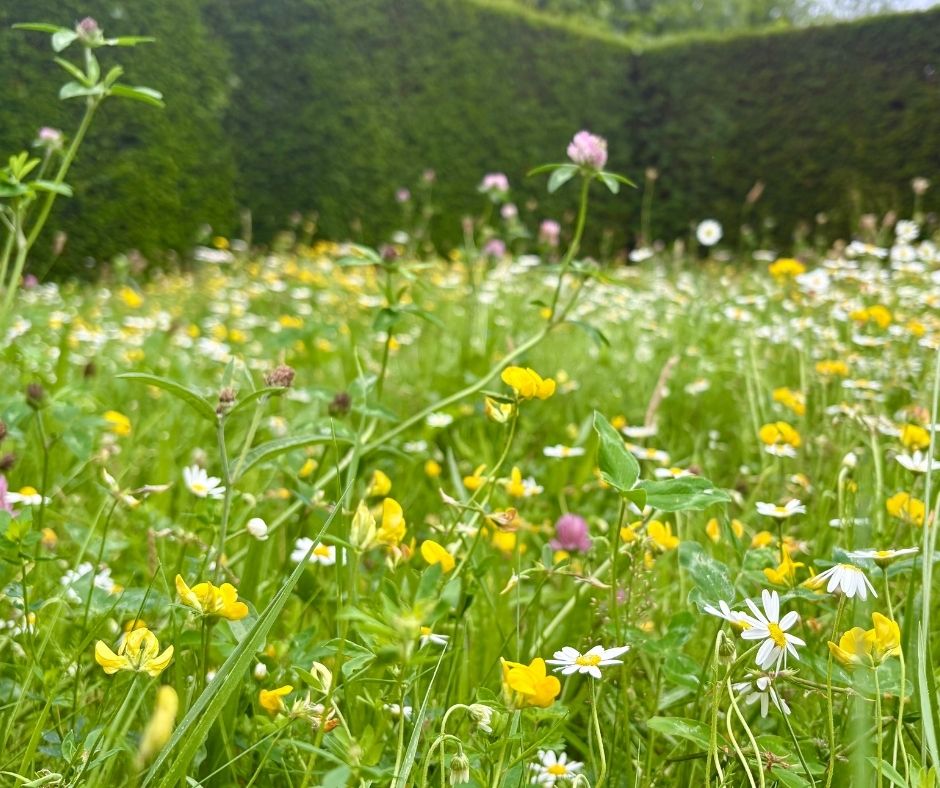
One of the easiest and most effective ways to support wildlife is by planting native wildflowers. Whether you turn a small, unloved corner into a mini meadow, weave them into existing borders, or simply plant up a few patio pots, wildflowers can quickly turn even the simplest garden into a thriving ecosystem.
What Does Rewilding a Garden Involve?
Creating a more wildlife-friendly garden doesn’t require a dramatic overhaul. Small, meaningful changes can make a difference while still allowing you to enjoy and use your garden as you always have.
You might begin by:
- Introducing a mix of native, garden-friendly wildflowers
- Mowing less frequently in selected areas
- Letting plants grow and set seed naturally
- Keeping seed heads in place through autumn and winter
- Creating wildlife habitats like log piles or a small pond
These adjustments mimic the natural structure and management of traditional meadows, hedgerows, and field edges, creating the conditions needed for wildflowers and pollinators to flourish. Even in compact gardens, these additions can provide essential food and shelter for wildlife.
Supporting Pollinators with Native Wildflowers
One of the first things you’ll notice after planting wildflowers is the increase in pollinating insects. Bees, butterflies, hoverflies, and moths all depend on nectar and pollen, yet the plants they rely on have become increasingly scarce.
Native wildflowers help bridge that gap. Many ornamental plants grown primarily for appearance, wild species often produce abundant nectar that is easy for insects to access.
Varieties such as oxeye daisy, bird’s-foot trefoil, viper’s bugloss, and field scabious are especially attractive to pollinators. By planting a mix of species, you can create a sequence of blooms that stretches from early spring into late summer, providing a reliable food source throughout the season.
As insect numbers grow, so too does the wider ecosystem. Hedgehogs, shrews, and other small mammals that feed on insects can benefit too and their presence helps to create a naturally balanced garden ecosystem.
Year-Round Value for Wildlife
Wildflowers continue to play an important role long after their summer display has faded. As autumn arrives, many species form seed heads that stand tall long into winter.
While these dried stems may look understated, they are incredibly valuable. Birds rely heavily on seeds during colder months when other food sources become scarce, and many species are well adapted to feeding from standing plants.
Teasel, knapweed, wild carrot, yellow rattle, and ribwort plantain all produce seeds that attract garden birds such as goldfinches and sparrows. It’s a common sight to see small flocks feeding delicately among the stems.
These structures also provide shelter. Hollow stems and seed heads offer protection for insects throughout winter, which in turn become an important food source for birds when temperatures begin to rise again. In this way, a wildflower garden continues to support life long after their flowers have faded.
Enhancing Soil Health Naturally
While wildflowers bring visible beauty above ground, their impact below the surface is just as important. Different species develop varied root systems that gradually improve soil condition.
Deep-rooted plants like chicory and wild carrot help break up compacted soil, allowing air and water to move more freely, this improves drainage and encourages stronger root growth in surrounding plants. Legumes such as clover, trefoil, and vetch contribute even more by fixing nitrogen from the atmosphere and helping to increase the availability of nitrogen in the soil. This naturally boosts fertility without the need for synthetic inputs.
As plants complete their life cycles, they return organic matter to the soil. This supports earthworms, fungi, and beneficial microbes, all of which are essential for maintaining a healthy soil ecosystem. Over time, the soil becomes more structured, fertile, and resilient.
Getting Started with Rewilding
Rewilding can begin with something as simple as a small patch of wildflowers. There’s no need to redesign your entire garden, just choosing a suitable area and introducing native plants can make a real difference.
Many people start with a wildflower seed mix, either in an unloved corner or integrated into existing borders. These mixes offer a variety of species that flower at different times and support a wide range of wildlife.
Sowing Native Wildflower Seeds
Good preparation will give your wildflowers the best chance to thrive. Start by clearing away grasses and weeds entirely to reduce competition for your wildflowers as they grow, then lightly rake the soil to create a fine seedbed.
Interestingly, wildflowers tend to do better in soils that have a lower fertility as this reduces competition from more vigorous plants and grasses that thrive in nutrient rich soils.
It’s best to sow wildflower seeds in spring or early autumn, when the soil is warm and moisture levels are higher. These conditions help seeds germinate and establish successfully. Avoid sowing during very cold or dry periods as this will dramatically limit success.
Once established, wildflower areas require minimal upkeep. The key is patience: allow plants to grow, flower, and set seed naturally, particularly in the first year.
A More Natural Way to Garden
Rewilding isn’t about leaving a garden to its own devices, it’s about finding a balance, creating a space that feels intentional while also allowing nature to take the lead.
Native wildflowers bring far more than seasonal colour. They provide food for pollinators, support birds through winter, improve soil health, and help restore biodiversity that has been lost from our landscape.
Over time, these natural interactions create a garden that feels dynamic and alive. From the first pollinators of spring to birds feeding through winter, biodiverse gardens offer something to experience in every season while supporting both wildlife and the people who enjoy it.