Planting for the Future

header image

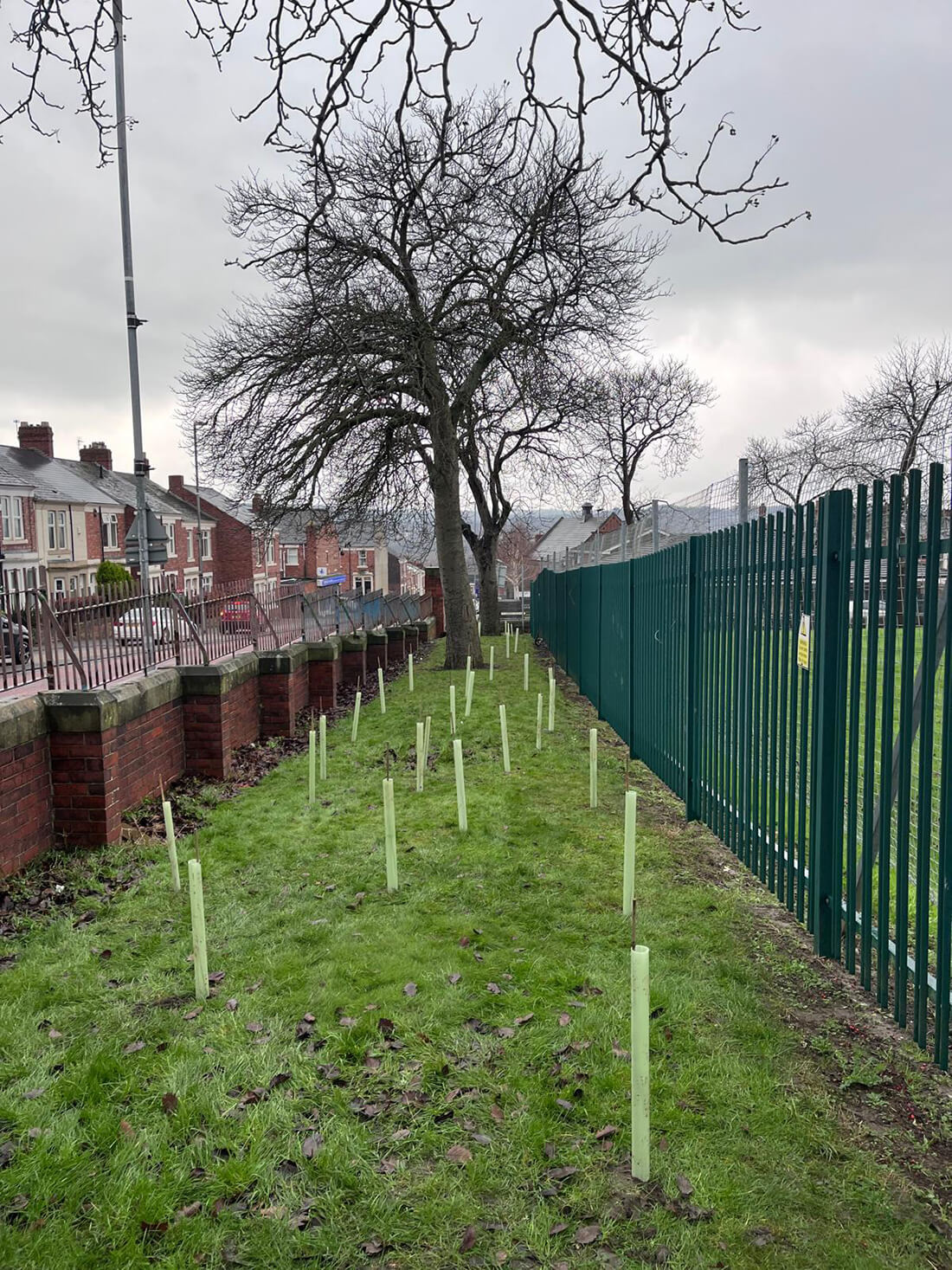
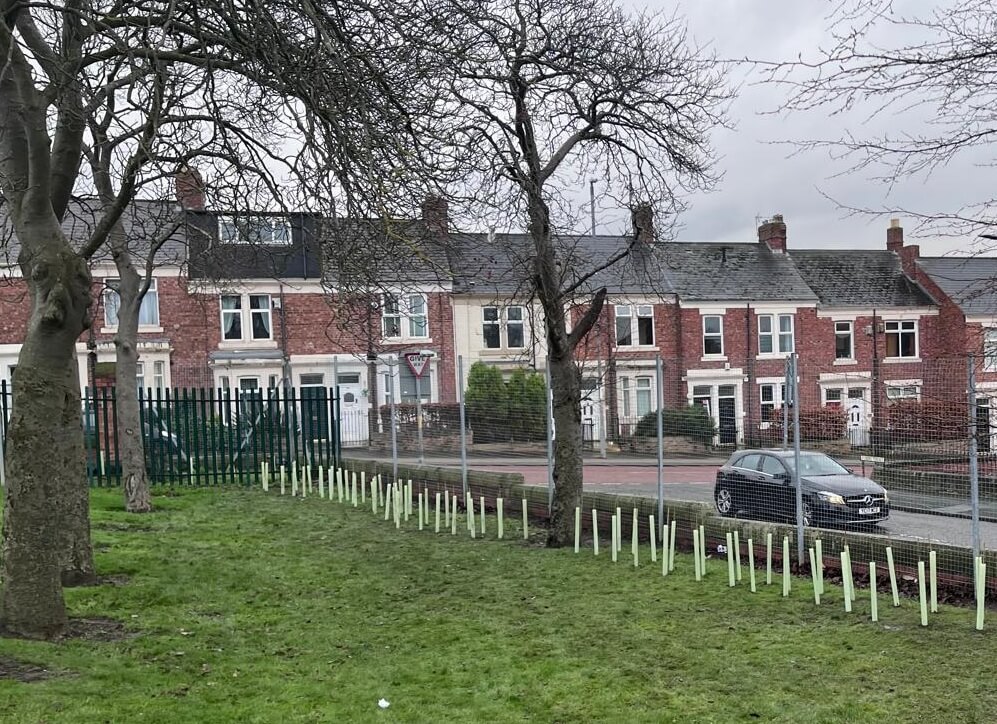
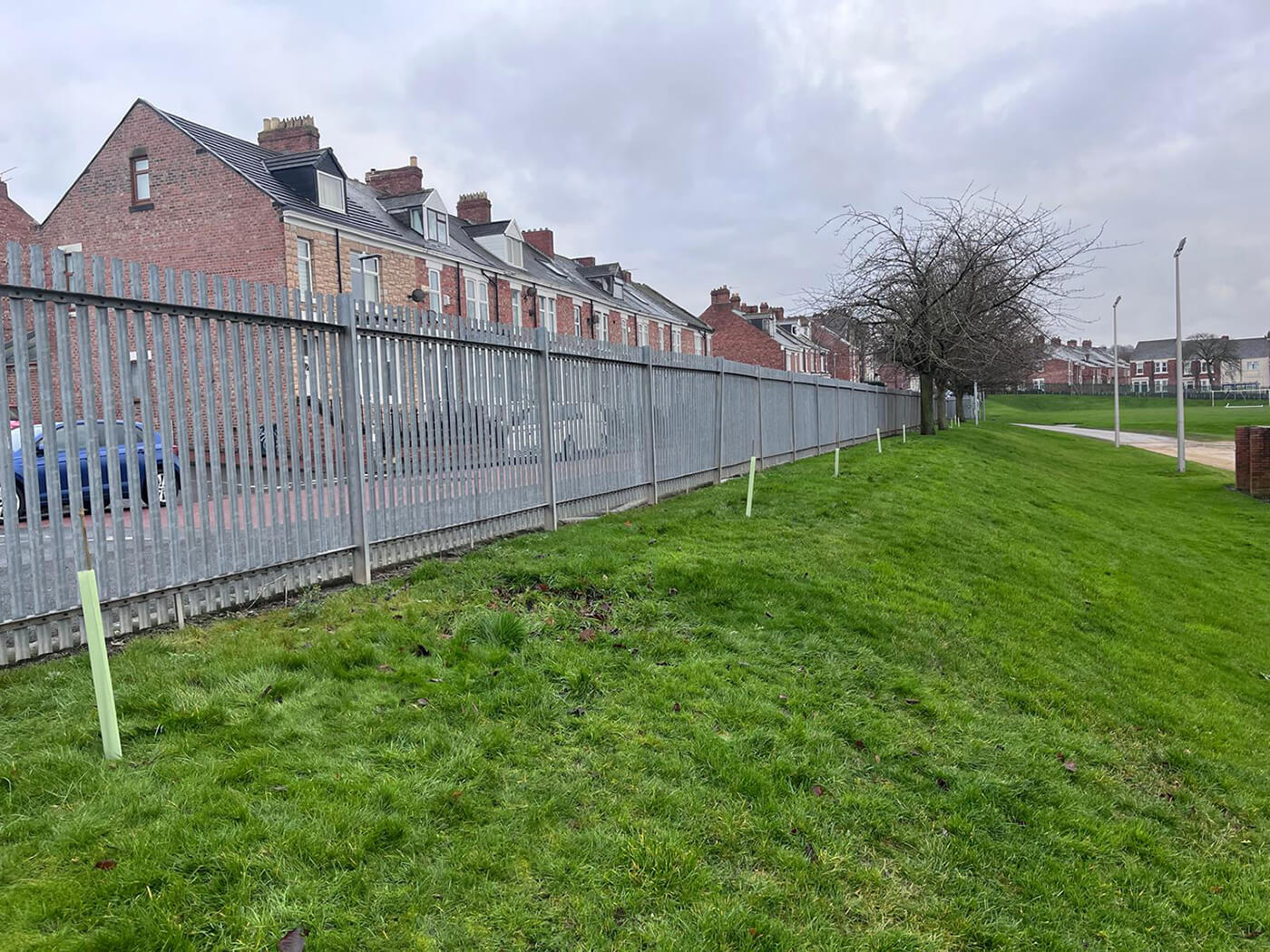
Atos supported the planting of 100 climate-resilient trees in a local school in 2025-26

Project Overview

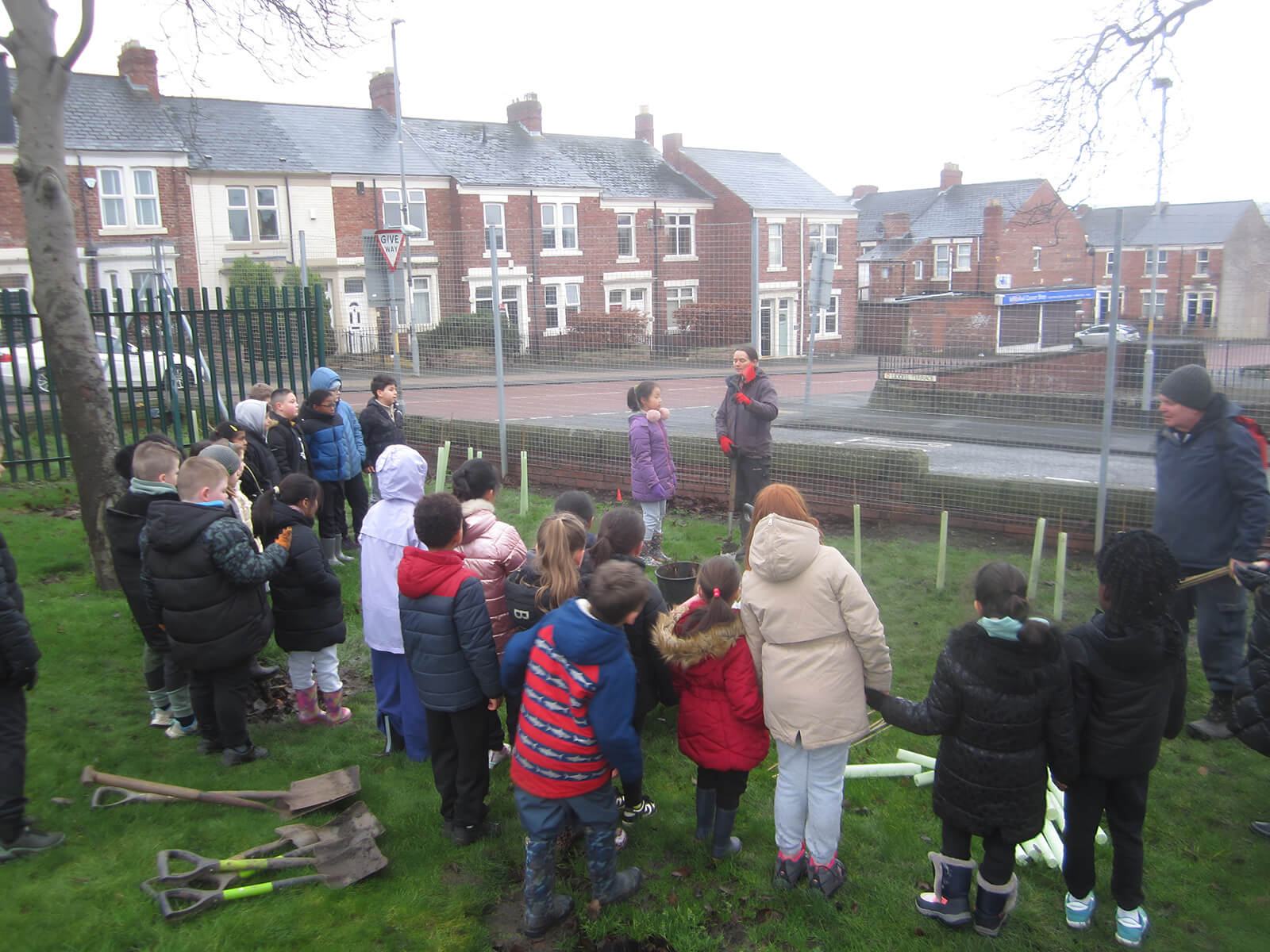
This report highlights the Trees for Schools initiative, through which climate-resilient trees have been planted at a local primary school with the generous support of Atos, alongside additional schools that have benefited from their wider commitment to the project.

Each Trees for Schools workshop is carefully designed around the individual needs of the school. Before planting takes place, a consultation is carried out with staff to understand the site, the pupils’ age range, and how much green space is available. This allows us to select appropriate tree species, plan the layout of the planting, and ensure the trees will become a meaningful and long-lasting resource for both learning and the wider school community.

The programme has a strong social impact focus, prioritising schools where a higher proportion of pupils are eligible for Free School Meals, helping to ensure that access to high-quality green learning spaces and environmental education is available to those who may benefit most.

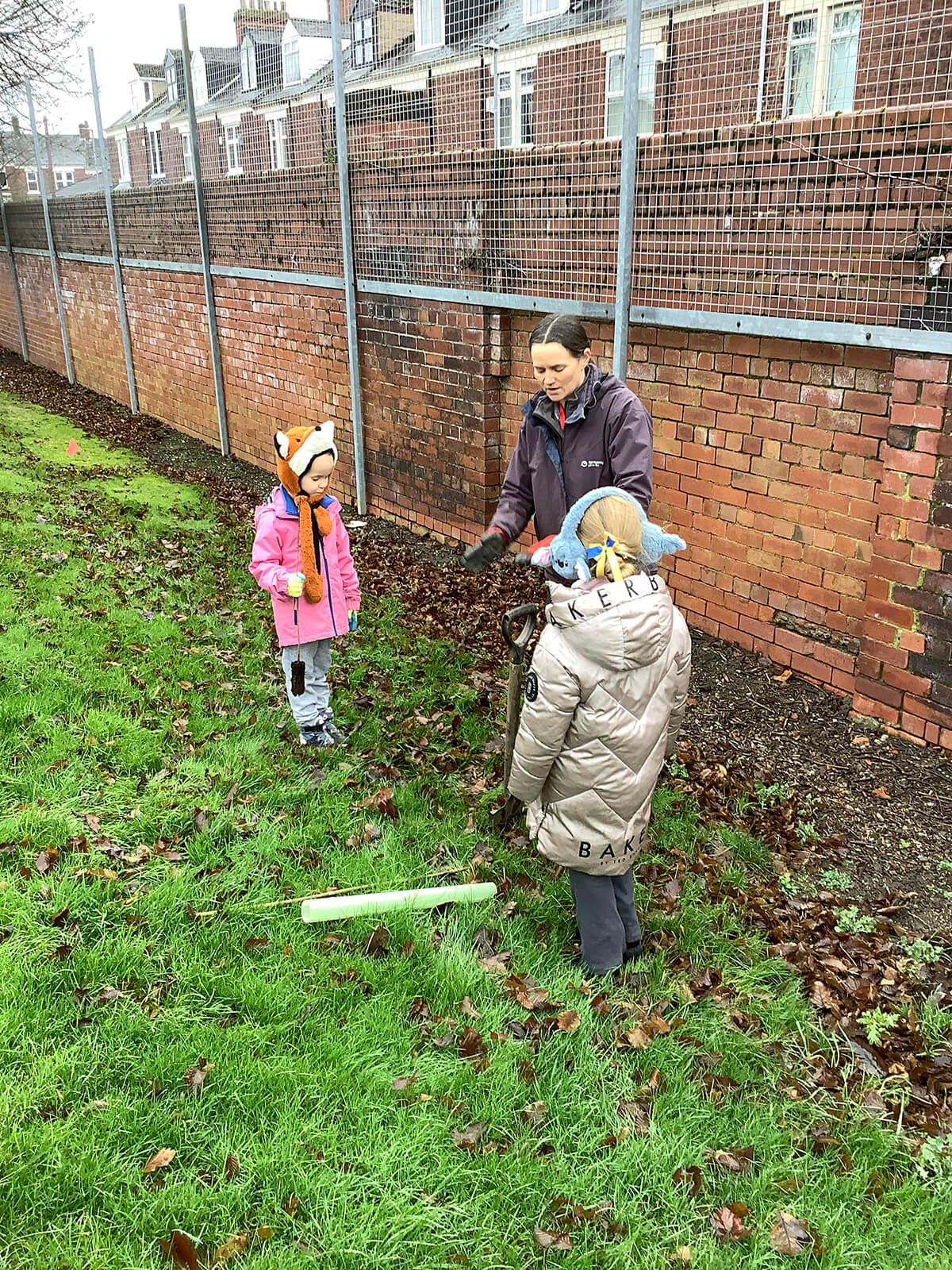
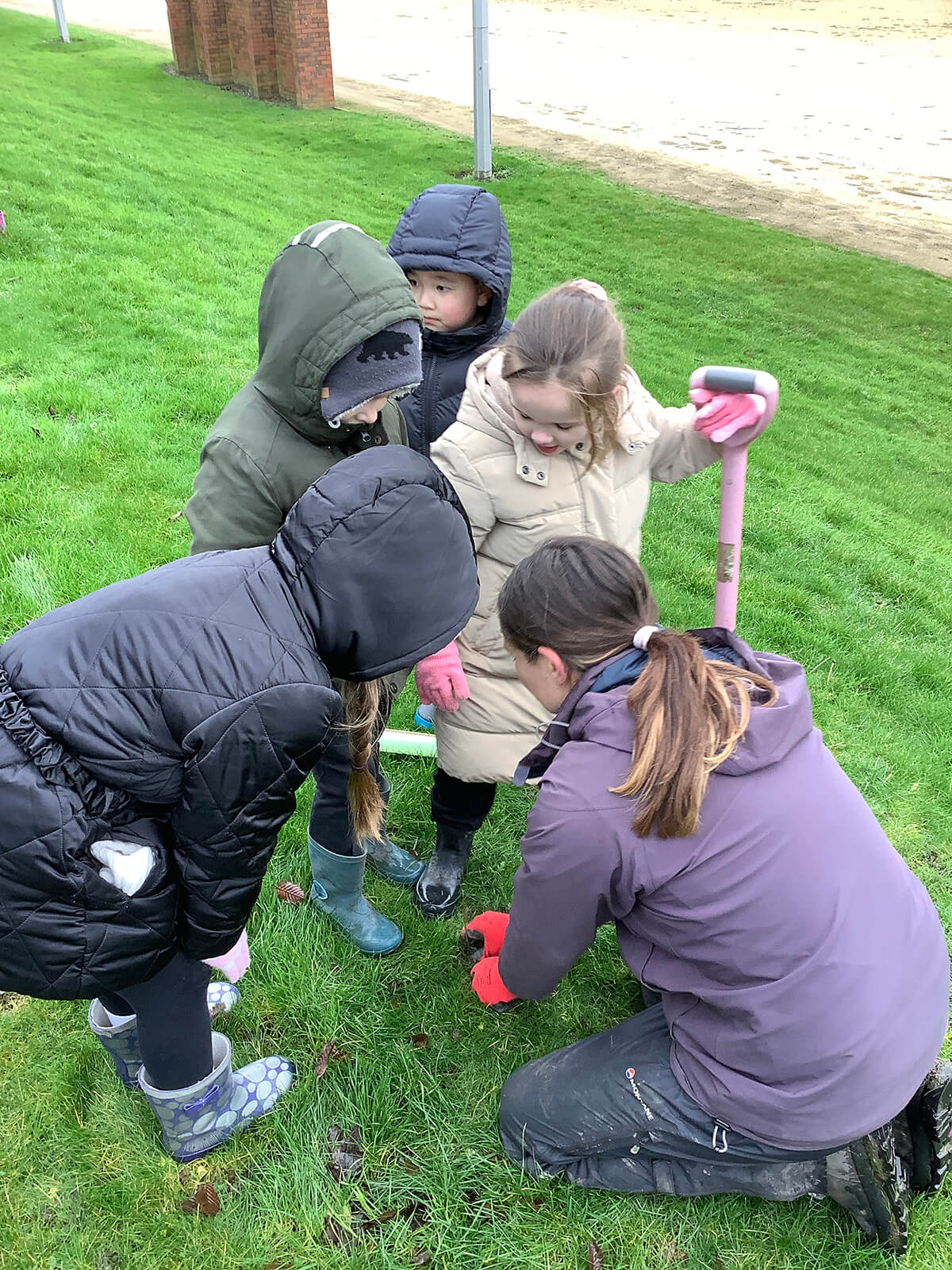
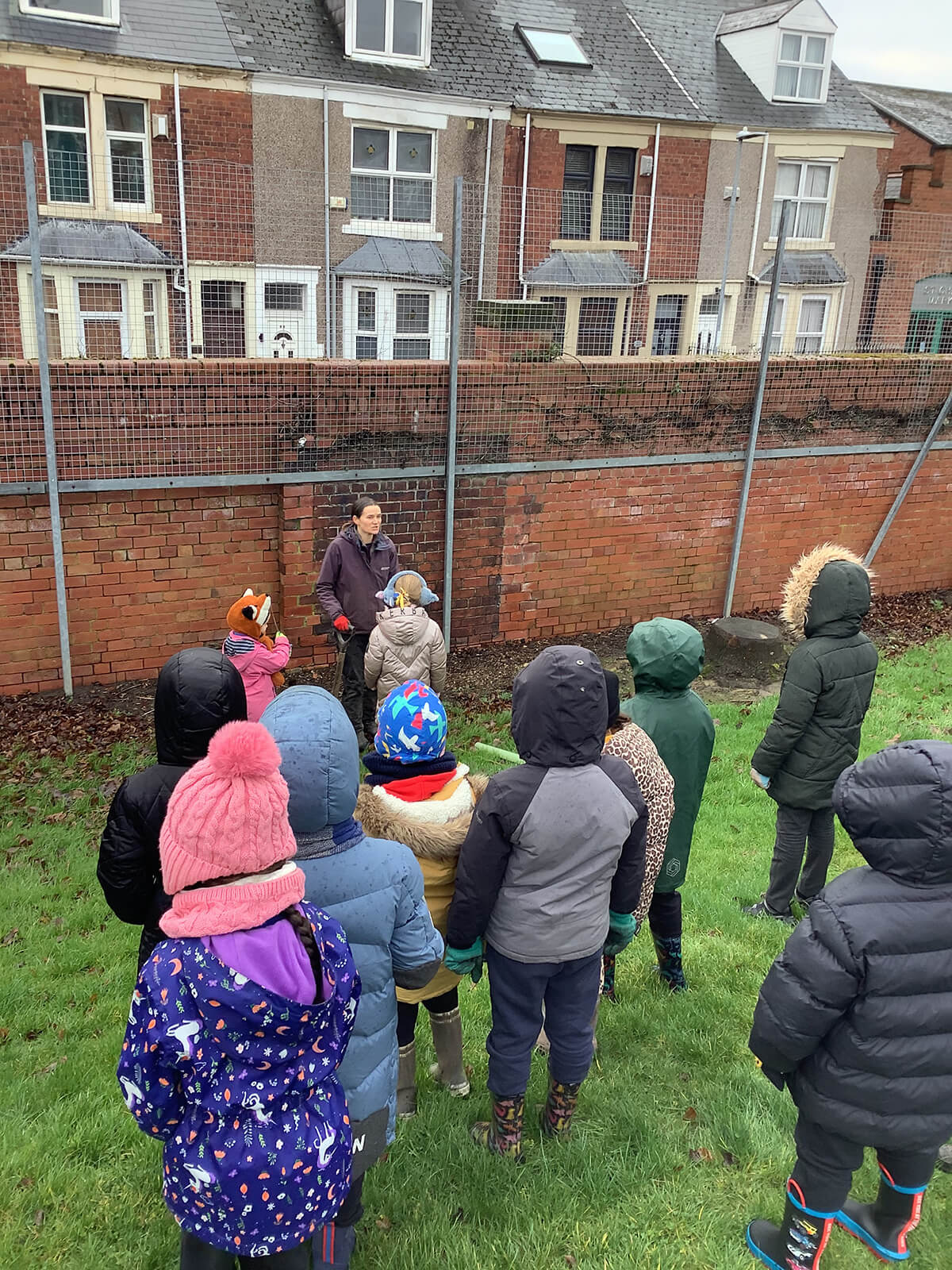
Our Education Officers lead hands-on sessions where children learn how to plant and care for trees, with activities adapted to suit different year groups. Pupils explore topics such as seasonal change, plant life cycles, forest ecosystems, animal identification, food chains and the impact of climate change. By combining practical outdoor learning with curriculum-linked themes, the project strengthens children’s connection to nature, particularly in urban environments where access to green space can be limited.

Beyond environmental education, Trees for Schools helps create greener, healthier school grounds that support wellbeing, biodiversity and climate resilience. It encourages environmental stewardship from an early age, builds practical life skills in planting and care and contributes positively to local ecosystems.


header image

Project Statistics

School Tree icon

100

Trees Planted
icon

108

Approx. Children Engaged
icon

410

Children on School Roll
icon

37.60%

Free School Meals
icon

15.35%

County Woodland Cover
icon

Testimonials

"I didn't think I was going to enjoy this but I really did." - Teacher, Brighton Avenue Primary School "I enjoyed putting the trees in and digging holes" - Student, Brighton Avenue Primary School "I enjoyed finding exciting things in the soil like worms!" - Student, Brighton Avenue Primary School "It was really fun!" - Student, Brighton Avenue Primary School "We got to experience how to plant trees." - Student, Brighton Avenue Primary School "I learnt what kind of trees we were planting." - Student, Brighton Avenue Primary School "To always take care of trees and make sure they are safe." - Student, Brighton Avenue Primary School "There's going to be lots of animals coming like bees." - Student, Brighton Avenue Primary School "It'll make us more hidden from the roads." - Student, Brighton Avenue Primary School "There will be more greenery and flowers." - Student, Brighton Avenue Primary School "After a whole school assembly the children were raring to go, and I enjoyed working with the oldest children in the school to plant up 'no man's land' ('we're not usually allowed in here!!') to the youngest children who took great care in planting individual trees along the edge of the school field." - Education Officer

Planting for the Next Generation

Brighton Avenue Primary School is a highly inclusive and welcoming school where every child is celebrated as a unique “star.” Guided by its motto, “Success for all… because every child is a star!”, the school is committed to ensuring all pupils feel valued, supported and challenged to achieve their very best in a happy and safe environment.

With a strong focus on high-quality teaching and a rich, creative curriculum, Brighton Avenue provides engaging learning experiences that inspire curiosity and confidence. The school places great importance on personal development as well as academic success, helping children grow into confident, well-rounded individuals who are proud of their achievements and ready for the next stage of their learning journey.

Working closely in partnership with families and the wider community, Brighton Avenue fosters a positive, inclusive culture built on high expectations, strong relationships and a shared belief that every child can succeed.

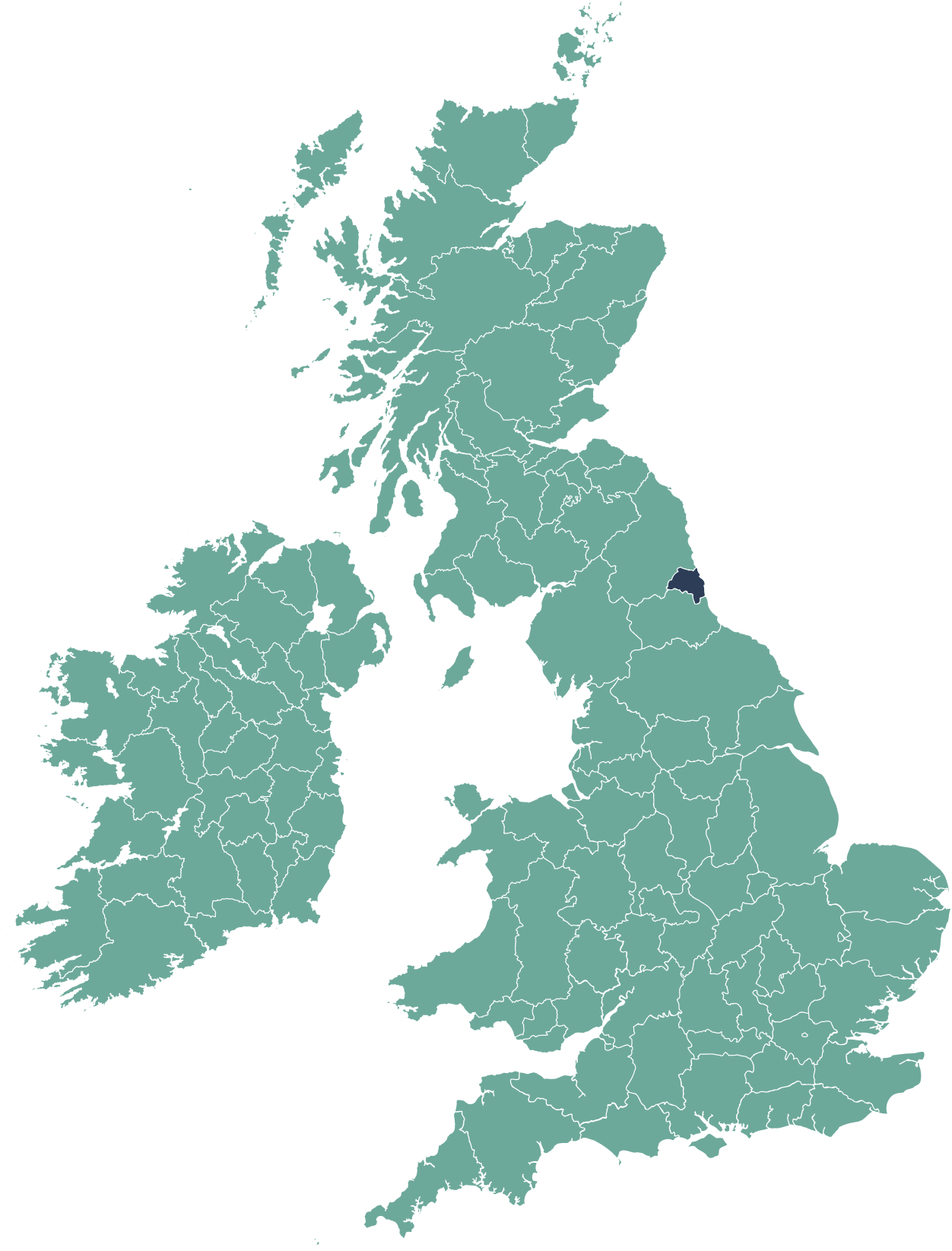
Map
Education Officer Picture

Meet Our Education Officer

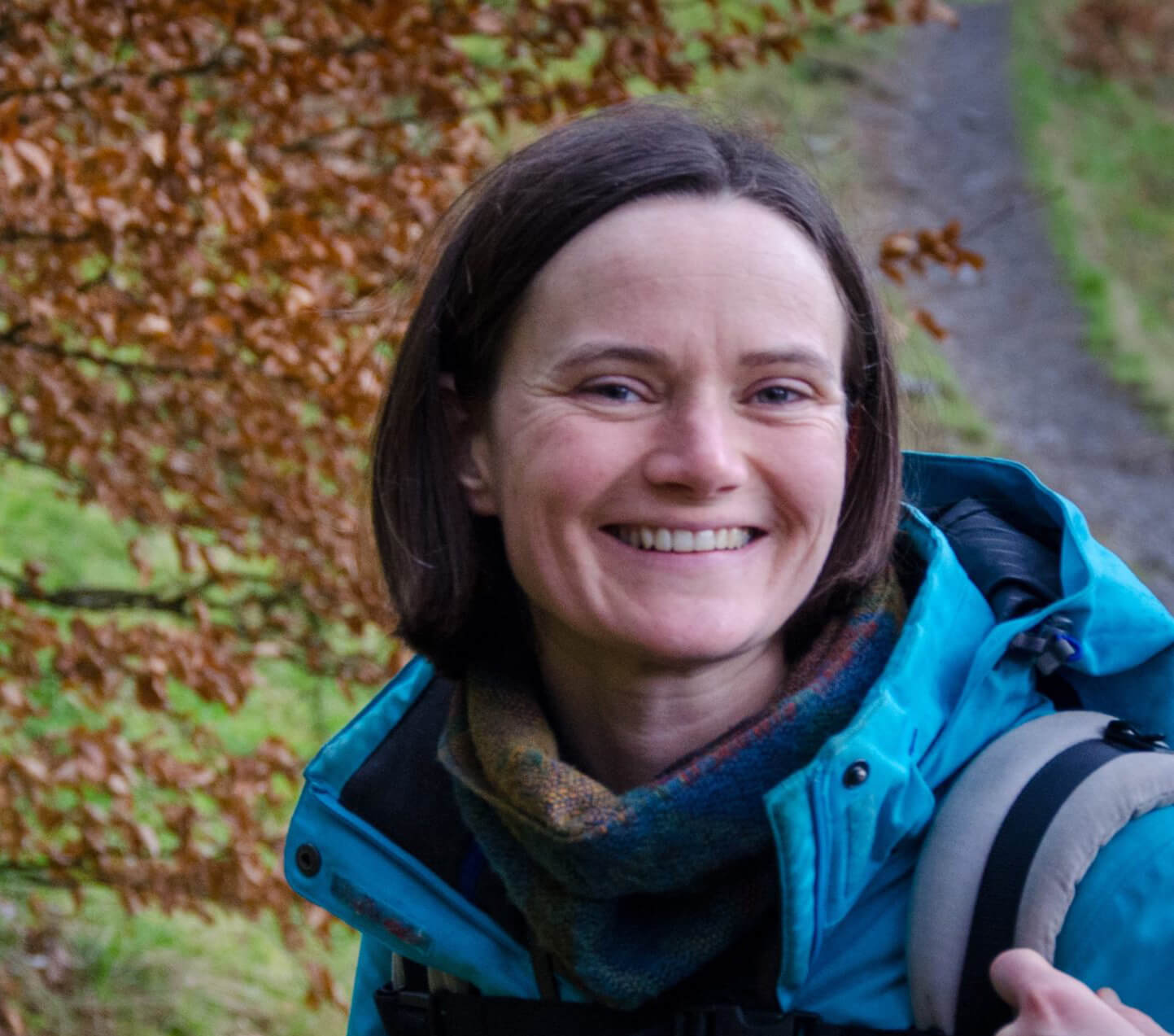
Jessica Lloyd

Jessica is a qualified primary school teacher and a former People and Wildlife Officer at Northumberland Wildlife Trust. She says: “I find it so rewarding to see how much knowledge children absorb during a day out in a woodland, as well as how much they enjoy it! Growing up in Northumberland I was lucky enough to go on regular family walks to woodlands, where I would take part in treasure hunts, build dens, look for wildlife and make up stories. Many children now don’t get so many opportunities to explore woodlands, so I love showing school groups how much fun they can be!”

Tree Species Planted:

100 trees planted in Tyne and Wear

Tree Leaf
10 Trees Planted

Alder: Alnus glutinosa

Read More

Alder: Alnus glutinosa

Alder can be found across Europe and thrives in moist ground and damp cool areas, which is why you’ll often see alder trees planted near rivers and ponds. Moth caterpillars love alder leaves and the tree’s roots make an ideal nesting site for otters. For humans, the real value of alder wood is that it’s durable when wet, so is useful for making boats and sluice gates. The story goes that outlaws like Robin Hood would have used the green dye from alder flowers to camouflage their clothing!

Tree Leaf
20 Trees Planted

Beech: Fagus sylvatica

Read More

Beech: Fagus sylvatica

If the oak is the king of British trees, then the beech is its queen. A dense canopy of leaves provides a rich habitat for all sorts of insects, its seeds are popular with mice and squirrels, and hole-nesting birds make their homes in beech trunks. Some of the UK’s tallest native trees are beeches, including one that stands at over 44m tall on the National Trust's Devil's Dyke Estate in West Sussex.

Tree Leaf
20 Trees Planted

Dogwood: Cornus sanguinea

Read More

Dogwood: Cornus sanguinea

This hardy, deciduous shrub is commonly found in hedgerows and woodland edges across Britain. In late spring to early summer, it produces clusters of small creamy-white flowers that attract a wide range of pollinators. These are followed by dark berries in autumn, which provide an important food source for birds. Dogwood offers dense cover for nesting and sheltering wildlife, while its leaves support a variety of insect species.

Tree Leaf
30 Trees Planted

Field Maple: Acer campestre

Read More

Field Maple: Acer campestre

This species is the UK’s only native maple and is often grown as an ornamental tree in large gardens and parks, as well as in woods and hedgerows. Its wood is white, hard and strong, and is popular for making furniture, flooring and musical instruments, especially harps. Field maple flowers are hermaphrodite, meaning each flower contains both male and female reproductive parts.

Tree Leaf
20 Trees Planted

Rowan: Sorbus aucuparia

Read More

Rowan: Sorbus aucuparia

Also known as the mountain ash, rowan trees grow well at high altitudes and are commonly found in the Scottish Highlands, as well as on streets and in gardens across the UK. Many birds eat their scarlet berries in the autumn, then disperse the seeds. Rowan used to be planted next to homes to ward off the threat of witches, as red was once believed to guard against evil.

Supported By:

supported company logo

Project Partner:

partner logo GreenTheUK logo

UN Sustainable Development Goals

As a GreenTheUK partner, you support projects that are in line with the UN Sustainable Development Goals.

SDG Icon

Take urgent action to combat climate change and its impacts.

SDG Icon

Sustainably manage forests, combat desertification, halt and reverse land degradation, halt biodiversity loss.

Join Our Mailing List...