Planting for the Future

header image

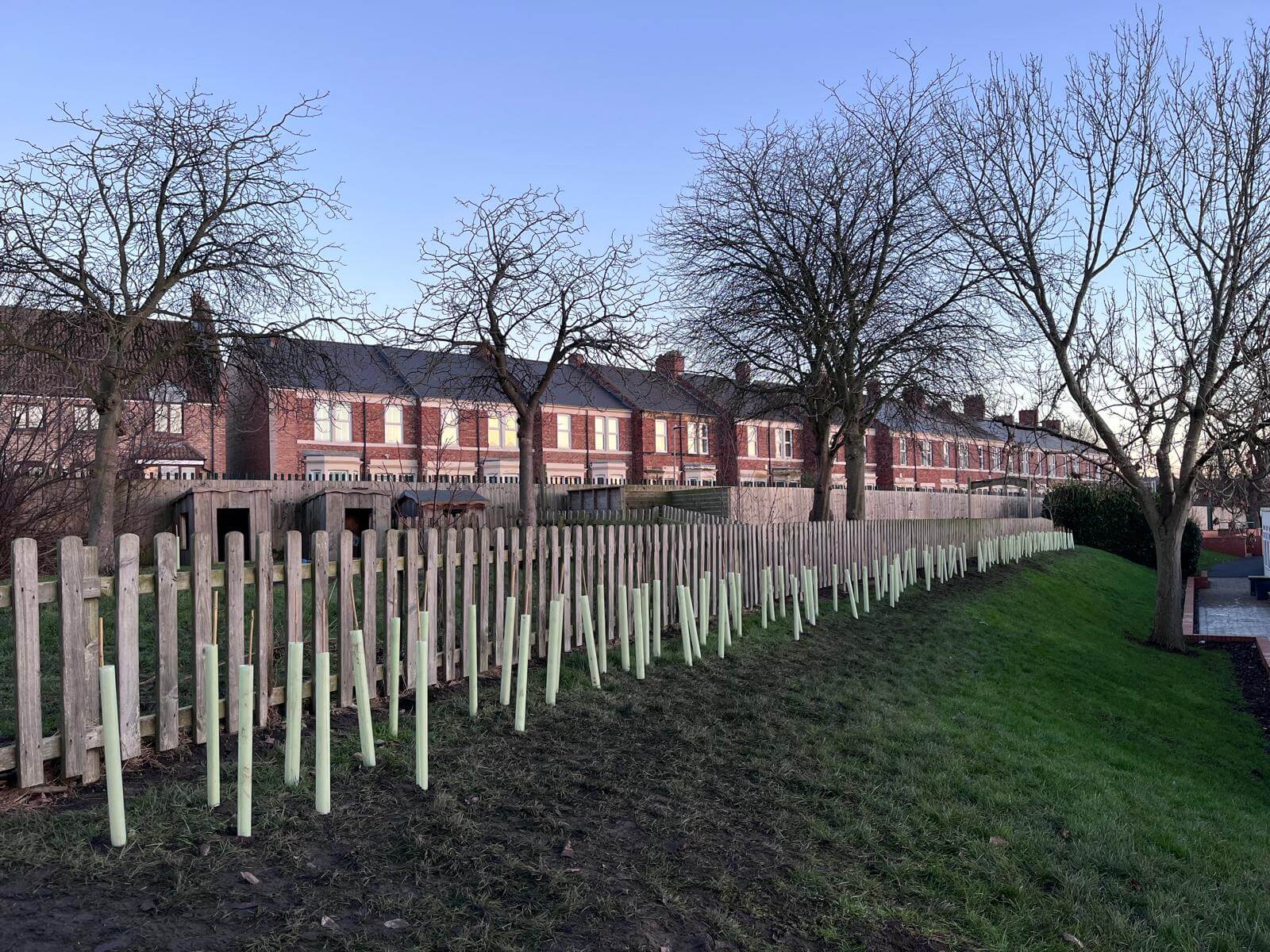
Atos supported the planting of 100 climate-resilient trees in a local school in 2025-26

Project Overview

This report highlights the Trees for Schools initiative, through which climate-resilient trees have been planted at a local primary school with the generous support of Atos, alongside additional schools that have benefited from their wider commitment to the project.

Each Trees for Schools workshop is carefully designed around the individual needs of the school. Before planting takes place, a consultation is carried out with staff to understand the site, the pupils’ age range, and how much green space is available. This allows us to select appropriate tree species, plan the layout of the planting, and ensure the trees will become a meaningful and long-lasting resource for both learning and the wider school community.

The programme has a strong social impact focus, prioritising schools where a higher proportion of pupils are eligible for Free School Meals, helping to ensure that access to high-quality green learning spaces and environmental education is available to those who may benefit most.

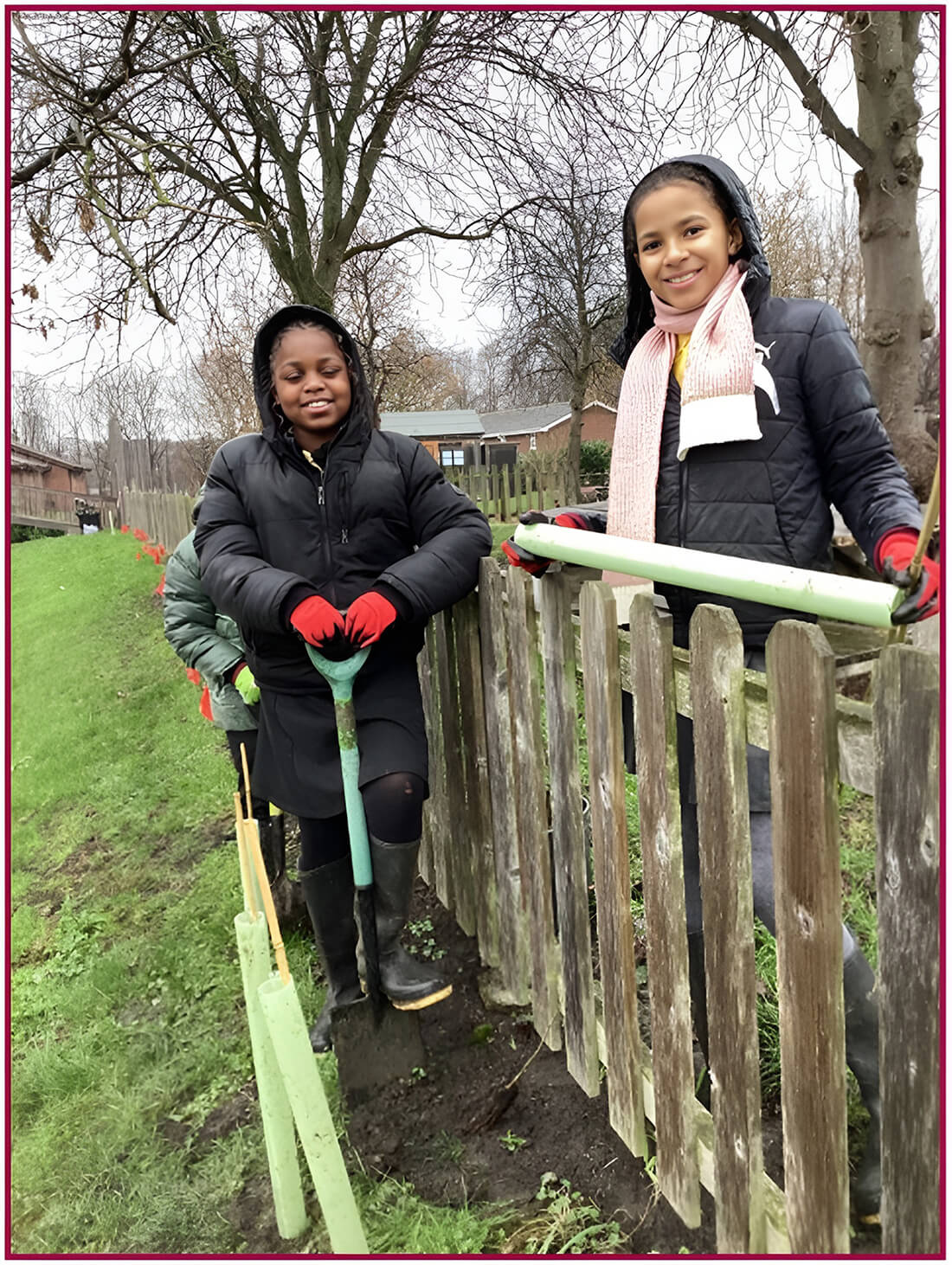
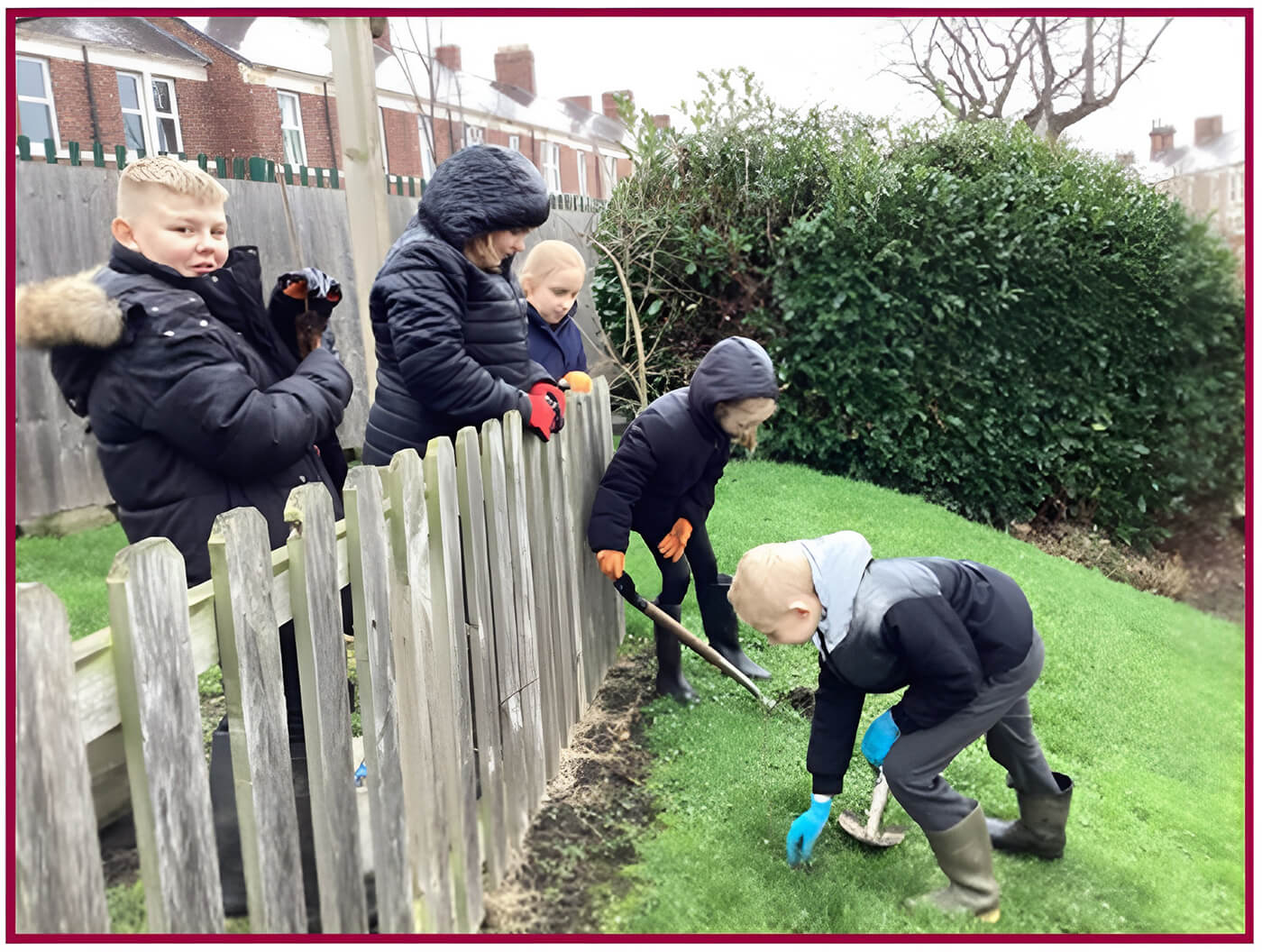
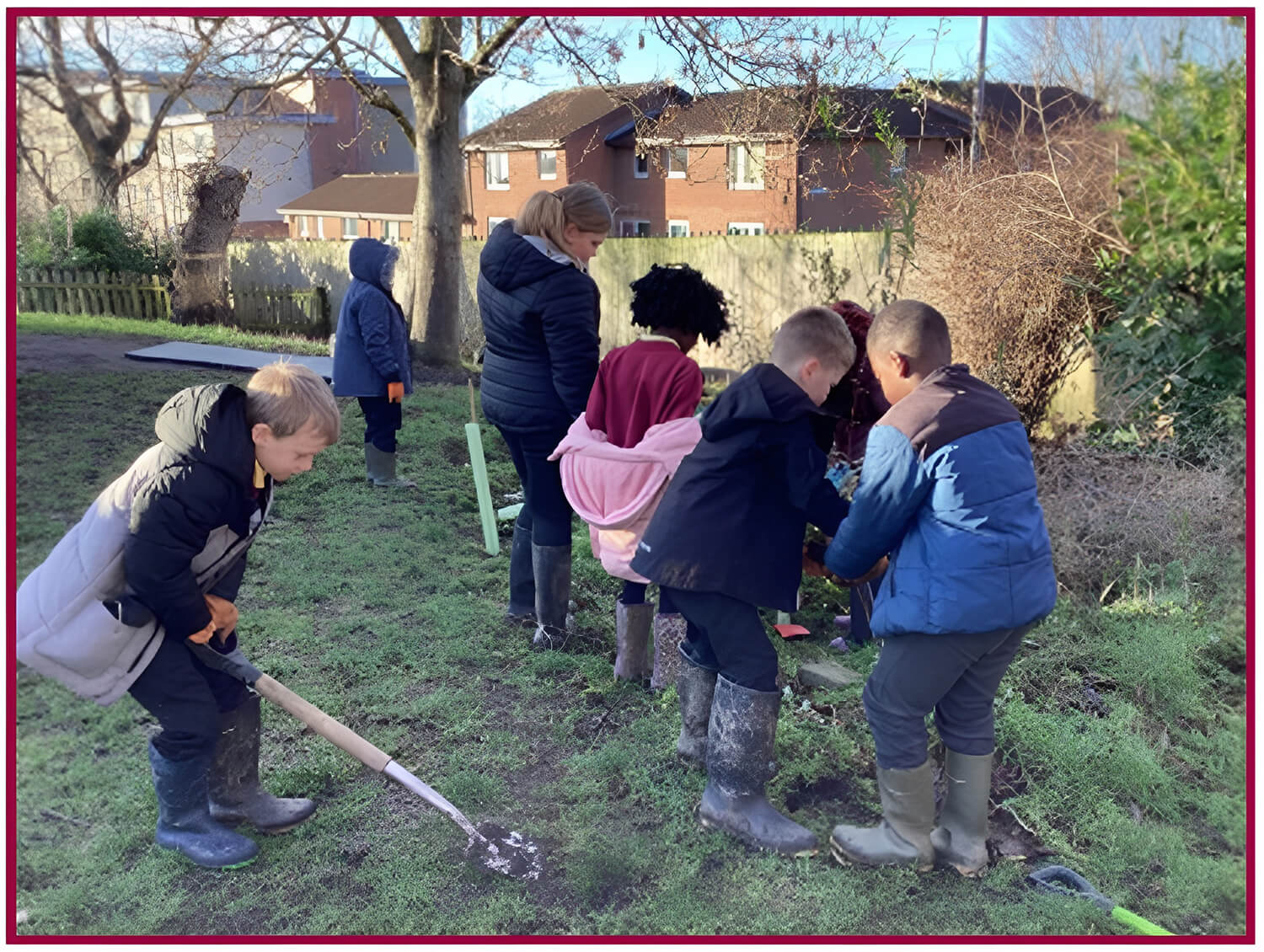
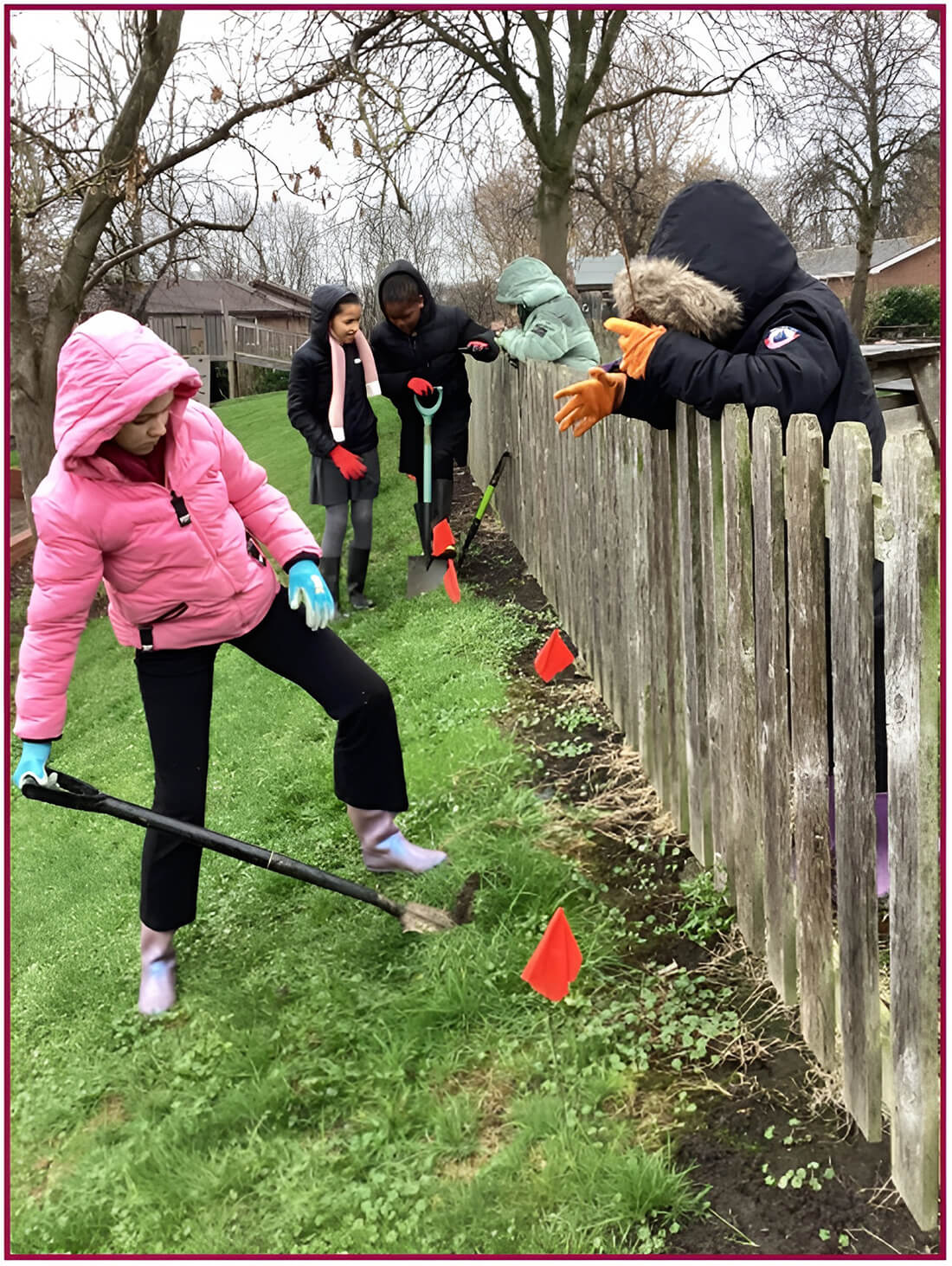
Our Education Officers lead hands-on sessions where children learn how to plant and care for trees, with activities adapted to suit different year groups. Pupils explore topics such as seasonal change, plant life cycles, forest ecosystems, animal identification, food chains and the impact of climate change. By combining practical outdoor learning with curriculum-linked themes, the project strengthens children’s connection to nature, particularly in urban environments where access to green space can be limited.

Beyond environmental education, Trees for Schools helps create greener, healthier school grounds that support wellbeing, biodiversity and climate resilience. It encourages environmental stewardship from an early age, builds practical life skills in planting and care and contributes positively to local ecosystems.


header image

Project Statistics

School Tree icon

100

Trees Planted
icon

100

Approx. Children Engaged
icon

22

Children on School Roll
icon

16.50%

Free School Meals
icon

15.35%

County Woodland Cover
icon

Testimonials

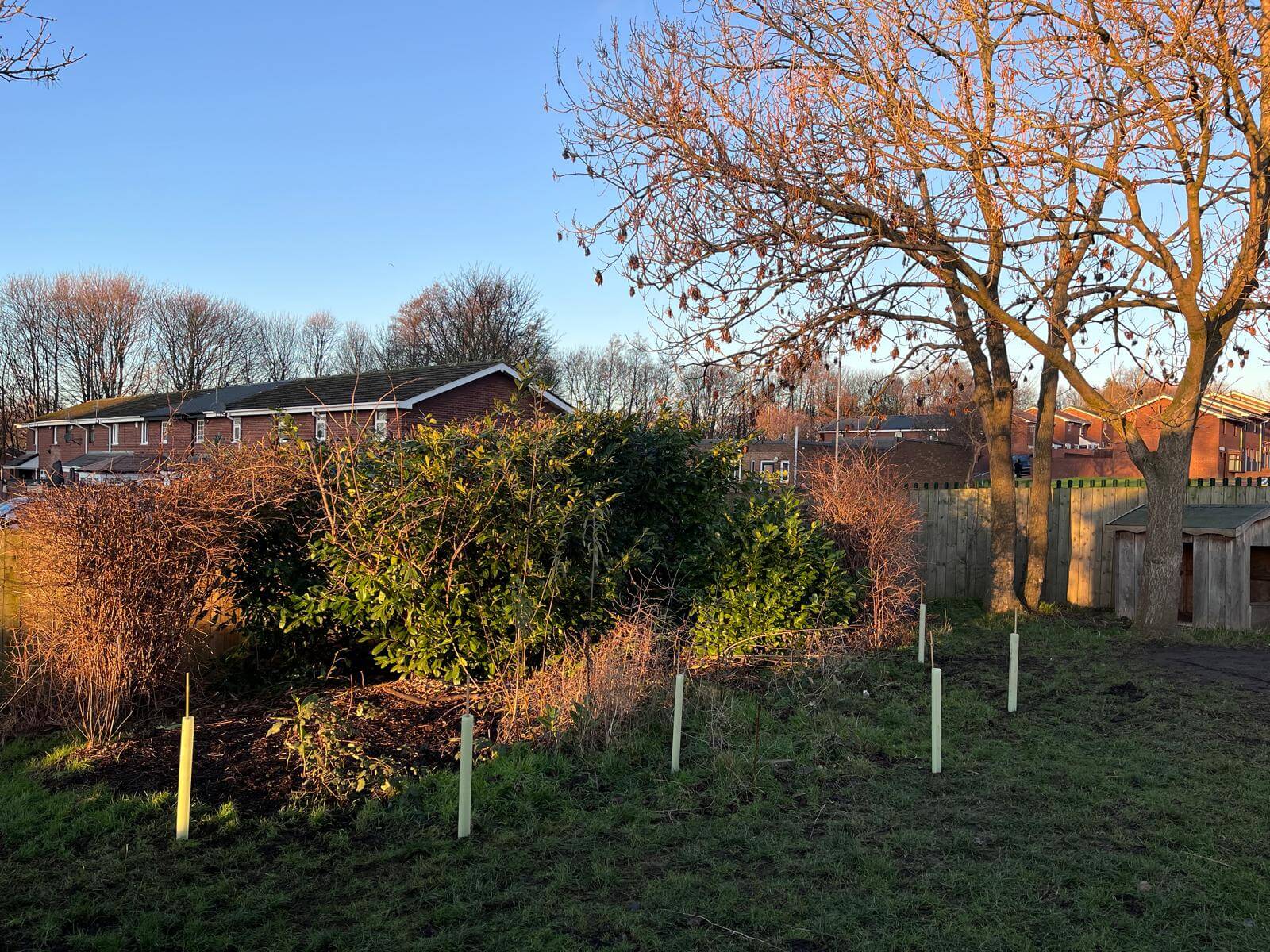
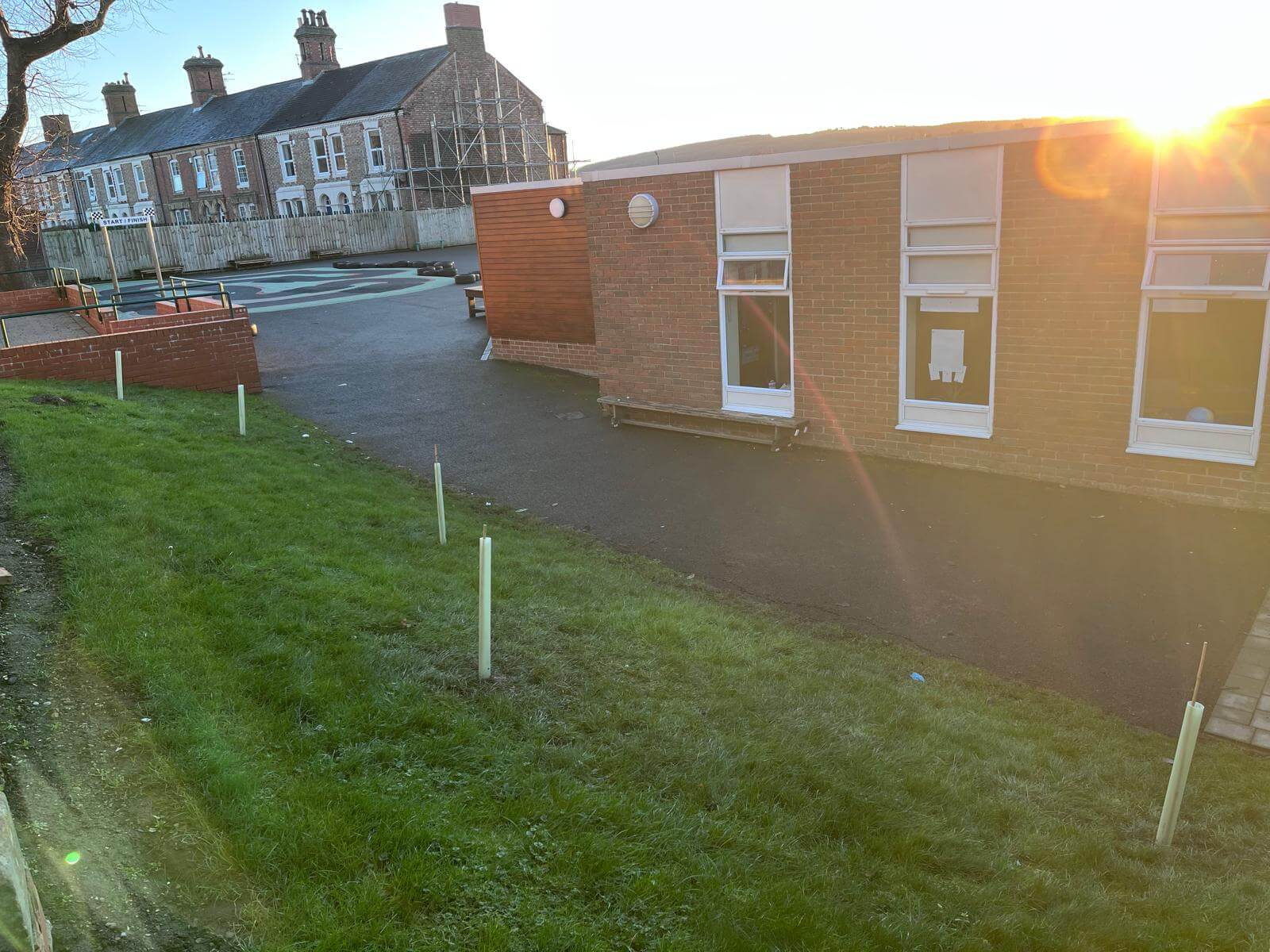
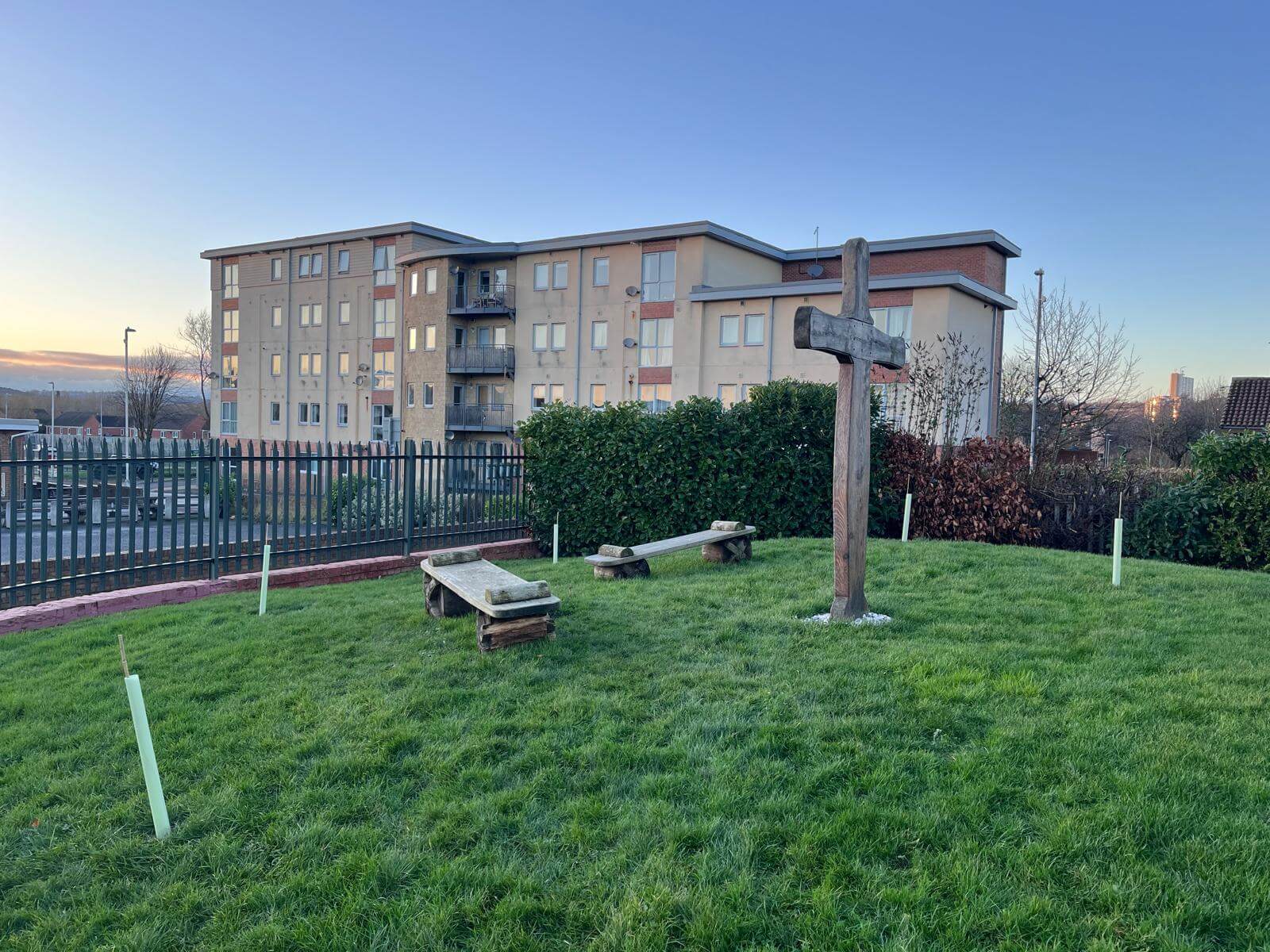
"It was a wonderful day, despite the wet weather. Jess was knowledgeable and delivered the input in a really appropriate and timely manner to meet the needs to the children within the group. The children all spoke positively about their day and are very keen to see the trees grow." - Teacher, St Aidan's Church of England Primary School "It was good to be outside and plant the trees." - Student, St Aidan's Church of England Primary School "I liked working with other children in school." - Student, St Aidan's Church of England Primary School "I liked learning about how to plant a tree." - Student, St Aidan's Church of England Primary School "It was good to help make the school grounds better." - Student, St Aidan's Church of England Primary School "I learnt about the different parts of the tree and the things that they need to grow." - Student, St Aidan's Church of England Primary School "It will be better for the environment." - Student, St Aidan's Church of England Primary School "It will create new habitats for animals and insects." - Student, St Aidan's Church of England Primary School "It will make our school garden and grounds look nicer when the trees are grown." - Student, St Aidan's Church of England Primary School "Despite a wet morning and some slippy conditions, 100 pupils came out to plant trees, many commenting on how much nicer the hedge would look instead of a boring fence! The school councillors were especially helpful!" - Education Officer

Planting for the Next Generation

St Aidan’s Church of England Primary School is a caring and inclusive school, underpinned by a strong Christian ethos and a commitment to ensuring that every child is able to flourish. Working in close partnership with parents, the church and the wider community, the school is dedicated to providing the very best education for all pupils, helping them to experience ‘life in all its fullness’ (John 10:10).

At the heart of St Aidan’s is a nurturing Christian community where each child is valued as an individual. Guided by values of respect, compassion and forgiveness, the school fosters a safe and supportive environment where positive relationships thrive and children are encouraged to grow in confidence, independence and wellbeing.

With high expectations and a broad, balanced curriculum, St Aidan’s ensures that all pupils are challenged and supported to achieve their best. A dedicated team of staff and governors work together to help children develop into resilient, enthusiastic learners who are well-prepared for the next stage of their journey, both academically and personally.

Map
Education Officer Picture

Meet Our Education Officer

Jessica Lloyd

Jessica is a qualified primary school teacher and a former People and Wildlife Officer at Northumberland Wildlife Trust. She says: “I find it so rewarding to see how much knowledge children absorb during a day out in a woodland, as well as how much they enjoy it! Growing up in Northumberland I was lucky enough to go on regular family walks to woodlands, where I would take part in treasure hunts, build dens, look for wildlife and make up stories. Many children now don’t get so many opportunities to explore woodlands, so I love showing school groups how much fun they can be!”

Tree Species Planted:

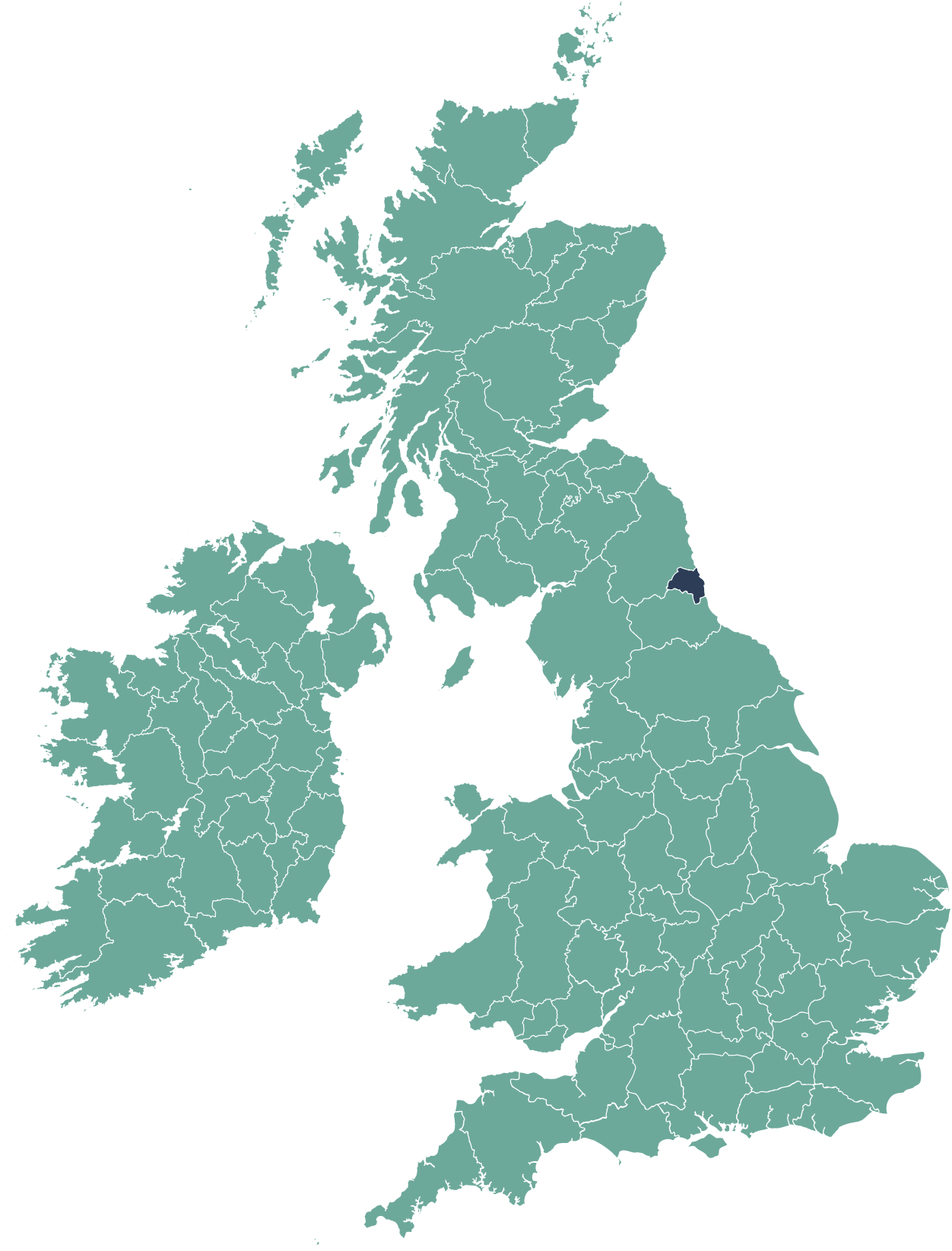
100 trees planted in Tyne and Wear

Tree Leaf
20 Trees Planted

Beech: Fagus sylvatica

Read More

Beech: Fagus sylvatica

If the oak is the king of British trees, then the beech is its queen. A dense canopy of leaves provides a rich habitat for all sorts of insects, its seeds are popular with mice and squirrels, and hole-nesting birds make their homes in beech trunks. Some of the UK’s tallest native trees are beeches, including one that stands at over 44m tall on the National Trust's Devil's Dyke Estate in West Sussex.

Tree Leaf
20 Trees Planted

Dogwood: Cornus sanguinea

Read More

Dogwood: Cornus sanguinea

This hardy, deciduous shrub is commonly found in hedgerows and woodland edges across Britain. In late spring to early summer, it produces clusters of small creamy-white flowers that attract a wide range of pollinators. These are followed by dark berries in autumn, which provide an important food source for birds. Dogwood offers dense cover for nesting and sheltering wildlife, while its leaves support a variety of insect species.

Tree Leaf
50 Trees Planted

Hawthorn: Crataegus monogyna

Read More

Hawthorn: Crataegus monogyna

Hawthorn is very much associated with the month of May, and the appearance of its bright, white flowers heralds the change from spring to summer. It is prolific in hedgerows, scrub and woodland throughout the UK and Ireland, and a single tree can grow as tall as 10m. In pagan times, hawthorn was a symbol of marriage and fertility, but in the Middle Ages, it was never brought into homes, as people believed it was a harbinger of illness and death.

Tree Leaf
10 Trees Planted

Rowan: Sorbus aucuparia

Read More

Rowan: Sorbus aucuparia

Also known as the mountain ash, rowan trees grow well at high altitudes and are commonly found in the Scottish Highlands, as well as on streets and in gardens across the UK. Many birds eat their scarlet berries in the autumn, then disperse the seeds. Rowan used to be planted next to homes to ward off the threat of witches, as red was once believed to guard against evil.

Supported By:

supported company logo

Project Partner:

partner logo GreenTheUK logo

UN Sustainable Development Goals

As a GreenTheUK partner, you support projects that are in line with the UN Sustainable Development Goals.

SDG Icon

Take urgent action to combat climate change and its impacts.

SDG Icon

Sustainably manage forests, combat desertification, halt and reverse land degradation, halt biodiversity loss.

Join Our Mailing List...