Planting for the Future

header image

LMAX Group supported the planting of 100 climate-resilient trees in a local school in 2024-2025

Project Overview

The Trees for Schools project brings climate-resilient tree planting and high-quality outdoor learning directly into school grounds across the UK. Thanks to the support of LMAX Group, pupils at a local primary school have taken part in a planting workshop that will leave a legacy on their school grounds for decades to come. In total, LMAX Group has now supported tree planting in 6 schools, helping to expand green space, provide cleaner air in playgrounds, improve biodiversity and inspire the next generation of environmental stewards. This project is delivered in partnership with GreenTheUK and the Royal Forestry Society (RFS).

Every Trees for Schools workshop is designed specifically for the needs of each school. Before planting begins, the Royal Forestry Society (RFS) Education Officers meet with teachers to understand the school’s goals, existing green space, soil and site conditions, and long-term plans for the grounds. This ensures that the chosen species are well suited to the location, resilient to future climate pressures and valuable as a learning resource. The planting layout is mapped in advance, creating a purposeful design that will support wildlife, shade, shelter, outdoor education and reduce particulate air pollution.

On the day of planting, pupils learn directly from experienced Education Officers, who tailor sessions to the children’s age and interests. Activities may include exploring seasonal changes, understanding seeds and life cycles, identifying trees and animals, studying food chains and predators, and learning how forests help tackle climate change. The programme works with – and extends beyond – the curriculum, improving access to nature for children who may have limited opportunities to spend time outdoors. In urban areas especially, these workshops help break down barriers to nature connection and foster curiosity, confidence and wellbeing.

Through this project, young people learn why trees matter: their role in supporting local wildlife, improving air quality, capturing carbon and creating resilient habitats. At the same time, schools benefit from enhanced green spaces that support outdoor learning and provide calming, restorative environments for pupils and staff. National surveys show that over three-quarters of children want more time in nature, yet many families face accessibility barriers. With public support growing for a legal right to live within 15 minutes of nature, initiatives like Trees for Schools are more important than ever.

By supporting this programme with RFS and GreenTheUK, LMAX Group is helping to equip children with environmental understanding while transforming school grounds into nature-rich places for communities to enjoy.


header image

Project Statistics

School Tree icon

100

Trees Planted
icon

138

Approx. Children Engaged
icon

150

Children on School Roll
icon

50.80%

Free School Meals
icon

18.50%

County Woodland Cover
icon

Testimonials

"Feedback will be added here once available."

Planting for the Next Generation

Swalwell Primary is a small school in Newcastle-upon-Tyne for students age 3-11. From Russell Warren, their head teacher, Swalwell's core belief is that every child achieves everything that every child can. They boast a strong outdoor learning programme with their younger pupils taking part in a forest school session every week.

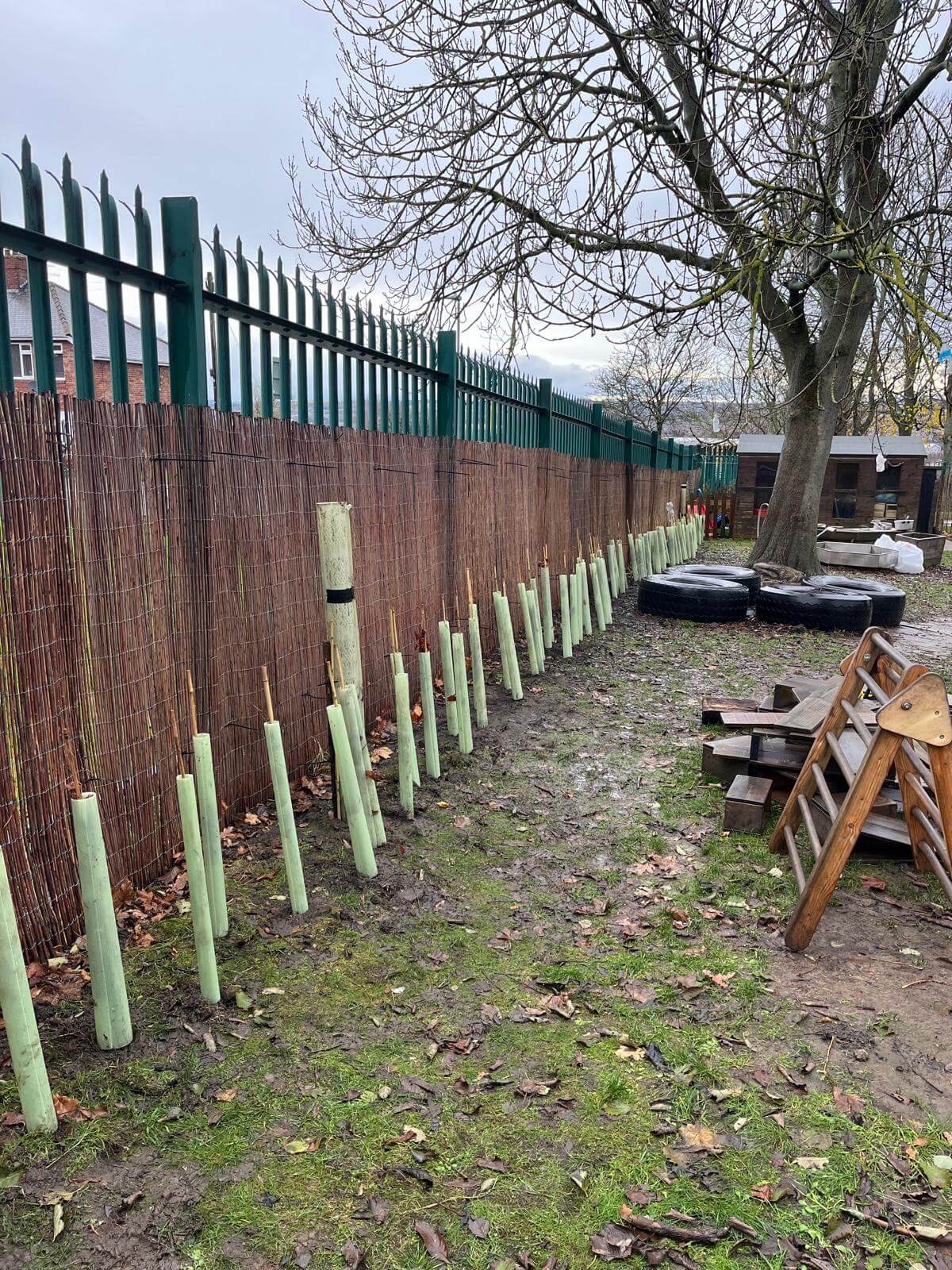
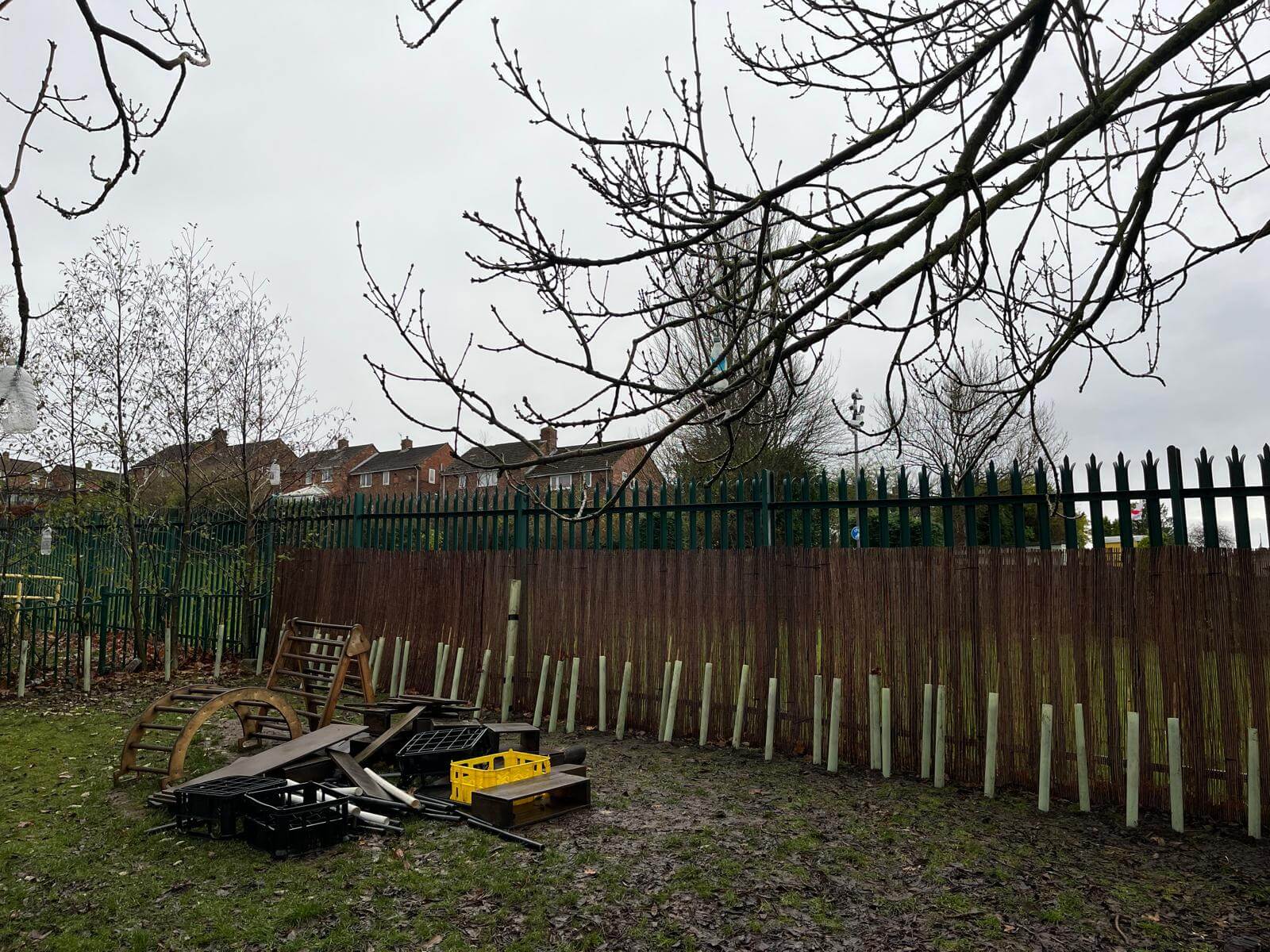
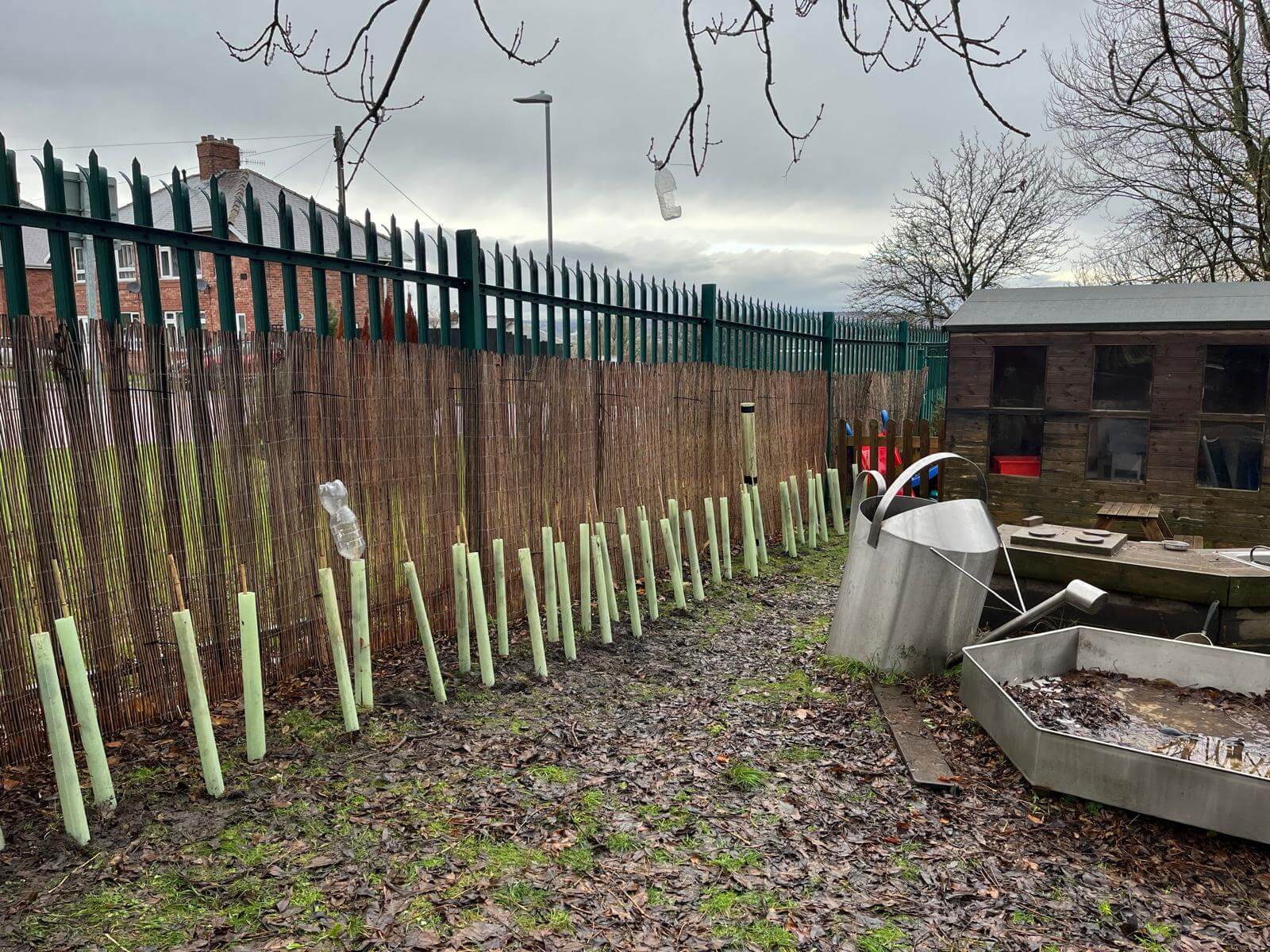
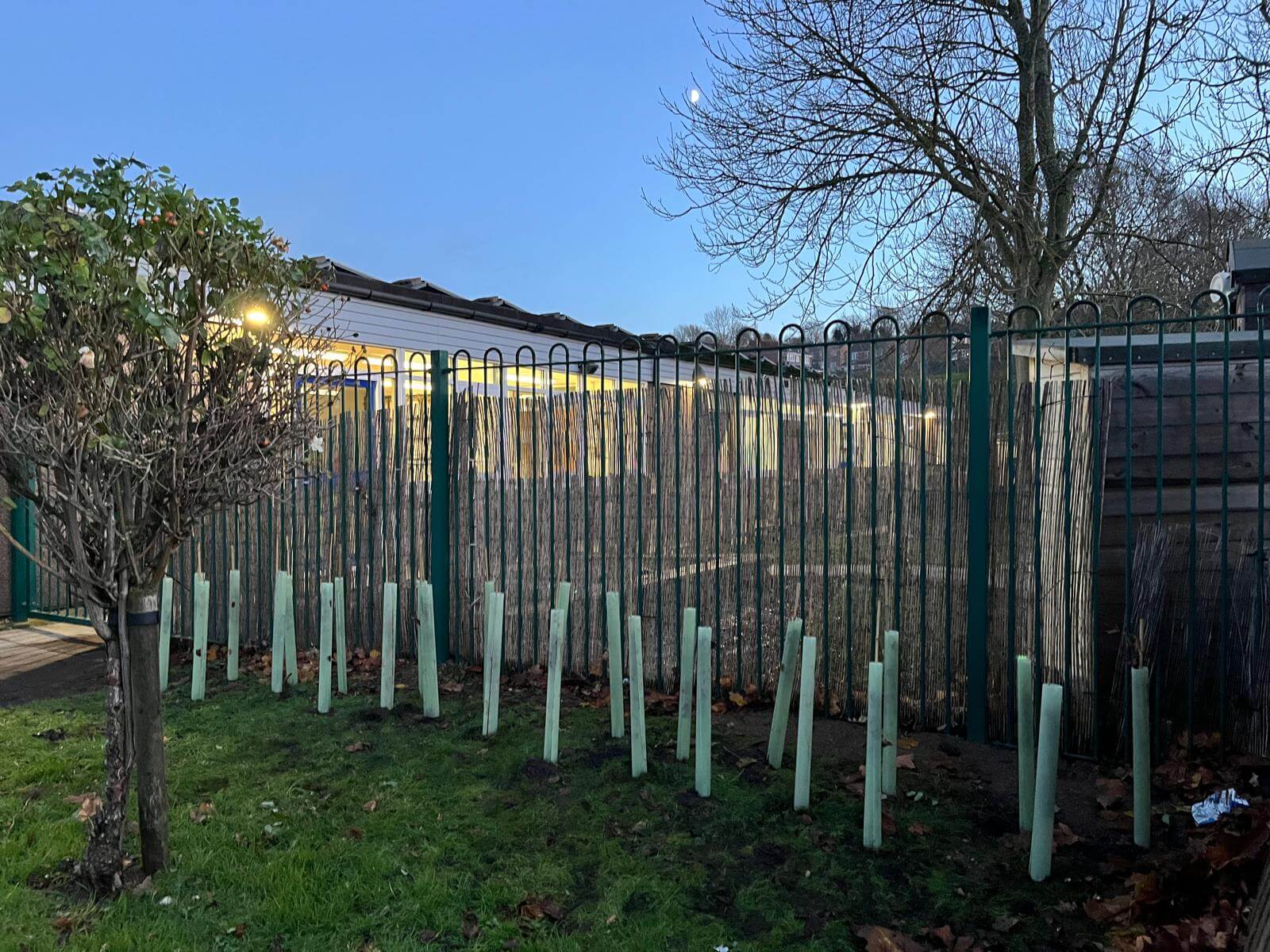
A beech hedge was planted around the Early Years Foundation Stage area, with two field maples incorporated into the hedge and allowed to grow on as standards. In addition, a small mixed hedge of beech, field maple and elder was planted around the area where parents gather at pick-up times. These species were selected by the school to soften the appearance of the site, improve privacy and enhance the overall environment. The planting forms part of a wider, coordinated plan developed in partnership with Gateshead Council and the Woodland Trust.

Map
Education Officer Picture

Meet Our Education Officer

Jessica Lloyd

Jessica is a qualified primary school teacher and a former People and Wildlife Officer at Northumberland Wildlife Trust.

She says: “I find it so rewarding to see how much knowledge children absorb during a day out in a woodland, as well as how much they enjoy it! Growing up in Northumberland I was lucky enough to go on regular family walks to woodlands, where I would take part in treasure hunts, build dens, look for wildlife and make up stories. Many children now don’t get so many opportunities to explore woodlands, so I love showing school groups how much fun they can be!”

Tree Species Planted:

100 Trees planted in Tyne and Wear

Tree Leaf
80 Trees Planted

Beech: Fagus Sylvatica

Read More

Beech: Fagus Sylvatica

If the oak is the king of British trees, then the beech is its queen. A dense canopy of leaves provides a rich habitat for all sorts of insects, its seeds are popular with mice and squirrels, and hole-nesting birds make their homes in beech trunks. Some of the UK’s tallest native trees are beeches, including one that stands at over 44m tall on the National Trust's Devil's Dyke Estate in West Sussex.

Tree Leaf
10 Trees Planted

Field Maple: Acer Campestre

Read More

Field Maple: Acer Campestre

This species is the UK’s only native maple and is often grown as an ornamental tree in large gardens and parks, as well as in woods and hedgerows. Its wood is white, hard and strong, and is popular for making furniture, flooring and musical instruments, especially harps. Field maple flowers are hermaphrodite, meaning each flower contains both male and female reproductive parts.

Tree Leaf
10 Trees Planted

Elder: Sambucus Nigra

Read More

Elder: Sambucus Nigra

Elder trees can be found growing all over the UK, often near rabbit warrens and the homes of other woodland creatures who spread the seeds through their droppings. Our ancestors in the Middle Ages believed that planting elder trees near their houses would ward off the Devil, and elder leaves were thrown into graves at funerals to protect the dead from evil spirits. Although poisonous when raw, elderberries can be cooked and made into syrup or jam, while elderflowers make the perfect refreshing summer cordial.

Supported By:

supported company logo

Project Partner:

partner logo GreenTheUK logo

UN's Sustainable Development Goals

As a GreenTheUK partner, you support projects that are in line with the UN Sustainable Development Goals.

SDG Icon

Take urgent action to combat climate change and its impacts.

SDG Icon

Sustainably manage forests, combat desertification, halt and reverse land degradation, halt biodiversity loss.

Join Our Mailing List...