LRG helped contribute to the restoration of approx. 242 sq m of native oyster reef in the Solent across 2025/26
The Solent Oyster Restoration Project (SORP) is working to restore native oysters along the south coast of England. Native oysters are a keystone species within marine ecosystems and, in the Solent, populations have faced a drastic decline, falling by 95 per cent as a result of historic overfishing, habitat loss, pollution and disease.
The past year has marked a major step forward for oyster restoration work, including at our new reef in Chichester. Following the consenting process, the first of three phases of native oyster reef creation was successfully delivered, with nearly 2,000 tonnes of cultch laid to form the initial foundations of the first phase of a three-and-a-half-hectare reef system. In early May 2026, 20,873 native oysters were deployed onto the reef following biosecurity checks, supported by 246 volunteers contributing 1,388 hours of their time. This represents the beginning of long-term reef recovery at this new site and has been generously supported by funders including the Endangered Landscapes and Seascapes Programme, East Head Impact and Elgol Fund for Nature, amongst other funders.
Thank you LRG. Your funding has helped contribute to the restoration of approximately 242 sq m of native oyster reef in the Solent in 2025/26. This funding helps to enable the delivery of this work on the ground and underpins the long-term restoration of oysters across this critical stretch of UK coastline.
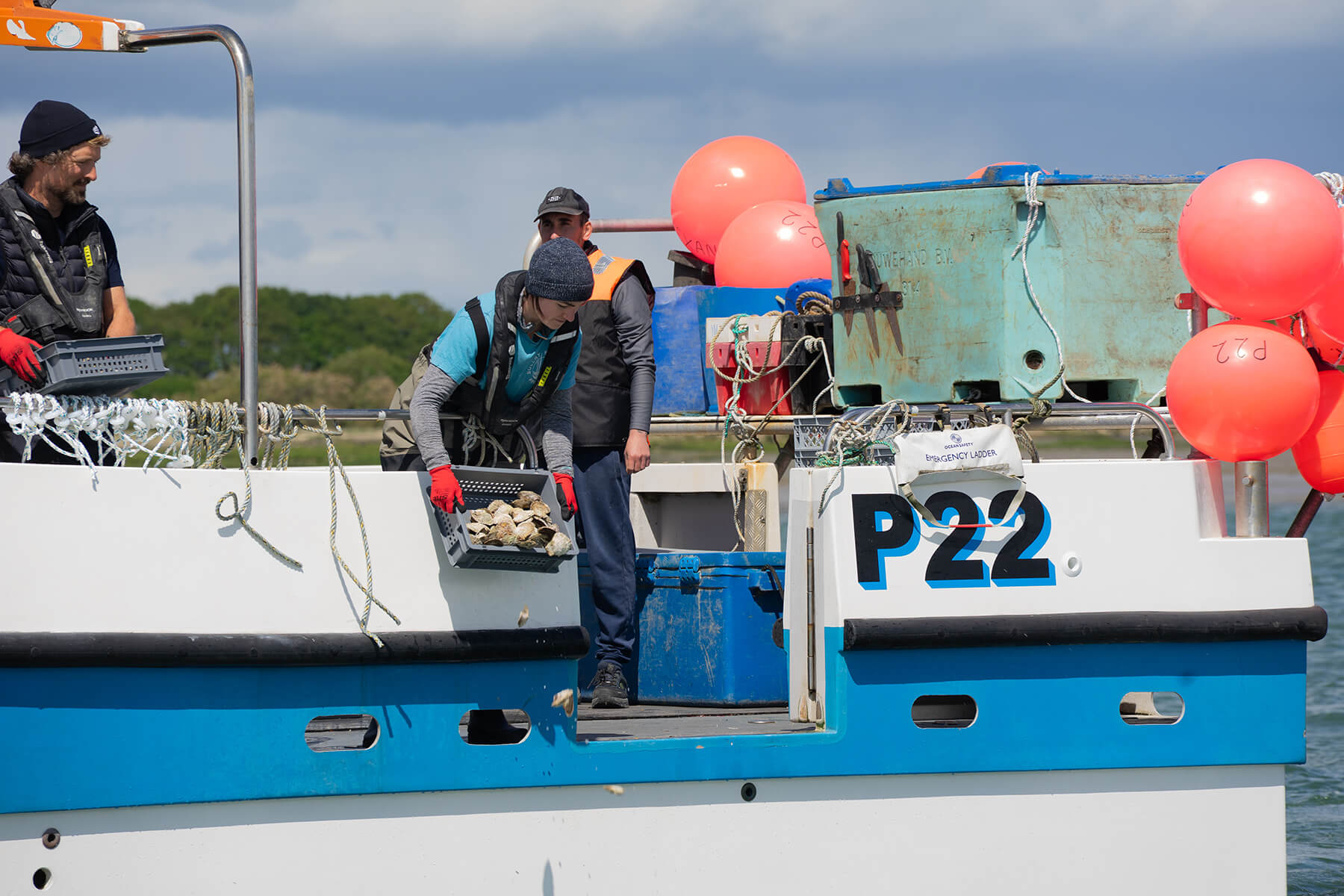 Figure 1: Blue Marine team adding new oysters to Chichester reef. Credit: Emma Nicol.
Key updates from the wider project over the last 12 months
- Completed phase one of the Chichester Reef, deploying cultch into the first 1-hectare area (with a total 3.5+-hectare target).
- Amassed support from over 500 volunteers, helping to scrub 45,285 oysters across three volunteering event periods (May 2025, November 2025 and May 2026).
- Deployed 20,873 adult oysters onto the Chichester Reef.
- Helped the Harbour Oysters and Final Straw Foundation to install several oyster nurseries in marinas and jetties around the Solent to take on this work and provide an increased supply of larvae, hopefully to increase settlement on the seabed sites.
- Continued monitoring efforts through bathymetry surveys, drone surveys, grab samples, larval settlement collectors (coupelles), visual assessment and particle size analysis.
Progress from the wider project over the last year
1) Chichester oyster reef development and licensing
Progress has continued towards the creation of the first native oyster reef in Chichester Harbour. Building on earlier site identification, detailed surveys and baseline monitoring were completed across a 15-hectare area. Within this, a 3.5-hectare target area has been confirmed as suitable for restoration, with suitable substrate (subtidal and sublittoral mixed sediment) and depth. The selected restoration site lies close to restored seabird nesting habitats, natural and restored saltmarsh, and naturally occurring seagrass beds, supporting an integrated seascape approach and enabling monitoring of biodiversity change across adjacent habitats.
Over the past year, a full Marine Licence Application was granted by the Marine Management Organisation (MMO), allowing the deposition of cultch material and live native oysters. A total of six additional permits and licences from organisations including Chichester Harbour Conservancy, The Manor of Bosham and the Hundred, The Crown Estate and Natural England have been secured, in addition to the Marine Licence to enable reef construction to take place.
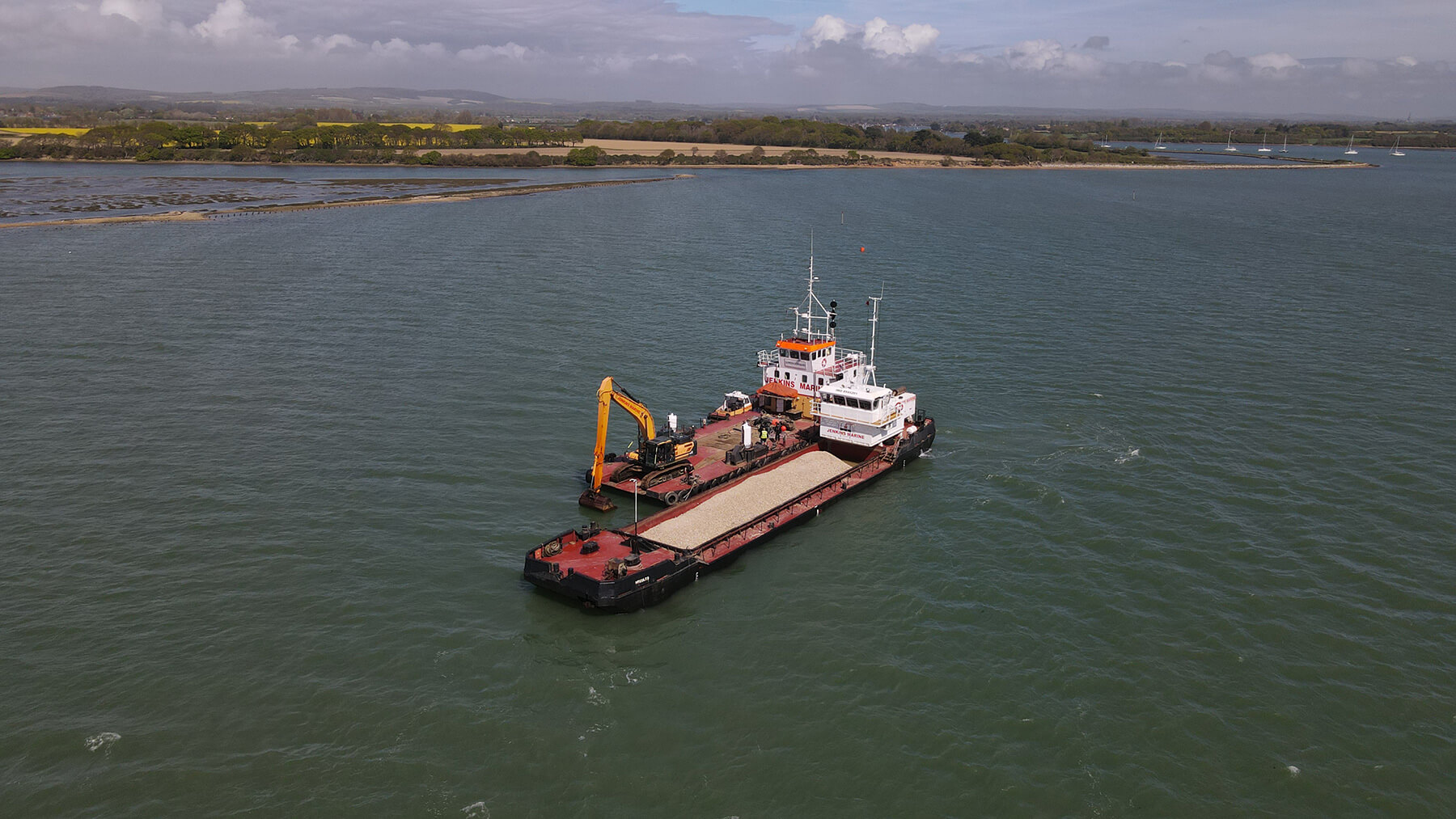
Between 14th and 22nd April, almost 2,000 tonnes of cultch, a mixture of shell and gravel that provides a settlement layer for oysters, was deployed. The cultch deposition helps to kickstart the development of a sustainable population of oysters by providing an environment that helps retain oysters deployed onto it, while also serving as a suitable settlement substrate for the larvae produced. Over 20,000 adult native oysters were deployed onto this reef substrate in early May 2026, following completion of the week-long biosecurity process.
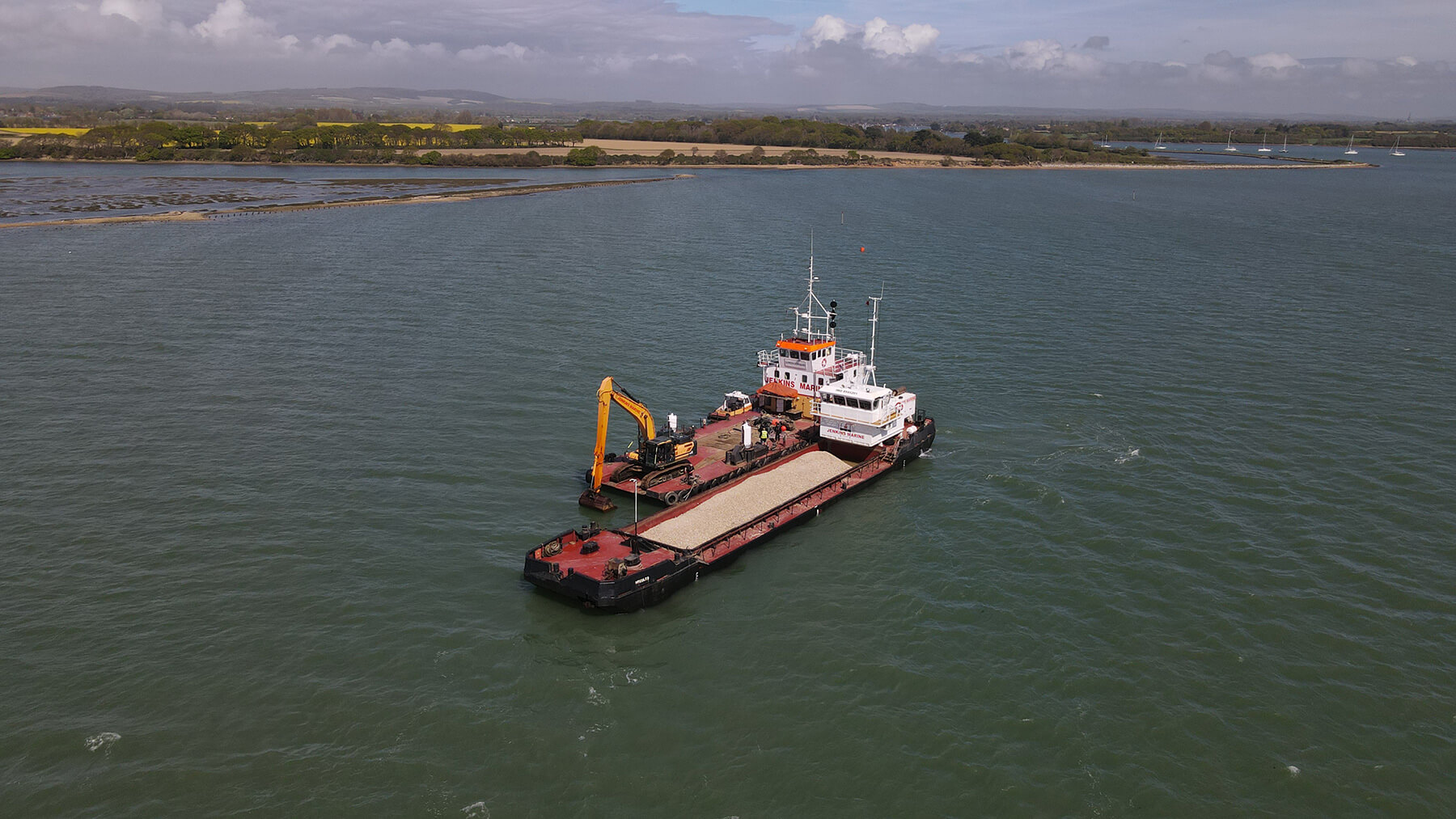 Figure 2: Deploying cultch onto the seabed in Chichester Harbour. Credit: Luke Helmer.
2) Oyster biosecurity days
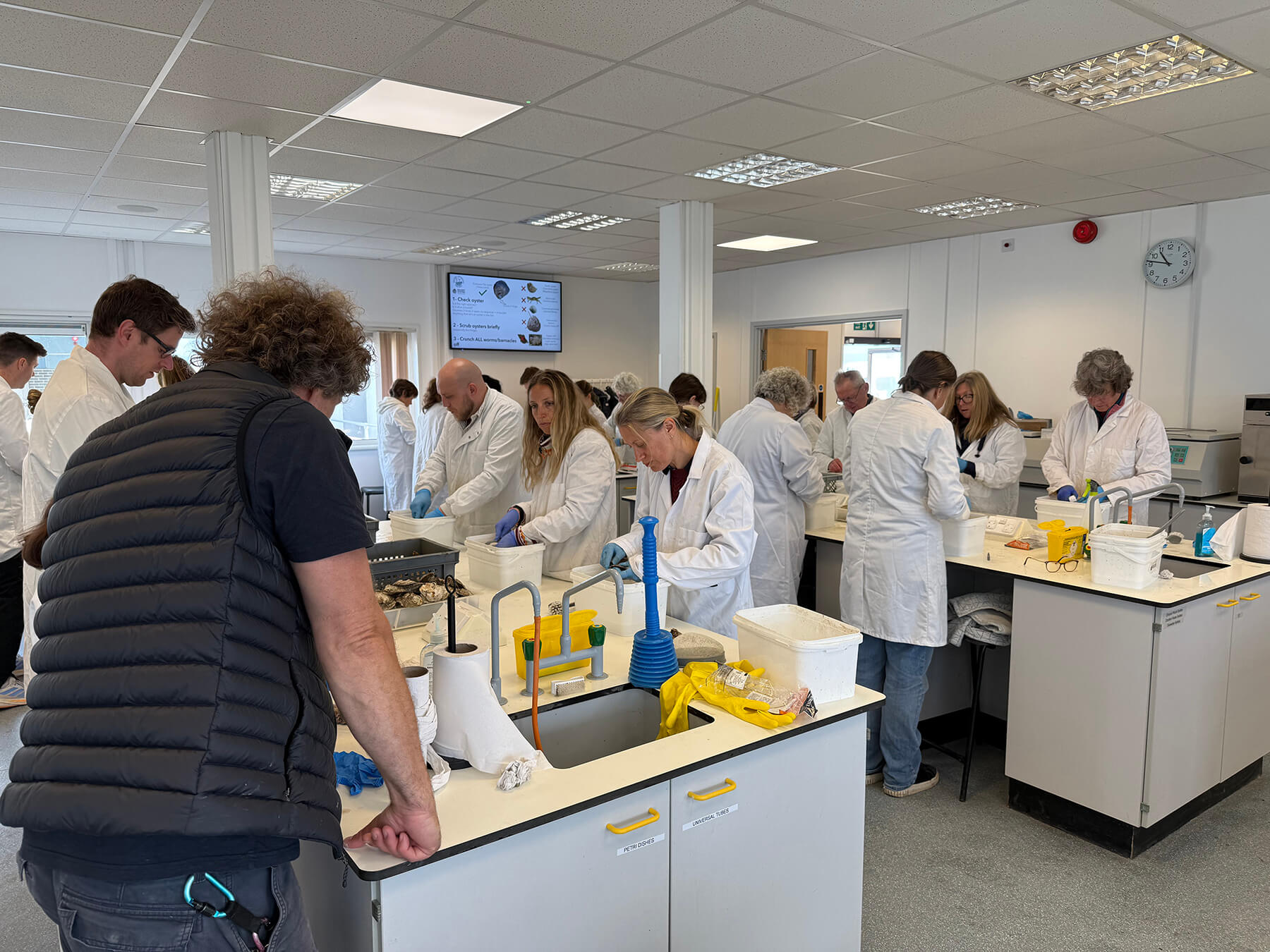
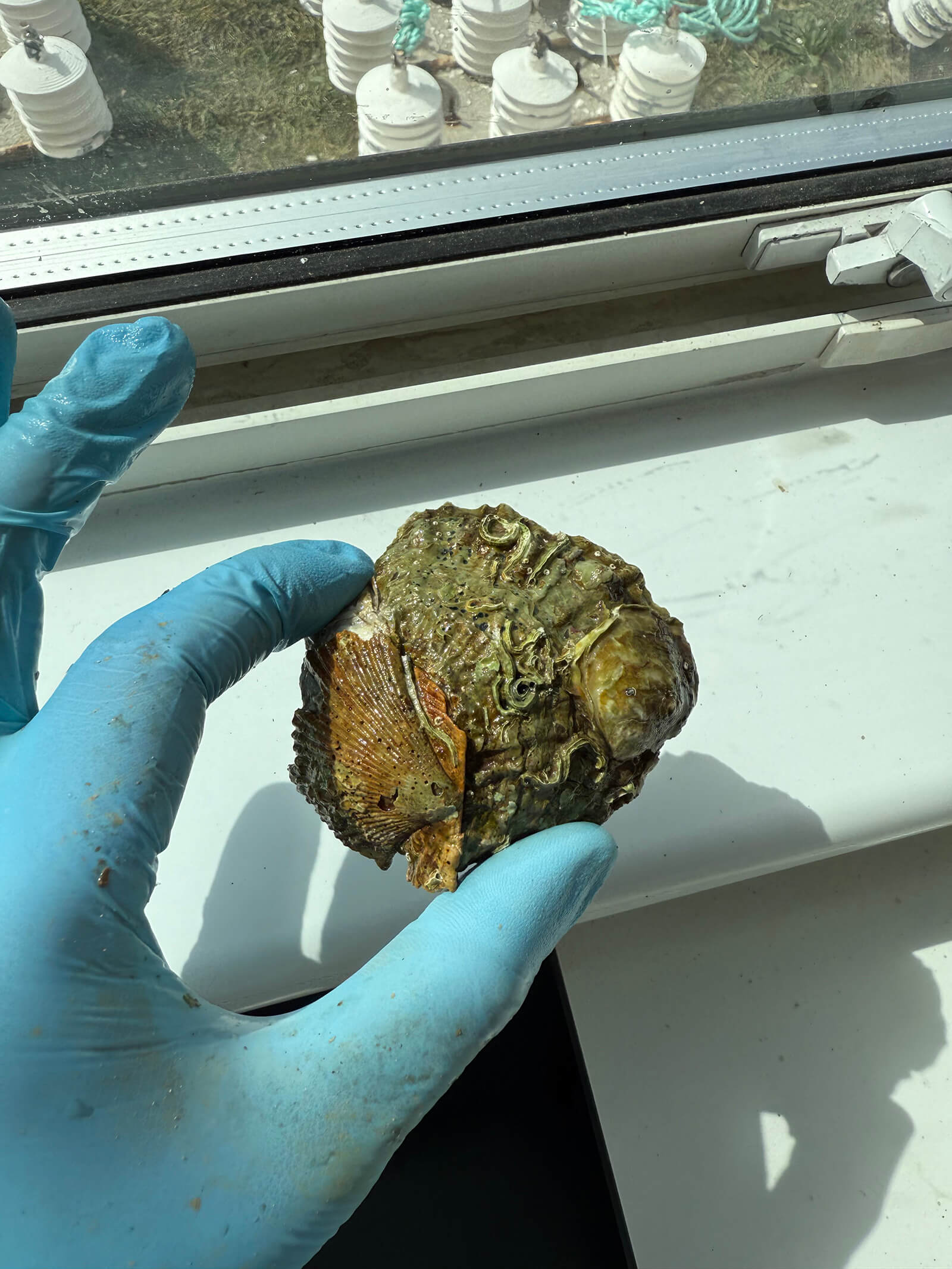
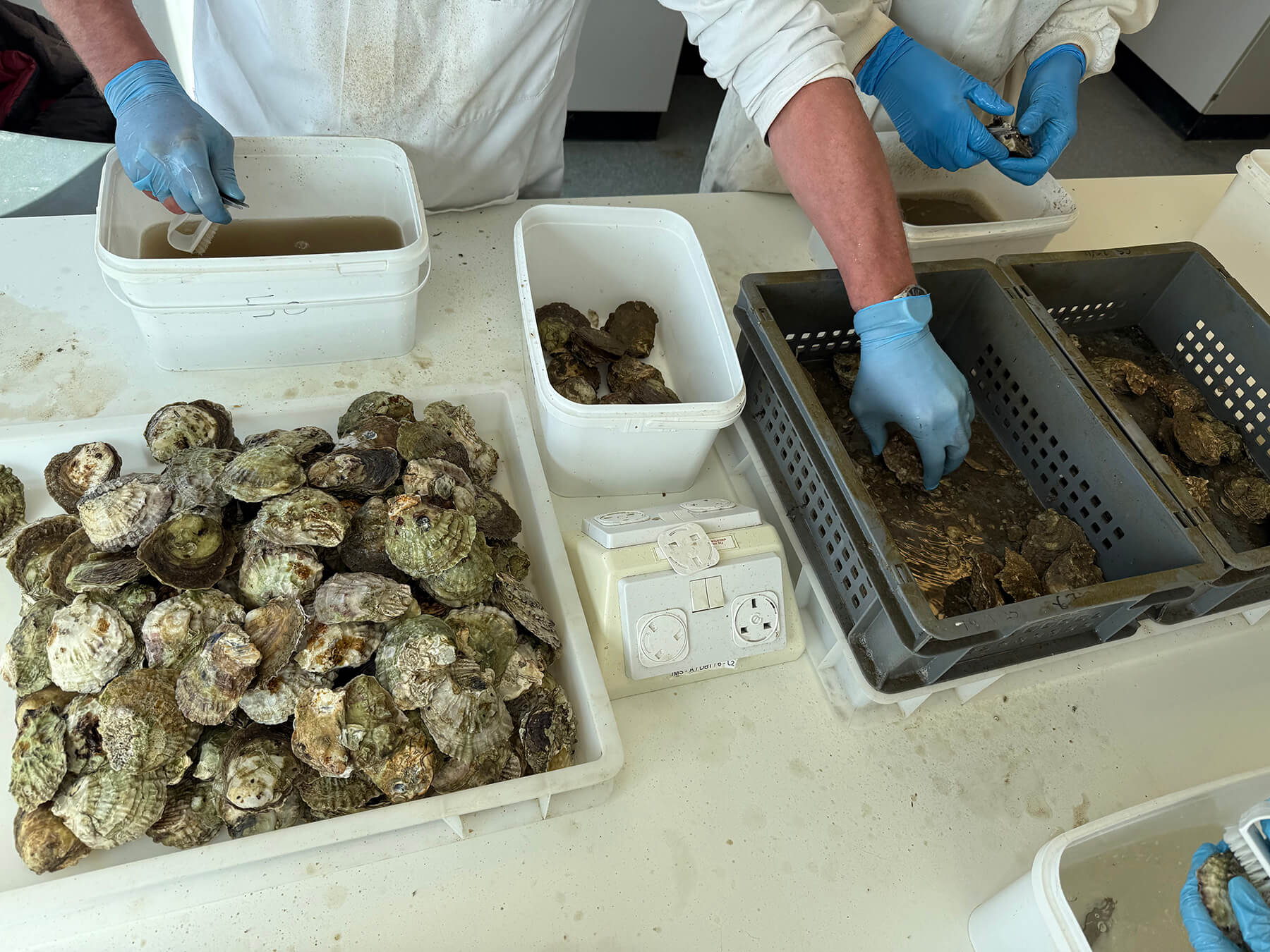
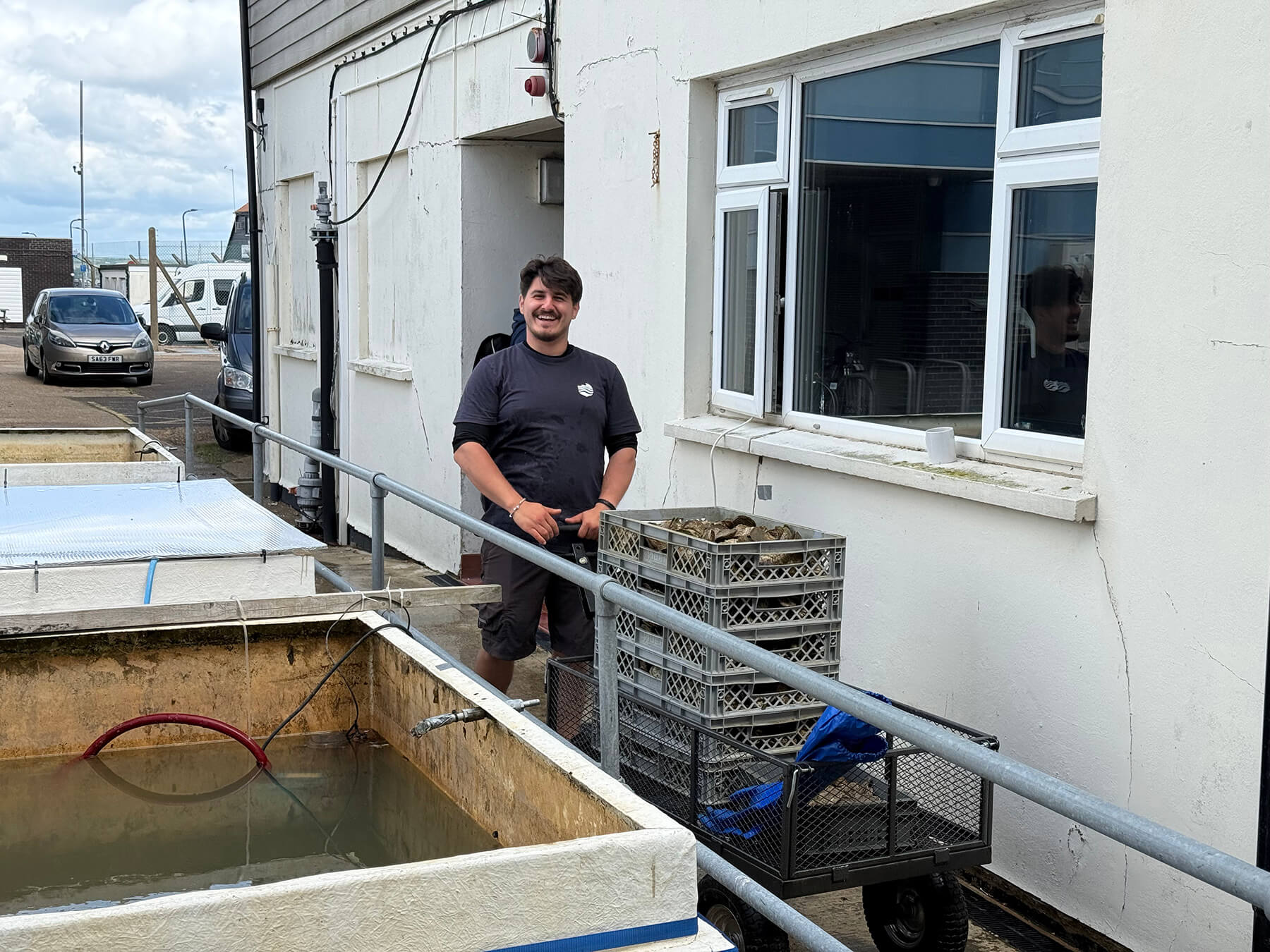
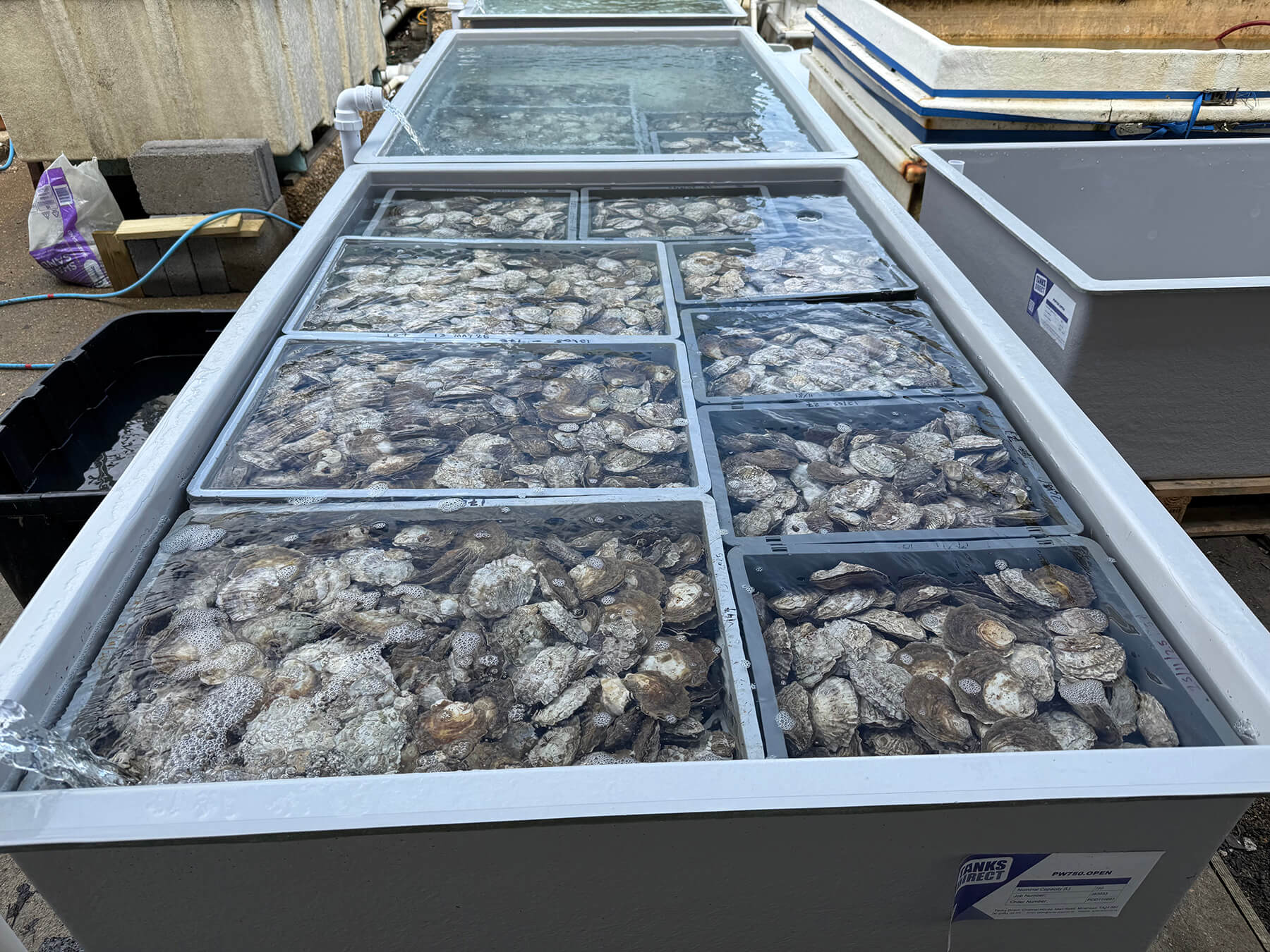
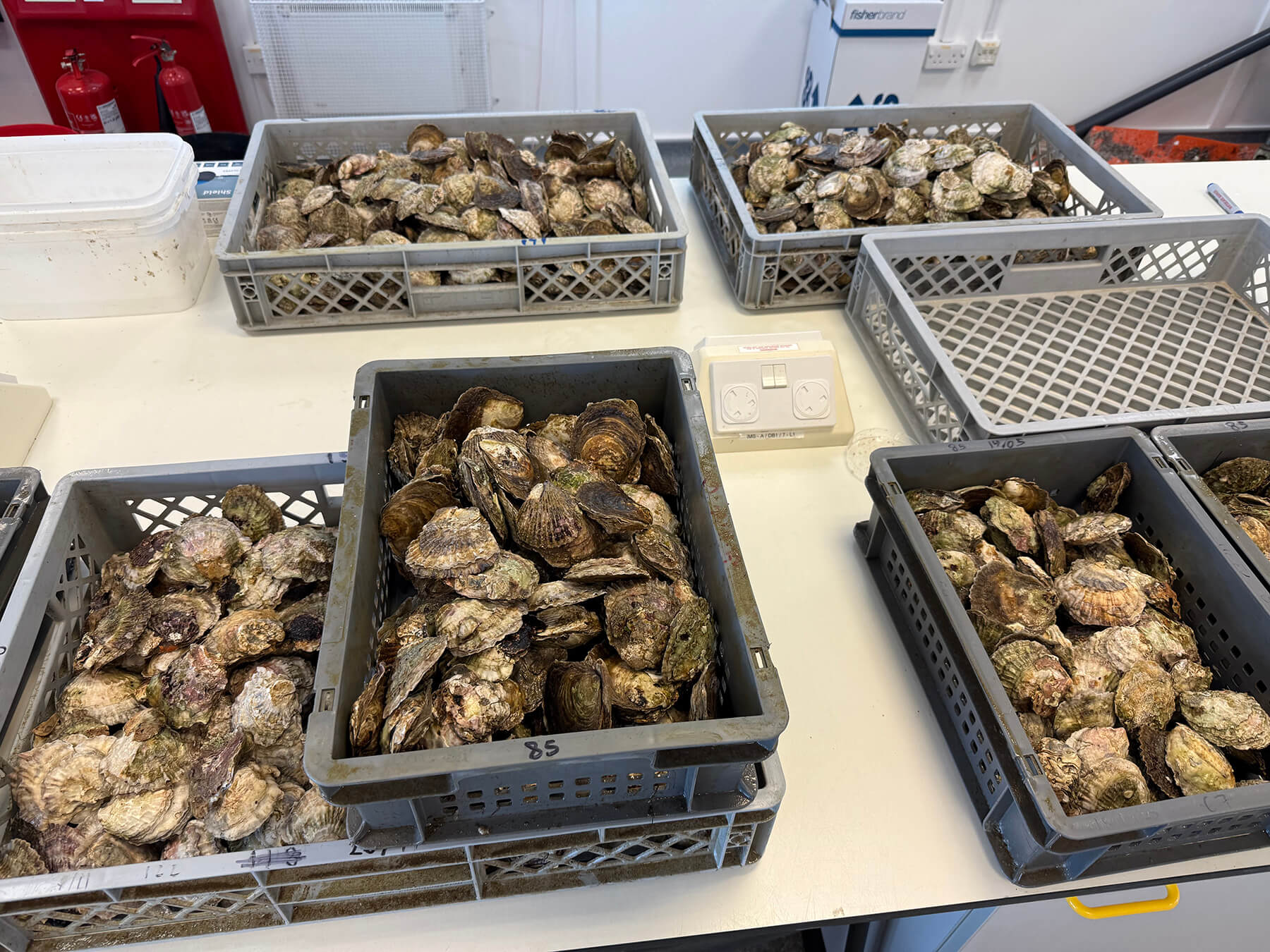
Over the past year, Blue Marine have run three successful oyster biosecurity events, helping prepare oysters both for our River Hamble Reef and our new Chichester Harbour Reef. Volunteers are key at this stage, helping to scrub many crates of oysters within a short, time-sensitive period ahead of deployment. Oysters sourced from Wales (originally from the River Fal) are shipped in and carefully cleaned to remove any potentially invasive species or attached organisms, helping to prevent the spread of disease and pathogens. As part of this process, oysters are also weighed and measured to support long-term monitoring efforts.
Volunteering events, held in May 2025, November 2025 and May 2026 at the Institute of Marine Sciences at the University of Portsmouth, have amassed the support of over 500 volunteers, helping to scrub 45,285 oysters. Engagement has been broad, with volunteers from the general public, regulatory bodies and supporting partners, including LRG.
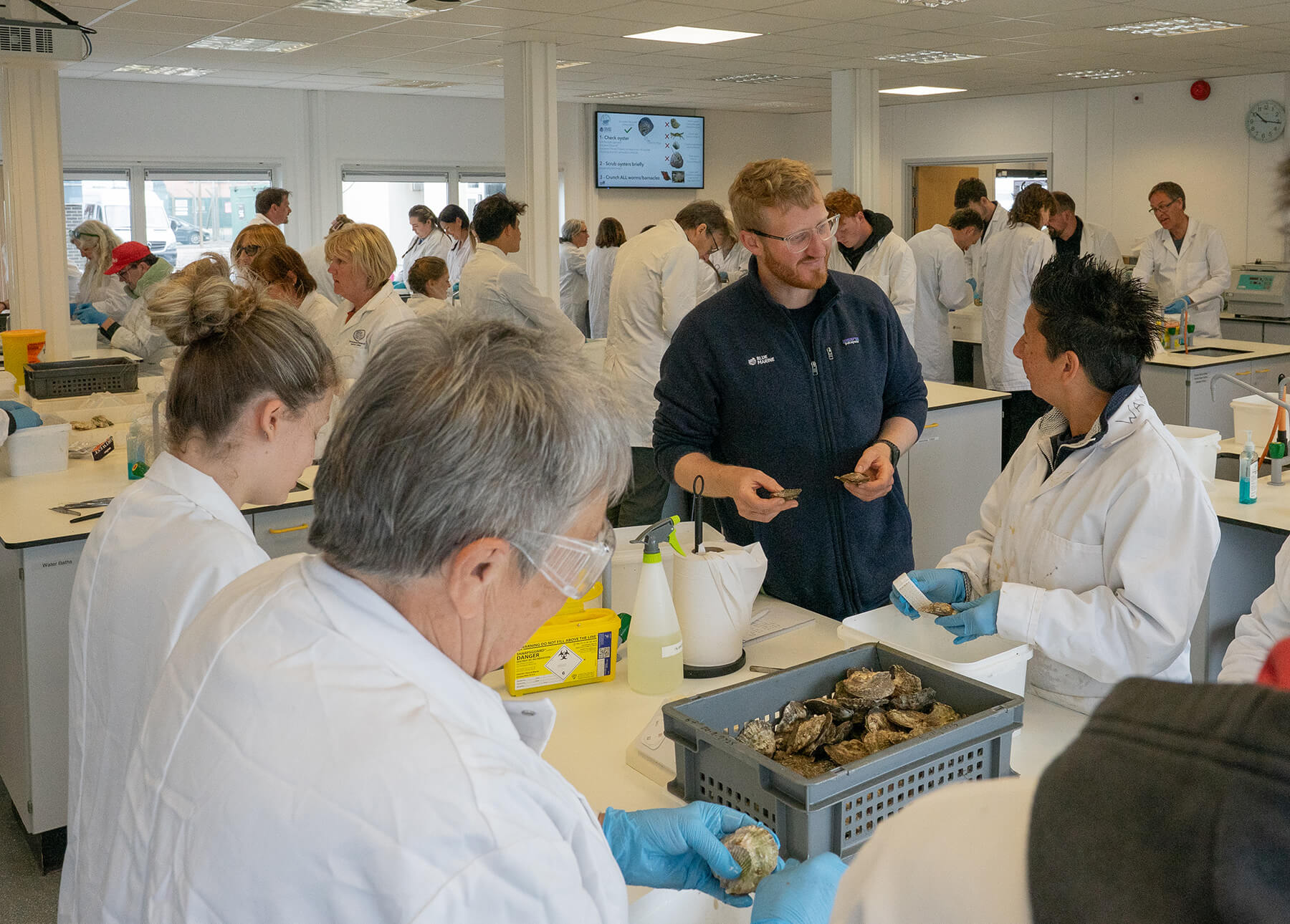 Figure 3: Dr Luke Helmer talking with volunteers at the oyster cleaning sessions. Credit: Emma Nicol.
3) Oyster habitat monitoring
Bathymetric surveys
Bathymetric surveys in 2025 and 2026 on newly laid reef on the Chichester and Hamble sites confirmed that cultch placement remains compliant with licence conditions, with no seabed height increase above the 0.5m limit. No further surveys were needed in Langstone Harbour, as no additional deposition has taken place and there is no risk to navigation.
Oyster recruitment and frequency
Oyster coupelles (spat collectors) and grab samples were deployed / taken in both the River Hamble, Chichester and Langstone Harbour, at both reef and control sites.
Results from oyster coupelles deployed in May 2026 and previously on the Chichester reef site will begin to yield comparable results from winter 2026 onwards.
Video surveys with the Navy
In collaboration with the Royal Navy Bravo Diving Unit 2, visual surveys of the River Hamble reef were undertaken using a Remote Operational Vehicle (ROV). These surveys were used as a test to assess the visibility and clarity of footage obtained and the ROV capabilities under the tidal regime of the site. They also helped to reveal the presence of live oysters, bryozoans, ascidians and sponges as well as numerous mobile species like spider crab, bream and bass. It is hoped that planned upgrades to the GPS module of the ROV will allow for a methodical survey of the area to be conducted in the future.
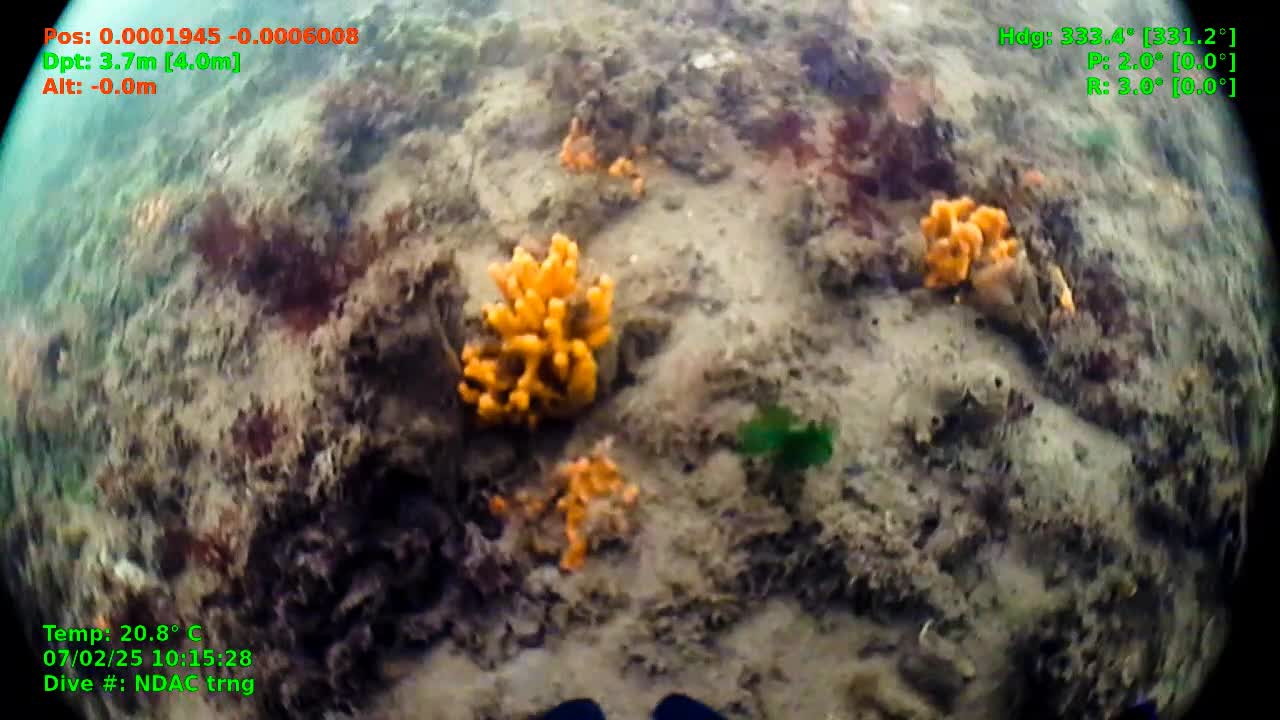 Figure 4: A still from the ROV showing life such as sponges on the reef. Credit: Royal Navy and Blue Marine Foundation.
Media and Communications
Blue Marine’s communications and media work continues to build engagement and educational content across the Solent Oyster Restoration Project account (1,300 followers). Content highlights from socials over the past year include highlighting our work with the Royal Navy to capture the first video footage of the River Hamble reef, helping us to observe the football pitch-sized reef and the 45,000 oysters and other species it supports, two years after initial construction.
Additional content has explored the importance of the biosecurity events, the role of volunteers and the processes behind reef restoration, including cultch deployment. Blue Marine’s latest video on the 2026 cultch deployment in the Chichester Harbour used drone footage to further demonstrate the scale of the work.
Coverage of the oyster restoration work has also been picked up by regional and national press outlets, including coverage of the Hamble Reef restoration via BBC News, ITV Meridian and Oceanographic, further extending awareness of our restoration work to broader audiences.
Blue Marine attended the NORA6 conference (Native Oyster Restoration Alliance) in Cartagena, Spain and delivered a presentation on the Solent Oyster Reef Restoration project, focusing on key challenges, lessons learned, and monitoring methods. The talk highlighted practical insights from large-scale reef deployment, including logistics, material selection, and site suitability, alongside reflections on what worked well and what could be improved. Blue Marine also outlined the monitoring approach, covering bathymetric surveys and in situ observations, to demonstrate how restoration outcomes are being measured and used to inform adaptive management.
Future Objectives
- Planning for the next round of oyster scrubbing and deployment in autumn/winter 2026.
- Planning for 2026 summer monitoring and investigating potential for further cultch deployment autumn/winter 2026.
- Planning for phase two of Chichester reef in spring 2027.
Thank You
We would like to take this opportunity to thank LRG for your continued support of the native oyster restoration project.

UN Sustainable Development Goals
As a GreenTheUK partner, you support projects that are in line with the UN Sustainable Development Goals.

Take urgent action to combat climate change and its impacts.
Conserve and sustainably use the oceans, seas and marine resources for sustainable development.