Planting for the Future

header image

Network Rail supported the planting of 7,233 climate resilient trees across the UK in 2025-26

Network Rail is working in partnership with GreenTheUK and the Royal Forestry Society (RFS) to grow more resilient and sustainable woodlands across the United Kingdom. This work supports a long-term approach to building healthier woodlands that can adapt, thrive and continue to deliver for both people and nature.

Trees and woodlands play a vital role in tackling climate change and reversing biodiversity loss, while also bringing wider benefits to communities and the economy. Across the UK, many woods face increasing pressure from environmental change, pests, disease and under-management. Without the right care, these challenges can limit the ability of woodlands to recover and grow stronger over time.

By supporting projects that prioritise the right tree in the right place, and encouraging active, ongoing management, Network Rail is helping to ensure new and existing woodlands are more resilient, productive and diverse. This includes planting a thoughtful mix of species to strengthen ecological balance, improve adaptability and maintain habitats for wildlife now and in the future.
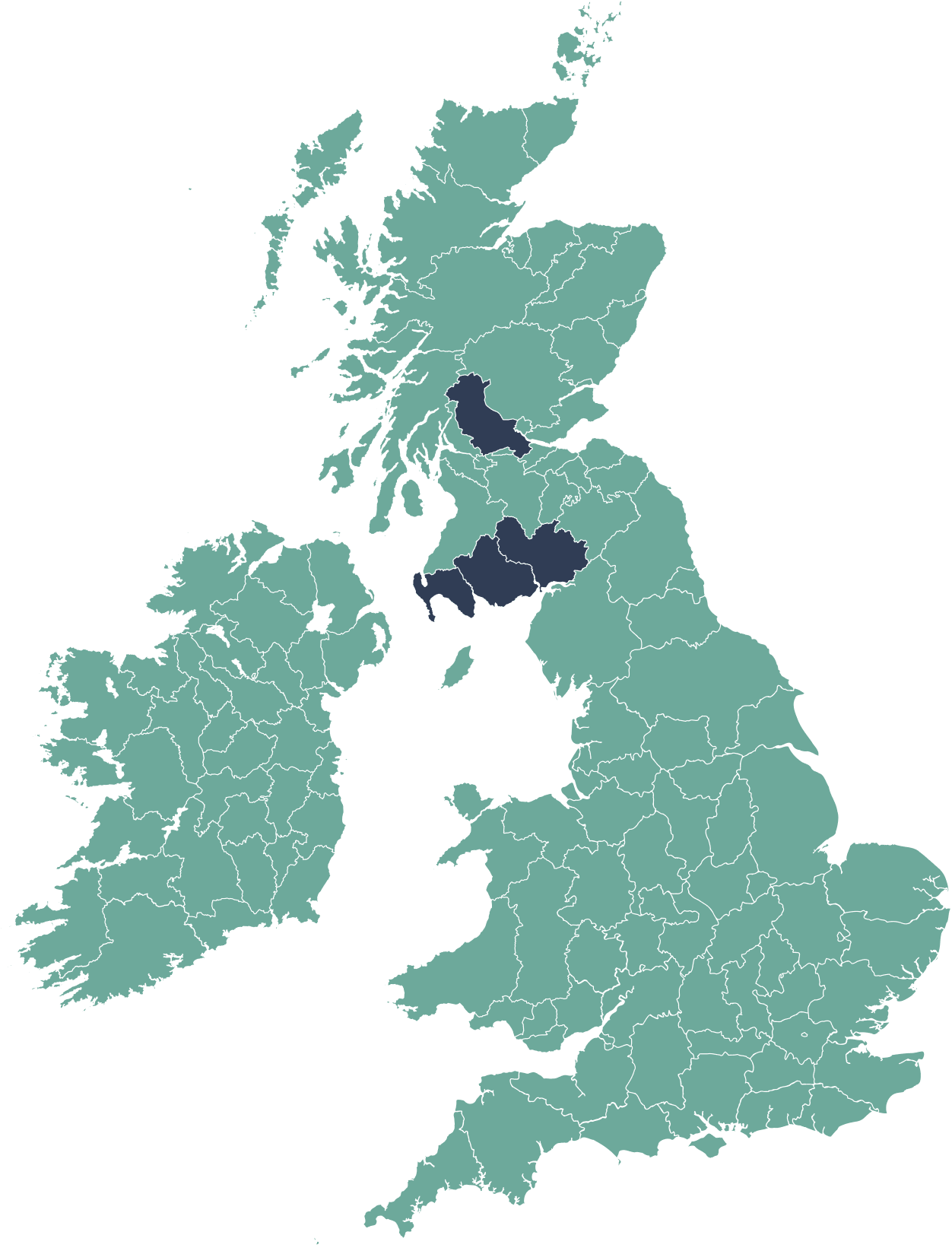
Map

Increasing tree cover is only part of the solution. Bringing more woodlands into active management is equally important, helping to improve woodland condition, boost biodiversity and unlock long-term environmental value. Well-managed woods are better equipped to cope with changing conditions, from extreme weather to emerging pests and diseases, while continuing to provide essential ecosystem services.

Expanding and improving woodland cover helps capture and store carbon, supports nature recovery, improves soil and water health, and contributes to a more sustainable domestic timber resource. Growing more home-grown timber is increasingly important for the UK, helping to reduce reliance on imports, which currently supply around 80% of timber demand. A stronger domestic timber resource can lower the carbon footprint associated with imported materials, while also reducing the risk of introducing new pests and diseases through international trade.

Through its support, Network Rail is contributing to a bigger, shared ambition: a future where resilient, well-managed woodlands are at the heart of the UK’s natural environment. By investing in the long-term health of our woodlands, this partnership helps ensure that the benefits of trees are felt for future generations.

Network Rail will plant another 267 climate-resilient trees in woodlands in Scotland in the 2026-27 planting season, taking the total commitment to 7,500 trees.

Tree Species Planted:

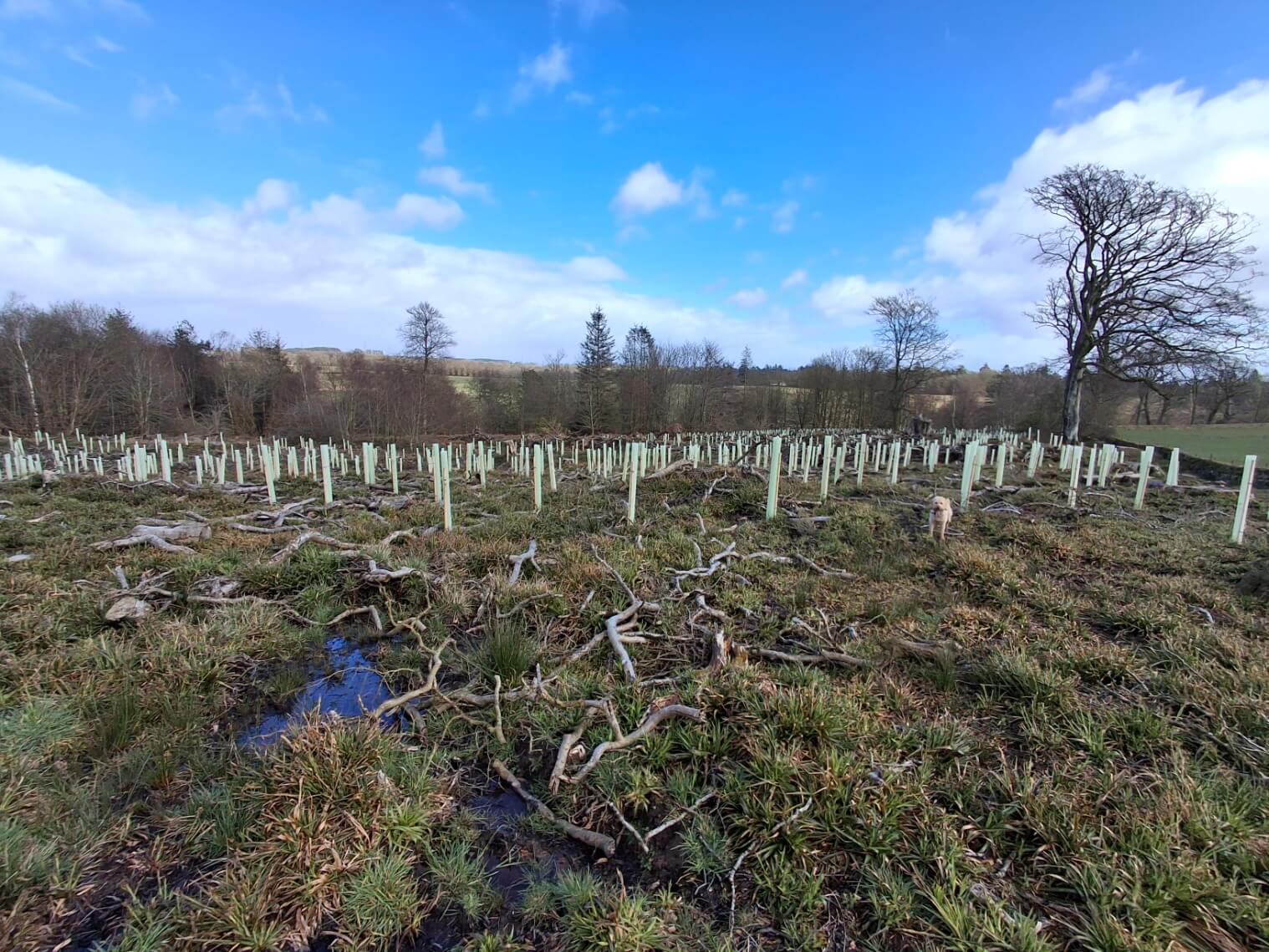
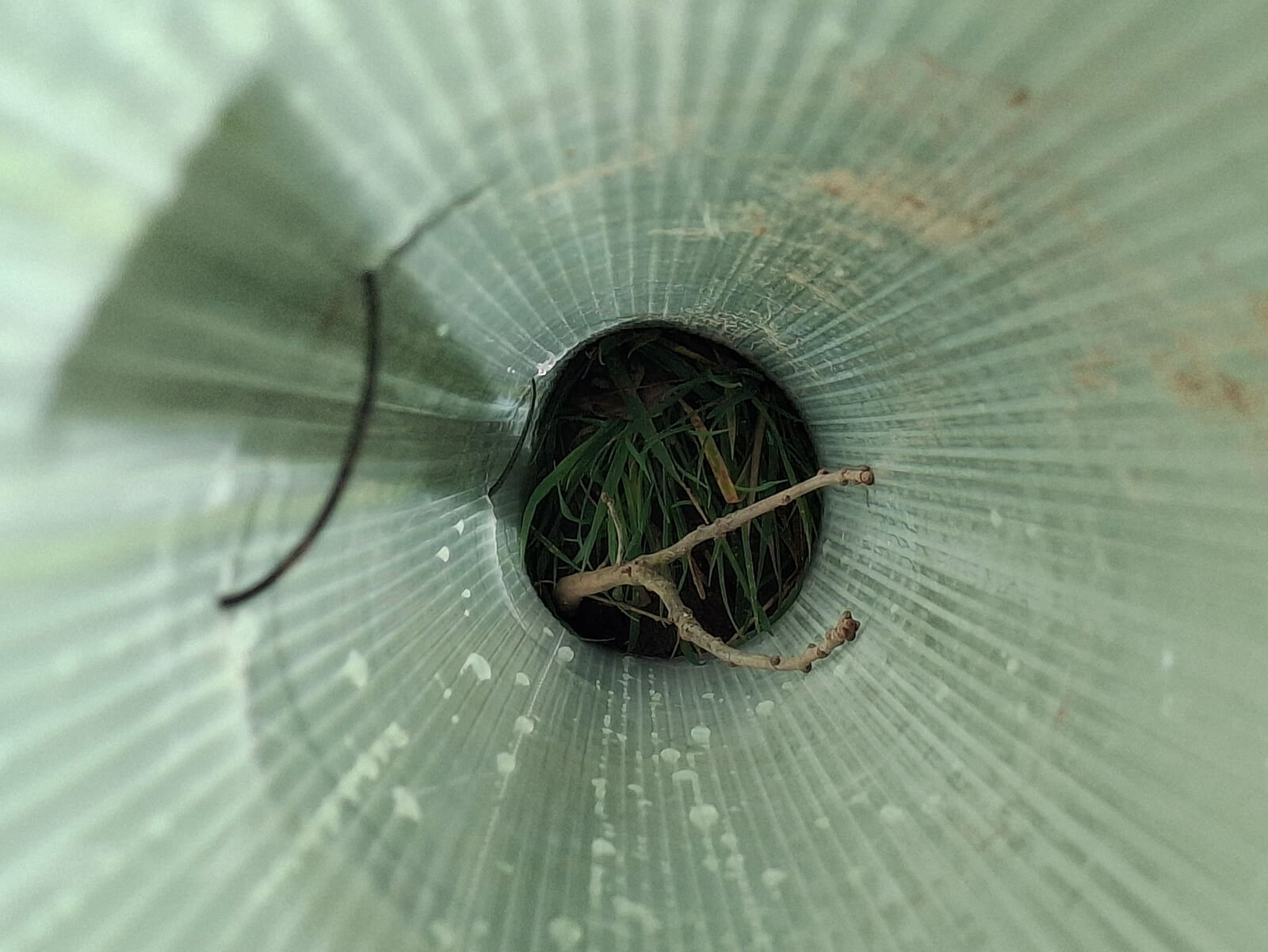
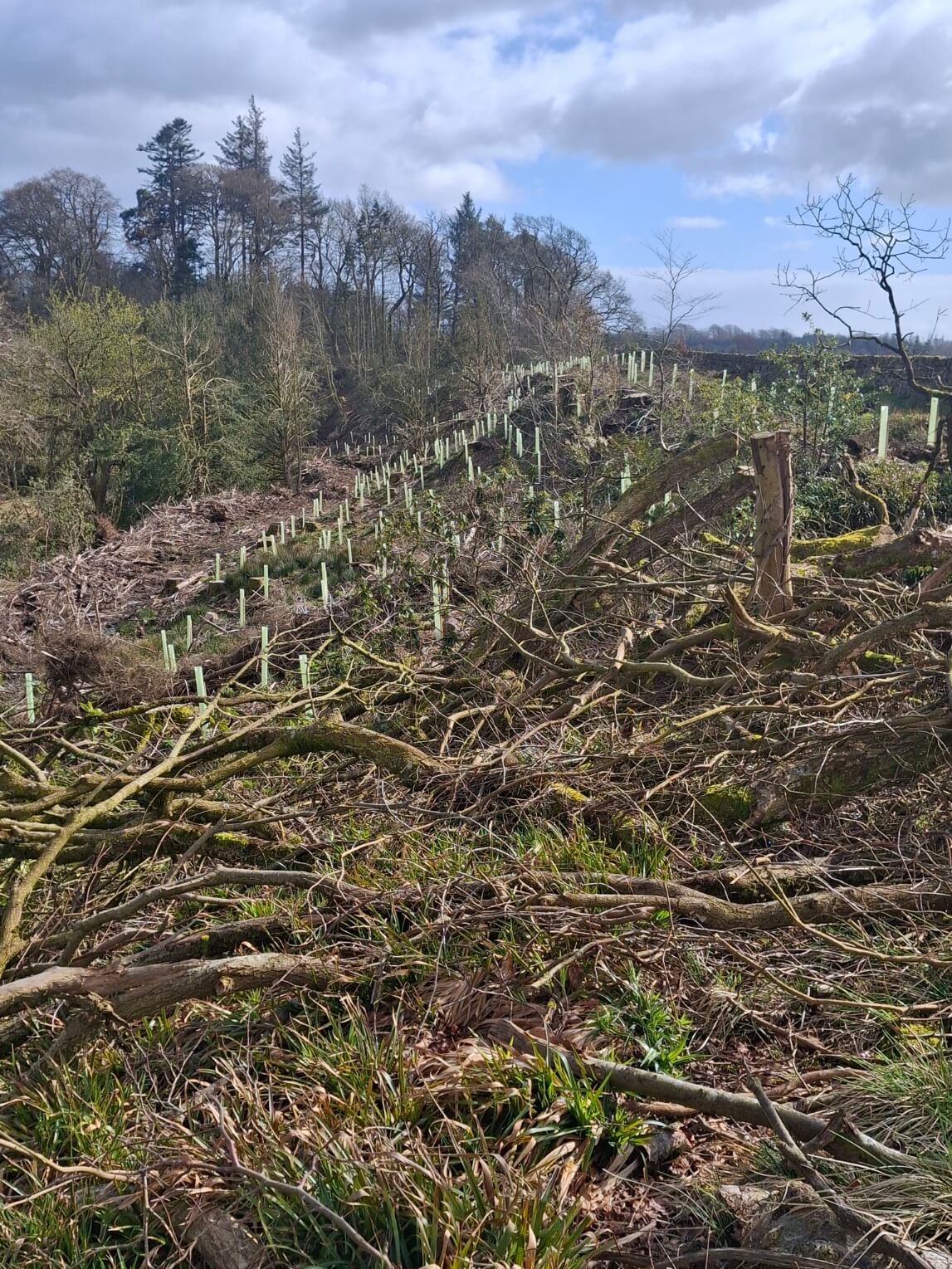
5,458 trees planted in Stirlingshire

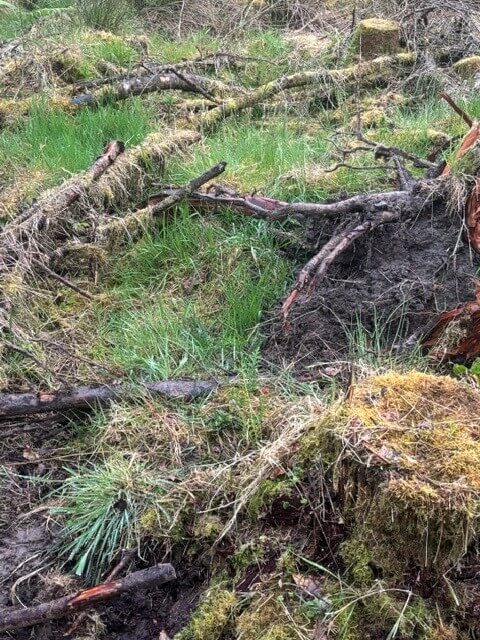
This woodland has suffered a loss of tree cover due to the threat of Phytophthora ramorum – a highly destructive water mould – and the disease ash dieback. With great consideration of soil types, topography, future climate scenarios and pests and diseases, a new mix of a wide variety of tree species are being planted in this woodland. There is a 50% increase in tree species, which will feed into the main objectives of protecting wildlife, enhancing the character and quality of the landscape and remaining rich in biodiversity.

Tree Leaf
368 Trees Planted

Beech: Fagus Sylvatica

Read More

Beech: Fagus Sylvatica

If the oak is the king of British trees, then the beech is its queen. A dense canopy of leaves provides a rich habitat for all sorts of insects, its seeds are popular with mice and squirrels, and hole-nesting birds make their homes in beech trunks. Some of the UK’s tallest native trees are beeches, including one that stands at over 44m tall on the National Trust's Devil's Dyke Estate in West Sussex.

Tree Leaf
10 Trees Planted

Bird Cherry: Prunus Padus

Read More

Bird Cherry: Prunus Padus

Bird Cherry grows easily in the British climate and is often used in urban green landscaping. They have spikes of beautiful white flowers in the spring that can be a valuable nectar source for pollinating insects such as butterflies and bees. The bitter, dark black cherries are a favourite food for birds and small mammals in the summer months.

Tree Leaf
5 Trees Planted

Crab Apple: Malus sylvestris

Read More

Crab Apple: Malus sylvestris

Crab apple trees grow throughout Europe and can live for up to a century, reaching a height of around 10m. This tree is traditionally associated with love and marriage, and it is said that if you say the name of your lover while throwing crab apple pips into a fire, then your love is true if the seeds explode! Crab apples can be made into jelly, roasted and added to drinks, or served as an accompaniment to meat.

Tree Leaf
34 Trees Planted

Hawthorn: Crataegus Monogyna

Read More

Hawthorn: Crataegus Monogyna

Hawthorn is very much associated with the month of May, and the appearance of its bright, white flowers heralds the change from spring to summer. It is prolific in hedgerows, scrub and woodland throughout the UK and Ireland, and a single tree can grow as tall as 10m. In pagan times, hawthorn was a symbol of marriage and fertility, but in the Middle Ages, it was never brought into homes, as people believed it was a harbinger of illness and death.

Tree Leaf
15 Trees Planted

Hazel: Corylus Avellana

Read More

Hazel: Corylus Avellana

The common hazel is native to Europe and western Asia and forms an important part of England’s hedgerows. We have all heard of hazelnuts, which are rich in unsaturated fats and protein, and an extremely popular ingredient in many of the world’s cuisines. Did you know that hazel trees were once seen as both magical and a symbol of fertility?

Tree Leaf
1,750 Trees Planted

Noble fir: Abies procera

Read More

Noble fir: Abies procera

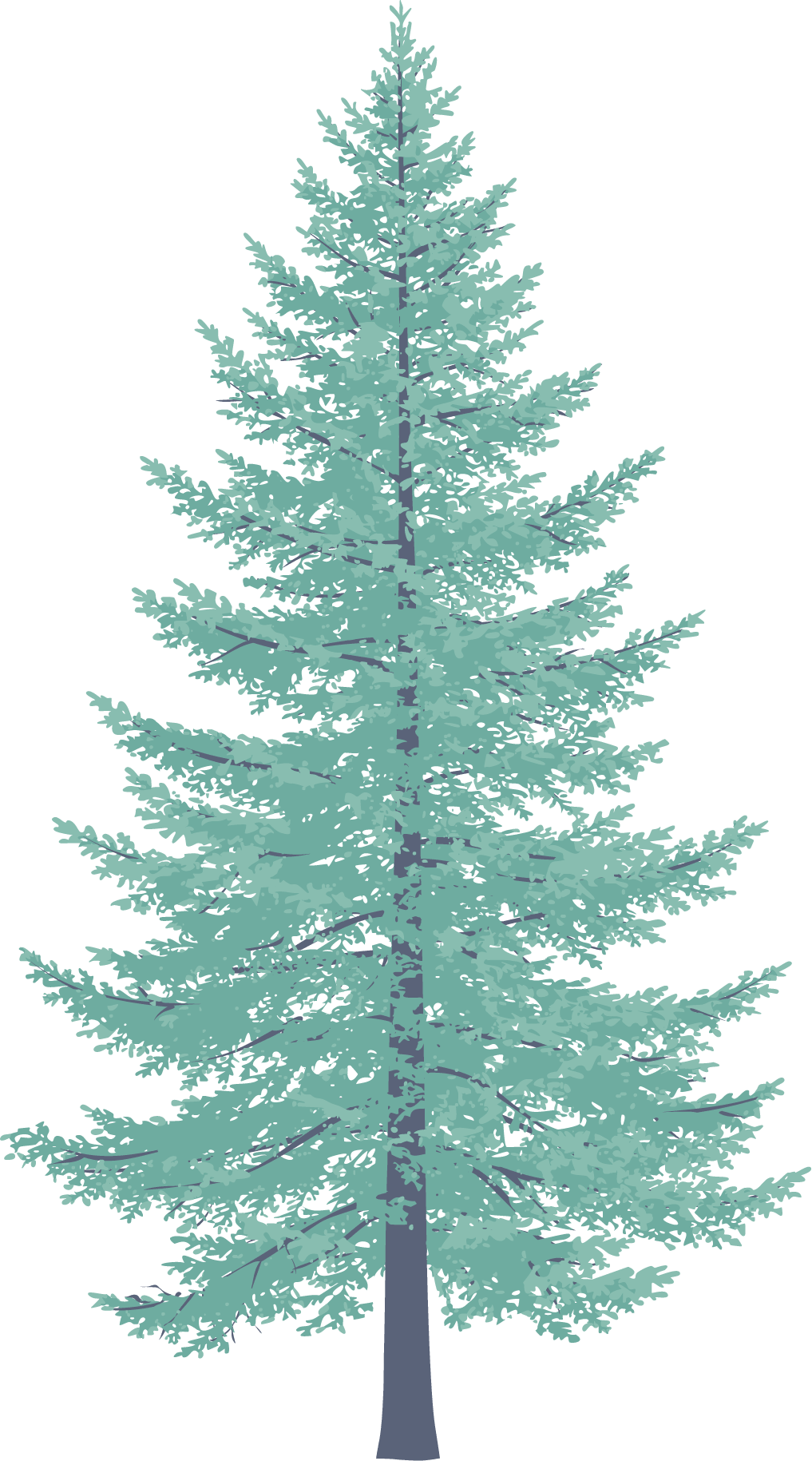
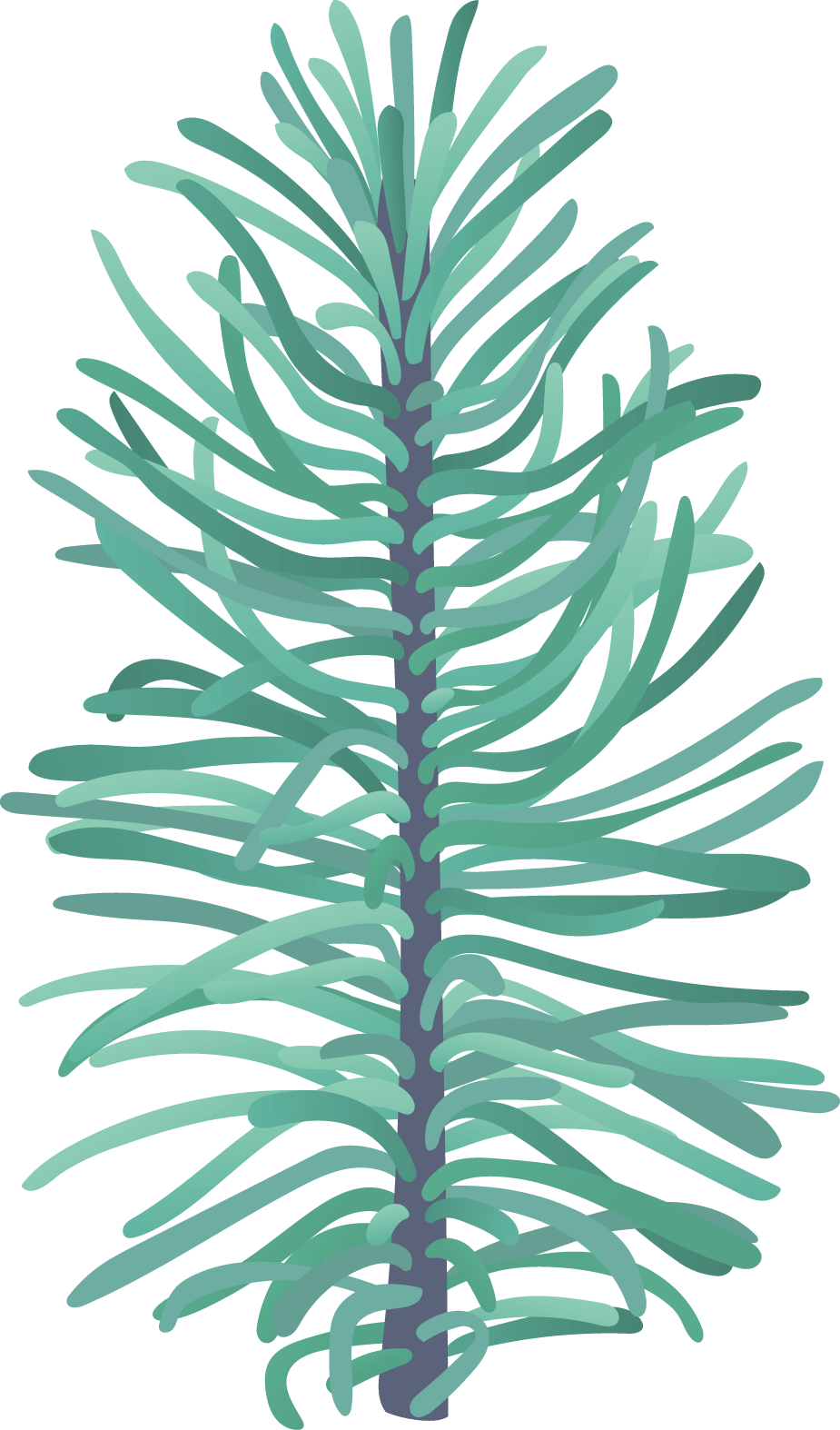
The noble fir, also sometimes called the red fir, is native to the Pacific Northwest and grows naturally in the mountains, from 300 to 1,500 metres in altitude. It is the world's tallest true fir and can grow for 200 years up to 70 metres in height. It is a favourite for Christmas trees and has become naturalised in the UK since its introduction in 1830. Now, the noble fir is being tested as a productive tree species for forest diversification across the country.

Tree Leaf
64 Trees Planted

Norway Maple: Acer Platinoides

Read More

Norway Maple: Acer Platinoides

The deciduous Norway maple can be found all over Europe and was introduced to Britain in the 17th century. Caterpillars love its broad, pointy leaves, which are dark green at the start of the year before turning yellow and red in the autumn. This tree grows up to 25m tall, and birds and small mammals eat its seeds, while bees and insects sip from its bright green flowers.

Tree Leaf
192 Trees Planted

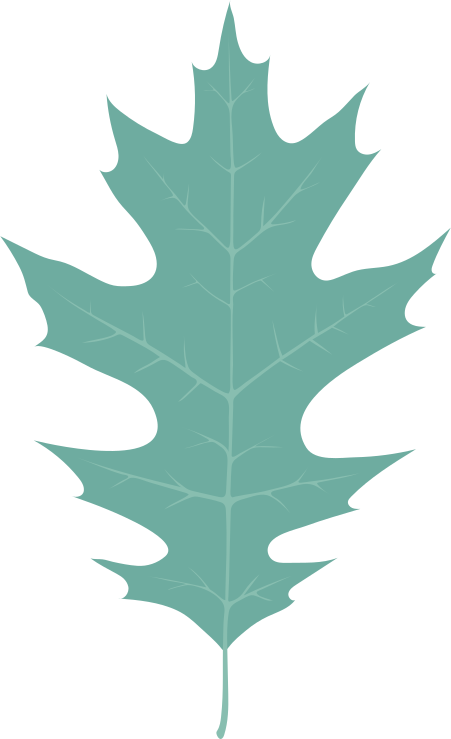
Red Oak: Quercus Rubra

Read More

Red Oak: Quercus Rubra

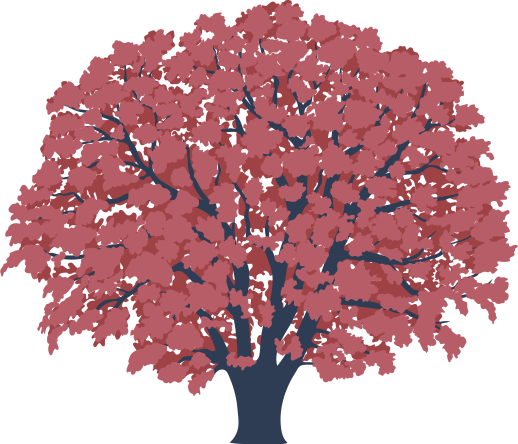
Standing tall and majestic, the Red Oak is native to North America, but brings a wealth of environmental benefits to the UK landscape. Its expansive canopy provides shade, and they are more disease resistant and so could provide a haven for wildlife where our native oaks are threatened by tree diseases. The deep-rooted nature of this oak species helps stabilise soil and prevent erosion. By utilising sustainably sourced Red Oak timber, the local community contributes to responsible forestry practices and the preservation of natural habitats. It is frequently planted as an ornamental tree for its flaming autumn colour.

Tree Leaf
1,136 Trees Planted

Sessile Oak: Quercus Petraea

Read More

Sessile Oak: Quercus Petraea

The sessile oak is Ireland’s national tree and can be found across Europe. Sessile means “without a stalk”, and this tree’s acorns are stalkless, growing directly on twigs. Oaks provide a habitat for many creatures, including red squirrels, badgers, jays, caterpillars and around 250 more species of wildlife.

Tree Leaf
800 Trees Planted

Sitka Spruce: Picea Sitchensis

Read More

Sitka Spruce: Picea Sitchensis

Sitka is by far the largest species of spruce, growing to nearly 100m tall with a trunk up to 5m thick. This majestic tree is named after a city in southern Alaska but makes up around half of commercial plantation here in the UK. Sitka timber has all sorts of uses, including making boats and paper. It is also used in the manufacture of violins, guitars, pianos and harps, as it conducts sound well.

Tree Leaf
384 Trees Planted

Small-Leaved Lime: Tilia Cordata

Read More

Small-Leaved Lime: Tilia Cordata

Its heart-shaped leaves may be small, but this tree is large and sturdy, growing to around 20m tall. Lime wood is used to make piano keys, and its bark can be made into rope. During rationing in World War Two, people made an infusion from crushed lime leaves as a substitute for tea, which was tricky to get hold of.

Tree Leaf
700 Trees Planted

Western Red Cedar: Thuja Plicata

Read More

Western Red Cedar: Thuja Plicata

The western red cedar’s strength is celebrated in Native American cultures, and it attracts and shelters many species of birds and insects. Its timber is extremely durable, making it a good source of building materials. If you take a bit of western red cedar foliage and crush it between your fingers, it gives off a sweet smell like pineapple.

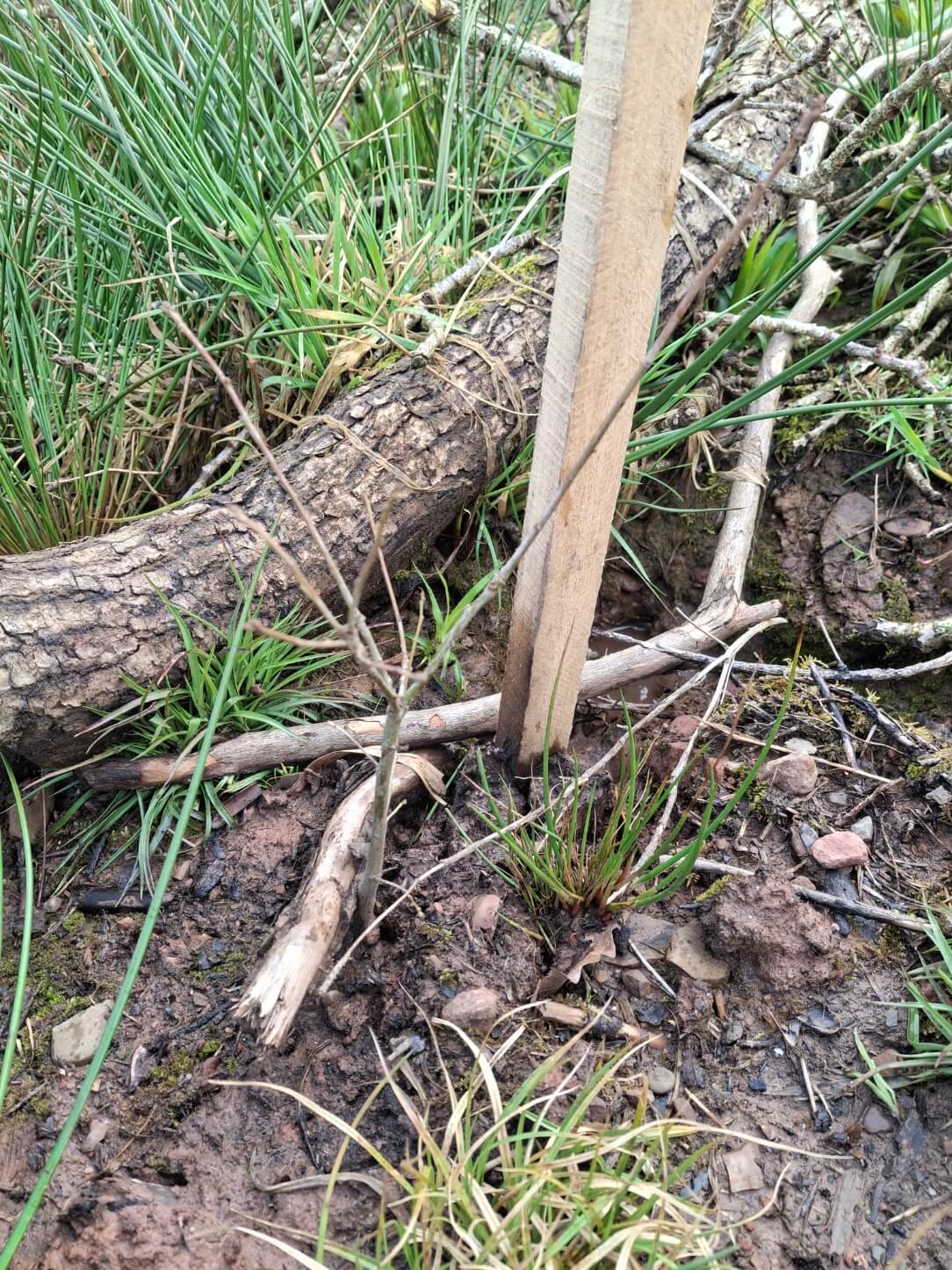
1,775 trees planted in Dumfries & Galloway

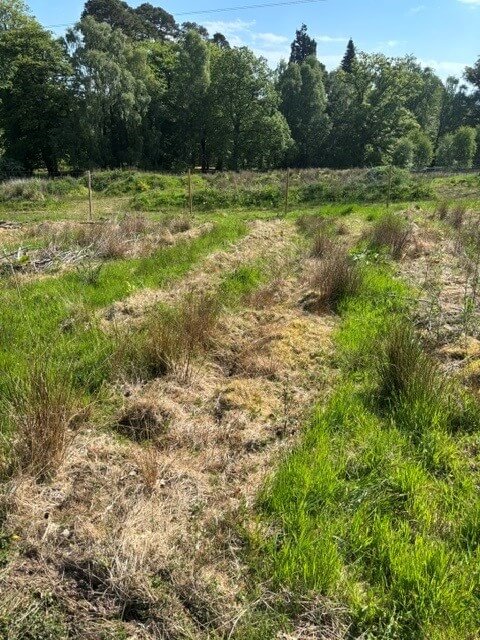
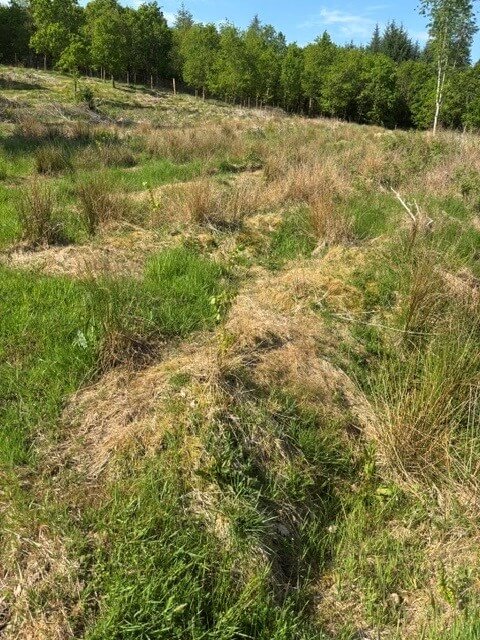
Previously a mature beech wood, this parcel of woodland has been replanted with a mix of native broadleaf trees to increase biodiversity. The beech trees had a full canopy with a sparse understorey, as little light reached the woodland floor. The beech trees had a full canopy with little understory as little light reached the woodland floor. Now planted with oak, rowan, hazel and wild cherry, this will create a more diverse structure, with the berry bearing trees encouraging more birds and insects and the oak left to mature over hundreds of years, growing to a great size and capturing lots of carbon.

Tree Leaf
325 Trees Planted

Hazel: Corylus Avellana

Read More

Hazel: Corylus Avellana

The common hazel is native to Europe and western Asia and forms an important part of England’s hedgerows. We have all heard of hazelnuts, which are rich in unsaturated fats and protein, and an extremely popular ingredient in many of the world’s cuisines. Did you know that hazel trees were once seen as both magical and a symbol of fertility?

Tree Leaf
900 Trees Planted

Pedunculate Oak: Quercus Robur

Read More

Pedunculate Oak: Quercus Robur

Also known as the common or English oak, this is the undisputed king of the woods, supporting more wildlife species than any other native tree in the UK. “Robur” in this oak’s Latin name means “strength” and “hard timber” because this tree produces incredibly durable wood which can be used to make many things, including furniture and flooring. The oak has been considered sacred by many gods in mythology throughout the ages.

Tree Leaf
250 Trees Planted

Silver Birch: Betula Pendula

Read More

Silver Birch: Betula Pendula

The silver birch is an elegant, majestic-looking tree which can survive in a range of climates, making it a very popular choice for gardeners. It attracts hundreds of insect species, and woodpeckers like to nest in its rough, tough, silver-white trunk. There is a lot of mythology attached to the silver birch, which is said to symbolise purity, new beginnings and protection. Once upon a time, on Midsummer’s Eve, silver birch boughs were hung across the doors of houses to bring good luck to their residents.

Tree Leaf
300 Trees Planted

Wild Cherry: Prunus Avium

Read More

Wild Cherry: Prunus Avium

Stunning white cherry blossoms burst forth in April, heralding the arrival of spring and bringing joy to parks and gardens. Mature cherry trees can live for up to 60 years, and provide a great source of food for birds, bees, insects and small animals like badgers and mice. Our ancestors would boil wild cherries and make them into a syrup to treat a range of ailments including coughs and anaemia.

UN Sustainable Development Goals

As a GreenTheUK partner, you support projects that are in line with the UN Sustainable Development Goals.

SDG Icon

Take urgent action to combat climate change and its impacts.

SDG Icon

Sustainably manage forests, combat desertification, halt and reverse land degradation, halt biodiversity loss.

Woodland Animals

Examples of species which could benefit from a woodland habitat.

Tawny Owl: Strix Aluco

Tawny Owl

As you might expect, tawny owls have excellent eyesight, but they also have fantastic hearing, which makes it easier for them to catch their prey. This species can be found living in England, Wales and Scotland, usually in broadleaf woodland. The tawny owl has a ring of dark feathers around its face, surrounding dark eyes.

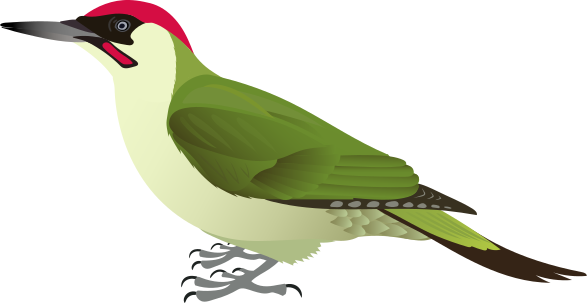
Green Woodpecker: Picus Viridis

Green Woodpecker

The large green woodpecker has a bright red crown and a black moustache. Green woodpeckers don’t actually peck that much wood, because they have fairly weak bills. This bird used to be known as the “yaffle”, which is how the animated, carved woodpecker bookend - Professor Yaffle - got his name in the classic 1970s children’s television show “Bagpuss”.

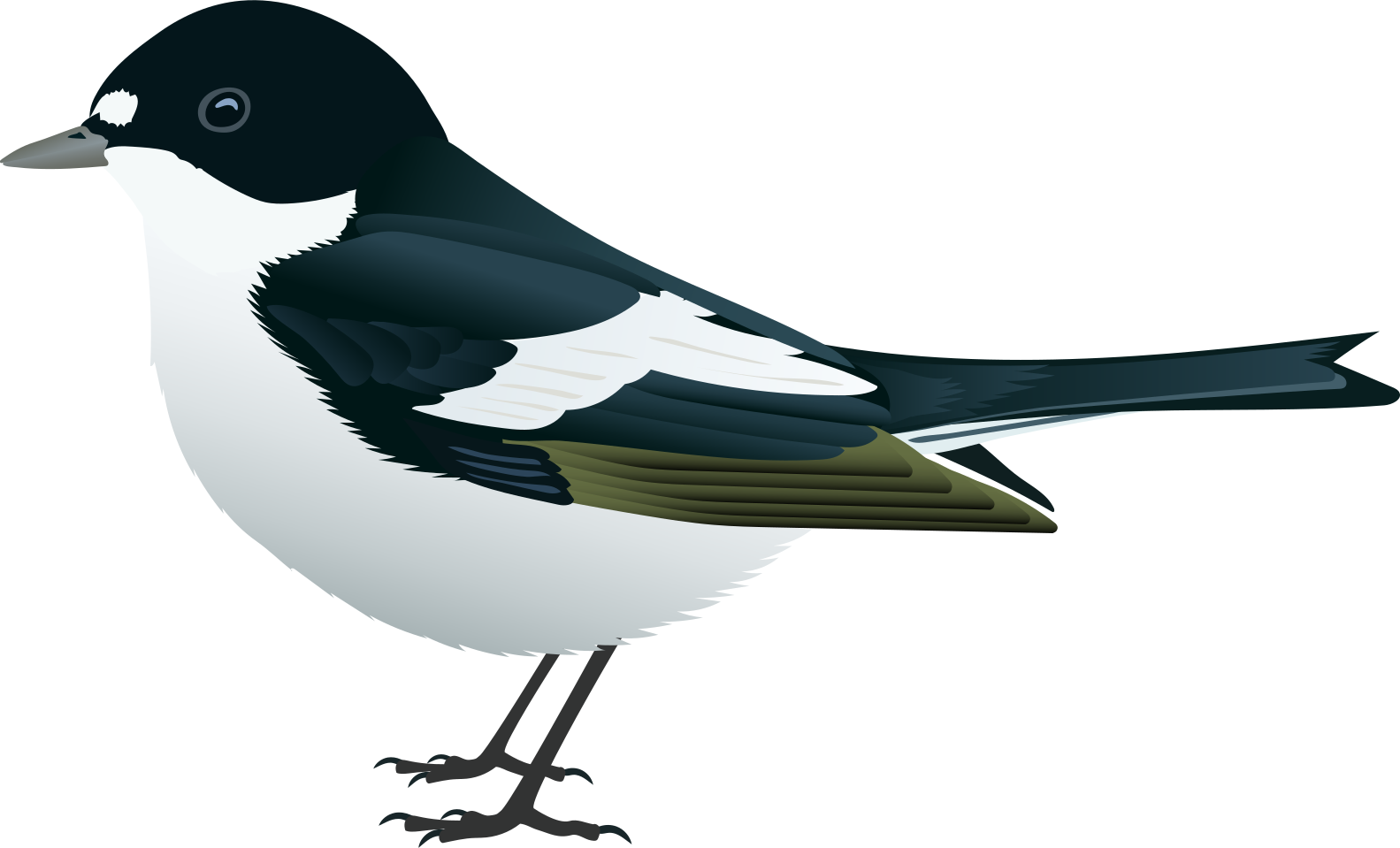
Pied Flycatcher: Ficedula Hypoleuca

Pied Flycatcher

The pied flycatcher is a summer visitor to these shores, preferring to spend the winter in West Africa. You’ll find these birds in mature woodlands, mainly in western parts of Great Britain, because they like temperate rainforests. They make their nests in tree trunks and nest boxes, where the females lay up to seven light blue eggs at a time.

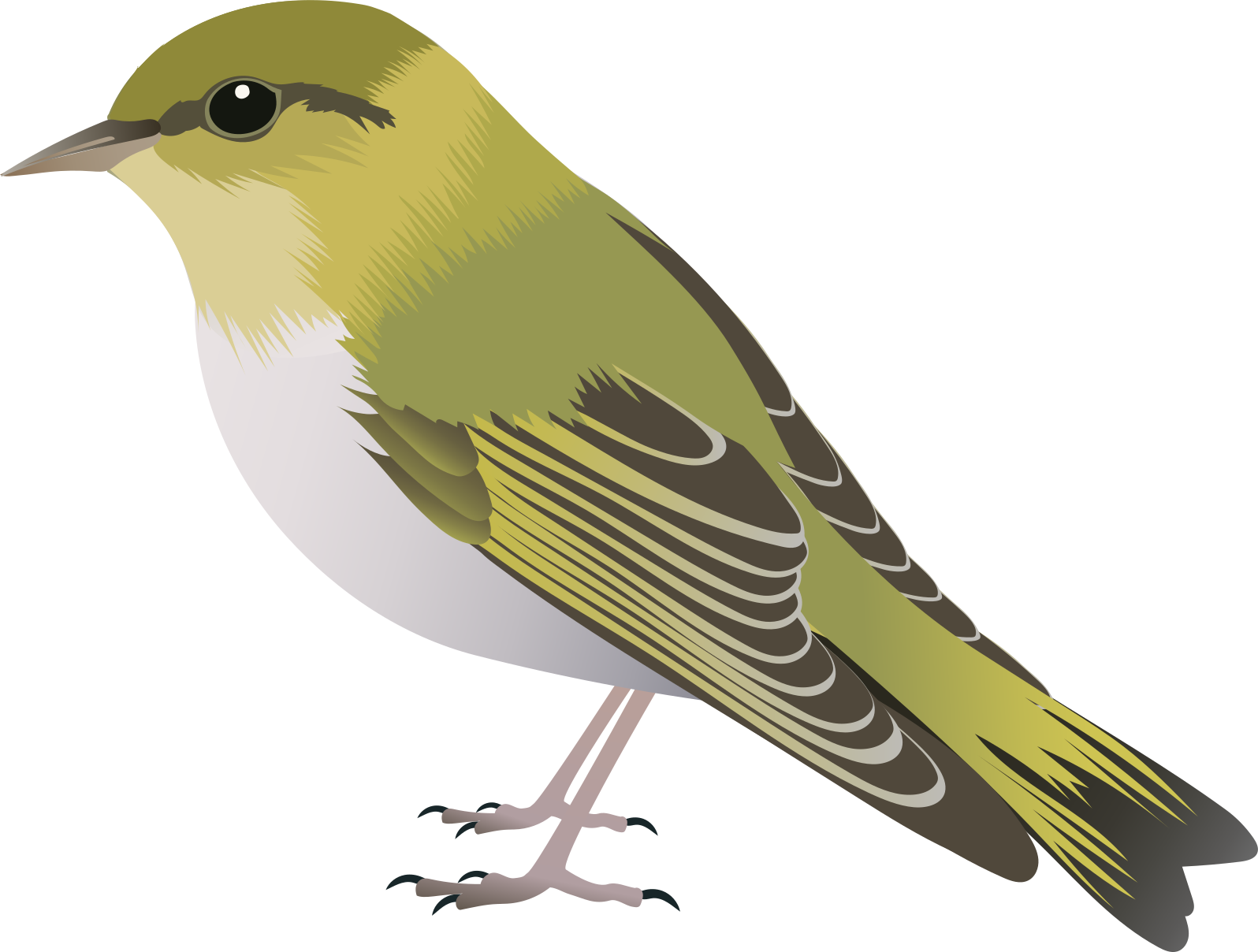
Wood Warbler: Phylloscopus Sibilatrix

Wood Warbler

These bright green and yellow birds tend to stick to oak woodland areas across the UK. Their song is a slightly metallic-sounding chirp, which some have compared to the sound of a small coin spinning on a table. Wood warblers migrate to Africa in August and come back to the UK towards the end of April.

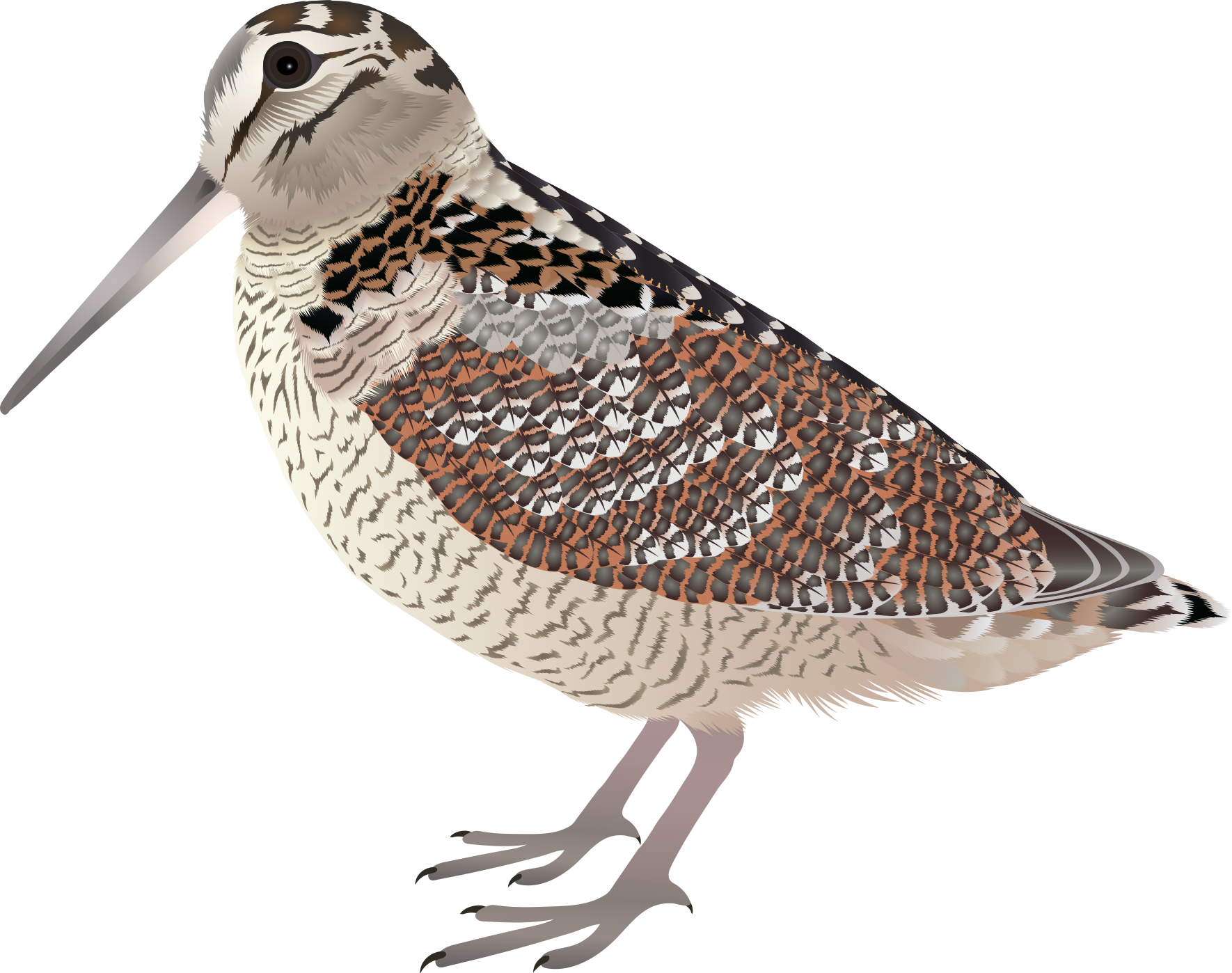
Woodcock: Scolopax Rusticola

Woodcock

The woodcock is a large wading bird with short legs and a long, straight bill. Its feathers are mottled and brown, allowing the woodcock to blend in with the woodland floor. Woodcock feathers were used to paint the gold stripe on the side of the Rolls Royce and before that, they were popular with Victorian miniaturists who favoured them for painting on ivory.

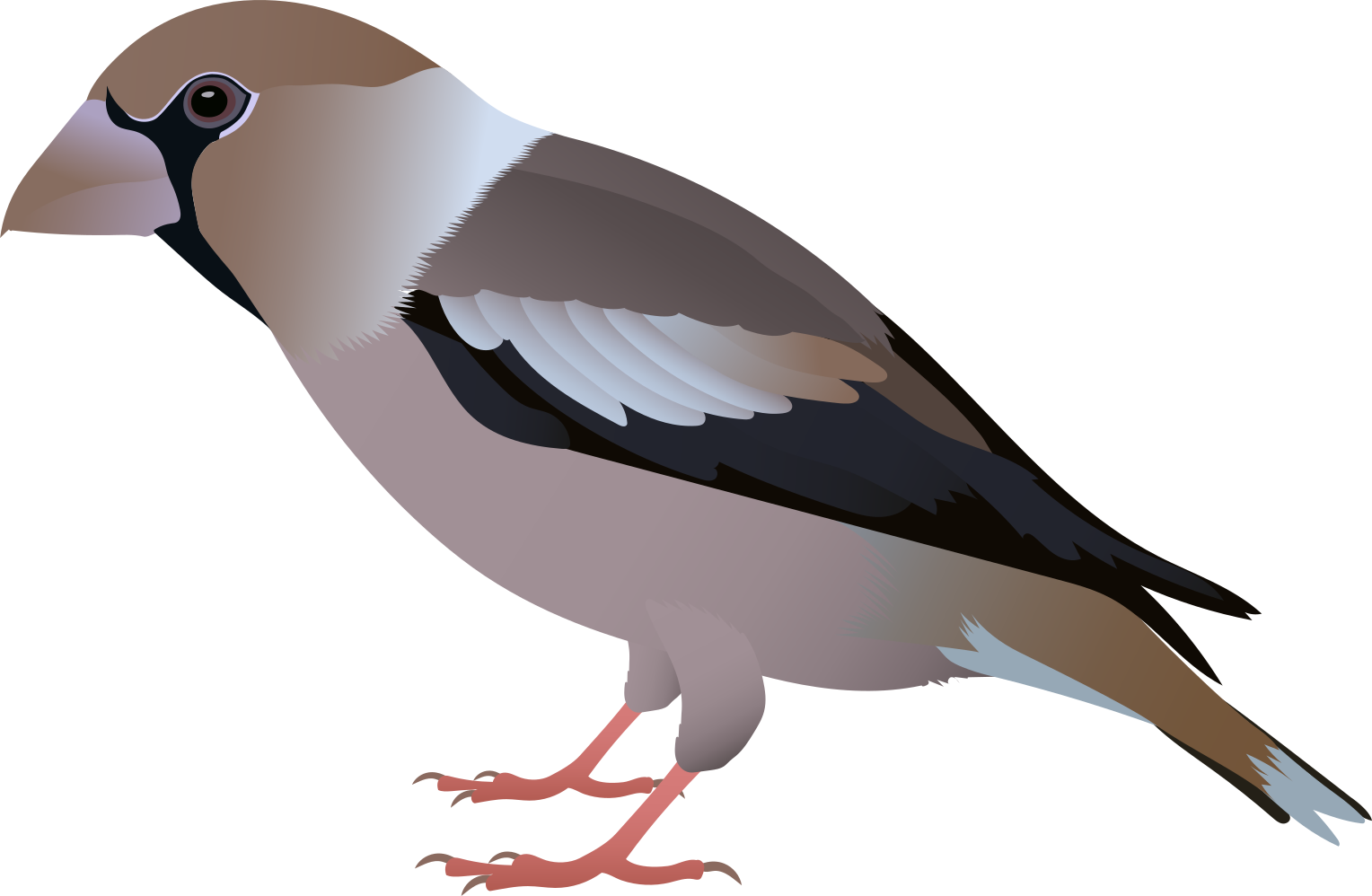
Hawfinch: Coccothraustes Coccothraustes

Hawfinch

The hawfinch is the UK’s largest finch and has a very powerful bill. This timid bird can be tricky to spot but tends to nest in woodland or parkland in England, particularly near beech, oak and hornbeam trees. Some hawfinches stay in the UK all year round, but others fly south for the winter.

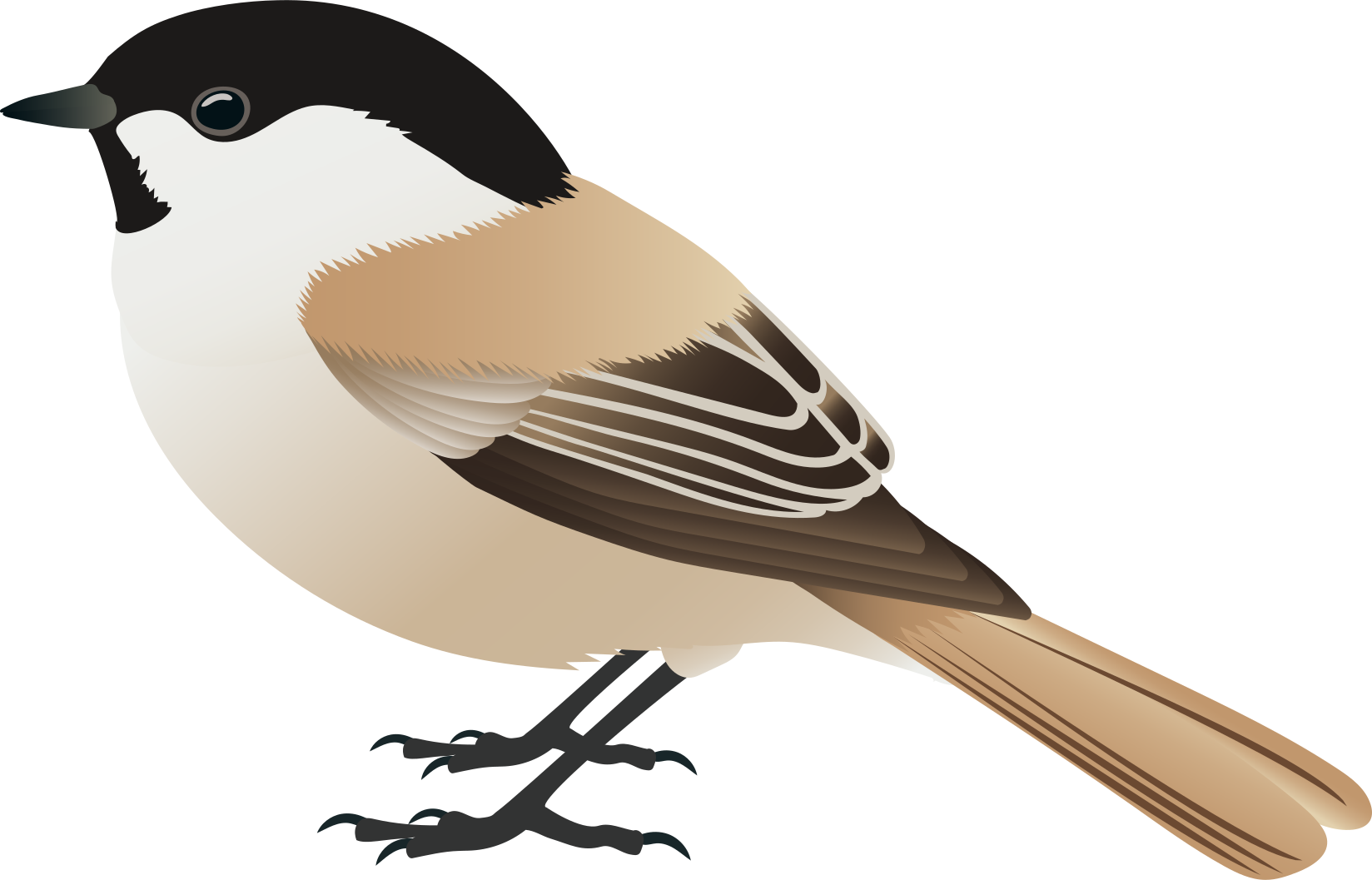
Willow Tit: Poecile Montanus

Willow Tit

Willow tits tend to live in wet woodland and willow carr across England, Wales and the south of Scotland. Their diet is rich in insects, but they also eat seeds and berries in the winter when there are fewer creepy crawlies about. Willow tits carve out their own nesting holes, usually in trees or rotten stumps.

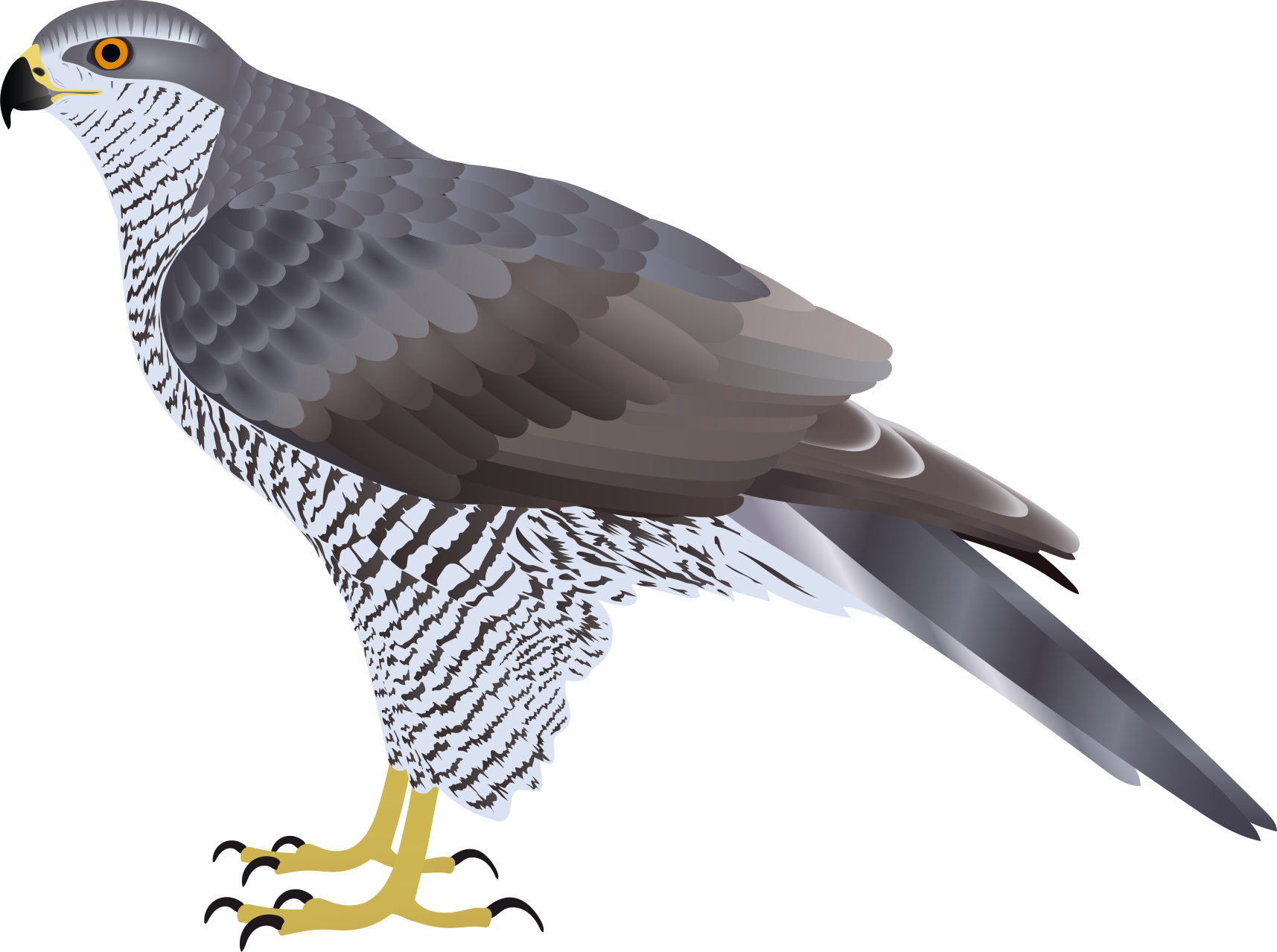
Goshawk: Accipiter Gentilis

Goshawk

These fierce hawks have a wingspan of around 1.5m and can weave in and out of trees, hunting their prey which includes smaller birds, squirrels and rabbits. The female of the species is larger than the male. The name goshawk comes from the Old English for “goose hawk”.

Red Deer: Cervus Elaphus

Red Deer

These truly majestic animals are the UK’s largest native land mammals, and you’ll find most of them in Scotland, although there are herds dotted all around the country. Red deer can weigh as much as 190kg, and live for up to 20 years. Males (stags) and females (hinds) tend to live apart for most of the year, then they get together to mate in the autumn and their young are born in the late spring and early summer.

Dormouse: Muscardinus Avellanarius

Dormouse

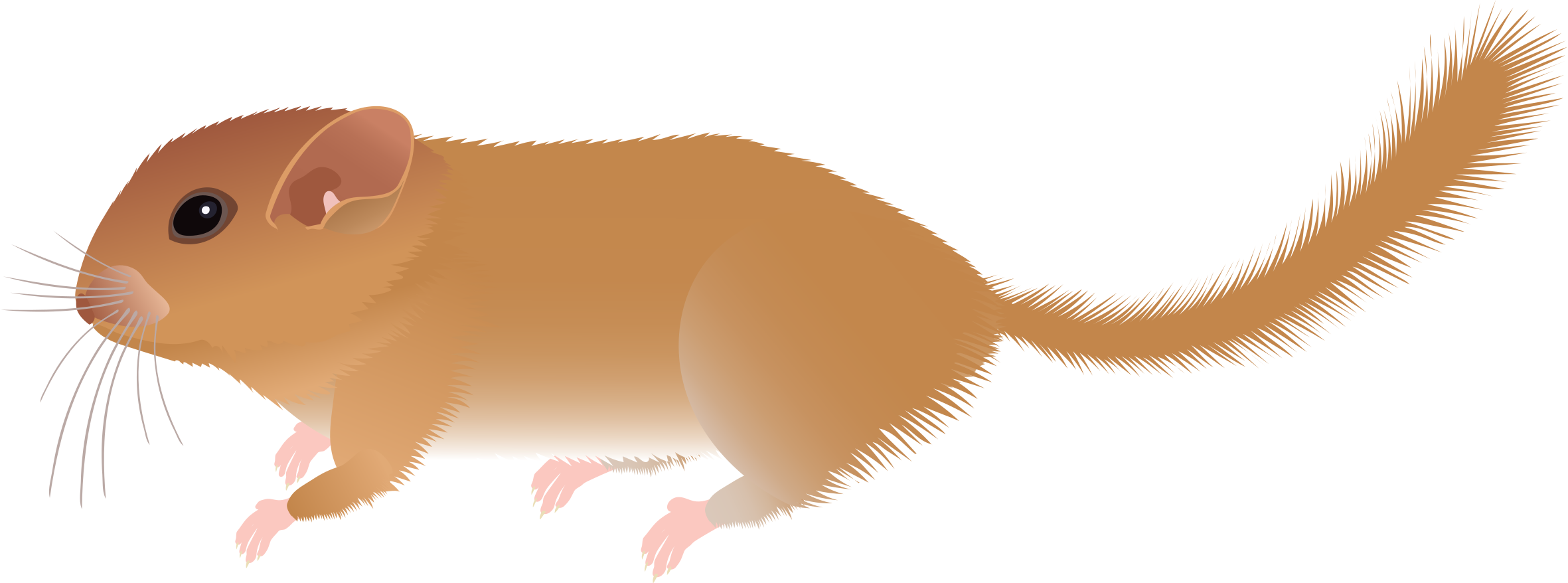
The dormouse, or hazel dormouse, makes its home in the overgrown hedgerows and deciduous woodland of southern England. UK dormouse populations have declined in this century and they are strictly protected by law. You might remember the dormouse who kept falling asleep during the Mad Hatter’s Tea Party in Alice in Wonderland; probably because dormice are nocturnal and the party was during the day!

Pine Marten: Martes Martes

Pine Marten

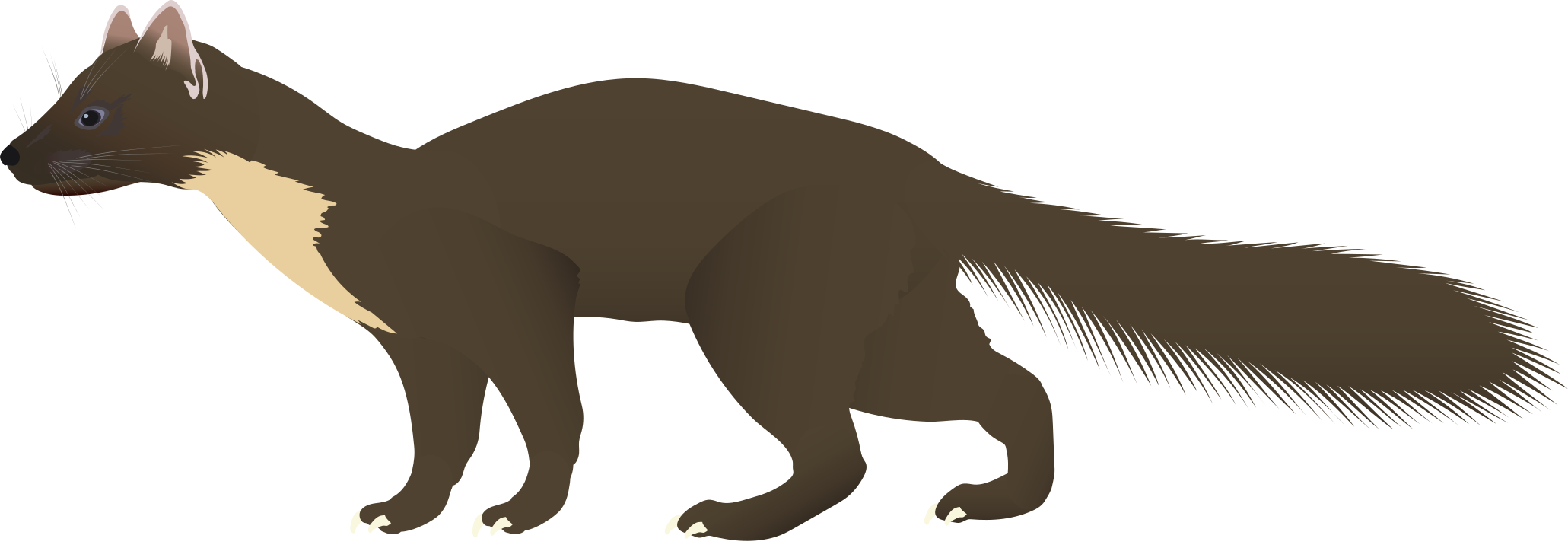
Pine martens live in woodland habitats across Scotland and Ireland, but are on the verge of extinction in England and Wales. This elusive nocturnal hunter is tricky to spot, but if you do see one you’ll recognise it by the distinctive yellow “bib” on its otherwise rich brown fur. In 2013, an intrepid pine marten caused quite a stir when it invaded the pitch during a football match in Switzerland, biting one of the players!

Badger: Meles Meles

Badger

This black and white striped mammal is the UK’s largest land predator, and can be found living all around the country. Badgers make their homes underground in networks of burrows and tunnels known as setts, with the same family occupying the area for generations. It can be tricky to spot badgers in the wild because they are nocturnal, but during warmer weather in the summer, they occasionally emerge just before sunset.

Roe Deer: Capreolus Capreolus

Roe Deer

Roe deer live on their own or in small groups throughout England and Scotland, feeding on leaves, shrubs, heather and grass. Male roe deer have quite short antlers, which begin to grow in November so that they are ready for the summer rutting season, then fall out again in October. Roe deer mate in July and August, but implantation of the fertilised egg is delayed until January so that the young aren’t born in the winter.
Barbastelle Bat: Barbastella Barbastellus

Barbastelle Bat

This distinctive-looking bat has a flat face and makes its home in deciduous woodland, preferably near water, in England and Wales. The Latin name “barbastella” means “star beard”, because this bat has white hairs growing around its mouth. It is an incredibly rare, protected species, with as few as 5,000 believed to be living in the UK.
Bechstein’s Bat: Myotis Bechsteinii

Bechstein’s Bat

Bechstein’s bat is very rare and lives almost exclusively in woodland areas. This species is hard to detect because its echolocation is very quiet. Like other species of bat, Bechstein’s bat is nocturnal, and listens out for woodland moths, then catches and eats them.

Natterer’s Bat: Myotis Nattereri

Natterer’s Bat

Natterer’s bats are medium-sized with fairly long ears, and although quite rare, they live all over the UK. They feed on insects, many of which they forage straight from the foliage around them. They hibernate in small rock crevices, often in groups, and can contort themselves into all kinds of weird and wonderful positions.

Brown Long-Eared Bat: Plecotus Auritus

Brown Long-Eared Bat

As the name suggests, these medium-sized bats have huge ears: nearly as long as their bodies, in fact! They have grey-brown fur and like to roost in old buildings and holes in tree trunks. They prick up their ears when they are flying to aid with hunting, but can roll them back when resting and even tuck them under their wings.

Stag Beetle: Lucanus Cervus

Stag Beetle

You’ll find the UK’s biggest beetle in parks, gardens and woods in South East England. Stag beetles have huge jaws, but their bite isn’t actually that powerful so they don’t pose much of a threat to humans. It can take as long as seven years for stag beetle larvae to grow into adults, and once they do, they only live for a few months!

Glow Worm: Lampyris Noctiluca

Glow Worm

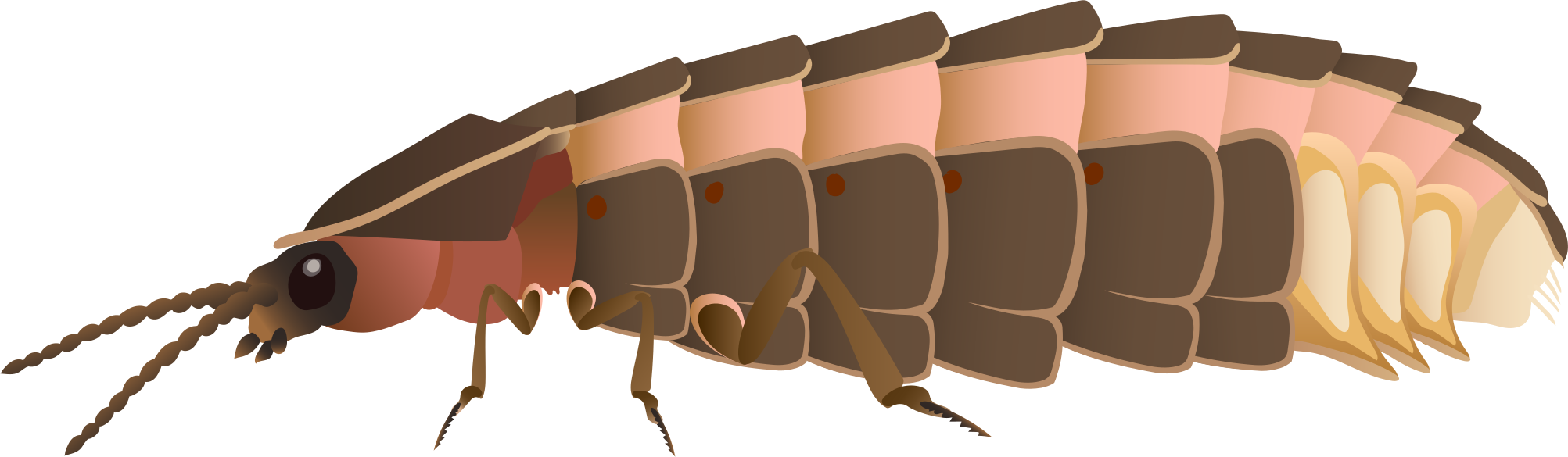
The female glow worm can light up at night to attract a mate in the darkness. Despite the name, glow worms actually look a bit more like beetles than worms. They are only adults for a very short time in the summer months.

Common Lizard: Zootoca Vivipara

Common Lizard

The common lizard incubates its eggs inside its body, then gives birth to live young, which is unusual for a reptile. If it feels threatened, this clever reptile can shed its tail to confuse the predator for long enough to get out of danger. The common lizard likes the sunshine and you might even be able to spot one in your garden.

Grass Snake: Natrix Helvetica

Grass Snake

Grass snakes pose no threat to humans because they are non-venomous and tend not to bite. Long green and yellow grass snakes can be found throughout England and Wales. You can spot them between April and October, as they hibernate for the rest of the year.

Slow Worm: Anguis Fragilis

Slow Worm

The slow worm looks a bit like a snake, but it is actually Britain’s only native legless lizard. They evolved without legs because they spend a lot of their time burrowing through soil and vegetation. If the slow worm senses danger nearby, it will try pooing in the hope that the smell puts the predator off.

Smooth Newt: Lissotriton Vulgaris

Smooth Newt

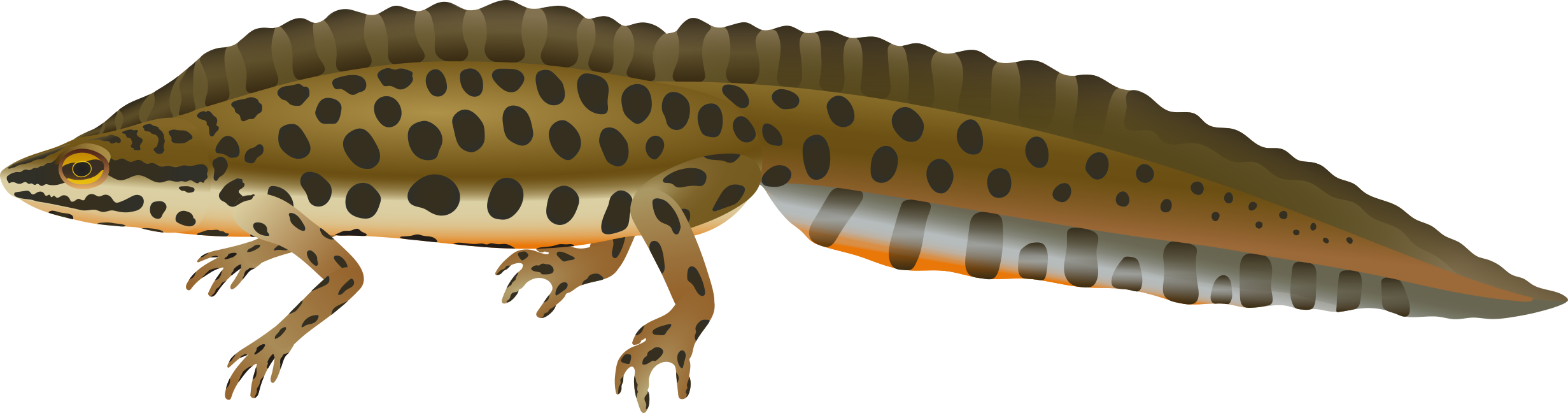
You’ll find these newts throughout Britain and Ireland, where they are protected by law. Adults head for ponds to mate and generally stay there from February to June. The female smooth newt wraps each of her eggs in an individual pond weed leaf to keep it safe.

Palmate Newt: Lissotriton Helveticus

Palmate Newt

Britain’s smallest species of newt looks a lot like the smooth newt, but prefers shallow pools and acidic soils. The males grow black webbing on their back feet during the breeding season. Palmate newts don’t exactly hibernate, but they do spend the winter sheltering under rocks, or in compost or mud.

Great Crested Newt: Triturus Cristatus

Great Crested Newt

The UK’s biggest newt is dark brown or black and covered in warts. Males dance on their front legs and wave their tails when trying to court females. The animals and their eggs, breeding sites and resting places are protected by law.

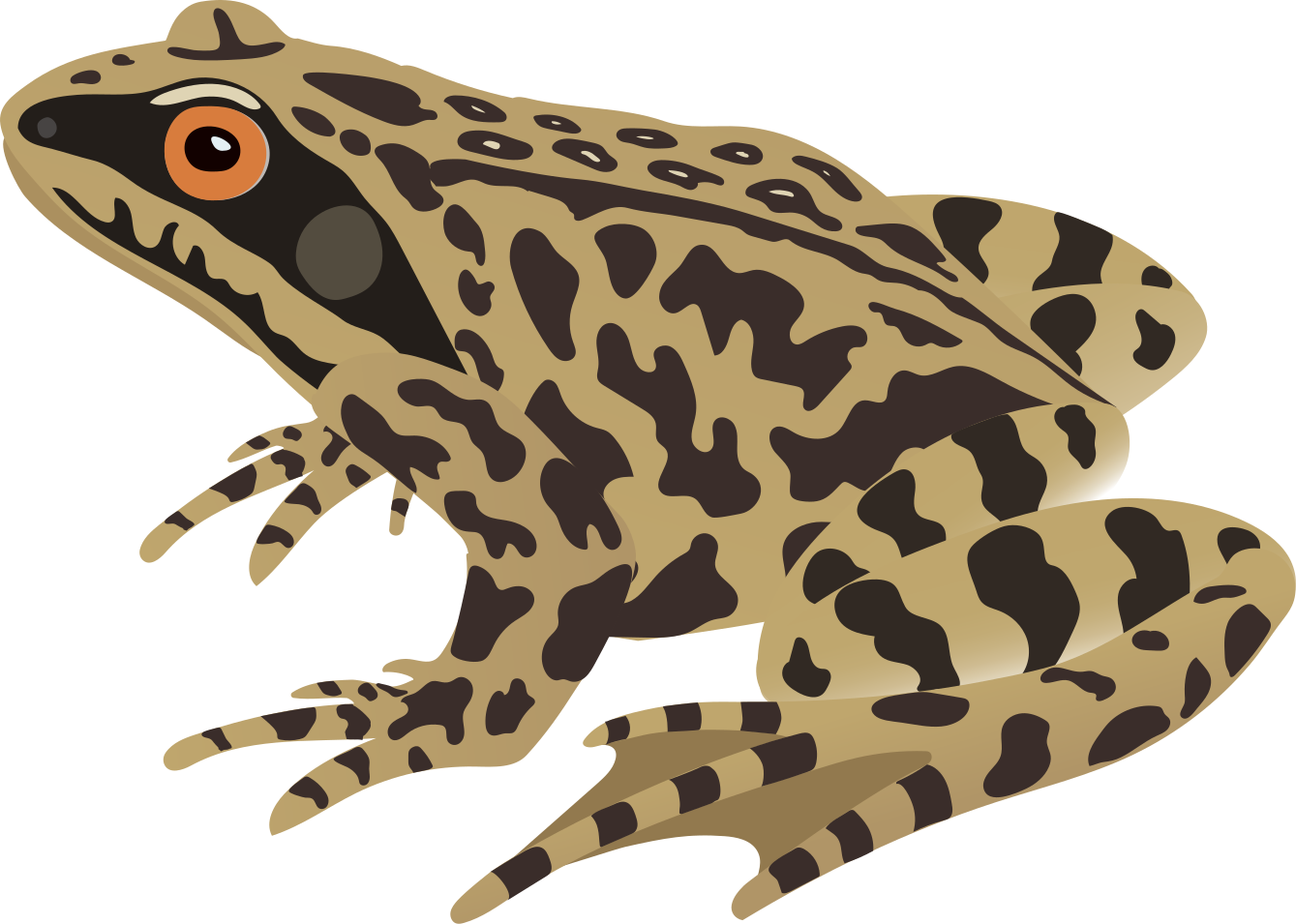
Common Frog: Rana Temporaria

Common Frog

Common frogs have smooth skin and are most active at night. This clever amphibian uses its long, sticky tongue to catch insects like worms, slugs and snails. Garden ponds are very important for common frogs and suburban populations depend on them.

Grey Squirrel: Sciurus Carolinensis

Grey Squirrel

Grey squirrels first arrived in the UK from their native North America in the 1800s. Their introduction to these shores has been a disaster for red squirrels, as greys carry squirrelpox, to which they themselves are immune, but which can infect and kill reds. Grey squirrels also cause mayhem in woods where they strip the bark from trees, damaging them in the process.

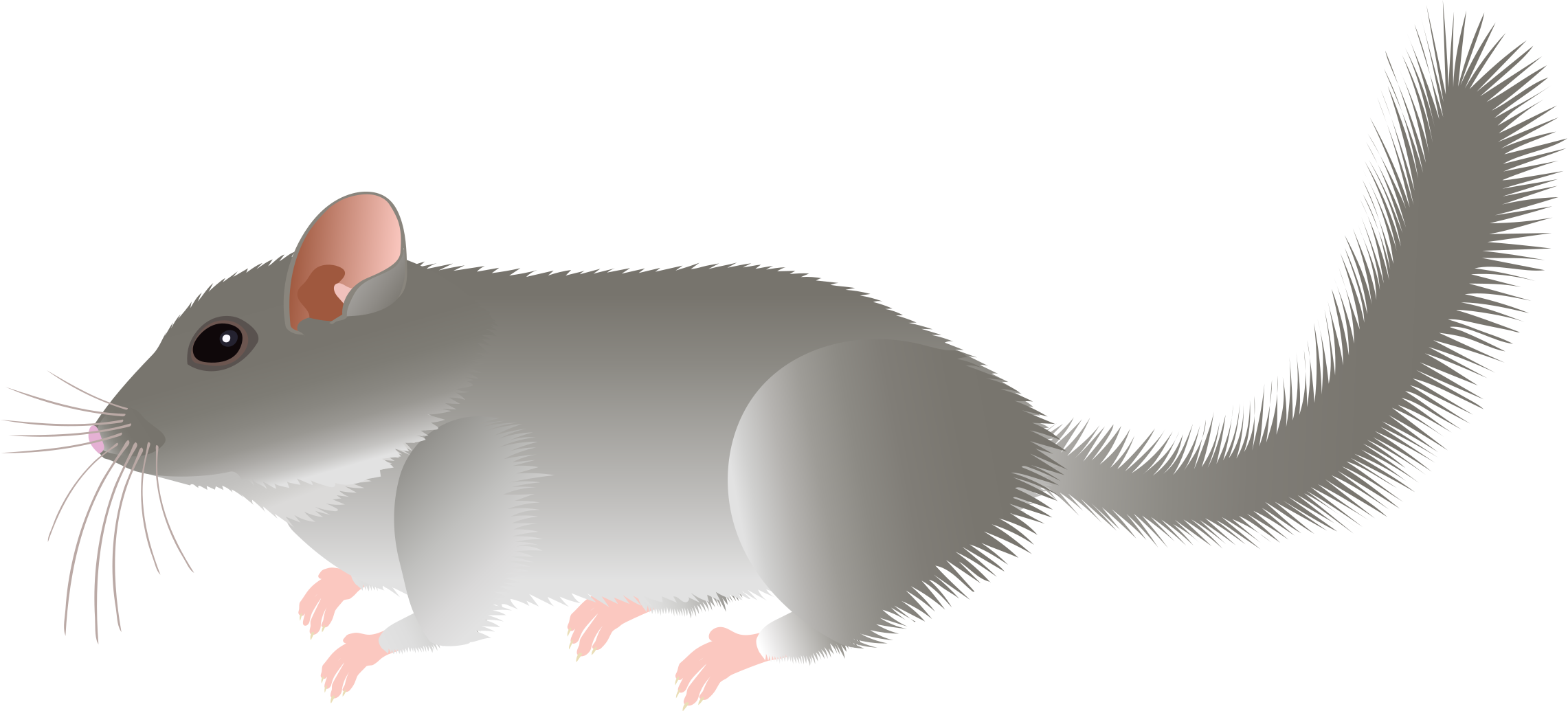
Edible Dormouse: Glis Glis

Edible Dormouse

The Romans used to breed edible dormice to eat as a snack. These rodents look a bit like tiny squirrels, with greyish fur and brown tails. Britain’s edible dormouse population is confined to the Chilterns and nearby woodlands.

Muntjac Deer: Muntiacus Reevesi

Muntjac Deer

This small hump-backed deer originally came to the UK from China and can now be spotted here all year round. Muntjac deer are not much bigger than foxes and hang around in small family groups rather than large herds. Sadly, they can damage important wildflower species in the woodlands they visit.

Supported By:

supported company logo

Project Partner:

partner logo GreenTheUK logo

Join Our Mailing List...