Simple Life Homes secured 1,000 square metres of peatland in Somerset in 2026
Peatlands are among the UK's most valuable natural habitats, storing vast amounts of carbon, supporting a rich diversity of wildlife and helping to regulate water across the landscape. However, many have been degraded through decades of drainage and intensive land management, causing them to release stored carbon and lose their ecological and societal value. By supporting the restoration of peatlands at Honeygar in Somerset, Simple Life Homes is helping to reverse this decline, contributing to the recovery of an internationally important wetland while supporting long-term climate resilience and biodiversity. Research conducted during the project will help support wider peatland knowledge, both in its intrinsic value to the ecosystem, and restoration techniques which can be used around the world.
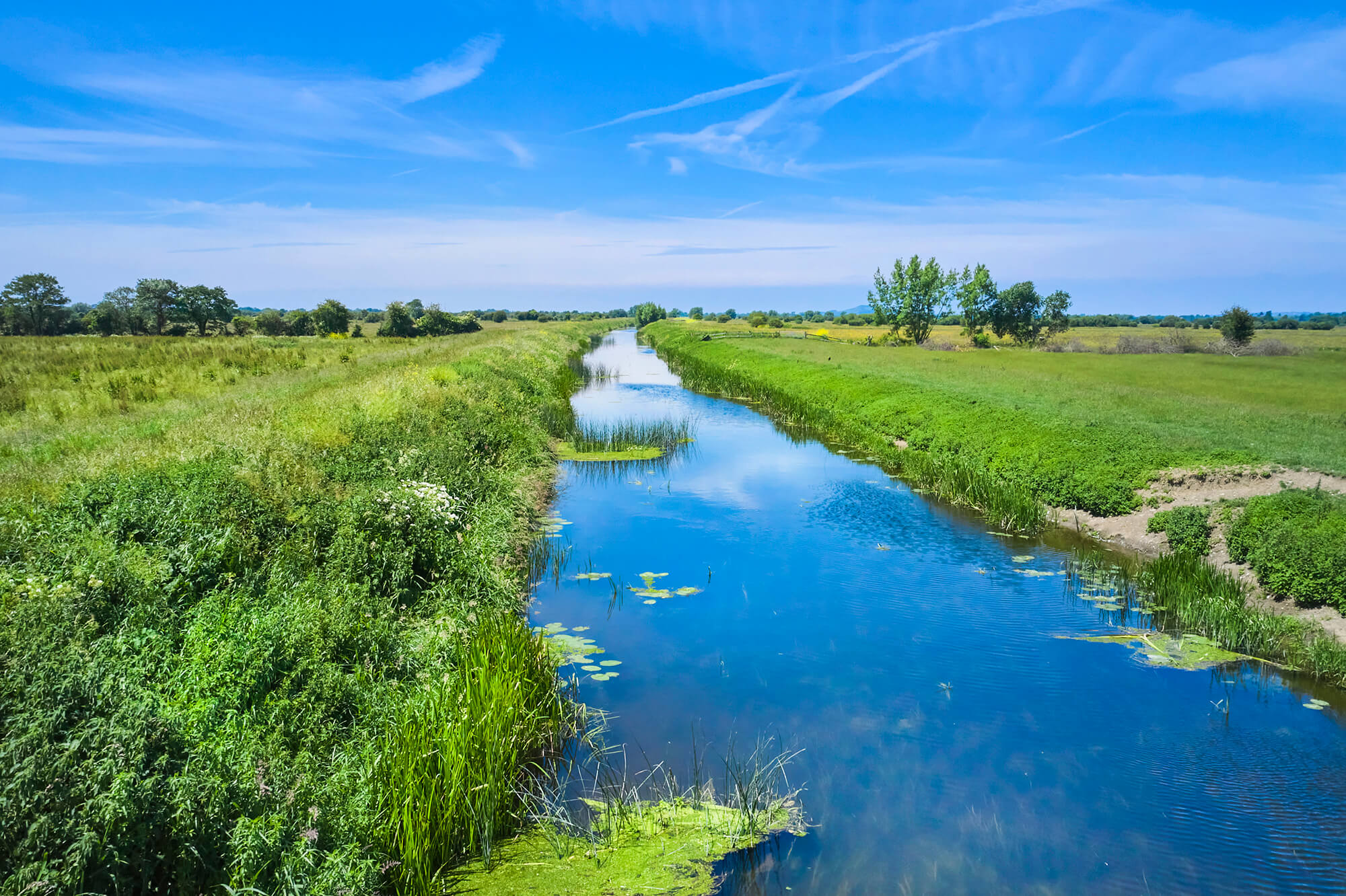
Somerset Wildlife Trusts are running this project which focuses on restoring the site's natural hydrology through carefully planned habitat management. By managing water levels and allowing natural processes to return, the project aims to protect the ancient peat soils, and create a thriving wetland capable of supporting an abundance of wildlife for generations to come.
We are incredibly grateful to Simple Life Homes for supporting this important restoration project. Their contribution is helping to safeguard a vital carbon store, strengthen the resilience of the Somerset Levels and Moors, and create healthier habitats where nature can flourish long into the future. Through GreenTheUK's partnership with Somerset Wildlife Trust, this support is helping deliver one of England's most ambitious lowland peatland restoration projects.
Introducing Honeygar
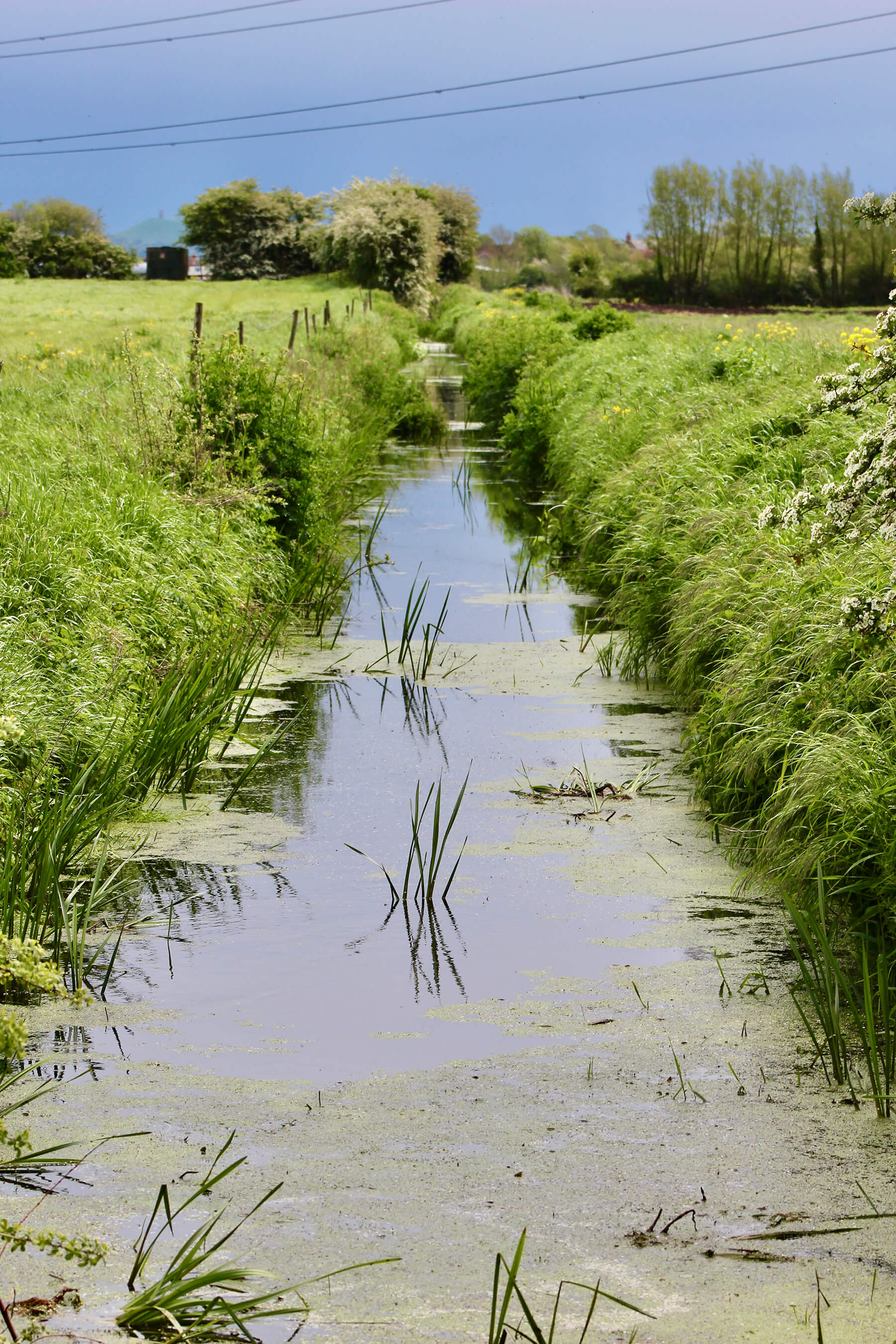
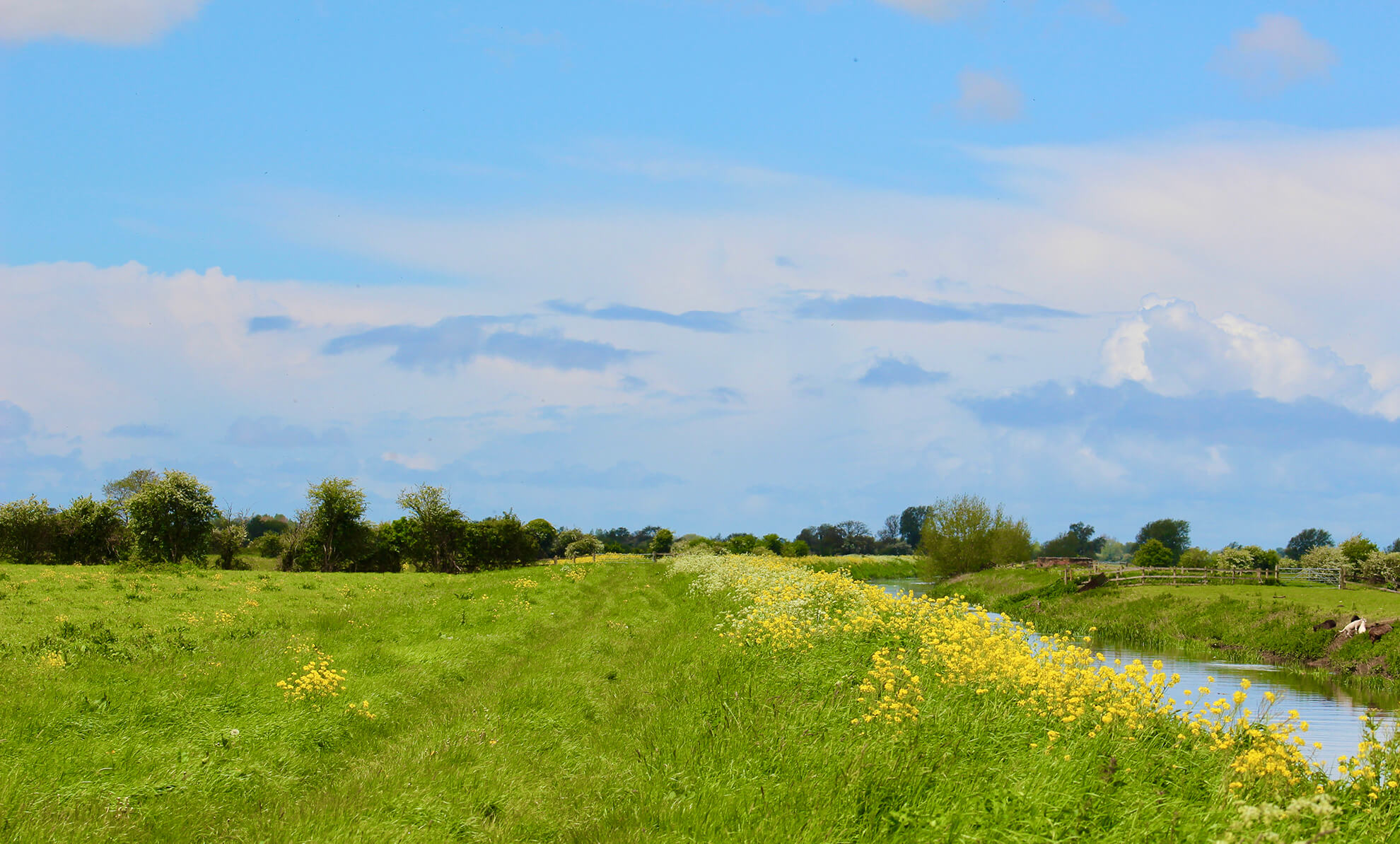
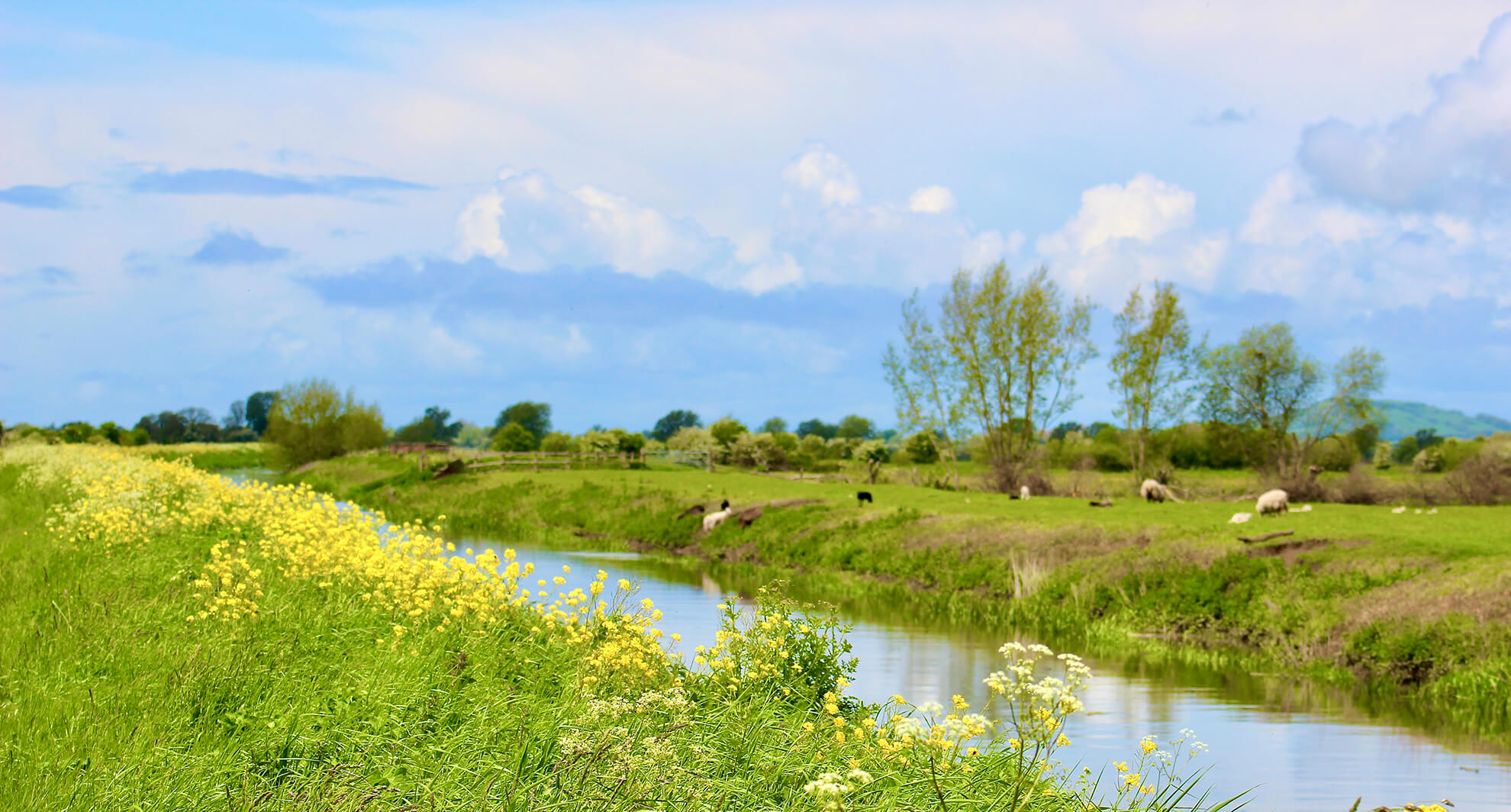
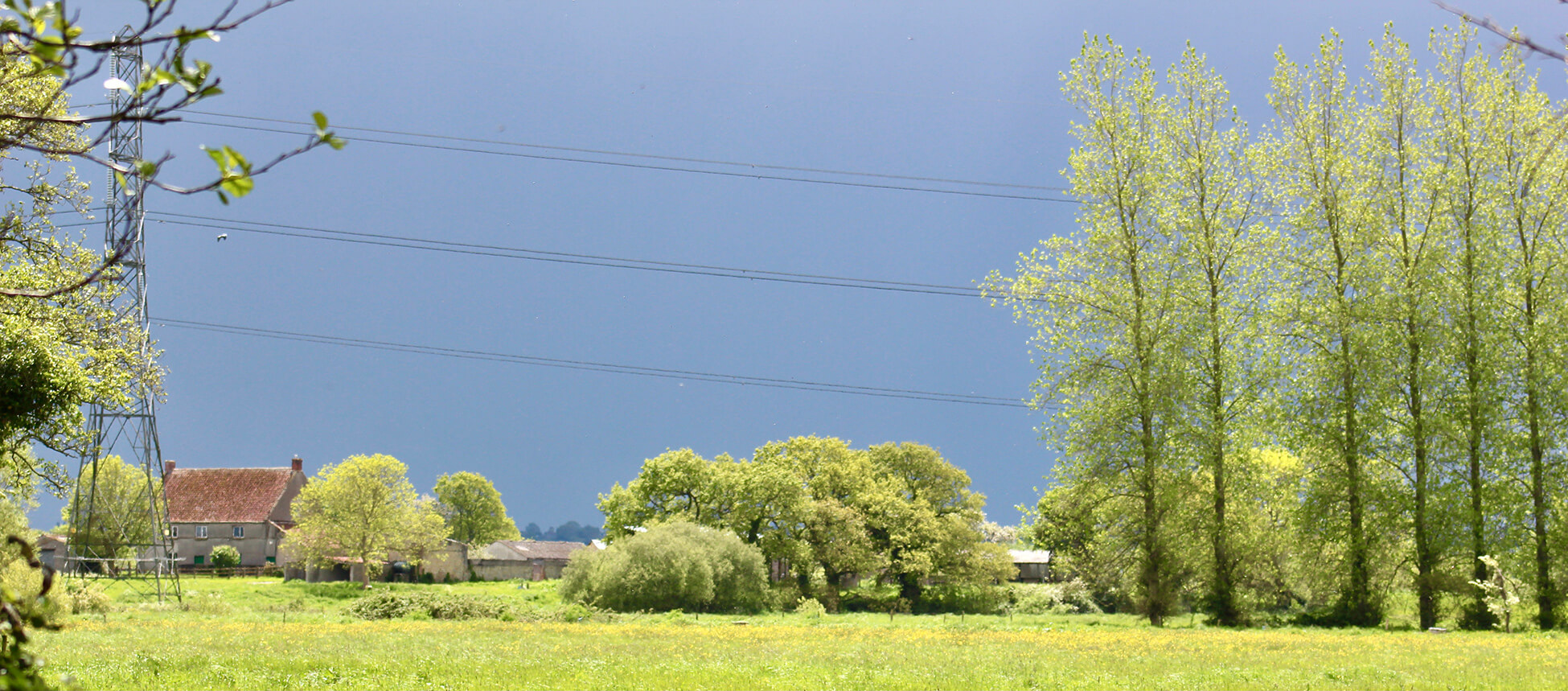
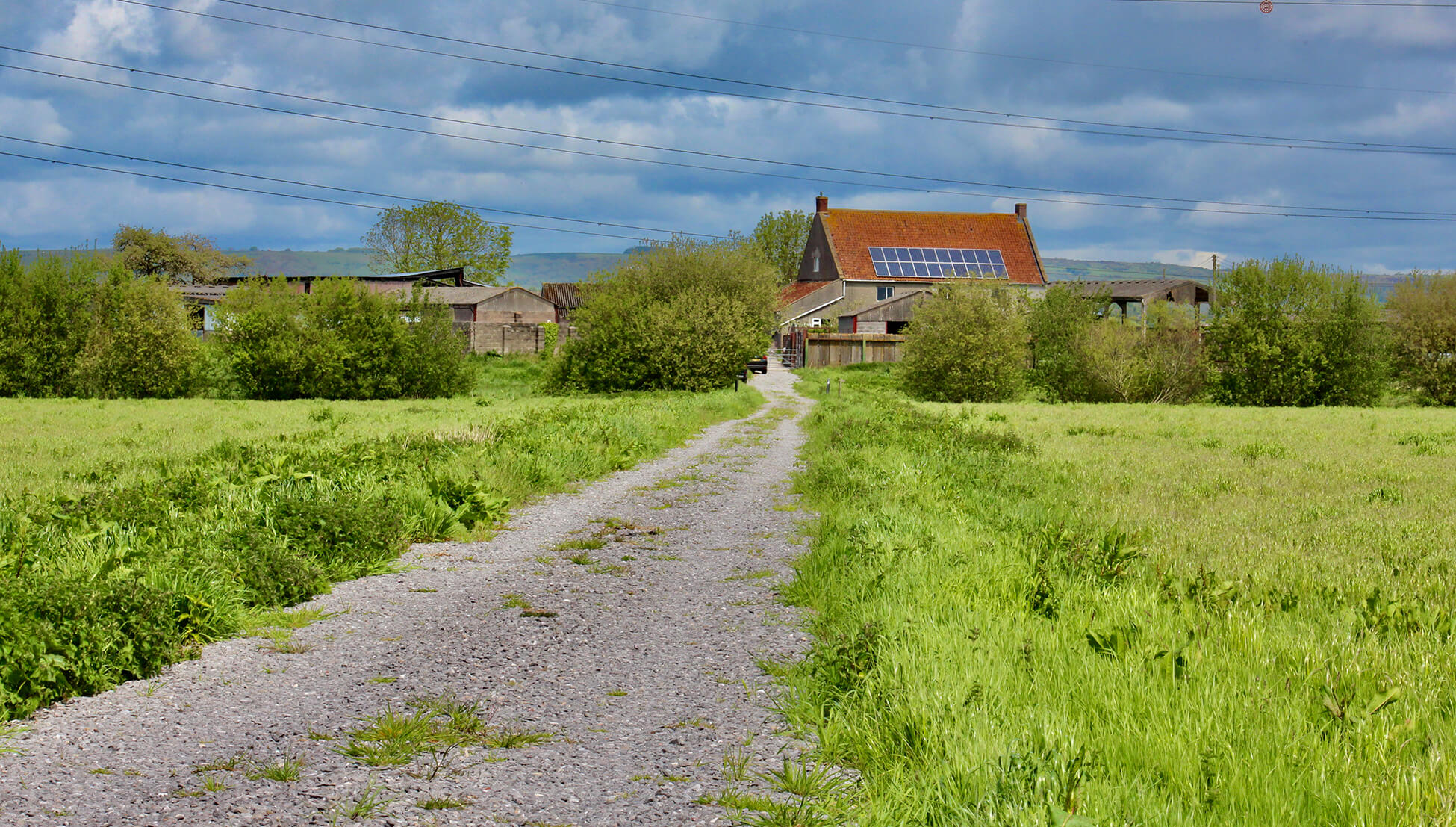
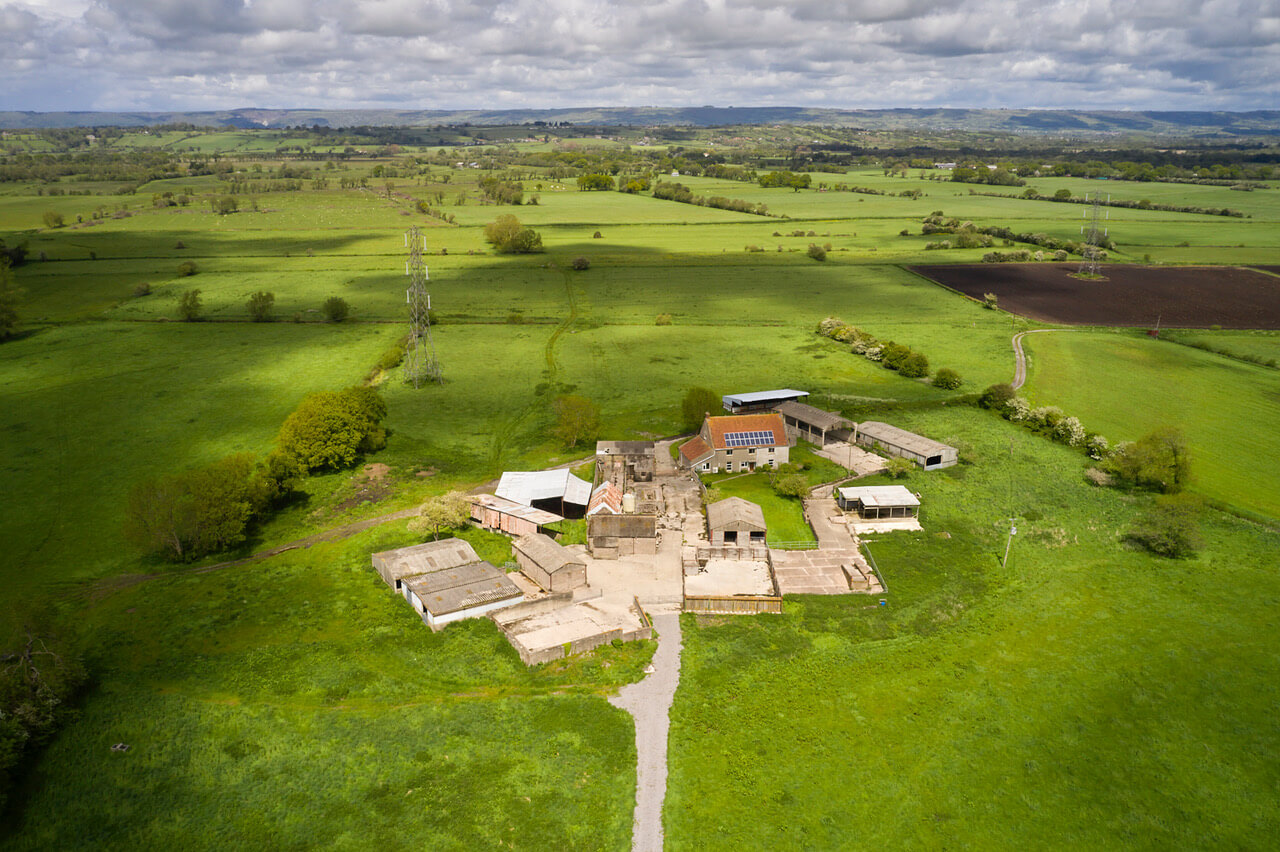
Located in the heart of the Somerset Levels and Moors, Honeygar is a pioneering peatland restoration project led by Somerset Wildlife Trust. Once managed as an intensive dairy farm, the site is now being transformed into a thriving marshland where natural processes can return, supporting wildlife, regulating water, protecting valuable peat soils and helping to address the climate and biodiversity crises.
Honeygar was chosen for restoration because of its unique opportunity to deliver benefits for both wildlife and people in a way that can help to demonstrate good practice to Somerset and the world. The site sits on degraded lowland peat, where decades of drainage for agriculture had left the peat oxidising and releasing stored carbon into the atmosphere. At the same time, its position within the Somerset Levels makes it a vital link between existing wetlands and nature reserves, strengthening habitat connectivity and allowing wildlife to move more freely across the landscape as environmental conditions change.
Honeygar is also Somerset Wildlife Trust's first wilding project, embracing an approach that allows nature to take charge. Through carefully managed interventions, including restoring natural hydrology, the project is creating the conditions for peat-forming habitats to recover. As water levels rise, the peat is protected from further degradation, helping to lock away carbon that has accumulated over thousands of years while providing new opportunities for marshland plants and animals to flourish.
Beyond habitat restoration, Honeygar has become a nationally significant demonstration site for lowland peatland recovery. Its scale, location and extensive monitoring programme make it an ideal place to test innovative restoration techniques and build the evidence needed to support peatland recovery across the UK and the world. With more than four years of continuous monitoring, around 30 active research projects and over 150 visits from researchers, land managers and environmental organisations, Honeygar is helping to shape the future of lowland peatland restoration while demonstrating how climate action, biodiversity recovery and sustainable land management can work hand in hand.
Support from organisations such as Simple Life Homes enables Somerset Wildlife Trust to continue this long-term monitoring, ensuring restoration decisions are guided by robust scientific evidence.
4 Years On - How Honeygar is Progressing

~30%
lower GHG emissions 2023 to 2024

4+ yrs
continuous multi-sensor monitoring

~30
research projects active or complete

150+
site visit from NGOs, farmers & regulators
Why Peatlands Matter
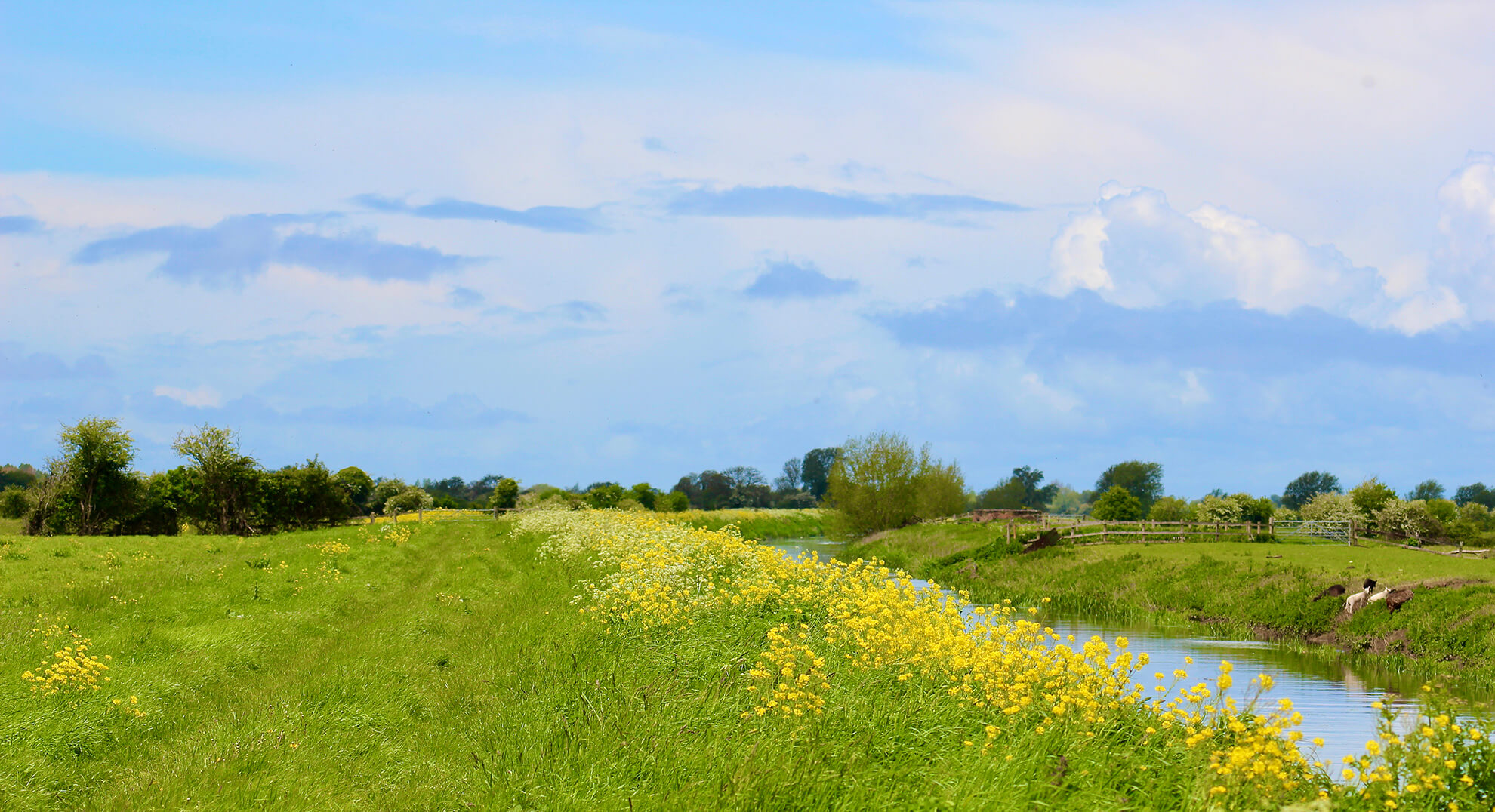
Although peatlands cover only a small proportion of the UK's landscape, they are among our most valuable natural habitats. Formed over thousands of years as waterlogged vegetation slowly compresses, healthy peatlands act as long-term carbon sinks, securing vast amounts of carbon within their deep, saturated soils. When these habitats are drained or damaged, that secure carbon is released back into the atmosphere, contributing to climate change. Restoring peatlands helps keep this carbon secured safely within the soil while potentially creating the conditions for new peat to form over time.
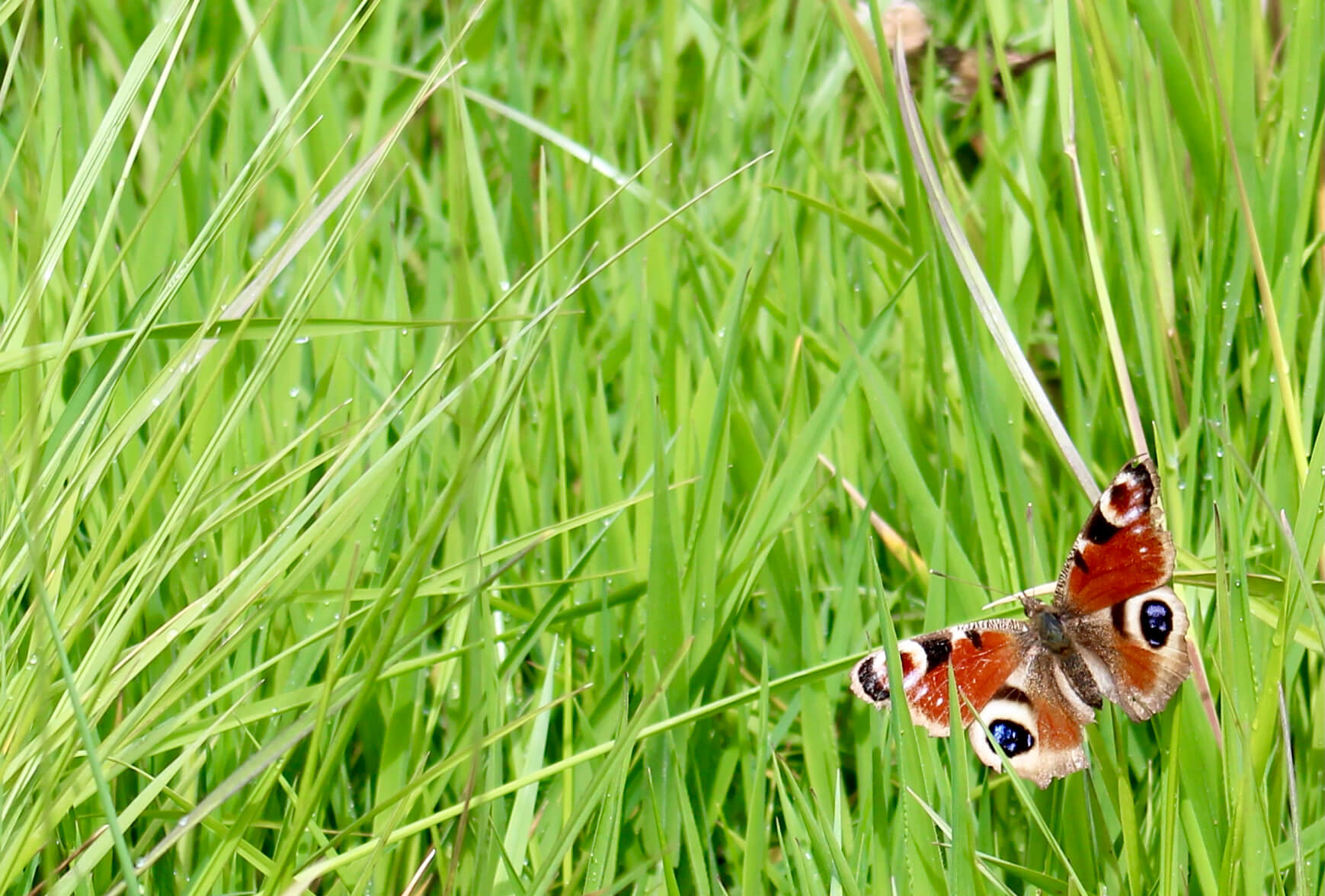
Peatlands are also biodiversity hotspots, supporting a remarkable variety of plants, insects, birds and mammals that depend on wetland habitats. Peatlands on the Somerset Levels support one of the most important wildlife rich areas of Western Europe, areas alongside Honeygar are some of the most heavily designated areas of the country primarily because their important wetlands that attract tens of thousands of migratory birds and are the last harbours for a range of breeding wetlands specialist species. Species such as dragonflies, wading birds, amphibians and specialised wetland plants thrive in these unique environments, many of which are becoming increasingly rare across the UK. By reconnecting fragmented habitats and allowing natural processes to return, peatland restoration creates resilient landscapes where wildlife can recover and flourish.
The benefits of healthy peatlands extend far beyond nature. By absorbing and slowly releasing water, they help reduce flood risk downstream and improve resilience during periods of drought. They also filter water naturally, improving water quality before it reaches rivers and reservoirs. These landscapes provide opportunities for research, education and recreation, while preserving thousands of years of environmental history and archaeological remains beneath their waterlogged soils. As the climate continues to change, restoring peatlands offers one of the most effective nature-based solutions for securing carbon, supporting biodiversity and creating healthier, more resilient landscapes for both wildlife and people. Honeygar has already seen evidence of wetland species returning in greater number, but is also experiencing a decline in woodland species.
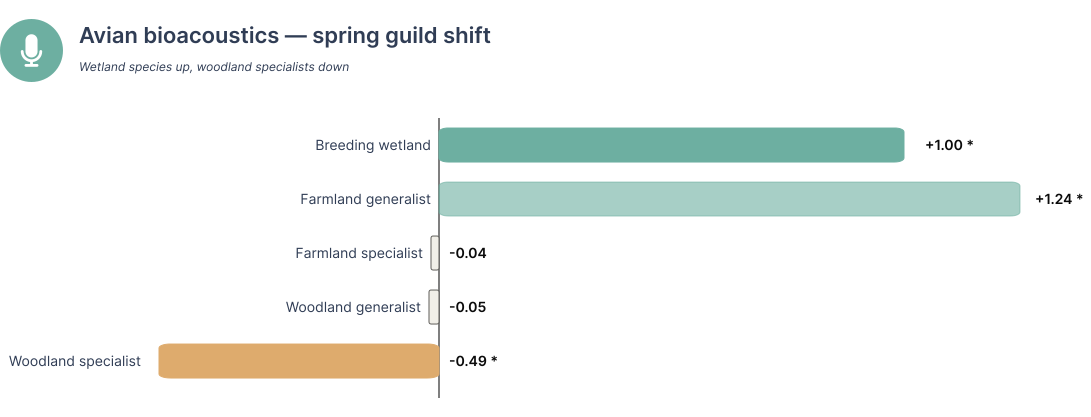 Method: Values are median standardised call-count change, spring Y1 to Y2. 8 SMM bioacoustic recorders running continuously since Nov 2022, AI/ML species ID via BirdNET (Wilder Sensing). Kruskal-Wallis p = 0.01; * significant vs woodland specialists (Dunn's test p < 0.05). Scutts, UWE 2024.
A Home for Wildlife - Key Species at Honeygar
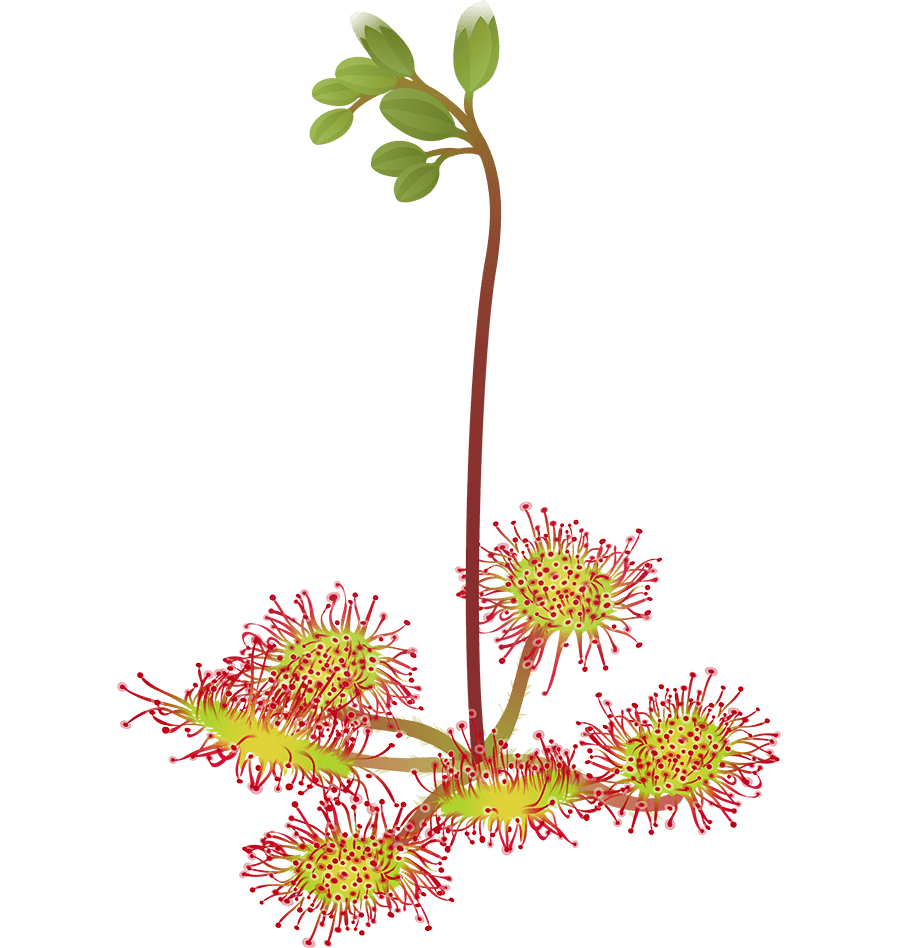
Carnivorous Sundews: Drosera rotundifolia
These tiny bog plants have sticky, glistening hairs that trap insects. Once caught, the leaf slowly curls around its prey and digests it. Sundews thrive in nutrient-poor, wet habitats like peat bogs. These beautiful carnivorous plants not only provide more character to the bog areas but identify areas but confirm that this particular bog area is of very high quality.
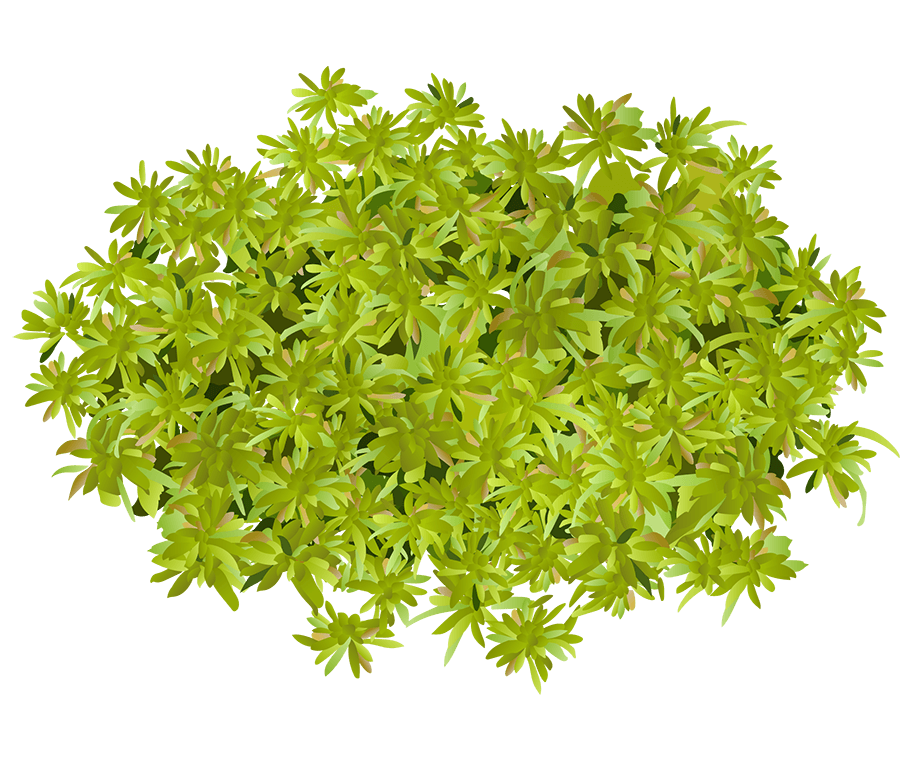
Sphagnum Moss: Sphagnum spp.
A vital peat-forming moss that holds many times its weight in water. It creates and maintains boggy, wildlife rich habitats by holding water after normal soils might have drained away. Sphagnum based communities support countless rare plants and animals.
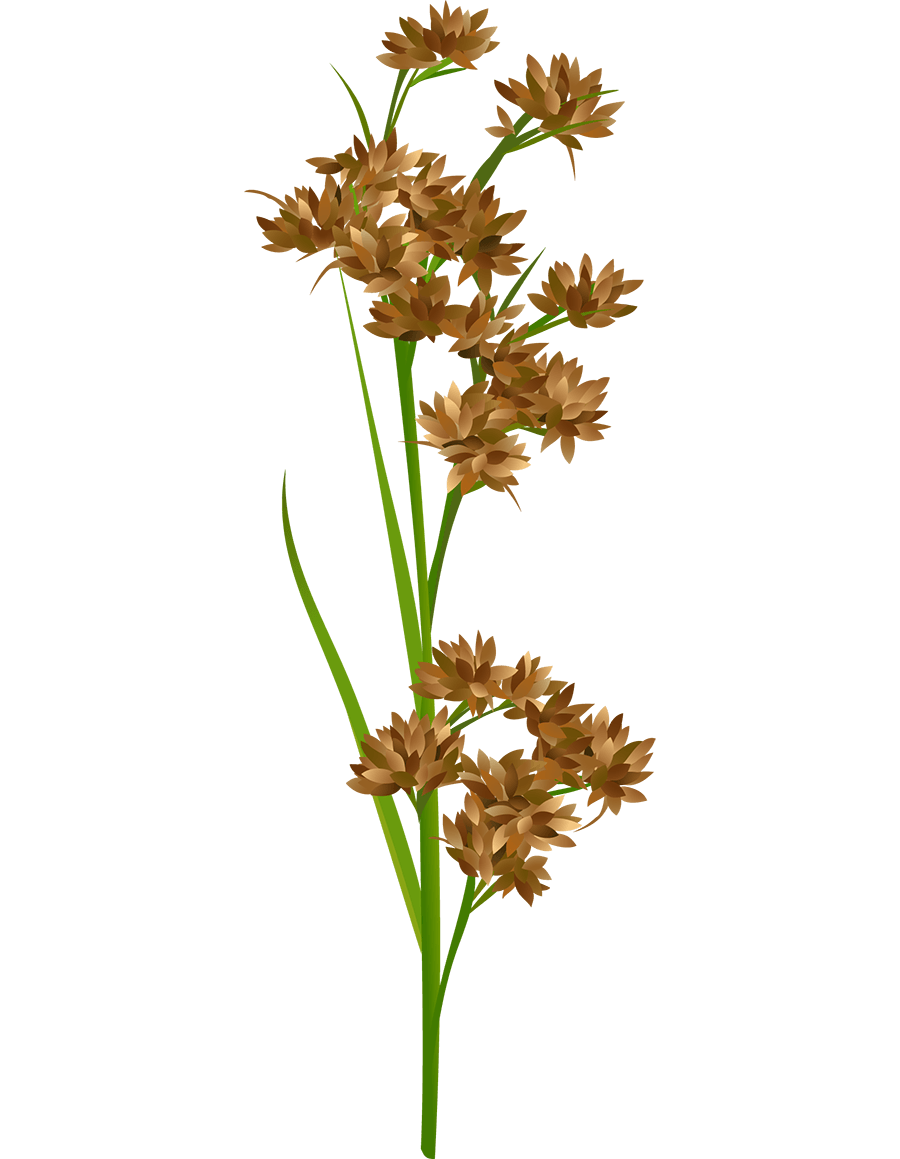
Great Fen Sedge: Cladium mariscus
A tall, grass-like plant found in fens and wetlands. Its sharp-edged leaves form dense stands that shelter birds and insects. Great fen sedge helps stabilise wetland soils and filter water.
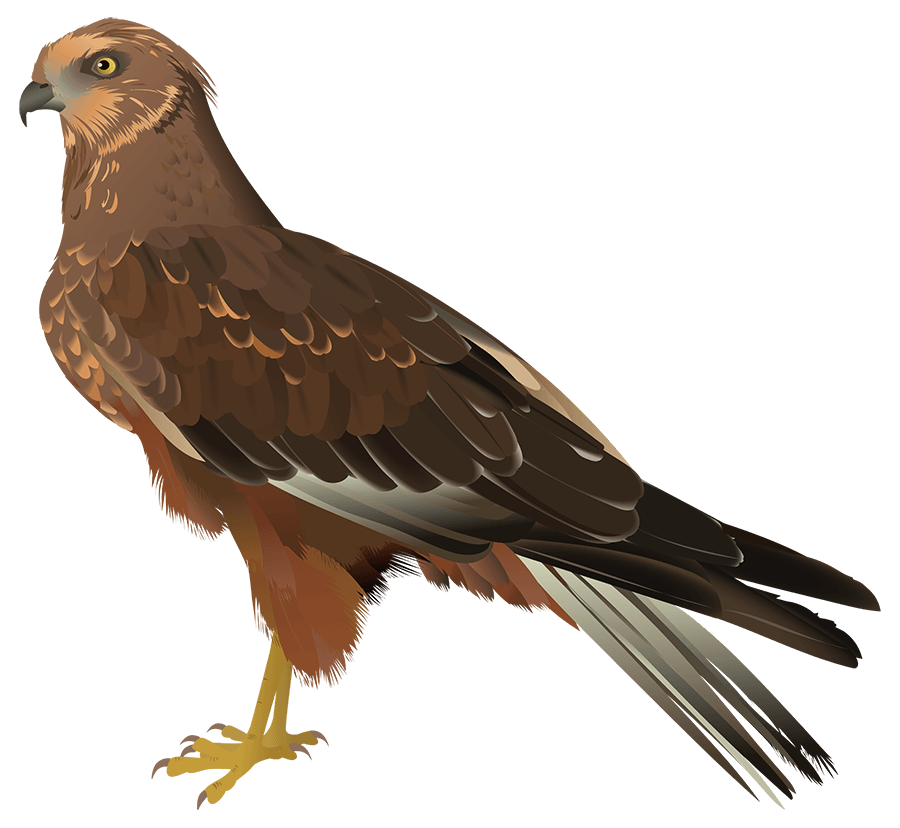
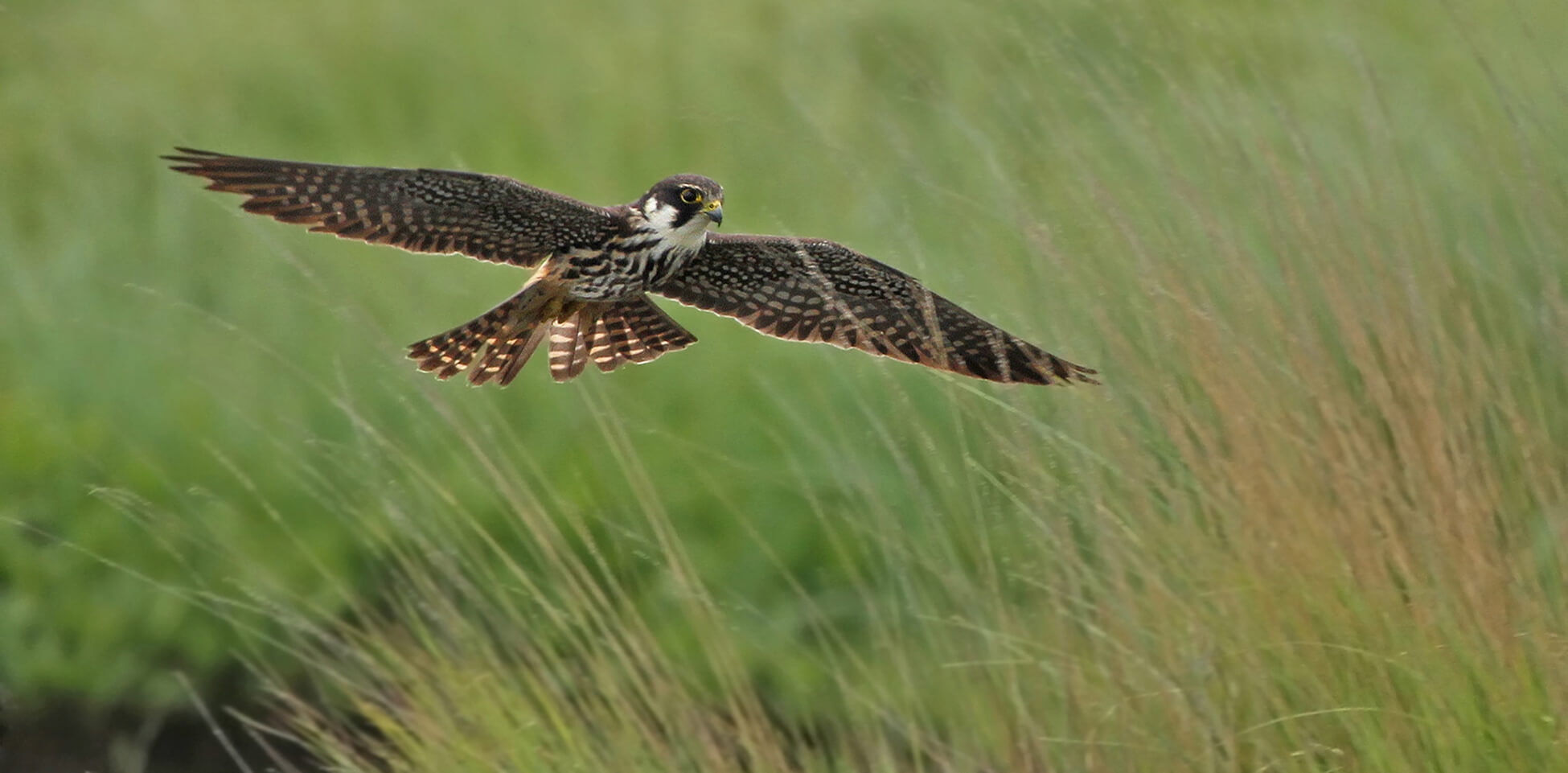
Marsh Harrier: Circus aeruginosus
This large bird of prey is often seen gliding low over reedbeds with its distinctive V-shaped wings. Marsh harriers hunt small mammals, birds, and amphibians. They are a key wetland species and an indicator of healthy reedbed habitats. This species is particularly visible on the Somerset Levels with numbers slowly increasing in the area due to the provision of more habitat in this area.
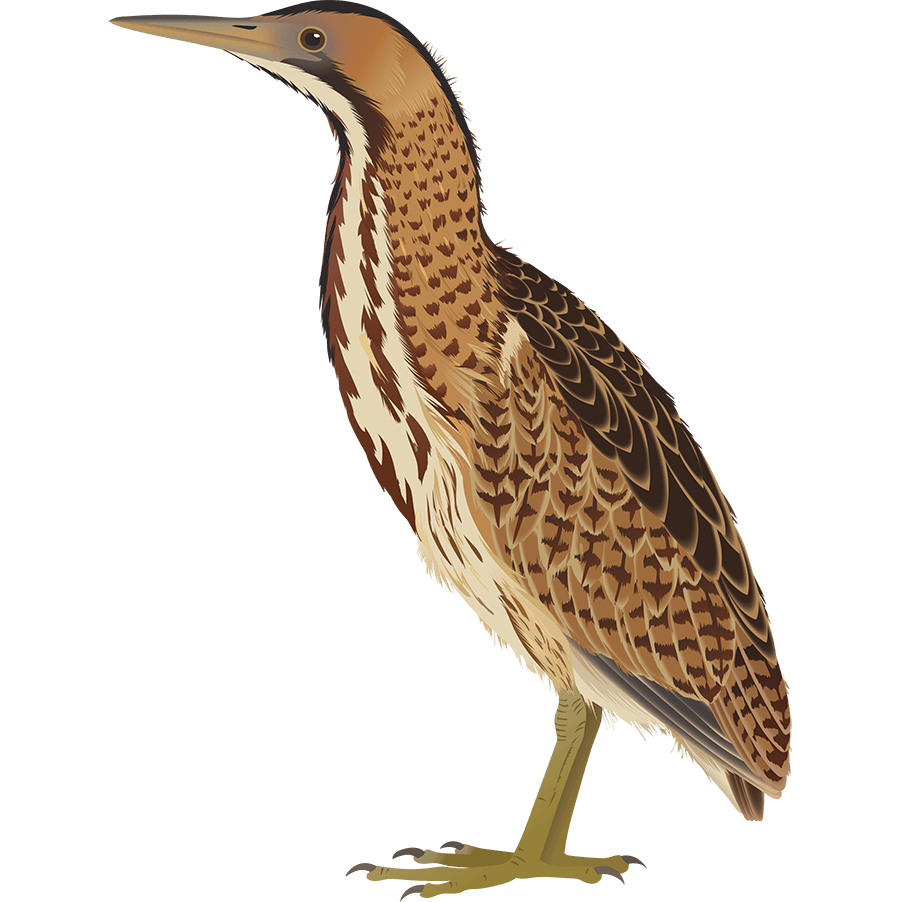
Bittern: Botaurus stellaris
A secretive, brown-streaked heron that blends perfectly into reedbeds. Bitterns are best known for their booming call, which can carry for miles on still mornings. They feed mainly on fish, amphibians, and invertebrates in shallow water. Many of the high quality reedbeds on the Somerset Levels are at full carrying capacity for Bittern, any new reedbed habitats created are likely to be populated quickly by this secretive but charismatic bird.
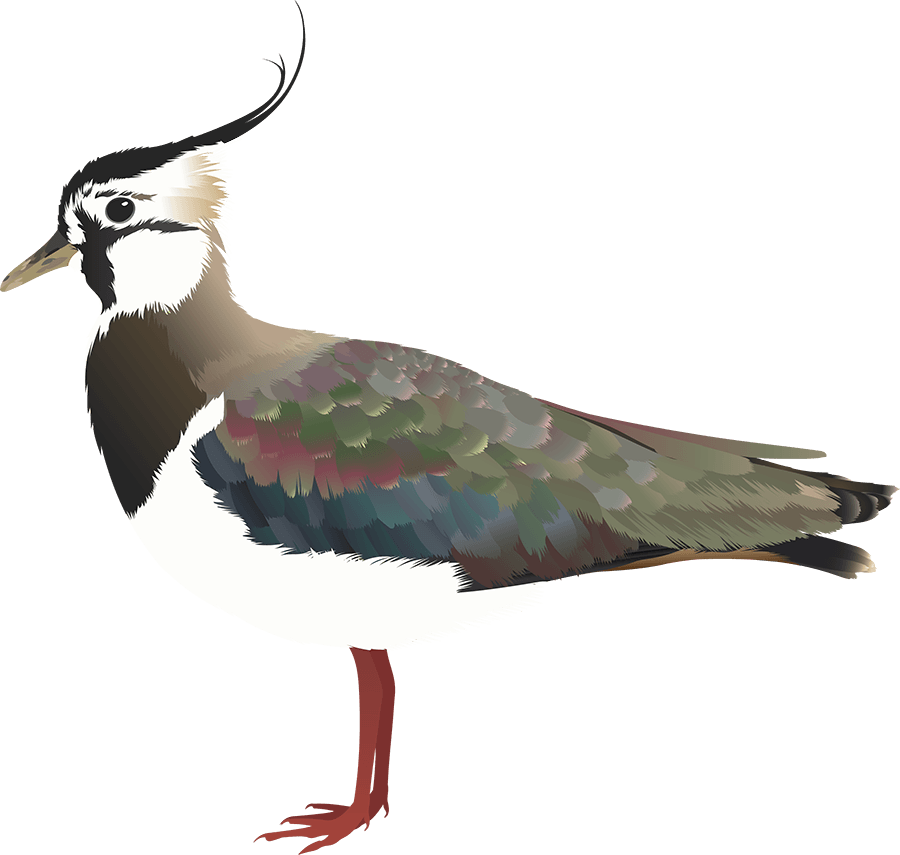
Lapwing: Vanellus vanellus
Easily recognised by its rounded wings and striking crest. Lapwings perform spectacular tumbling displays in spring while calling “peewit.” They favour wet grasslands, feeding on worms, beetles, and insects and are so numerous on the levels. Indeed the lapwing is so evocative across the South West of England that their name is lent to identify the prestigious silver lapwing award for most highly performing environmental farmers.

Murmurating Starlings: Sturnus vulgaris
Starlings gather in huge flocks in autumn and winter, creating swirling shapes at dusk. These murmurations help protect them from predators and keep the group warm. Starlings feed on insects, seeds, and fruits in fields and gardens. These flocks are a massive drawcard for visitors to Somerset and to the levels particularly. In early evenings over the Christmas break many thousands gawp and their incredible displays as they flock to nestle into their night roosts.
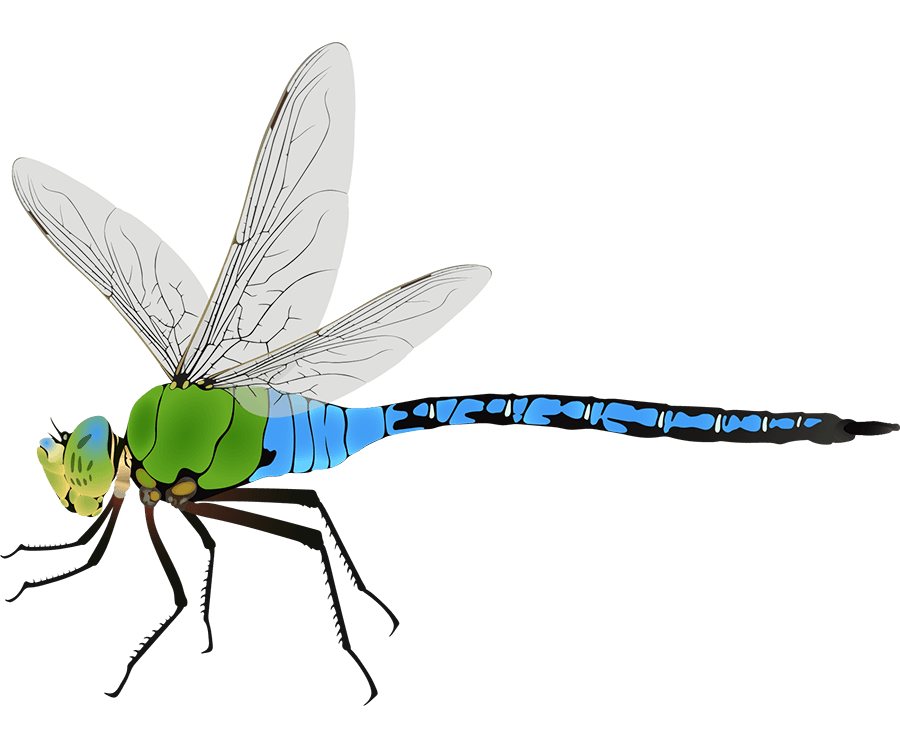
Emperor Dragonfly: Anax imperator
This large, brightly-coloured dragonfly flies around between June and August, usually staying close to water. Adults catch and eat their prey in the air. Emperor dragonflies can move very fast, reaching speeds of around 30 mph. This is also the largest dragonfly with a wingspan of around 10 cm.
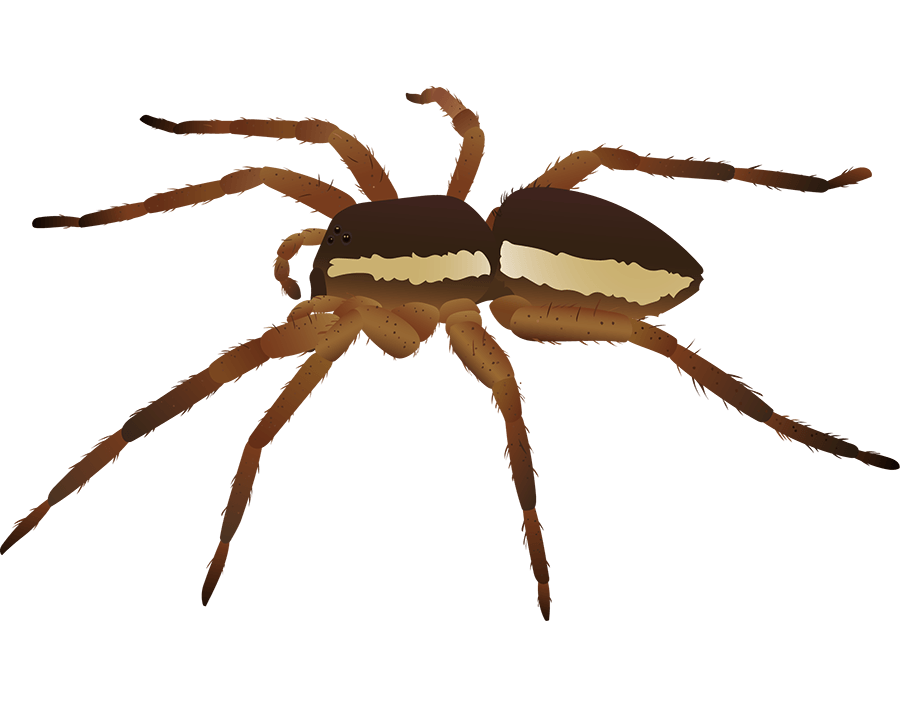
Raft Spider: Dolomedes fimbriatus
One of the UK’s largest spiders, often seen walking on water surfaces. They hunt insects, tadpoles, and even small fish by ambush. Raft spiders are a key predator in healthy wetland ecosystems.
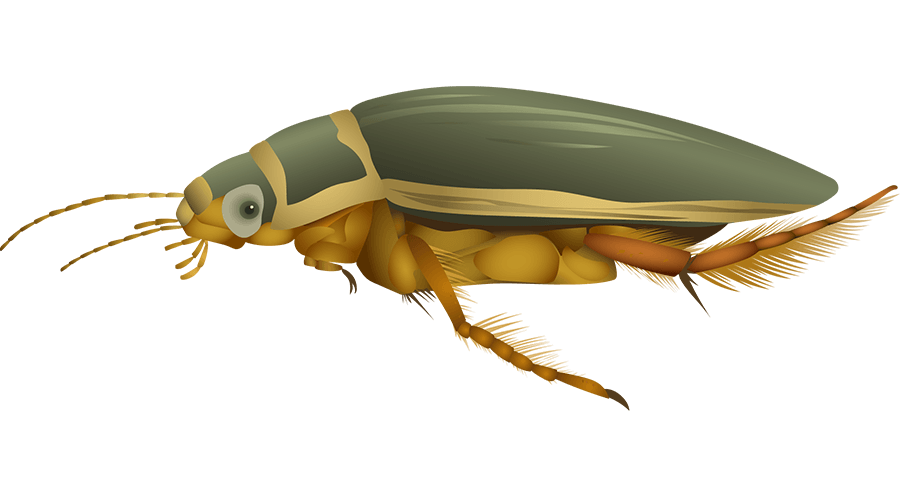
Diving Beetle: Dytiscus marginalis
A large, shiny beetle that is a powerful and voracious underwater hunter. Adults swim using their back legs like oars and feed on insects, tadpoles, and even small fish. They are important for controlling populations of aquatic invertebrates with almost any standing waters across the Somerset Levels getting quickly colonised by this adaptable species.
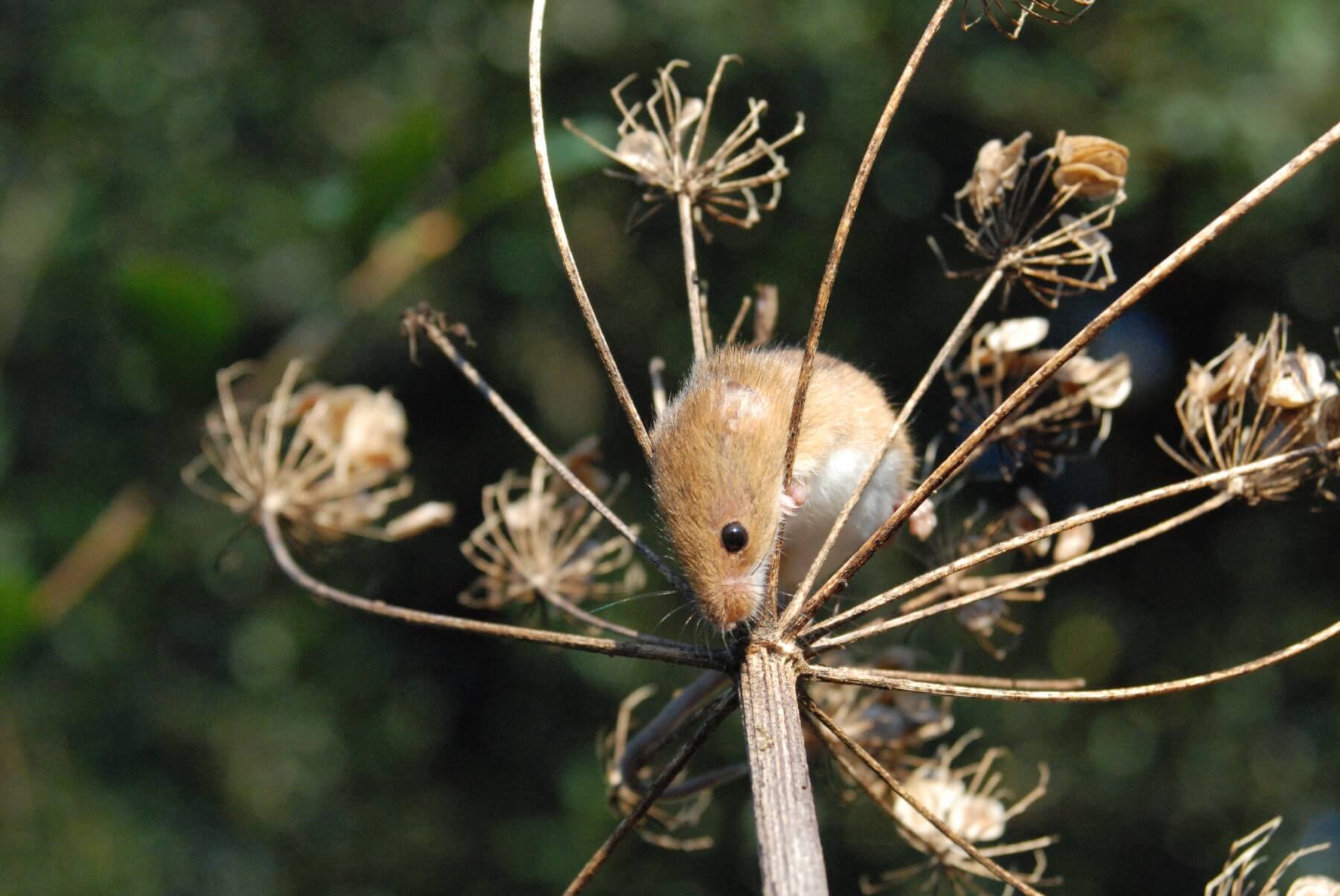
Why Restoration Matters

IDB drainage network
IDBs manage water levels primarily for agriculture. Pump-drained fields are isolated from natural recharge, driving peat oxidation and subsidence. SWT now has 250+ ha of peat in restoration across the Levels and Moors.

Legacy & boundary inputs
Baseline monitoring (Weaver, UWE) found phosphate up to 10.4 mg/l at the southern boundary (EA limit 0.5 to 1) and nitrate up to 14.6 mg/l by arable land. Soil P index 2 across several fields.

Extreme flood-to-drought
Water table seasonal lows: 100 cm (2023), 69 cm (2024), then 140 cm in the severe 2025 drought. January 2026 was the second wettest on record for Wessex at 200% of average.

Drained peat: twin loss
Baseline emissions ~24 tCO₂e per ha per year (2023). Drainage also destroys anaerobic conditions preserving prehistoric wooden structures buried over 5,700 years. Every year is irreversible loss.
The wider catchment challenge
Water availability and quality at Honeygar are not solely within SWT's control. IDB pumping regimes, agricultural abstraction, flood-risk infrastructure and upstream land use all shape what is possible at field scale. The site's experience is building evidence for catchment-scale dialogue on water-level management.Hydrological restoration of Peatland
Hydrological restoration of lowland peat is increasingly urgent as climate variability intensifies and global carbon emissions remain high.
For how important it is, what does it actually mean? Hydrological restoration of peatland is the process of restoring a peatland's natural hydrology by raising the water table and returning the saturated conditions that stop decomposition processes through providing low oxygen conditions. Healthy peat develops over thousands of years in permanently waterlogged conditions, where plant material decomposes very slowly and where some more cellulose materials barely decompose at all. This gradual process allows carbon-rich organic matter to build up and remain securely stored within the peat profile.
When peatlands are drained for agriculture or development, oxygen enters the soil and the peat begins to break down either directly through oxidation but more commonly through the action of soil biology. As this happens, carbon that has been stored for centuries is released into the atmosphere and the peat gradually loses its ability to support specialised wetland habitats. The peat profile itself also shrinks with the disappearing carbon resulting in an overall lower landscape making it more susceptible to slumping.
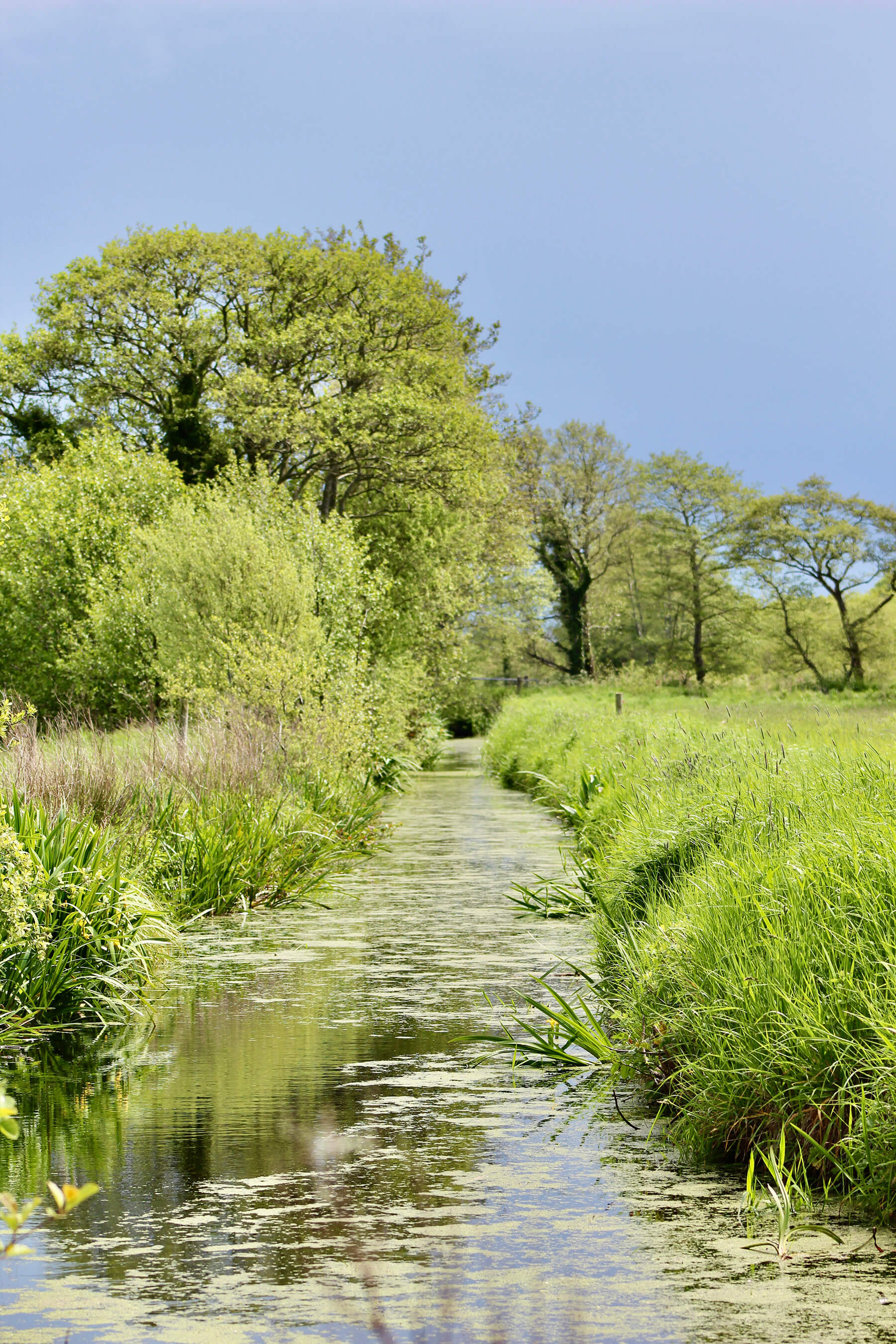
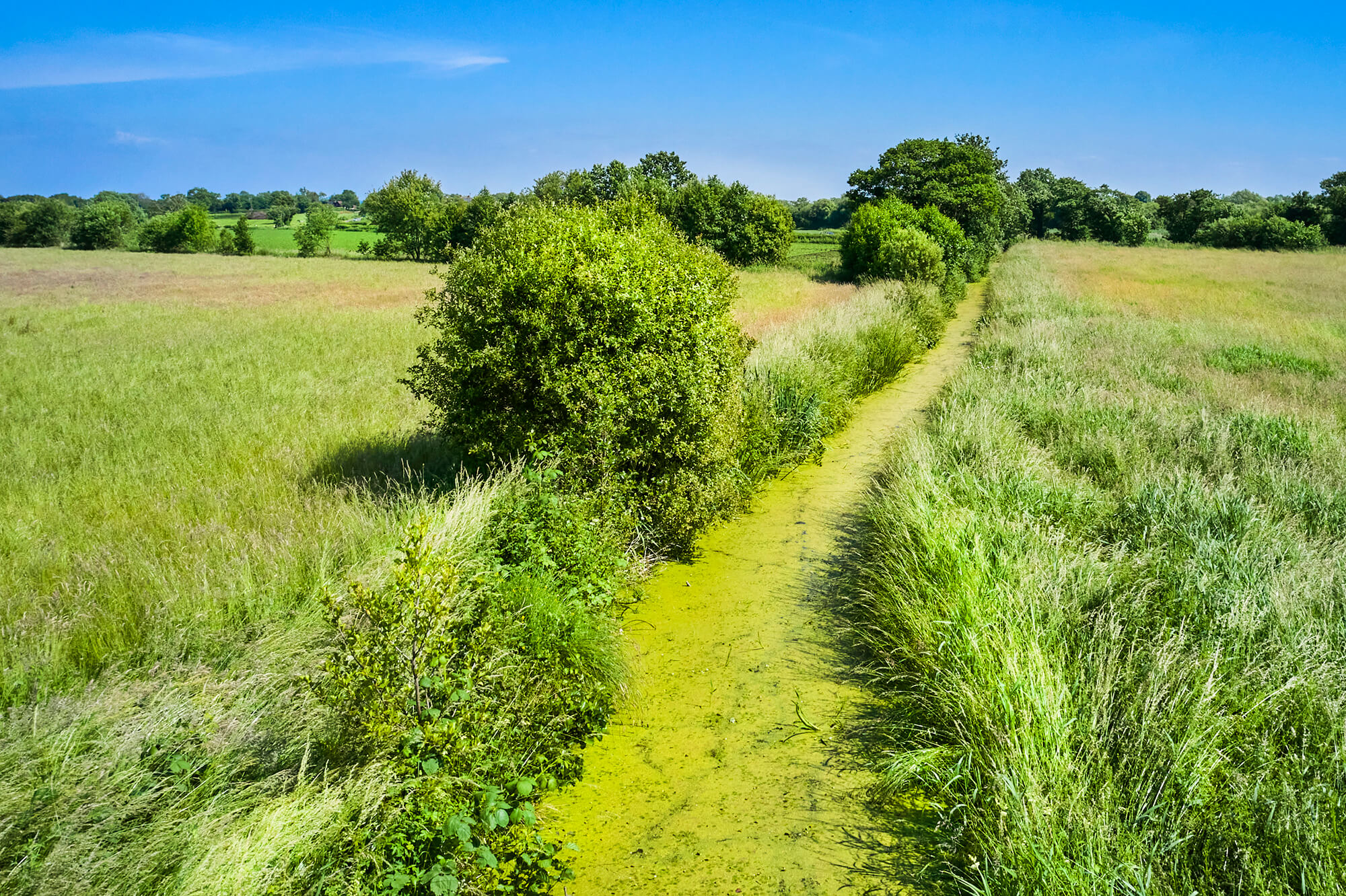
Hydrological restoration reverses this process by restoring a stable water table across the landscape between 10 - 30 cm below the ground surface. At Honeygar, this is achieved through carefully designed hydrological interventions, including blocking artificial drainage ditches, constructing bunds and water-control structures, and allowing water to return and be sustained wherever possible. These measures reduce oxygen exposure within the peat profile, slowing oxidation and creating the saturated conditions needed for wetland vegetation, such as sedges (Carex spp.), rushes (Juncus spp.) and other fen-forming species, to establish. As these plant communities develop, they contribute organic material that can begin the gradual process of peat formation once again.
Because peatland ecosystems respond over decades rather than years, Hydrological restoration is supported by long-term environmental monitoring. At Honeygar, groundwater levels, greenhouse gas fluxes, vegetation succession, water quality and biodiversity are continually monitored to assess how the restored hydrology influences ecosystem recovery. This evidence-led approach allows land managers to adapt restoration techniques where necessary, while building scientific knowledge that can guide peatland restoration projects across the UK.
Hydrological restoration at Honeygar began in 2022 alongside a wilding approach to management. The site was previously an intensive dairy farm on degraded lowland peat, isolated from natural hydrological processes and releasing carbon at rates typical of drained peatland.
Just four years into the project, monitoring already shows higher water tables, the return of wetland vegetation and a reduction in greenhouse gas emissions, demonstrating the early benefits of restoration despite increasingly extreme weather.
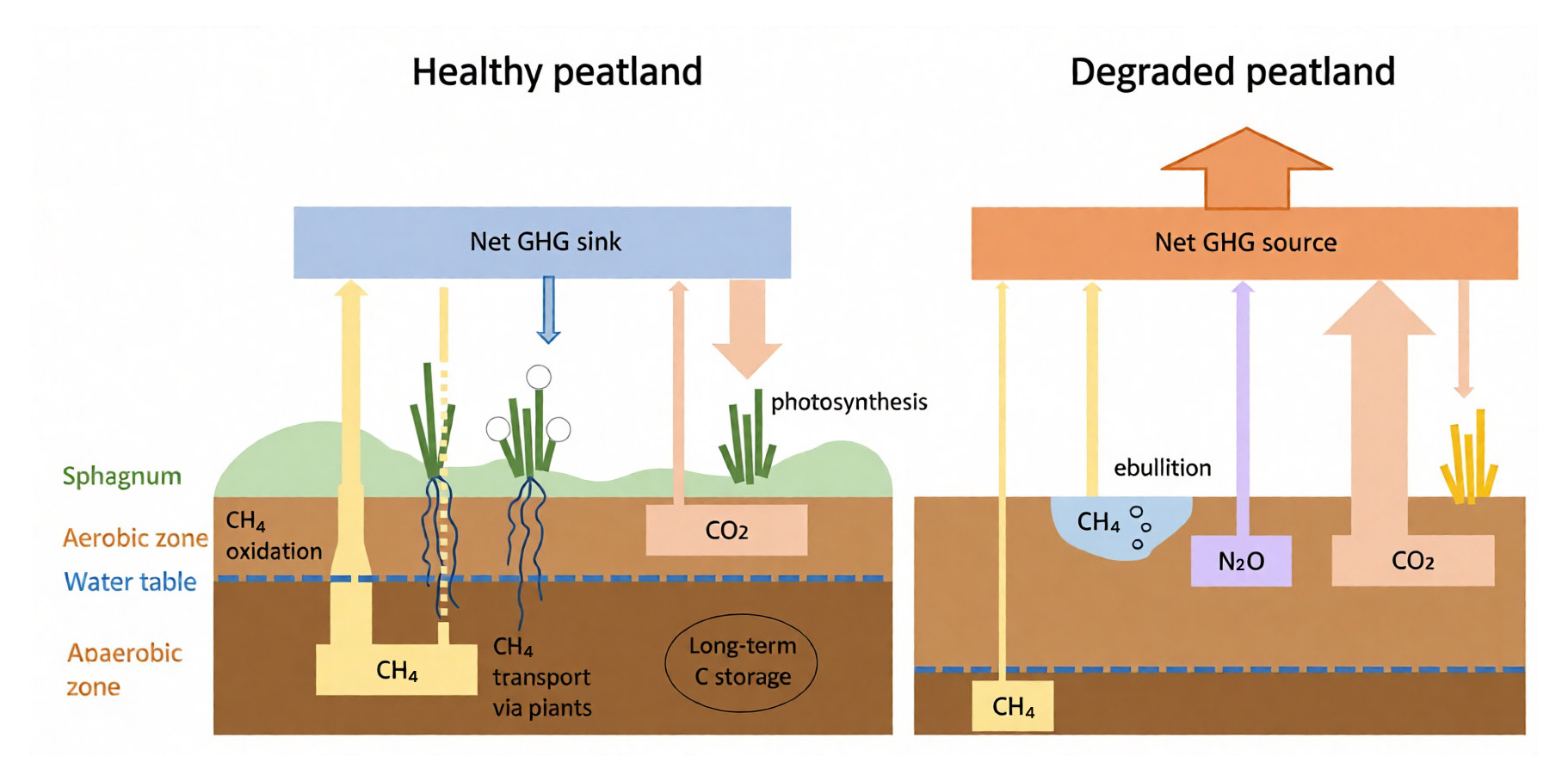 GHG Transfer in healthy vs degraded peatlands. Credit:
IUCN UK Peatland Programme, [2024]
GHG Transfer in healthy vs degraded peatlands. Credit:
IUCN UK Peatland Programme, [2024]
How much carbon is secured?
Peatlands are one of the UK's most important terrestrial carbon stores, securing vast quantities of carbon that have accumulated over thousands of years within deep layers of partially decomposed organic matter. Formed under permanently waterlogged, oxygen-poor (anaerobic) conditions, peat develops when plant material decomposes only slowly, allowing organic carbon to accumulate within the soil profile over millennia. Although peatlands cover only around 12% of the UK's land area, they contain the largest terrestrial carbon store in the country, making them one of the most significant natural assets for climate regulation.
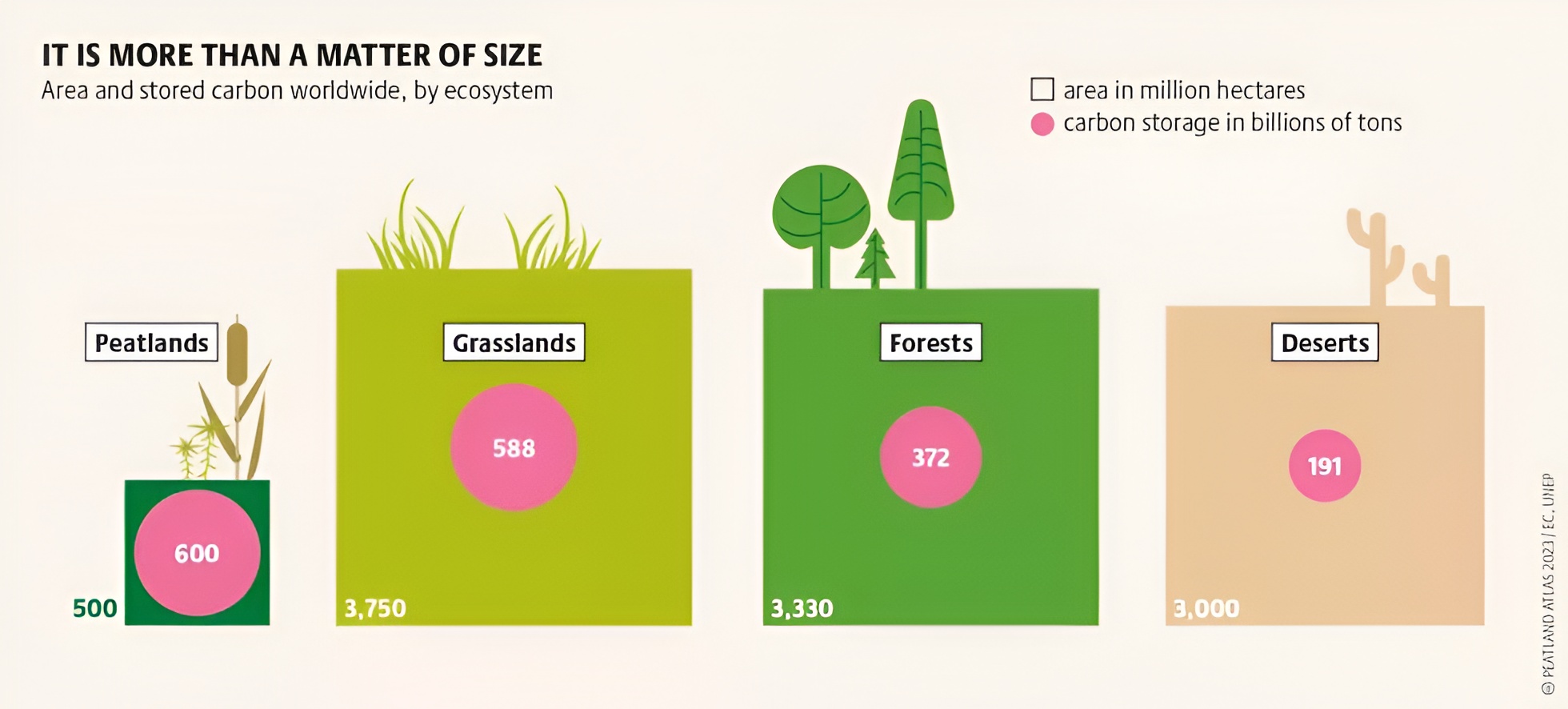 Credit: Peatland Atlas 2023, licence: CC-BY 4.0
In healthy peatlands, the water table remains close to the surface, limiting oxygen diffusion into the peat profile and suppressing aerobic microbial respiration. Under these anaerobic conditions, the decomposition of organic matter is greatly reduced, allowing carbon to remain secure within the peat. However, when peatlands are artificially drained for agriculture, forestry or development, groundwater levels fall and oxygen penetrates the soil and decomposing biology is able to flourish.
Today, around 80% of the UK's peatlands are considered to be in a degraded condition. As a result, these landscapes are estimated to release around 20 million tonnes of carbon dioxide equivalent (CO₂e) every year, representing approximately 3–4% of the UK's total annual greenhouse gas emissions despite occupying only a small proportion of the country's land area. Scientific evidence reviewed by Natural England identifies peatland degradation as one of the largest sources of greenhouse gas emissions within the UK's land-use sector, highlighting that the loss of secure carbon through peat oxidation is both widespread and ongoing.
Emissions according to water table depth:
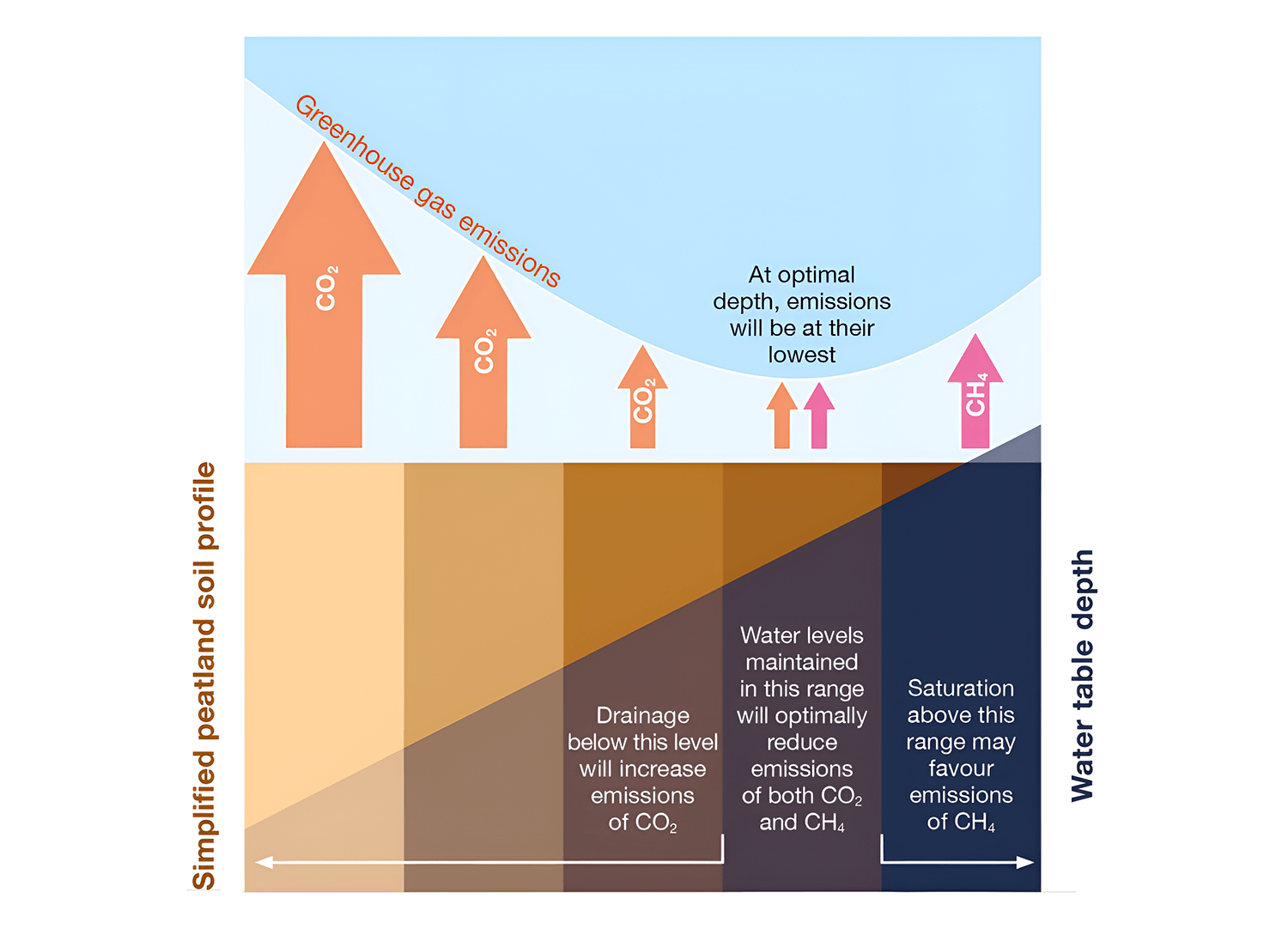 A demonstration of the relationship between water table depth and emissions from peat, where CO2 is carbon dioxide and CH4 is methane. Nitrous oxide is excluded due to uncertainties.
Credit:
Lowland Agricultural Peat Task Force, 2023
A demonstration of the relationship between water table depth and emissions from peat, where CO2 is carbon dioxide and CH4 is methane. Nitrous oxide is excluded due to uncertainties.
Credit:
Lowland Agricultural Peat Task Force, 2023
Greenhouse gas emissions across different systems:
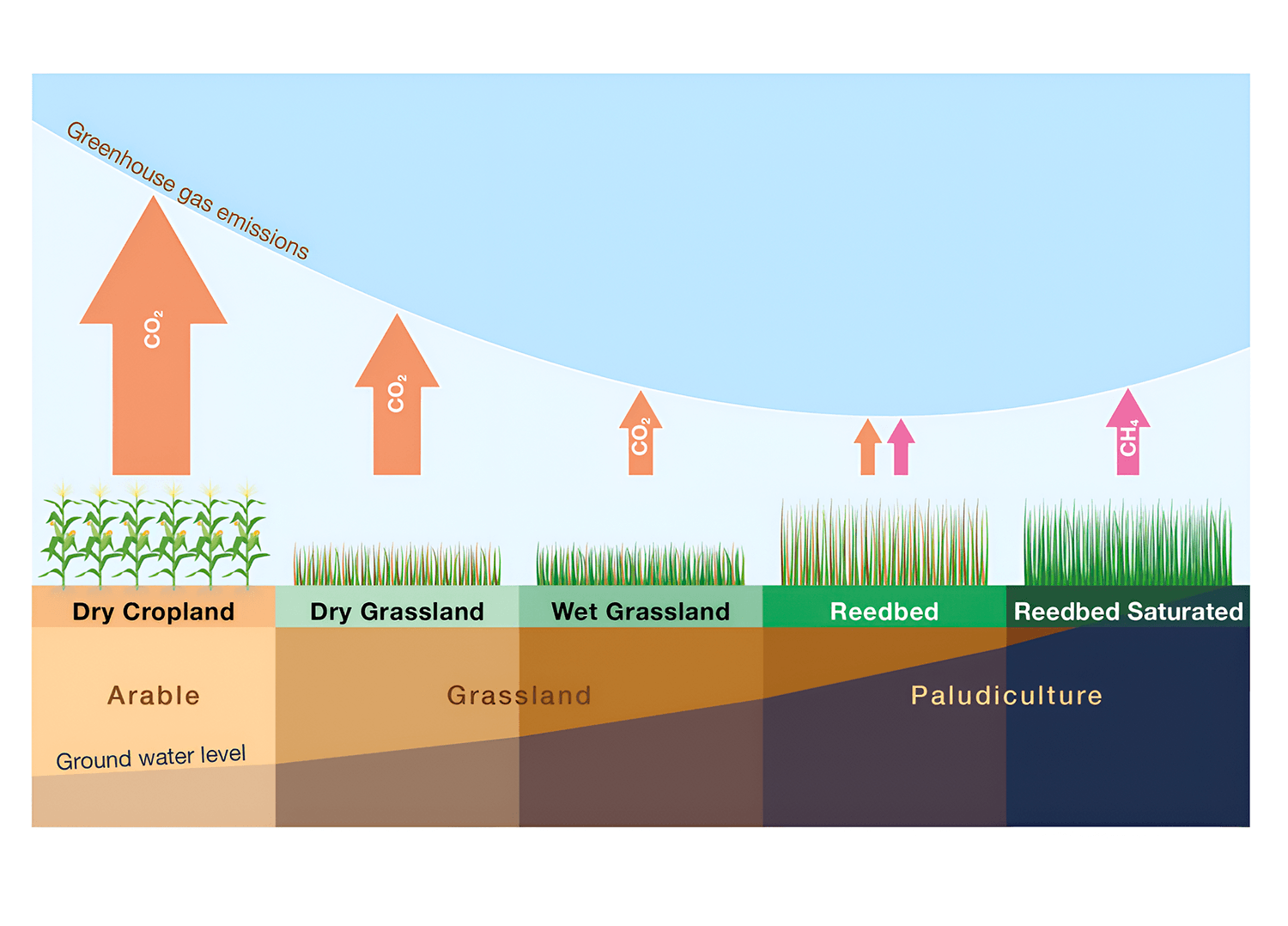 The matrix demonstrates how different emissions range from system to system, where CO₂ is for carbon dioxide and CH4 is for methane. Again, nitrous oxide is excluded due to uncertainties.
Credit:
Lowland Agricultural Peat Task Force, 2023
The matrix demonstrates how different emissions range from system to system, where CO₂ is for carbon dioxide and CH4 is for methane. Again, nitrous oxide is excluded due to uncertainties.
Credit:
Lowland Agricultural Peat Task Force, 2023
Emission factors for peat condition types
| Habitat Description |
Carbon Flux Annual Carbon Gain / loss for the habitat |
References | ||
|---|---|---|---|---|
| t CO₂e ha⁻¹ Y⁻¹ | Range (if possible) |
Confidence [High, Medium, Low] |
||
| Near Natural Fen (undrained) | -0.93 | - | Medium | All emission factors taken from the 2021 update to the Emissions Inventory for UK Peatlands – to be published in April 2021 in the 2021 UK GHG Inventory22,23 |
| Near Natural Bog (undrained) | -0.02 | - | Medium | |
| Rewetted Bog | 3.87 | - | Medium | |
| Rewetted Fen | 8.05 | - | Medium | |
| Rewetted Modified (Semi-natural) Bog | -0.02 | - | Medium | |
| Modified Bog (semi-natural Heather + Grass dominated - Drained) | 3.48 | - | Medium | |
| Modified Bog (semi-natural Heather + Grass dominated - Undrained) | 2.25 | - | Medium | |
| Eroding Modified Bog (bare peat) - Drained | 13.14 | - | Medium | |
| Eroding Modified Bog (bare peat) - Undrained | 12.03 | - | Medium | |
| Extracted Domestic (drained) | 13.23 | - | Medium | |
| Extracted Industrial (drained) | 13.14 | - | Medium | |
| Cropland | 32.89 | - | Medium | |
| Intensive Grassland | 24.87 | - | Medium | |
| Extensive Grassland (combined bog/fen) | 11.02 | - | Medium | |
5,700 Years of History Beneath the Peat
Honeygar's peat soils have preserved more than 5,700 years of human history, making the site nationally significant for both archaeology and nature recovery. Investigations carried out in partnership with Wessex Archaeology have uncovered evidence of prehistoric activity, including the remains of an Early Neolithic timber structure preserved within the waterlogged peat (structure 212). These remarkable discoveries provide a rare glimpse into how people lived and interacted with the Somerset Levels thousands of years ago, while also revealing how the surrounding landscape and ecosystems have changed over time.
Maintaining high water levels is essential for protecting this fragile archaeological record. The same saturated, oxygen-poor conditions that help keep carbon secure within the peat also preserve organic archaeological remains that would rapidly deteriorate if exposed to air. Drainage destroys the anaerobic conditions that have preserved this archive.
Every year without taking action we would see the irreversible loss of carbon, biodiversity and heritage together. When peat dries and oxygen enters the soil, microbial decomposition accelerates, threatening irreplaceable evidence of the past. By restoring Honeygar's natural hydrology, the project is helping to safeguard both its ecological value and its extraordinary archaeological heritage, ensuring this unique record of Britain's environmental and cultural history can continue to inform future research and inspire generations to come.
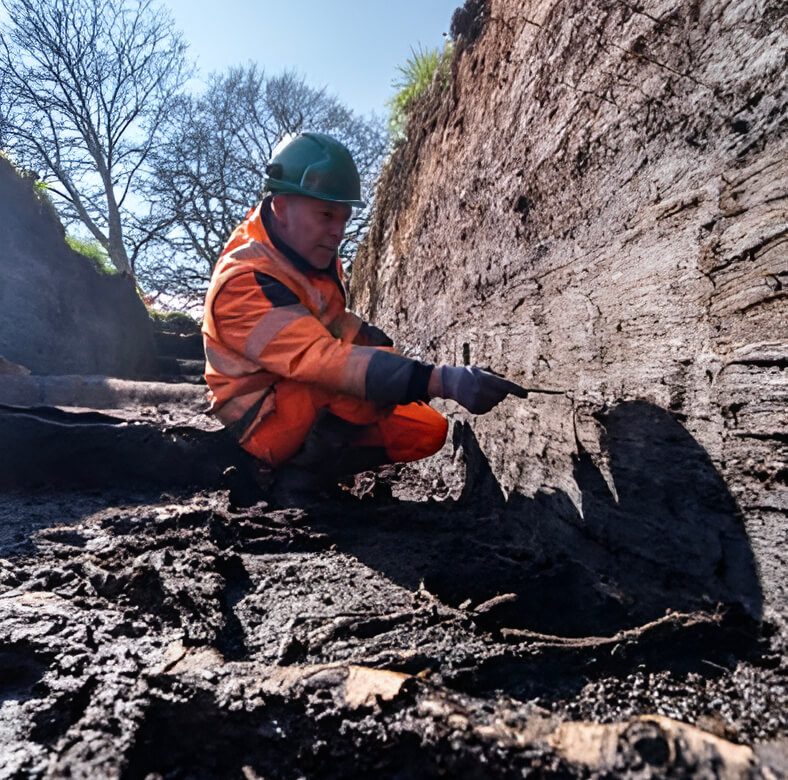 Prehistoric wooden track at Honeygar. Credit: Wessex Archaeology
Looking Ahead
Although significant progress has already been made, Honeygar's restoration is only in its early stages. Peatland recovery is a long-term process that unfolds over decades, and the site will continue to evolve as natural hydrological processes become established and wetland habitats mature. Through ongoing monitoring and adaptive management, Somerset Wildlife Trust and its partners will continue to build a detailed understanding of how restored lowland peatlands respond to conservation action, providing valuable evidence that can shape future restoration projects across the UK.
Honeygar has already become a nationally important centre for peatland research, hosting more than 30 research projects and welcoming over 150 visits from universities, environmental organisations and land managers. Long-term monitoring of groundwater levels, greenhouse gas fluxes, vegetation succession, water quality and biodiversity will continue, allowing scientists to measure the environmental benefits of restoration over time. As new evidence emerges, the site will play an increasingly important role in improving restoration techniques, informing land management policy and demonstrating the contribution that healthy peatlands can make towards climate resilience and nature recovery.
Looking further ahead, Somerset Wildlife Trust has ambitious plans to establish the Lowland Peatland Research Centre at Honeygar. The proposed centre will create a permanent hub for scientific research, education and collaboration, bringing together researchers, policymakers, conservation practitioners and land managers to advance understanding of lowland peatland restoration. By sharing knowledge, supporting innovation and providing opportunities for learning, the centre aims to accelerate the recovery of peatlands both within the Somerset Levels and across the UK.
Alongside the research centre, plans are being developed for a dedicated interpretation and exhibition space that will showcase the remarkable natural and cultural heritage of Honeygar. Visitors will be able to discover how peatlands secure carbon, support biodiversity and preserve thousands of years of archaeological history, while learning about the science behind peatland restoration and the long-term monitoring taking place across the site.
Together, these facilities will help transform Honeygar into a leading destination for peatland research, public engagement and environmental education, ensuring the lessons learned here continue to inspire future generations and influence peatland restoration far beyond Somerset.
Although Honeygar's restoration is still in its early stages, the project is already demonstrating how peatland restoration can tackle climate change, recover biodiversity and generate valuable scientific evidence. As monitoring continues, the lessons learned here will help shape peatland restoration projects across Somerset and the wider UK.
Thank you again to Simple Life Homes for securing 1,000 square metres of peatland. As the restored peatland recovers, the area supported by Simple Life Homes will continue to reduce greenhouse gas emissions while gradually returning to its natural role as a long-term carbon store. Peatland restoration is a long-term commitment, and your support is helping to ensure this important work can continue for years to come.
UN Sustainable Development Goals
As a GreenTheUK partner, you support projects that are in line with the UN Sustainable Development Goals.
Ensure availability and sustainable management of water and sanitation for all.

Take urgent action to combat climate change and its impacts.
Sustainably manage forests, combat desertification, halt and reverse land degradation, halt biodiversity loss.