Planting for the Future

header image

Simple Life Homes supported the planting of 60 climate-resilient trees in a local school in 2025-26

Project Overview

This report highlights the Trees for Schools initiative, through which climate-resilient trees have been planted at a local primary school with the generous support of Simple Life Homes, alongside additional schools that have benefited from their wider commitment to the project.

Each Trees for Schools workshop is carefully designed around the individual needs of the school. Before planting takes place, a consultation is carried out with staff to understand the site, the pupils’ age range, and how much green space is available. This allows us to select appropriate tree species, plan the layout of the planting, and ensure the trees will become a meaningful and long-lasting resource for both learning and the wider school community.

The programme has a strong social impact focus, prioritising schools where a higher proportion of pupils are eligible for Free School Meals, helping to ensure that access to high-quality green learning spaces and environmental education is available to those who may benefit most.

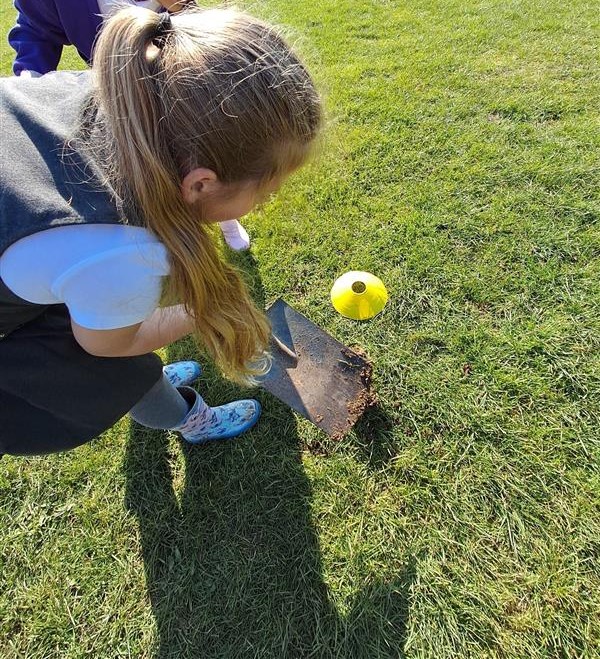
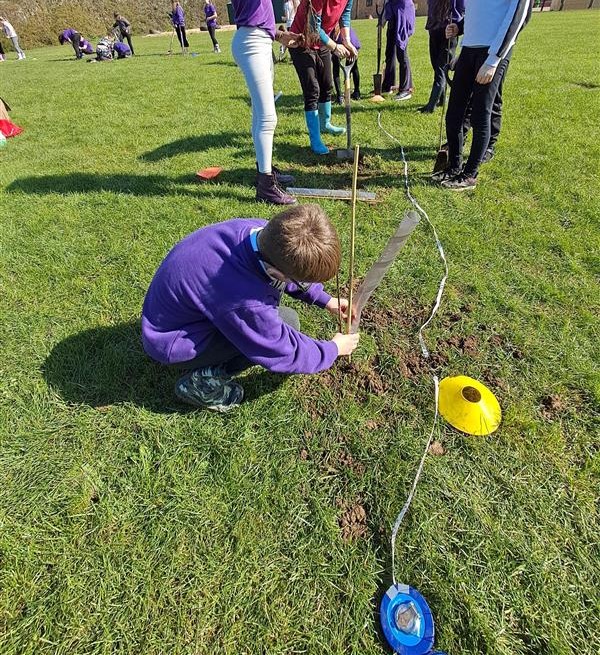
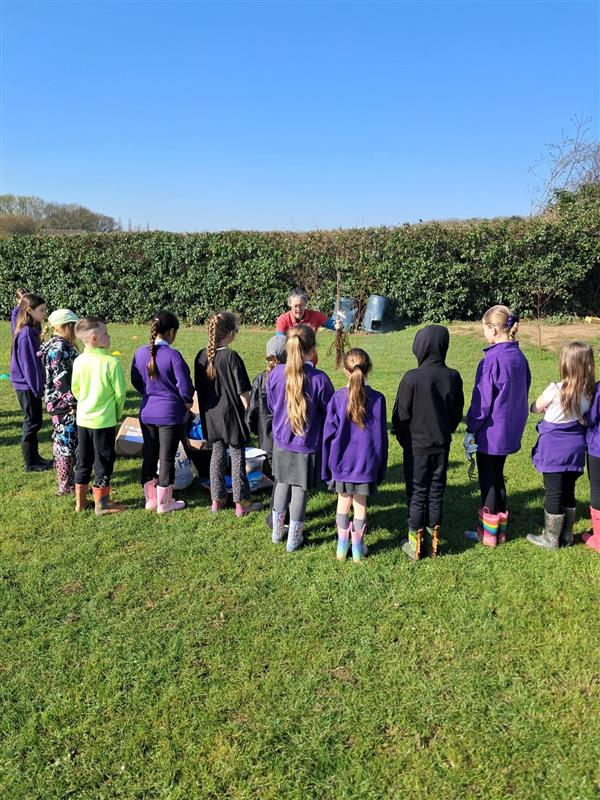
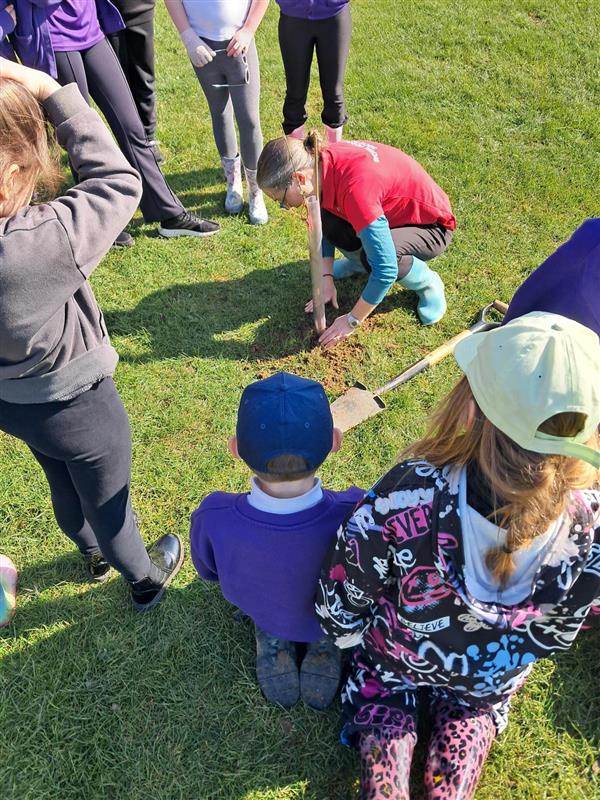
Our Education Officers lead hands-on sessions where children learn how to plant and care for trees, with activities adapted to suit different year groups. Pupils explore topics such as seasonal change, plant life cycles, forest ecosystems, animal identification, food chains and the impact of climate change. By combining practical outdoor learning with curriculum-linked themes, the project strengthens children’s connection to nature, particularly in urban environments where access to green space can be limited.

Beyond environmental education, Trees for Schools helps create greener, healthier school grounds that support wellbeing, biodiversity and climate resilience. It encourages environmental stewardship from an early age, builds practical life skills in planting and care and contributes positively to local ecosystems.


header image

Project Statistics

School Tree icon

60

Trees Planted
icon

23

Approx. Children Engaged
icon

352

Children on School Roll
icon

32.70%

Free School Meals
icon

14.51%

County Woodland Cover
icon

Testimonials

"We hope it improves the school environment and creates a greener, more welcoming space for pupils. They will provide shade, improve behaviour during outdoor learning and improve air quality." - Teacher, Danesholme Junior Academy "The impact has already been really positive. Over time it will boost wellbeing, pride and ownership of the children’s surroundings. It also offers ongoing learning opportunities, helping children understand nature." - Teacher, Danesholme Junior Academy "We can't wait to see them grow" - Student, Danesholme Junior Academy "We had great fun, even when it was messy." - Student, Danesholme Junior Academy "We got a little bit wet when we watered the trees." - Student, Danesholme Junior Academy "Having trees will make it nicer and more fun. We can use it as shade on hot days. The trees can bring us more birds and insects." - Student, Danesholme Junior Academy "The eco-council worked hard and didn't want to stop planting trees! They were fascinated by the worms they found, and excited to be creating a wildife area. The OPAL play leader at the school has a great vision to make the school grounds a more interesting, fun and nature-rich place for the children to play and learn in." - Education Officer


Planting for the Next Generation

Danesholme Junior Academy is a warm, welcoming school that lives its KRR values of being Kind, Ready (to achieve) and Respectful at the heart of everything it does. Located within the friendly Danesholme community in Corby, the academy offers a nurturing setting where children are encouraged to grow and succeed.

With green spaces nearby and a close-knit local neighbourhood, the school provides an inspiring backdrop for learning, helping to spark curiosity, creativity and confidence in every pupil. Supported by dedicated staff and a strong sense of family, Danesholme Junior Academy places equal importance on academic success and personal development, ensuring all children are given the opportunity to flourish and develop a lifelong love of learning.

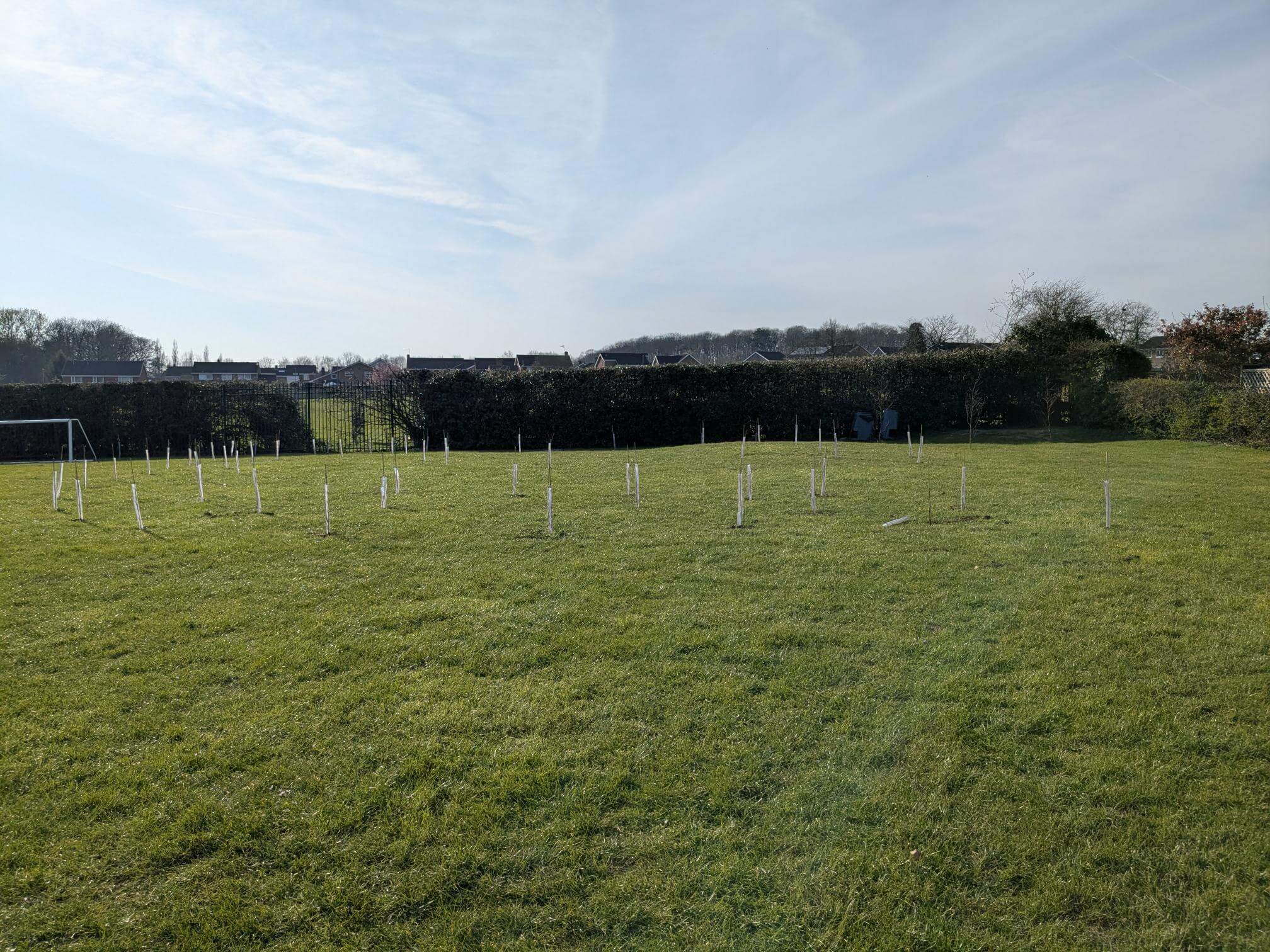
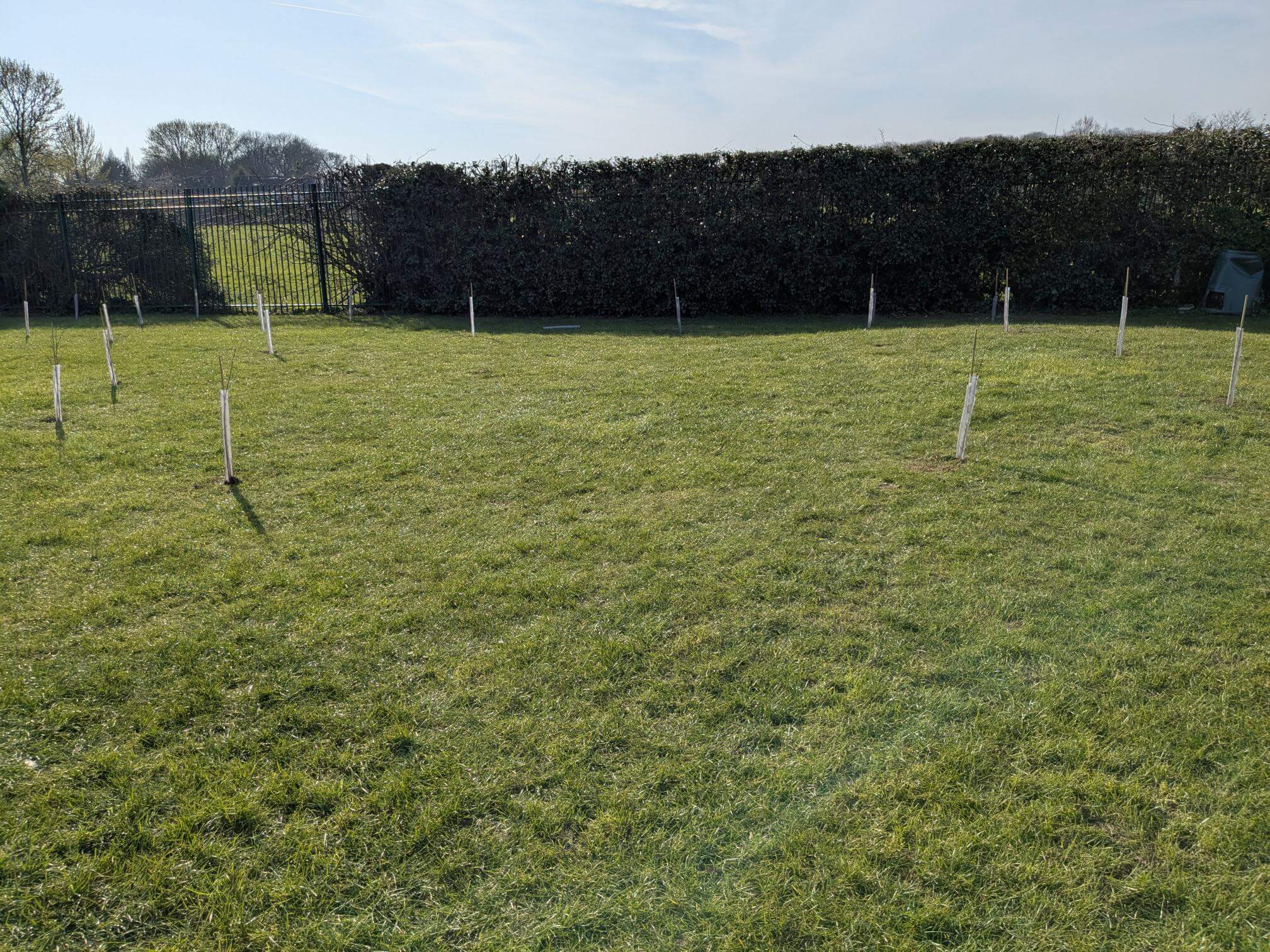
As part of the project, a band of scattered trees was planted in a gentle curve around one corner of the field, helping to define a new nature area while making the grounds more interesting, enjoyable and rich in wildlife. This initiative forms part of the school’s OPAL (Outdoor Play and Learning) programme, supporting more imaginative and nature-based play.

Map
Jemma

Meet Our Education Officer

Jemma

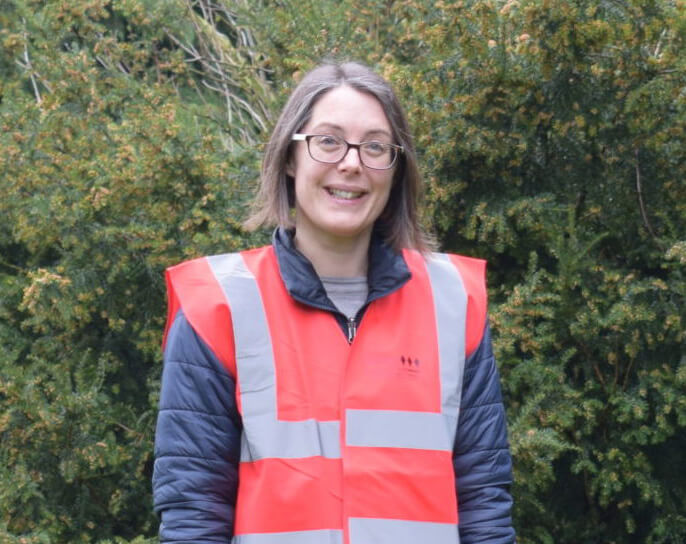
Jemma has been a primary school teacher for 14 years and worked in environmental education for 6 years prior to that. She has a degree in Ecology and a lifelong interest in the natural world.

She says: “I love seeing children enthused about the living things they find when exploring outdoors. That sense of wonder and curiosity is magical! I firmly believe that encouraging widespread learning about the species and habitats we share the world with is vital to conserving them and managing them wisely. As an experienced teacher, I also know that learning outdoors benefits children directly, with great potential to boost interest, enjoyment and self-esteem.”

Tree Species Planted:

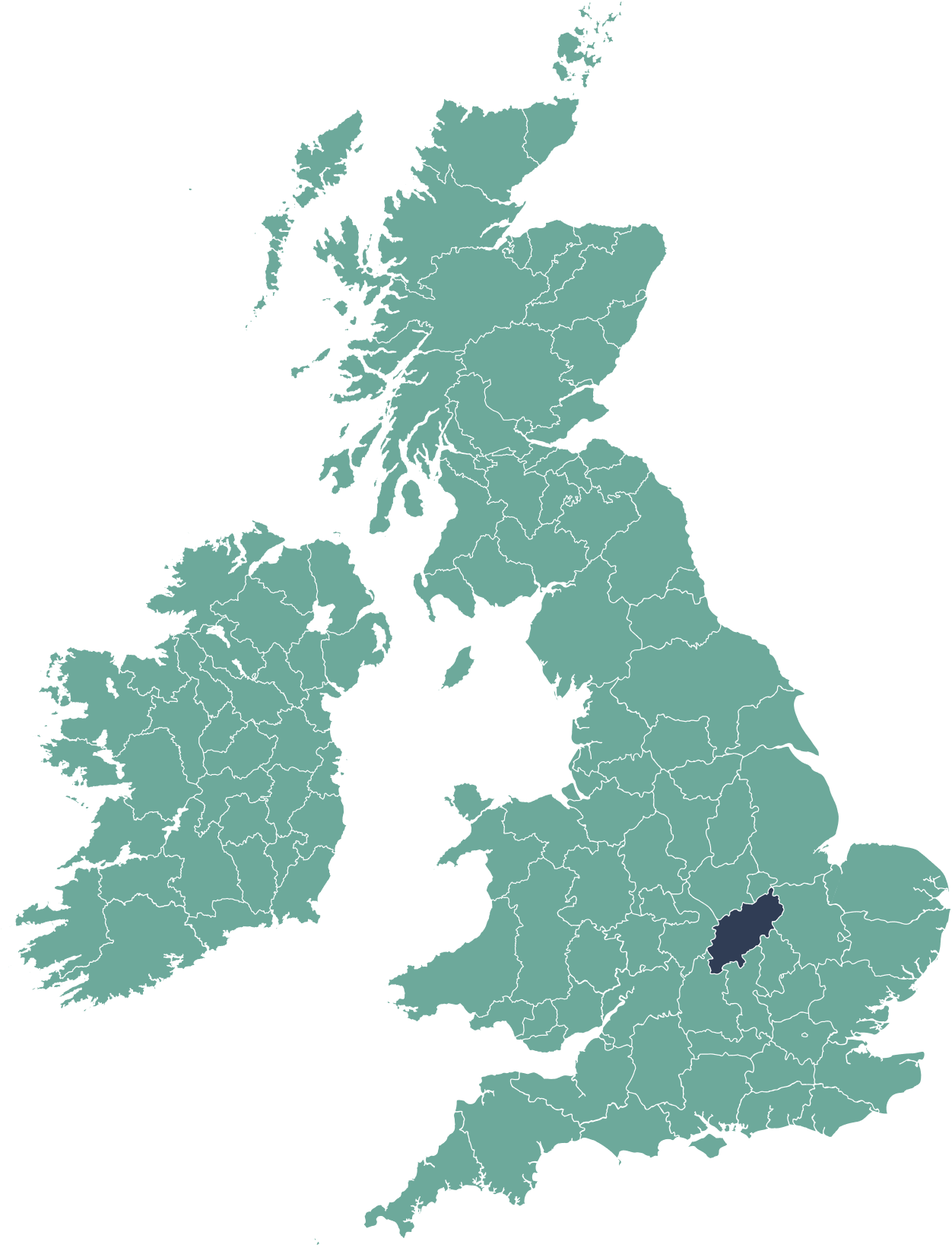
60 trees planted in North Northamptonshire

Tree Leaf
5 Trees Planted

Crab Apple: Malus sylvestris

Read More

Crab Apple: Malus sylvestris

Crab apple trees grow throughout Europe and can live for up to a century, reaching a height of around 10m. This tree is traditionally associated with love and marriage, and it is said that if you say the name of your lover while throwing crab apple pips into a fire, then your love is true if the seeds explode! Crab apples can be made into jelly, roasted and added to drinks, or served as an accompaniment to meat.

Tree Leaf
5 Trees Planted

Dogwood: Cornus sanguinea

Read More

Dogwood: Cornus sanguinea

This hardy, deciduous shrub is commonly found in hedgerows and woodland edges across Britain. In late spring to early summer, it produces clusters of small creamy-white flowers that attract a wide range of pollinators. These are followed by dark berries in autumn, which provide an important food source for birds. Dogwood offers dense cover for nesting and sheltering wildlife, while its leaves support a variety of insect species.

Tree Leaf
5 Trees Planted

Elder: Sambucus nigra

Read More

Elder: Sambucus nigra

Elder trees can be found growing all over the UK, often near rabbit warrens and the homes of other woodland creatures who spread the seeds through their droppings. Our ancestors in the Middle Ages believed that planting elder trees near their houses would ward off the Devil, and elder leaves were thrown into graves at funerals to protect the dead from evil spirits. Although poisonous when raw, elderberries can be cooked and made into syrup or jam, while elderflowers make the perfect refreshing summer cordial.

Tree Leaf
10 Trees Planted

Field Maple: Acer campestre

Read More

Field Maple: Acer campestre

This species is the UK’s only native maple and is often grown as an ornamental tree in large gardens and parks, as well as in woods and hedgerows. Its wood is white, hard and strong, and is popular for making furniture, flooring and musical instruments, especially harps. Field maple flowers are hermaphrodite, meaning each flower contains both male and female reproductive parts.

Tree Leaf
5 Trees Planted

Hornbeam: Carpinus betulus

Read More

Hornbeam: Carpinus betulus

The hornbeam is extremely tough and keeps its leaves all year round, making it an attractive proposition for birds, insects and other animals. Hornbeam wood is very hard, in fact it is also known as “ironwood” and the Romans recognised its durability, using it to make their chariots. Nowadays, this timber is used for tool handles, coach wheels, parquet flooring and chess pieces!

Tree Leaf
10 Trees Planted

Rowan: Sorbus aucuparia

Read More

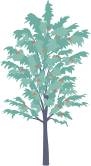
Rowan: Sorbus aucuparia

Also known as the mountain ash, rowan trees grow well at high altitudes and are commonly found in the Scottish Highlands, as well as on streets and in gardens across the UK. Many birds eat their scarlet berries in the autumn, then disperse the seeds. Rowan used to be planted next to homes to ward off the threat of witches, as red was once believed to guard against evil.

Tree Leaf
10 Trees Planted

Silver Birch: Betula pendula

Read More

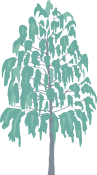
Silver Birch: Betula pendula

The silver birch is an elegant, majestic-looking tree which can survive in a range of climates, making it a very popular choice for gardeners. It attracts hundreds of insect species, and woodpeckers like to nest in its rough, tough, silver-white trunk. There is a lot of mythology attached to the silver birch, which is said to symbolise purity, new beginnings and protection. Once upon a time, on Midsummer’s Eve, silver birch boughs were hung across the doors of houses to bring good luck to their residents.

Tree Leaf
10 Trees Planted

Wild Cherry: Prunus avium

Read More

Wild Cherry: Prunus avium

Stunning white cherry blossoms burst forth in April, heralding the arrival of spring and bringing joy to parks and gardens. Mature cherry trees can live for up to 60 years, and provide a great source of food for birds, bees, insects, and small animals like badgers and mice. Our ancestors would boil wild cherries and make them into a syrup to treat a range of ailments including coughs and anaemia.

Supported By:

supported company logo

Project Partner:

partner logo GreenTheUK logo

UN Sustainable Development Goals

As a GreenTheUK partner, you support projects that are in line with the UN Sustainable Development Goals.

SDG Icon

Take urgent action to combat climate change and its impacts.

SDG Icon

Sustainably manage forests, combat desertification, halt and reverse land degradation, halt biodiversity loss.

Join Our Mailing List...