Sisk supported the planting of 10,000 climate resilient trees across the UK in 2025-26
Sisk is working in partnership with GreenTheUK and the Royal Forestry Society (RFS) to grow more resilient and sustainable woodlands across the United Kingdom. This work supports a long-term approach to building healthier woodlands that can adapt, thrive and continue to deliver for both people and nature.
Trees and woodlands play a vital role in tackling climate change and reversing biodiversity loss, while also bringing wider benefits to communities and the economy. Across the UK, many woods face increasing pressure from environmental change, pests, disease and under-management. Without the right care, these challenges can limit the ability of woodlands to recover and grow stronger over time.
By supporting projects that prioritise the right tree in the right place, and encouraging active, ongoing management, Sisk is helping to ensure new and existing woodlands are more resilient, productive and diverse. This includes planting a thoughtful mix of species to strengthen ecological balance, improve adaptability and maintain habitats for wildlife now and in the future.
Increasing tree cover is only part of the solution. Bringing more woodlands into active management is equally important, helping to improve woodland condition, boost biodiversity and unlock long-term environmental value. Well-managed woods are better equipped to cope with changing conditions, from extreme weather to emerging pests and diseases, while continuing to provide essential ecosystem services.
Expanding and improving woodland cover helps capture and store carbon, supports nature recovery, improves soil and water health, and contributes to a more sustainable domestic timber resource. Growing more home-grown timber is increasingly important for the UK, helping to reduce reliance on imports, which currently supply around 80% of timber demand. A stronger domestic timber resource can lower the carbon footprint associated with imported materials, while also reducing the risk of introducing new pests and diseases through international trade.
Through its support, Sisk is contributing to a bigger, shared ambition: a future where resilient, well-managed woodlands are at the heart of the UK’s natural environment. By investing in the long-term health of our woodlands, this partnership helps ensure that the benefits of trees are felt for future generations.
Tree Species Planted:
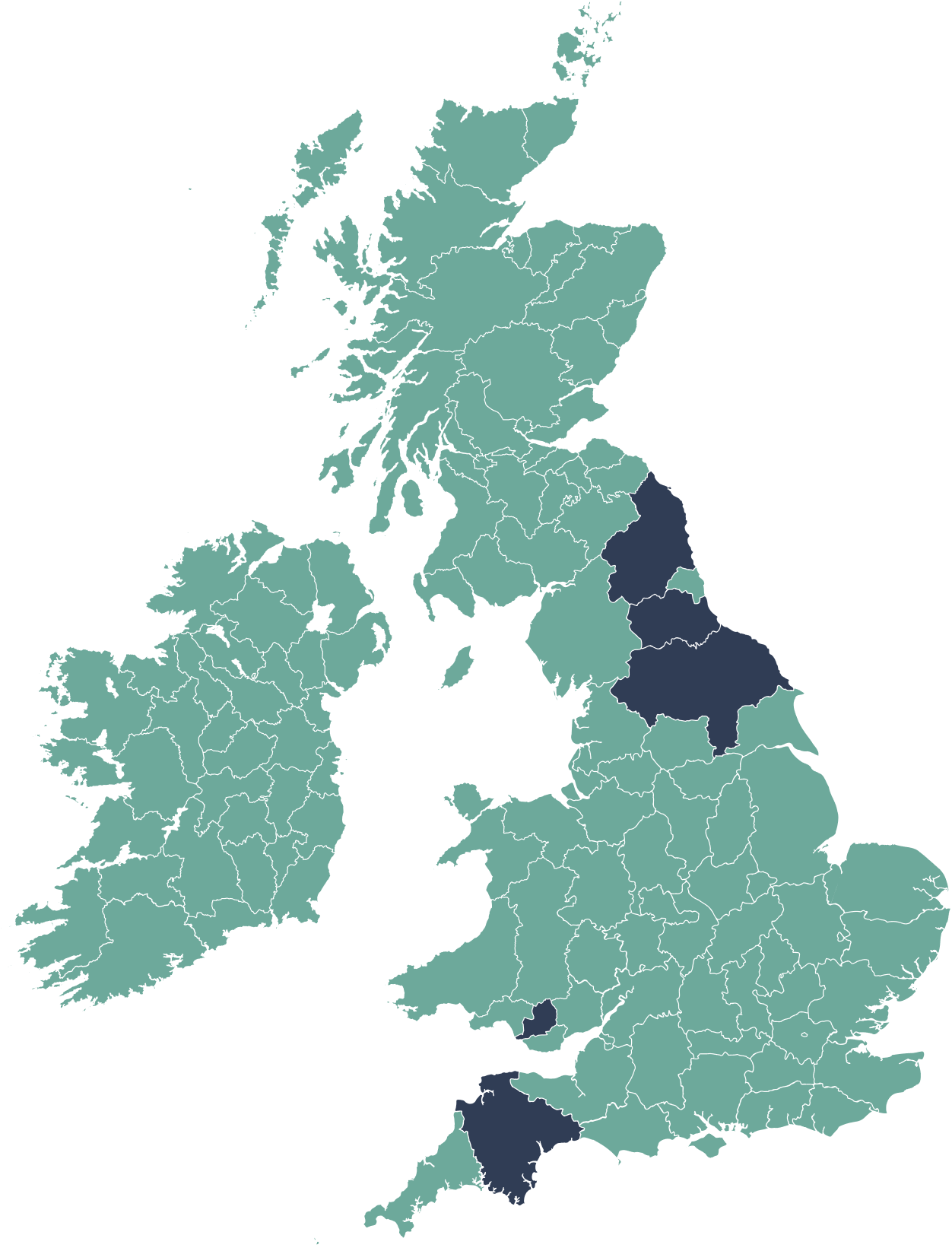
215 trees planted in Rhondda Cynon Taff
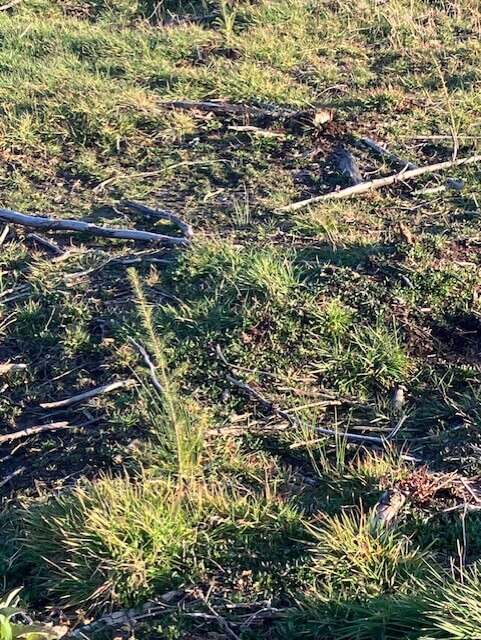
This is a project of enrichment planting around a commercial forestry crop. By creating a perimeter of diverse (18) tree species, this will increase the seed bank for natural regeneration, and lead to much improved biodiversity within the woods. The species chosen are attractive to a wider range of birds such as the tree creeper, bats, bryophytes and fungi.




















40 trees planted in Devon
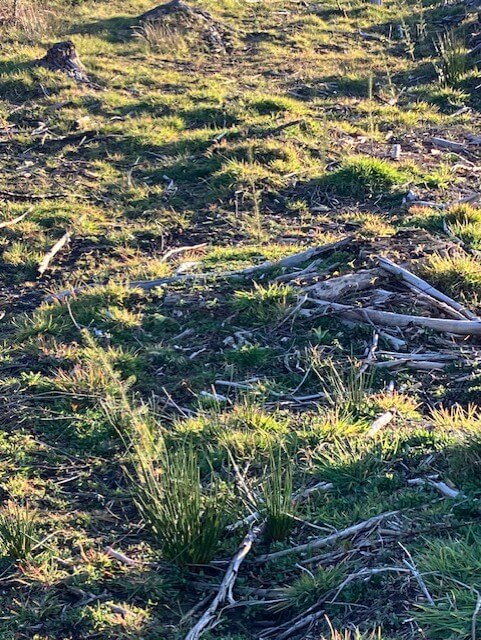
Through the removal of diseased ash, what was a fairly dark, even aged woodland now has open glades where sunlight reaches the woodland floor, encouraging more ground flora. With some ancient indicator species in other areas of the woodland, such as dogs mercury and bluebell, this new species diverse enrichment planting has improved the habitat for local butterfly species including Dark Green and Silver-washed Fritillaries and as the trees grow and diverse, potential habitat for the rare Pearl Bordered Fritillary.
5,000 trees planted in North Yorkshire
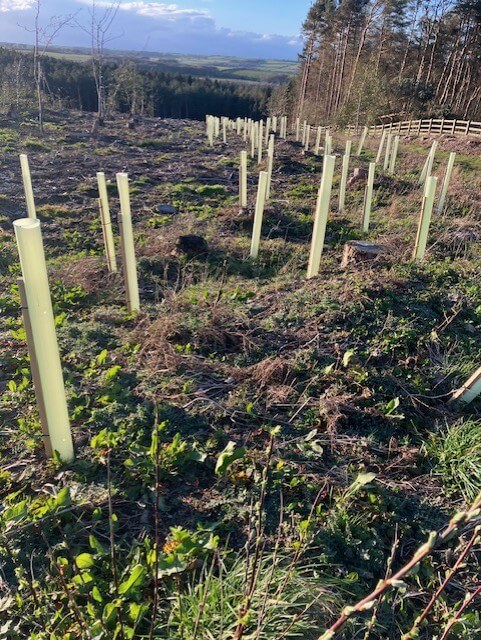
These two woodland compartments both sit within the Nidderdale AONB and are ASNW (Ancient Semi Natural Woodland) sites. Originally planted by the Forestry Commission in the 1950/60s, the recent management plan was to move to mixed species for good timber and continuous high forest woodlands. By introducing 17 species, moving to a 55:45 broadleaf/conifer split and managing under Continuous Cover Forestry (CCF), this woodland is going to be more resilient to threats, more diverse for wildlife and thrive into the future.










3,000 trees planted in Northumberland
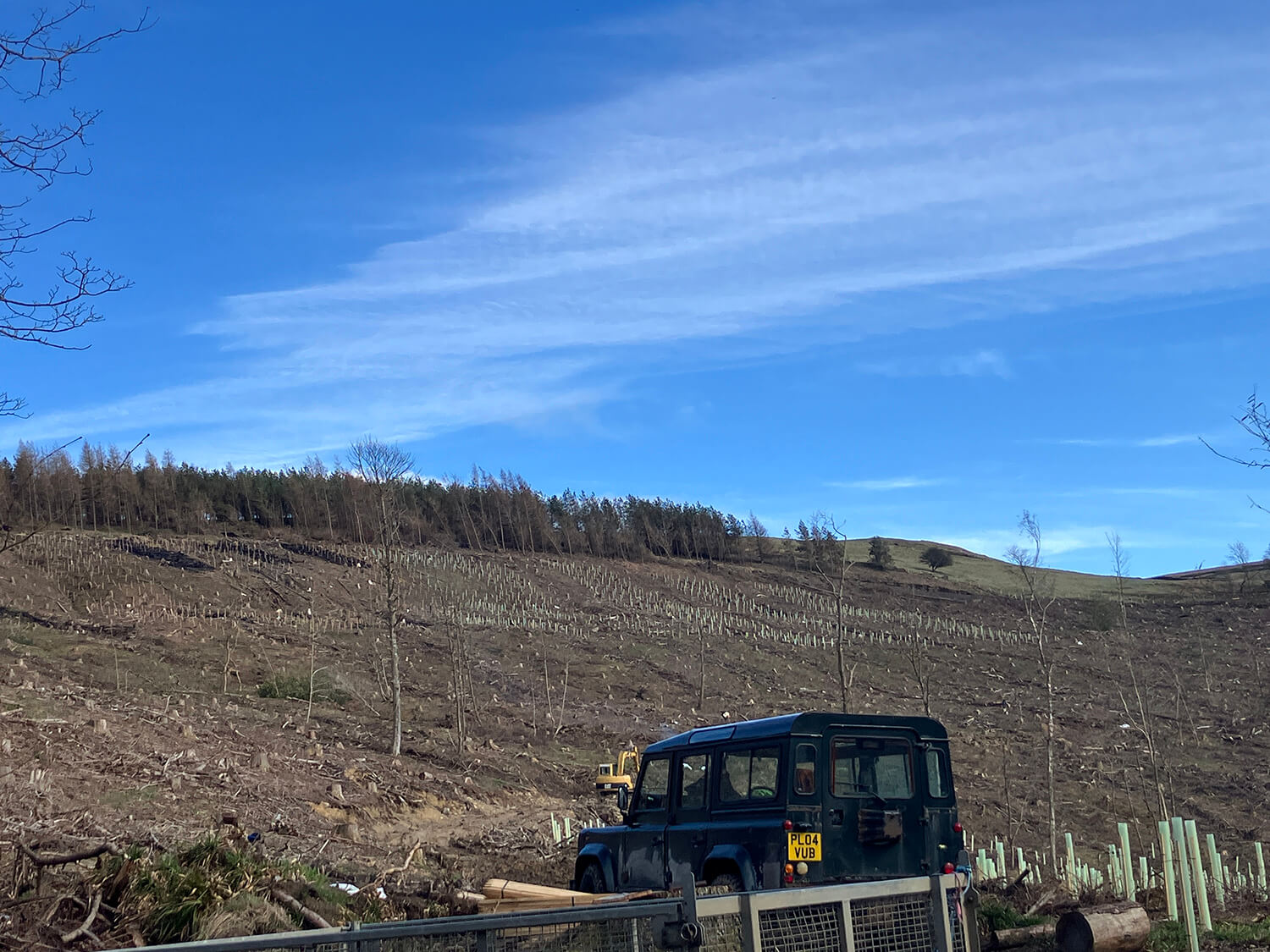
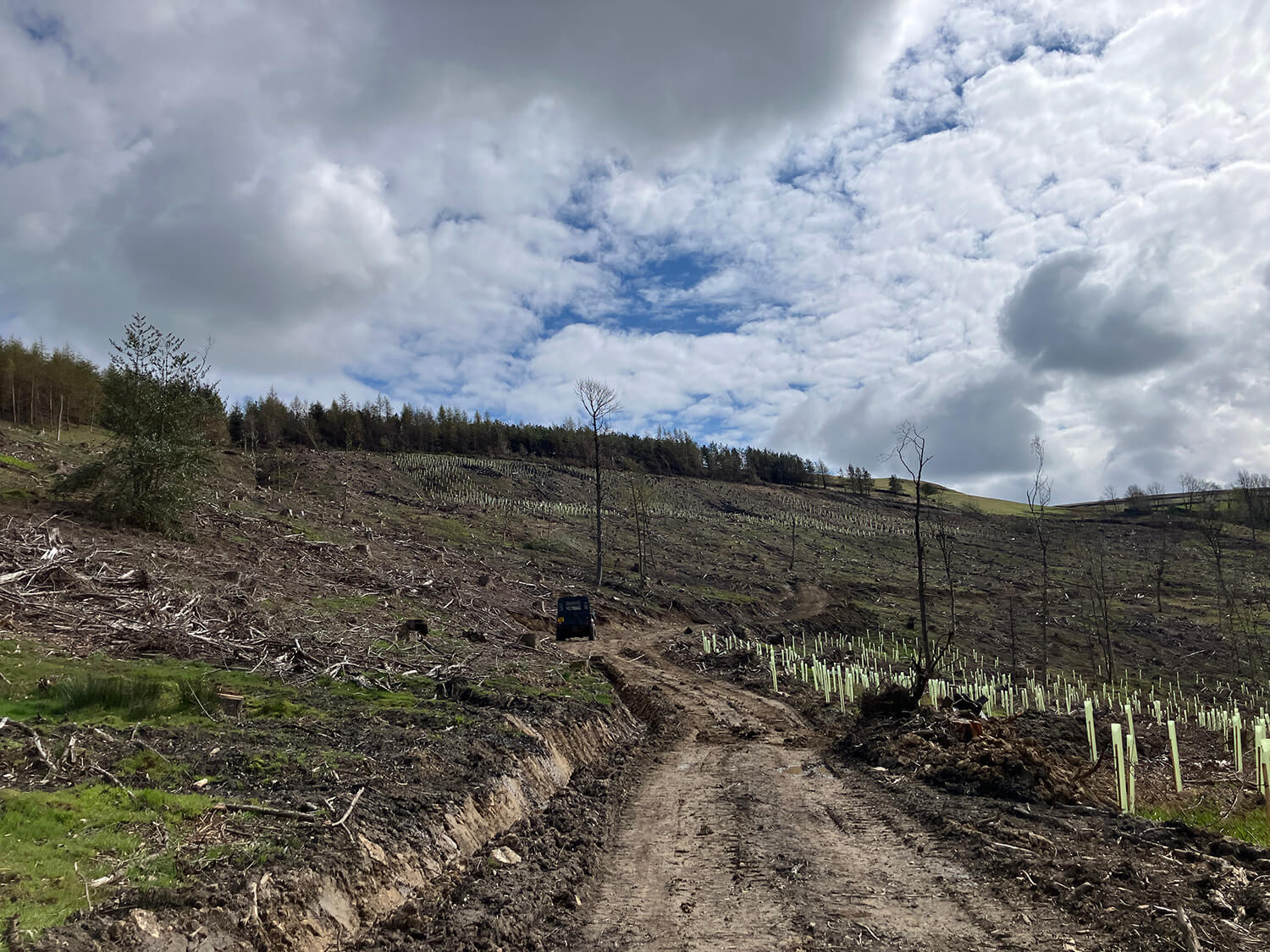
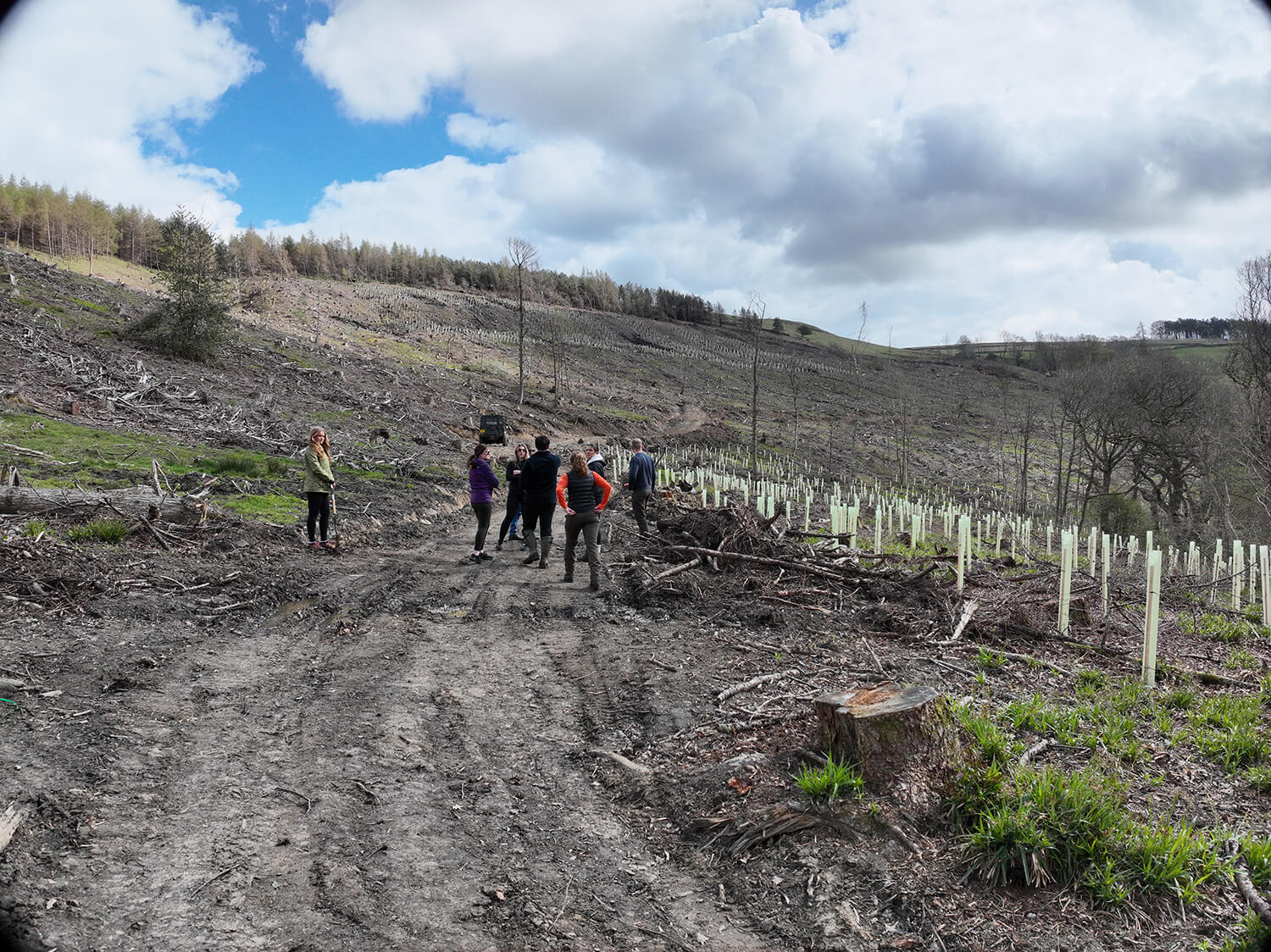
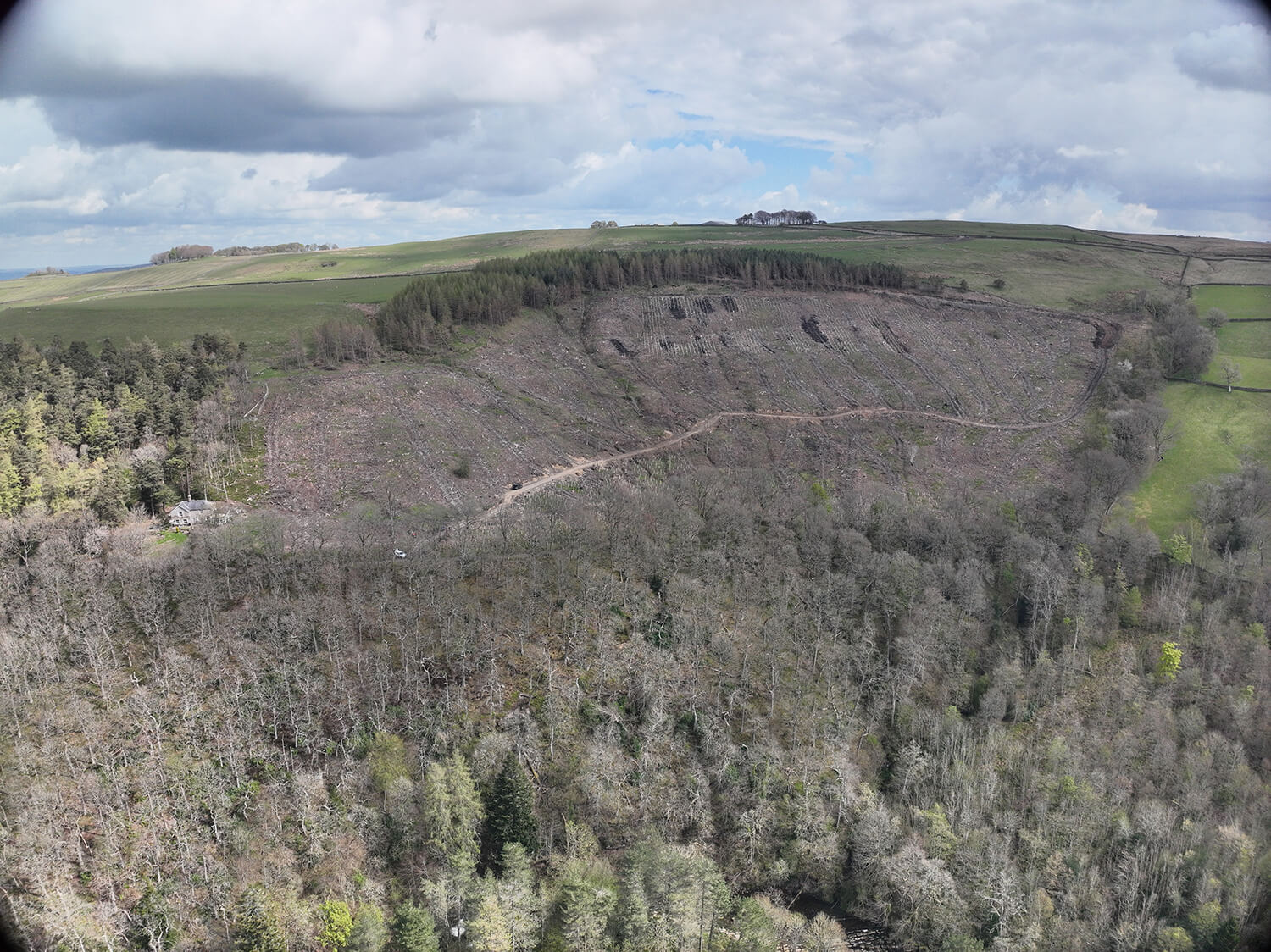
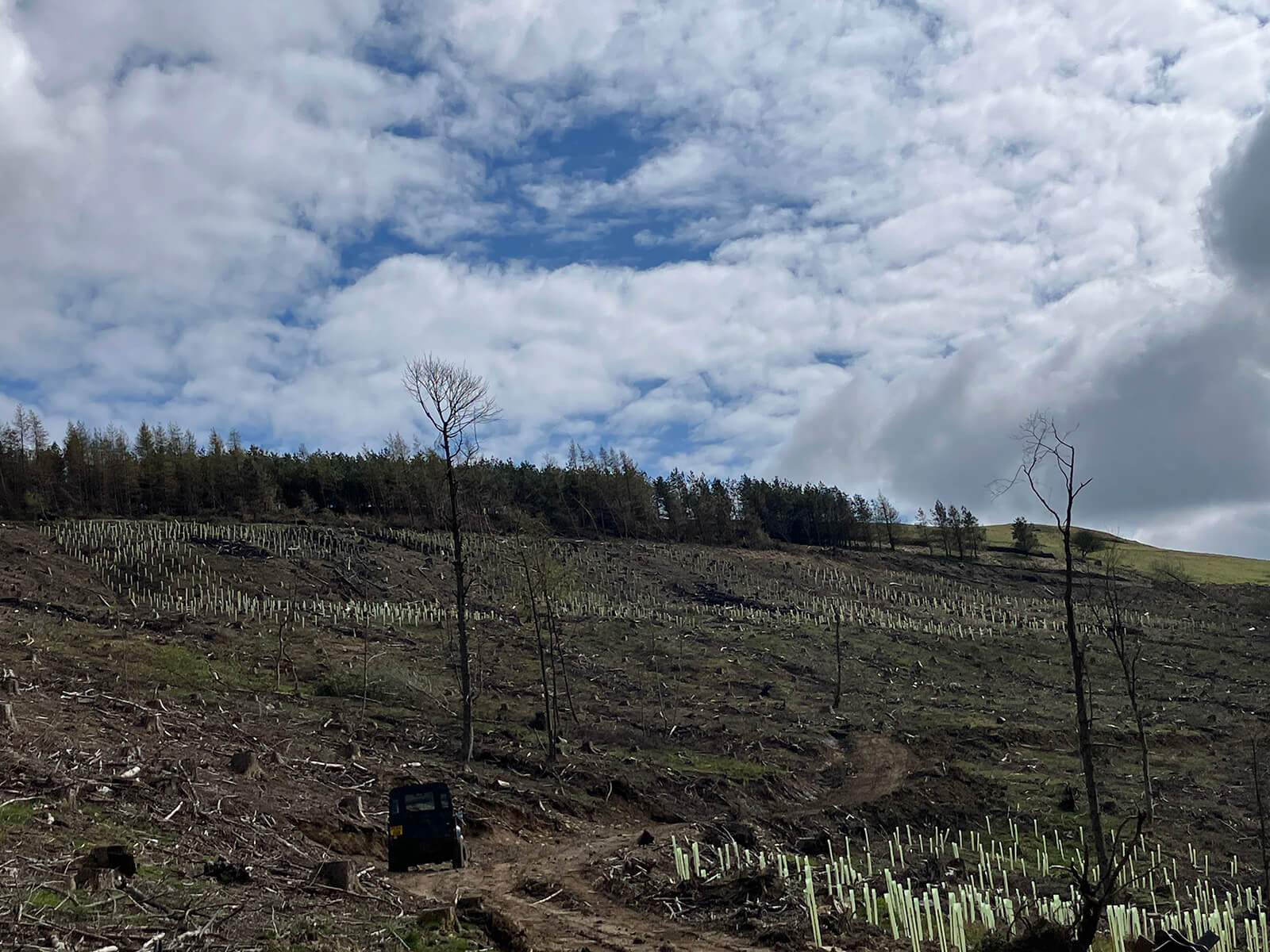
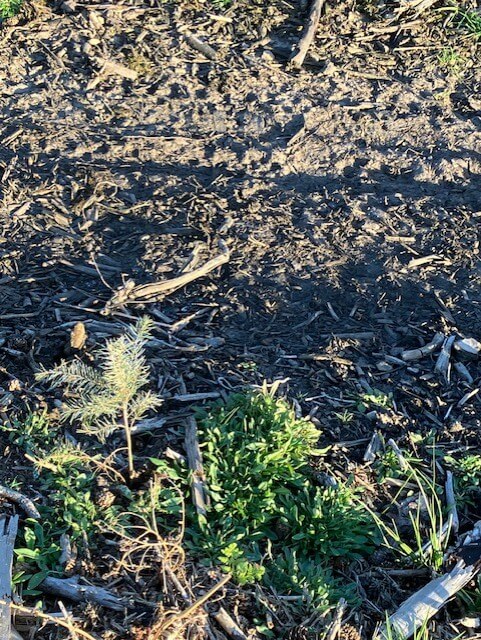
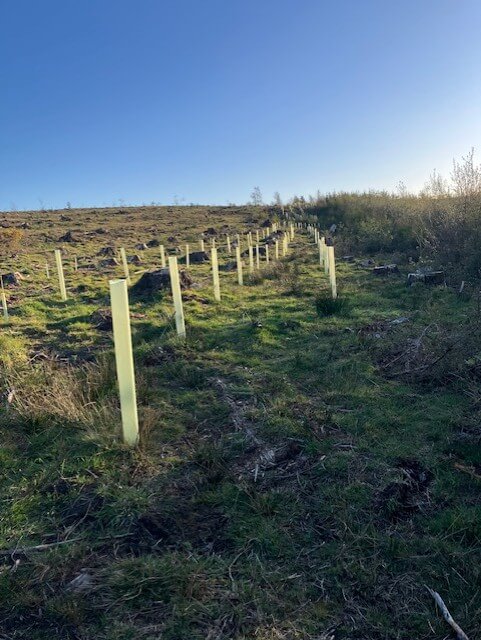
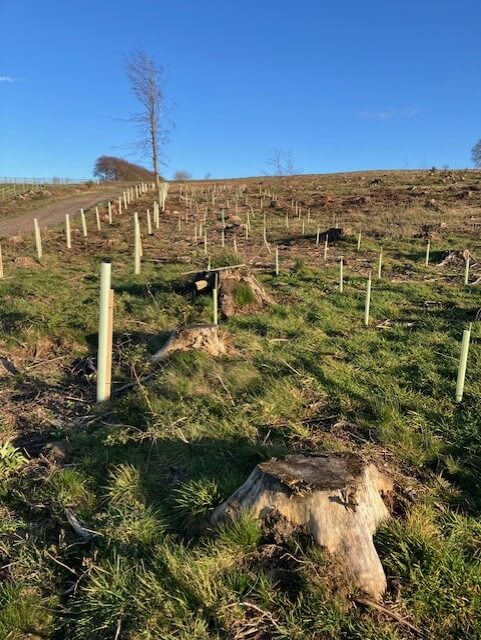
This larch and sitka compartment was clear felled, due to susceptibility to Phytophthora ramorum – a disease that kills larch trees. This compartment is being replanted with a wider variety of both conifer and broadleaf trees with the aims of continuing to grow sustainable timber, which supplies the local saw mills, and creating a more diverse habitat for the local wildlife. The tree species that have been selected have been chosen for their suitability to grow on this site and potential to develop into a resilient woodland through current low risks to any threats of pests and diseases.
1,745 trees planted in County Durham
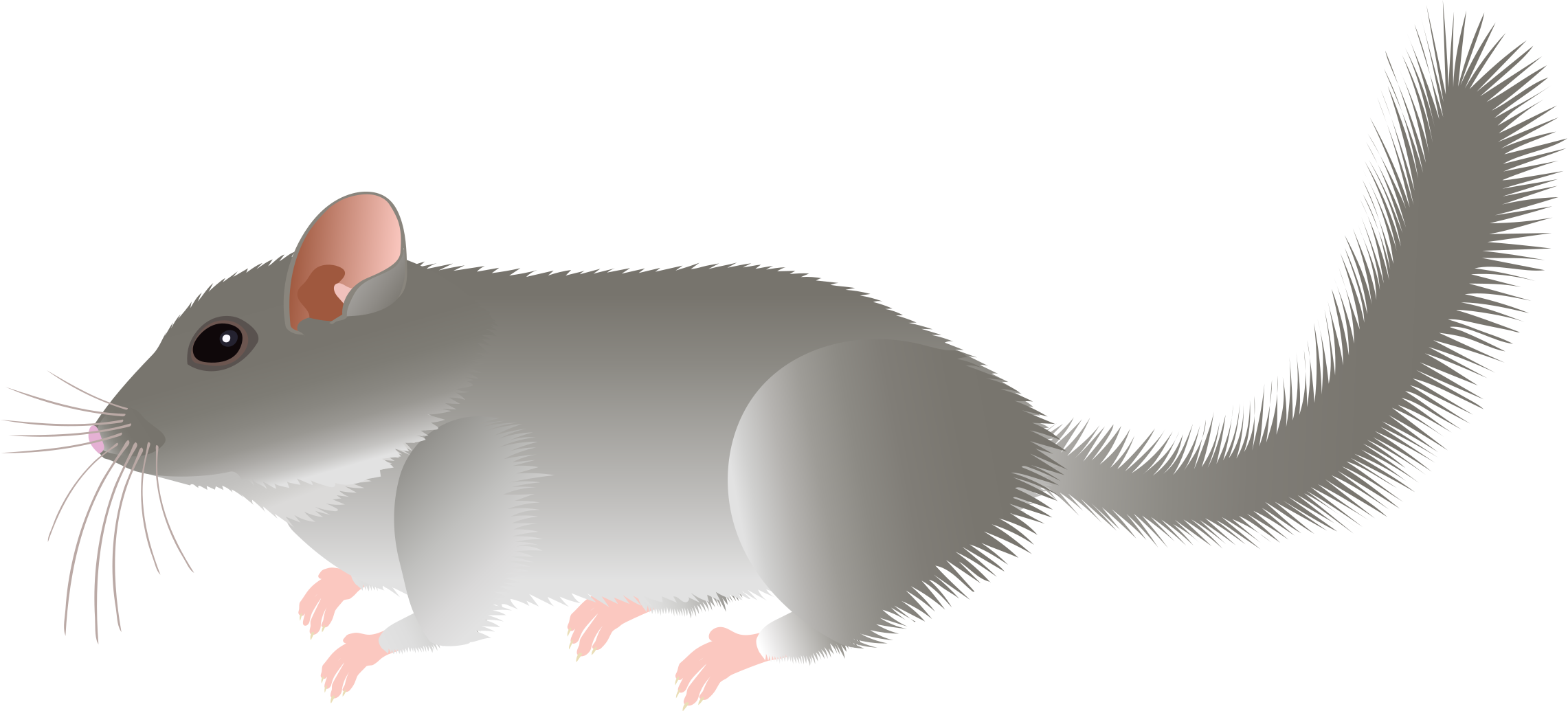
Moving from a single species that is at risk of disease, this site is replanting with a diverse mix for timber production, biodiversity and red squirrel support. The conifer crops will support the local sawmills and broadleaves will provide more diverse habitats for the wildlife and provide shelter for adjacent agricultural fields. The conifers are also a great food source for the red squirrel population which are in this area and they provide extra habitat and their edible cones all year round.


UN Sustainable Development Goals
As a GreenTheUK partner, you support projects that are in line with the UN Sustainable Development Goals.

Take urgent action to combat climate change and its impacts.

Sustainably manage forests, combat desertification, halt and reverse land degradation, halt biodiversity loss.