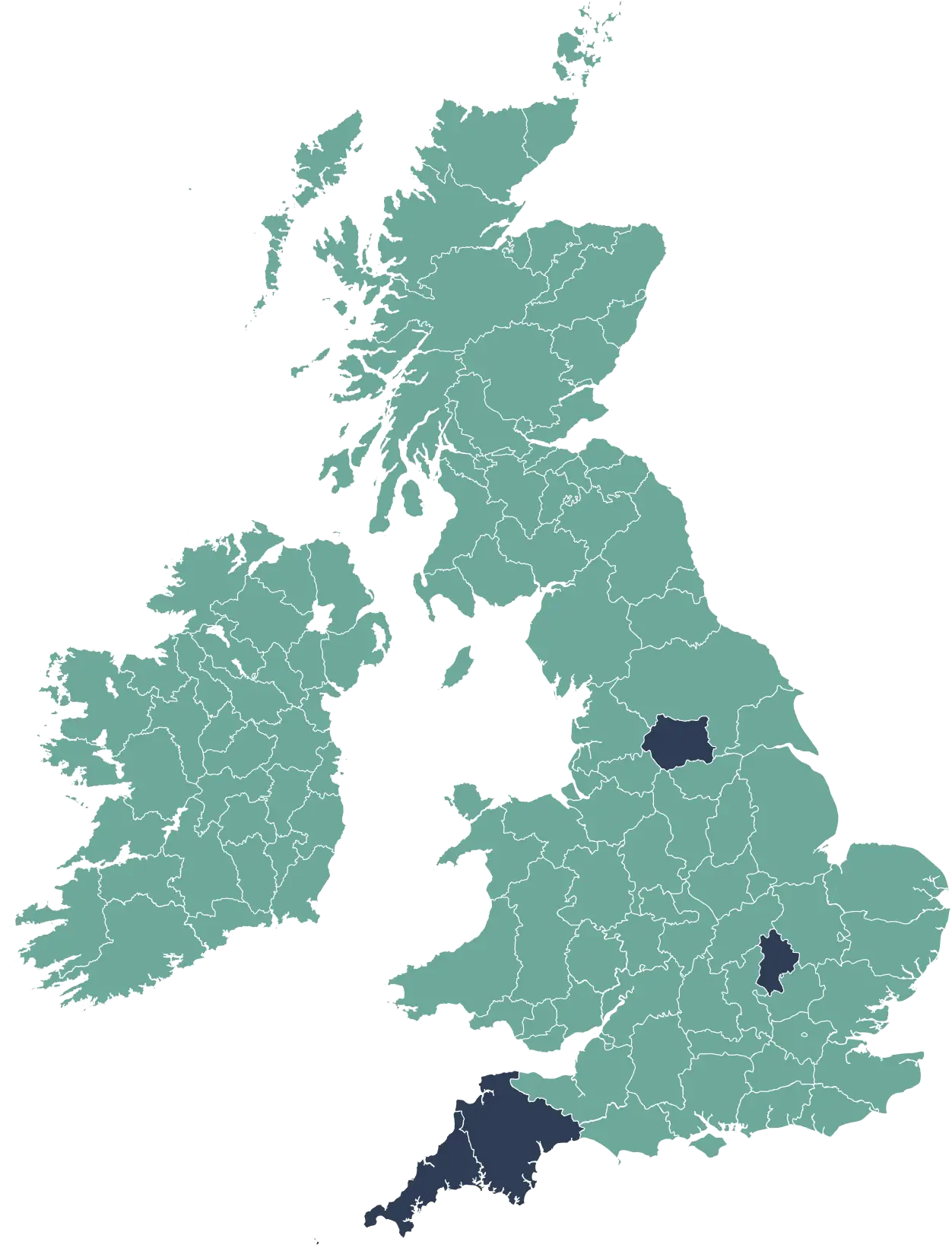
Walstead has supported the planting of 300 trees across 4 healthcare sites in the UK in 2025-26
Walstead is working in partnership with GreenTheUK and the NHS Forest to support tree planting at healthcare sites across the UK. Tree coverage in the UK tree accounts for just 13.5% of total land area, significantly below the European average of 38%. This project aims to expand tree canopy coverage on healthcare sites across the UK, benefiting patients, staff and native wildlife.
The Impact of Tree Planting on the NHS Estate
Trees have been shown to have a profound impact on health and wellbeing within healthcare settings; a recent study showed that with each increase in nature visibility hospital stays were cut by around 8.7% (Hall et al, 2025). This effect was seen throughout every season. NHS Forest trees are supporting patient recovery, as well as improving wellbeing of NHS staff (Space to Breath, 2020), contributing to a more resilient workforce.
In addition to enhancing green spaces and wellbeing, the trees planted this season will provide wider climate and ecological benefits as they establish. Trees naturally absorb atmospheric carbon dioxide, with native broadleaves capable of capturing around 10 – 20 kg of CO₂ per year once established. The trees planted this season with Walstead's support will gradually contribute to climate mitigation over their lifespan, helping healthcare sites to play a small but meaningful role in tackling climate change.
Tree planting also delivers significant biodiversity benefits. Using native species provides food, shelter, and breeding habitats for insects, birds, and small mammals. Diverse species mixes increase ecosystem resilience, support local wildlife, and help connect healthcare sites into wider networks of green space.
All trees supplied this winter were native species and were grown in the UK from indigenous seed. Hawthorn, blackthorn, field maple, and hazel were the most commonly planted species, accounting for over half of the total.
The NHS Forest trees Walstead has supported are playing an integral role in recovering both people and nature across the UK and contributing to a more sustainable healthcare system.
Thank you Walstead for your support of this season’s tree planting programme. Your contribution has played a vital role in enabling us to continue working with NHS sites to enhance biodiversity, create healthier surroundings, and provide lasting environmental and wellbeing benefits.
90 Trees Planted at Twinwoods Health Resource Centre, Bedfordshire

90
Trees Planted

97* (Nearest Score)
Local Tree Equity Score*

26%
Local Canopy Cover

4/79 in Bedford
Tree Equity Score Ranking*
Twinwoods Health Resource Centre is a primary care facility located in the village of Clapham, just outside Bedford. Operated by East London NHS Foundation Trust, it provides specialist support and care for people experiencing mental health challenges across Bedfordshire, Luton, and Milton Keynes. The centre joined NHS Forest in 2025 and 90 trees were planted with Walstead UK’s support during the 2025–26 planting season. This initiative has enhanced the surrounding environment, supported sustainability, and contributed positively to patient wellbeing.
Clapham is in a rural area that is not included within the UK Tree Equity Score dataset, but underlying characteristics can be inferred from the available data. The data zone containing Twinwoods has approximately 6.92% tree canopy cover, placing it within the bottom third of rural neighbourhoods in the UK. In terms of socio-economic indicators, the area falls in the seventh decile for both income and deprivation in England. Taken together these factors suggest the area would likely be considered moderate to high priority for increased tree canopy cover compared with more urban locations that are assessed within the Tree Equity Score framework.
Twinwoods received a mix of trees to help shape the site into a green space focused on patient wellbeing. Mid-sized species were chosen for their visual appeal and to act as focal points within a calm and restorative natural environment at the centre. The selection consists of non-toxic, safe-to-touch trees that are visually engaging and suitable for service users in a sensory garden setting.
Tree Species Planted
10 Trees Planted
Crab Apple: Malus sylvestris
Crab apple trees grow throughout Europe and can live for up to a century, reaching a height of around 10m. This tree is traditionally associated with love and marriage, and it is said that if you say the name of your lover while throwing crab apple pips into a fire, then your love is true if the seeds explode! Crab apples can be made into jelly, roasted and added to drinks, or served as an accompaniment to meat.

10 Trees Planted
Elder: Sambucus Nigra
Elder trees can be found growing all over the UK, often near rabbit warrens and the homes of other woodland creatures who spread the seeds through their droppings. Our ancestors in the Middle Ages believed that planting elder trees near their houses would ward off the Devil, and elder leaves were thrown into graves at funerals to protect the dead from evil spirits. Although poisonous when raw, elderberries can be cooked and made into syrup or jam, while elderflowers make the perfect refreshing summer cordial.

10 Trees Planted
Field Maple: Acer Campestre
This species is the UK’s only native maple and is often grown as an ornamental tree in large gardens and parks, as well as in woods and hedgerows. Its wood is white, hard and strong, and is popular for making furniture, flooring and musical instruments, especially harps. Field maple flowers are hermaphrodite, meaning each flower contains both male and female reproductive parts.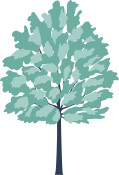

10 Trees Planted
Goat Willow: Salix Caprea
Goat Willow thrives in wet and damp environments such as riversides, reedbeds, lake shores and wet woodlands. Between January and March, Goat willow produces fluffy, silver flowers that turn yellow. Mature trees can grow up to 10m and live for 300 years. Goat Willow is the main food plant for the emperor butterfly and is eaten by the caterpillars. Birds also benefit from Goat Willow as they use it to forage for insects and caterpillars.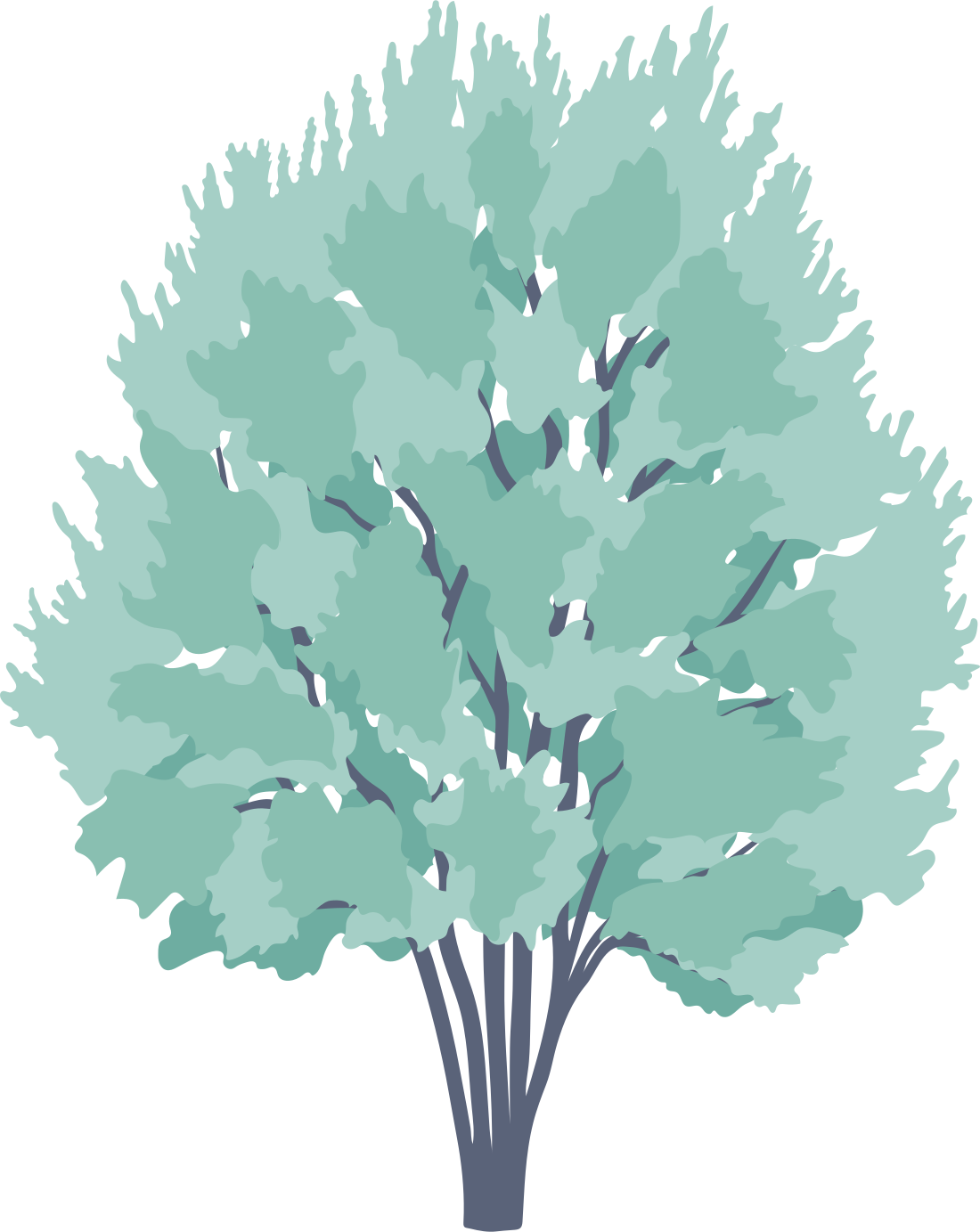
20 Trees Planted
Rowan: Sorbus Aucuparia
Also known as the mountain ash, rowan trees grow well at high altitudes and are commonly found in the Scottish Highlands, as well as on streets and in gardens across the UK. Many birds eat their scarlet berries in the autumn, then disperse the seeds. Rowan used to be planted next to homes to ward off the threat of witches, as red was once believed to guard against evil.

20 Trees Planted
Silver Birch: Betula pendula
The silver birch is an elegant, majestic-looking tree which can survive in a range of climates, making it a very popular choice for gardeners. It attracts hundreds of insect species, and woodpeckers like to nest in its rough, tough, silver-white trunk. There is a lot of mythology attached to the silver birch, which is said to symbolise purity, new beginnings and protection. Once upon a time, on Midsummer’s Eve, silver birch boughs were hung across the doors of houses to bring good luck to their residents.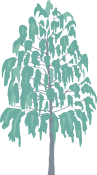

10 Trees Planted
Wild Cherry: Prunus Avium
Stunning white cherry blossoms burst forth in April, heralding the arrival of spring and bringing joy to parks and gardens. Mature cherry trees can live for up to 60 years, and provide a great source of food for birds, bees, insects and small animals like badgers and mice. Our ancestors would boil wild cherries and make them into a syrup to treat a range of ailments including coughs and anaemia.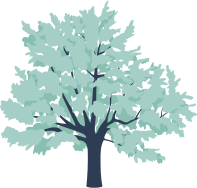

Purpose and Impact
The Twinwoods site extends over 2 hectares and includes extensive underutilised outdoor areas – primarily lawns surrounding the centre’s five buildings – which East London NHS Foundation Trust’s Sustainability Team have identified an opportunity to create a more inviting and restorative outdoor environment for staff and patients; the goal is to transform these areas into accessible green spaces where the site’s more than one hundred daily visitors can pause between appointments, enjoy time outdoors and experience the mental health and wellbeing benefits that connection with nature provides.
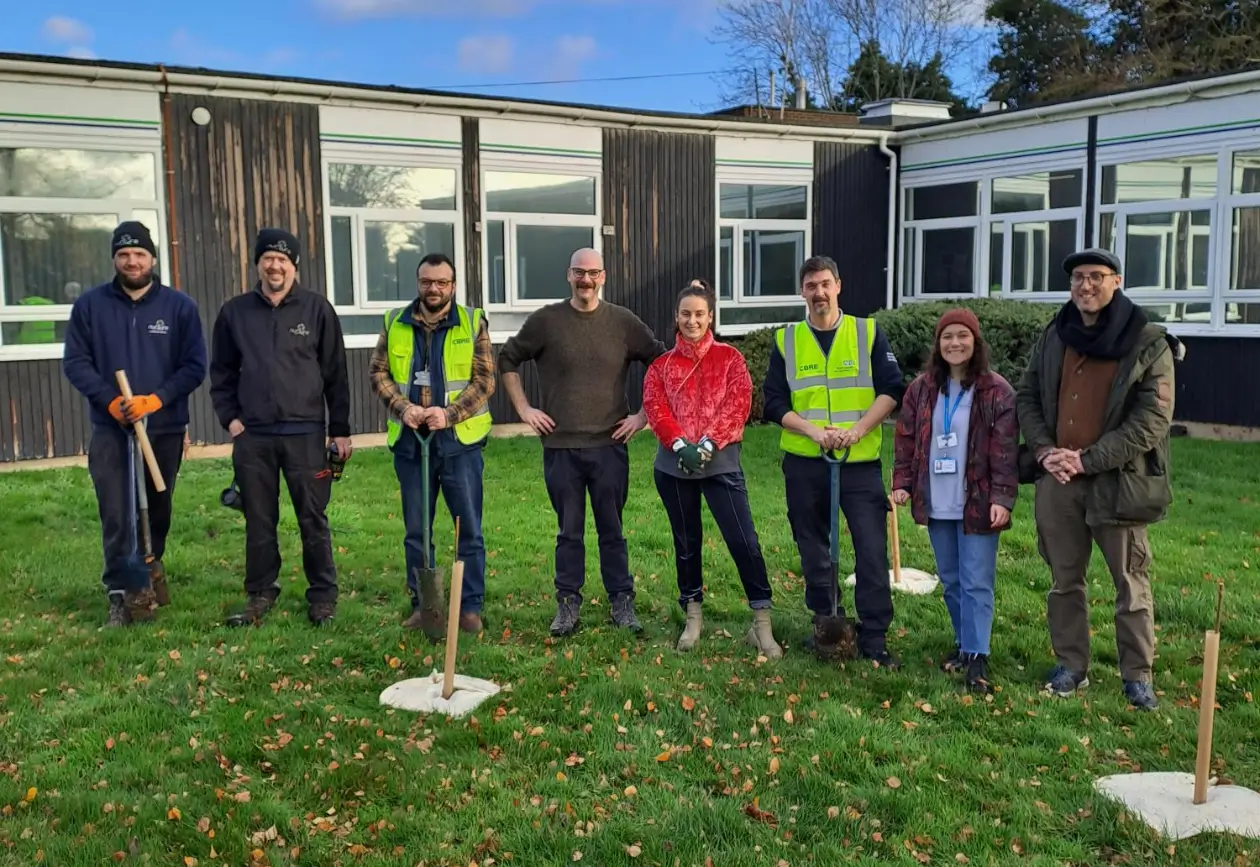
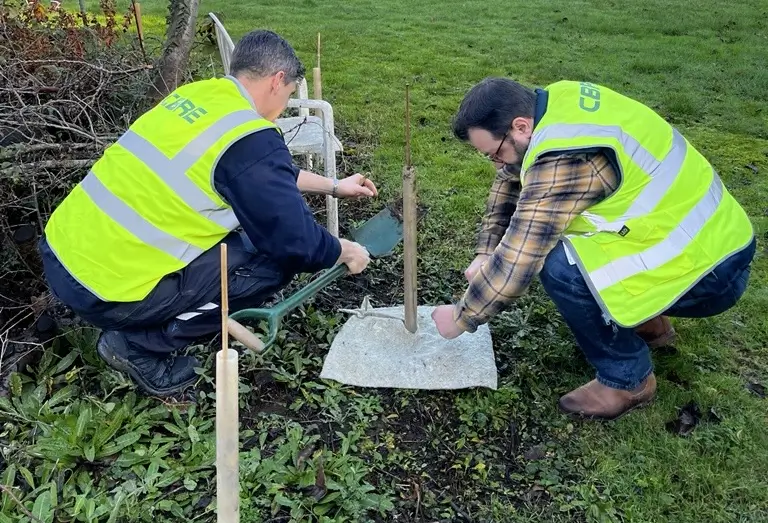
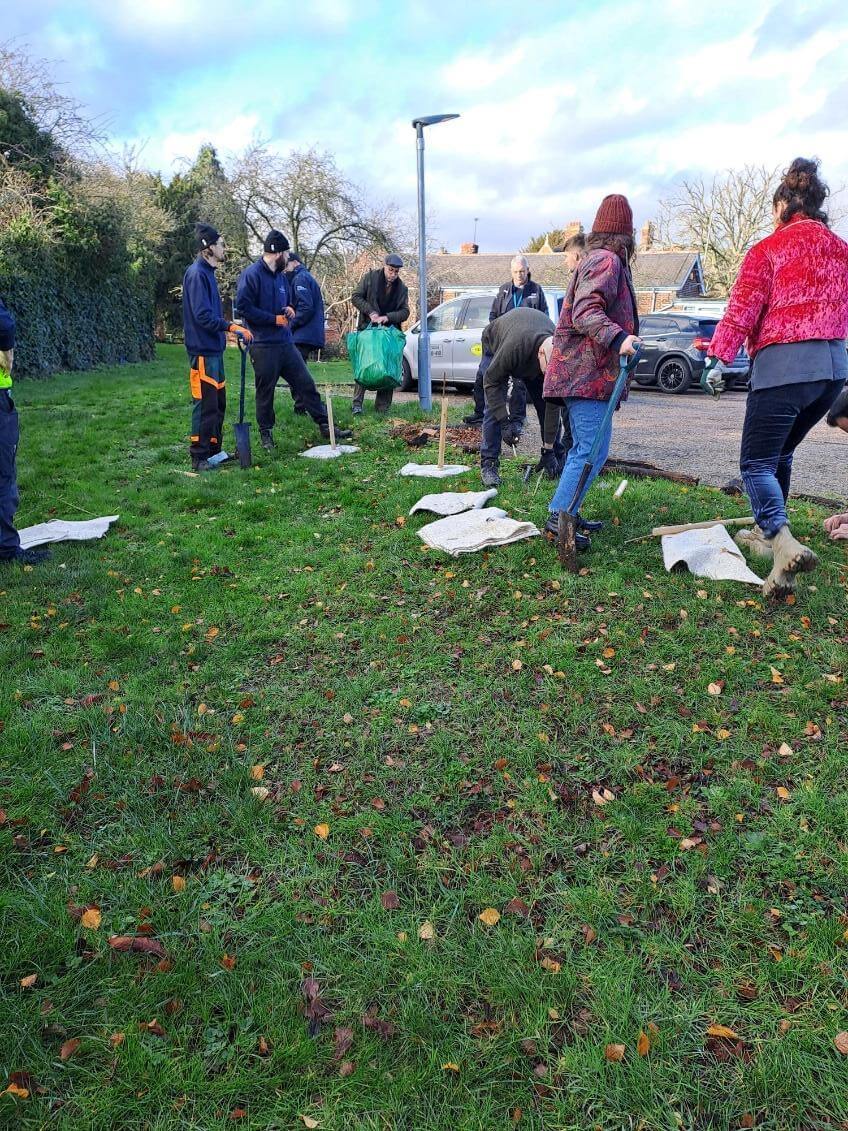
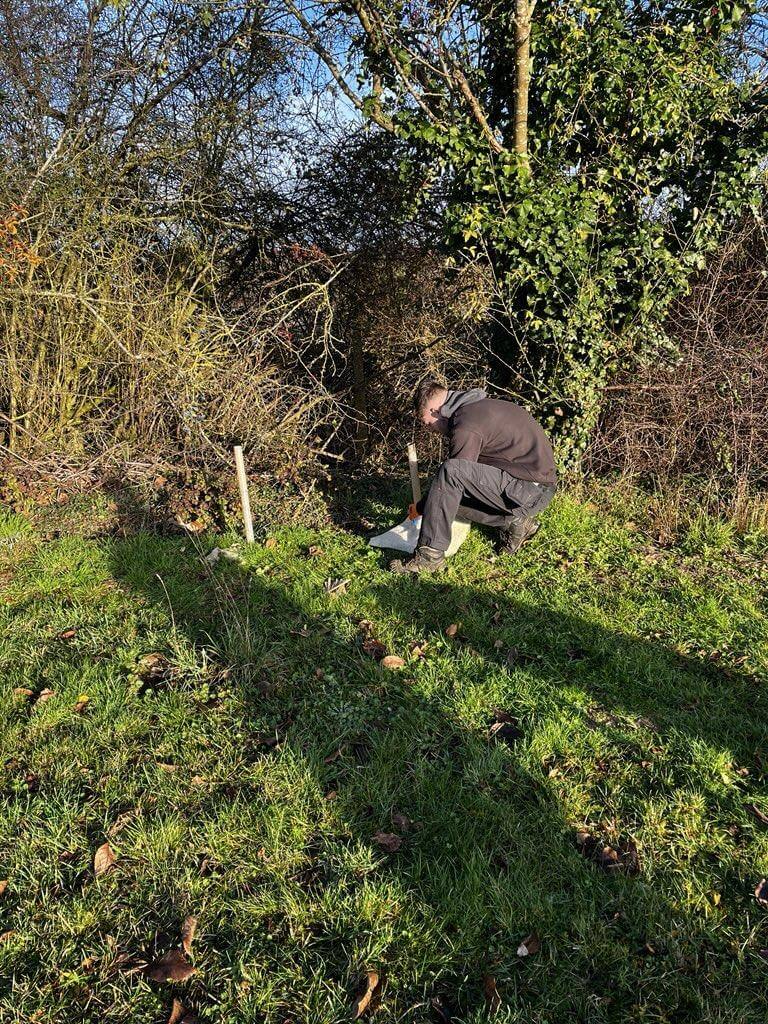
During the 2025–26 planting season 90 trees were planted across the site, adding to 260 supplied by NHS Forest the previous winter. Planting locations were selected to make the most of previously unplanted areas, helping to shape a more welcoming and tranquil environment.
As the trees establish, they will provide multiple benefits beyond aesthetics. The new green spaces will create shade, reduce stress, and encourage gentle outdoor activity, supporting recovery and wellbeing for patients. Staff will also benefit from the opportunity to take breaks in peaceful, natural surroundings, which can improve focus, resilience, and overall morale. Over time, the site will develop into a cohesive network of nature-rich areas.

Thank you so much for providing these trees – not only are we doing great things for improving mental health but also for the environment!
90 Trees Planted at Langdon Hospital, Devon
90
Trees Planted
96
Local Tree Equity Score*
21%
Local Canopy Cover
11/49 in Teignbridge
Tree Equity Score Ranking*
Tree Species Planted
17 Trees Planted
Blackthorn: Prunus Spinosa
This small, thorny tree grows to around 5m tall and can be used in hedgerows. Its fruit - the sloe berry - looks a little like a small plum or damson and can be made into jam, jelly or even sloe gin. The blackthorn had a sinister reputation in mythology, where it was associated with witches.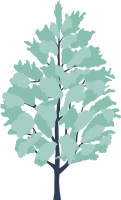

5 Trees Planted
Dog Rose: Rosa Canina
This pale pink hedgerow staple uses its thorns to clasp onto other plants and grow stronger. According to Roman naturalist Pliny the Elder, the plant is so-called because its root was once believed to cure the bite of a rabid dog. Rose hip oil is a popular ingredient in skincare products, and can also be used to make a syrup that is rich in vitamin C.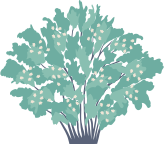

5 Trees Planted
Dogwood: Cornus sanguinea
This hardy, deciduous shrub is commonly found in hedgerows and woodland edges across Britain. In late spring to early summer, it produces clusters of small creamy-white flowers that attract a wide range of pollinators. These are followed by dark berries in autumn, which provide an important food source for birds. Dogwood offers dense cover for nesting and sheltering wildlife, while its leaves support a variety of insect species.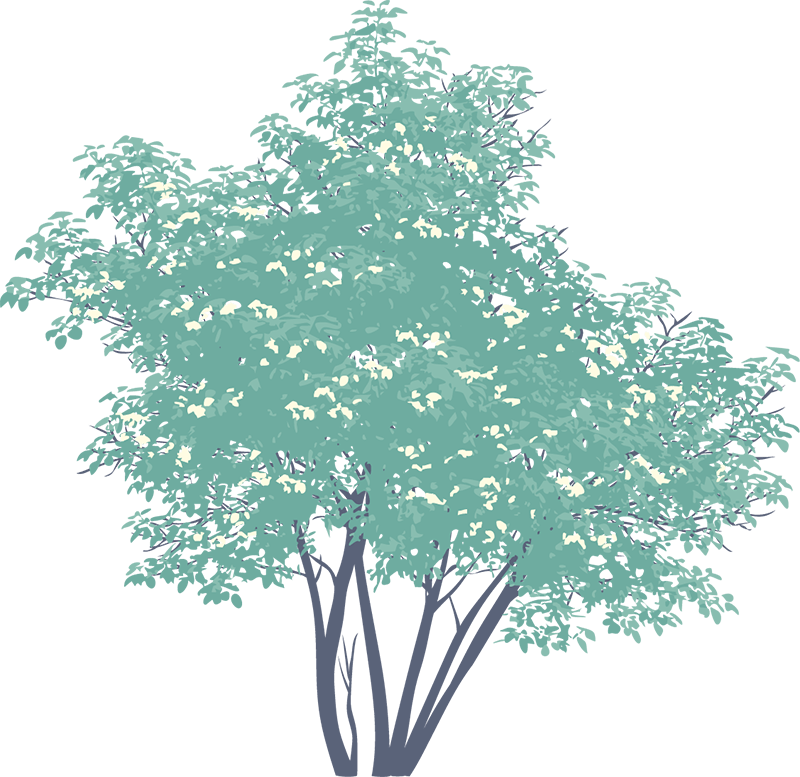

9 Trees Planted
Field Maple: Acer Campestre
This species is the UK’s only native maple and is often grown as an ornamental tree in large gardens and parks, as well as in woods and hedgerows. Its wood is white, hard and strong, and is popular for making furniture, flooring and musical instruments, especially harps. Field maple flowers are hermaphrodite, meaning each flower contains both male and female reproductive parts.
45 Trees Planted
Hawthorn: Crataegus Monogyna
Hawthorn is very much associated with the month of May, and the appearance of its bright, white flowers heralds the change from spring to summer. It is prolific in hedgerows, scrub and woodland throughout the UK and Ireland, and a single tree can grow as tall as 10m. In pagan times, hawthorn was a symbol of marriage and fertility, but in the Middle Ages, it was never brought into homes, as people believed it was a harbinger of illness and death.

9 Trees Planted
Hazel: Corylus Avellana
The common hazel is native to Europe and western Asia and forms an important part of England’s hedgerows. We have all heard of hazelnuts, which are rich in unsaturated fats and protein, and an extremely popular ingredient in many of the world’s cuisines. Did you know that hazel trees were once seen as both magical and a symbol of fertility?
60 Trees Planted at Bradford Royal Infirmary, West Yorkshire
60
Trees Planted
83
Local Tree Equity Score*
15%
Local Canopy Cover
123/294 in Bradford
Tree Equity Score Ranking*
Tree Species Planted
10 Trees Planted
Blackthorn: Prunus Spinosa
This small, thorny tree grows to around 5m tall and can be used in hedgerows. Its fruit - the sloe berry - looks a little like a small plum or damson and can be made into jam, jelly or even sloe gin. The blackthorn had a sinister reputation in mythology, where it was associated with witches.
10 Trees Planted
Dogwood: Cornus sanguinea
This hardy, deciduous shrub is commonly found in hedgerows and woodland edges across Britain. In late spring to early summer, it produces clusters of small creamy-white flowers that attract a wide range of pollinators. These are followed by dark berries in autumn, which provide an important food source for birds. Dogwood offers dense cover for nesting and sheltering wildlife, while its leaves support a variety of insect species.
10 Trees Planted
Field Maple: Acer Campestre
This species is the UK’s only native maple and is often grown as an ornamental tree in large gardens and parks, as well as in woods and hedgerows. Its wood is white, hard and strong, and is popular for making furniture, flooring and musical instruments, especially harps. Field maple flowers are hermaphrodite, meaning each flower contains both male and female reproductive parts.
20 Trees Planted
Hawthorn: Crataegus Monogyna
Hawthorn is very much associated with the month of May, and the appearance of its bright, white flowers heralds the change from spring to summer. It is prolific in hedgerows, scrub and woodland throughout the UK and Ireland, and a single tree can grow as tall as 10m. In pagan times, hawthorn was a symbol of marriage and fertility, but in the Middle Ages, it was never brought into homes, as people believed it was a harbinger of illness and death.
10 Trees Planted
Hazel: Corylus Avellana
The common hazel is native to Europe and western Asia and forms an important part of England’s hedgerows. We have all heard of hazelnuts, which are rich in unsaturated fats and protein, and an extremely popular ingredient in many of the world’s cuisines. Did you know that hazel trees were once seen as both magical and a symbol of fertility?
60 Trees Planted at St Clare Medical Centre, Cornwall
60
Trees Planted
94
Local Tree Equity Score*
26%
Local Canopy Cover
29/132 in Cornwall
Tree Equity Score Ranking*
Tree Species Planted
10 Trees Planted
Bird Cherry: Prunus Padus
Bird Cherry grows easily in the British climate and is often used in urban green landscaping. They have spikes of beautiful white flowers in the spring that can be a valuable nectar source for pollinating insects such as butterflies and bees. The bitter, dark black cherries are a favourite food for birds and small mammals in the summer months.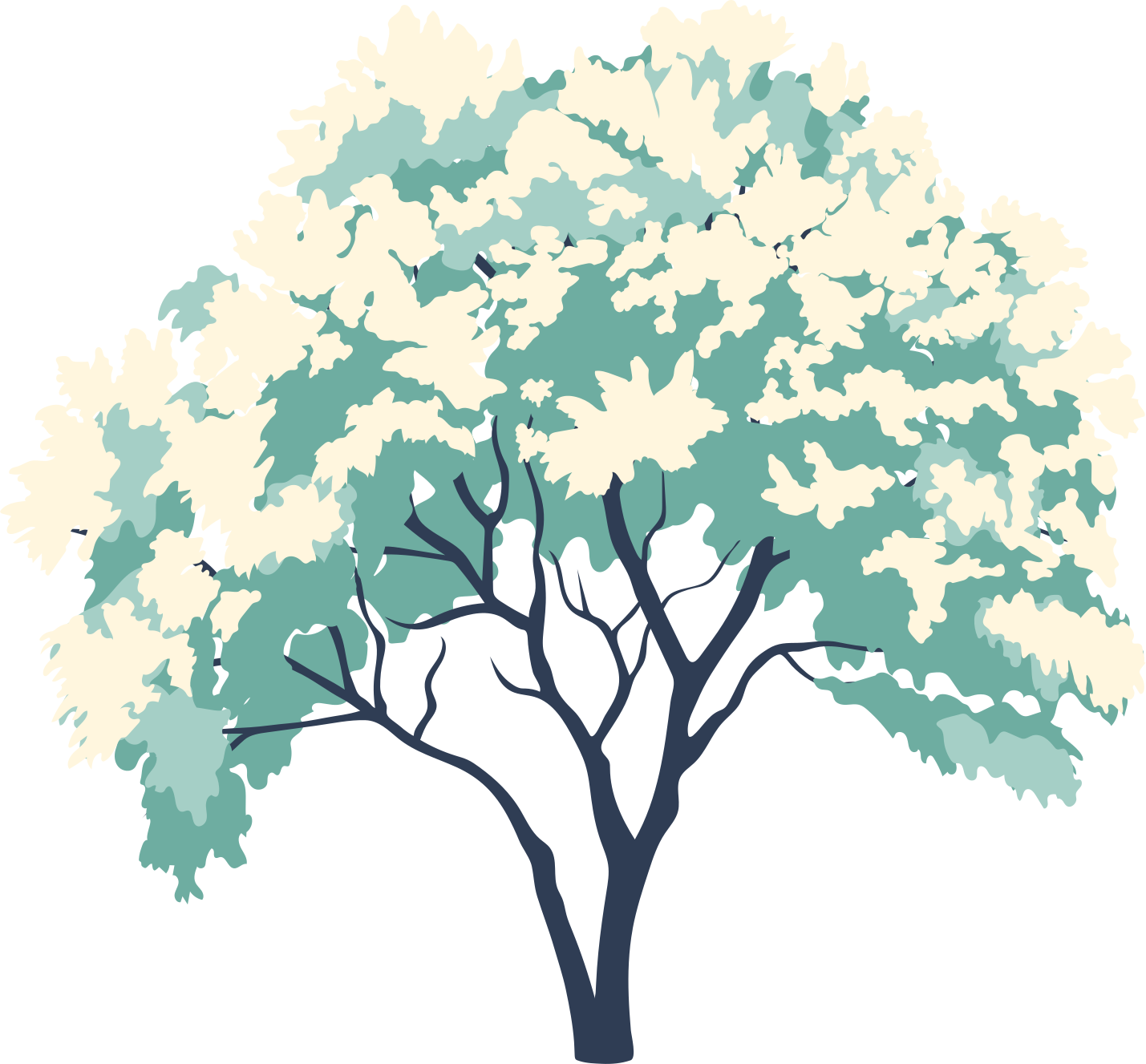
10 Trees Planted
Crab Apple: Malus sylvestris
Crab apple trees grow throughout Europe and can live for up to a century, reaching a height of around 10m. This tree is traditionally associated with love and marriage, and it is said that if you say the name of your lover while throwing crab apple pips into a fire, then your love is true if the seeds explode! Crab apples can be made into jelly, roasted and added to drinks, or served as an accompaniment to meat.
10 Trees Planted
Dog Rose: Rosa Canina
This pale pink hedgerow staple uses its thorns to clasp onto other plants and grow stronger. According to Roman naturalist Pliny the Elder, the plant is so-called because its root was once believed to cure the bite of a rabid dog. Rose hip oil is a popular ingredient in skincare products, and can also be used to make a syrup that is rich in vitamin C.
10 Trees Planted
Elder: Sambucus Nigra
Elder trees can be found growing all over the UK, often near rabbit warrens and the homes of other woodland creatures who spread the seeds through their droppings. Our ancestors in the Middle Ages believed that planting elder trees near their houses would ward off the Devil, and elder leaves were thrown into graves at funerals to protect the dead from evil spirits. Although poisonous when raw, elderberries can be cooked and made into syrup or jam, while elderflowers make the perfect refreshing summer cordial.
10 Trees Planted
Hazel: Corylus Avellana
The common hazel is native to Europe and western Asia and forms an important part of England’s hedgerows. We have all heard of hazelnuts, which are rich in unsaturated fats and protein, and an extremely popular ingredient in many of the world’s cuisines. Did you know that hazel trees were once seen as both magical and a symbol of fertility?
10 Trees Planted
Rowan: Sorbus Aucuparia
Also known as the mountain ash, rowan trees grow well at high altitudes and are commonly found in the Scottish Highlands, as well as on streets and in gardens across the UK. Many birds eat their scarlet berries in the autumn, then disperse the seeds. Rowan used to be planted next to homes to ward off the threat of witches, as red was once believed to guard against evil.

UN Sustainable Development Goals
As a GreenTheUK partner, you support projects that are in line with the UN Sustainable Development Goals.

Take urgent action to combat climate change and its impacts.
Sustainably manage forests, combat desertification, halt and reverse land degradation, halt biodiversity loss.