ALDI Stores Ltd supported the planting of 5 hectares of wildflowers in the UK in 2025-26
Pollination is fundamental to the health of our environment, supporting ecosystems, food production and biodiversity across the United Kingdom. A significant proportion of the crops we rely on depend on pollinators, making their survival critical not only for nature, but for long-term food security and economic stability. Through its support of wildflower restoration, ALDI Stores Ltd is helping to protect and strengthen these essential natural systems.
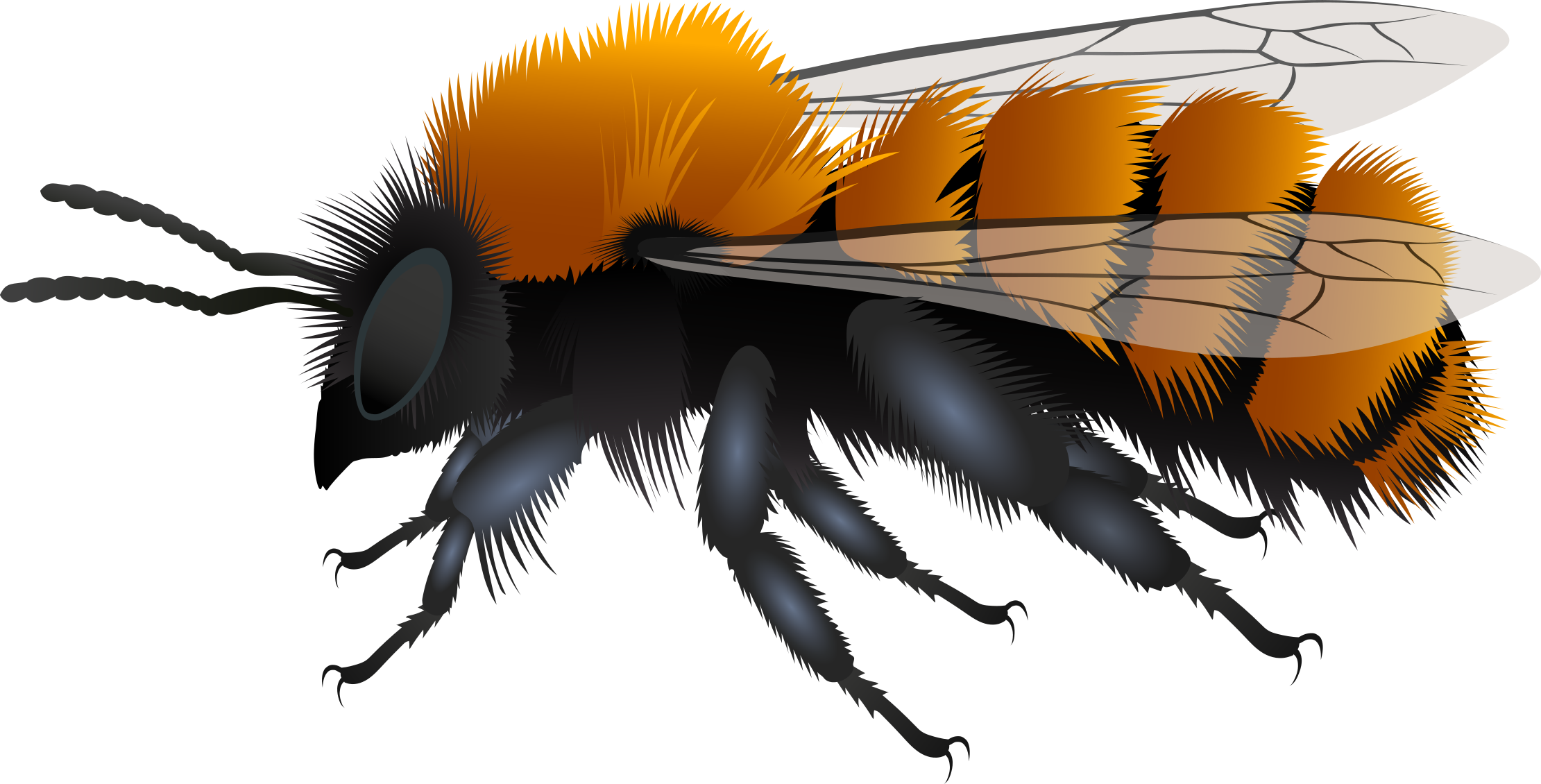
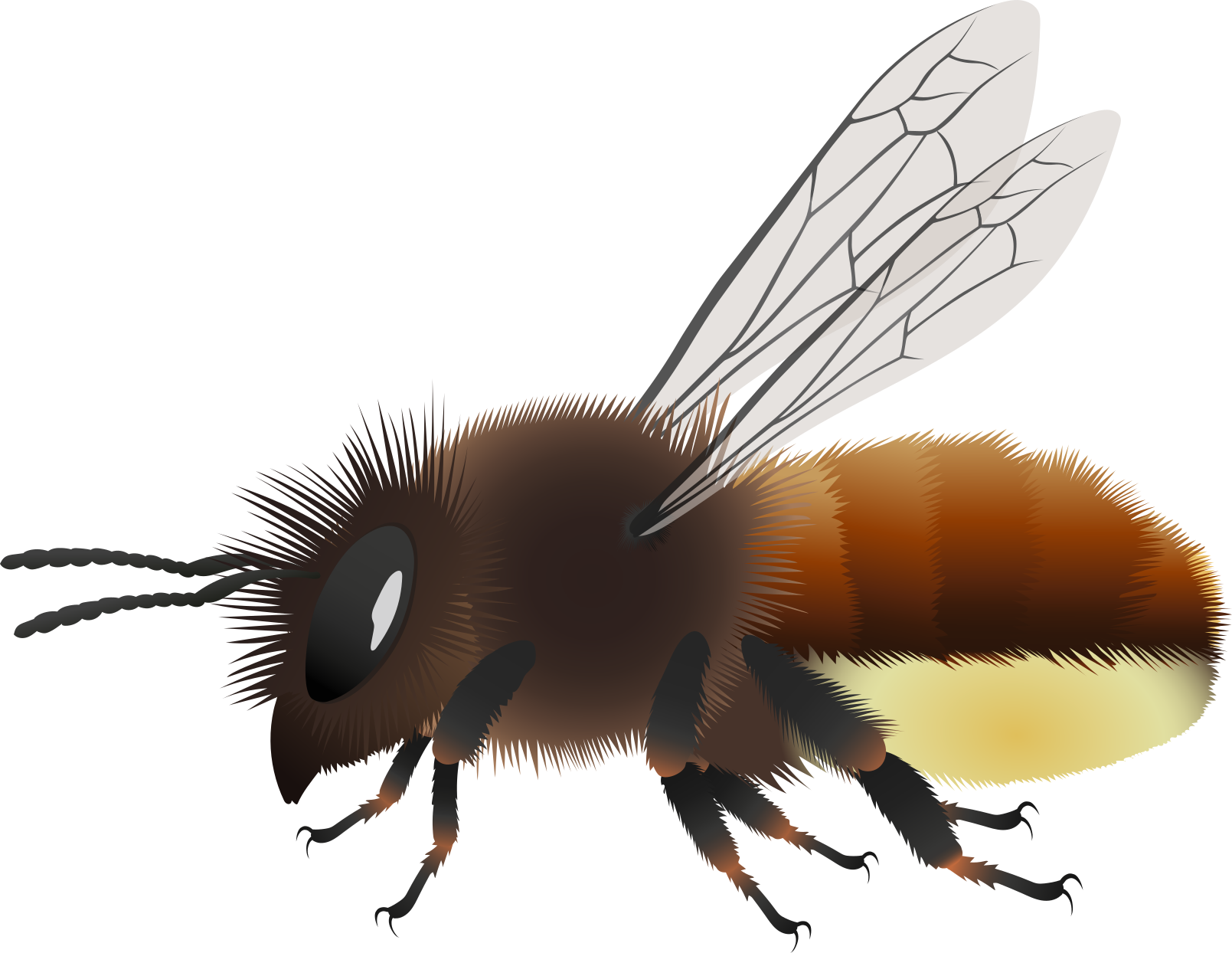
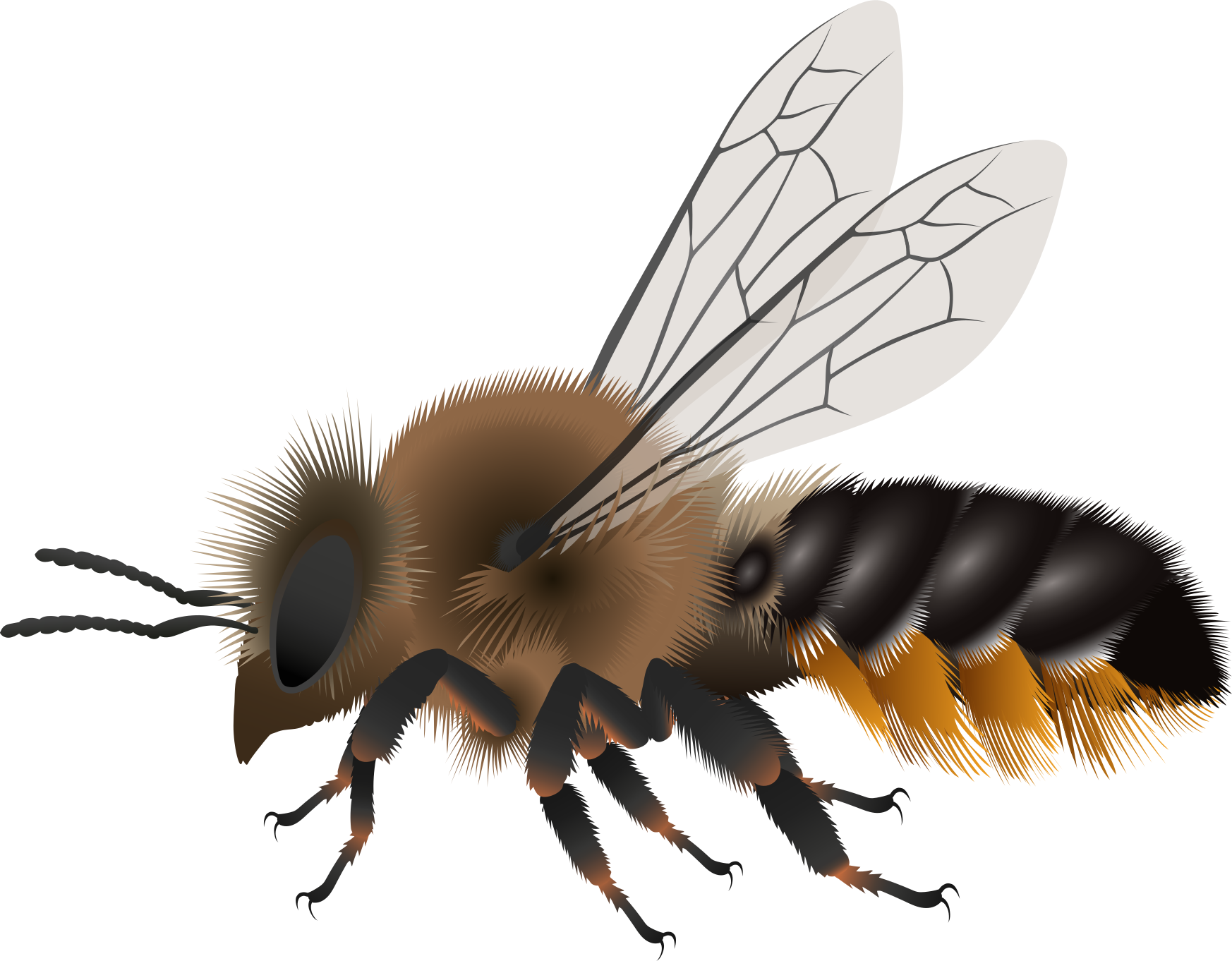
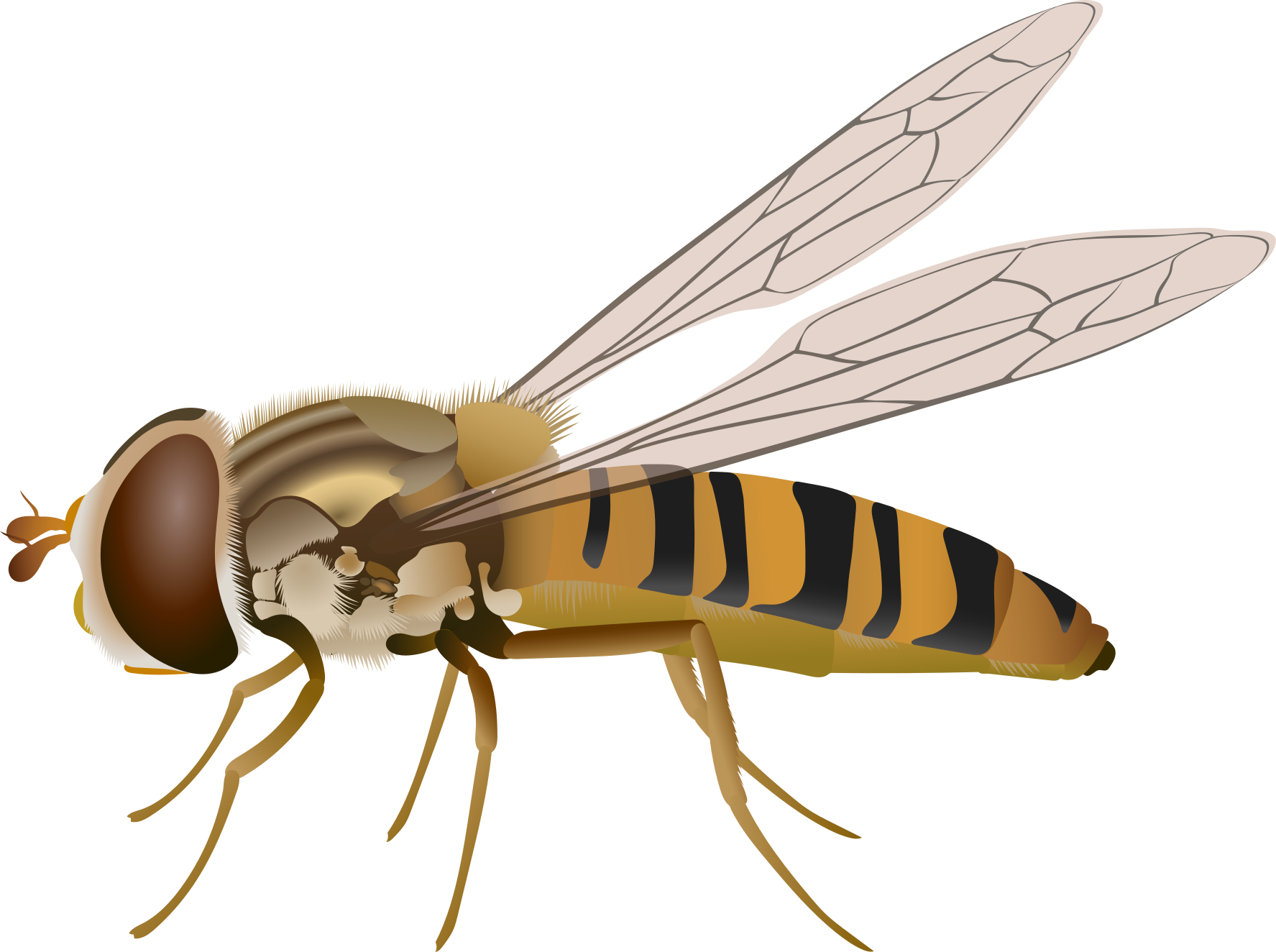
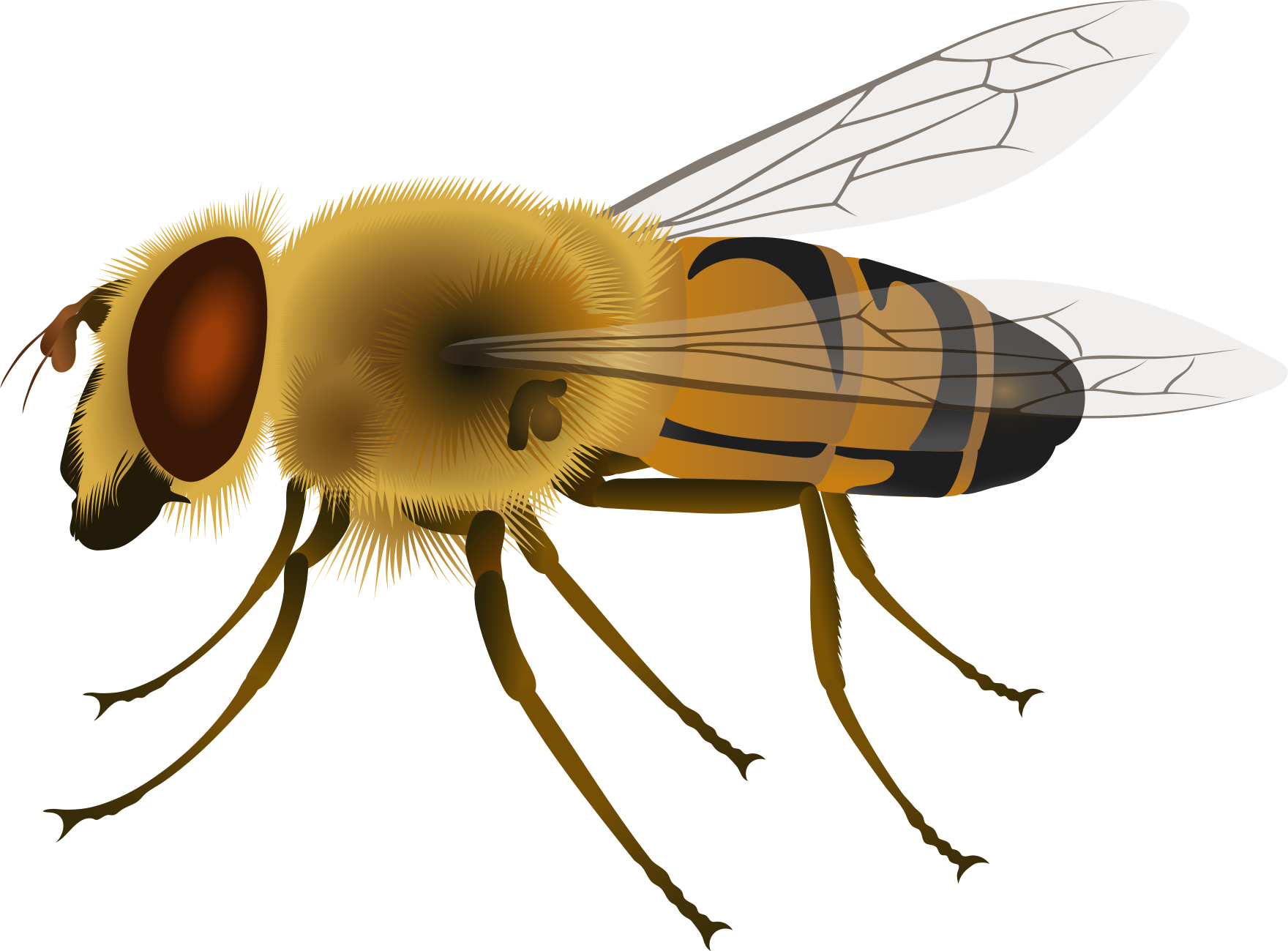
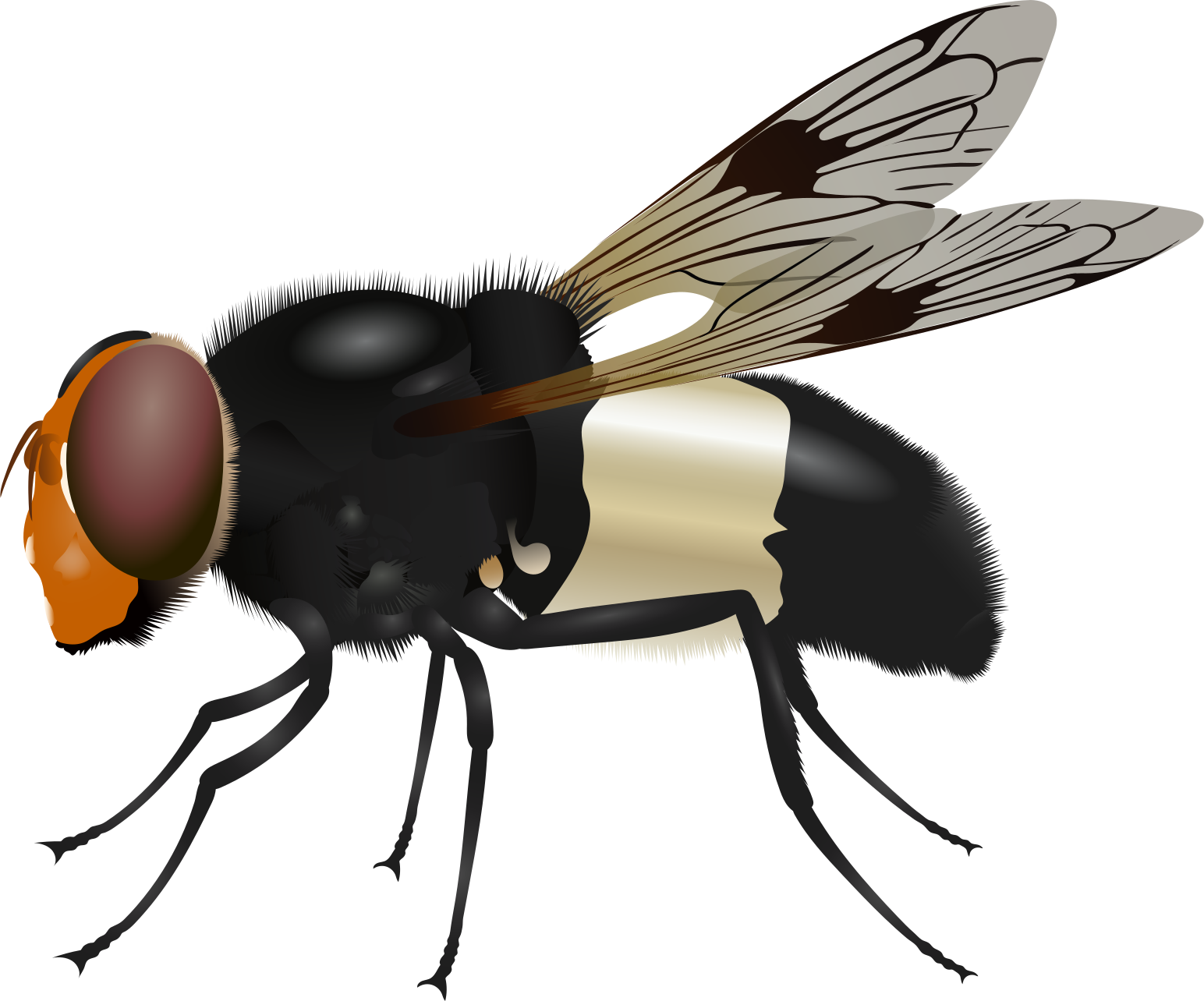
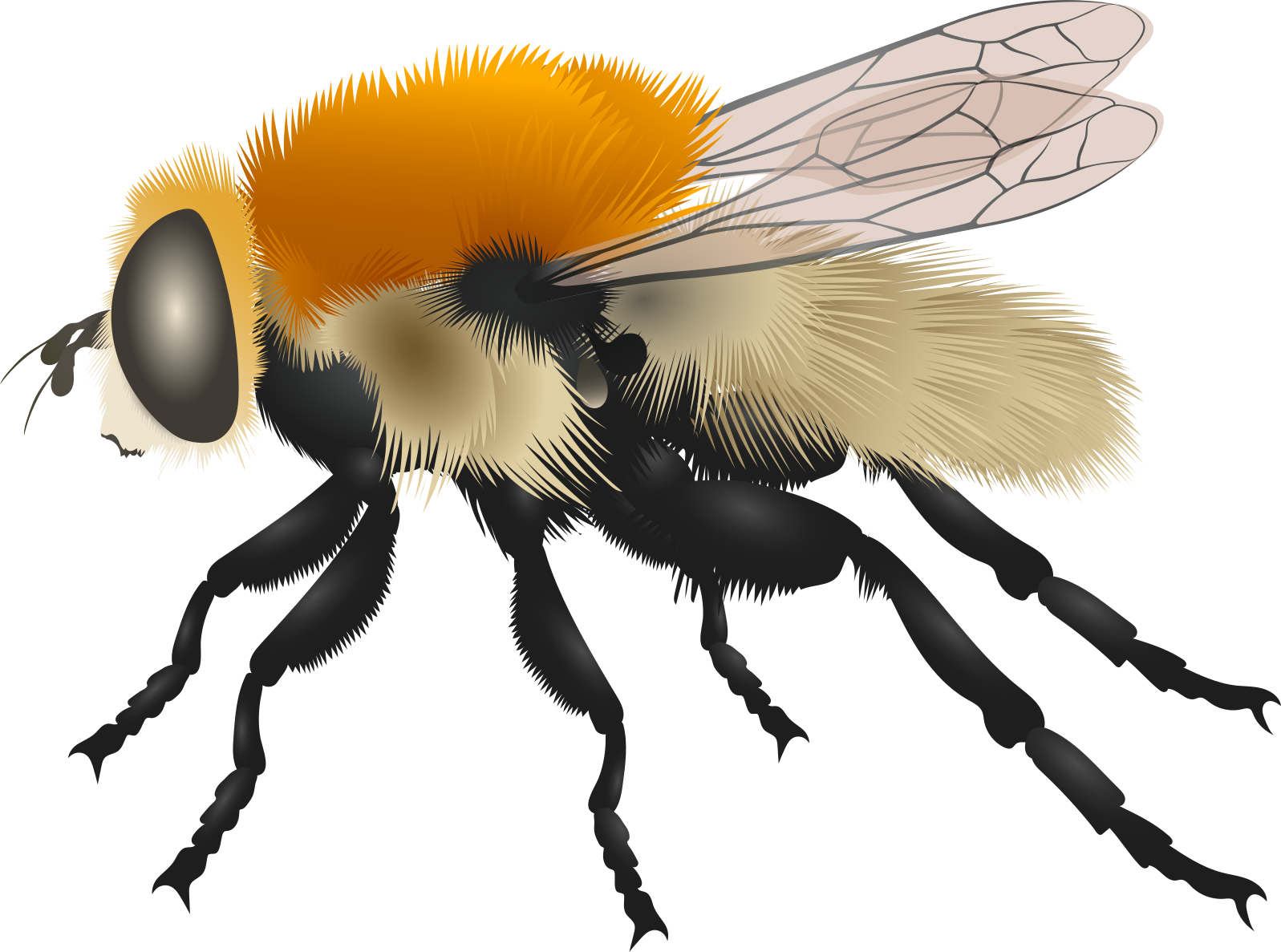
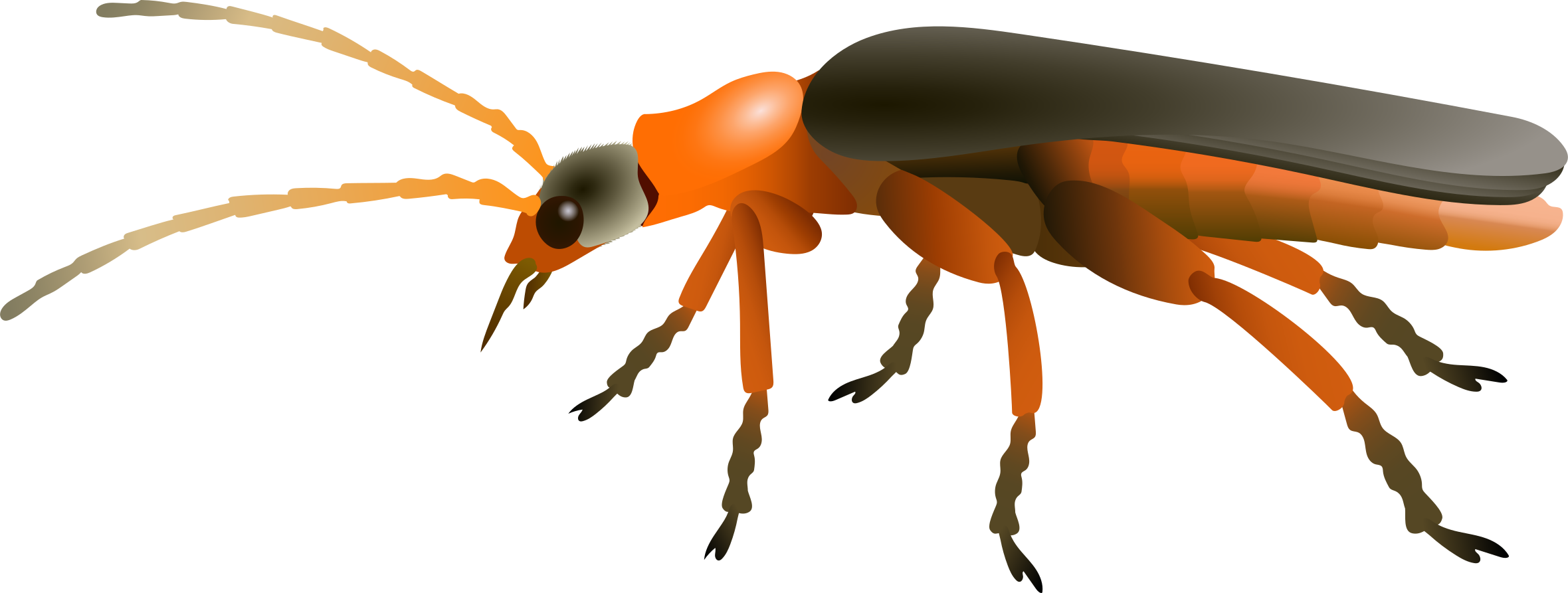
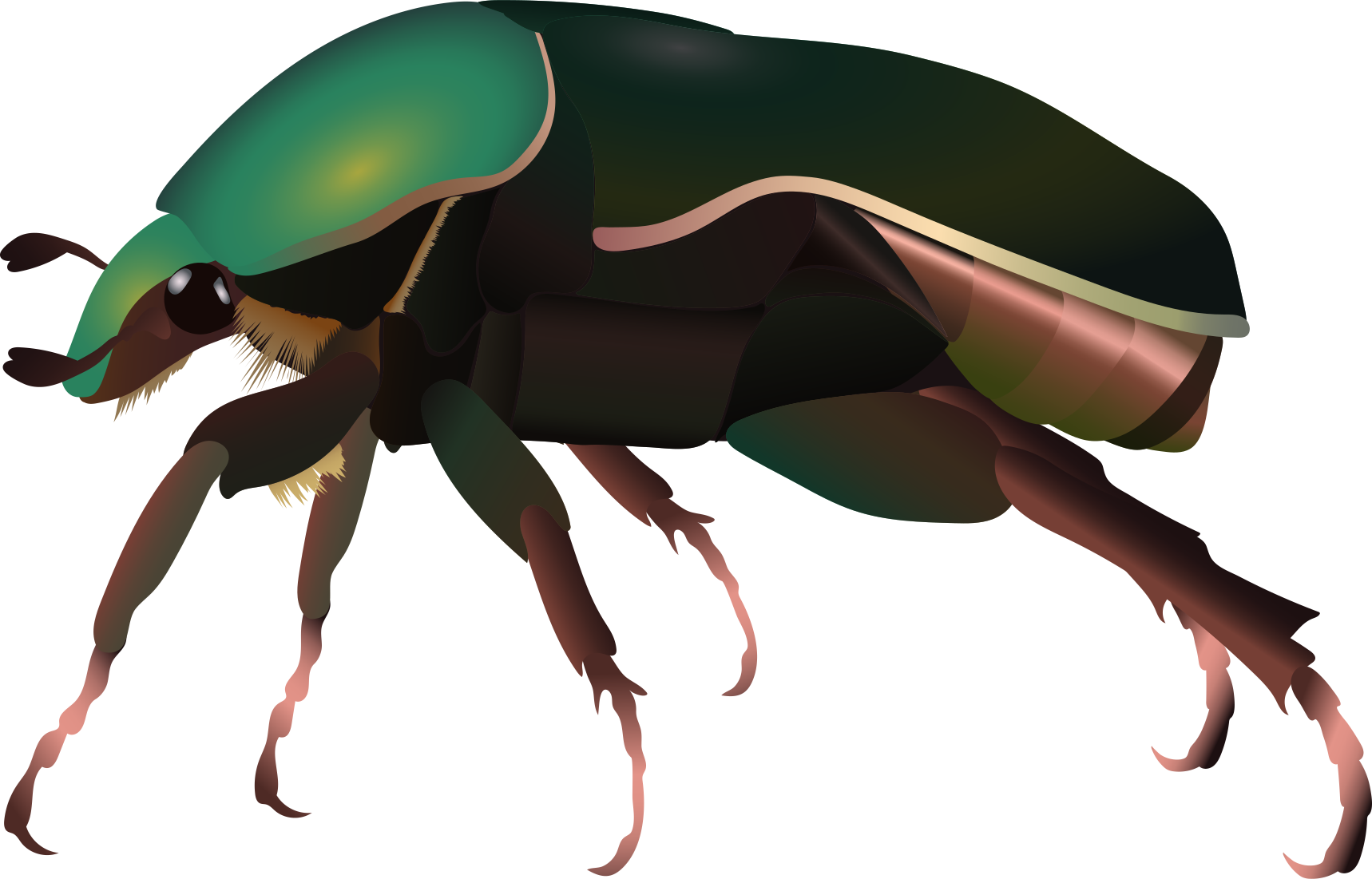
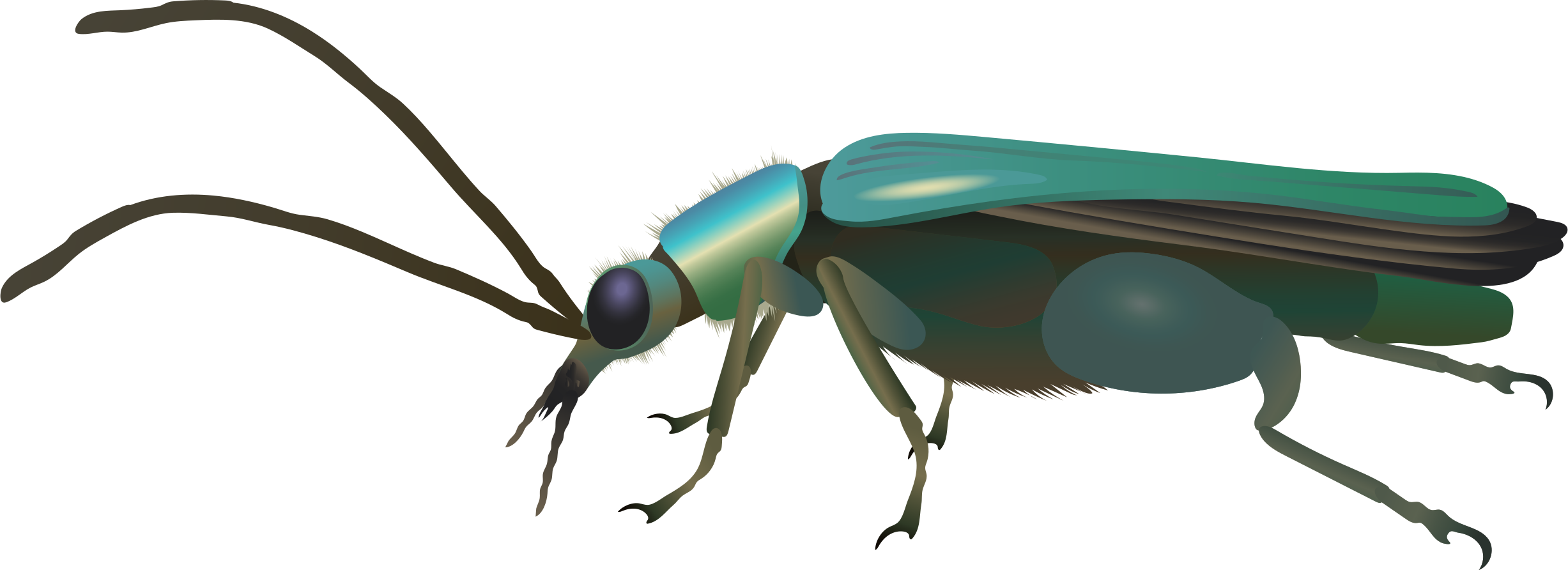
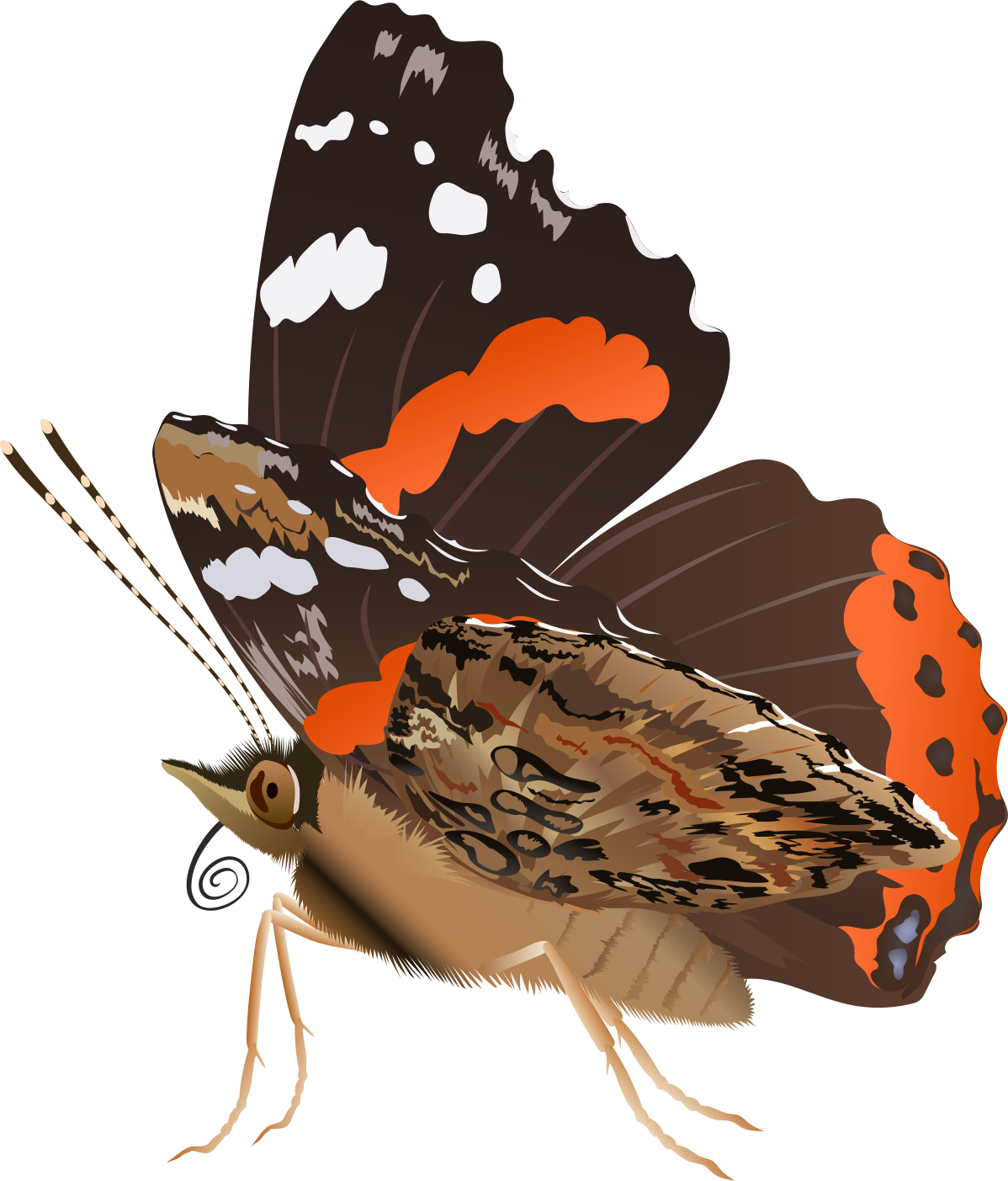
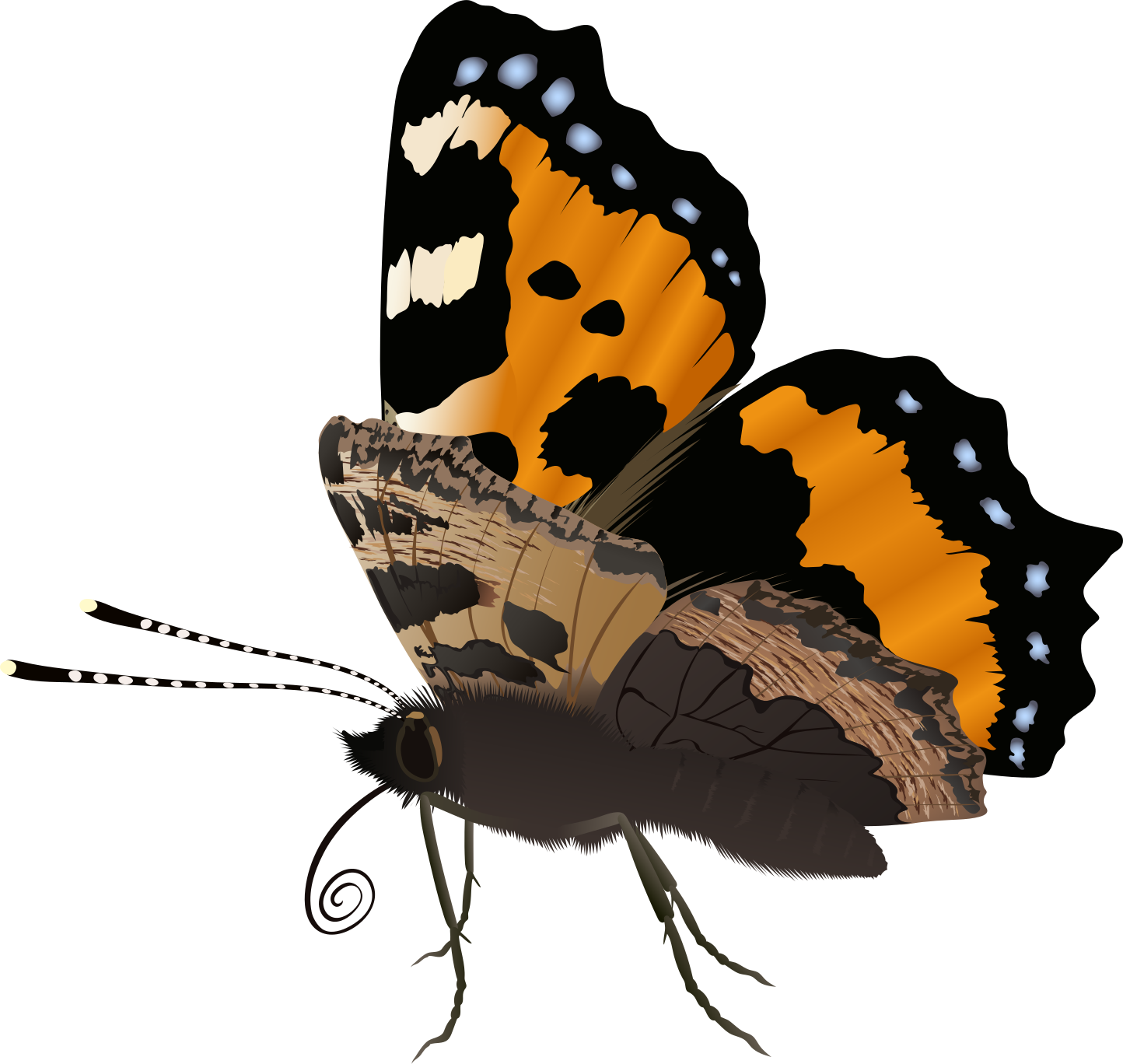
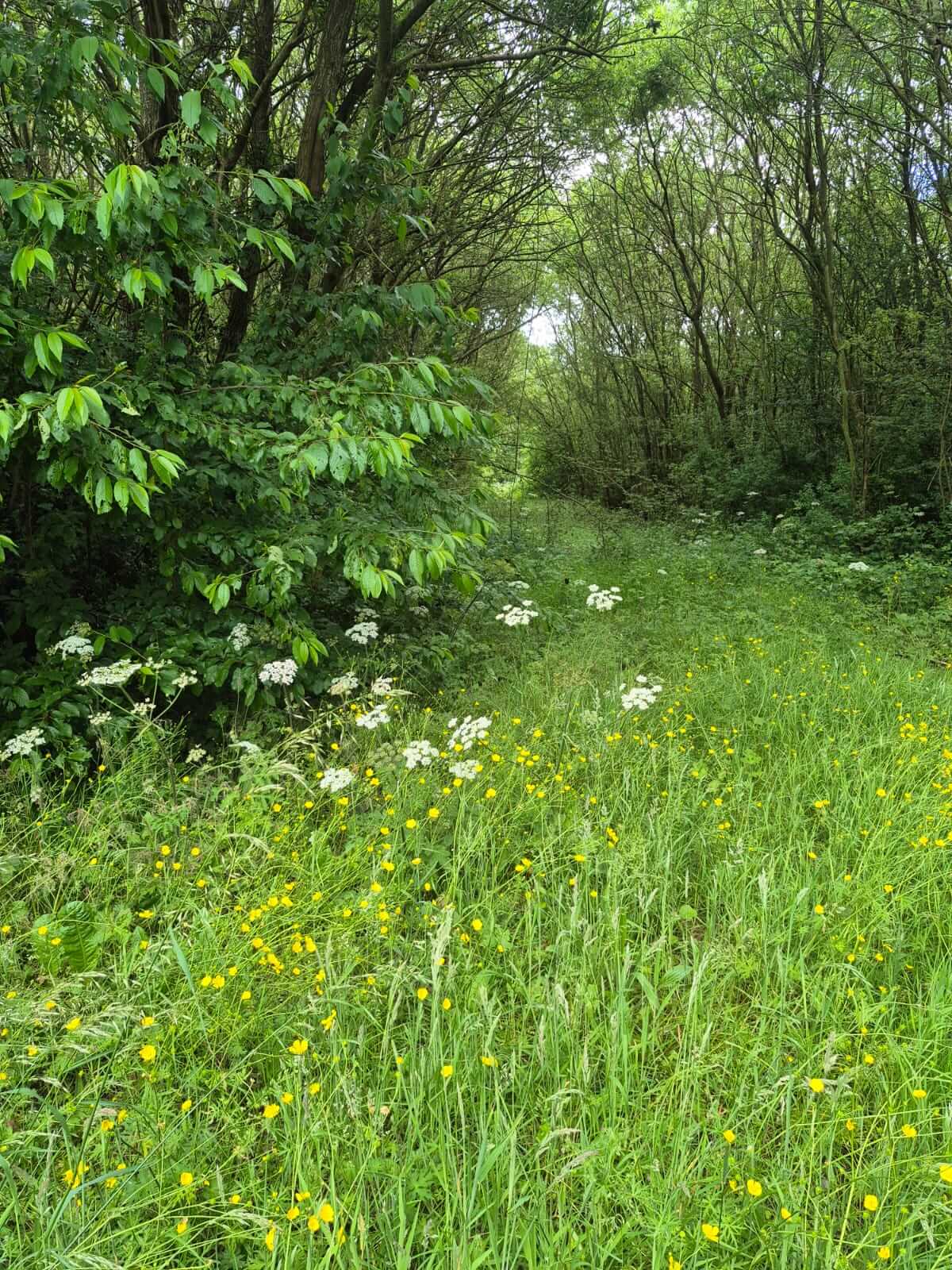
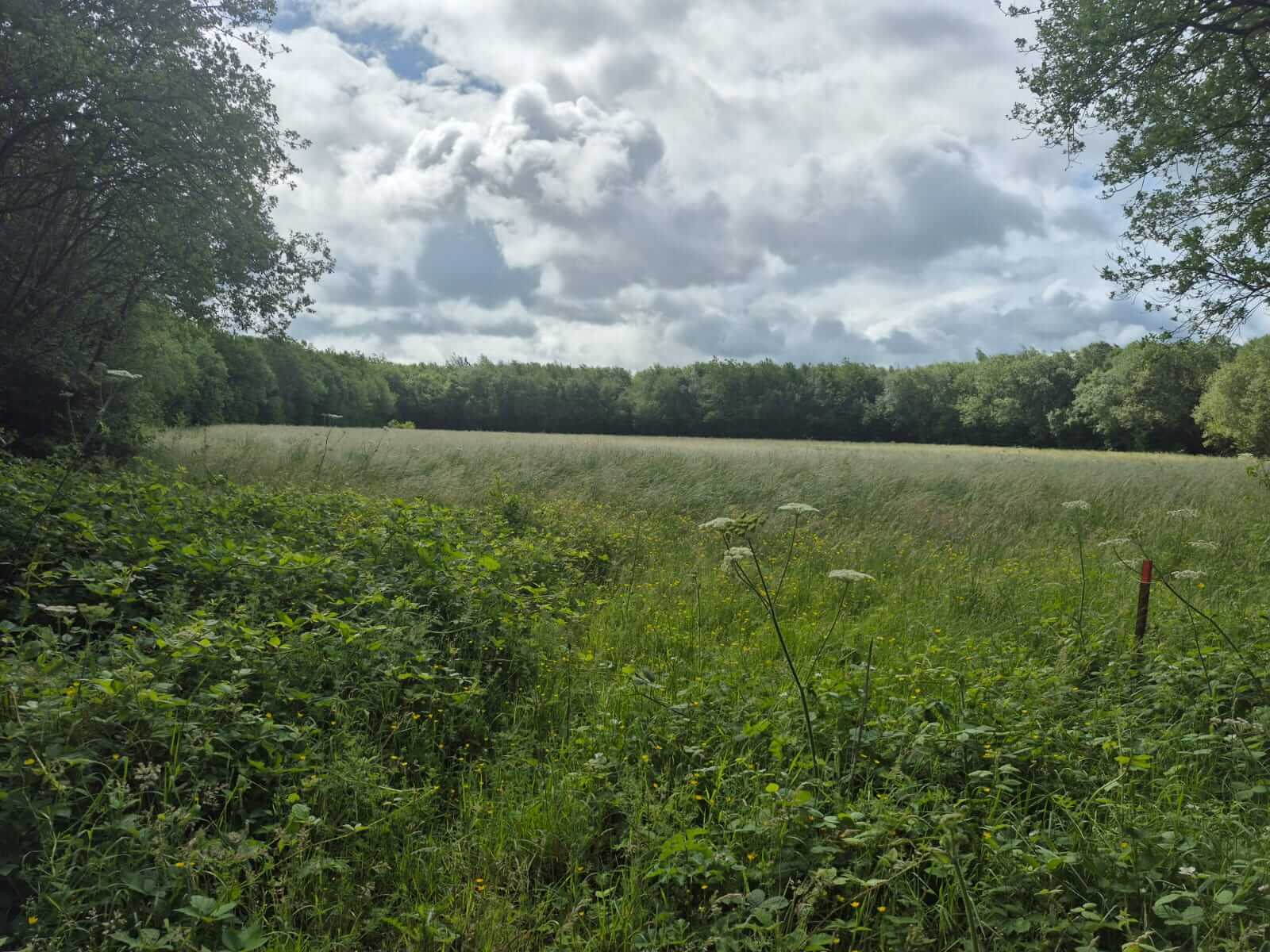
The UK is home to a remarkable diversity of pollinators, from bees and butterflies to hoverflies and beetles, all of which depend on flower-rich habitats for survival. Wildflower meadows are among the most valuable environments for these species. In summer, they become vibrant, living landscapes filled with colour, movement and sound, providing vital nectar, pollen and nesting opportunities that sustain a wide range of wildlife.
However, these habitats have declined dramatically over the past century, leaving many pollinators without the resources they need to thrive. The loss and fragmentation of wildflower-rich grasslands has made it increasingly difficult for insects to feed, breed and move across the landscape, contributing to widespread population declines.
ALDI Stores Ltd's support plays a key role in making this possible, not just by enabling the creation of new wildflower areas, but by helping to ensure they are carefully established and managed over time. Wildflower grasslands require thoughtful stewardship, particularly in their early years, to allow delicate species to establish successfully. Sensitive management, such as controlling aggressive grasses and weeds, and timing mowing or grazing to support flowering and seed-setting, helps these habitats develop into rich, balanced ecosystems.
The benefits of this work extend far beyond pollinators. Restored wildflower grasslands support birds, small mammals and other wildlife, improve soil health, and enhance the natural beauty of the landscape. They also contribute to climate resilience, helping ecosystems better withstand environmental pressures. These projects create corridors of habitat that allow pollinators to move more freely, supporting healthier, more resilient populations.
By supporting wildflower restoration, ALDI Stores Ltd is contributing to reconnecting landscapes, restoring biodiversity and ensuring that the UK’s natural environment can continue to flourish.
Wildflower Restoration in County Durham (1.66 hectares)
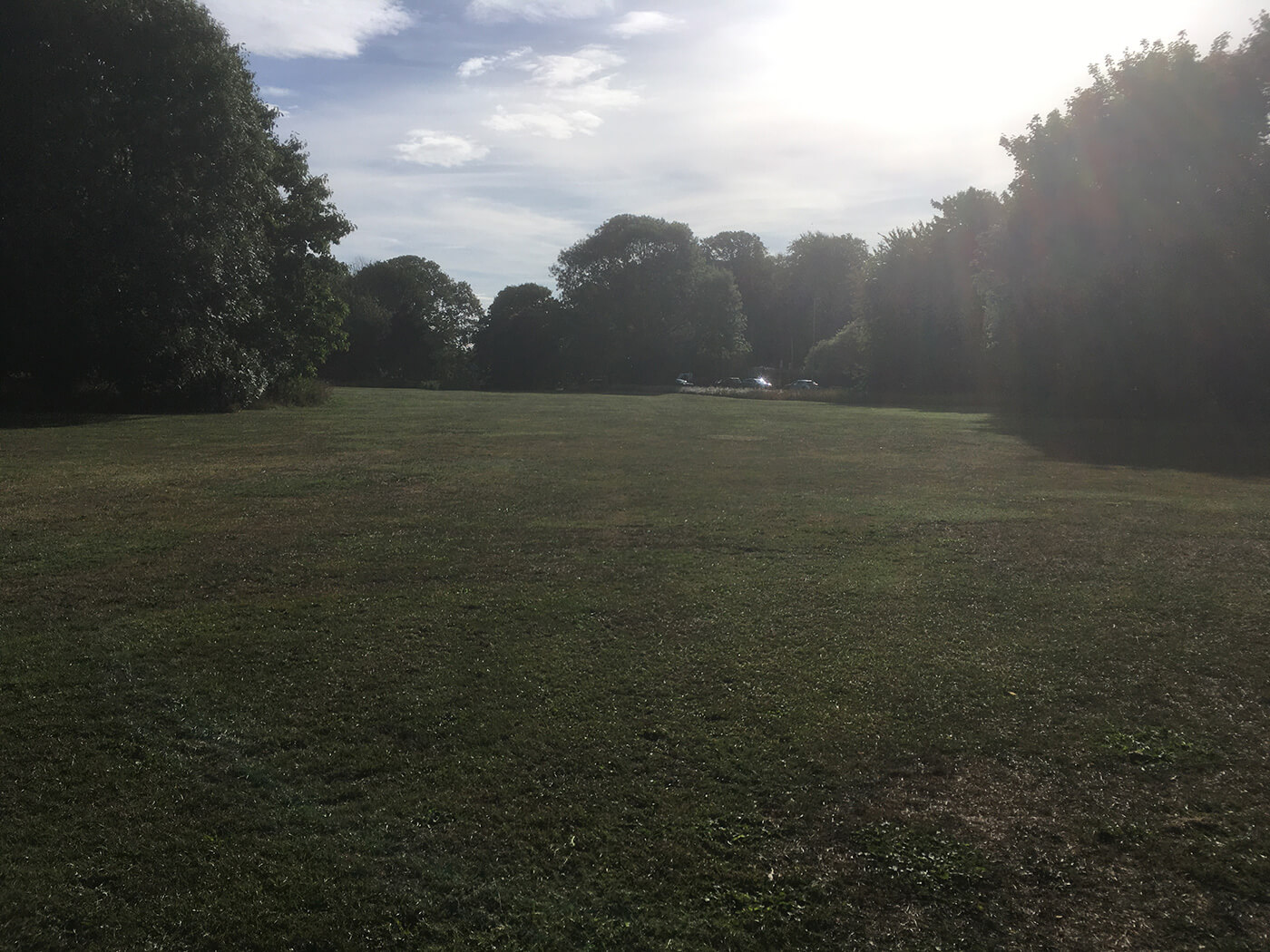
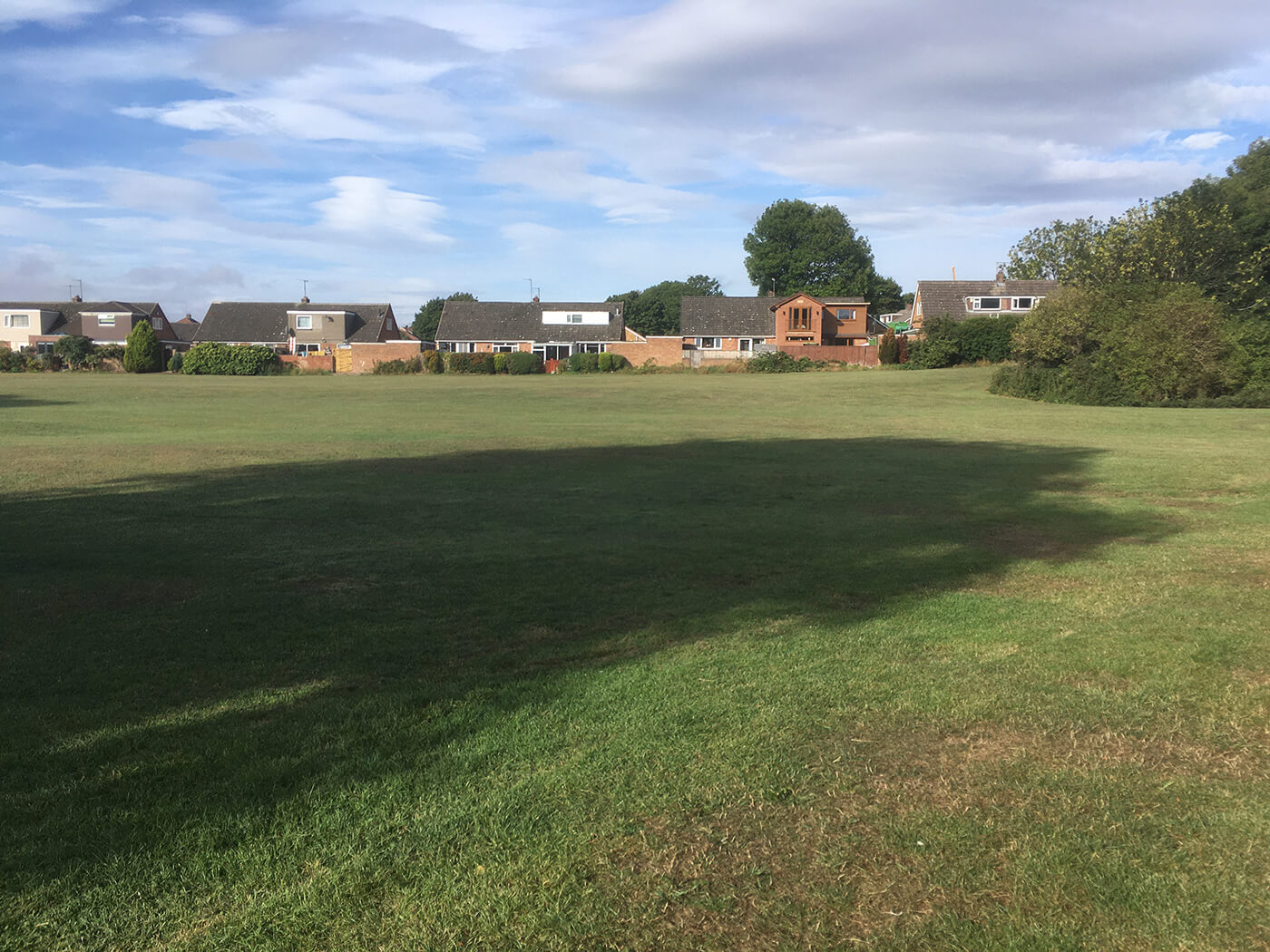
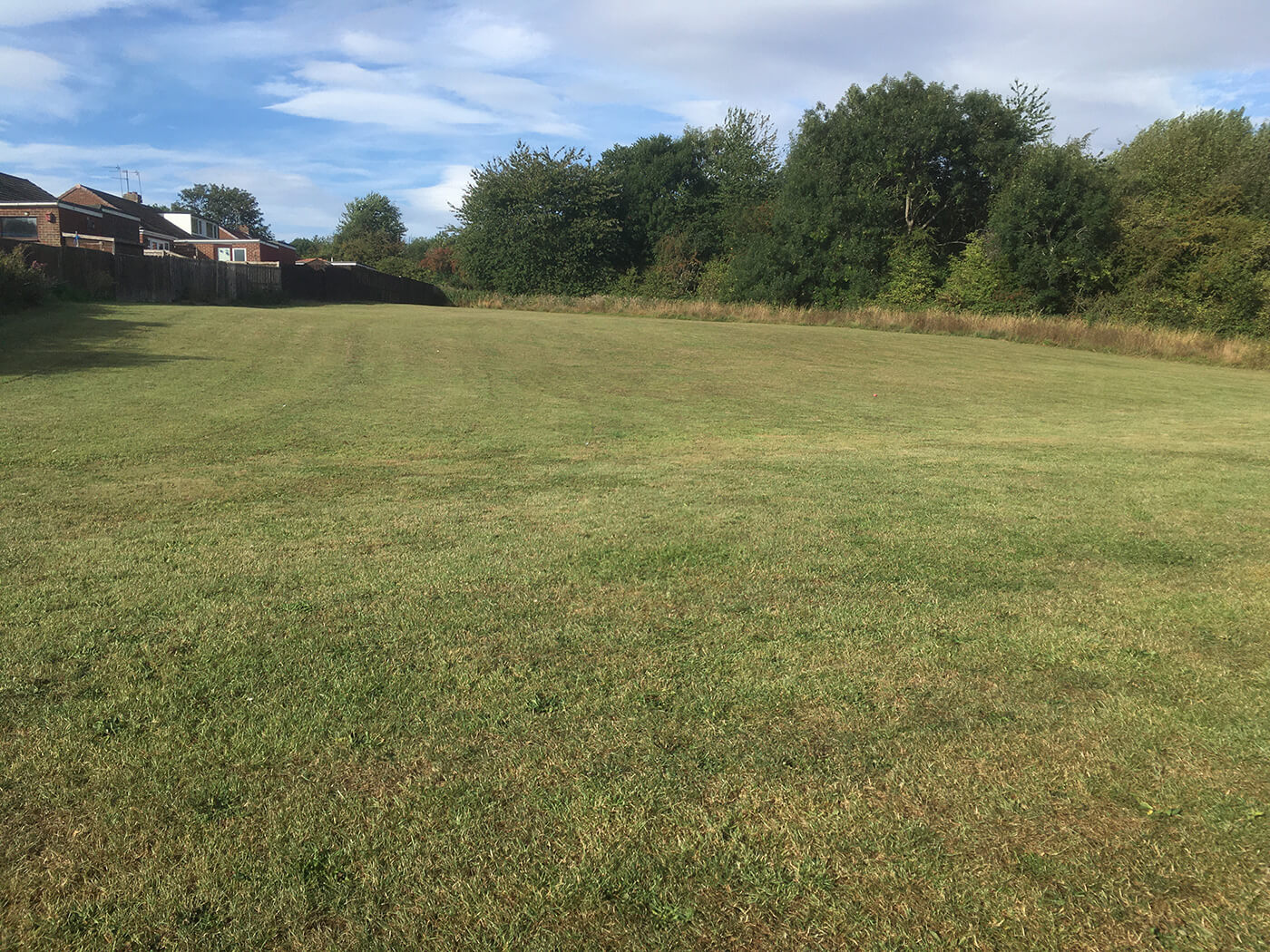
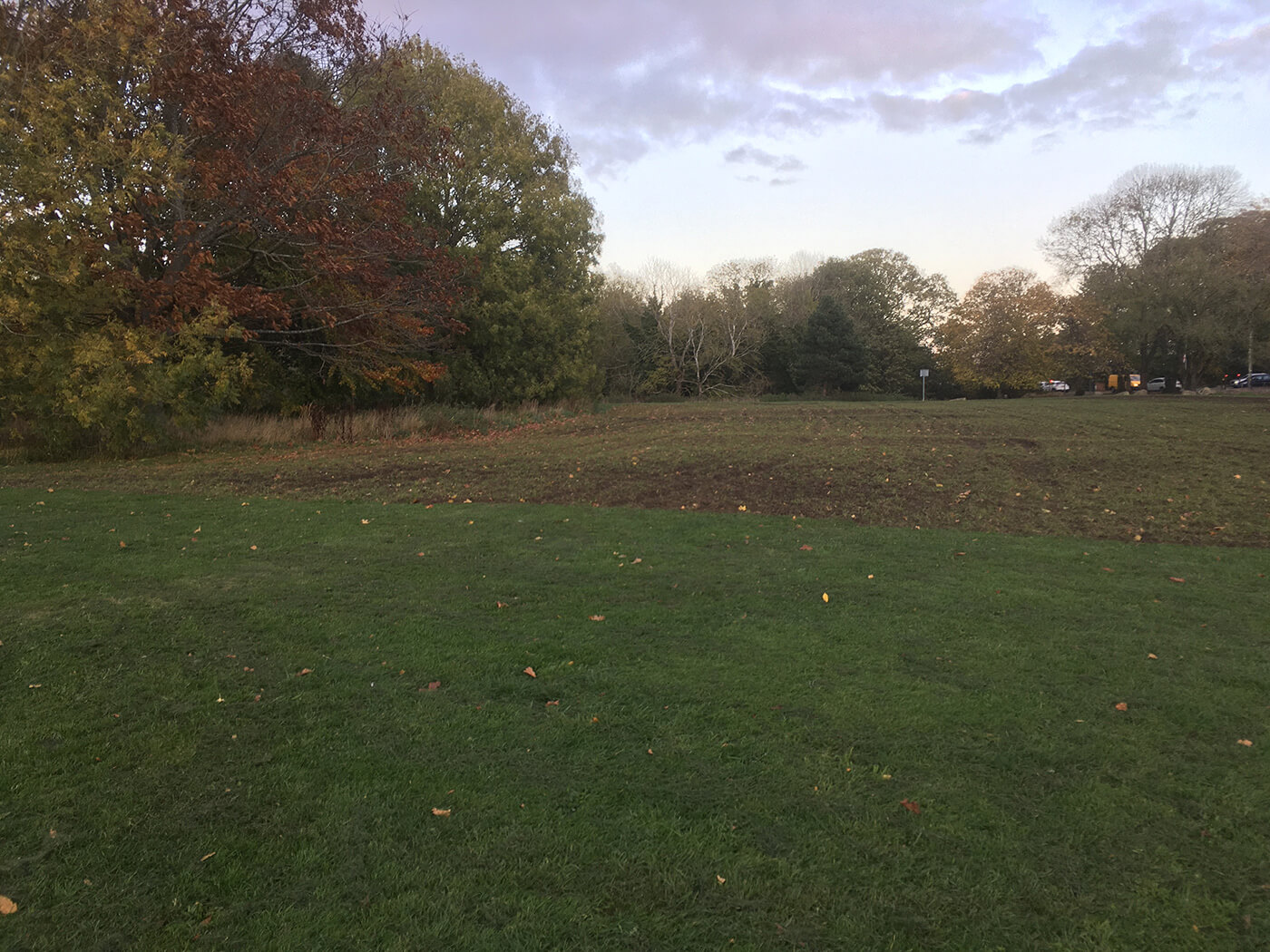
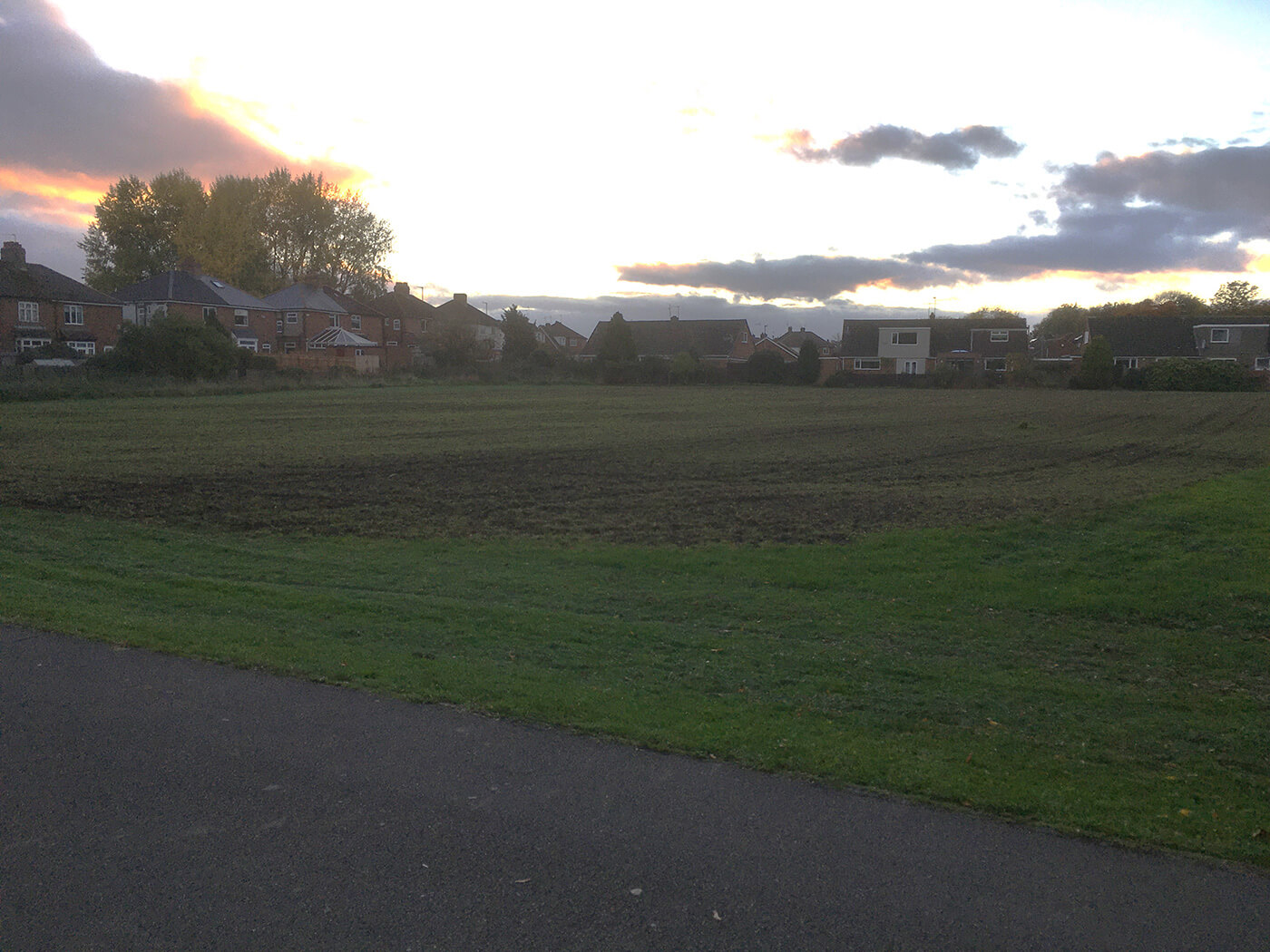
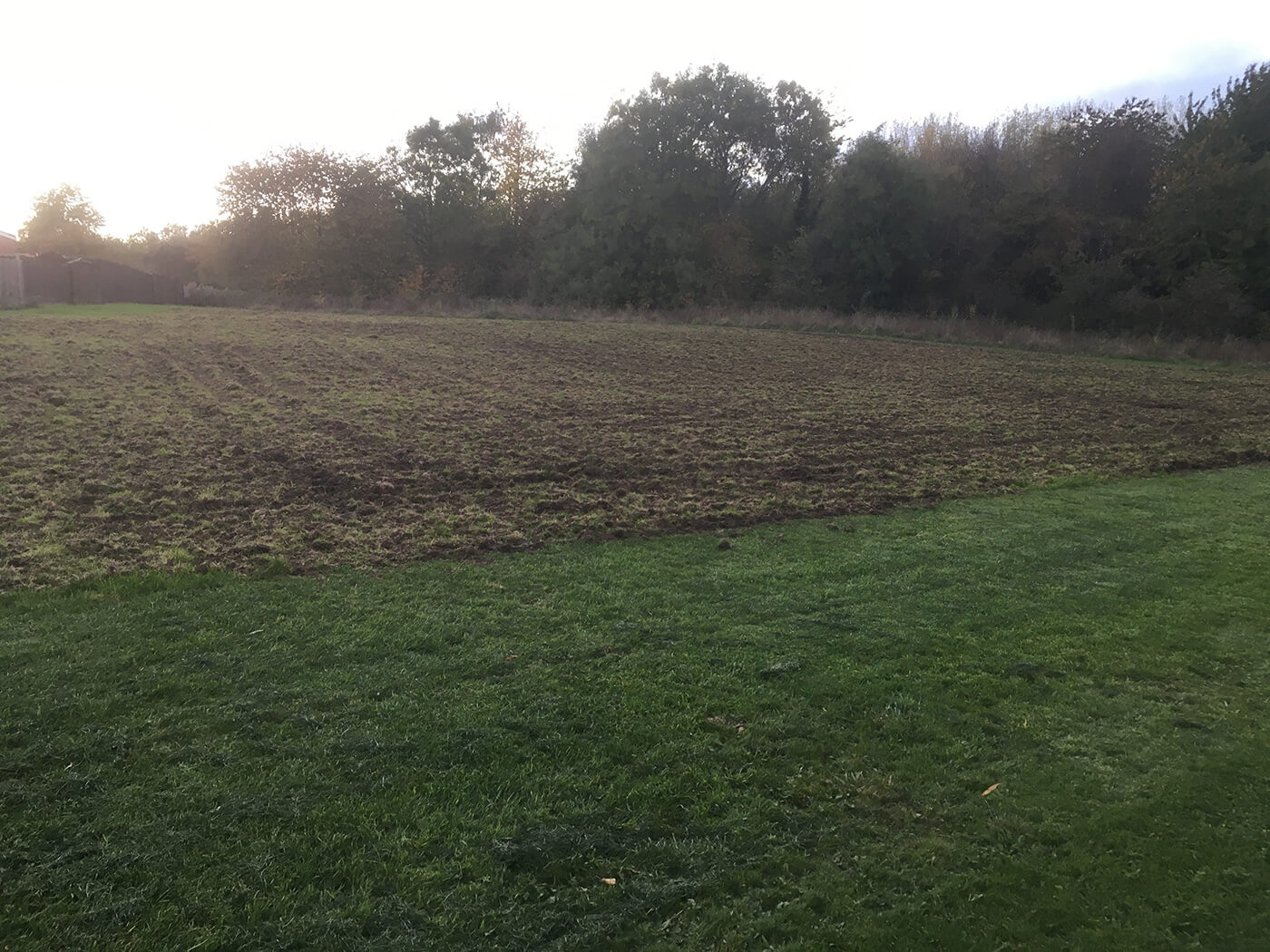
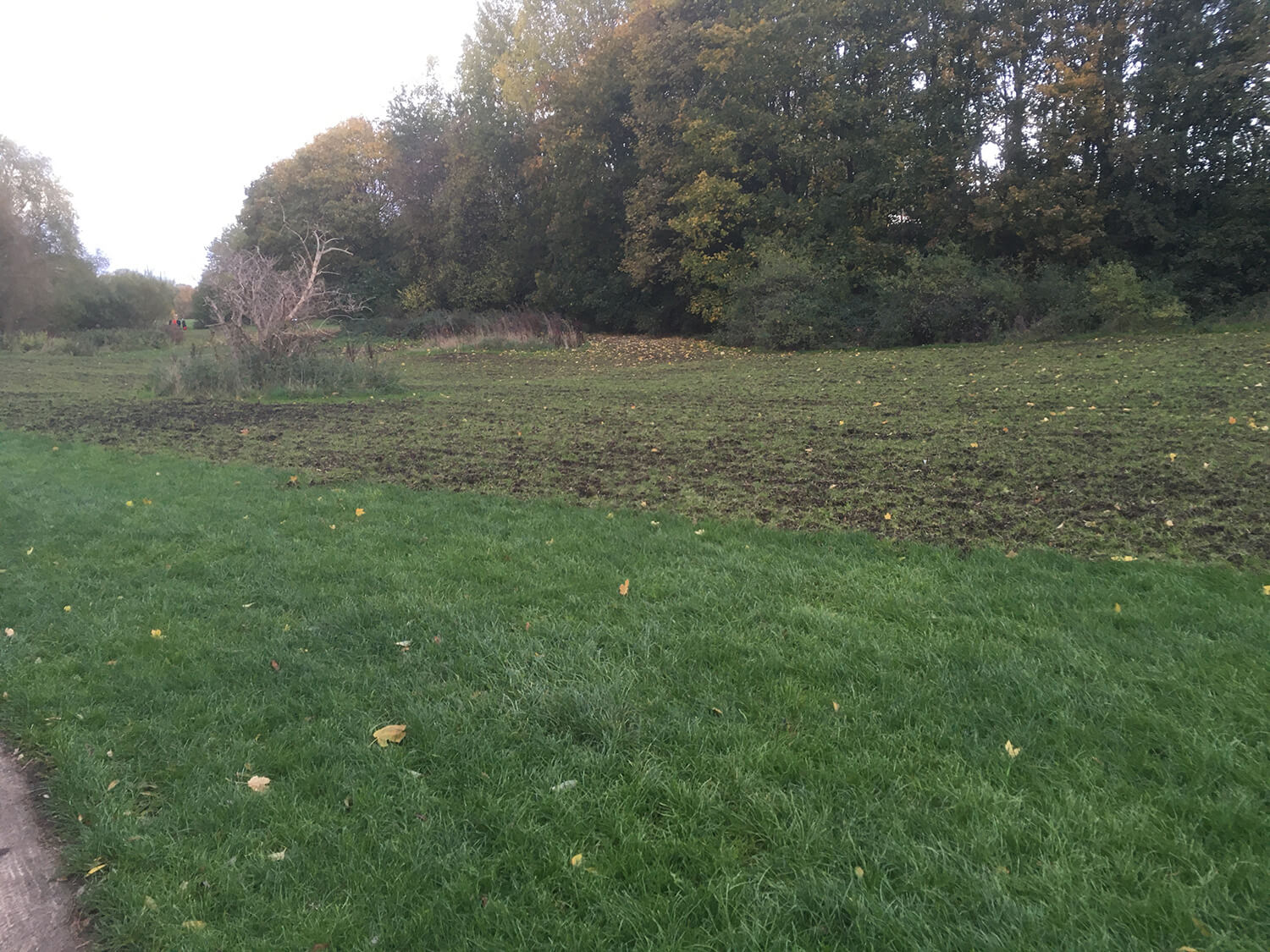
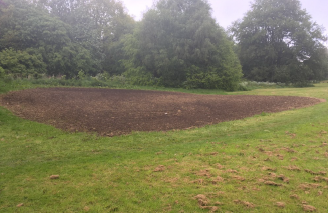
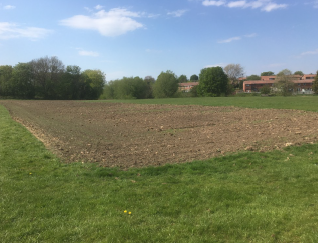
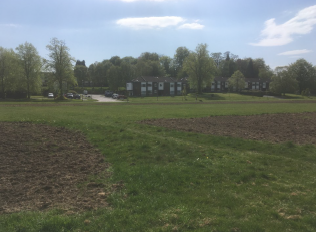
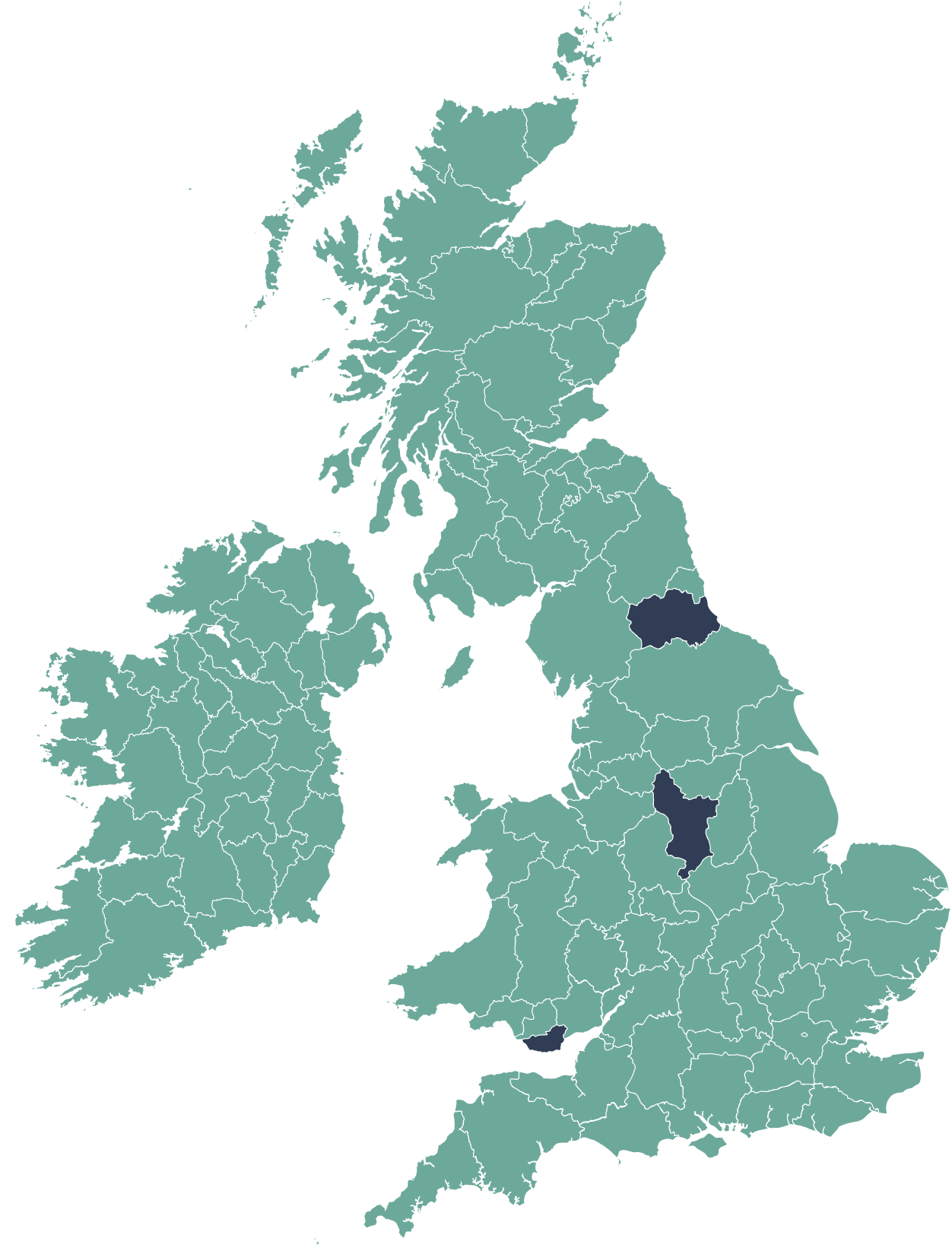
ALDI Stores Ltd has supported the restoration of 1.66 hectares of land across County Durham, helping to create new wildflower meadows that strengthen local biodiversity, connect valuable habitats, and enrich community greenspaces. Working in partnership with Buglife and Conservation Officers, three sites were selected for their ecological potential and strong links to nearby residential areas and ALDI Stores Ltd’s own Regional Office and Distribution Centre.
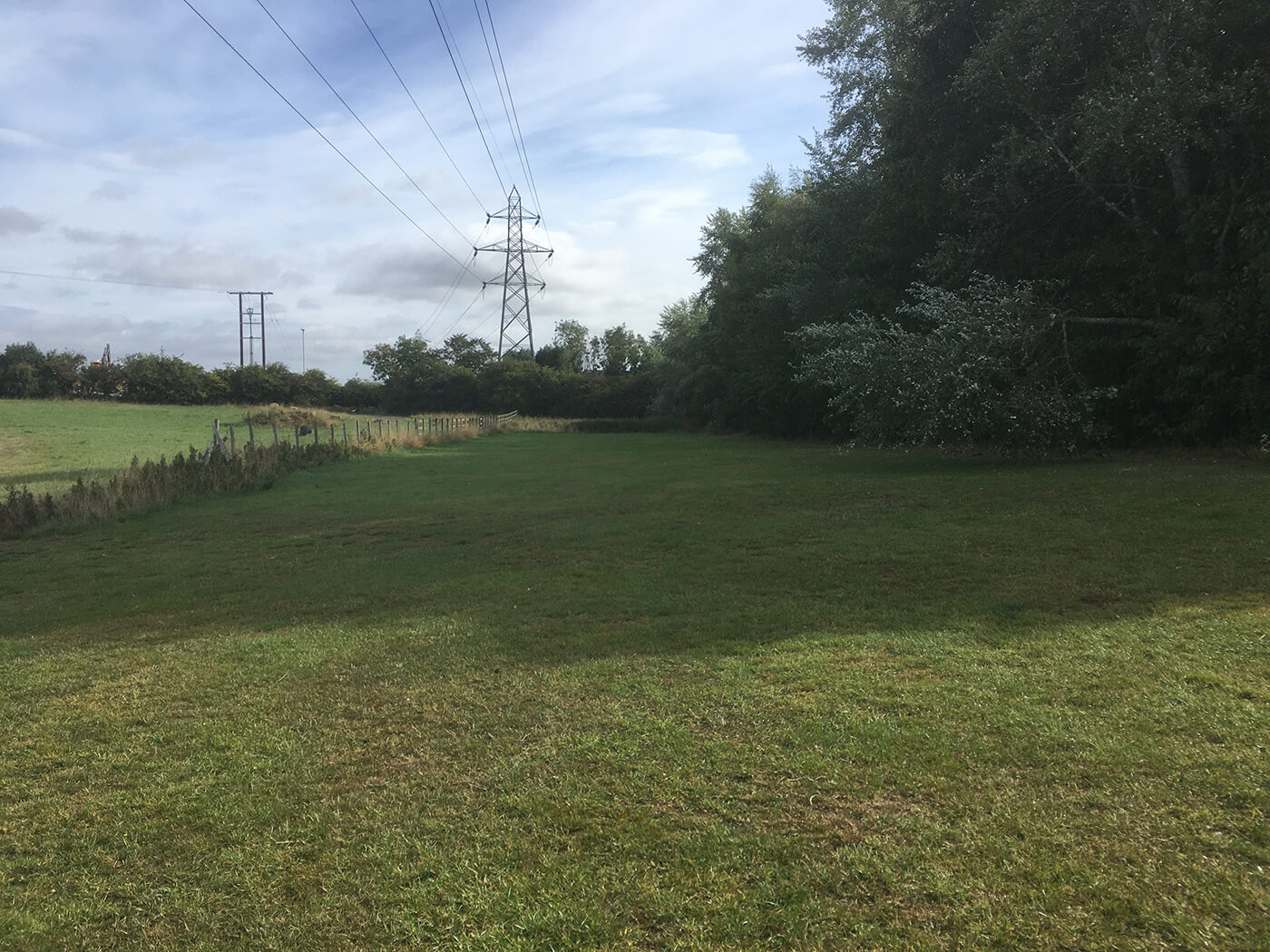
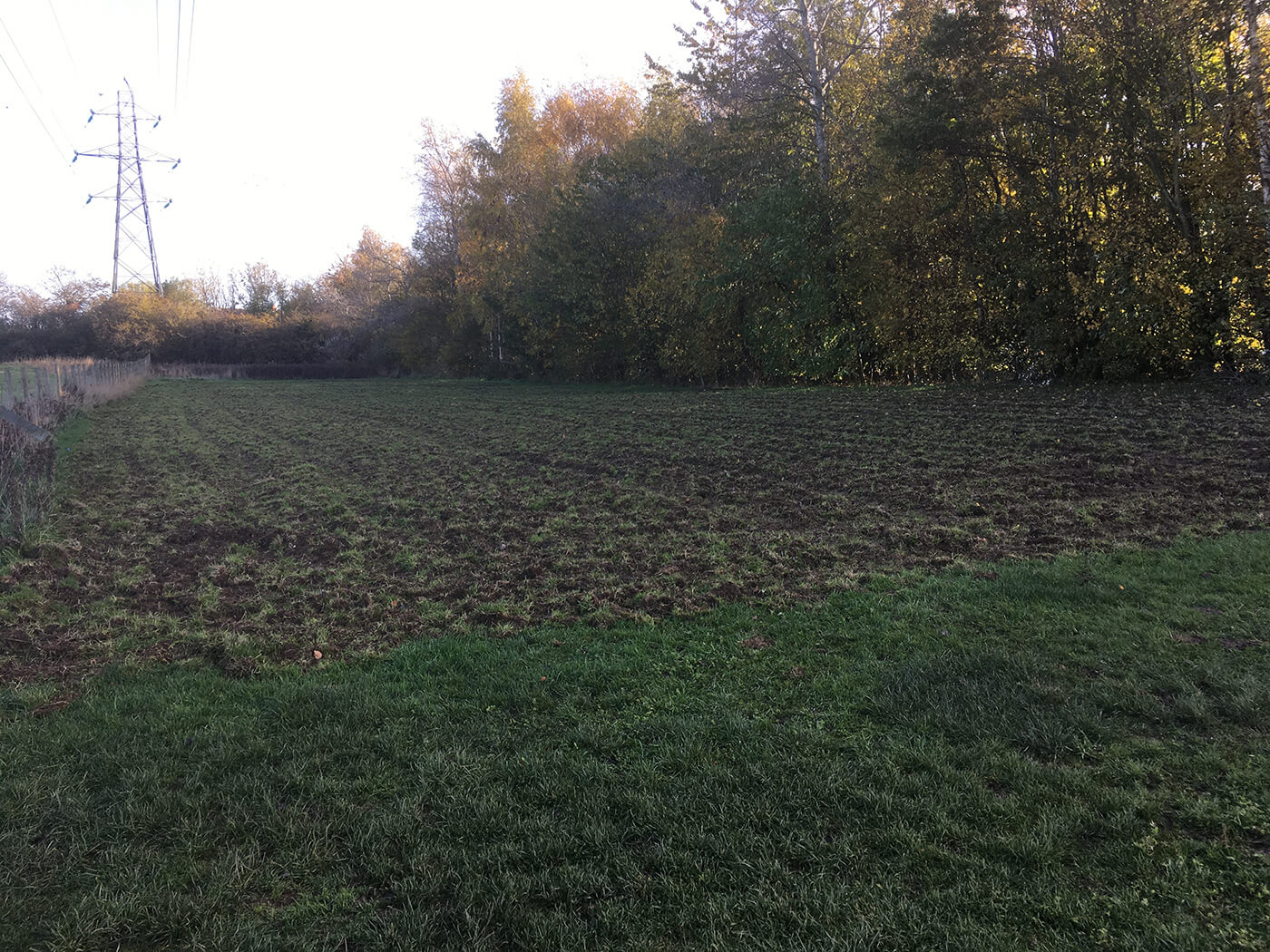
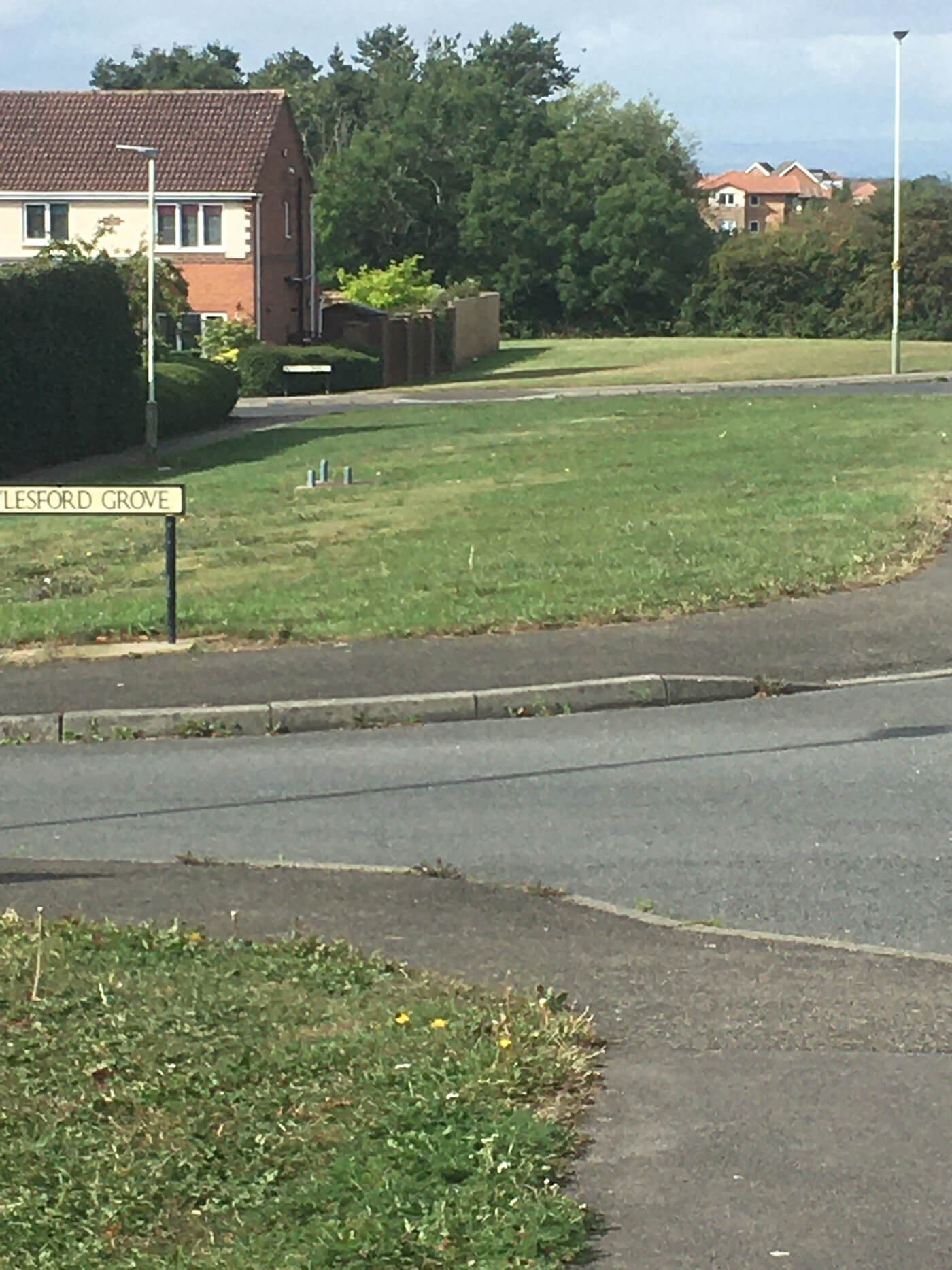
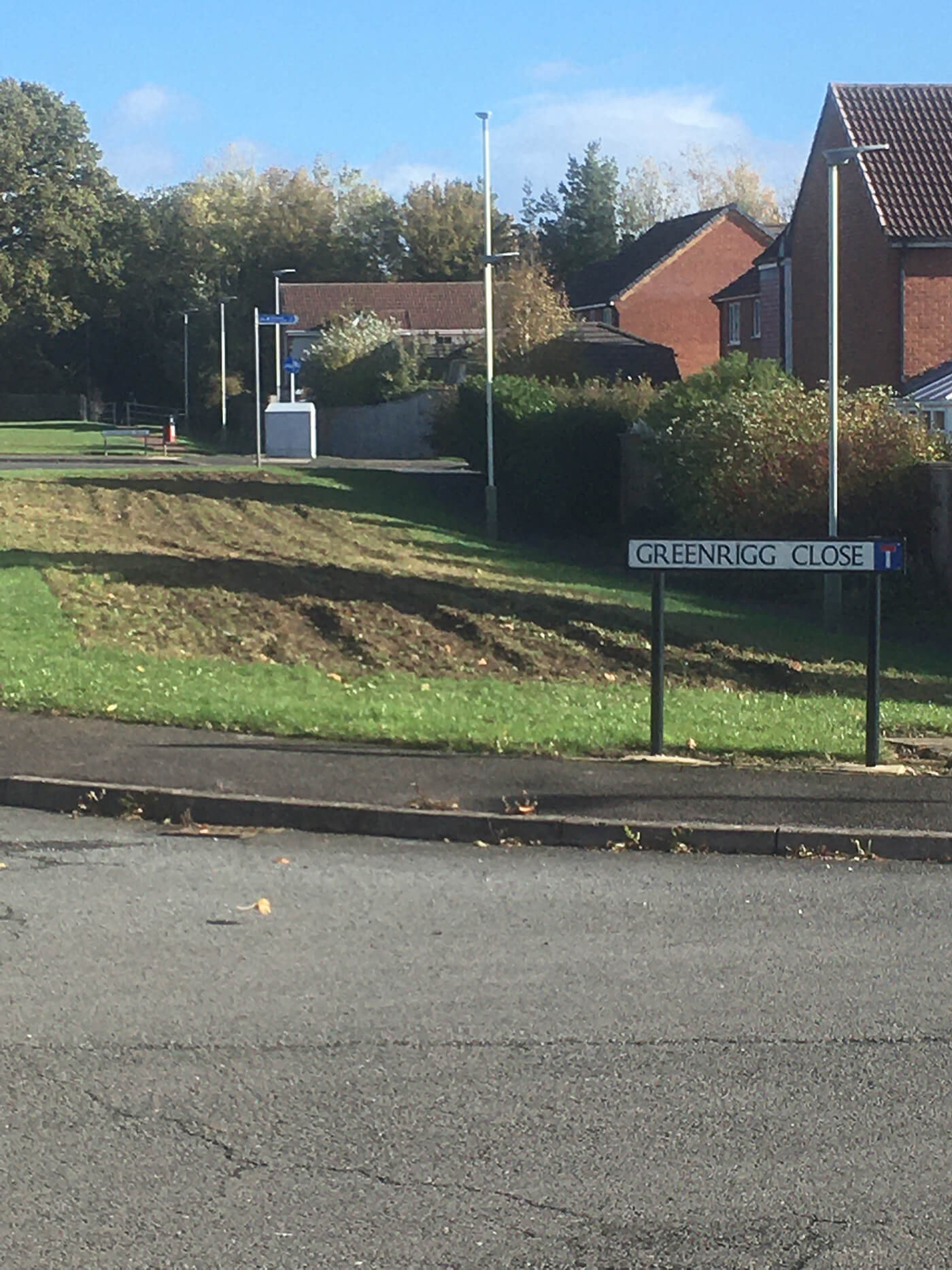
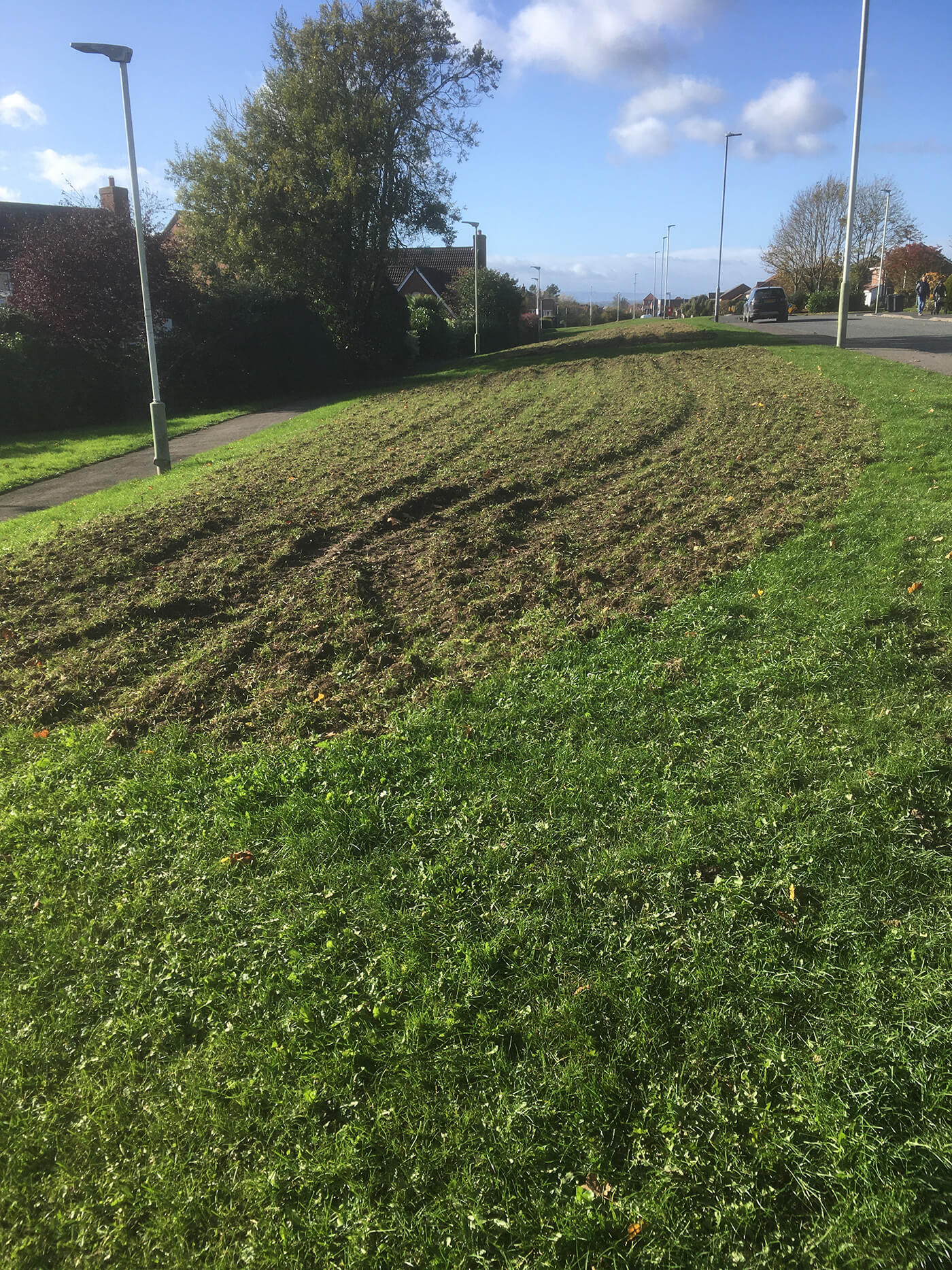
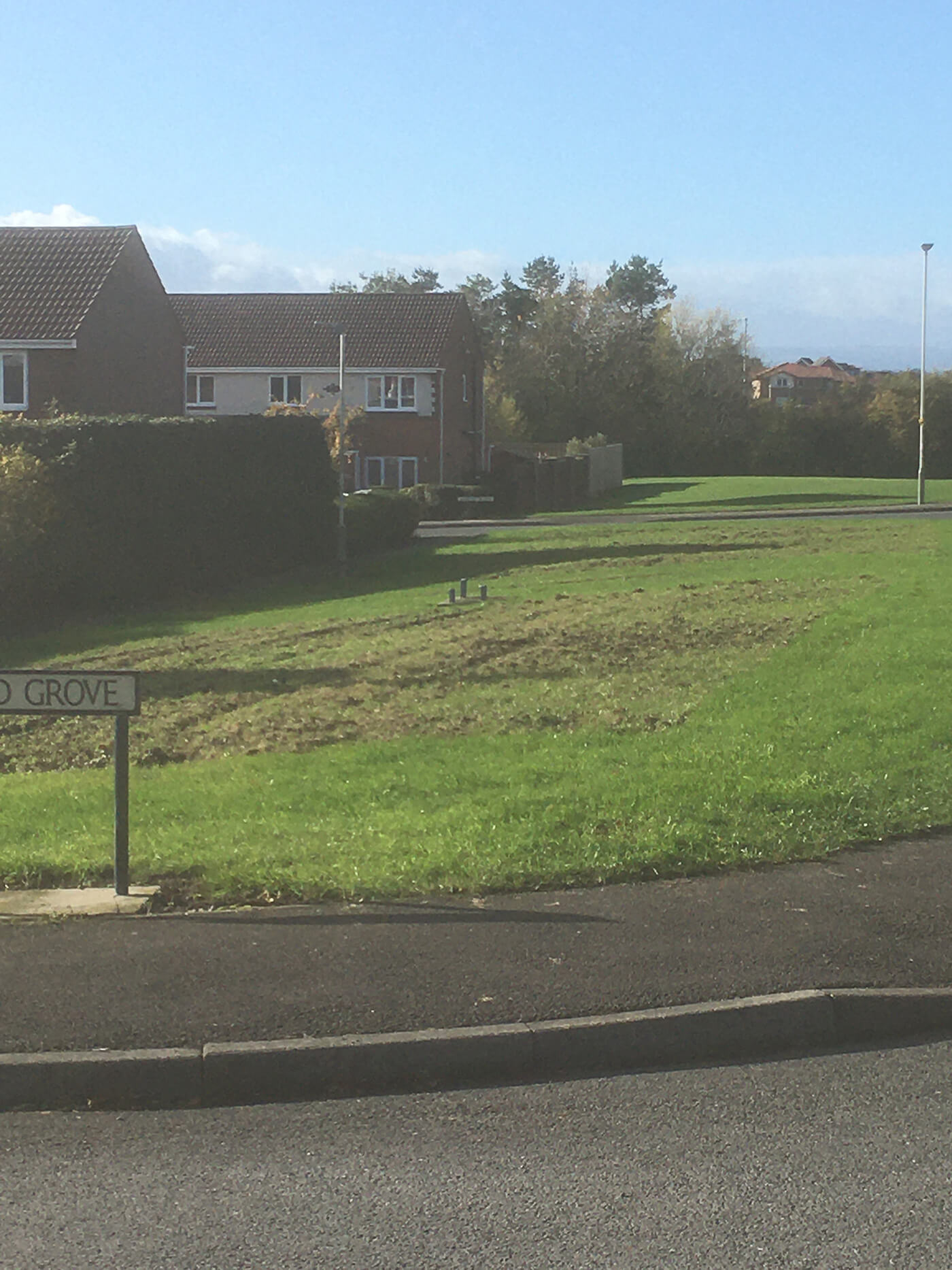
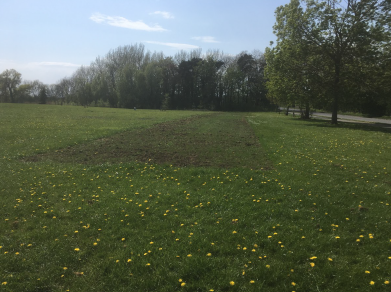
The first site, High Grange, covers 0.34 hectares and sits among residential areas and nearby recreation and football grounds. Just a short walk from ALDI Stores Ltd’s Regional Office and Distribution Centre, the site is easily accessible to both the public and ALDI Stores Ltd colleagues, who will be able to watch the meadow establish and change throughout the seasons.
Its location within a busy community makes it an ideal setting for introducing wildflower-rich habitat that benefits local pollinators and provides an attractive natural feature for residents and passers-by.
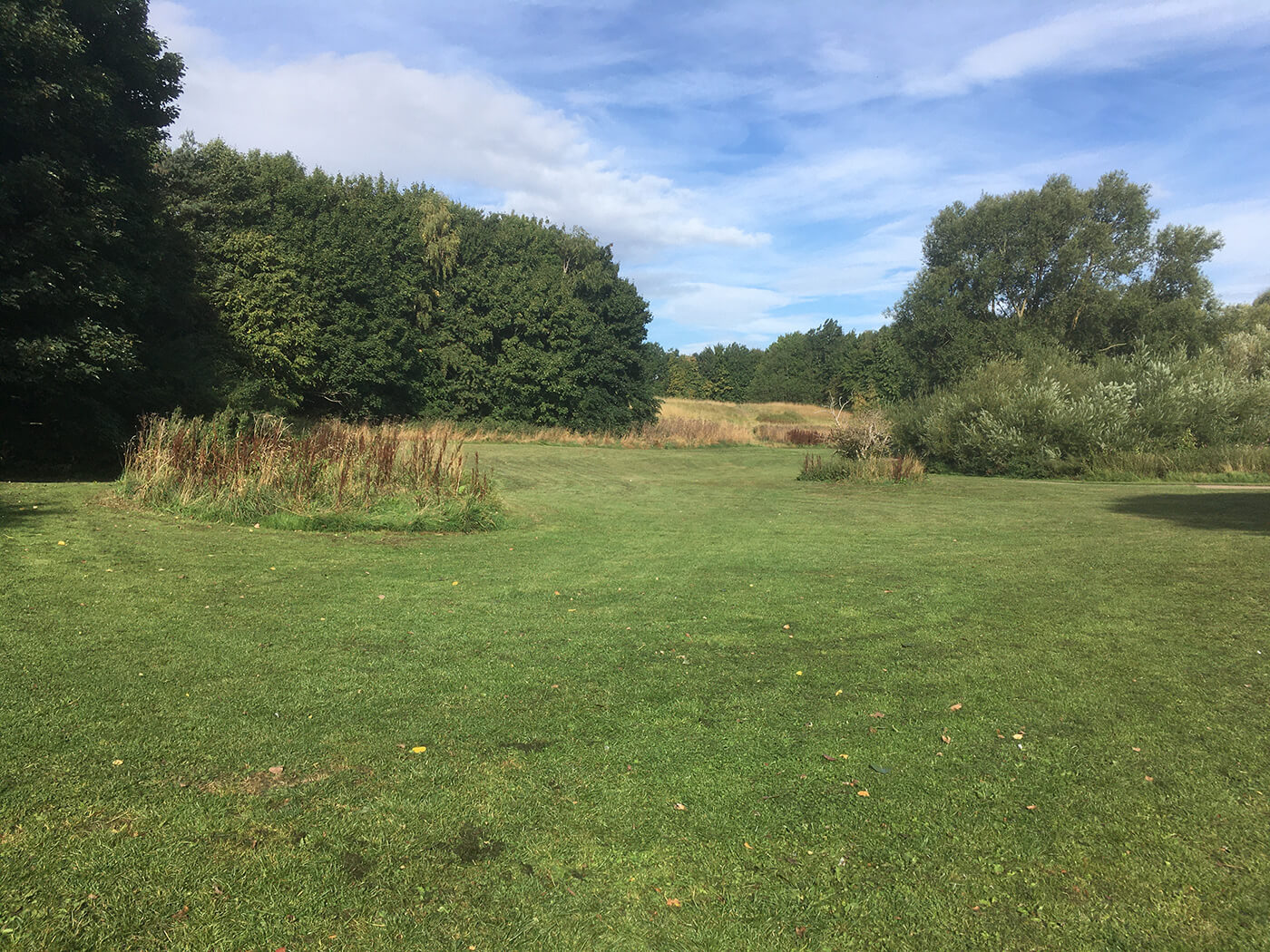
The largest site, Rockwell Local Nature Reserve, spans 1.24 hectares. This varied landscape - made up of woodland, ponds, and urban parkland- is situated on the edge of a large residential area and is shaped by the River Skerne running through it.
Located around a 17-minute drive from the ALDI Stores Ltd Regional Office and Distribution Centre, the Reserve offers a valuable opportunity for habitat enhancement within an already well-used natural space. The introduction of wildflower meadow areas strengthens the existing mosaic of habitats and supports a diversity of pollinators, birds, and other wildlife.
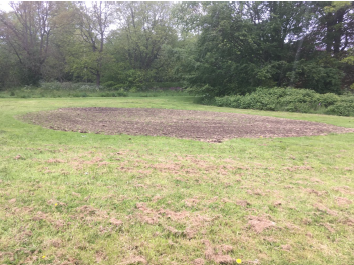
Harrowgate Hill Play Area adds a further 0.08 hectares to the overall project. Surrounded by woodland, residential housing, and areas of urban parkland, this small but important site lies around 12 minutes from the Regional Office and Distribution Centre.
Despite its modest size, the meadow will contribute meaningfully to habitat connectivity and bring pollinator-friendly planting to a community space frequently used by local families.
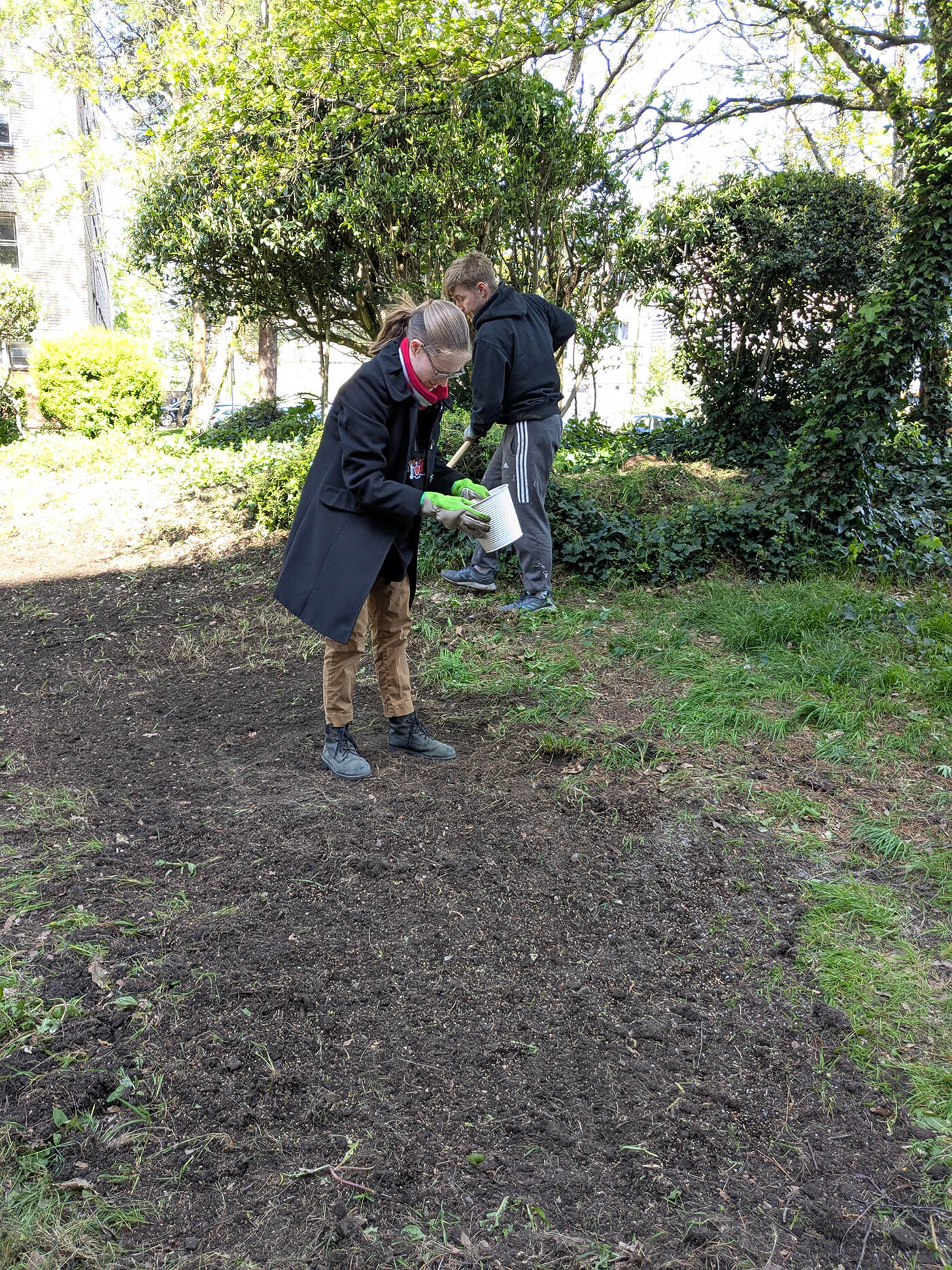
Following consultation with Buglife Conservation Officers, a Loam and Alluvial seed mix was selected as the most suitable option across all three locations.
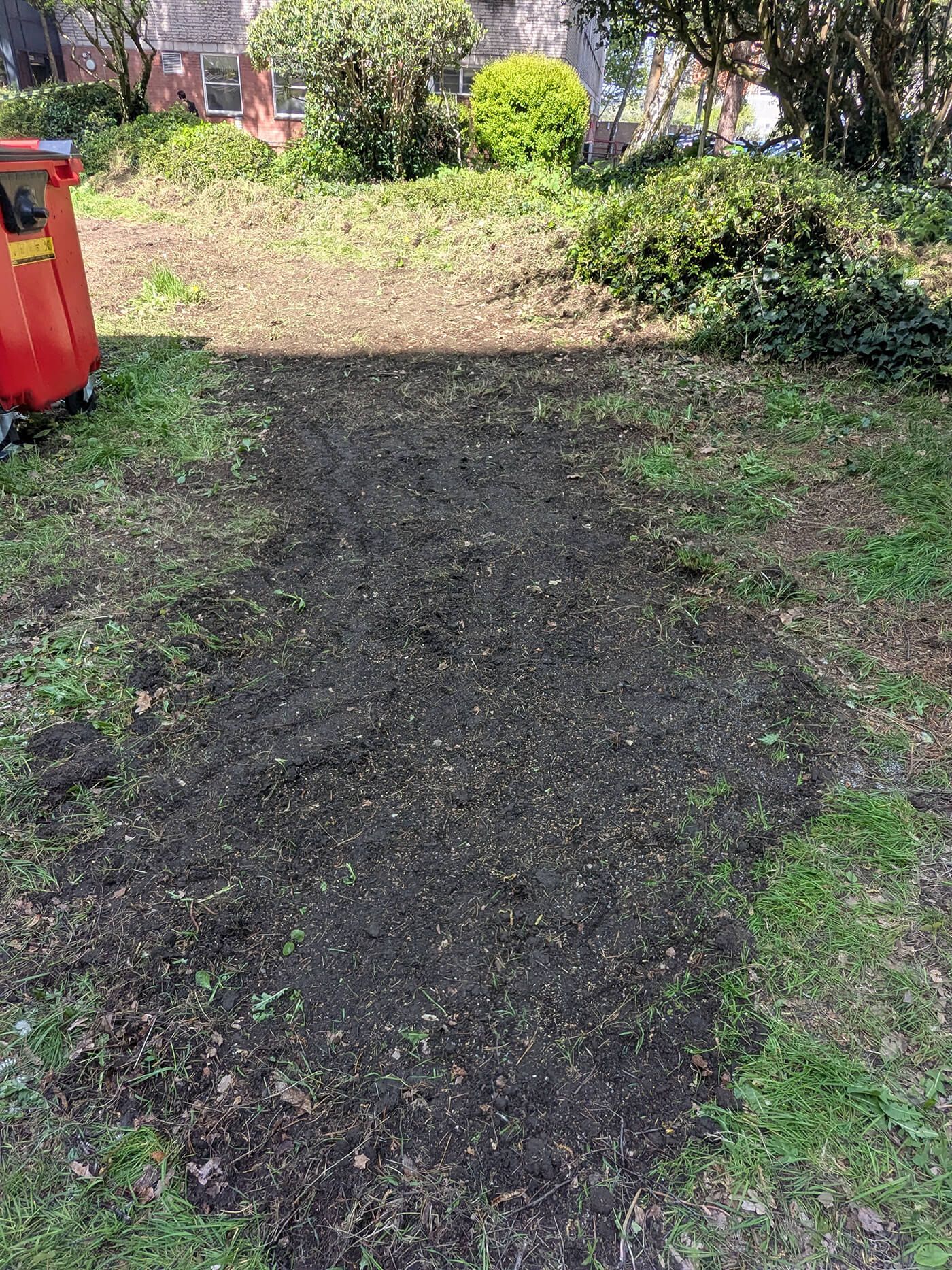
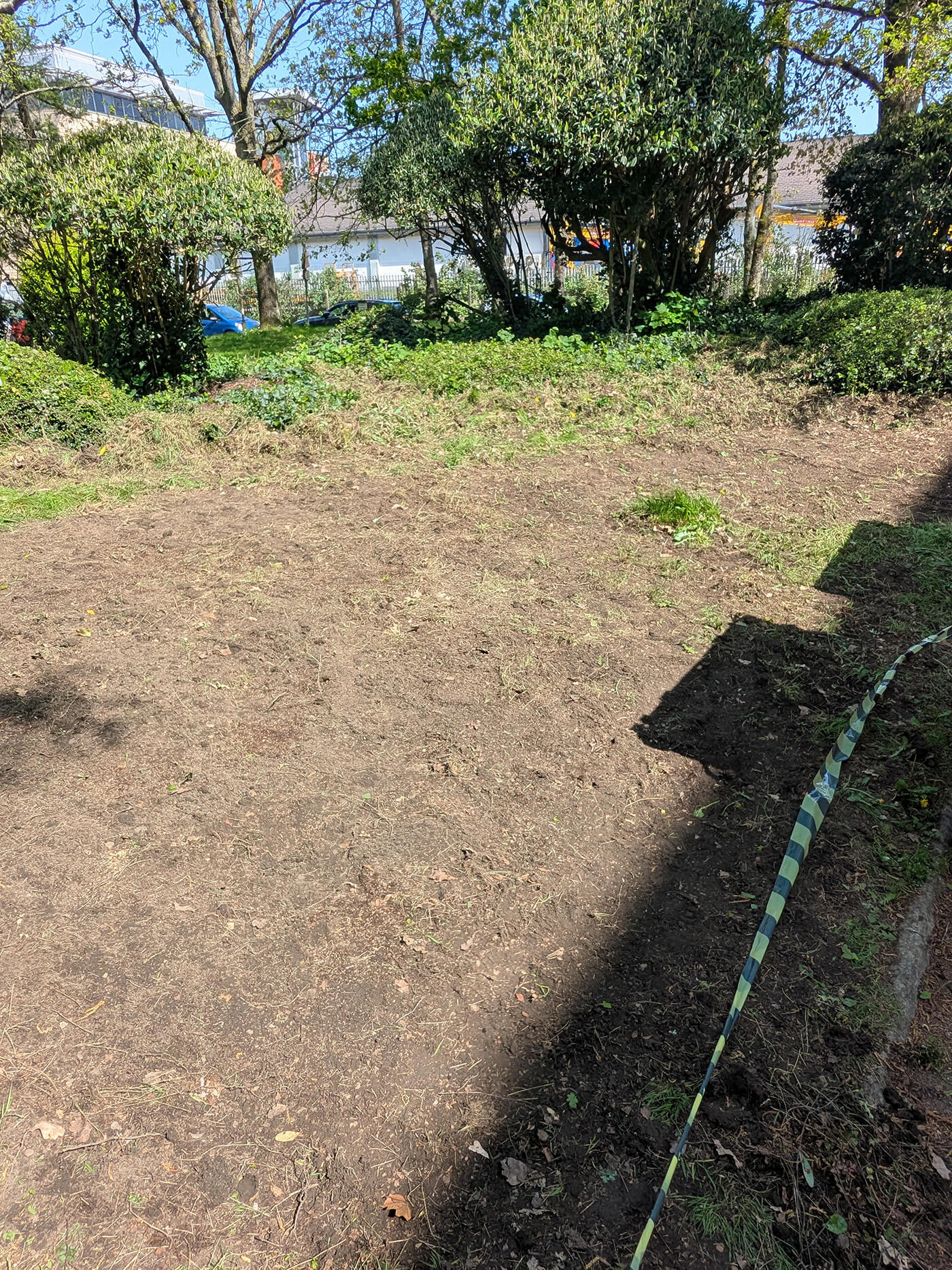
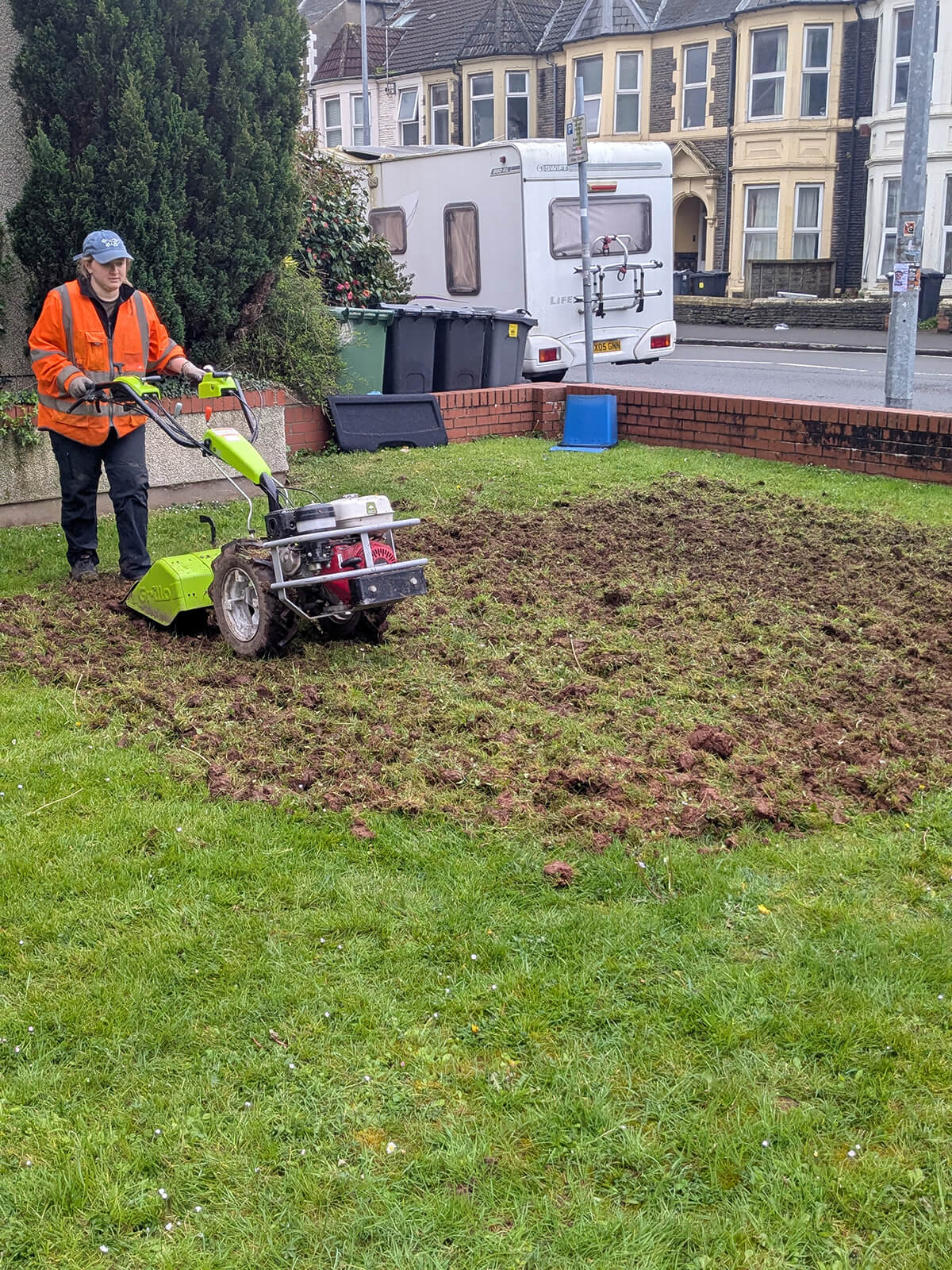
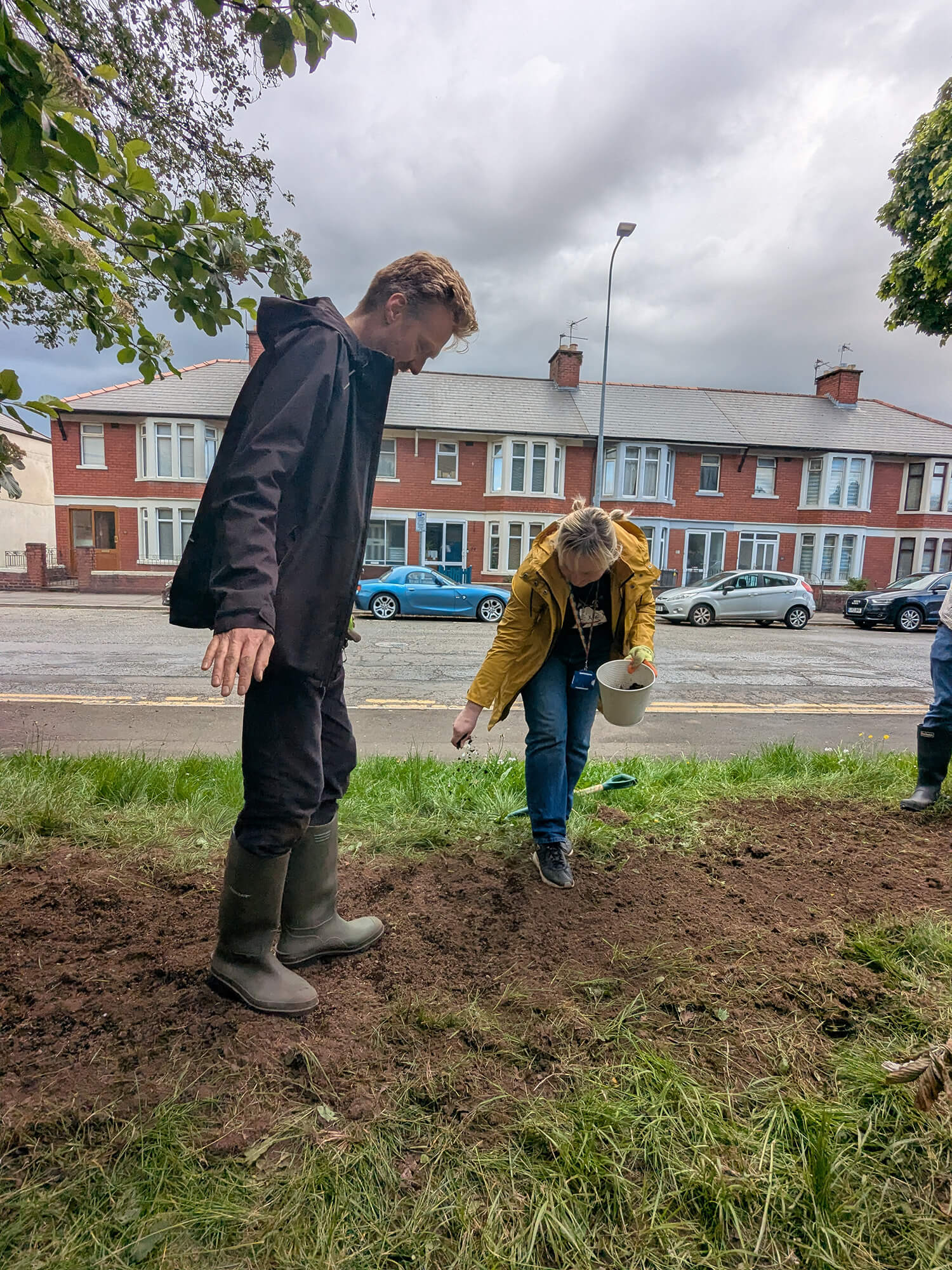
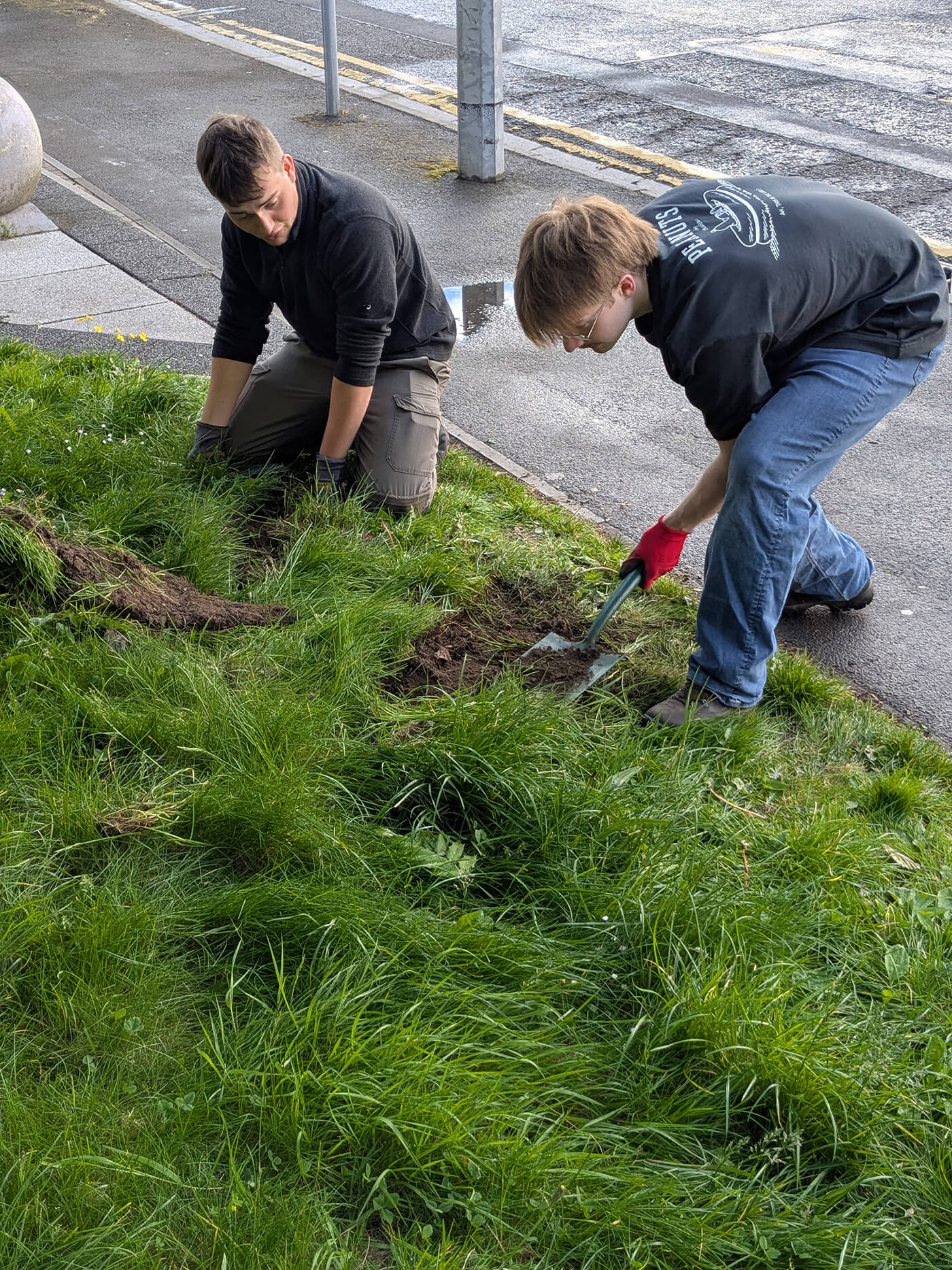
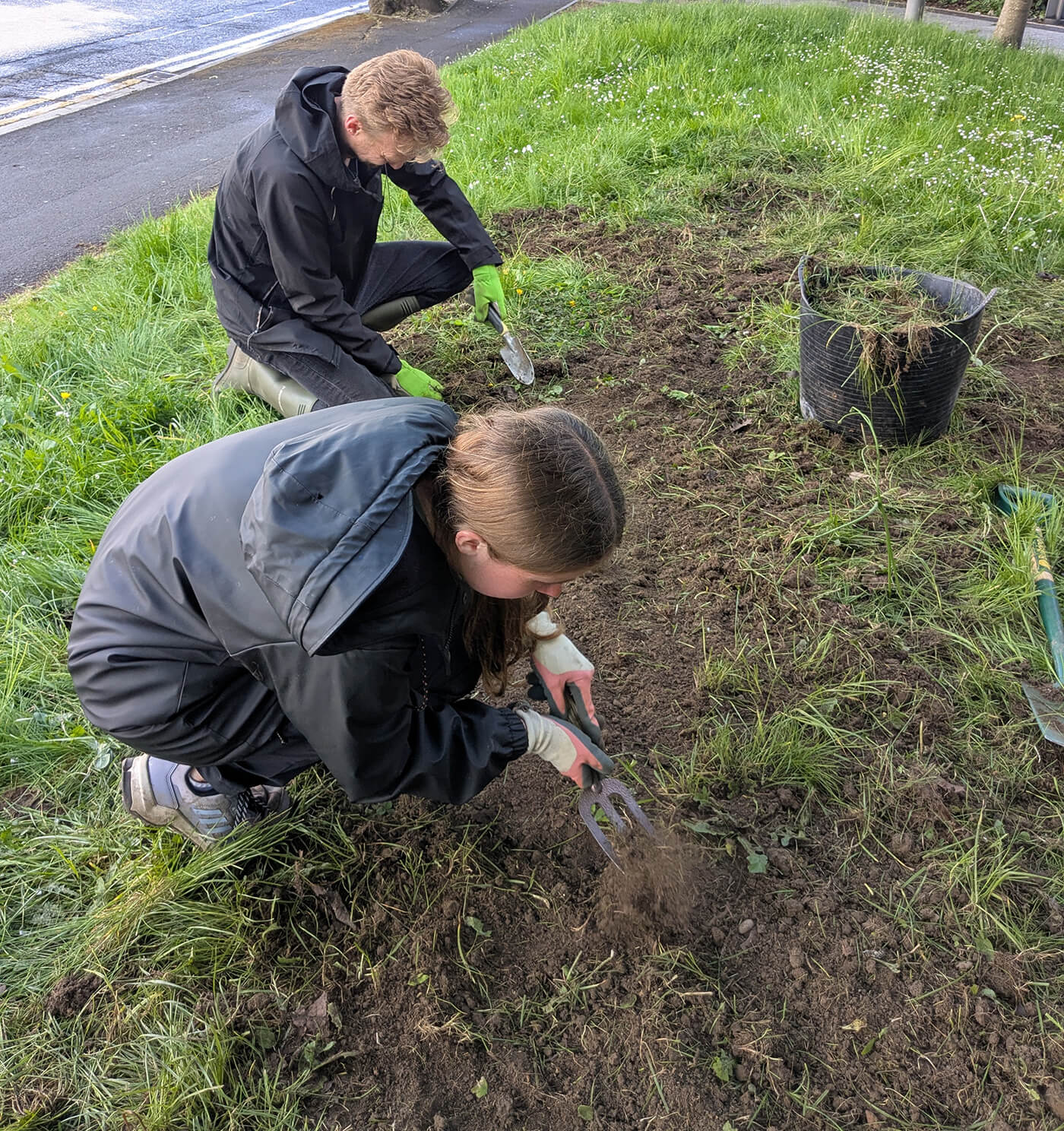
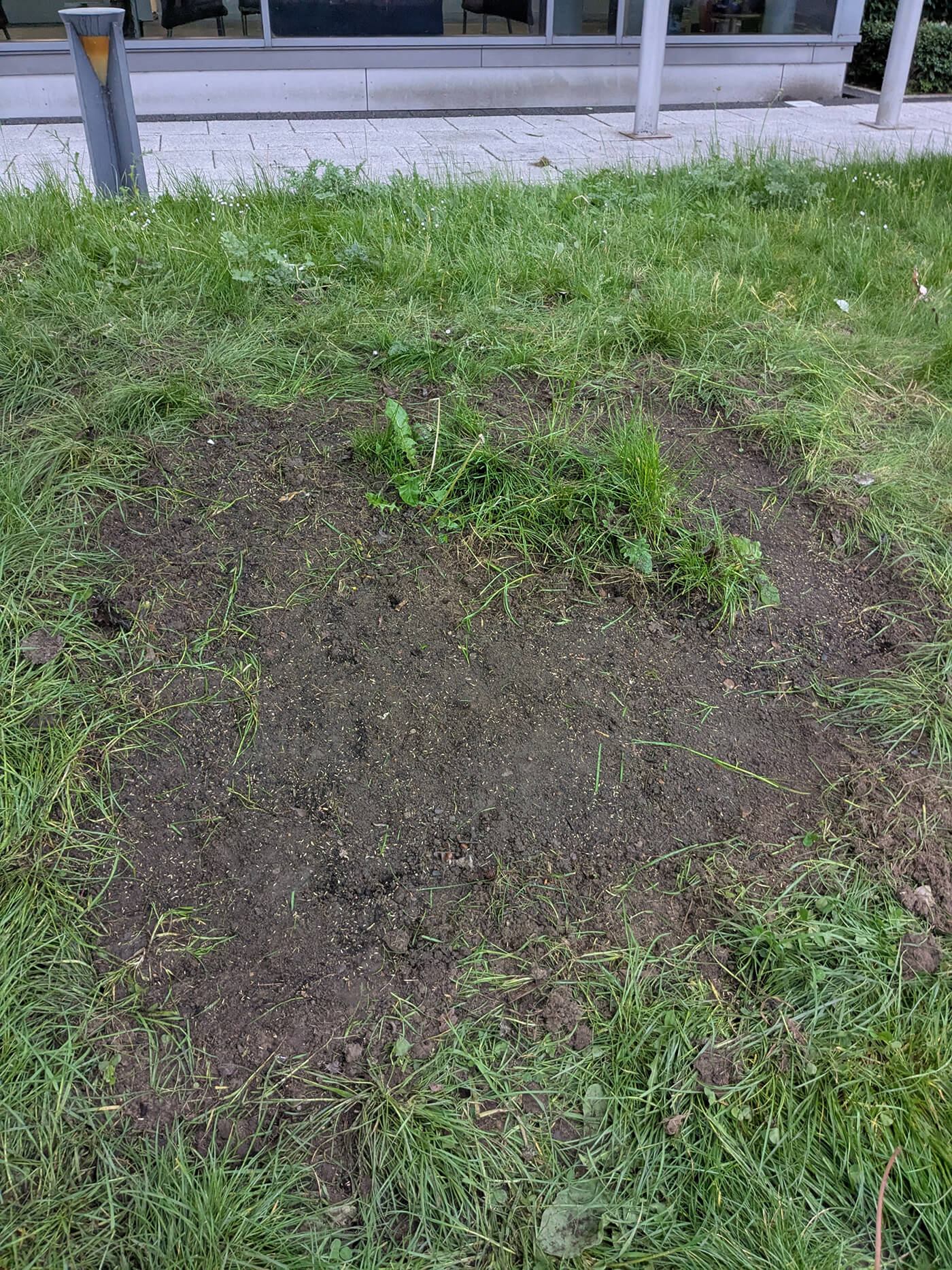
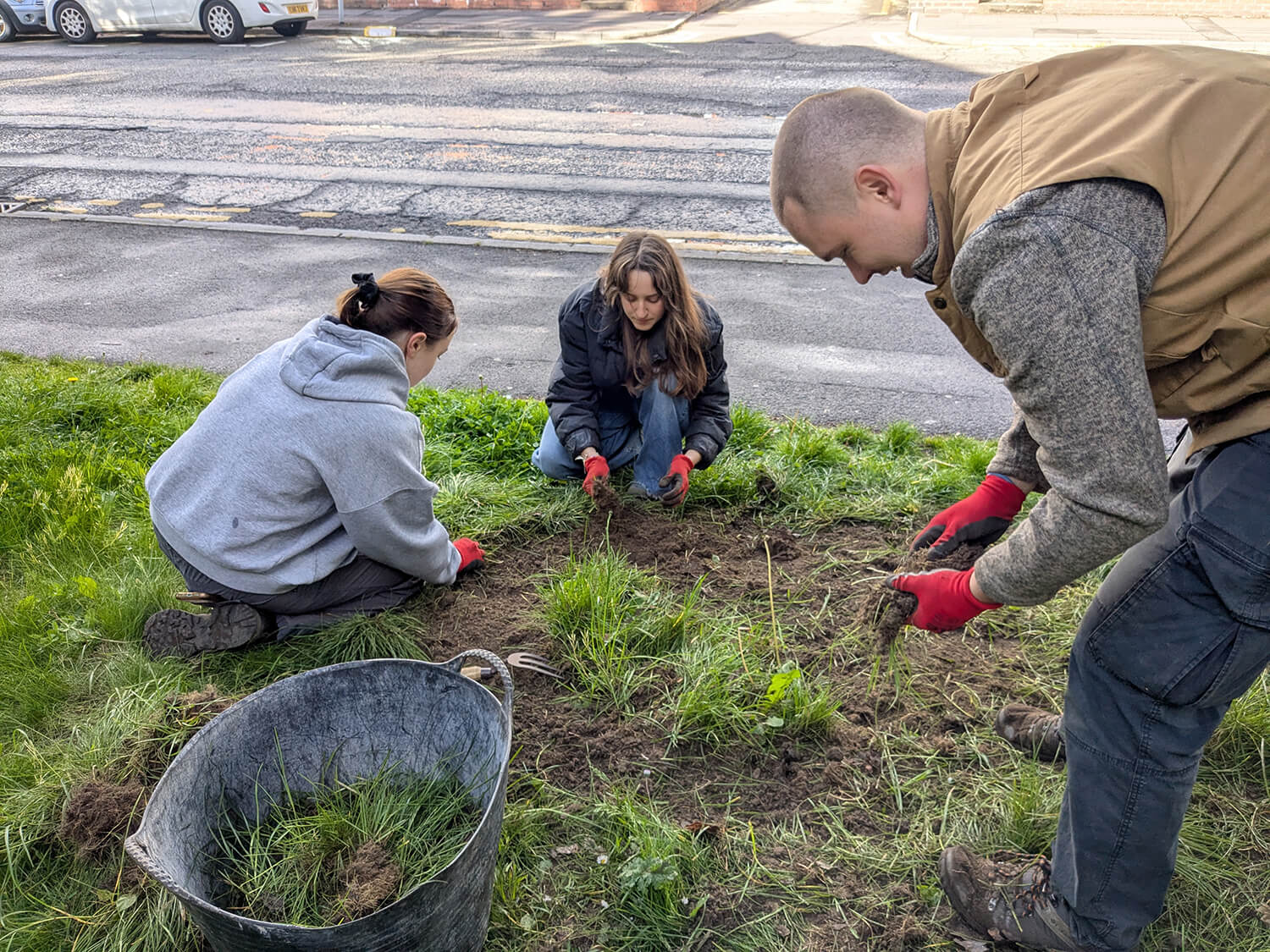
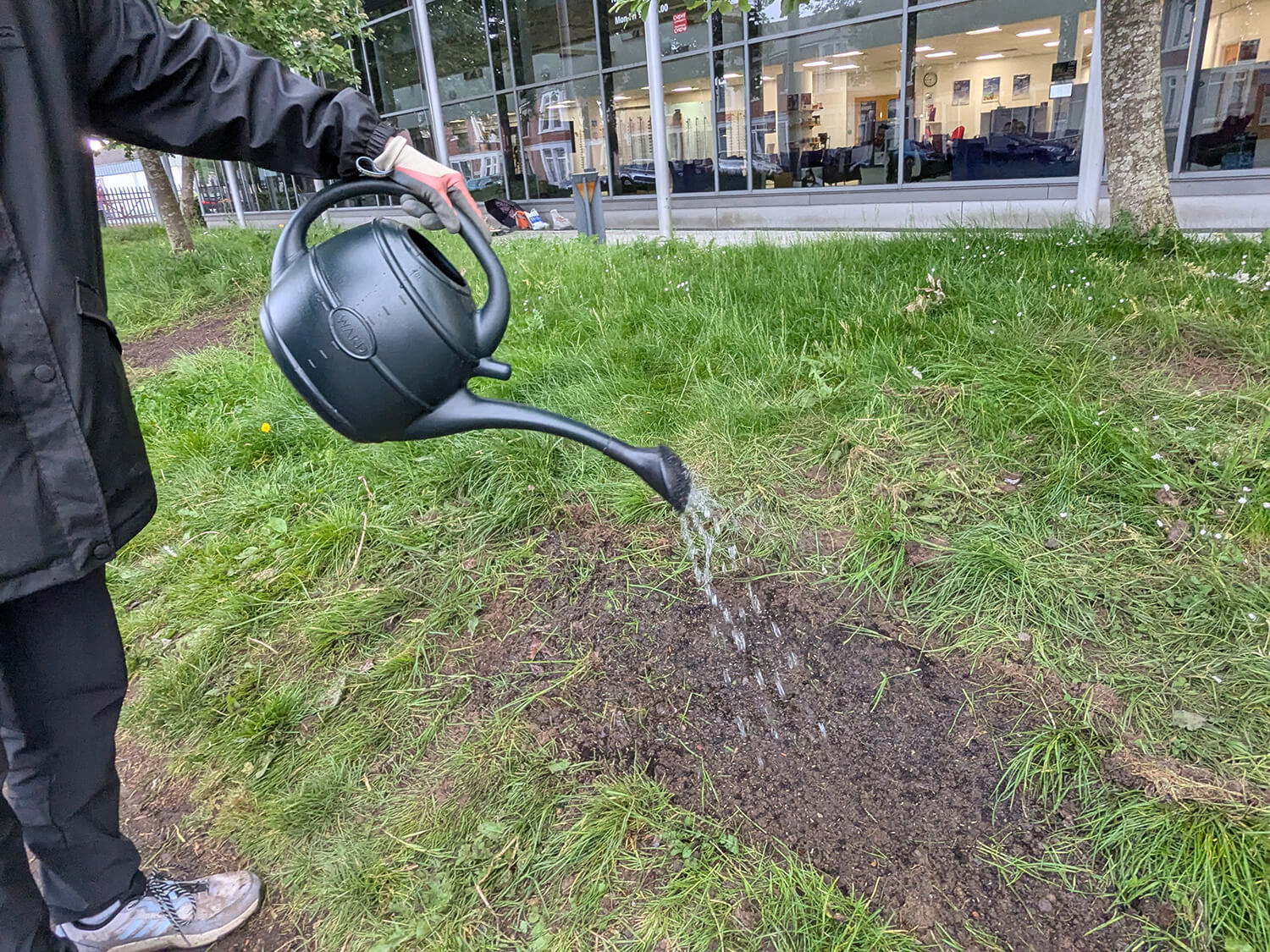
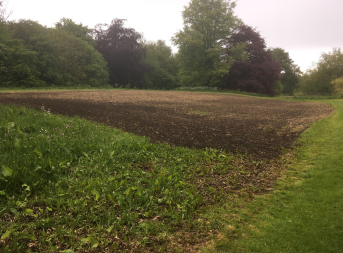
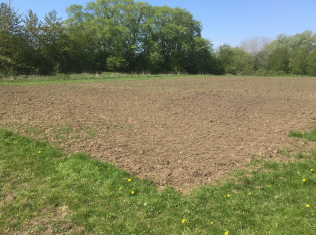
Loamy soil - containing a balanced blend of sand, silt, and clay - offers excellent water retention and drainage, creating ideal growing conditions for a wide range of native wildflowers. Because wildflowers perform best in low-nutrient soils, the top layer of nutrient-rich soil was removed before planting to reduce fertility and give the meadow seed mix the best chance of establishing successfully.
Wildflower Restoration in Cardiff (0.16 hectares)
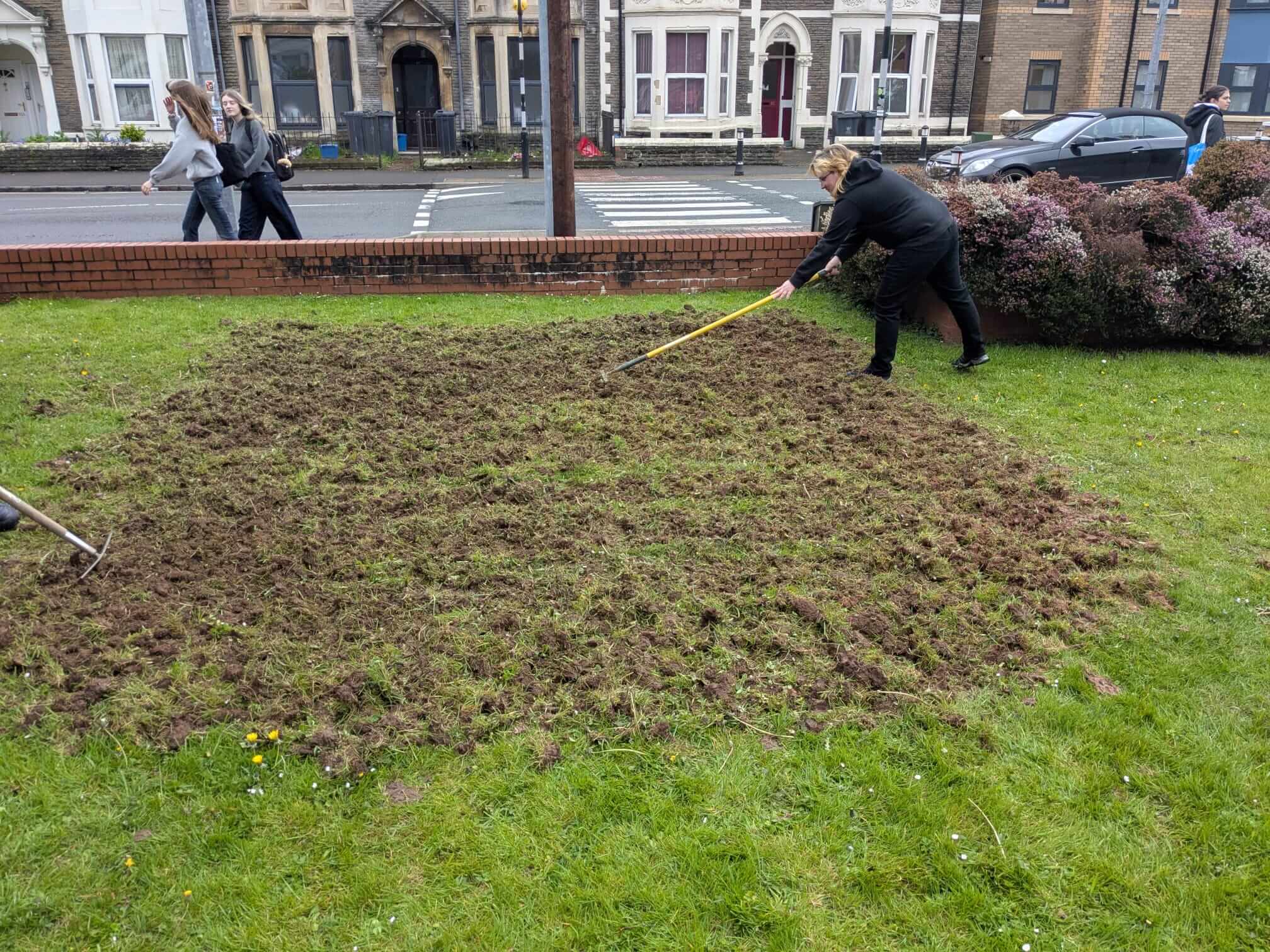
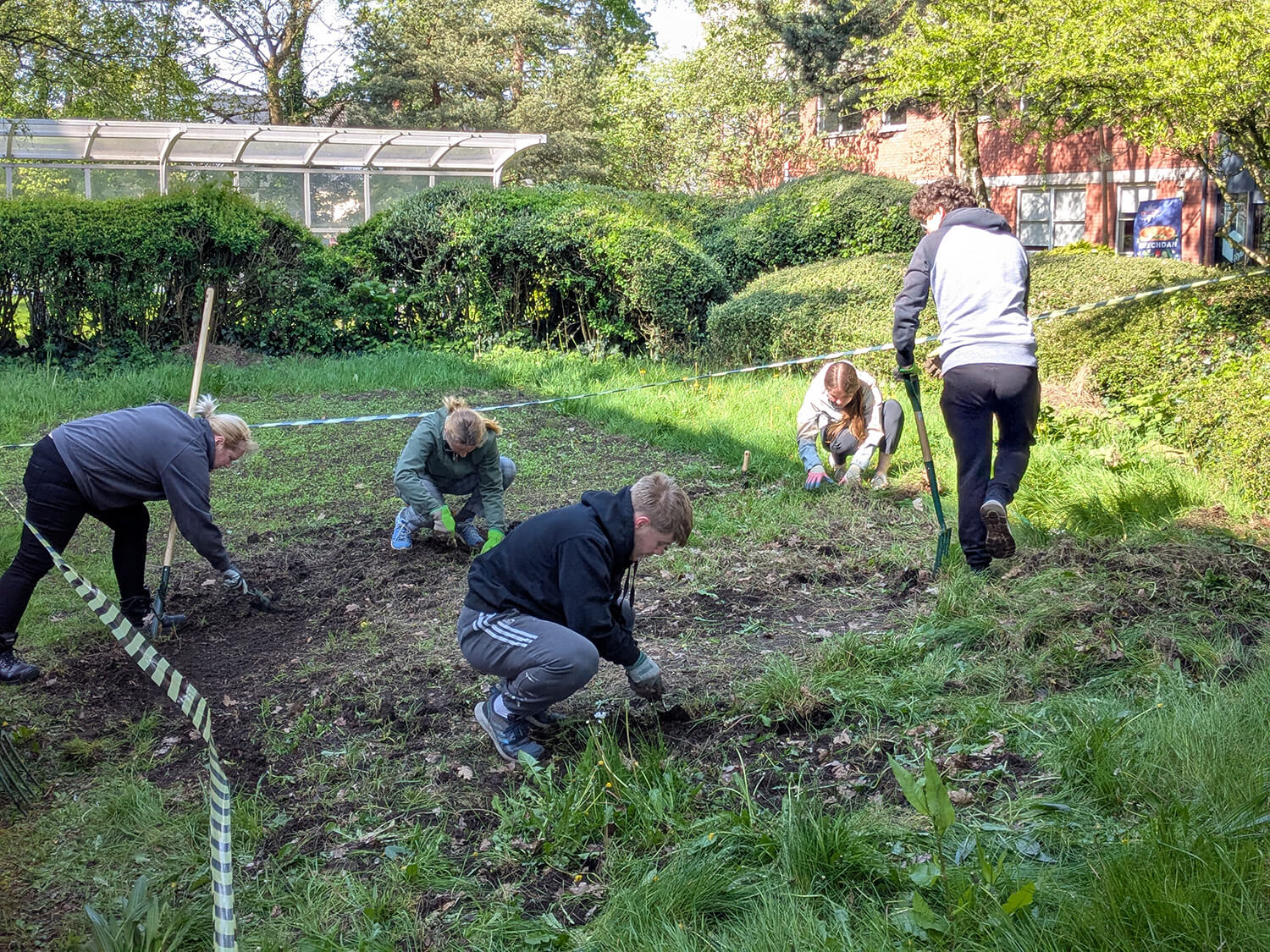
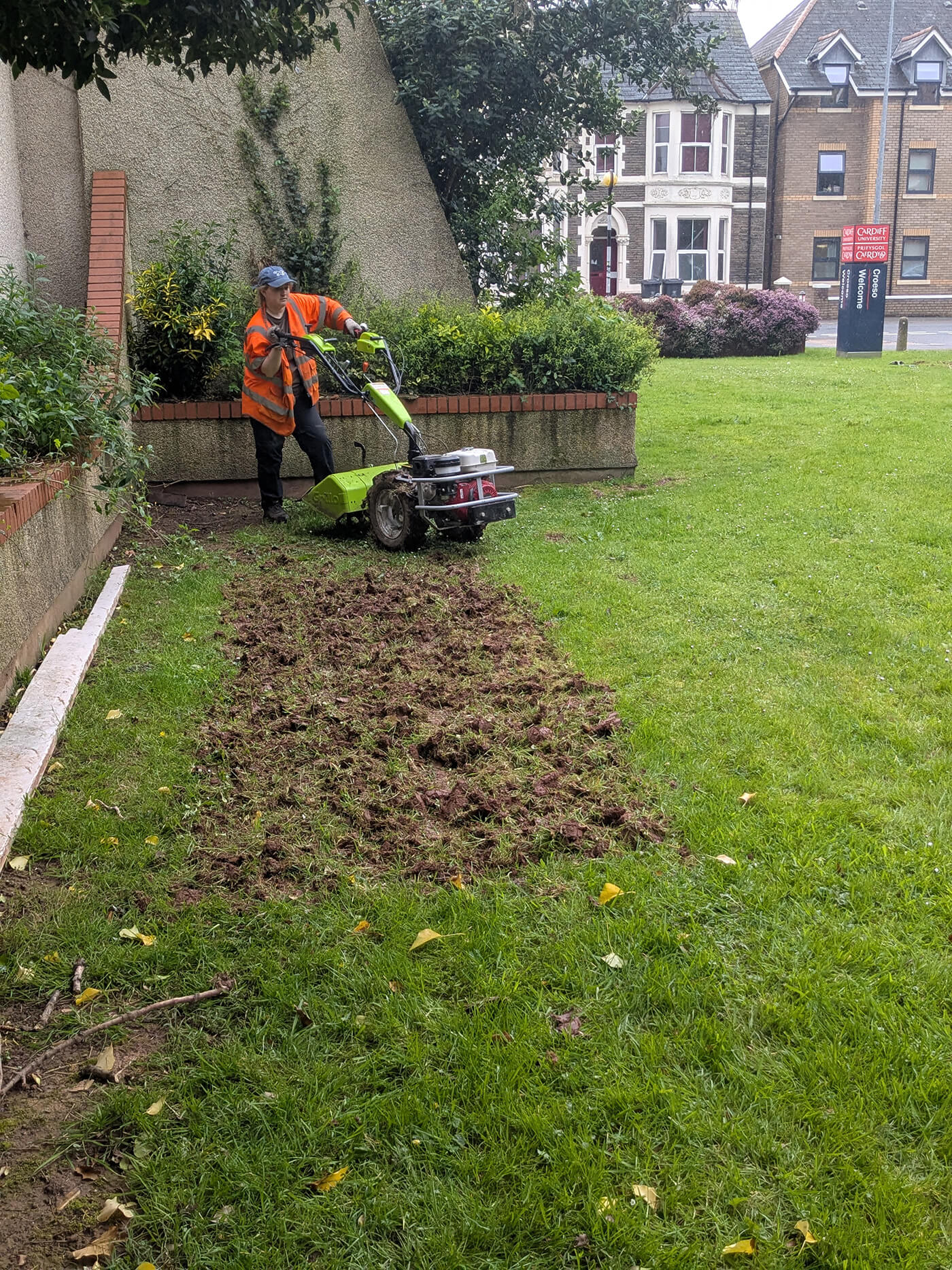
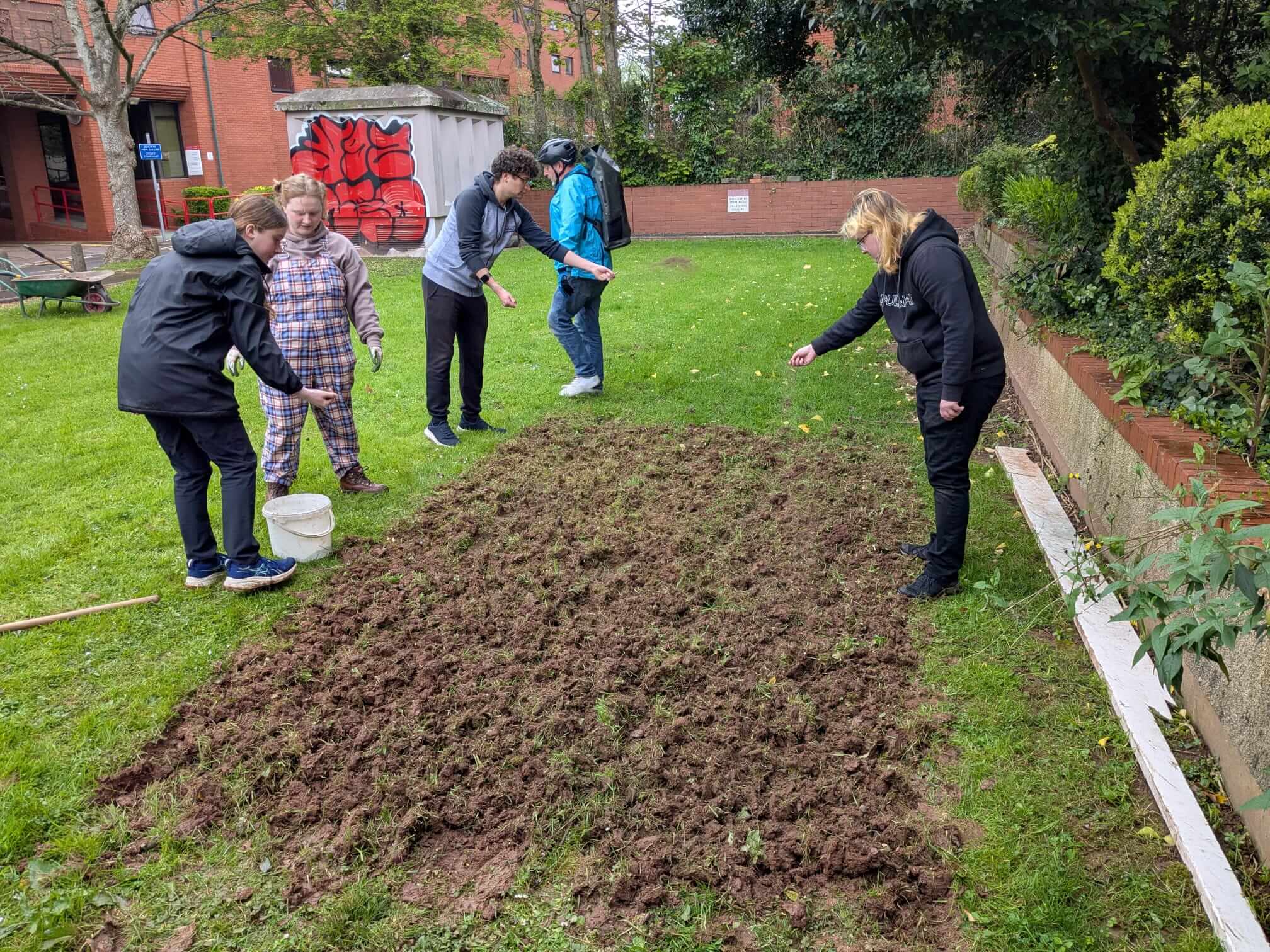
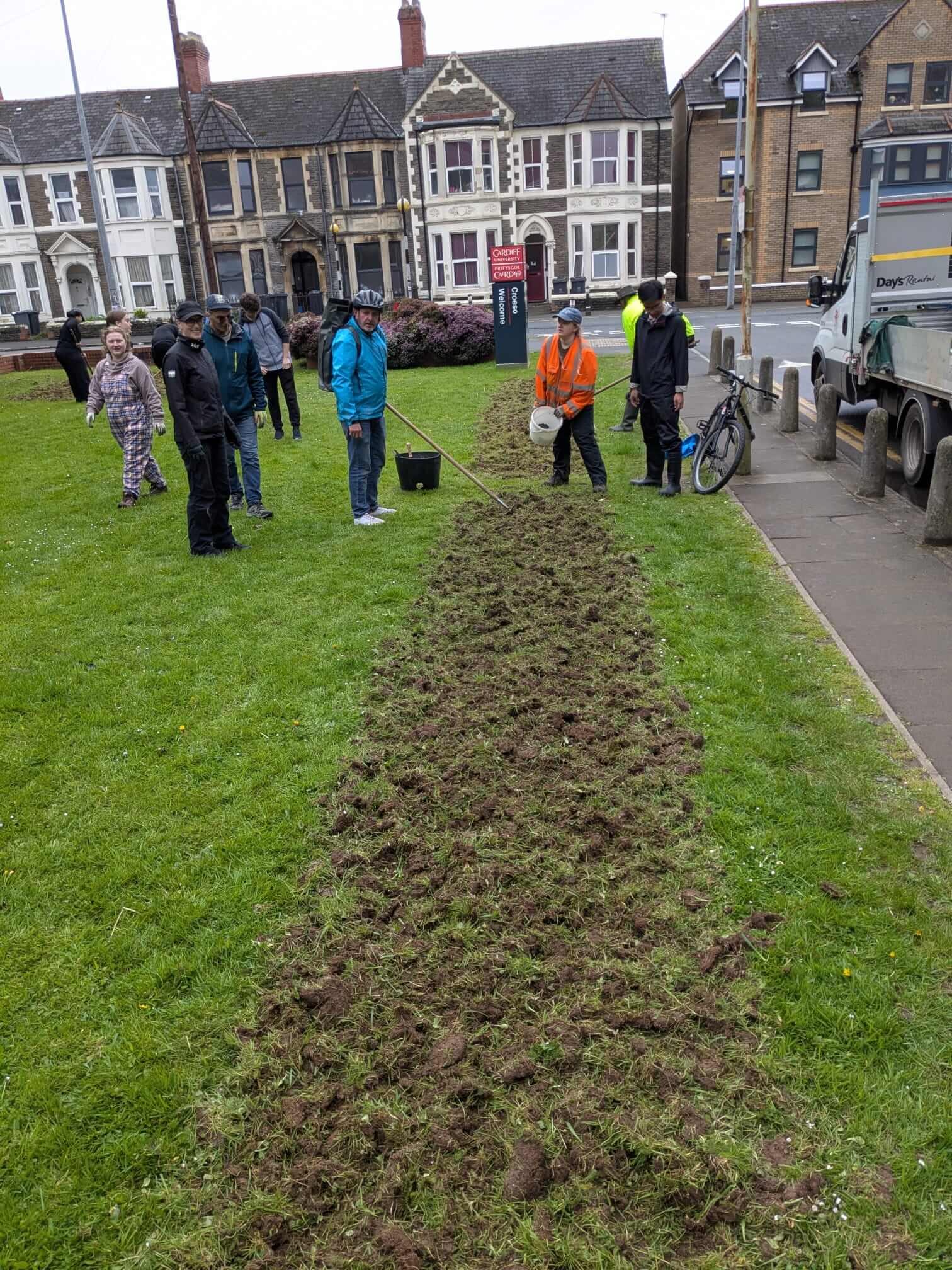
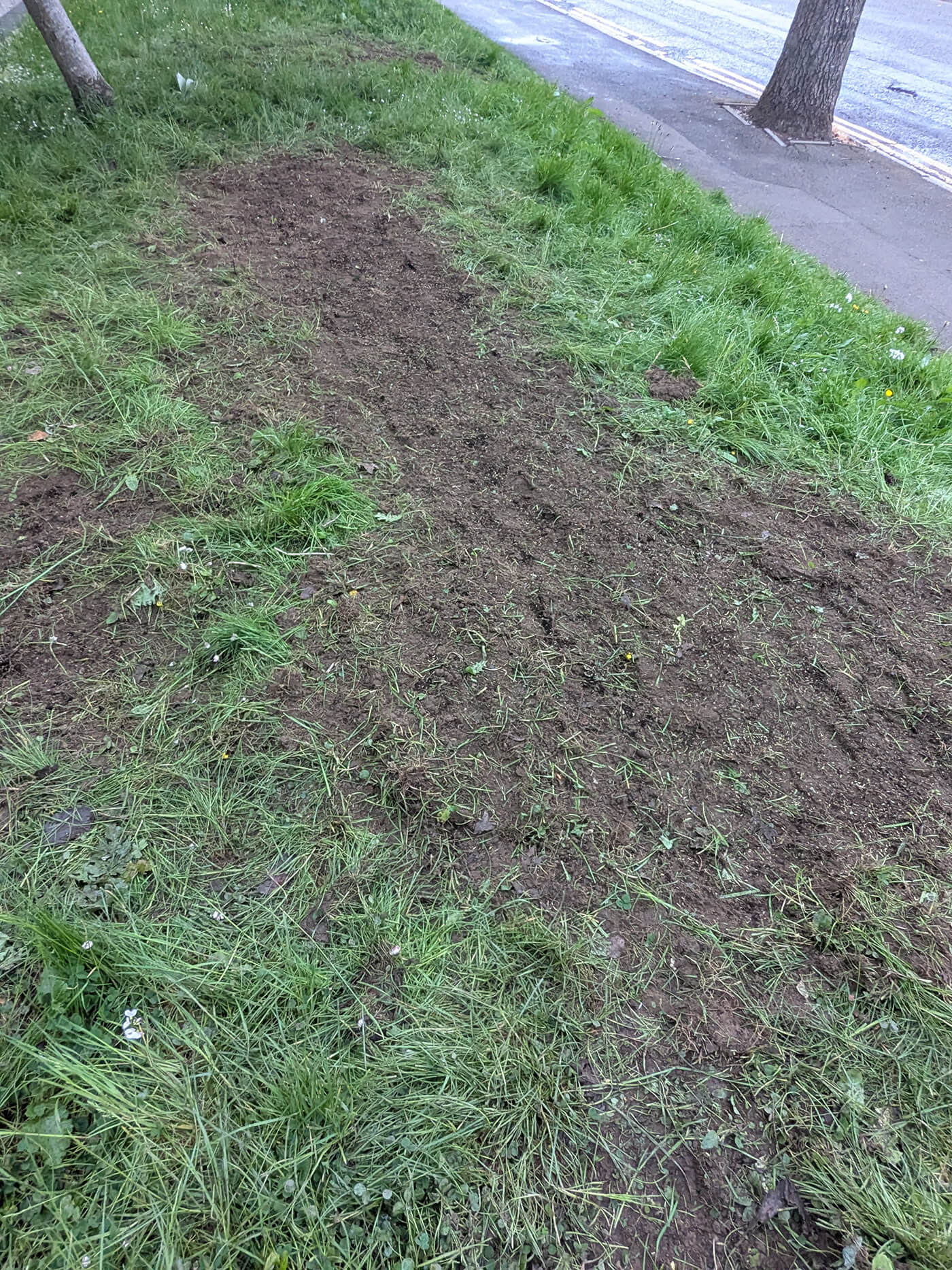
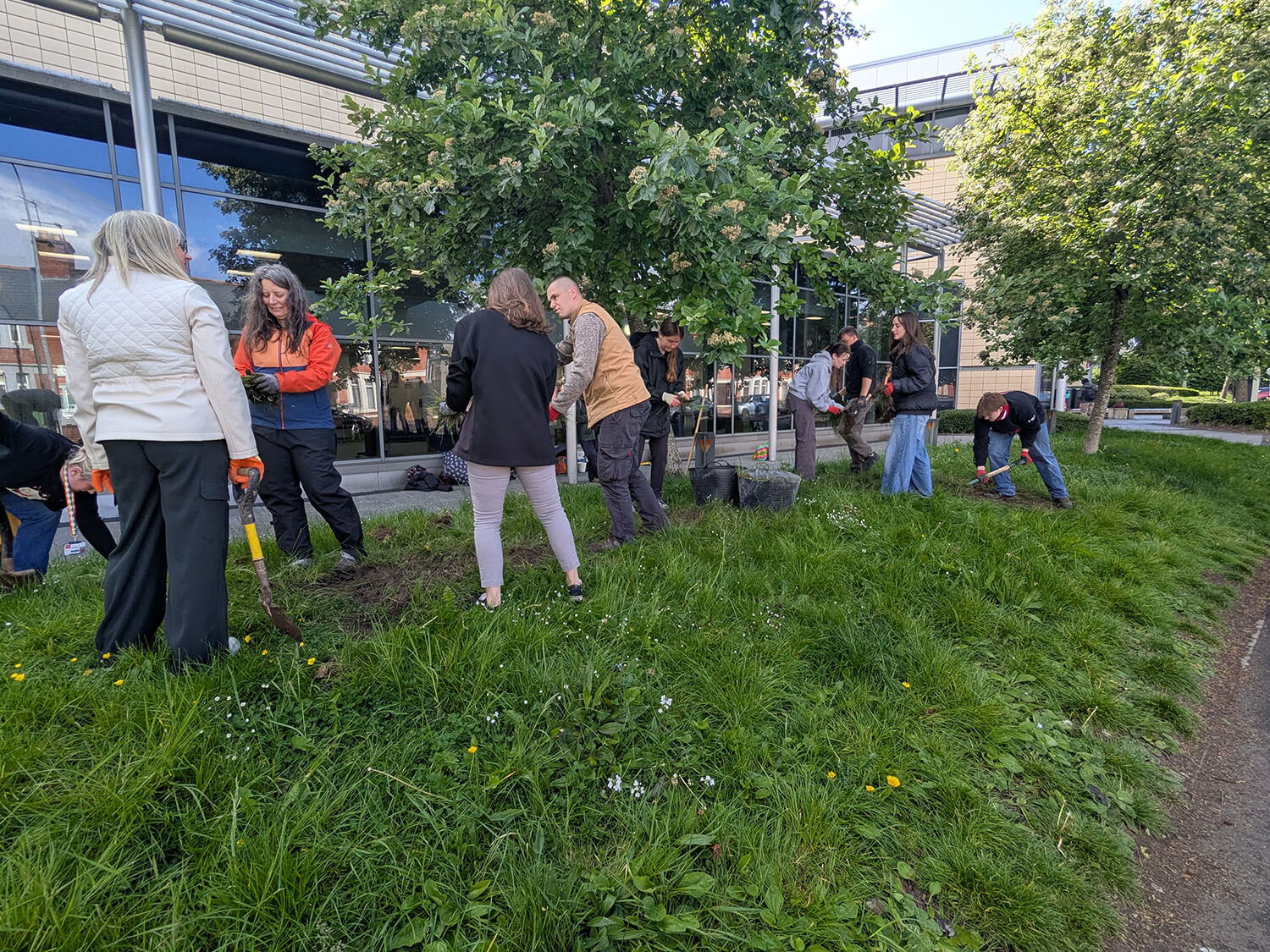
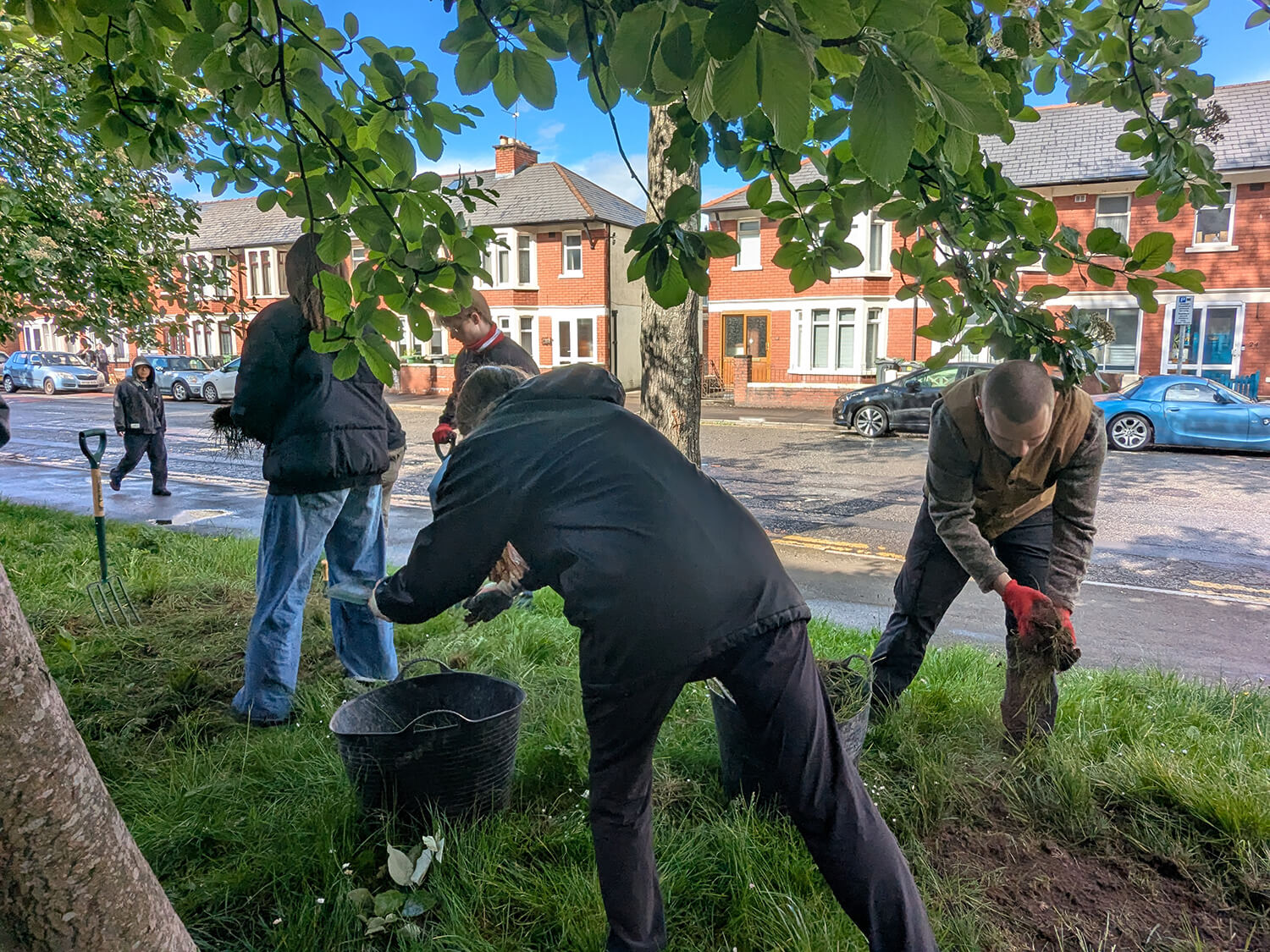
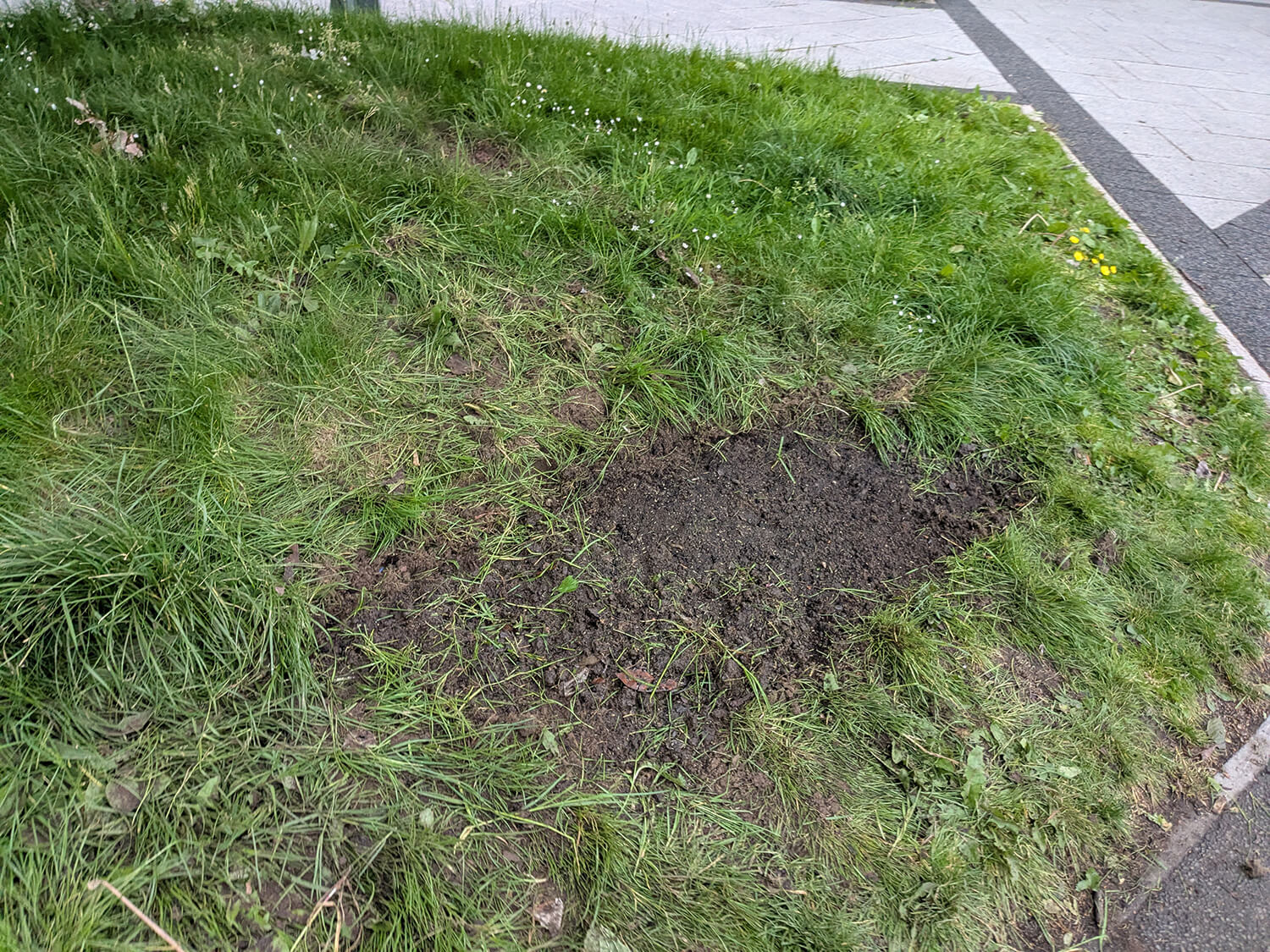
Half a hectare of wildflower meadows were seeded at the University of Cardiff. This project formed part of an ongoing effort to enhance biodiversity across several sites at the university, and the planting sites are located within a few miles of ALDI Stores Ltd's Cardiff Regional Distribution Centre.
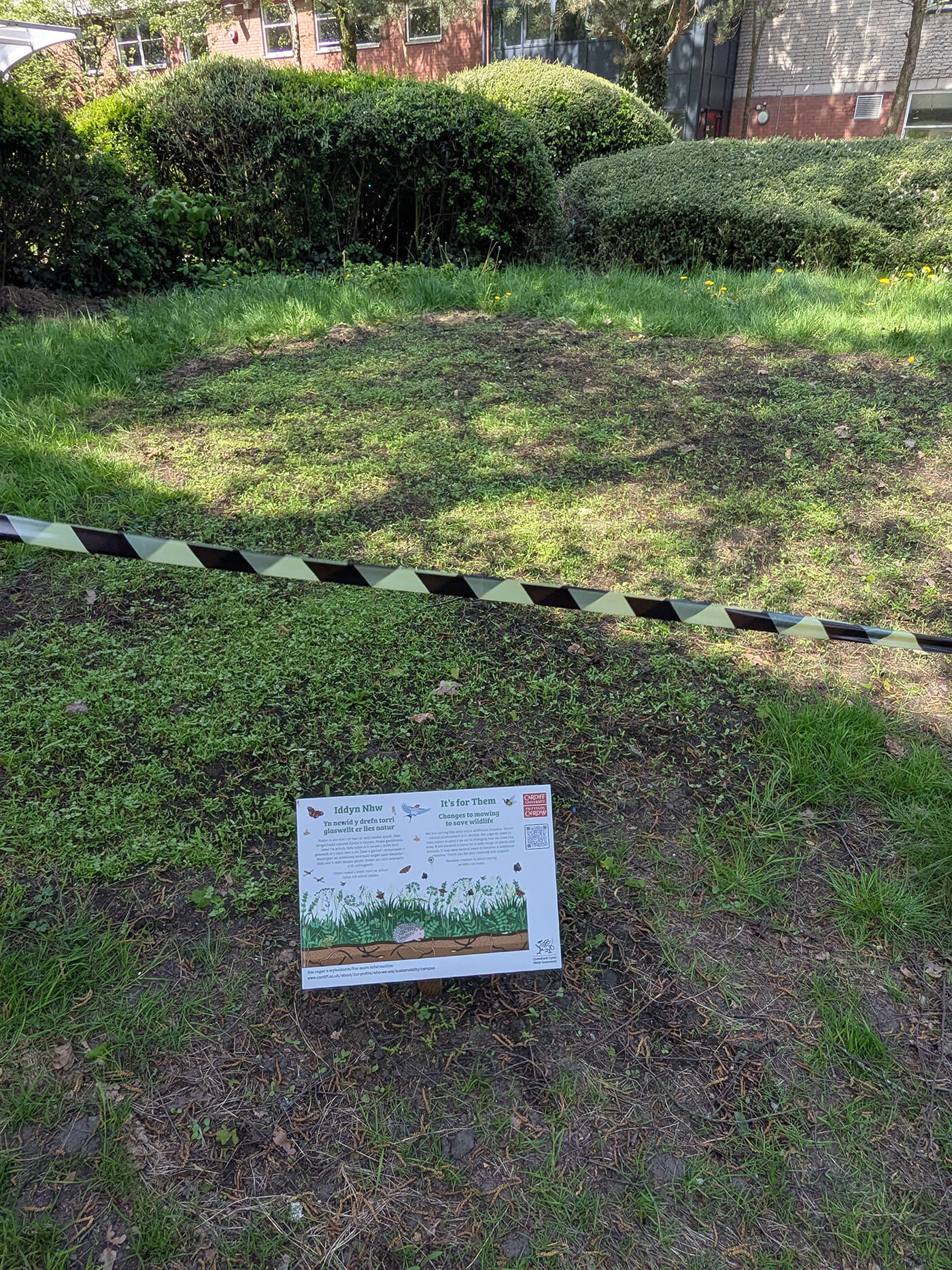
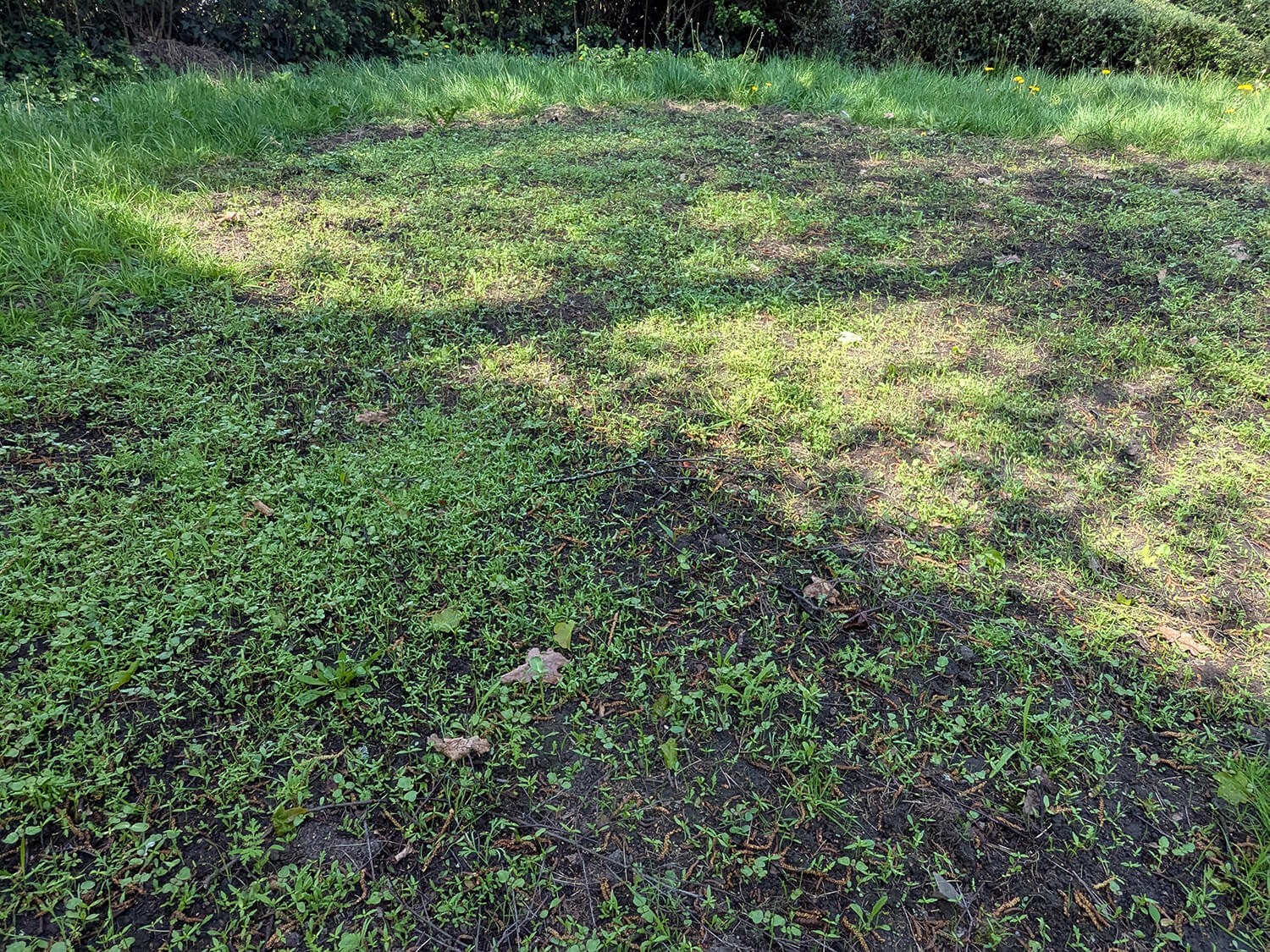
Wildflower seeds were sown in carefully selected areas at the Arts and Social Studies Library (ASSL), the Julian Hodge Building, and the School of Optometry and Vision Sciences, with the aim of establishing and expanding species-rich meadow habitats. While the ASSL site already supports a diverse range of plant species and was supplemented with additional wildflowers, the Julian Hodge and School of Optometry areas were previously managed as closely mown grassland and have now been transformed into valuable wildflower meadow habitats.
The wildflower meadows supported by ALDI Stores Ltd are part of a longer-term habitat enhancement programme at the university, with further work planned to establish the meadows, including protective fencing, signage, and ongoing ecological monitoring. Supported by local community groups, student volunteers, and conservation partners, the sites will also be surveyed in wildflower and insect populations, helping to measure the positive impact of the new habitats and their contribution to urban biodiversity.
Wildflower Restoration in Derbyshire (1.5 hectares)
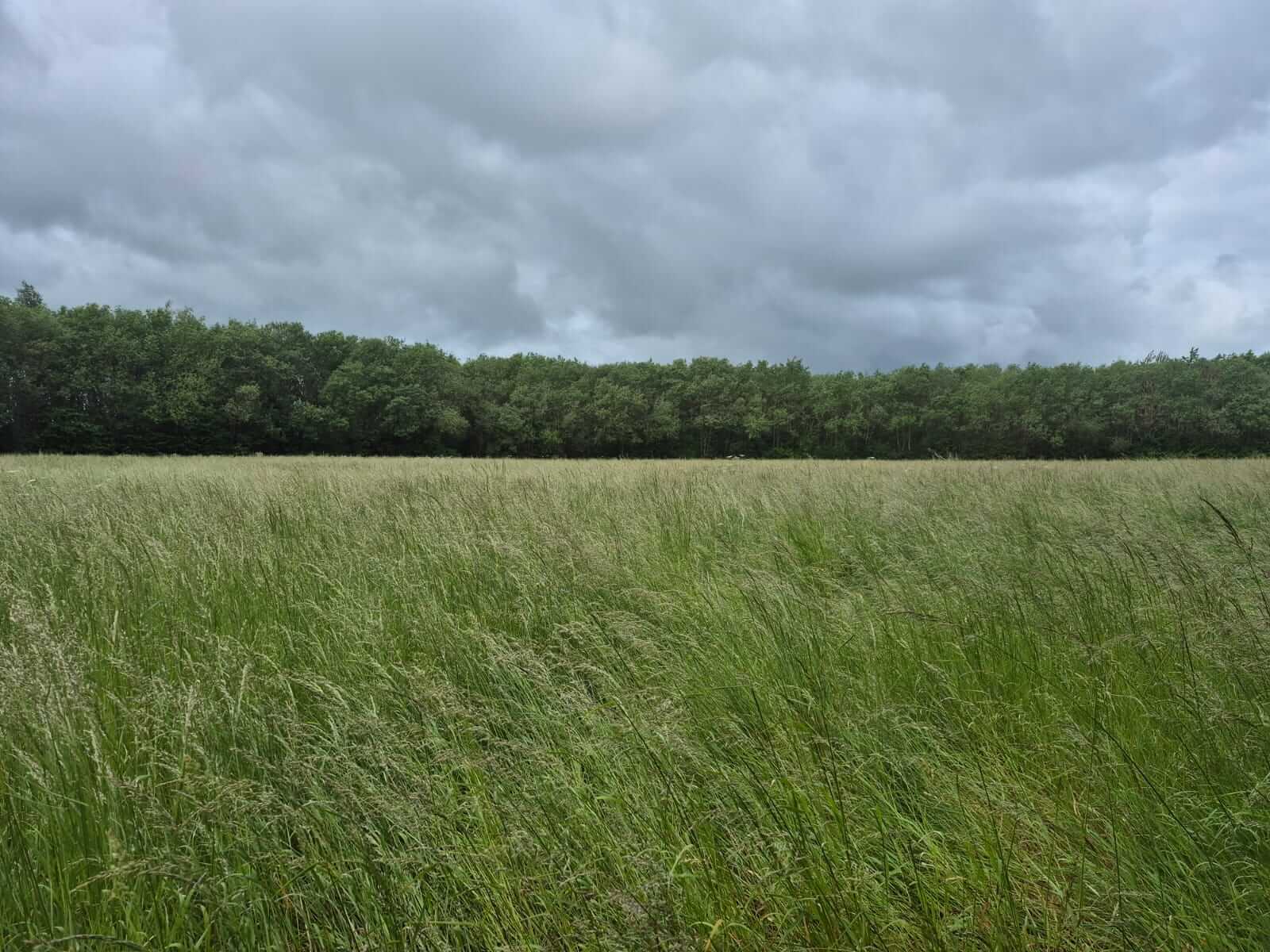
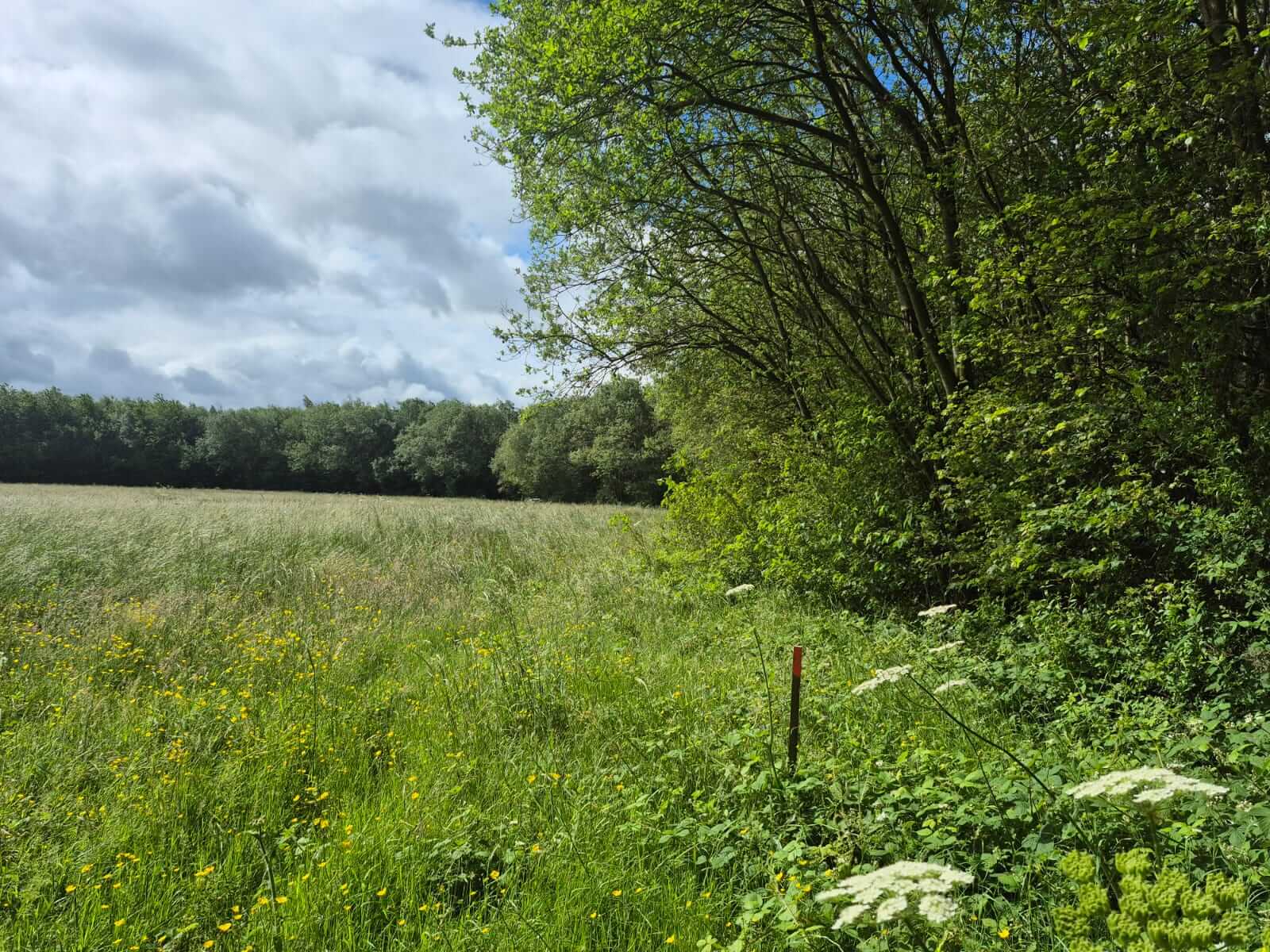
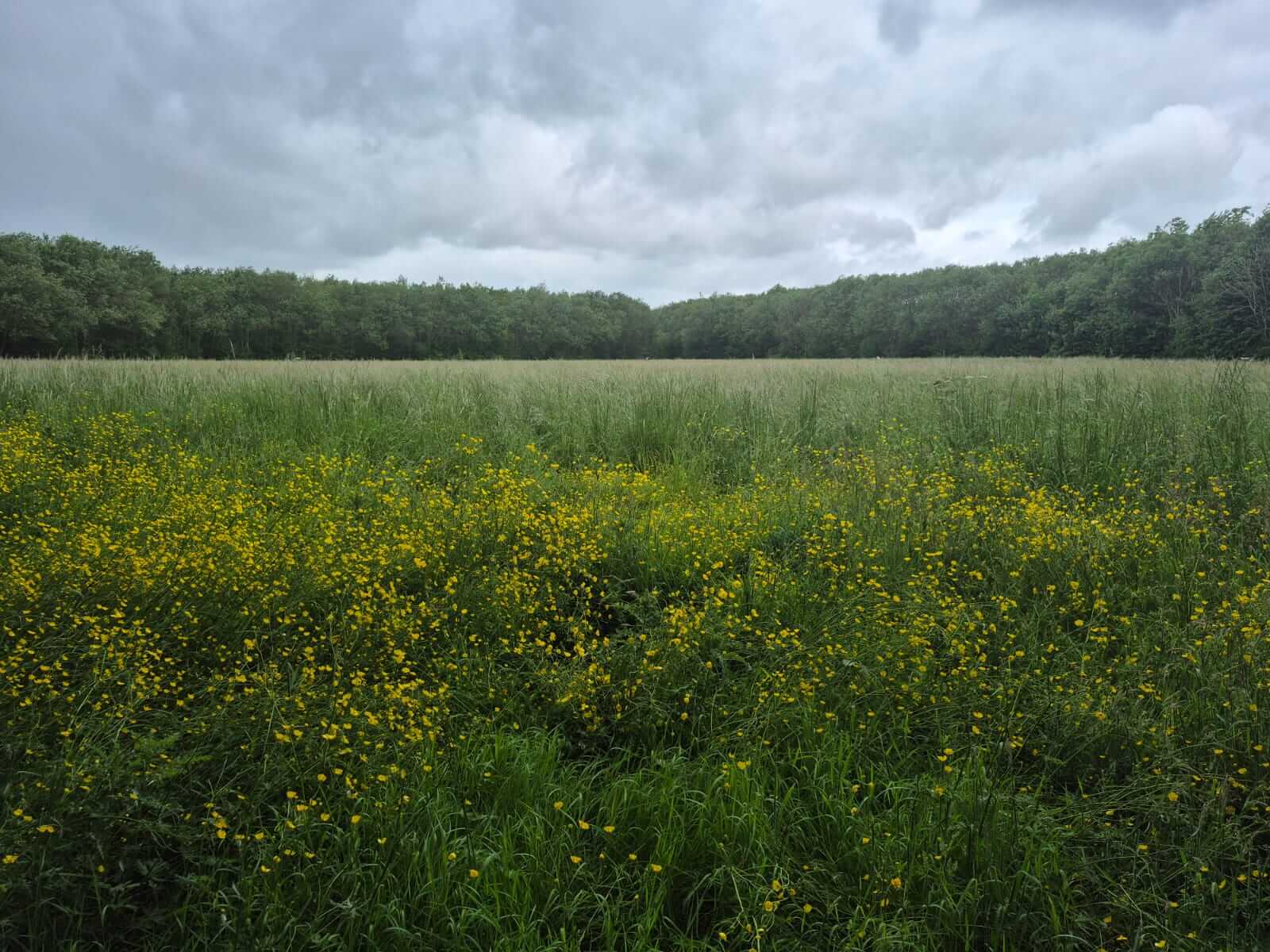
Thanks to support from ALDI Stores Ltd, 1.5 hectares of wildflower meadows were planted in Swartling Wood with The Woodland Burial Group. These meadows will help enhance the local environment and create more habitat for a wider range of wildlife, and they are located south-west of ALDI Stores Ltd's Sawley Regional Distribution Centre.
Woodland burial sites are designed to provide peaceful resting places that work in harmony with the surrounding landscape, often incorporating native trees, grasslands, and habitats that support invertebrates and local wildlife. By sowing a diverse mixture of native wildflower species, the group has helped to enhance the ecological value of the site while creating an attractive and biodiverse setting for visitors. As the meadow develops, it will provide vital nectar and pollen sources for bees, butterflies, and other pollinating insects, along with habitats for a variety of bird and small mammal species. The project complements the site's wider environmental aims, showing how spaces created for remembrance can also make a meaningful contribution to nature recovery and biodiversity conservation.
Wildflower Restoration in County Durham (1.68 hectares)
The second phase of Darlington's Aldi-sponsored planting focused on two further sites, creating more wildflower habitat for vital pollinators and other wildlife species. The first site, Cocker Beck Nature Reserve, is approximately a 10 minute drive form the Aldi Regional Office and Distribution Centre. The Reserve comprises a mosaic of grassland, woodland and watercourses, with the new meadowing enhancing the area. The second site, Baydale Beck Meadow, is approxiamtely an 8-minute drive from the Distribution Centre. Situated alongside the Baydale Beck corridor, close to residental areas and public footpaths, the meadow will provide valuable nectar rich habitat and appreciated resting spaces for invertebrates while creating an welcoming green space for the local community.
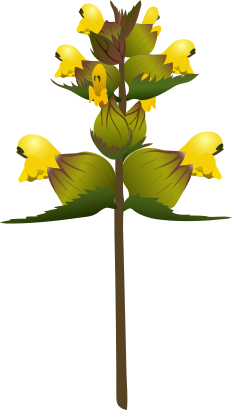
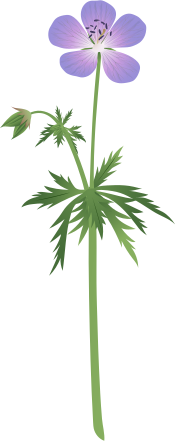
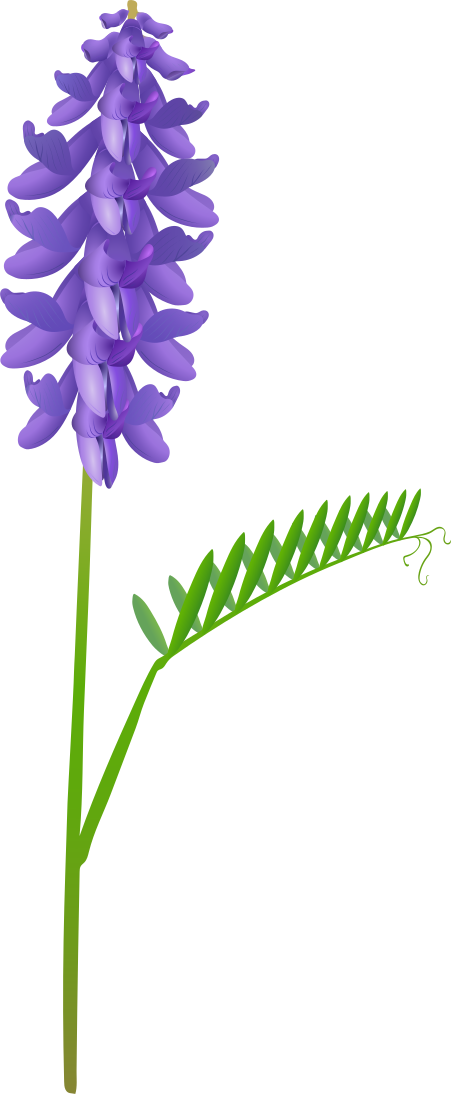
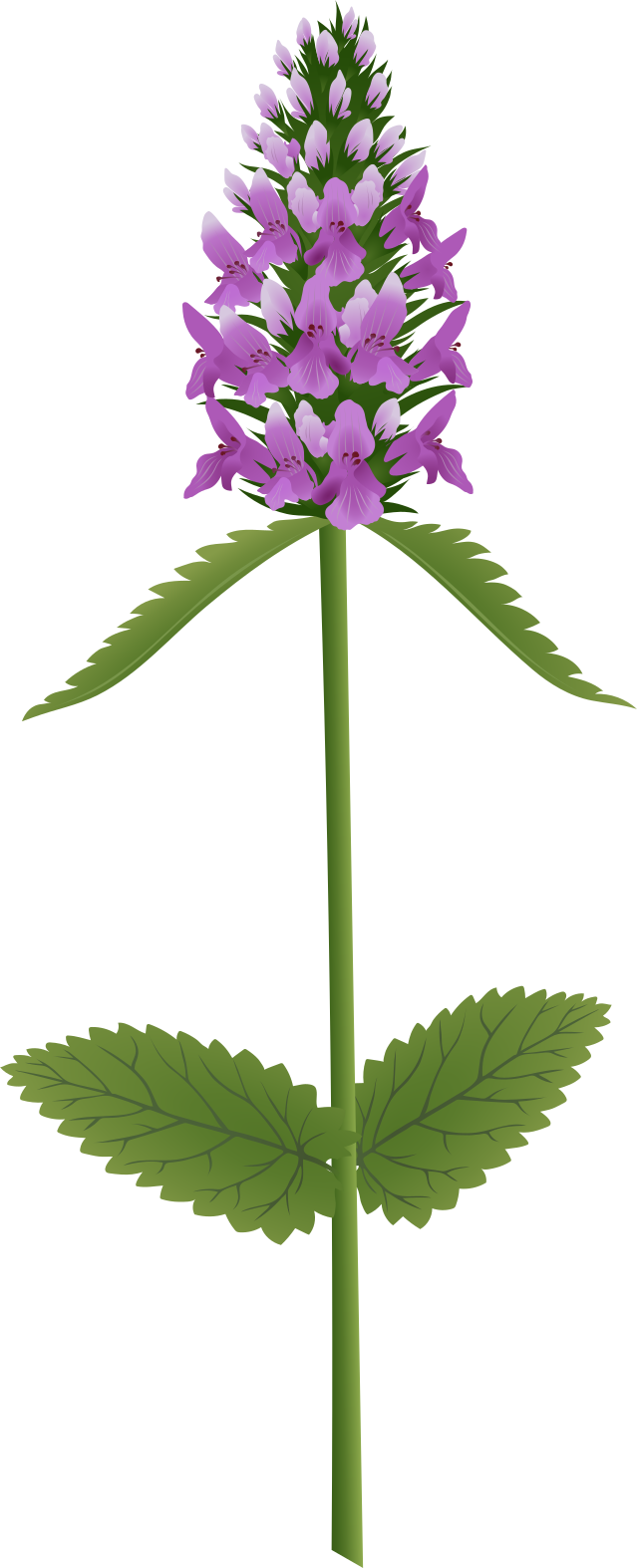
Wildflowers & Grasses Planted
























UN Sustainable Development Goals
As a GreenTheUK partner, you support projects that are in line with the UN Sustainable Development Goals.

Take urgent action to combat climate change and its impacts.

Sustainably manage forests, combat desertification, halt and reverse land degradation, halt biodiversity loss.