Card Factory supported the planting of 2.5 hectares of wildflowers in the UK in 2026
Imagine trying to cross Britain if nine out of every ten roads had vanished. For the insects that pollinate our crops and wildflowers, that is close to reality. Since the 1930s, England has lost more than 97% of its flower-rich grassland, an area comparable to the size of Wales. What remains is mostly scattered patches, too far apart for many insects to travel between. This project is about rebuilding those missing connections.
The stakes reach well beyond the countryside. Around one in every three mouthfuls of food depends on pollinators, while pollinators are estimated to contribute £691 million a year to UK crop production. Wild plants rely on them too, so the grasslands, woodlands and hedgerows that shelter other wildlife depend on the same small workers. As habitat shrinks and other pressures grow, insect populations are declining at an alarming rate. The 2025 Bugs Matter survey recorded a 59% decline in flying insects sampled on vehicle number plates between 2021 and 2025. That puts both our food supply and the health of natural ecosystems at risk. That is why the support of partners such as Card Factory matters so much.
Britain's pollinators are far more varied than most people realise. Honeybees and bumblebees are only a small part of the picture. The UK is home to more than 250 species of bee, alongside hundreds of hoverflies, thousands of moths and many other flies, beetles, wasps and thrips that carry pollen from flower to flower. Each plays its own part in keeping the countryside productive, which means losing even a few can have knock-on effects.
The evidence of decline is hard to ignore. Of the UK's 24 bumblebee species, half are in decline and three are already extinct. Butterflies and moths are following the same path: 71% of butterfly species and two-thirds of moth species are in long-term decline. Even familiar insects are vanishing. The 2025 Bugs Matter Survey found that flying insect numbers had fallen by almost 60% since 2021.
There is a practical way to help reverse this decline, and it is already being built. B-Lines are a network of "insect pathways": chains of new and restored wildflower habitat that link existing wildlife sites in the same way that a railway links towns. They have been mapped across England, Wales, Northern Ireland and Scotland and the programme aims to create or restore at least 150,000 hectares of flower-rich habitat.By backing this work alongside GreenTheUK and Buglife, Card Factory is helping reconnect a fragmented landscape, one stepping stone at a time. The benefits go further than saving insects. Healthier pollinator populations support more resilient farming, give wildlife room to adapt to a changing climate and leave future generations with a living countryside rather than a diminished one.
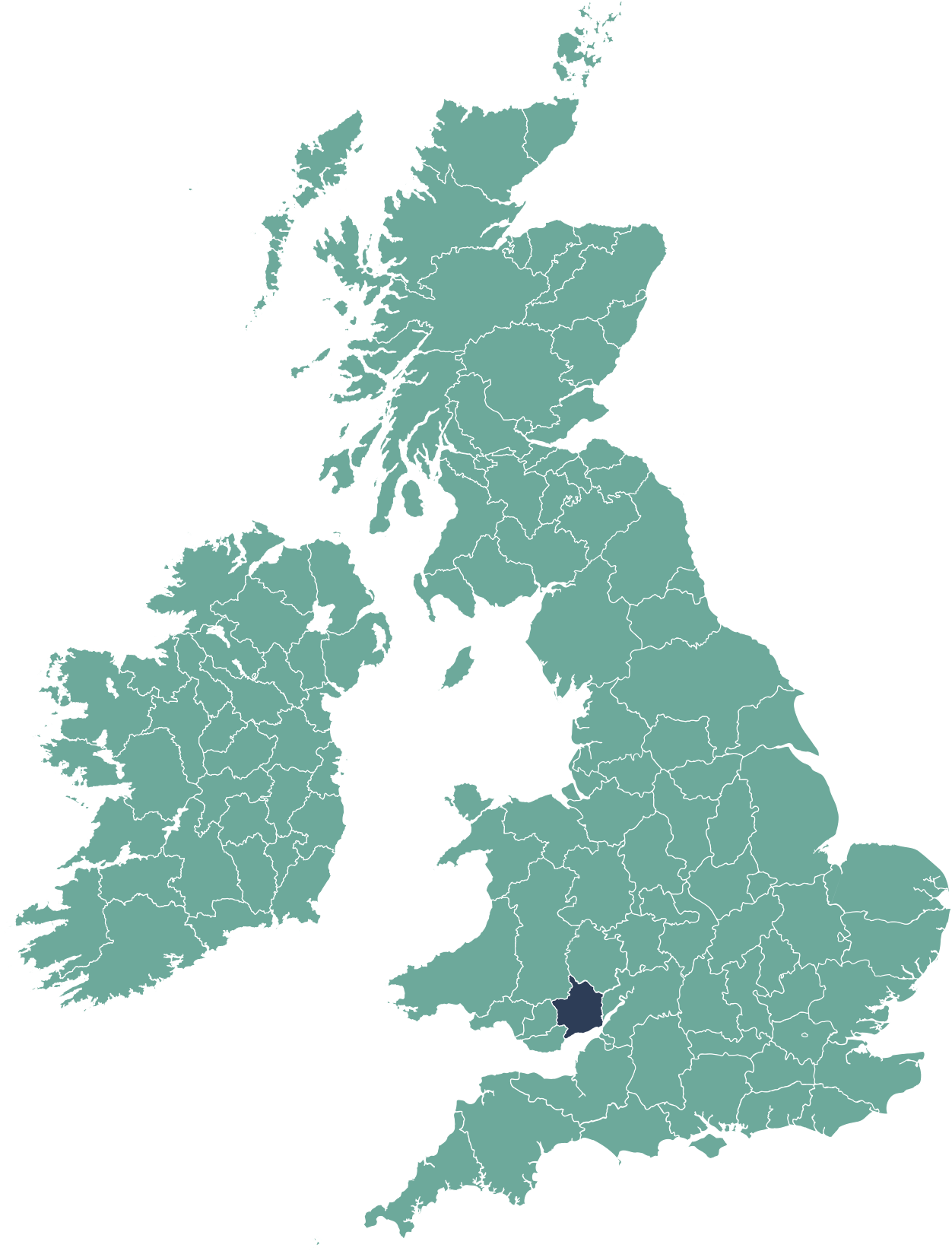
Wildflower Restoration in Monmouthshire (2.5 hectares)
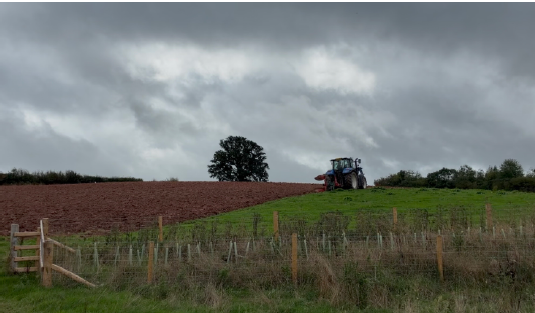
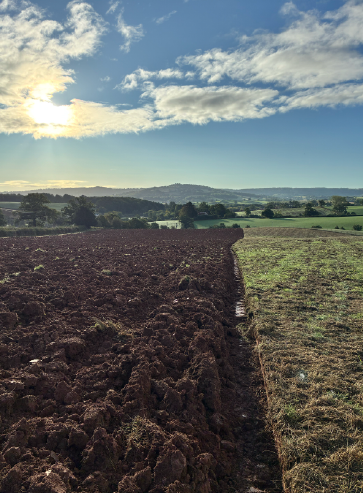
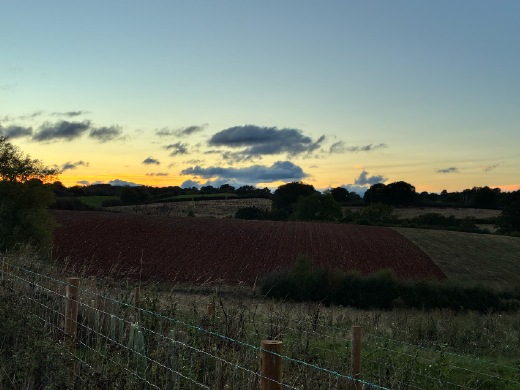
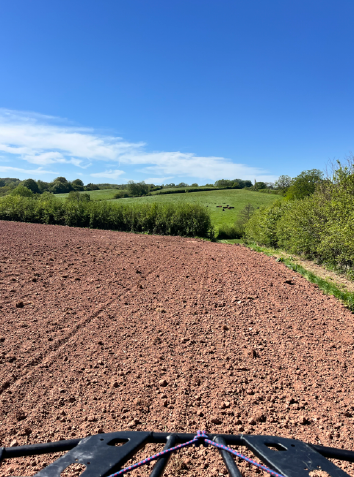
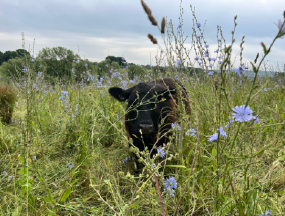
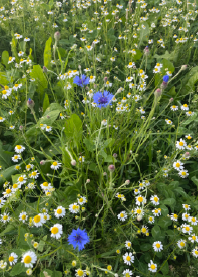
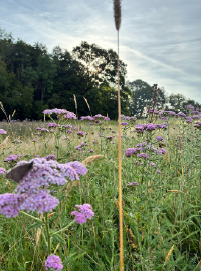
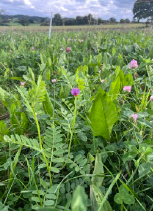
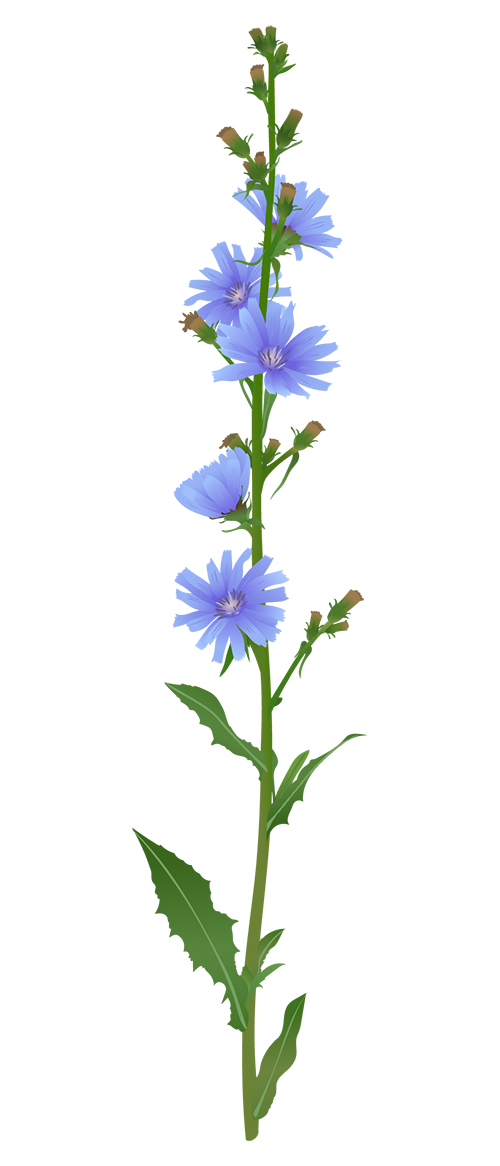
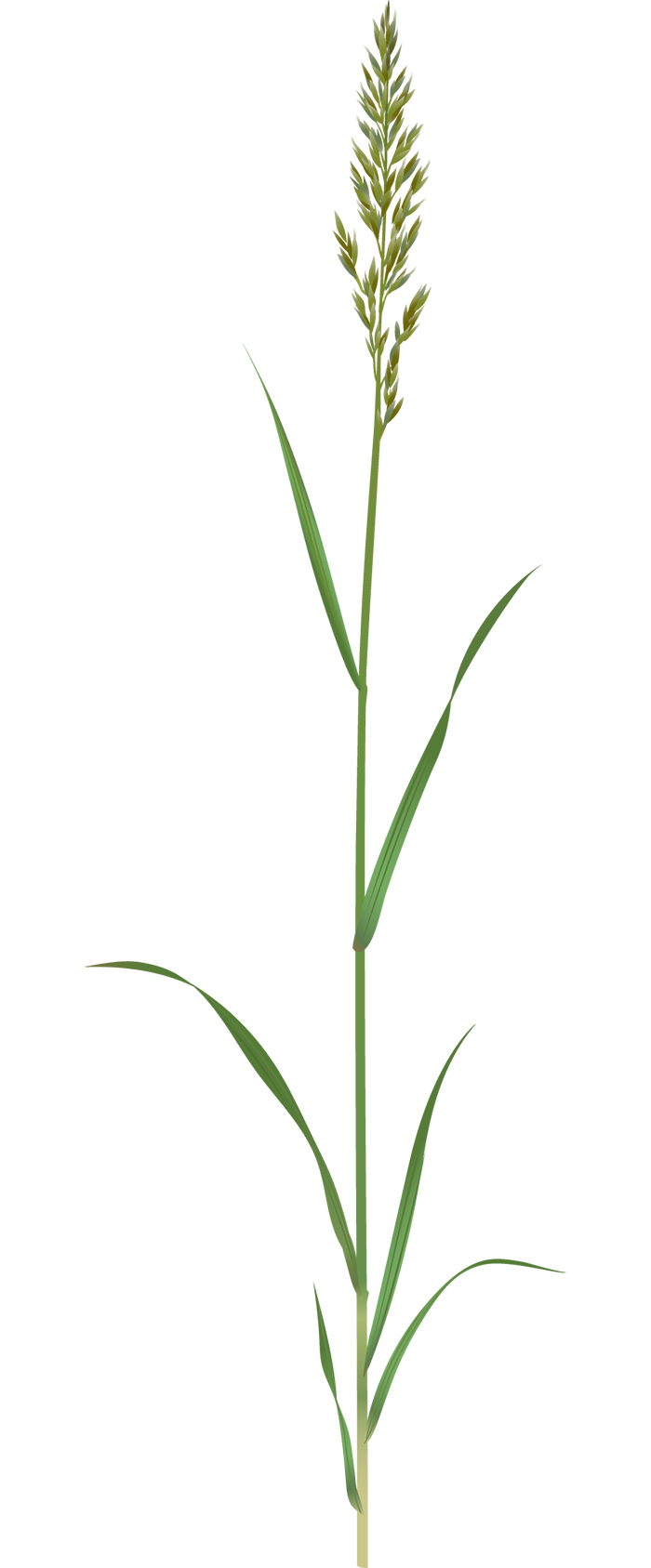
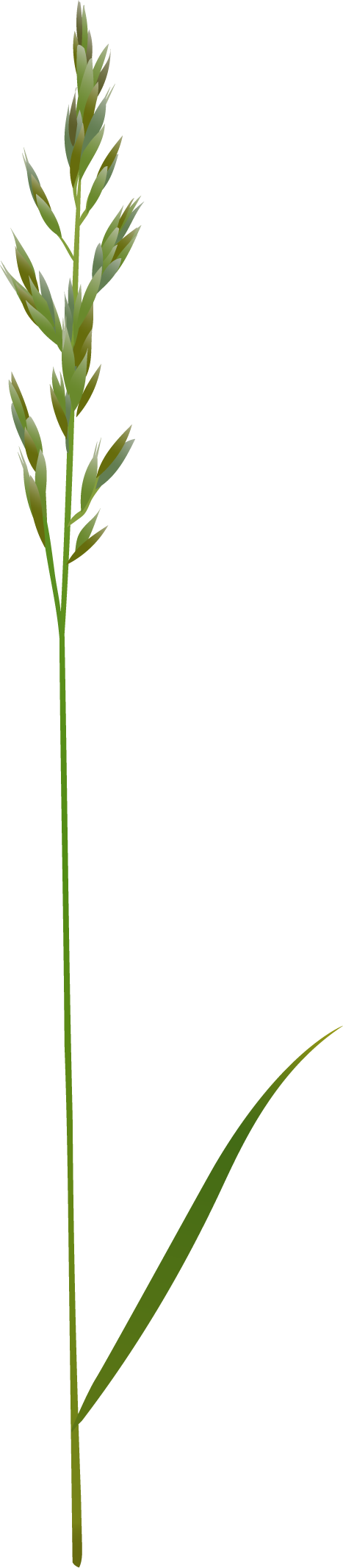
Card Factory supported the establishment of 2.5 hectares of the new meadow habitat at New House Farm, as part of a wider programme of wildflower meadow creation across five former arable fields. The farm has predominantly clay soils, with areas of compaction resulting from previous arable management. Soil testing indicated that cultivation was required for successful wildflower and grass establishment. Following a very dry spring and summer, the land was prepared through ploughing, harrowing, drilling, and rolling once some rainfall allowed the works to be completed. The new meadow was established using a diverse organic seed mixture containing cattle-friendly grasses, legumes, forage herbs, and wildflowers. The mixture included perennial ryegrass, cocksfoot, tall fescue, meadow fescue, alongside an assortment of clovers and birdsfoot trefoil. Burnet, plantain and chicory were also included, with yarrow and oxeye daisy adding further vital flowering diversity. The 2.5ha are being used for cattle grazing, providing a diverse and productive forage sward while also providing flowering resources for pollinators and other farmland biodiversity. The new meadow complements an existing diverse historical meadow across the farm and contributes significantly to improved habitat connectivity for invertebrates in the Monmouth area.
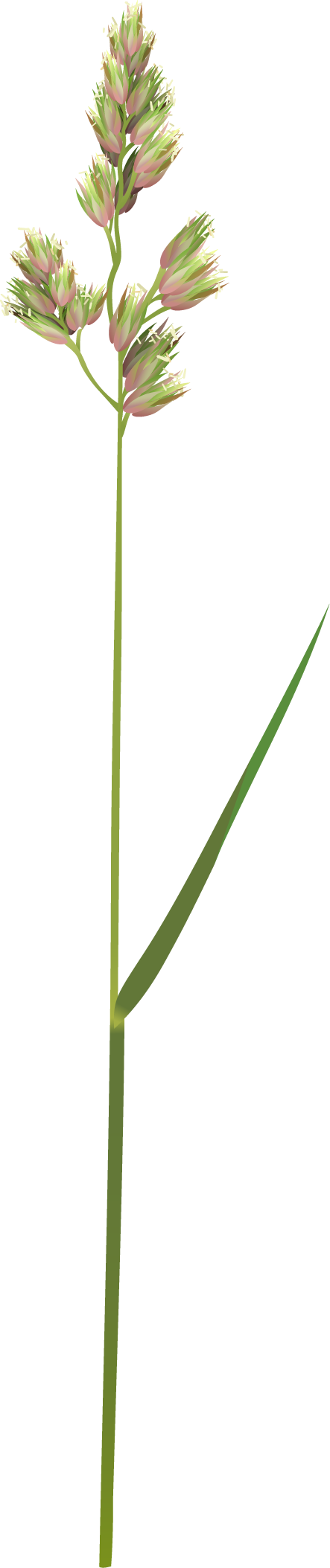
Wildflowers & Grasses Planted




UN Sustainable Development Goals
As a GreenTheUK partner, you support projects that are in line with the UN Sustainable Development Goals.

Take urgent action to combat climate change and its impacts.

Sustainably manage forests, combat desertification, halt and reverse land degradation, halt biodiversity loss.