






Planting for the Future

header image

CrossCountry Trains supported the creation of 8 wildflower gardens in local schools

Project Overview

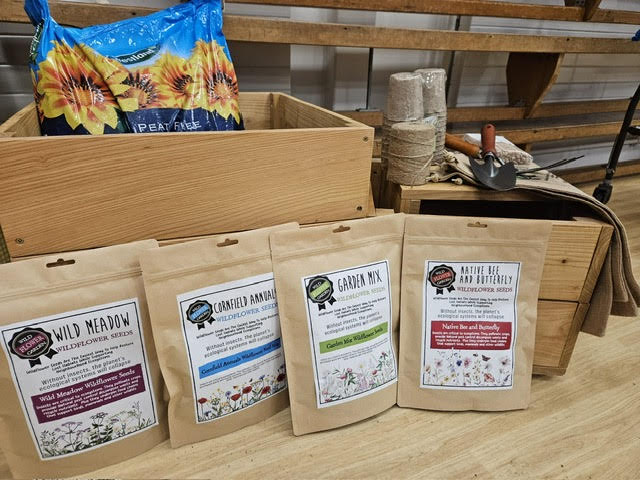
Planting in schools is a powerful way to create space for nature while inspiring the next generation to care for it. By introducing wildflower areas, gardens and green spaces into school grounds, CrossCountry Trains is helping to create vital habitats for invertebrates while giving children the opportunity to experience nature first-hand.

Pupils learn about the vital role that pollinators play in our world - from pollinating crops and supporting food systems, to recycling nutrients and helping to build healthy, fertile soils. They also discover how insects underpin entire ecosystems, supporting birds, plants and wider biodiversity.

At the same time, children are introduced to the challenges these species face. Habitat loss, environmental change and declining wildflower areas have all contributed to reductions in pollinator populations. By understanding these issues early, young people are better equipped to become informed, engaged stewards of the natural world.

Wildflower patches, vegetable beds and herb gardens provide essential food sources and shelter for insects such as bumblebees, butterflies, honey bees and hoverflies. These areas act as important stepping stones across the landscape, helping pollinators move through urban and suburban environments while creating opportunities for play and discovery.

The impact on children is significant. According to The Children’s People and Nature Survey for England: 2025 update, 93% of children and young people agree that being in nature makes them feel happy. The same research shows that 85% believe it is important to look after the environment, and 89% would like to do more to protect it - highlighting a clear appetite to engage when given the opportunity.

To deepen this connection, schools are supported with online expert-led sessions that bring the topic to life. Children are encouraged to observe, identify and even help monitor the pollinators visiting their school grounds - turning curiosity into meaningful engagement.

With the support of CrossCountry Trains, these projects are helping schools create lasting green spaces that benefit both wildlife and young people, nurturing a stronger connection to nature and empowering the next generation to protect it. In the coming months, this case study will highlight another three schools with wildflower gardens, thanks to CrossCountry Train's suppport.

header image

Project Statistics

School Icon

8

Number of new green spaces created in local schools

childrens Icon

203

Number of children engaged

icon

Testimonials

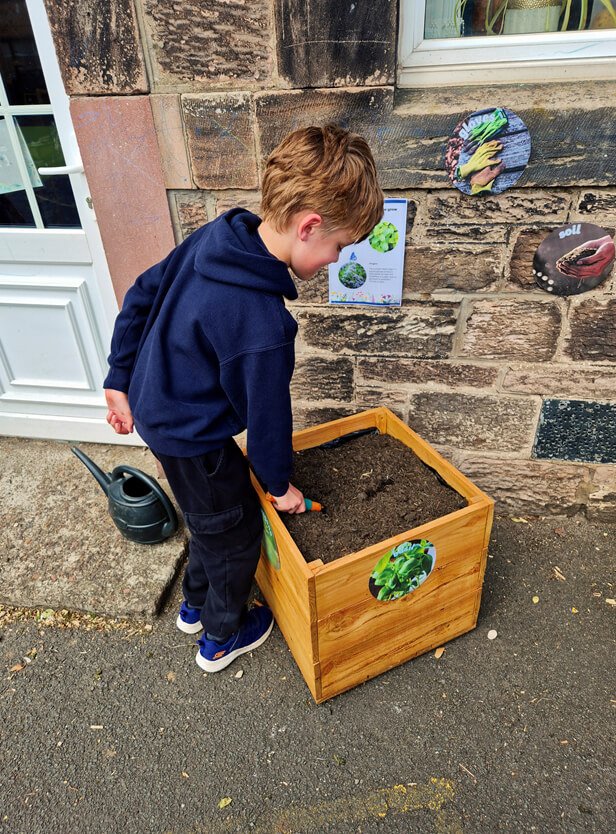
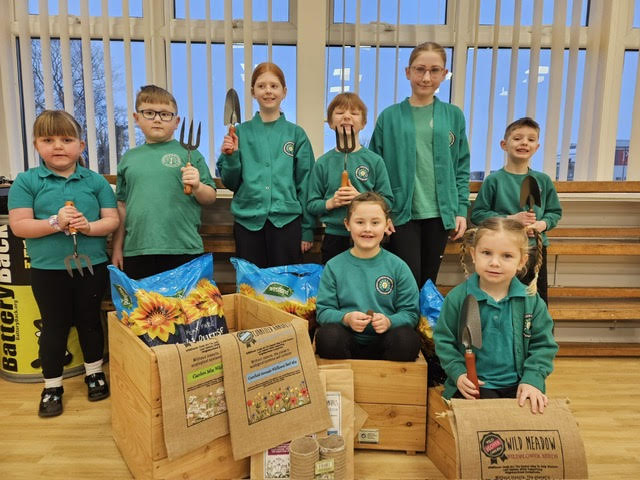
The children have loved planting up and caring for our seeds in the lovely planters we received from you. We have chosen to label the planters so that everyone is aware of what will be appearing. There have been quite a few parents interested in what is being grown. Many thanks for providing this marvellous resource. - Teacher, Tweedmouth West Primary School We really enjoyed planting our wildflower seeds. It will help more bees and butterflies. We can't wait to check back in a few weeks to see the flowers growing. - Student, Grange View CE Primary School Thank you so much for the wonderful donation of wooden planters, gardening tools, compost, and wildflower seeds. Our school nurture group has loved creating an outdoor garden area and thoroughly enjoyed planting the flowers together. The children have been excited to watch the seeds we planted in February grow, especially the blue flowers that appeared last week. We built a bug hotel which is beside our planters and we have enjoyed seeing insects visit our garden. We have continued using the tools for other gardening activities around our school. The project has inspired us to build our own planters to use the remaining seeds. It has been a truly fantastic experience for the children who do not have gardens of their own at home. It has encouraged teamwork and enjoyment of the outdoors. - Teacher, Newton Primary School The children enjoyed sprinkling the seeds and watering. Can you see they've started to grow! We also used some seeds around our Easter garden. All the children are really excited to see what minibeasts start to visit once the flowers have grown. We enjoyed reading the story of the Tiny Seed by Eric Carle. Some of our seeds had blown away like the tiny seed. - Teacher, Holy Trinity Primary School We planted tomatoes, courgettes, and beans into the pots. Once our plants have grown, we will plant them outside. - Student, Woodside Primary School

Planting for the Next Generation

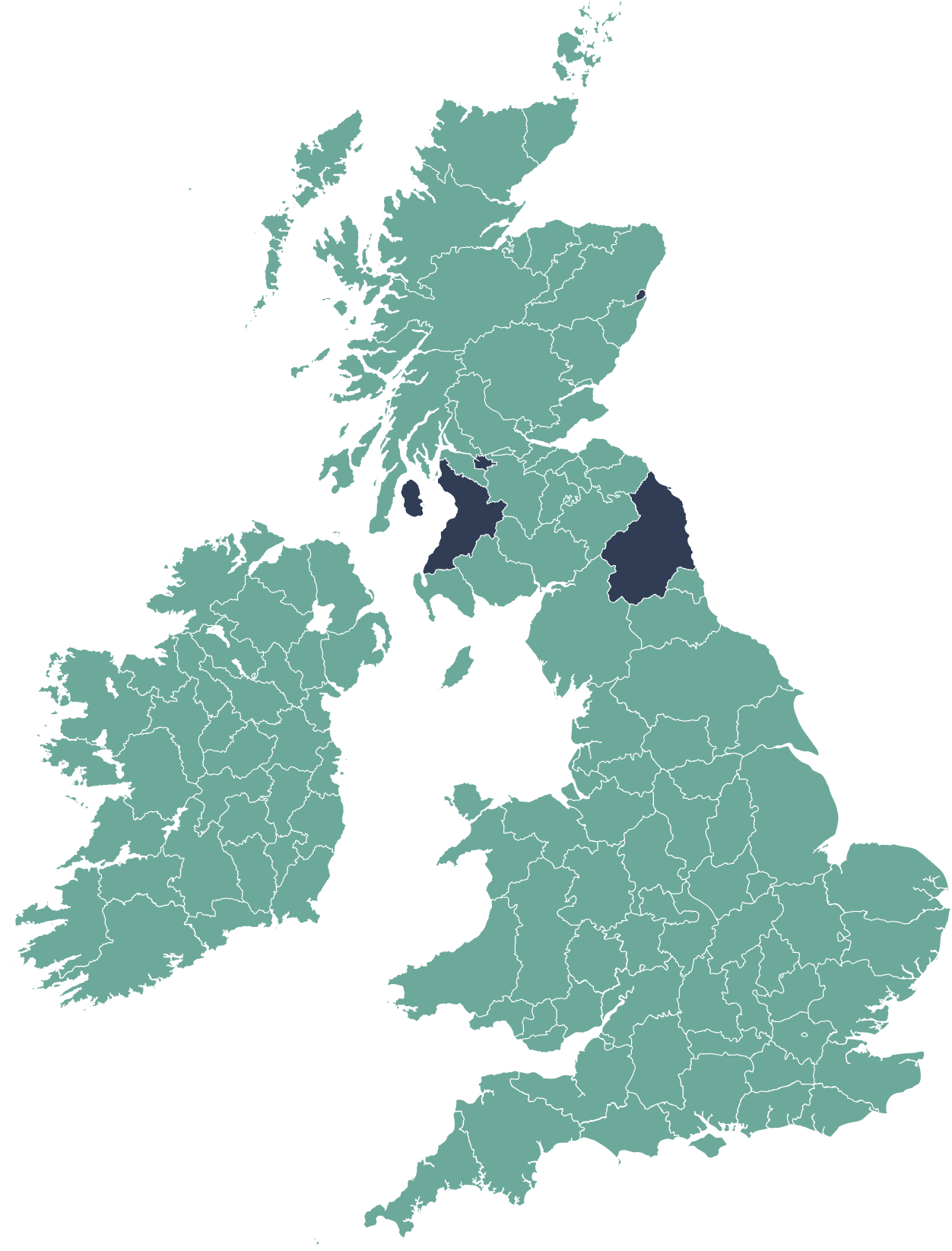
Tweedmouth West Primary School in Northumberland is a welcoming school for children aged 4 to 11, guided by its vision to “Be Our Best.” Through its values of achievement, skills, kindness, confidence and voice, the school encourages pupils to become ambitious, resilient and caring members of their community while developing a lifelong love of learning.

Outdoor learning plays an important role in school life, with pupils making use of the school’s field, pond, garden and outdoor village to explore the natural world through first-hand experiences. Alongside woodland areas, gardens and outdoor learning spaces, these environments help children build curiosity, confidence and an appreciation for the world around them while supporting learning beyond the classroom.

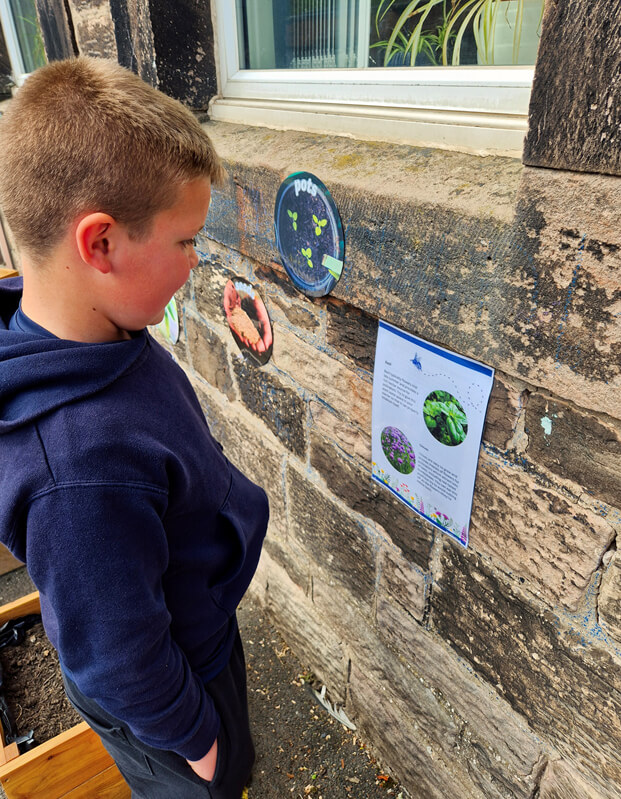
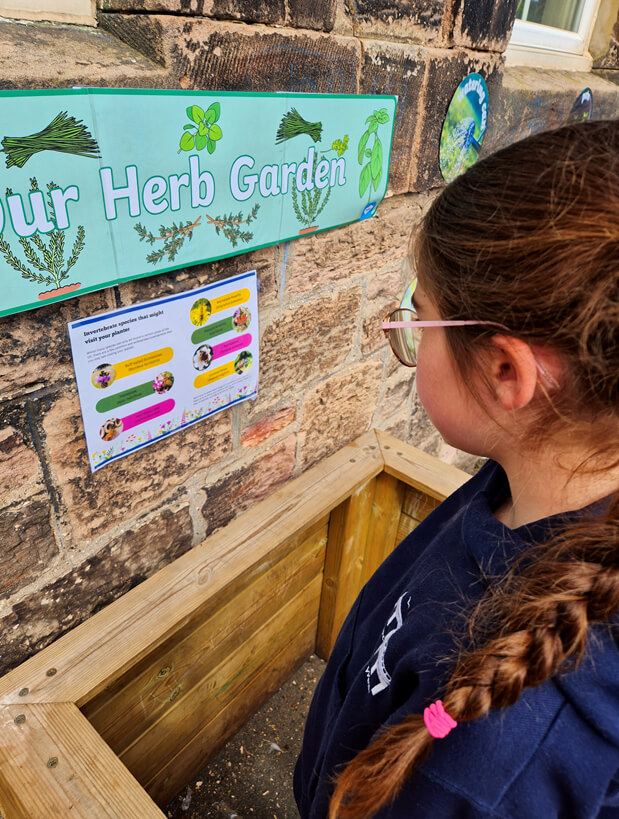
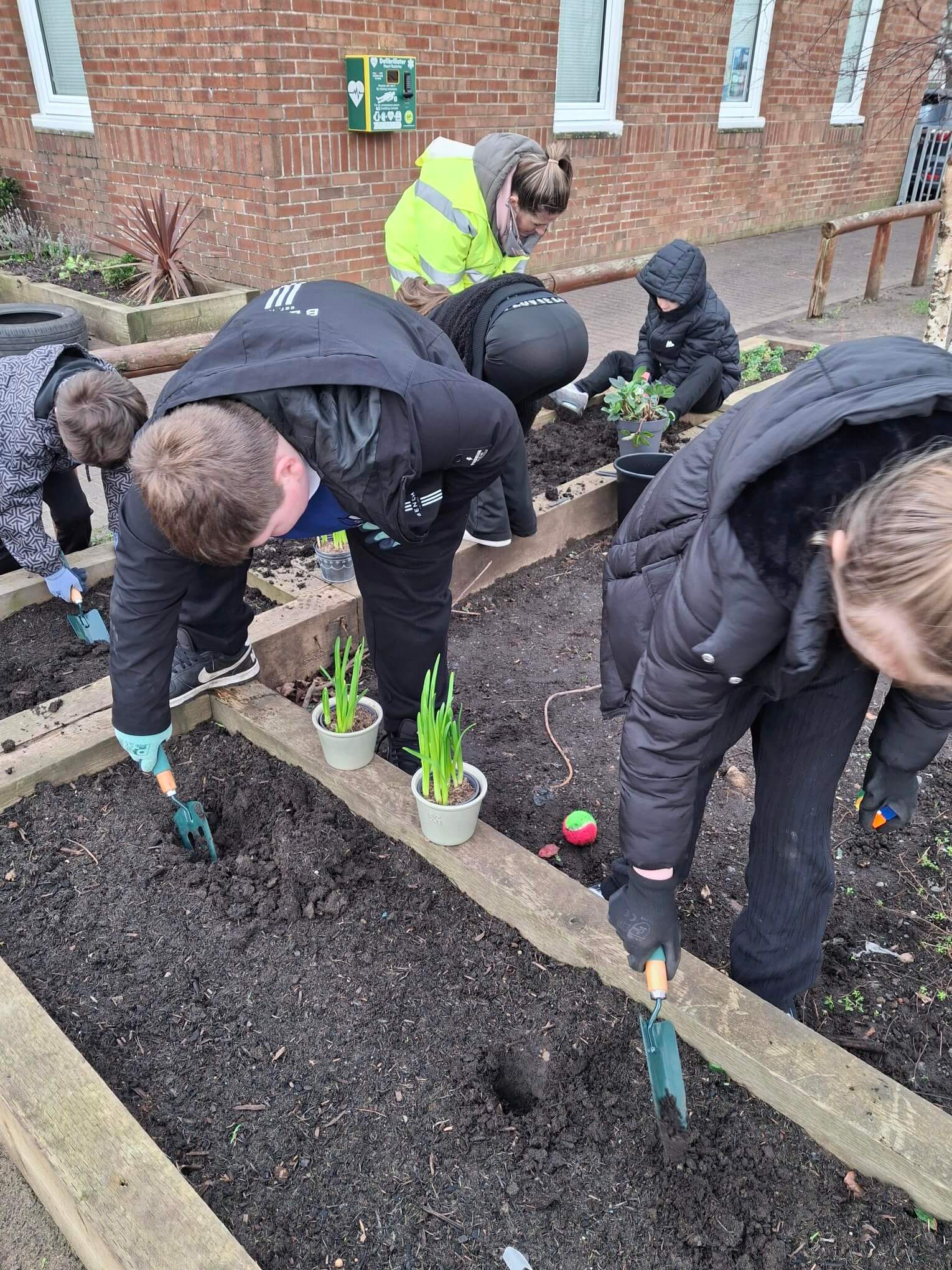
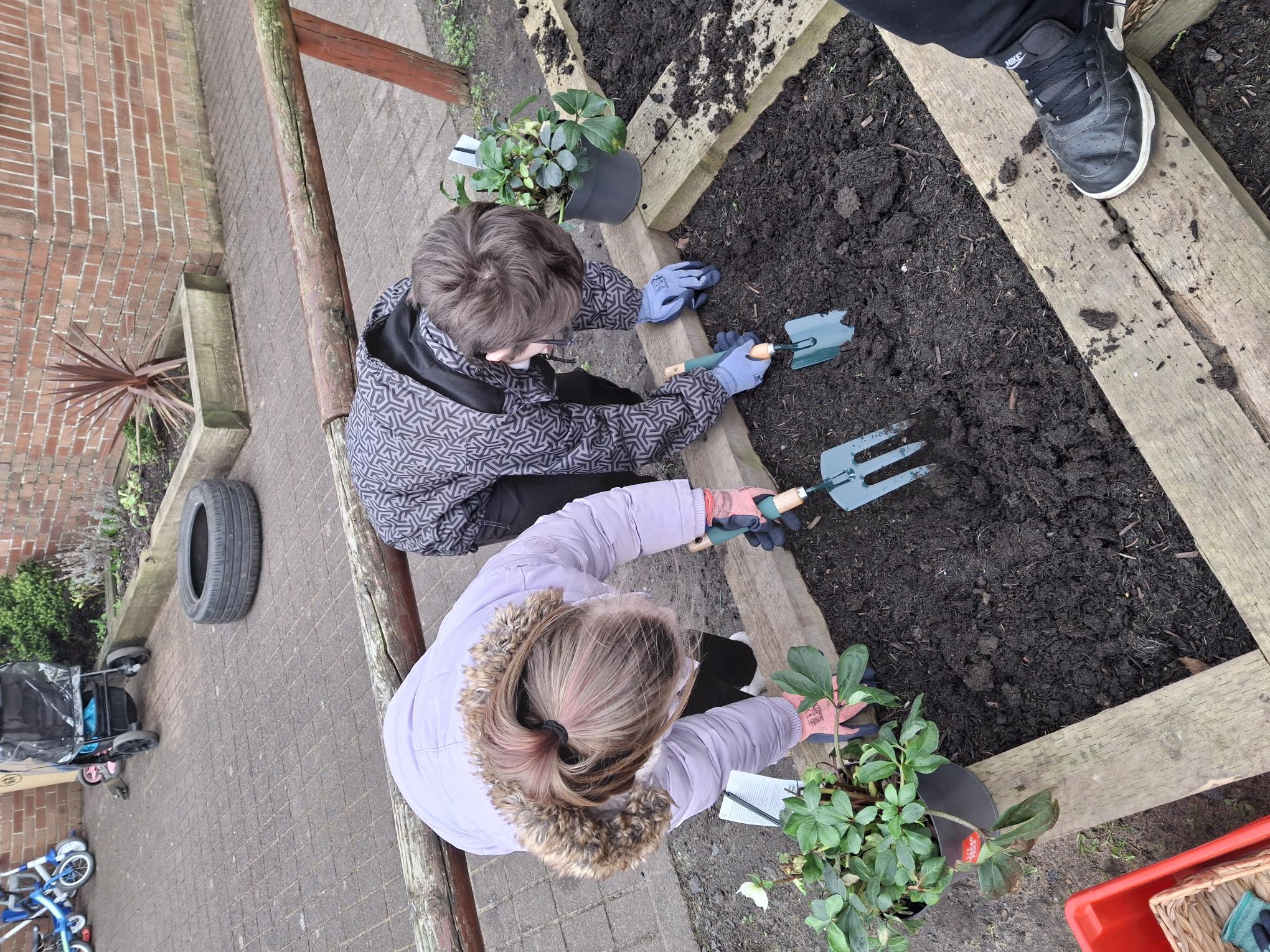
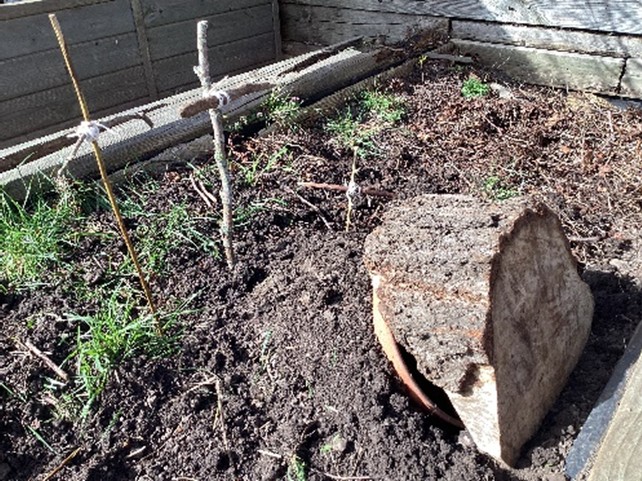
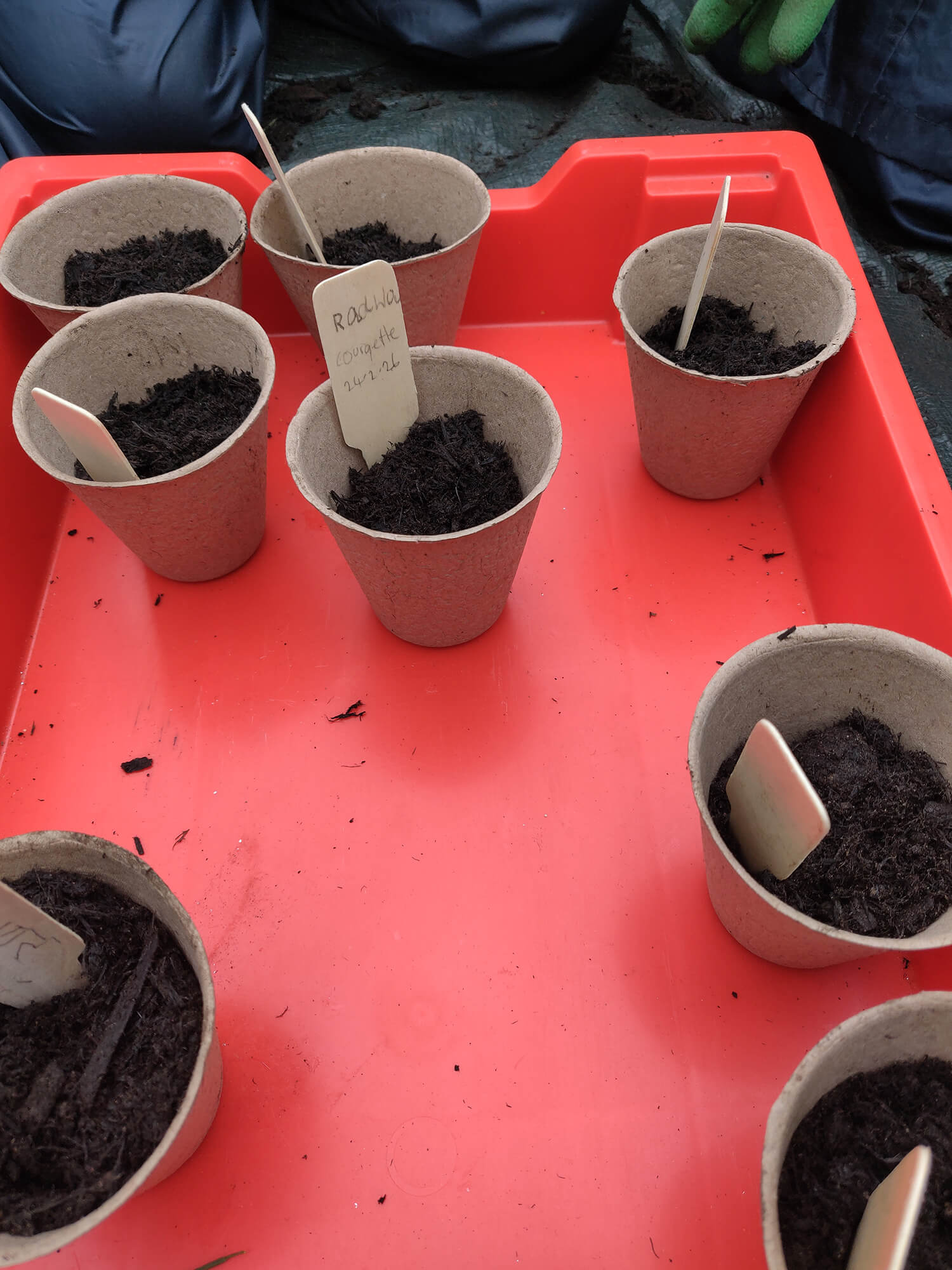
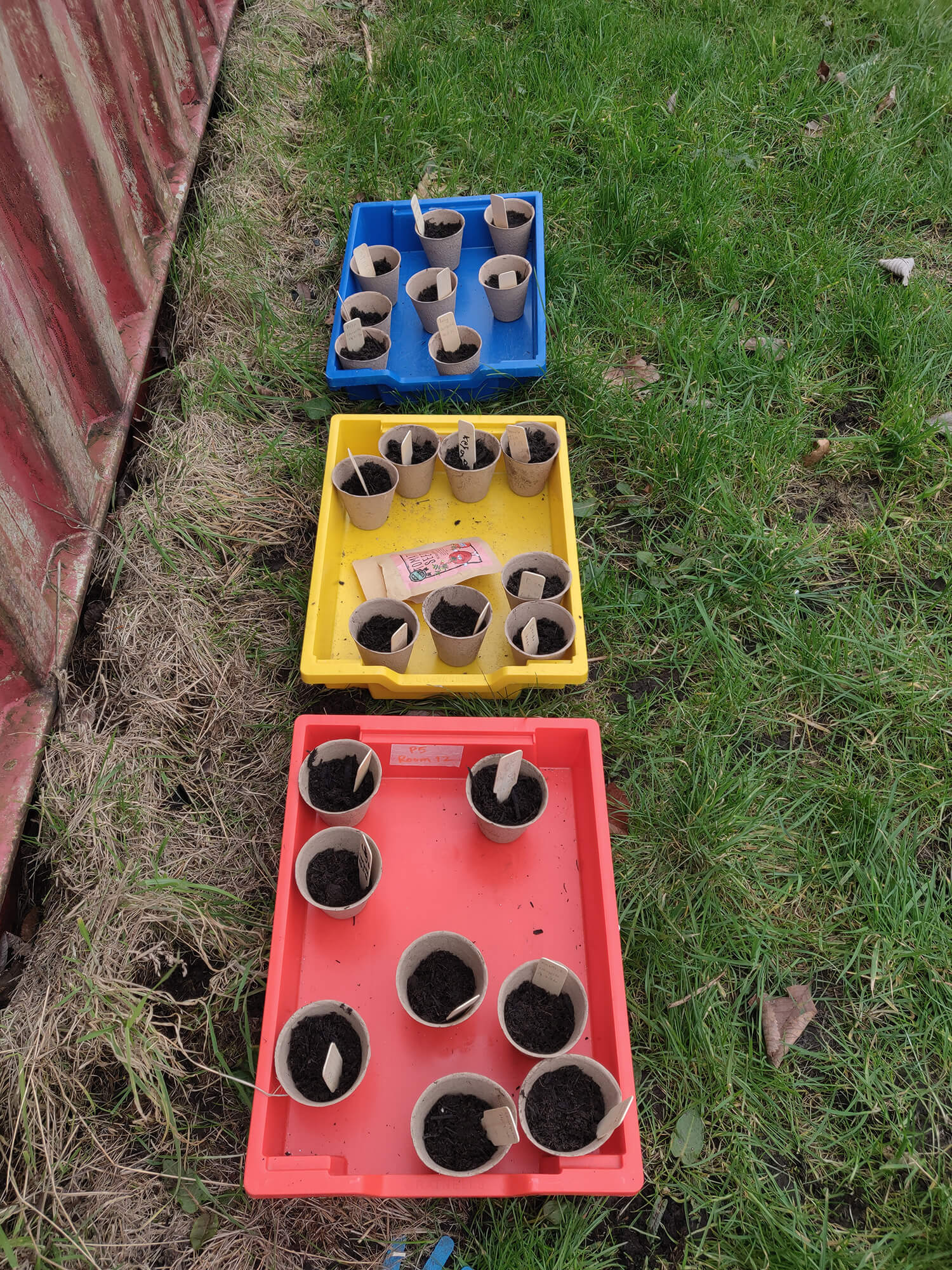
Thirty Year 3 pupils at Tweedmouth West Primary in Berwick-upon-Tweed, close to the CrossCountry trains network, took part in a herb-planting session designed to encourage outdoor learning and help children develop an understanding of growing and caring for plants. Together, the pupils planted a variety of herbs, and the teachers created colourful signs to label the planters, helping everyone learn what would eventually grow and how the different species could be identified. The project provided a fun and engaging opportunity for the children to work collaboratively while developing their gardening and creativity skills.

Map

Grange View CE Primary School provides a stimulating and secure, inclusive environment where children from all faiths and cultures are valued and supported to achieve their full potential. It offers an engaging and meaningful curriculum, delivered in partnership with home, church and the wider community, with high expectations for all learners.

Rooted in its Christian ethos, the school encourages pupils to flourish as lifelong learners, guided by the values of Friendship, Forgiveness, Respect, Perseverance and Community. Through opportunities for reflection and spiritual development, children are inspired to become caring citizens who make thoughtful moral choices and appreciate the world around them.

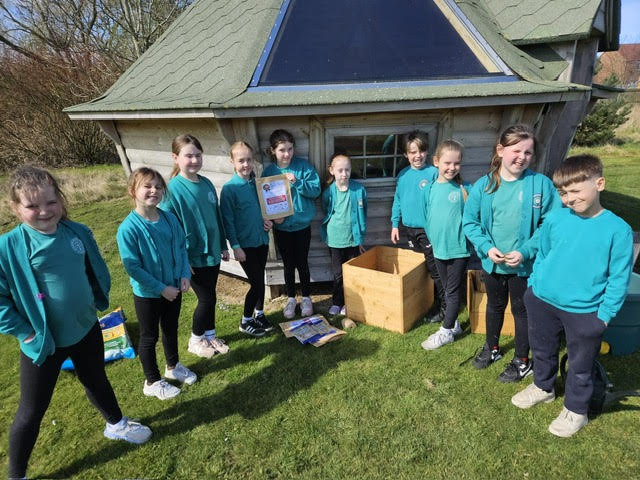
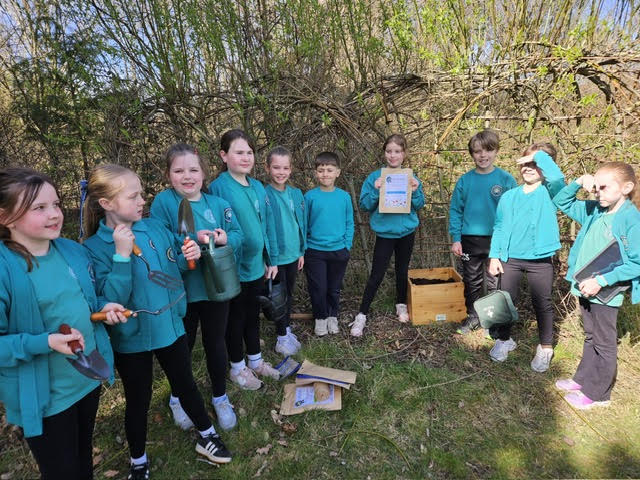
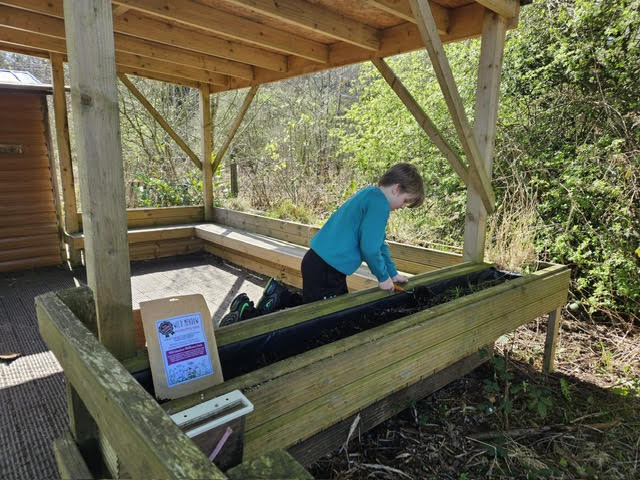
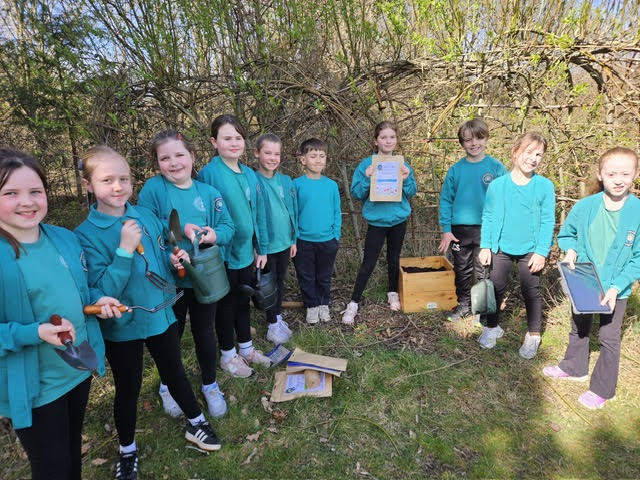
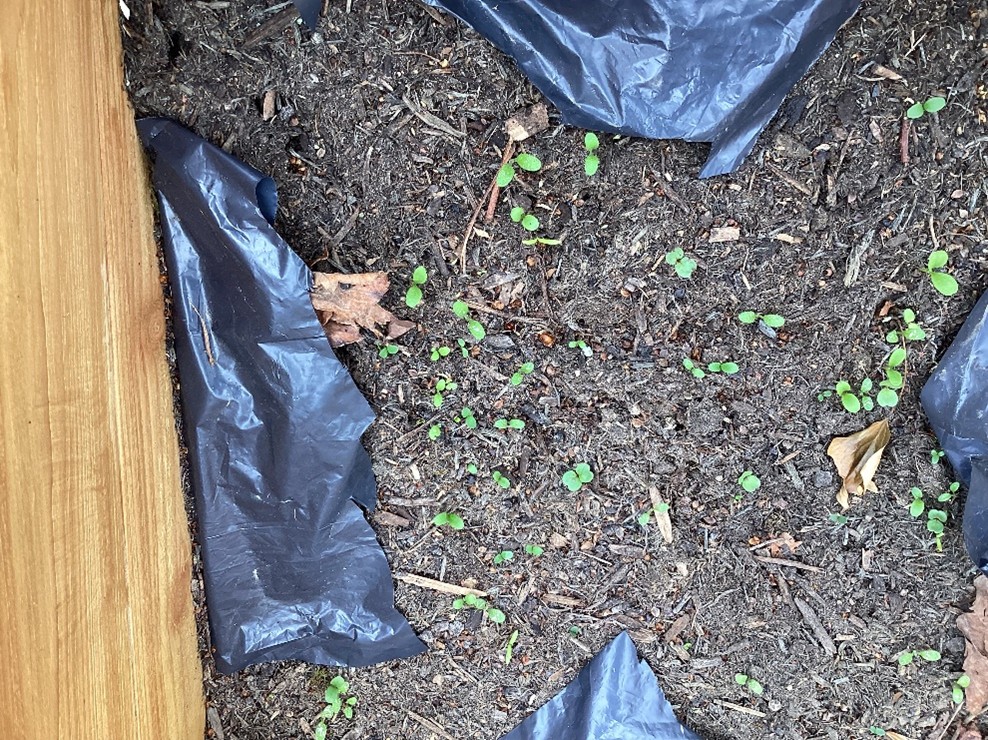
Grange View CE Primary in Morpeth chose a carefully selected wildflower seed mix of native British species to support a diverse range of pollinating insects and other invertebrates. Using the provided planters, pupils established the seeds alongside existing beds within the school’s wooded area, taking advantage of the sunny conditions that make this an ideal site for growth and establishment.

This new wildflower area complements the vegetables already grown on site, further enriching the school’s outdoor learning provision. By combining ornamental wildflower planting with edible growing spaces, pupils are able to explore different aspects of horticulture in a hands-on way. This integrated approach supports learning about plant life cycles, food production, and the importance of biodiversity, while also fostering a deeper understanding of local ecosystems and the role of pollinators in sustaining them.

Newton Primary School is a caring and ambitious school where a highly motivated staff team work hard to ensure all children feel safe, supported and ready to learn. Guided by the school motto ‘Highest Hopes’, the school celebrates every child’s achievements and strives to create regular opportunities for success.

Working in partnership with parents, carers and the wider community, Newton Primary delivers a broad and balanced curriculum that supports pupils’ academic, personal, moral and physical development. The school is committed to helping children become successful learners, confident individuals, effective contributors and responsible citizens in a caring and supportive environment.

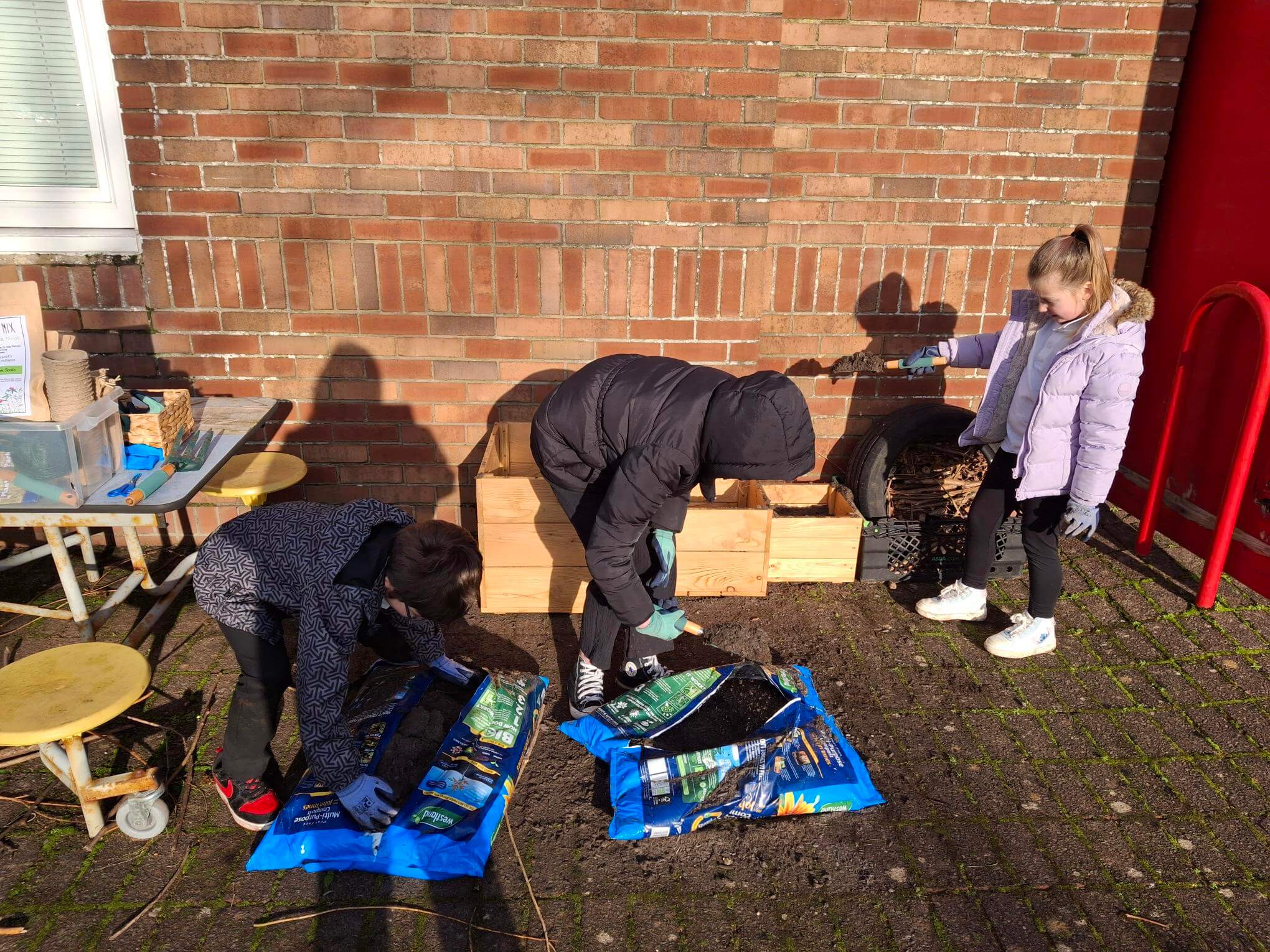
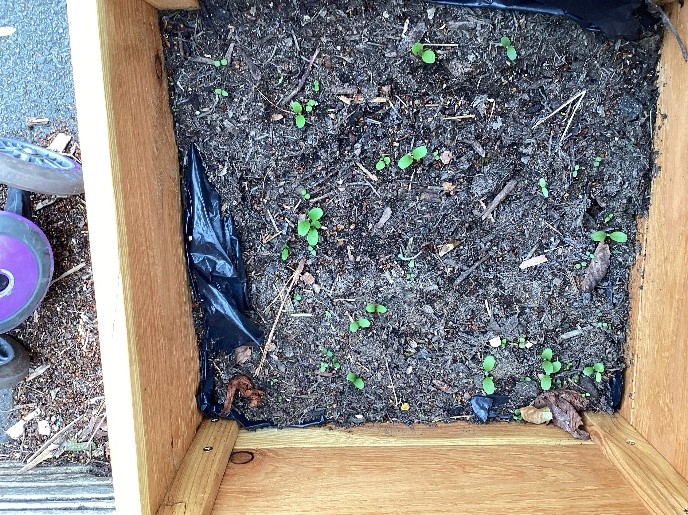
Newton Primary in Ayr, located close to the CrossCountry Trains network, involved its Nurture Group in a wildflower planting project to help create a colourful outdoor space that supports local wildlife and enhances biodiversity. Using donated wooden planters, tools, compost, and seeds, the children worked collaboratively to plant and care for a variety of wildflowers and eagerly awaiting the emergence of the first blooms in spring.

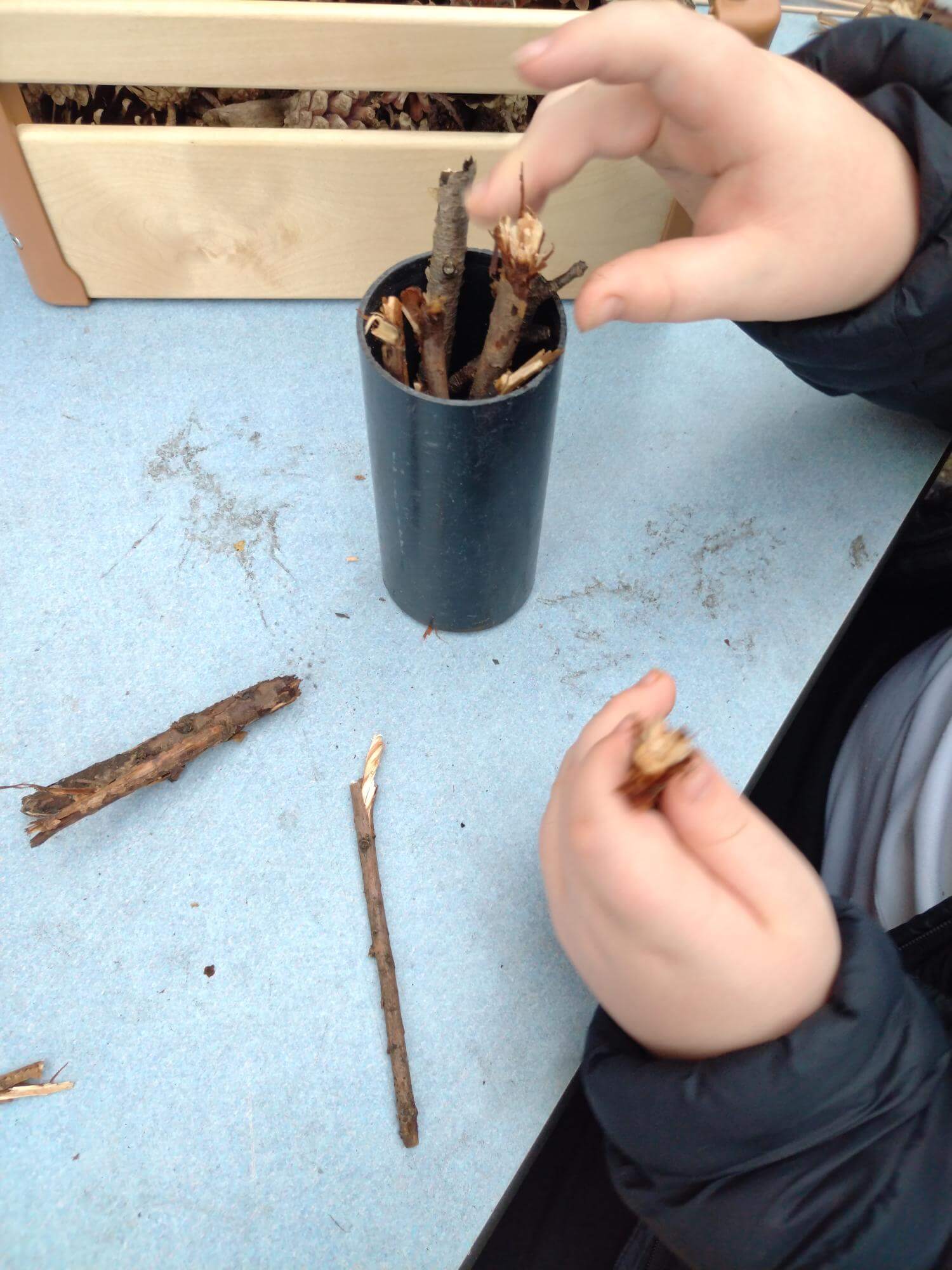
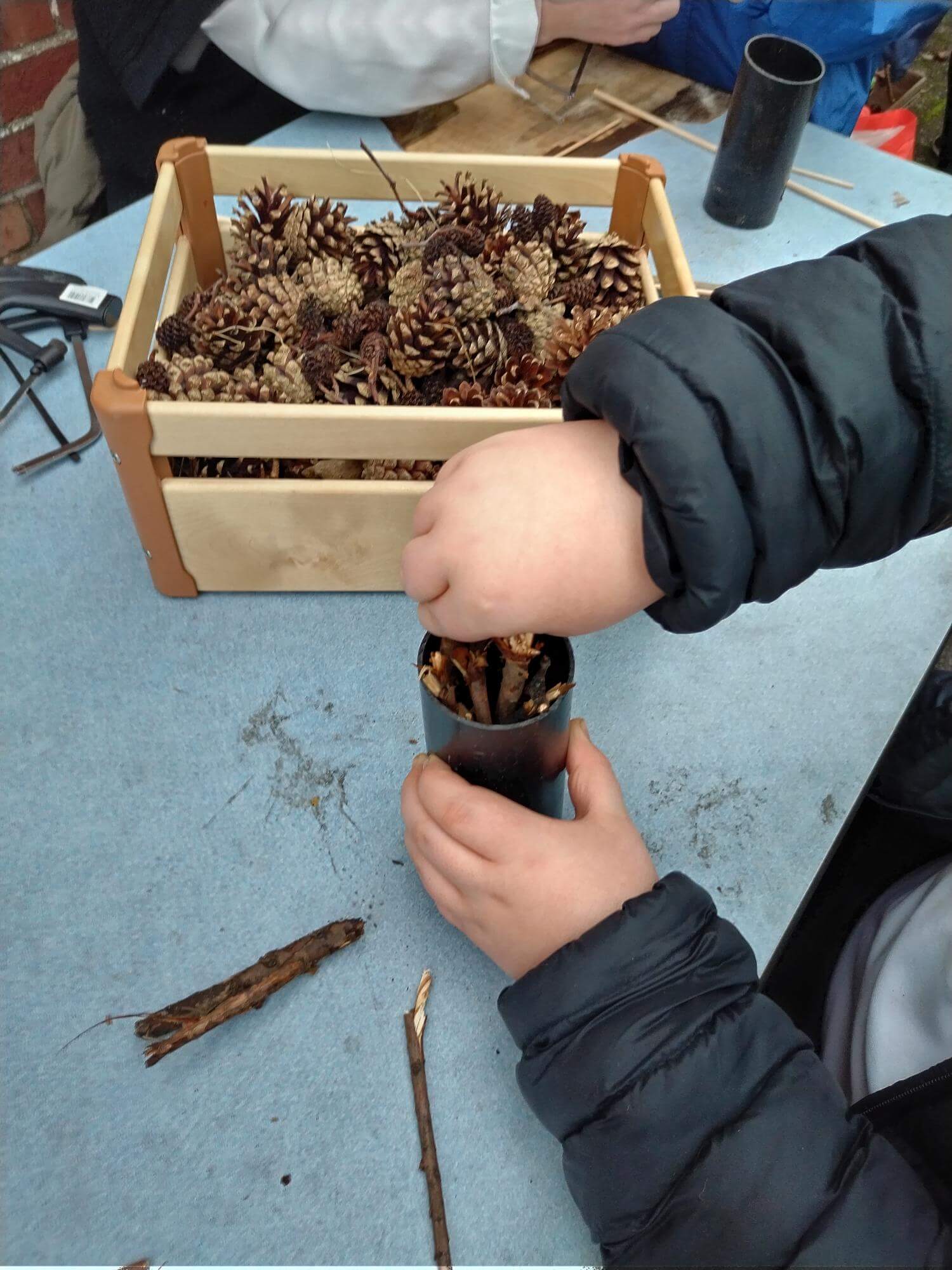
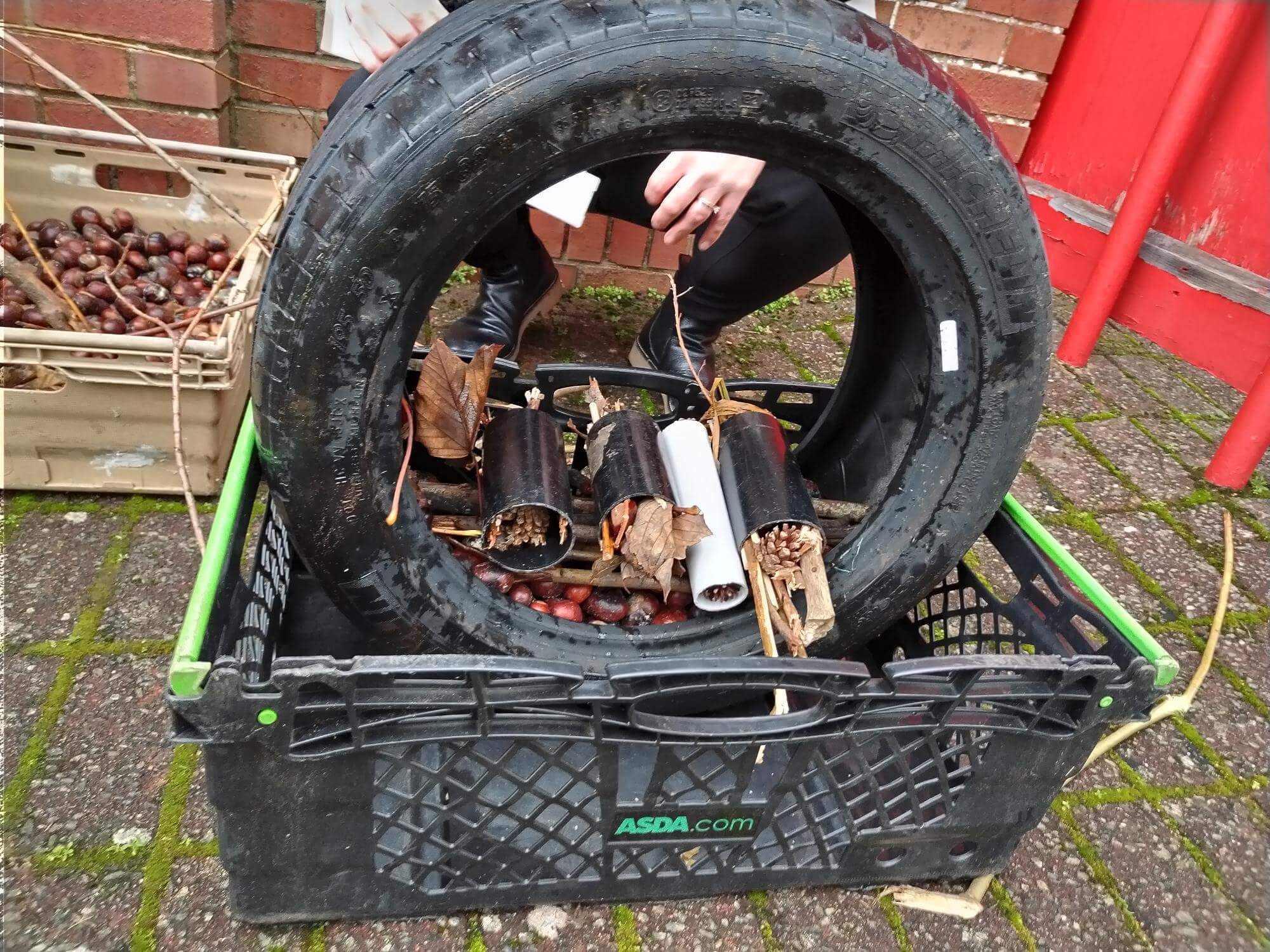
Alongside this, the group designed and built their own bug hotels to provide safe habitats for visiting insects, further strengthening the school’s commitment to supporting nature on site. The project has provided rich opportunities for outdoor learning, teamwork, and practical gardening skills, while also offering pupils meaningful experiences of connecting with the natural world. For many children, it has helped build confidence, responsibility, and a lasting appreciation for nature.

Holy Trinity Church of England Primary School is a caring and inclusive school led by Headteacher Nicholas Shaw, supported by a dedicated team of staff and governors who work together to create a nurturing and inspiring environment where every child can thrive. The school has high expectations for all pupils and aims to develop inquisitive thinkers who are curious, confident, and eager to explore their learning through thoughtful questioning.

Rooted in its Church of England ethos, Holy Trinity serves its whole community, welcoming families of all faiths and none. The school promotes values of kindness, respect, and inclusivity, recognising every child as precious regardless of background, ability, or belief. Pupils are encouraged to become resilient “challenge seekers” who approach learning positively, embrace difficulty, and develop the confidence to say “bring it on” when faced with new challenges.

Holy Trinity C of E First School in Berwick-upon-Tweed, located close to the CrossCountry Trains network, took part in a sponsored wildflower planting session with a group of seven pupils from Years 4 and 5. The children worked collaboratively to sow a mix of native British wildflower seeds, carefully chosen to attract a wide range of pollinating insects and other invertebrates, helping to enhance biodiversity within the school grounds.

The session provided a valuable learning experience with pupils enjoying sprinkling the seeds, watering them and beginning to notice early signs of growth. Some of the seeds were also planted around the school’s Easter garden, further extending the project across different outdoor areas. The activity sparked curiosity and excitement, with pupils eager to see what minibeasts will be attracted as the flowers develop. Linking beautifully to their learning, the children enjoyed reading The Tiny Seed by Eric Carle, making connections between the story and their own planting experience - including noticing how some seeds had blown away, just like the tiny seed in the book.

Woodside Primary School in Aberdeen is a Nursery and Primary school within the St Machar Associated Schools Group, providing high-quality learning experiences for children from Nursery through to Primary 7. The school is committed to nurturing lifelong skills and developing confident, capable learners who are given meaningful opportunities to be effective contributors across the school community through pupil voice groups and leadership roles.

Pupils at Woodside Primary follow the ‘Woodside Way’, ensuring they are safe, ready to learn, and respectful of others in all aspects of school life. The school is proud to hold both the Rights Respecting Schools Bronze Award and the Eco Schools Green Flag, reflecting its strong commitment to children’s rights, sustainability, and responsible citizenship.

Woodside School in Aberdeen sits close to the CrossCountry Trains network. It is a Nursery and Primary school with approximately 300 pupils in Years 1-7 and around 120 nursery children. The school is home to Aberdeen’s first Wee Forest, established in March 2022 by pupils and staff in partnership with Aberdeen City Council Countryside Rangers. Situated directly opposite the school, the Wee Forest is enjoyed by both pupils and the wider community and is cared for through a shared effort involving children, Countryside Rangers, and a dedicated group of volunteer Tree Keepers from across Aberdeen.

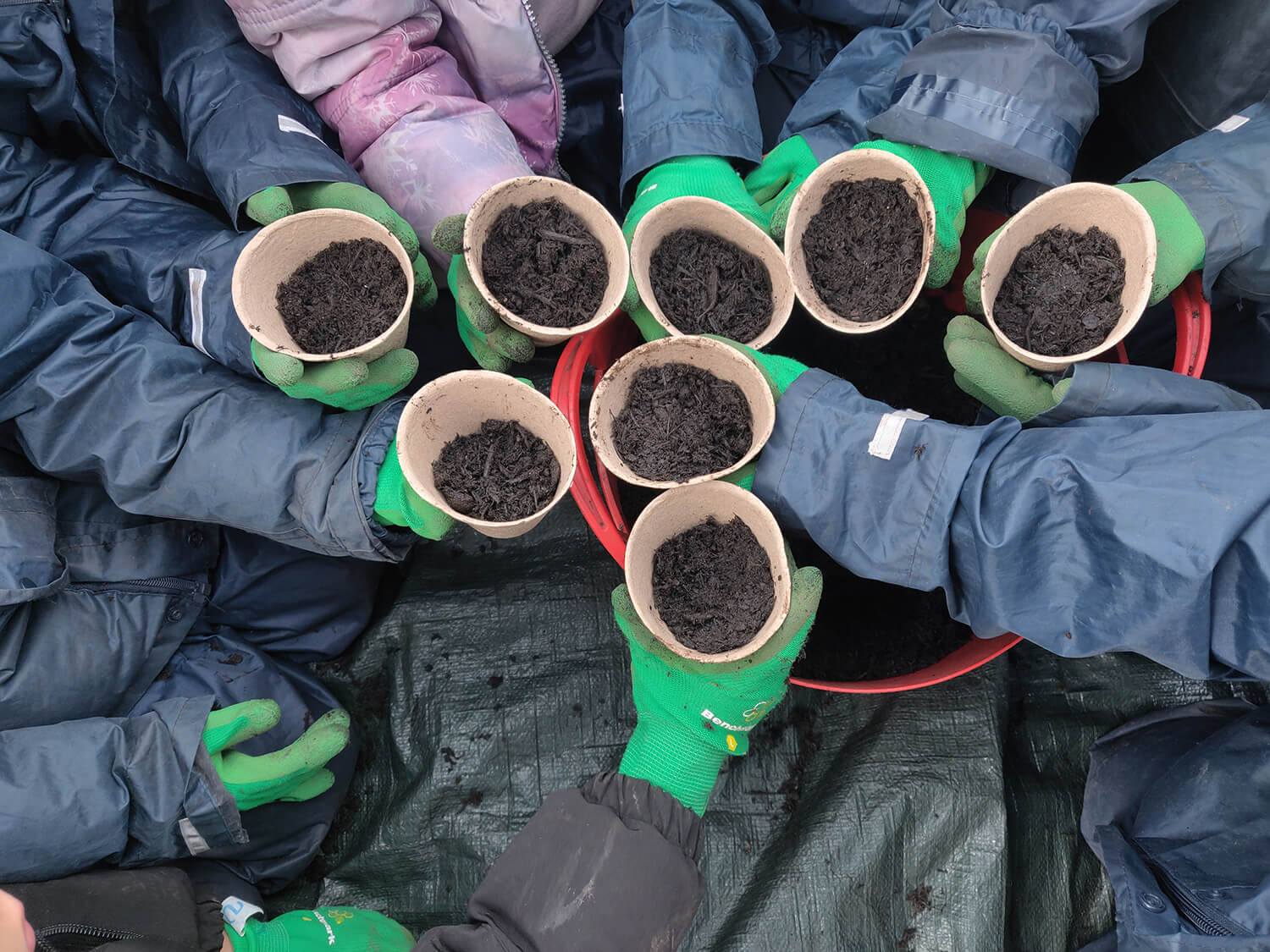
As part of their ongoing outdoor learning and sustainability work, 26 pupils from Years 1 to 3 recently took part in a vegetable planting session, sowing seeds including tomatoes, courgettes, carrots, and runner beans in biodegradable starter pots. Once established, the seedlings will be transferred into wooden planters within the Wee Forest, where pupils will continue to care for them and eventually enjoy harvesting the produce. This hands-on project supports children in developing responsibility, understanding where food comes from, and strengthening their connection to nature.

Overall Species Planted Across Participating Schools

Cornflower

Cornflower: Centaurea Cyanus

Read More

Cornflower: Centaurea Cyanus

This annual plant is native to Europe and best-known for its striking blue flowers which bloom from late spring into early summer. The cornflower’s vibrant petals are a magnet for butterflies and bees. The flower is also called “the bachelor’s button”; possibly because they were commonly worn by single men and women hoping to find love, or maybe because they resemble buttons that require very little sewing!

Self-heal

Self-heal: Prunella Vulgaris

Read More

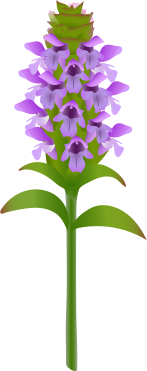
Self-heal: Prunella Vulgaris

Self-heal’s bright purple flowers grow close to the ground in meadows and grasslands as well as by the side of the road and on lawns. It is in bloom between June and October. As you might expect from the name, this small plant has long been used in herbal medicine to treat a number of ailments.

Yarrow

Yarrow: Achillea Millefolium

Read More

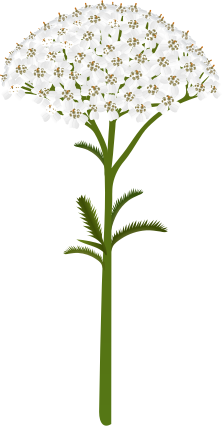
Yarrow: Achillea Millefolium

This hardy perennial has a slightly aniseed taste and can be made into tea; in the Middle Ages, it was used to flavour beer. Centuries ago, Yarrow was used to heal wounds and stop bleeding, but it was also thought to start nosebleeds, and still has the nickname “nosebleed plant”. Starlings and other birds use yarrow to line their nests.

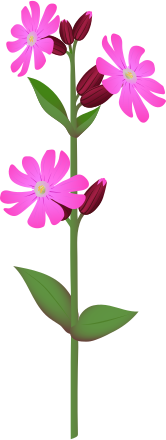
Red Campion

Red Campion: Silene Dioica

Read More

Red Campion: Silene Dioica

Native to the British Isles, this 5-petaled flower is commonly seen growing on roadsides, in woodlands, and on rocky slopes where there is damp soil. If you visit the Isle of Man you may hear it referred to as “blaa ny ferrishyn” or “fairy flower” and make sure not to pick them as it is a taboo to do so on the island.

Ox-eye Daisy

Ox-eye Daisy: Leucanthemum Vulgare

Read More

Ox-eye Daisy: Leucanthemum Vulgare

Ox-eye Daisy is a small, yet resilient flower and has the ability to thrive in diverse habitats. The yellow centre of the oxeye daisy is made up of many small flowers which hold nectar enjoyed by various pollinating insects, including butterflies, bees and hoverflies. A mature plant can produce up to 26,000 seeds that are spread by animals, vehicles, water and contaminated agricultural produce, and some seeds remain viable for up to nearly forty years.

Common Poppy

Common Poppy: Papaver rhoeas

Read More

Common Poppy: Papaver rhoeas

The Common Poppy, a symbol of remembrance used since WW1 and commonly seen almost everywhere across the Commonwealth. The typically bright red flower is full of black edible seeds and has been used to make a variety of products from red dye to oil from the seeds. Poppies play a specific role in meadow and garden ecology, serving the needs of pollen-gathering/consuming insects as it produces a high amount of pollen but very little nectar.

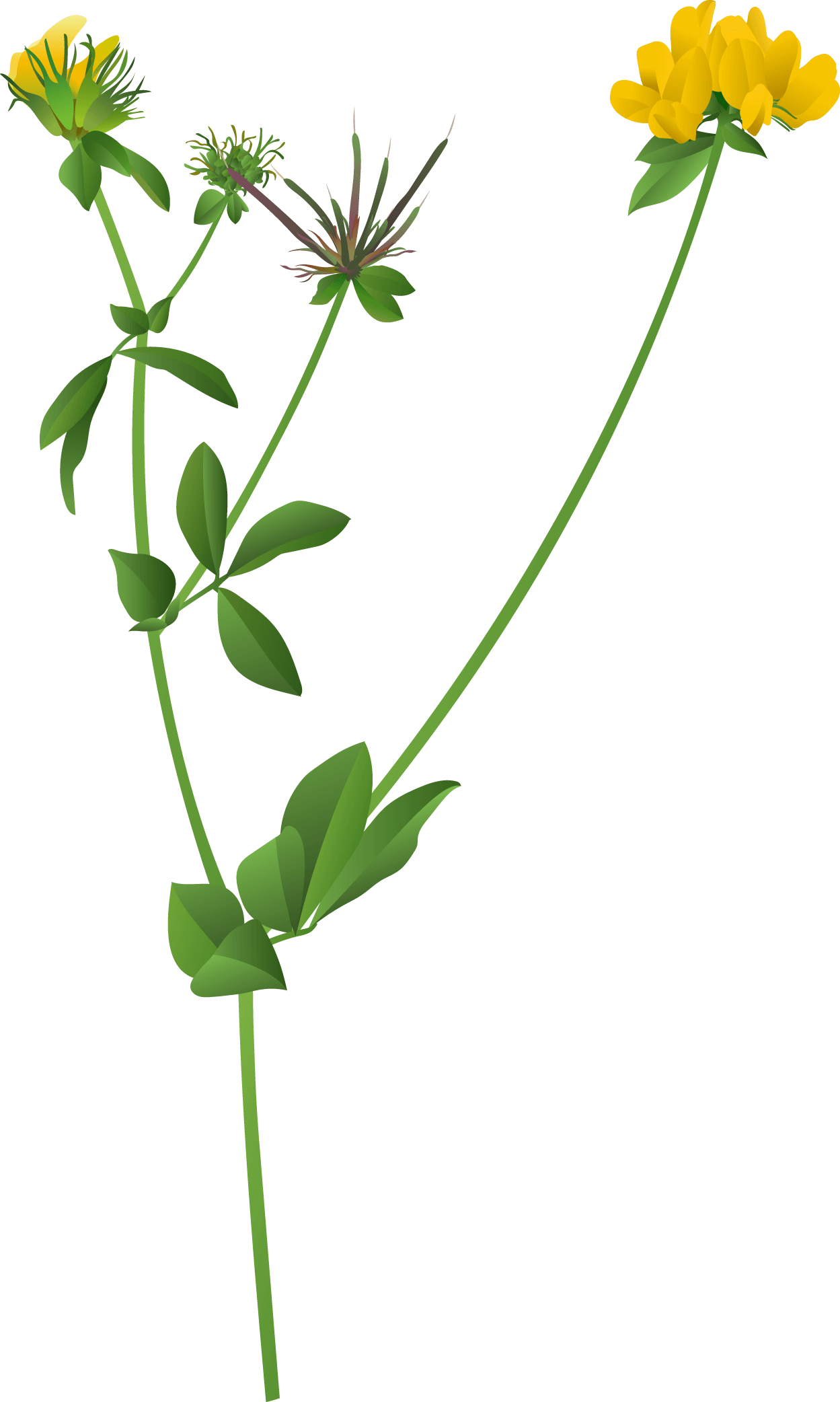
Greater Bird’s-foot Trefoil

Greater Bird’s-foot Trefoil: Lotus pedunculatus

Read More

Greater Bird’s-foot Trefoil: Lotus pedunculatus

This moisture-loving wildflower produces clusters of yellow blooms and flowers in June - late August. Found in damp meadows and pond margins, it offers valuable nectar for bees and butterflies and provides a key larval foodplant for species like the common blue.

Mint

Mint: Mentha

Read More

Mint: Mentha

Mint is an easy-growing herb that thrives in well-drained, fertile soil in light shade. In fact, Mint can be invasive so it’s best planted in pots; it’s easy to grow with cuttings and can be used in teas and salads. Mint has long been valued for its ability to aid digestion, relieve nasal congestion and stimulate relaxation.

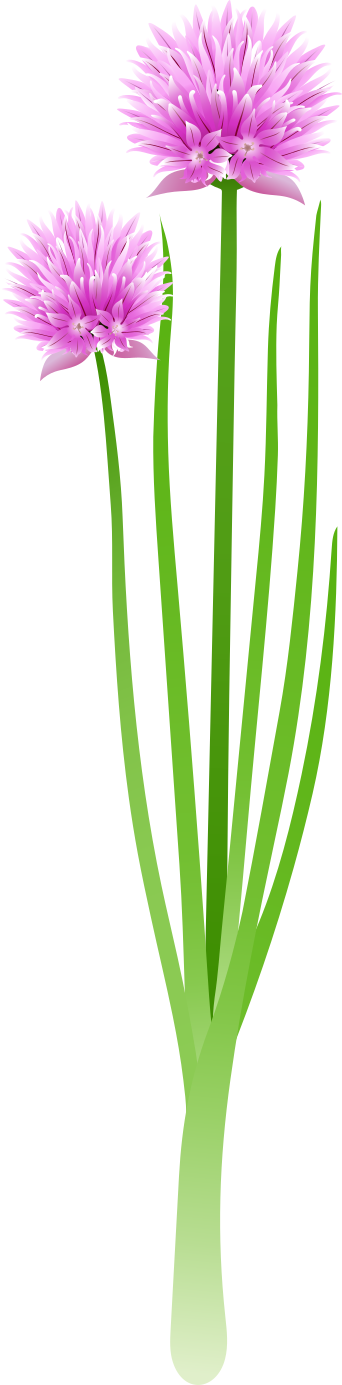
Chive

Chive: Allium schoenoprasum

Read More

Chive: Allium schoenoprasum

Chives are relatively easy to grow and are suitable for both garden and container cultivation. They prefer well-drained soil and thrive in partial shade to full sun. Chives are delicious in food and will attract pollinators to the garden. Being from the onion family, their strong scent can repel certain garden pests, acting as a natural deterrent.

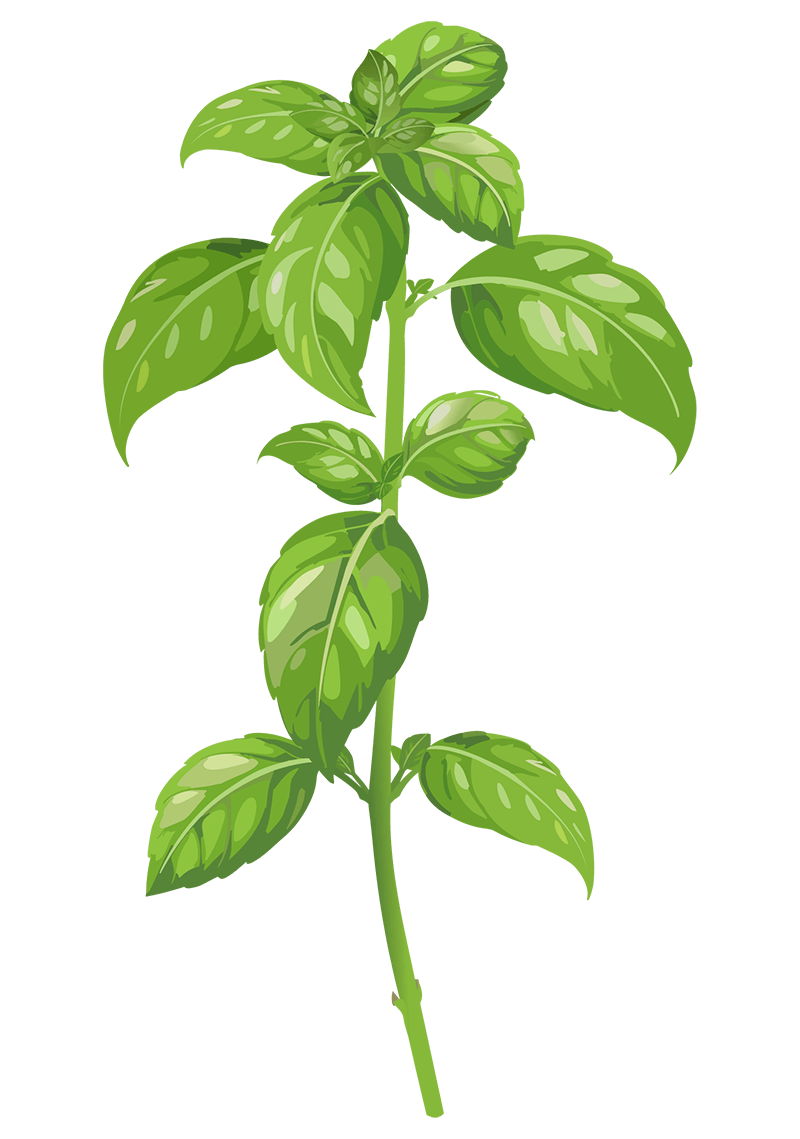
Basil

Basil: Ocimum basilicum

Read More

Basil: Ocimum basilicum

Basil (Ocimum basilicum) is a fragrant herb recognised for its soft green leaves and sweet aroma, commonly used in Mediterranean cooking. It thrives in warm, sunny conditions and grows well in containers, greenhouses and sheltered gardens. Basil flowers attract pollinating insects such as bees, while regular harvesting encourages fresh leafy growth throughout the summer. The leaves are often picked fresh for use in pesto, salads and sauces, making basil one of the most popular culinary herbs grown in gardens.

Courgette

Courgette: Cucurbita pepo

Read More

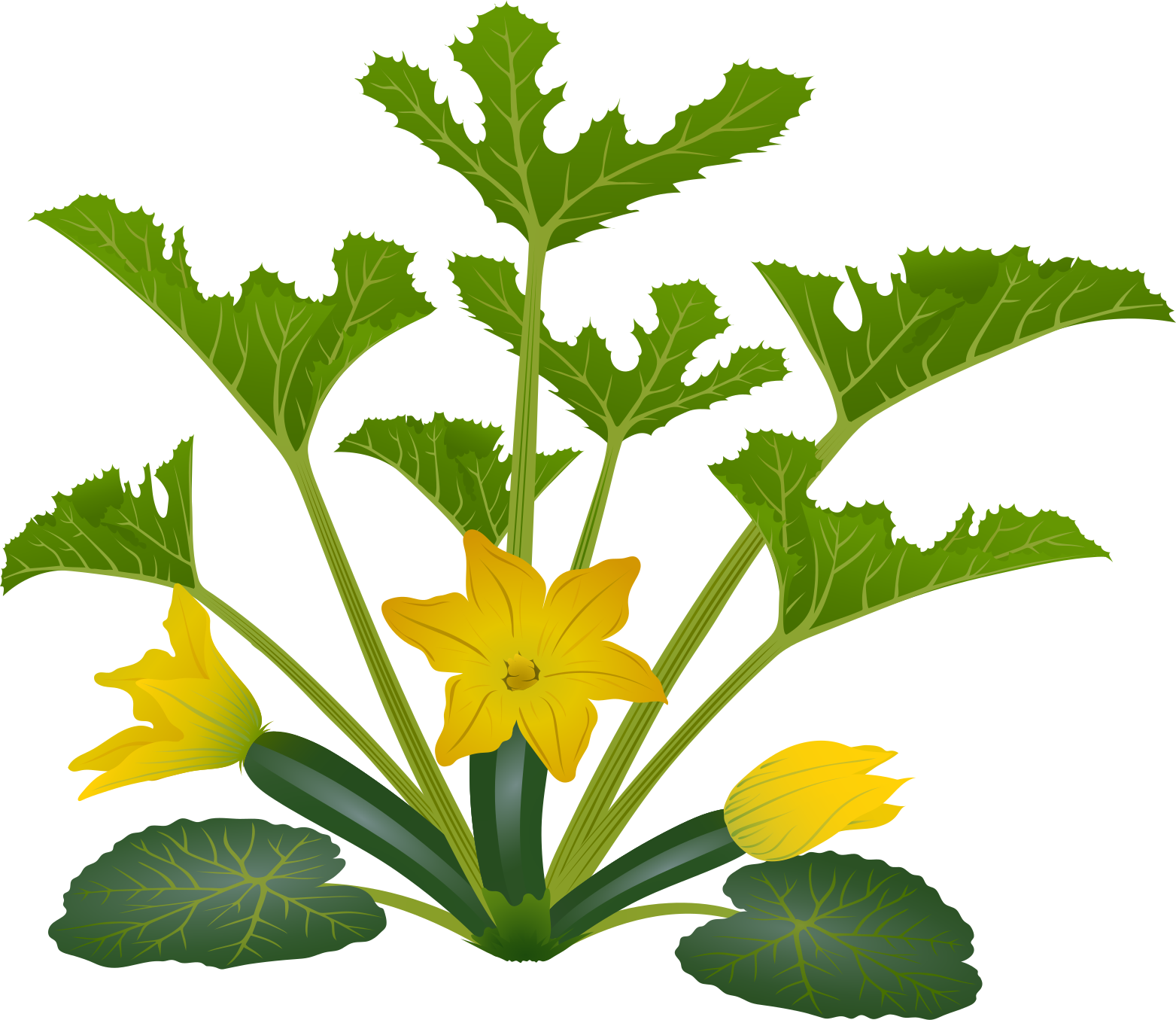
Courgette: Cucurbita pepo

Courgettes are known for their rapid-growth, making them a great learning resource for children. From planting the seeds, it usually takes only a few weeks before the plant starts producing small courgettes. Courgettes are a fantastic vegetable for children to cook and eat as they’re healthy and easy to chop.

Runner Bean

Runner Bean: Phaseolus coccineus

Read More

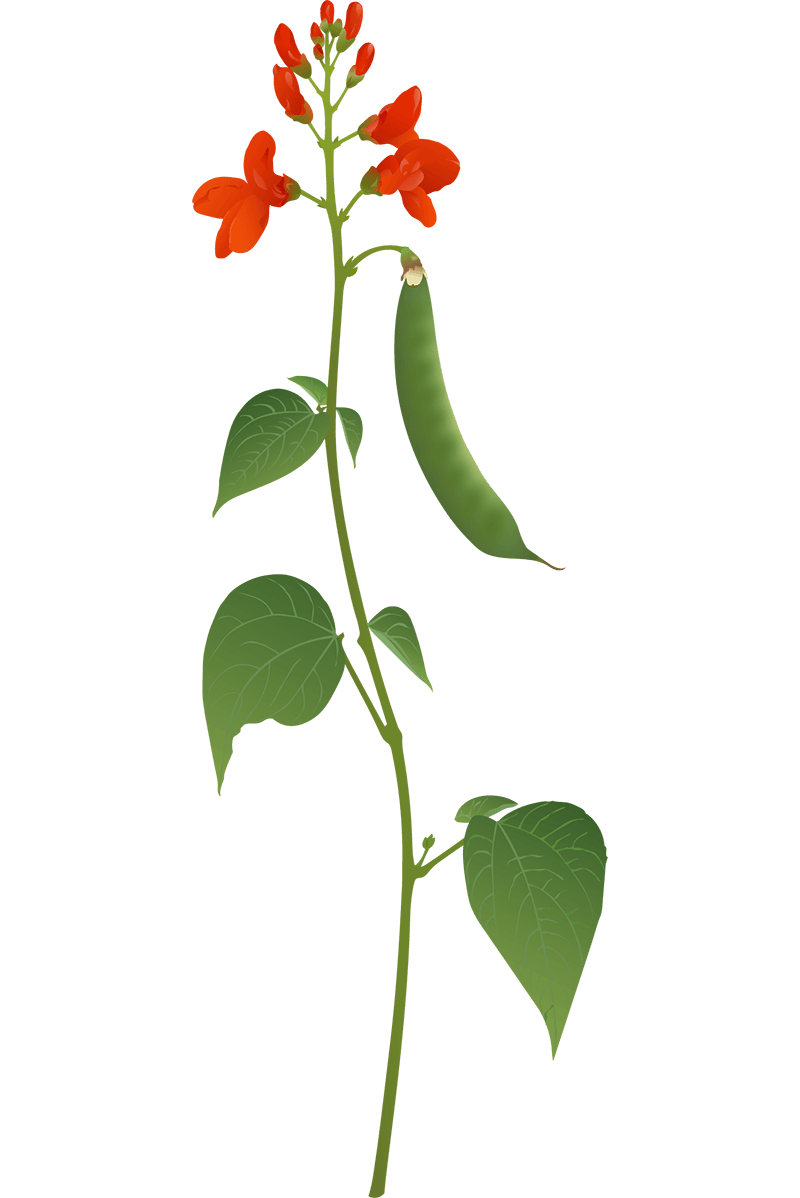
Runner Bean: Phaseolus coccineus

Runner bean (Phaseolus coccineus) is a vigorous climbing plant best known for its bright flowers and long green pods. It grows rapidly in sunny gardens and uses twisting stems to climb poles and trellises, often reaching several metres in height. The scarlet, white or pink flowers are highly attractive to bees and other pollinators during summer. Young pods are harvested while tender and are widely grown as a productive vegetable crop in gardens and allotments across the UK.

Carrot

Carrot: Daucus carota subsp. sativus

Read More

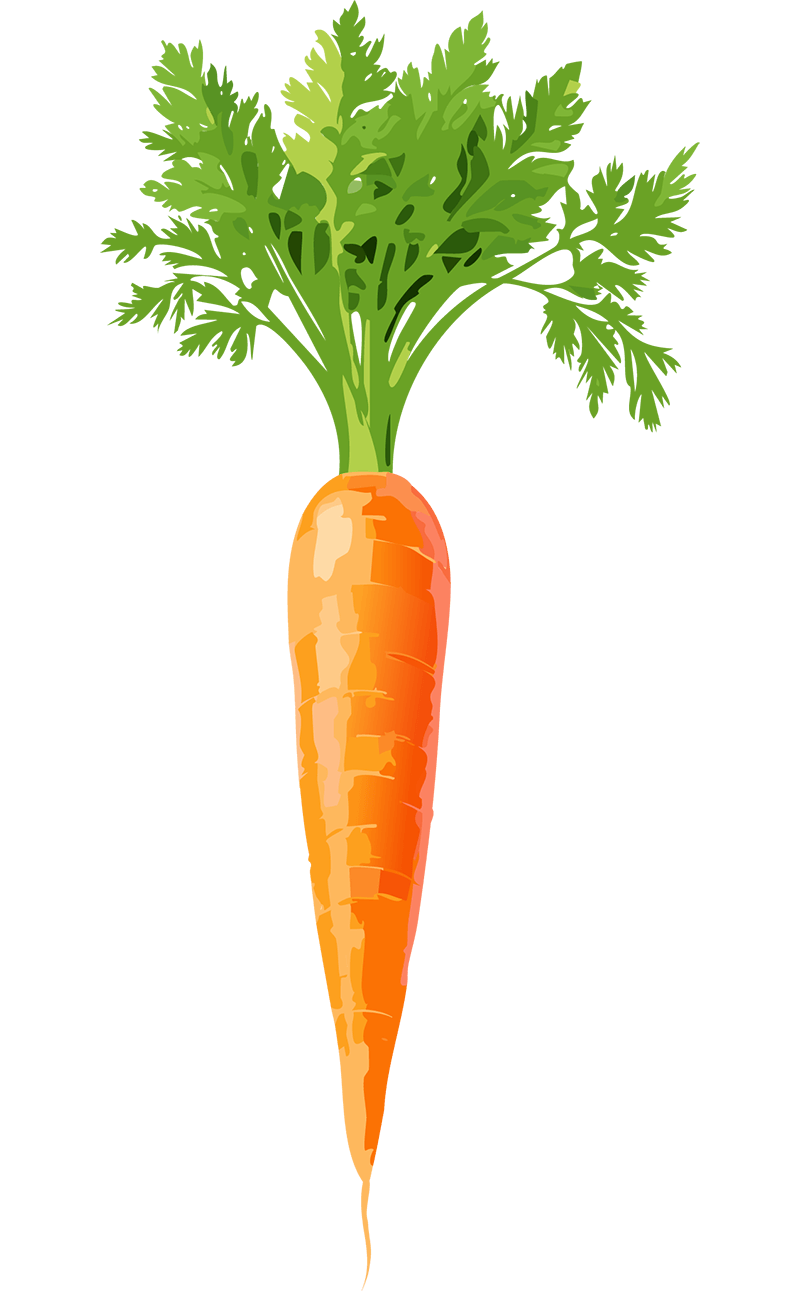
Carrot: Daucus carota subsp. sativus

Carrot is a root vegetable valued for its crisp texture and sweet flavour. Beneath the soil, the edible root develops in colours including orange, purple, yellow and white, while delicate feathery leaves grow above ground. Carrots grow best in loose, well-drained soil where roots can develop straight and evenly. Rich in vitamin A, they are widely used in soups, salads and roasted dishes, making them one of the most commonly cultivated vegetables in home gardens.If allowed to flower the flat white flowerheads are a mecca for pollinators.

Tomato

Tomato: Solanum lycopersicum

Read More

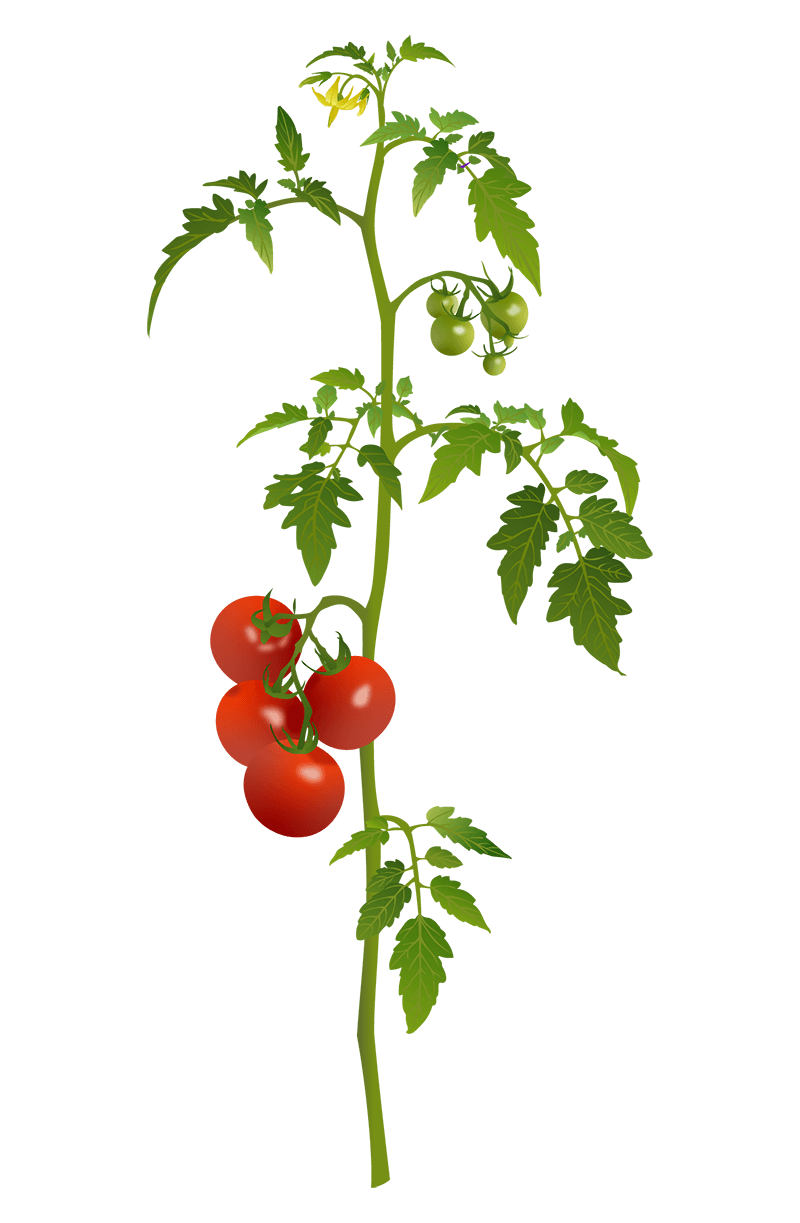
Tomato: Solanum lycopersicum

Tomato (Solanum lycopersicum) is a sun-loving plant grown for its juicy fruits, which vary in shape, size and colour depending on the variety. Tomato plants thrive in warm conditions and often require support as the stems become heavy with fruit. Their yellow flowers attract pollinating insects before developing into tomatoes used in salads, sauces and cooked dishes around the world. Regular watering, sunlight and pruning help produce healthy crops throughout the growing season in gardens and greenhouses.

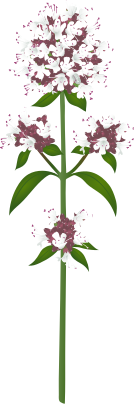
Oregano

Oregano: Origanum vulgare

Read More

Oregano: Origanum vulgare

Oregano plants are low maintenance and can be grown in garden beds, containers, or even as a decorative and aromatic ground cover. Often used in Mediterranean cooking, Oregano has an earthy and slightly bitter flavour. Easy-grow plants like oregano are a great way to introduce children to gardening.

Over time, this meadow should be home to a rich variety of wildlife which could include…

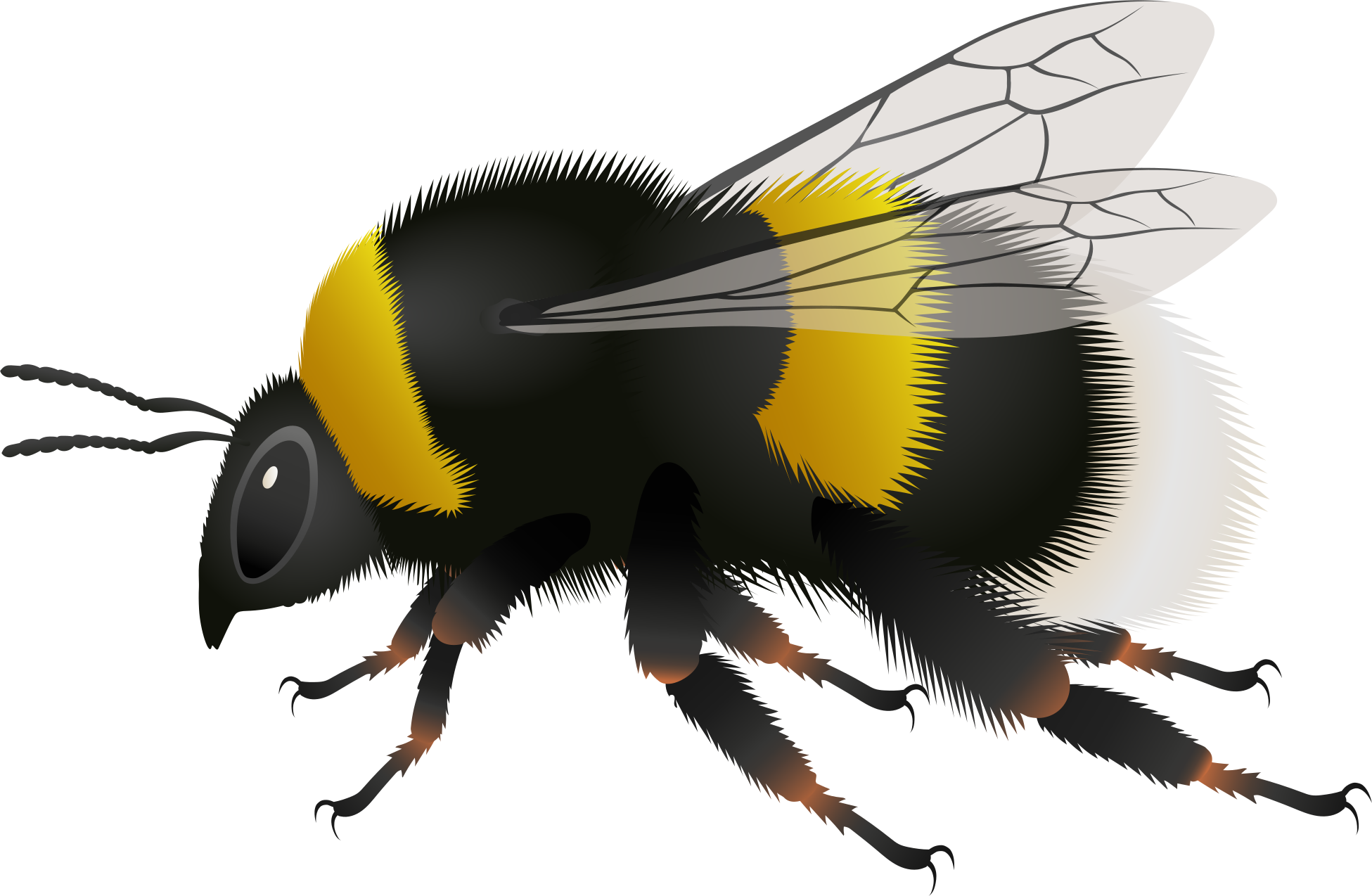
Buff-tailed bumblebee: Bombus terrestris
Buff-tailed bumblebee

These are the giants of the bumblebee world, and the whole species is named after the buff colour of their queen’s tail. They can be found in the UK’s lowlands, nesting underground in very large groups. These insects are very fond of nectar, and if they can’t easily reach it with their tongues, they will bite a hole in the flower to suck it out.

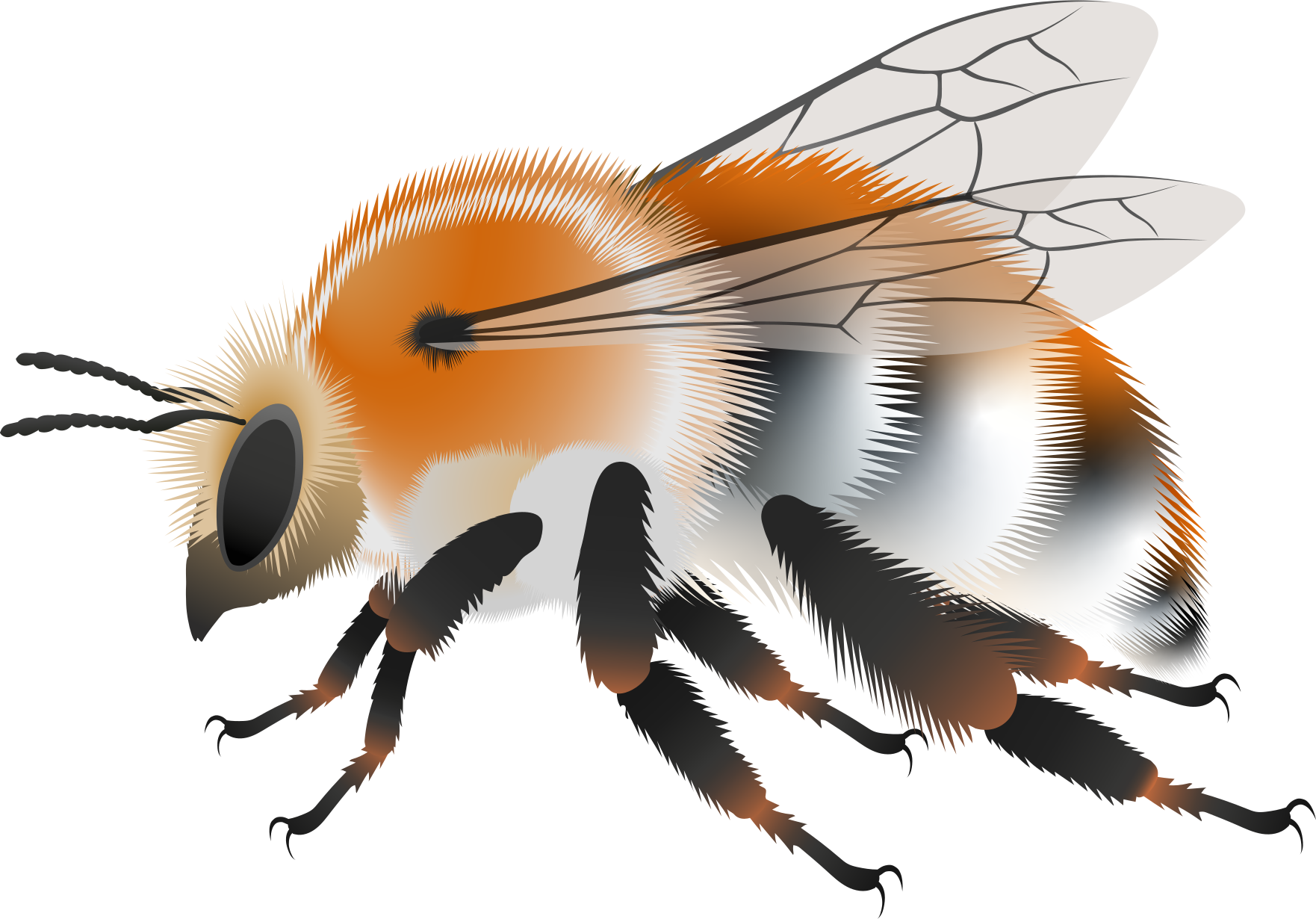
Common Carder Bee: Bombus Pascuorum
Common Carder Bee

This relatively small ginger-coloured bumblebee is widespread throughout the UK, in habitats including farms, woods and gardens. Carder bees have very long tongues and feed on heather, clover and lavender. They often nest in old mouse runs and disused birds’ nests.

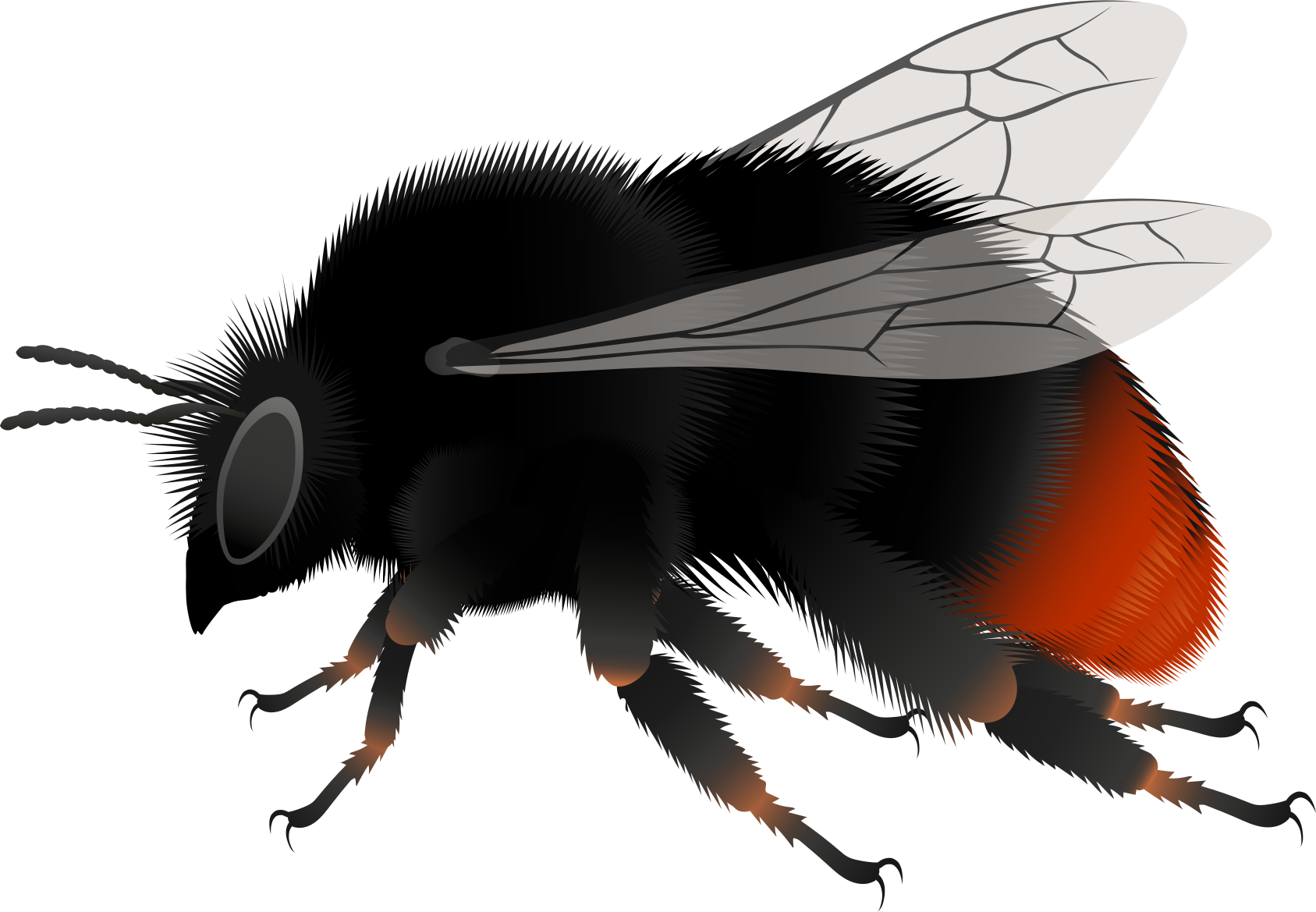
Red-tailed Bumblebee: Bombus Lapidarius
Red-tailed Bumblebee

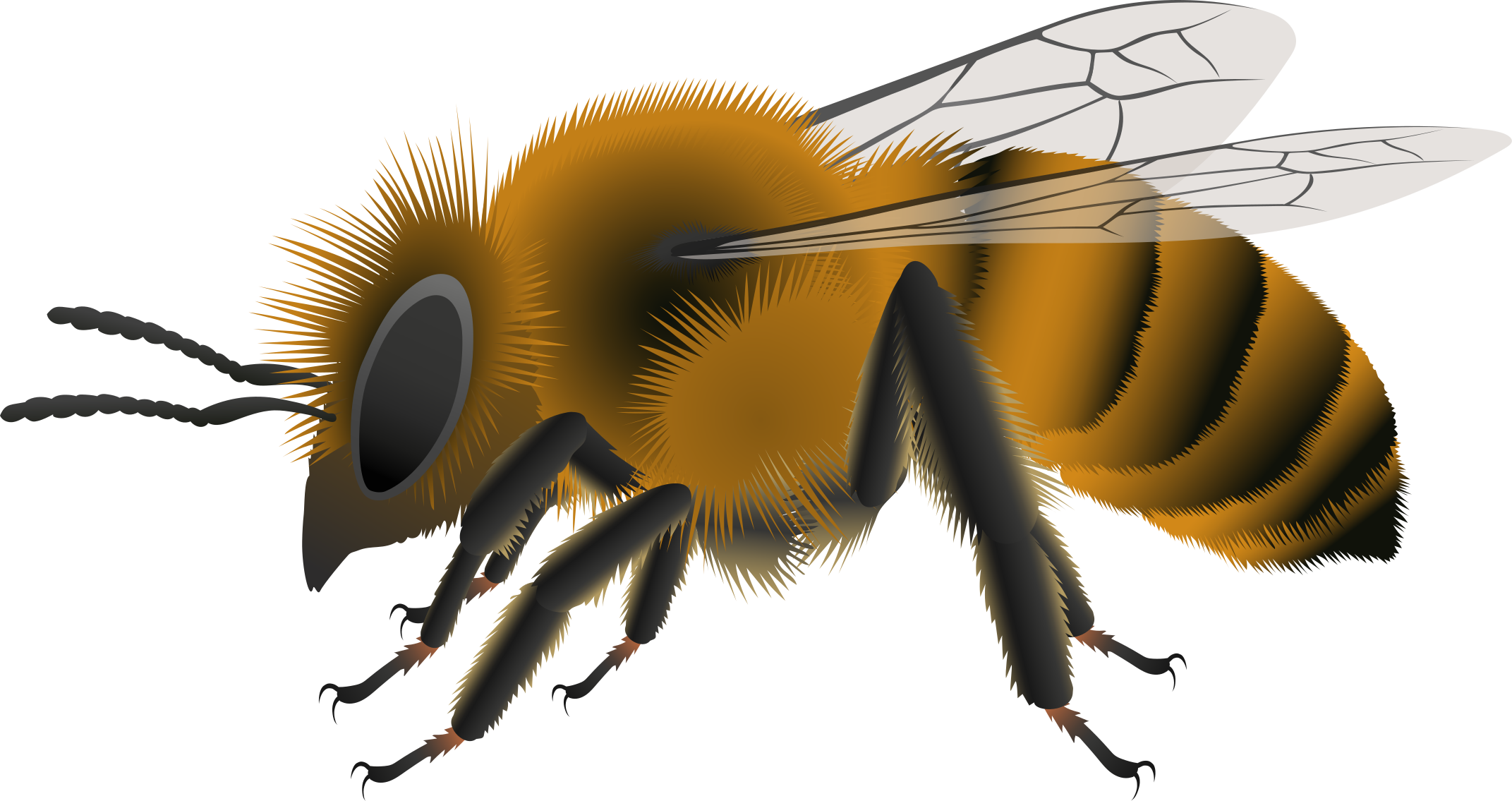
This is an abundant species of bumblebee that is found all over the UK. This social bee nests in disused burrows, under stones or at the base of old dry stone walls. Both males and females have the eponymous red tails as well as velvety black bodies and transparent wings.

Honeybee: Apis Mellifera

Honeybee

Honeybees have six legs, four wings and five eyes. They use the Sun, and possibly the Earth’s magnetic fields, to navigate, and they can fly at speeds of up to 20mph when in search of food. At the height of summer there are around 40,000 honeybees in each hive, and that number drops to around 5,000 in the winter.

Tawny Mining Bee: Andrena Fulva
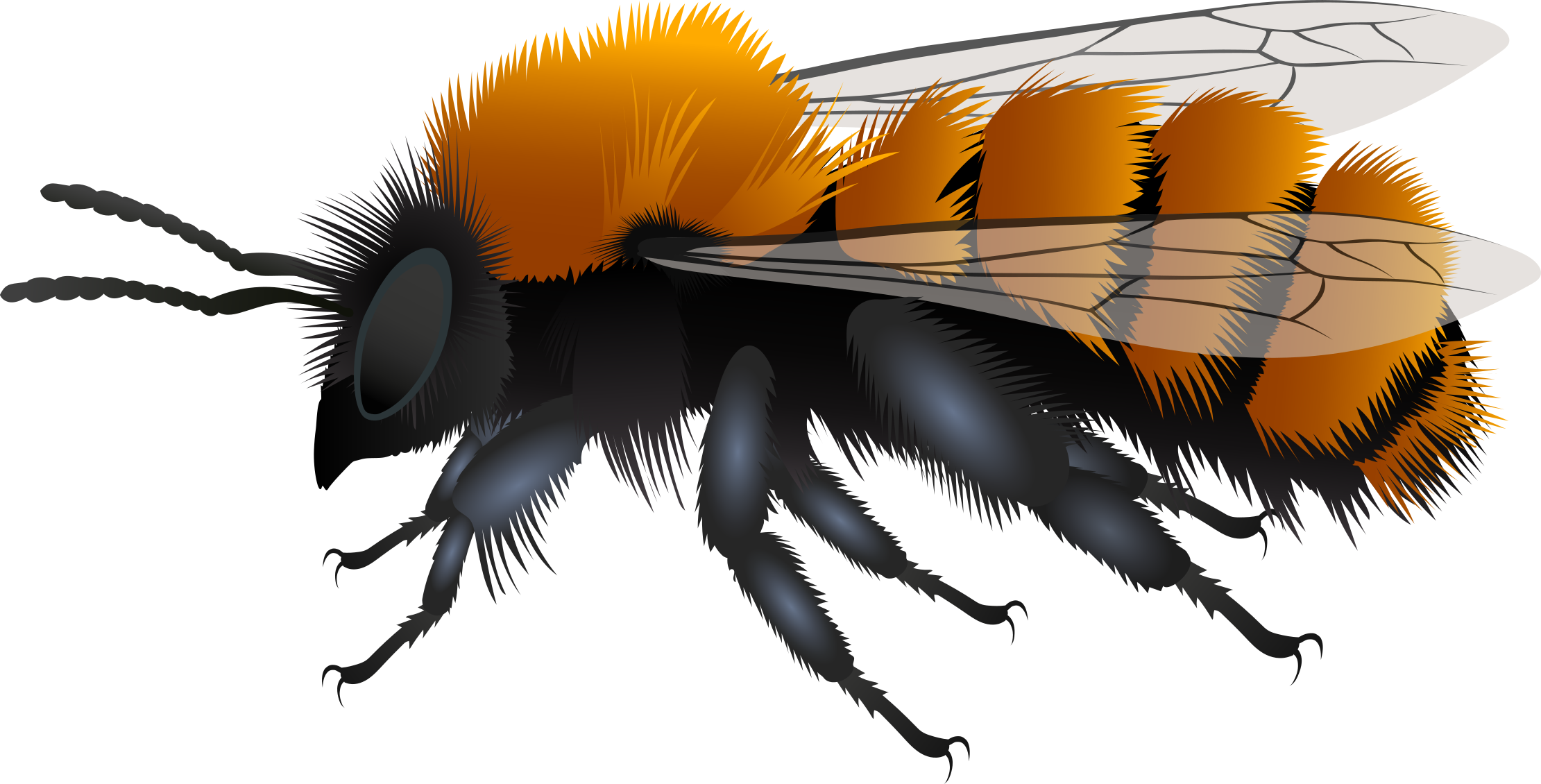
Tawny Mining Bee

These furry, ginger bees are commonly found in parks and gardens across southern Britain during April and May. They feed from a wide variety of plants including dandelions, buttercups, willows and fruit trees. Tawny mining bees often make their nests in lawns and flowerbeds or in orchards where they can be close to apple, pear and cherry blossom for example.

Red Mason: Osmia Rufa
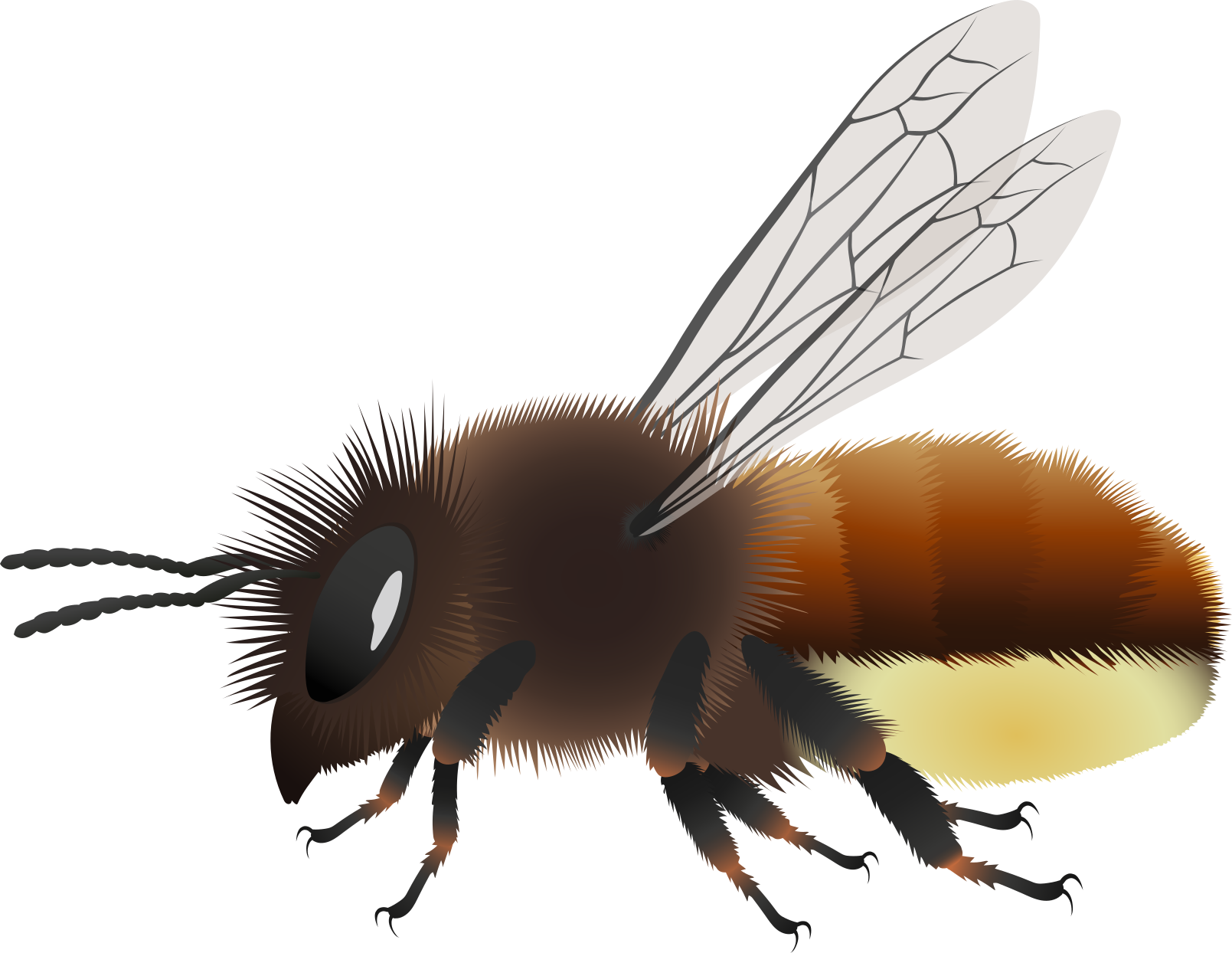
Red Mason

Also known as the red mason bee, this insect can be found in cities, towns and villages across Britain and Europe. Females make their homes and lay their eggs in wall cavities, under roof tiles and even inside keyholes, lining their nests with mud. These bees are excellent pollinators, particularly of apple trees.

Orange-footed furrow bee: Lasioglossum xanthopus
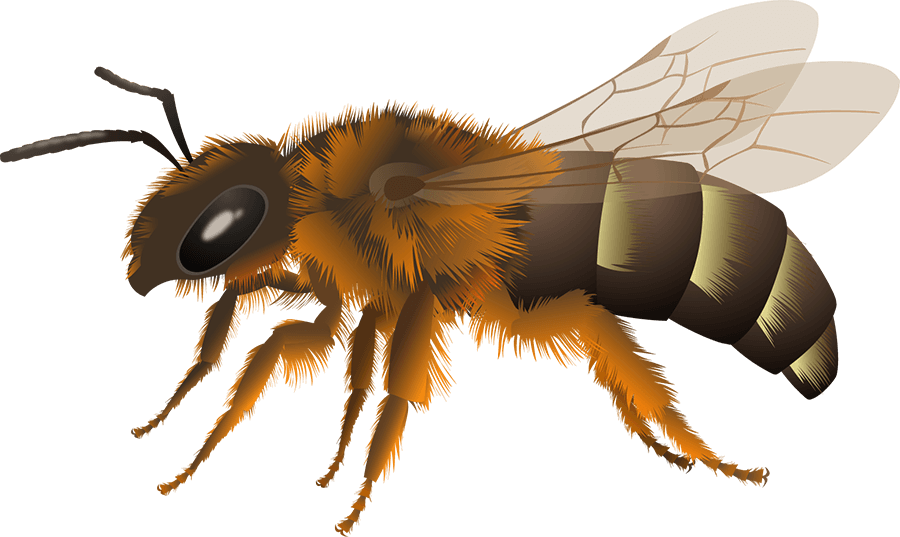
Orange-footed furrow bee

These tiny solitary bees are named for the bright orange hairs on their legs, which stand out against their dark bodies. They are active in the UK during spring and early summer, visiting a wide variety of flowers to collect pollen and nectar. Orange-footed furrow bees nest in small burrows dug into bare soil, often in sunny, sheltered spots.

Marmalade Hoverfly: Episyrphus Balteatus
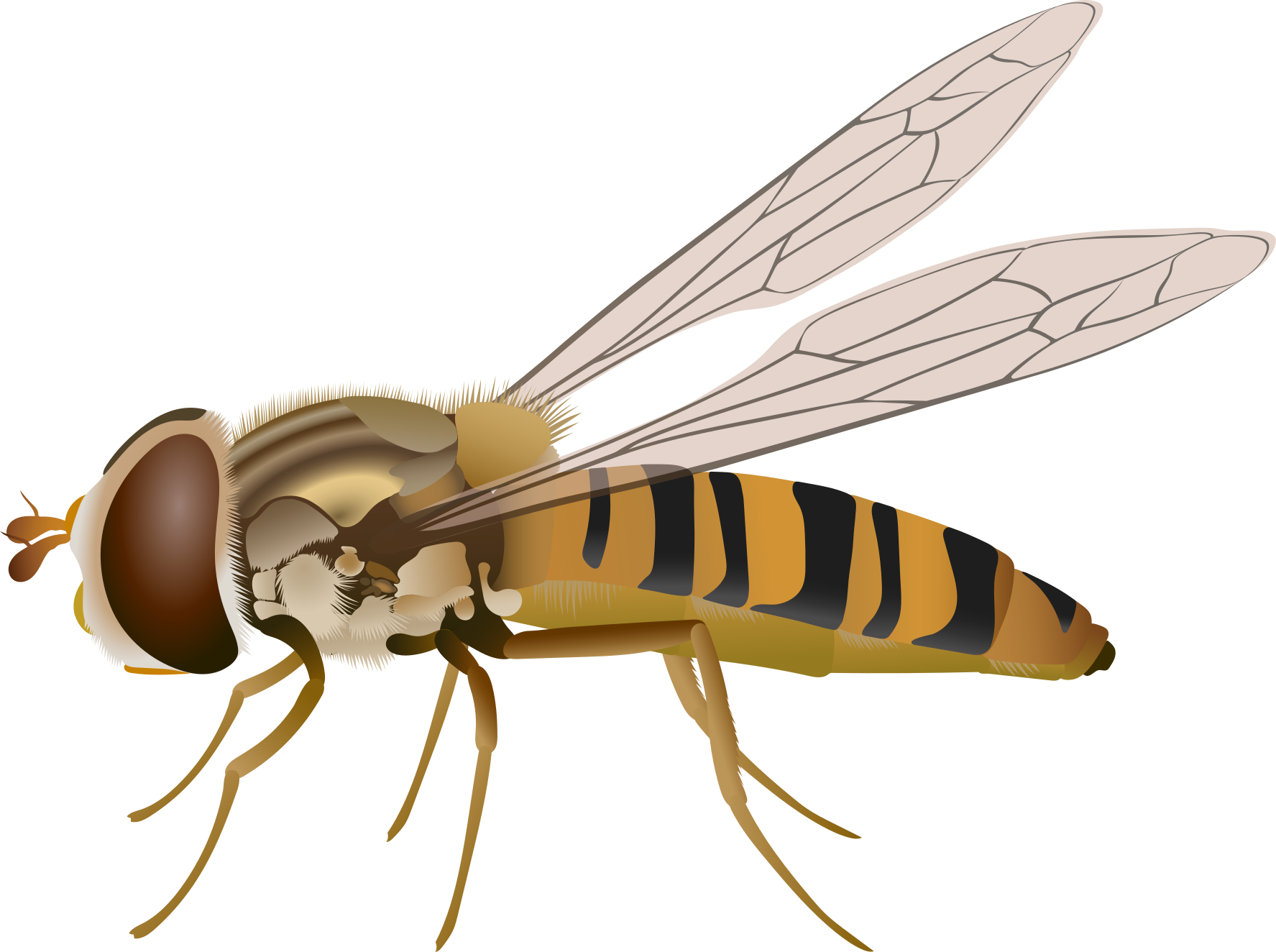
Marmalade Hoverfly

The marmalade hoverfly is so-called because it is orange with black stripes that are thin or “thick cut” just like the popular preserve! It is Britain’s most common hoverfly and can be seen in parks, gardens, hedgerows and woods. They are present all year round, but numbers are often much higher in the summer when marmalade hoverflies migrate to the UK from abroad.

Drone Fly: Eristalis Tenax
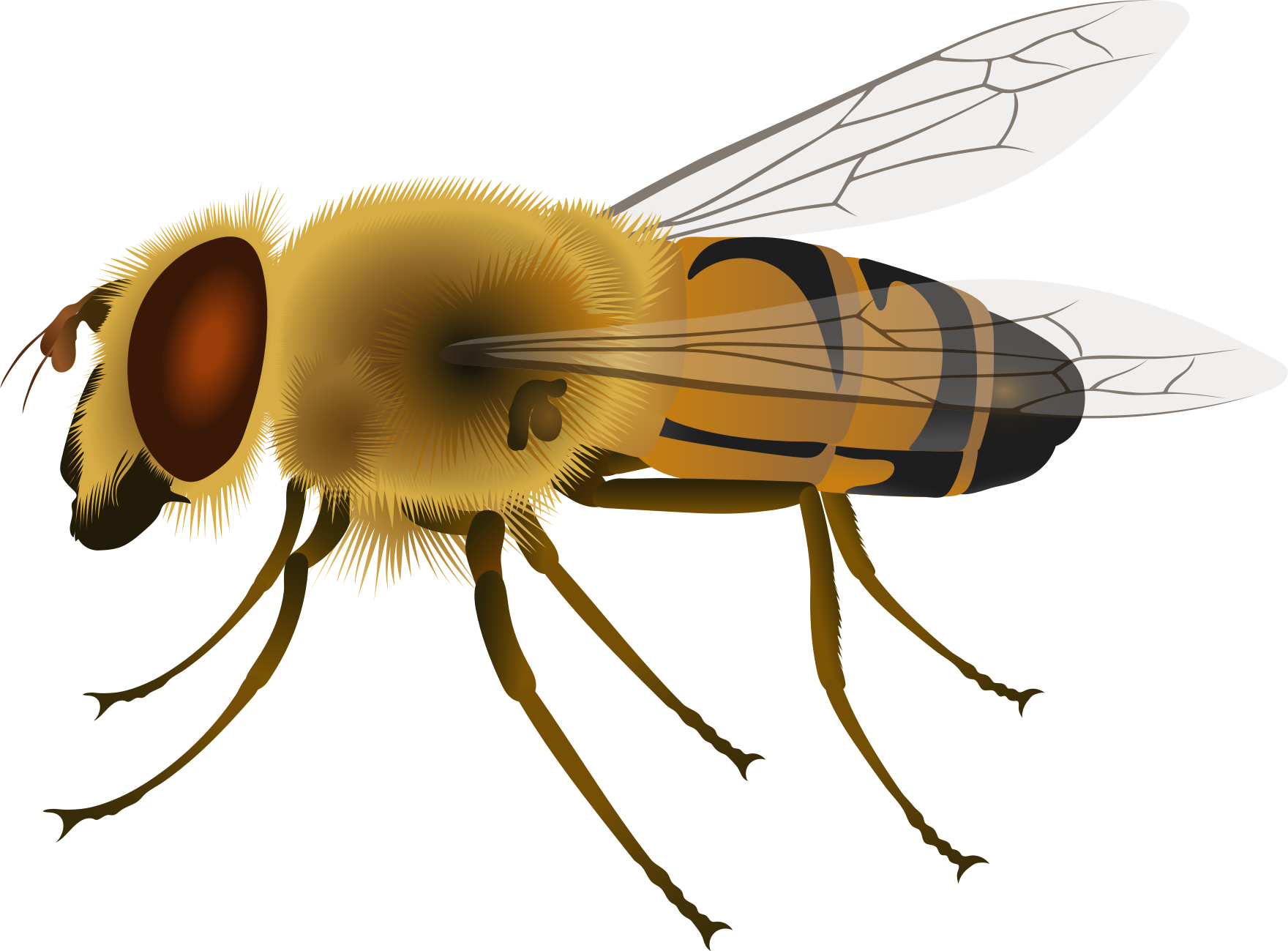
Drone Fly

This insect’s patchy brown and orange body makes it look a lot like the male honeybee, which is a very effective way to keep it safe from predators. Drone flies also copy honeybee flight patterns as they move around in search of nectar. Their larvae, nicknamed “rat-tailed maggots”, feed on rotting organic material in stagnant water.

Pellucid Hoverfly: Volucella Pellucens
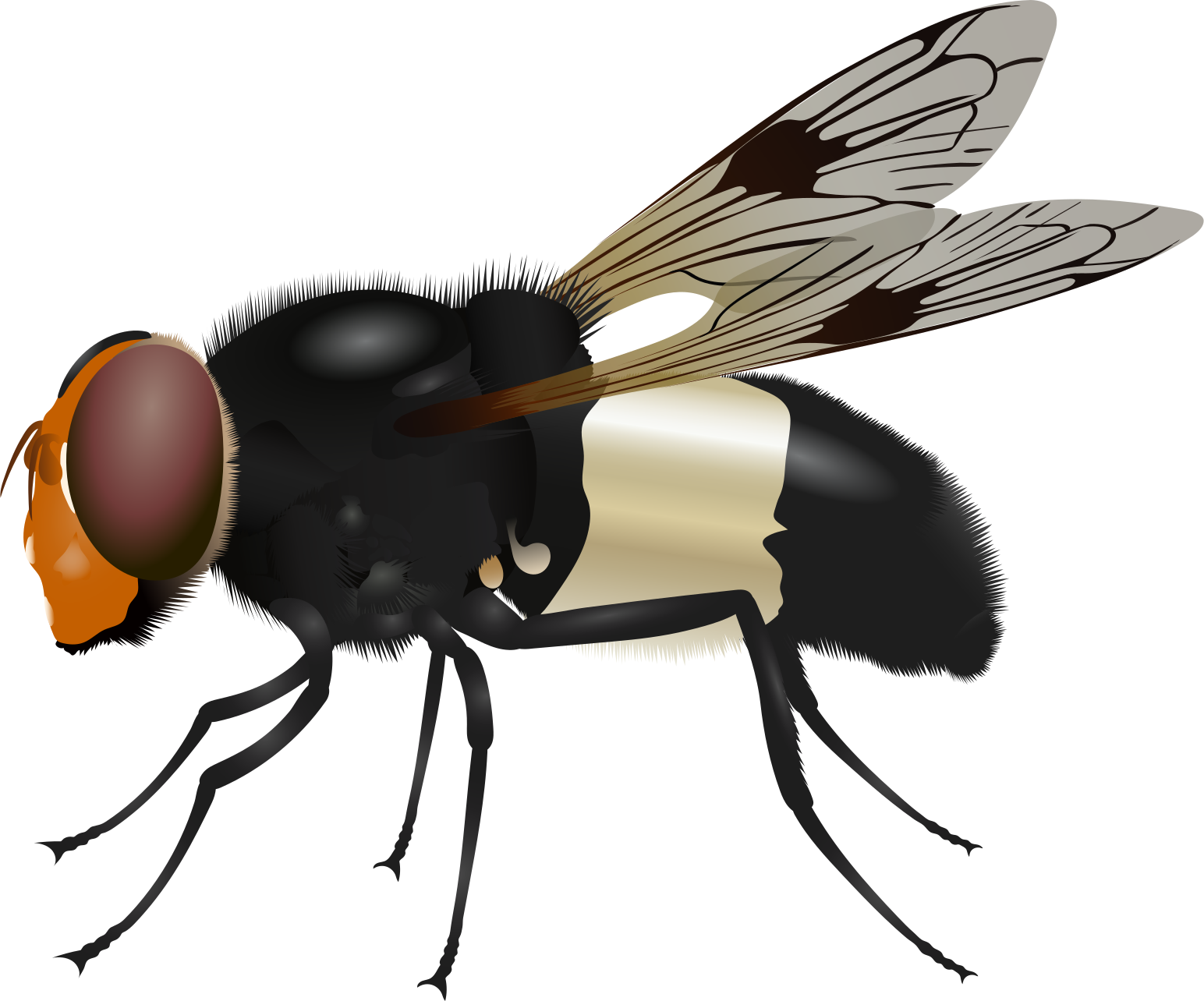
Pellucid Hoverfly

This large black fly has a white stripe on its body and black spots on its transparent wings. It can be found throughout most of Britain and Ireland, and is often seen feasting on bramble flowers in hedgerows or on the edge of woodland. The larvae develop in wasp nests where they feed on detritus wasp grubs.

Large Narcissus Fly: Merodon Equestris
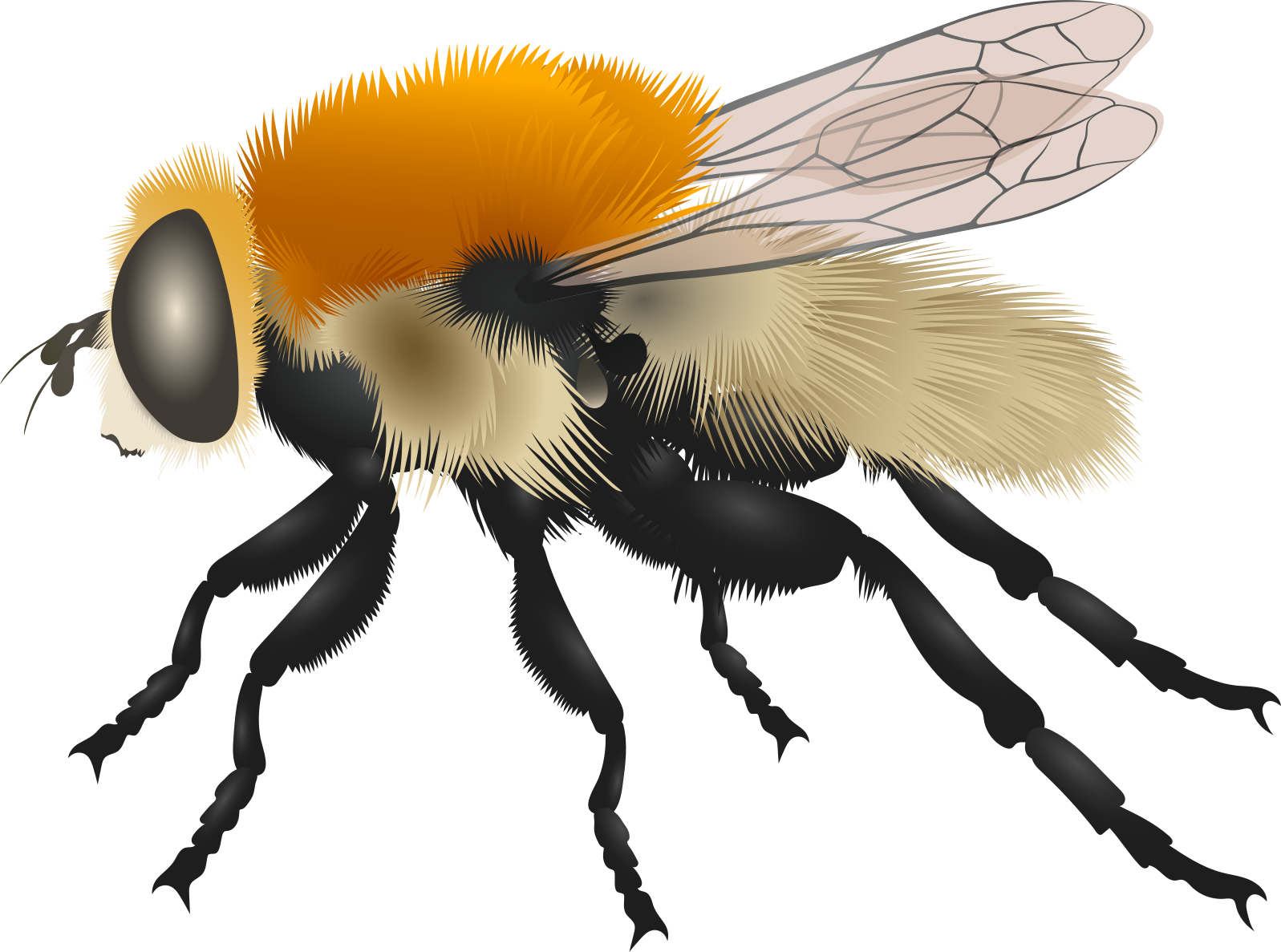
Large Narcissus Fly

This medium-sized hoverfly looks very much like a bumblebee, which provides great protection against predators. This insect loves warm, sunny spots full of flowers, like gardens in the summer. Females lay their eggs on the leaves of bulbous plants such as bluebells and daffodils, and the larvae then burrow into the bulbs, feeding on them and causing some damage.

Soldier Beetle: Cantharis Rustica

Soldier Beetle

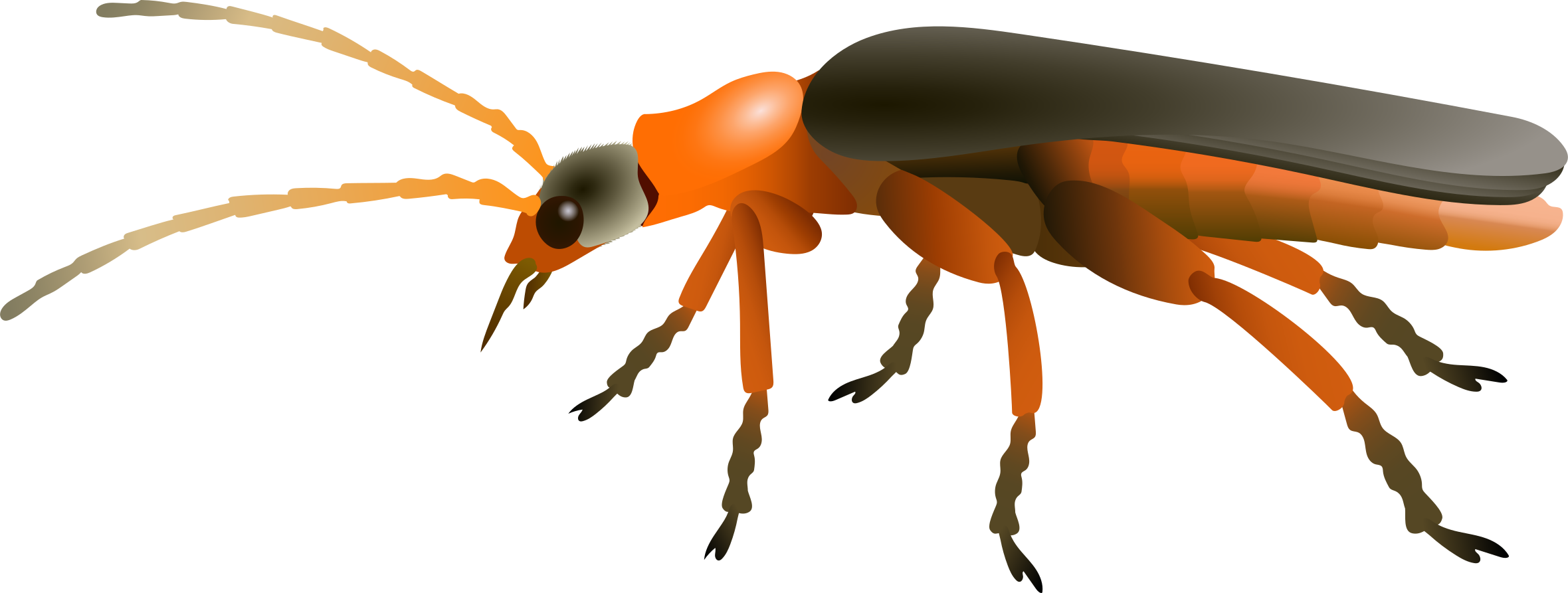
The soldier beetle makes its home in open woodland or anywhere where there is tall grass. These carnivorous predators are common throughout England and Wales, where they can be seen from May to July. The adults prefer to hunt for food on flowers, while their larvae live on the ground, feeding on a range of other creatures.

7-spot Ladybird: Coccinella Septempunctata

7-spot Ladybird

These ladybirds are easy to identify because, just as you might expect, they have a pattern of seven black spots on their red wing cases. They are our most common ladybirds, found in parks and gardens throughout the UK. Ladybirds use their bright colours to warn predators that they won’t taste good, but it doesn’t always work!

Rose Chafer: Cetonia Aurata
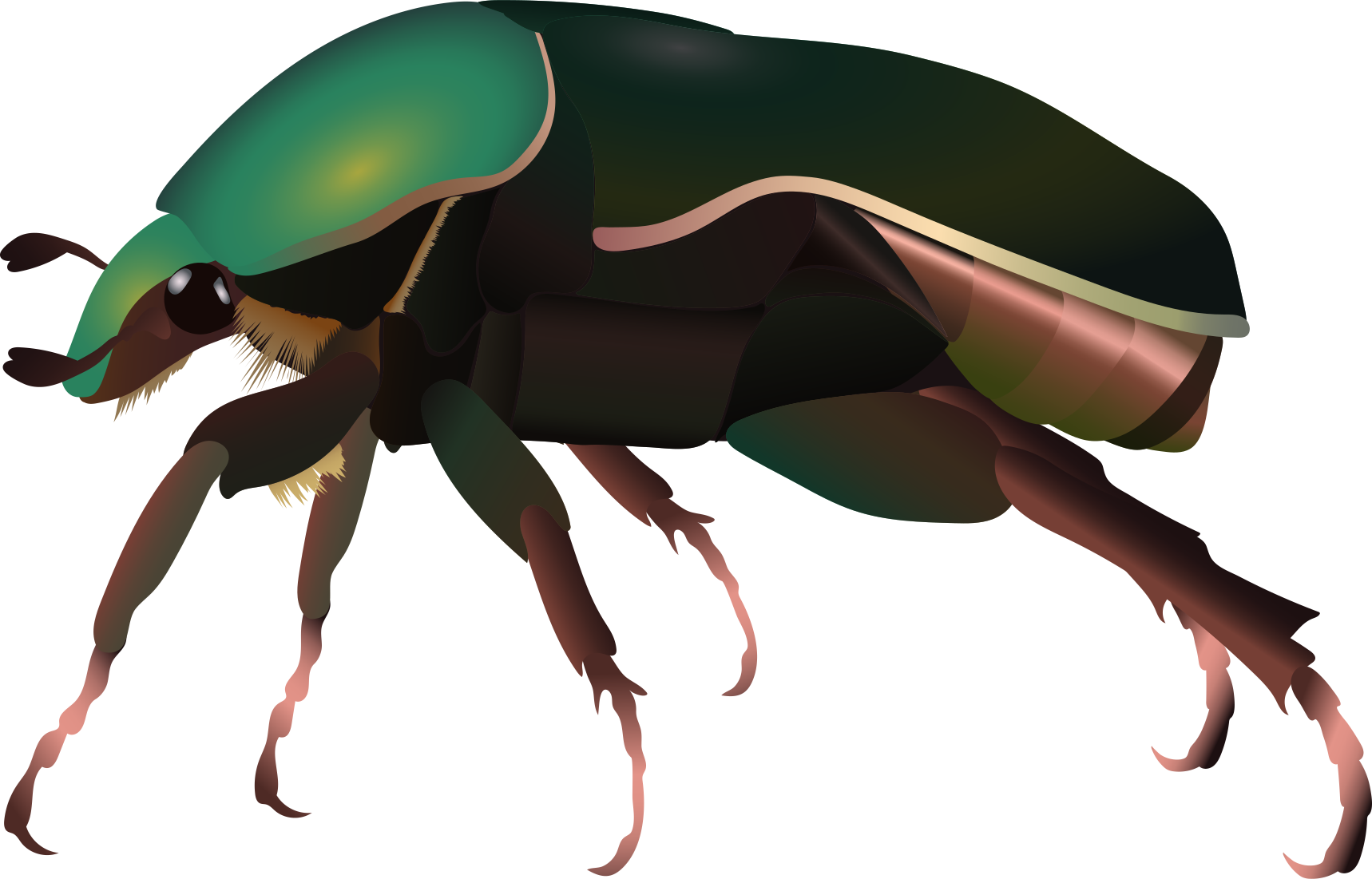
Rose Chafer

These beetles have distinctive green and purple-bronze iridescent bodies, making them easy to identify. They love crawling on flowers on sunny days, when they shimmer in the light and look even more striking. Their favourite source of food, as the name indicates, is the rose, and the dog rose in particular.

Flower Beetle: Oedeomera Nobilis
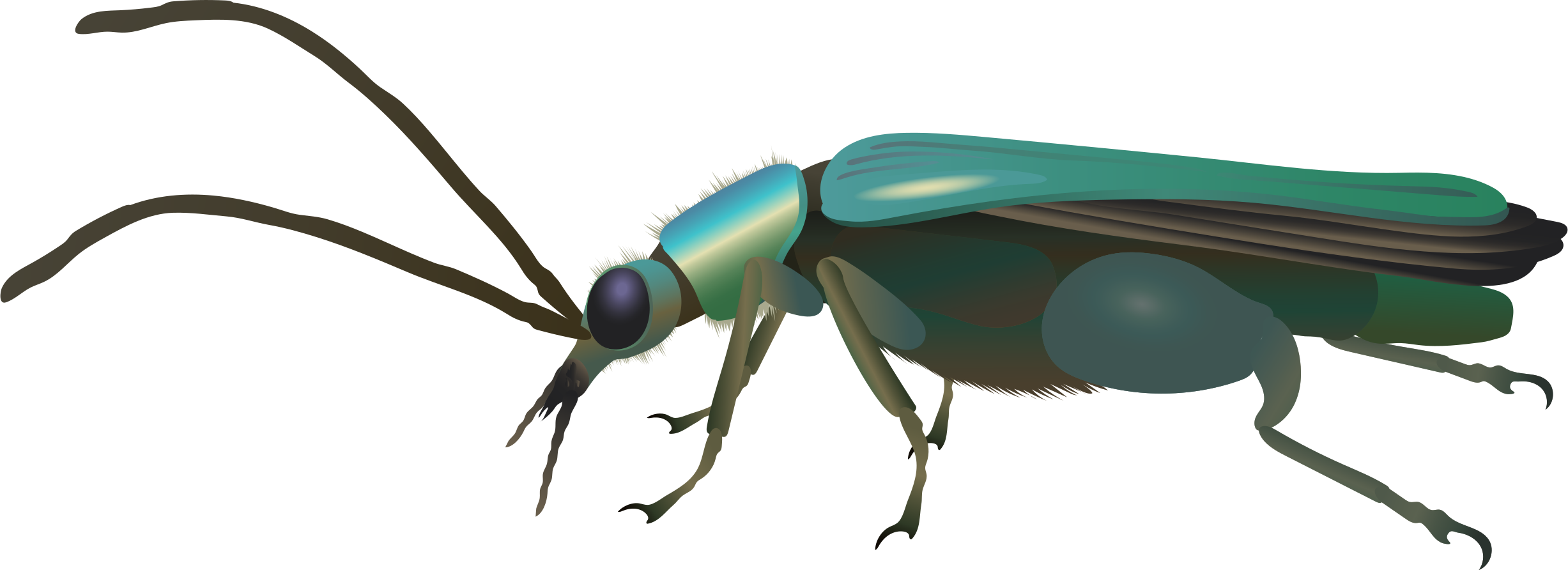
Flower Beetle

This beetle is so-called because the male of the species has large green bulges on its hind thighs, whereas the female does not. It used to be quite rare, but is now a very abundant species throughout the UK. You should be able to spot the adults without too much difficulty, as they like to feed on open flowers like daisies

Peacock Butterfly: Inachis Io

Peacock Butterfly

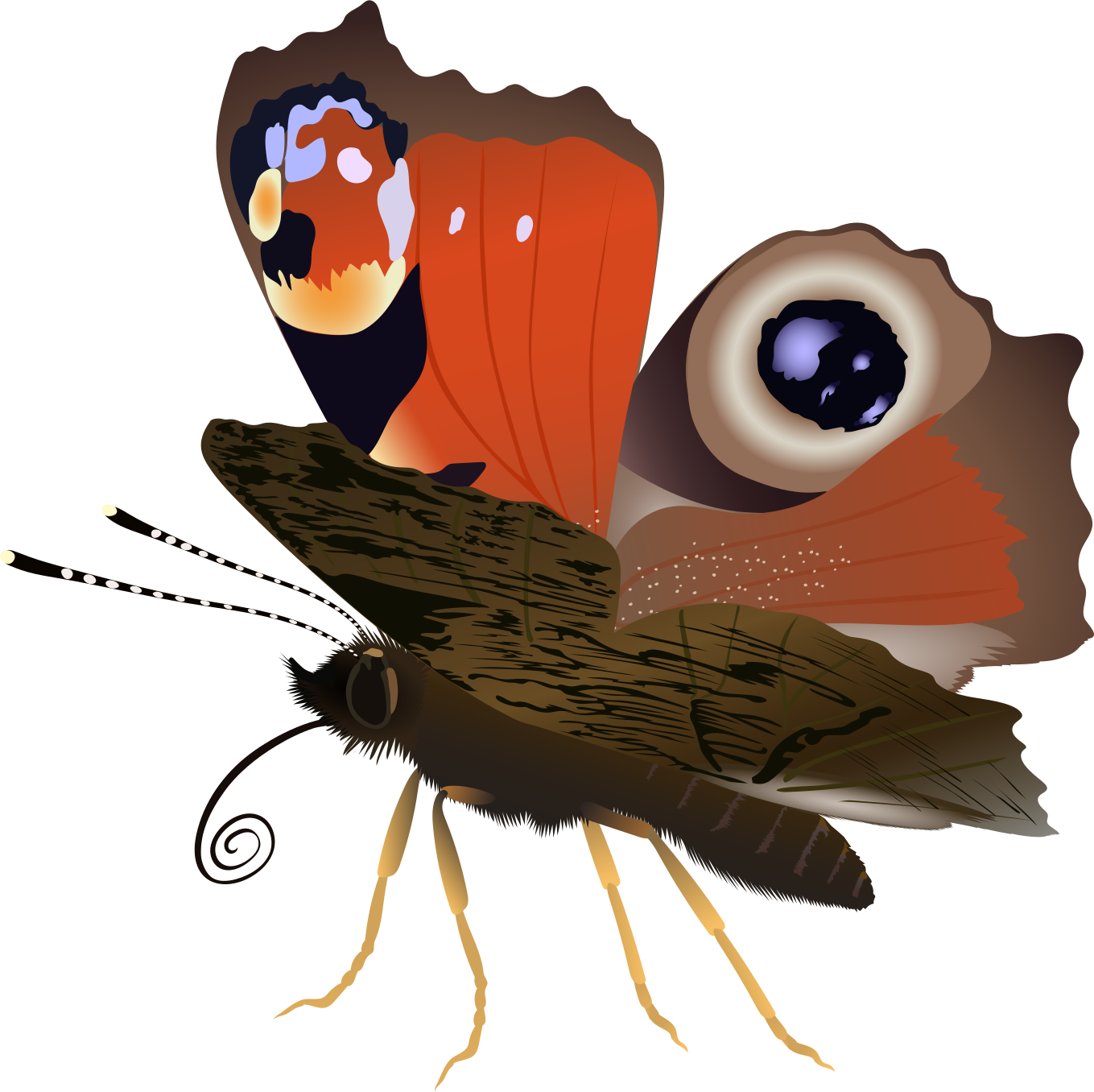
This common British butterfly gets its name from the large spots on its wings, which are reminiscent of peacock feathers. These markings help to scare off predators in the woods, gardens and parks where they live. They hibernate in winter, folding up their wings to show the dull undersides so that they can blend in with their surroundings while they sleep.

6-spot Burnet: Zygaena Filipendulae
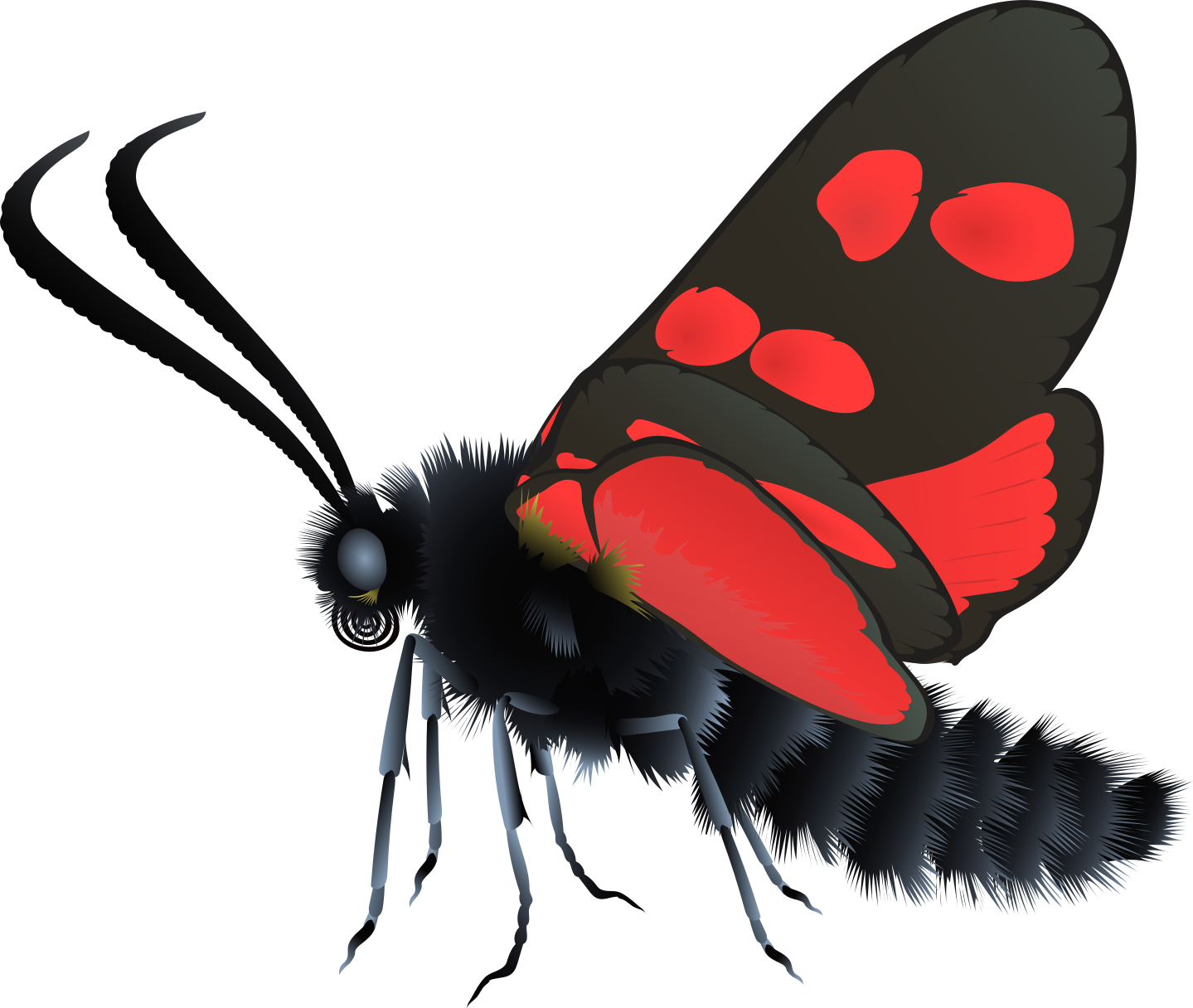
6-spot Burnet

You are most likely to spot this medium-sized moth flying around in the daytime between June and August. It has six red spots on each of its glossy black forewings. If attacked, the burnet moth will release cyanide, so the spots serve as a warning to predators that this species is poisonous.

Red Admiral: Vanessa Atalanta
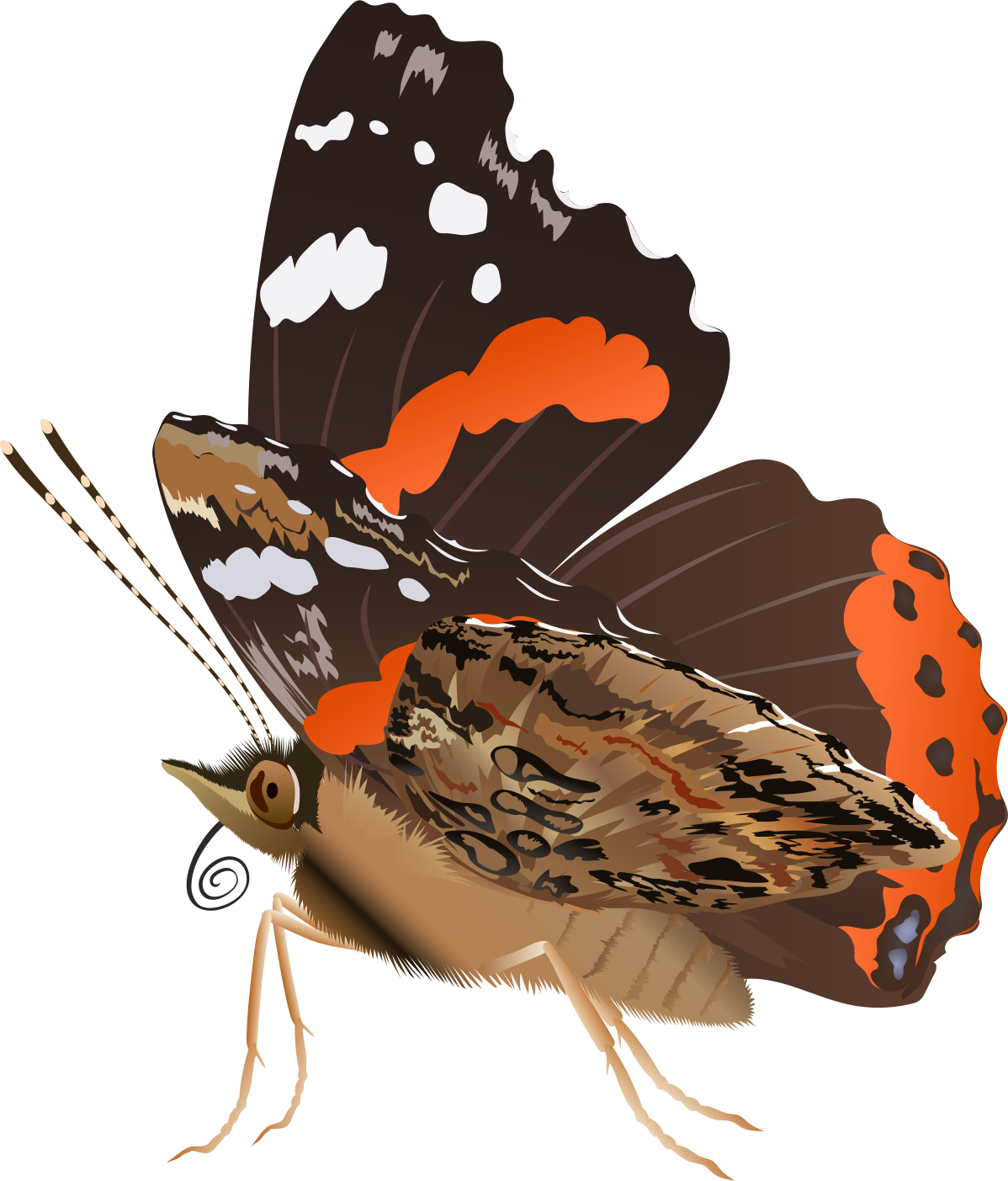
Red Admiral

These large red, white and black butterflies have very powerful wings. Most of the magnificent red admirals that we see in the UK start off in North Africa and migrate north, arriving here from late March onwards and staying until autumn. Male red admirals court their females for several hours before they begin mating.

Holly Blue: Celastrina Argiolus
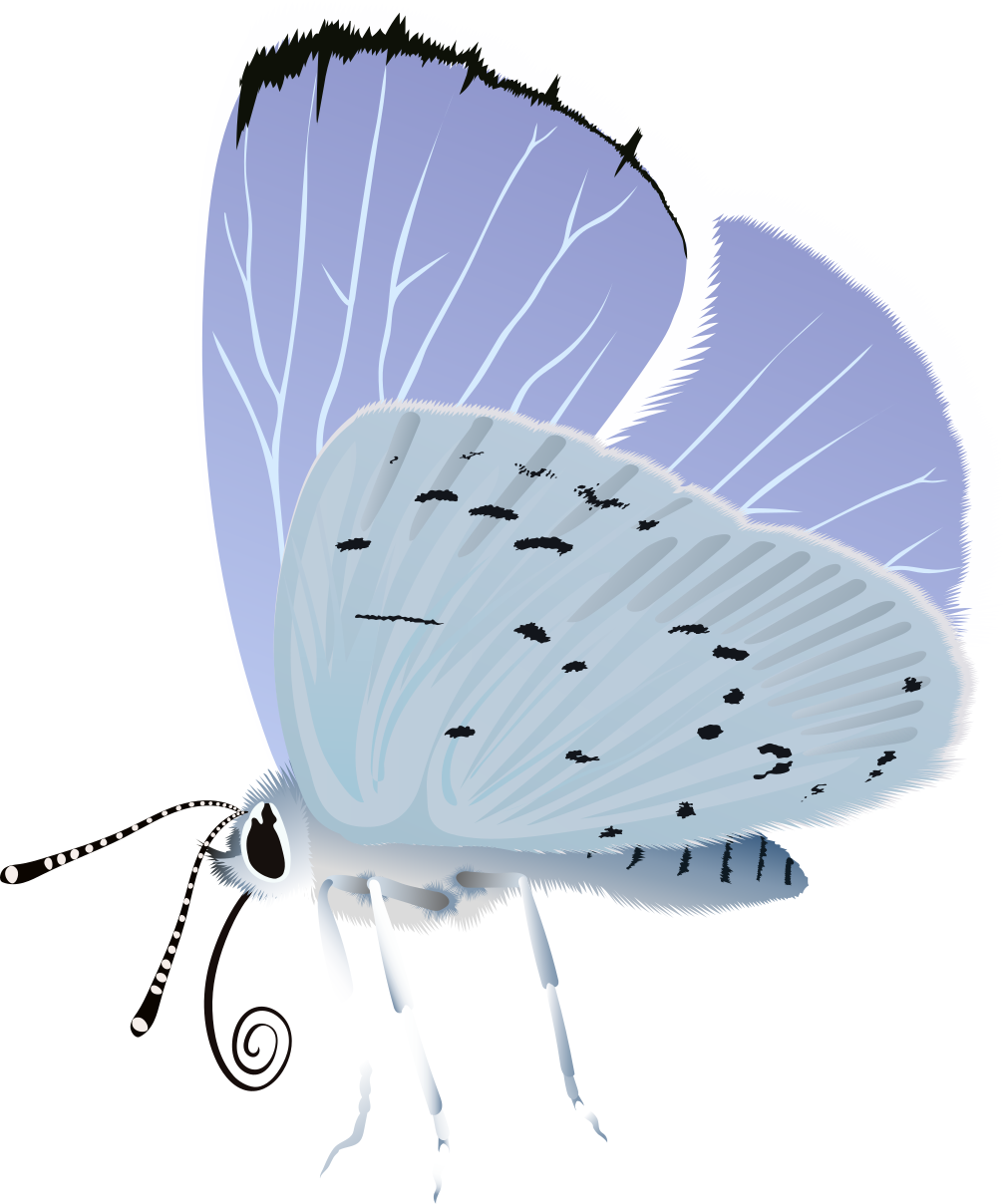
Holly Blue

This stunning, vibrant, blue butterfly can be seen across most of the UK, but is most common in England and Wales. Caterpillars feed on holly and ivy buds, digging into them and eating what is inside. Holly blues are very popular in Finland, where they have been elevated to the status of national butterfly!

Common Wasp: Vespula Vulgaris

Common Wasp

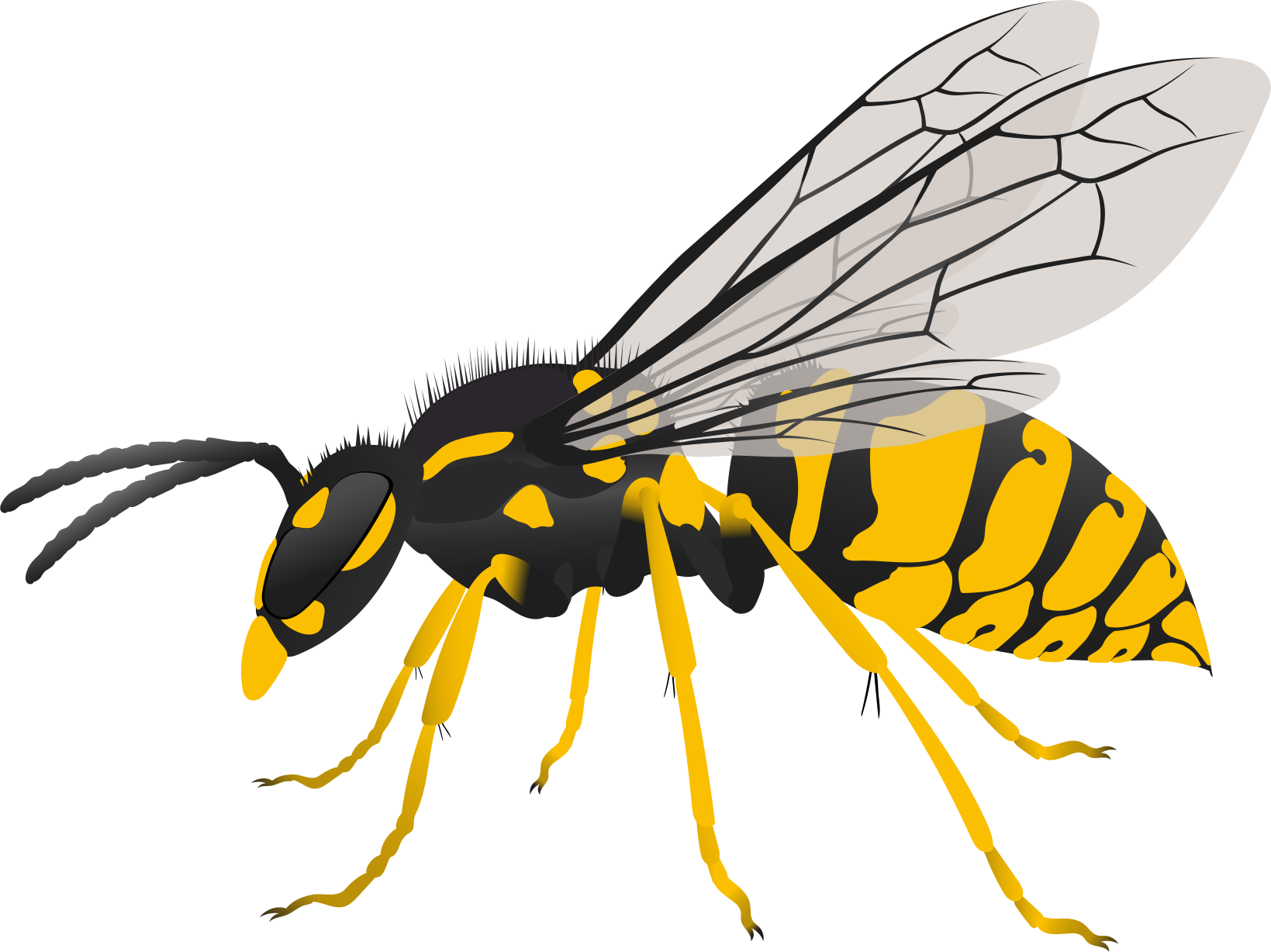
Anyone who has ever tried to have a summer picnic will be familiar with this yellow and black striped insect which can be found all over the UK. Queens first come out of hibernation at the very start of spring and start to look for suitable nesting sites in a range of habitats. Wasps will try to eat anything sweet, and although we might think of them as pests, they are useful pollinators.

Mason Wasp: Ancistrocerus Parietum
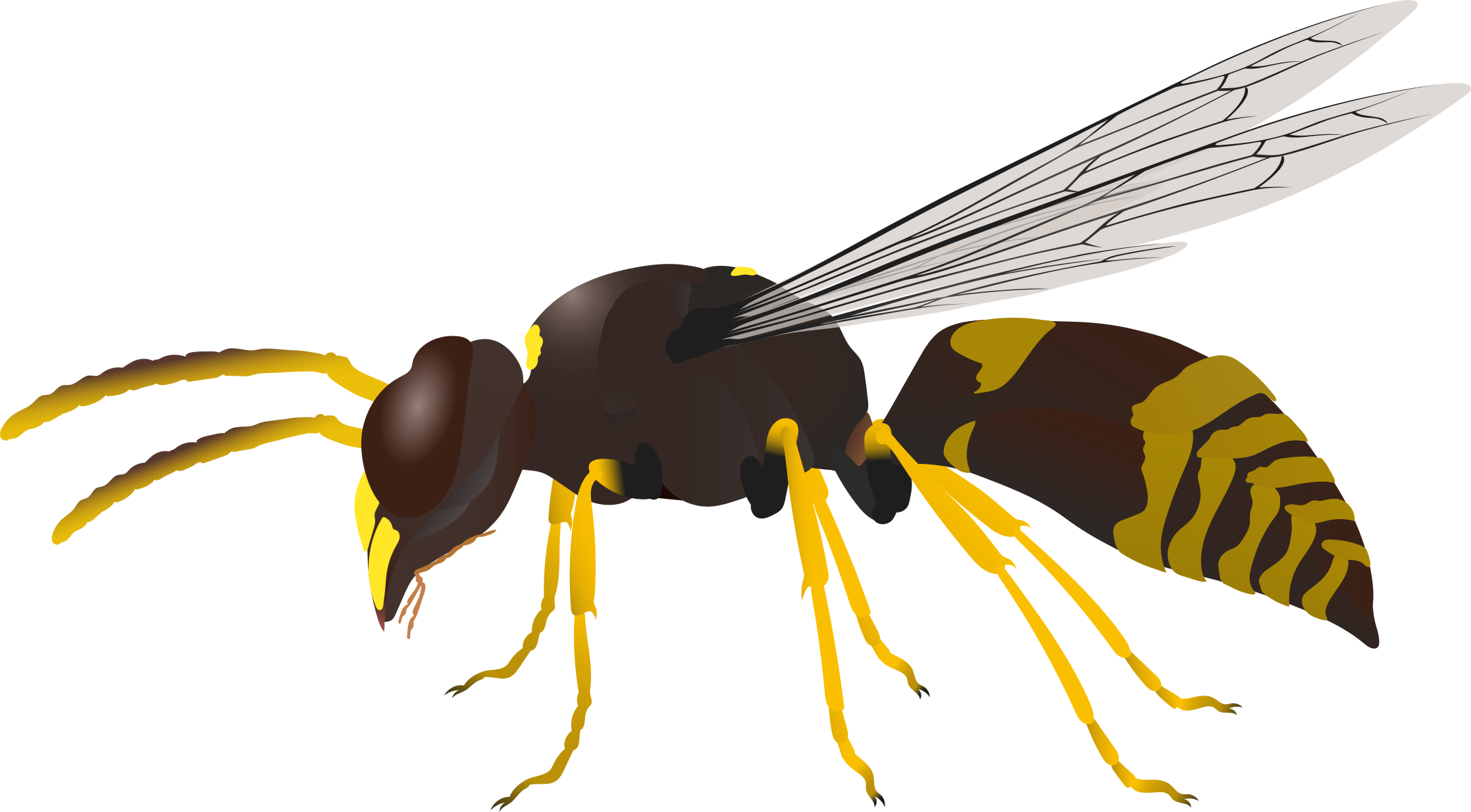
Mason Wasp

This wasp is native to Europe and North America and gets its name because it likes to build its nests in walls. Mason wasps have black bodies with yellow stripes and narrow waists. Female mason wasps are slightly larger than males, and can control the gender of their offspring.

Red Wasp: Vespula Rufa
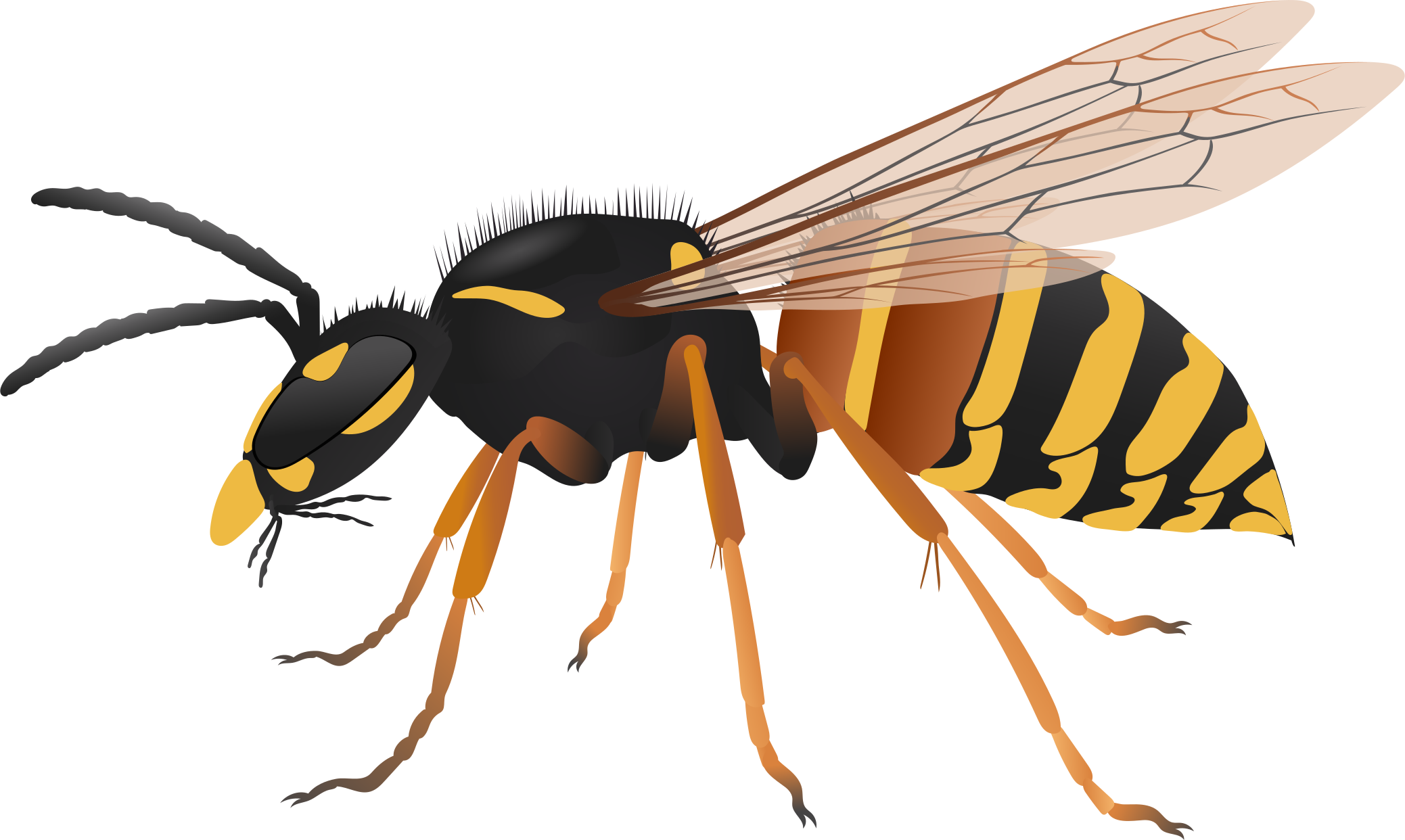
Red Wasp

This wasp is so-called because it has reddish-brown markings on its body. Red wasps make their nests in tree stumps, using leaf litter and soil. Badgers often destroy the nests, eating them along with the wasps, as their thick hair and skin protects them from being stung.


Supported By:

supported company logo

Project Partner:

partner logo GreenTheUK logo

UN Sustainable Development Goals

As a GreenTheUK partner, you support projects that are in line with the UN Sustainable Development Goals.

SDG Icon

Take urgent action to combat climate change and its impacts.

SDG Icon

Sustainably manage forests, combat desertification, halt and reverse land degradation, halt biodiversity loss.

Join Our Mailing List...