Munich RE supported the planting of 2 hectares of wildflowers in the UK in 2025
Pollination underpins life on Earth, shaping ecosystems, global food production and the stability of the natural world we depend on every day. One out of every three mouthfuls of food relies on animal pollination, and in the UK alone the benefits that pollinators provide to crop production are estimated at £691 million each year. Yet despite their irreplaceable role, pollinators are in crisis. Scientific assessments show that pollinators are declining globally, driven by habitat loss, climate pressures and harmful chemicals. The health of our pollinating insects is directly tied to the security of our food systems and the resilience of natural ecosystems, which is why the support of organisations like Munich RE is so vital.
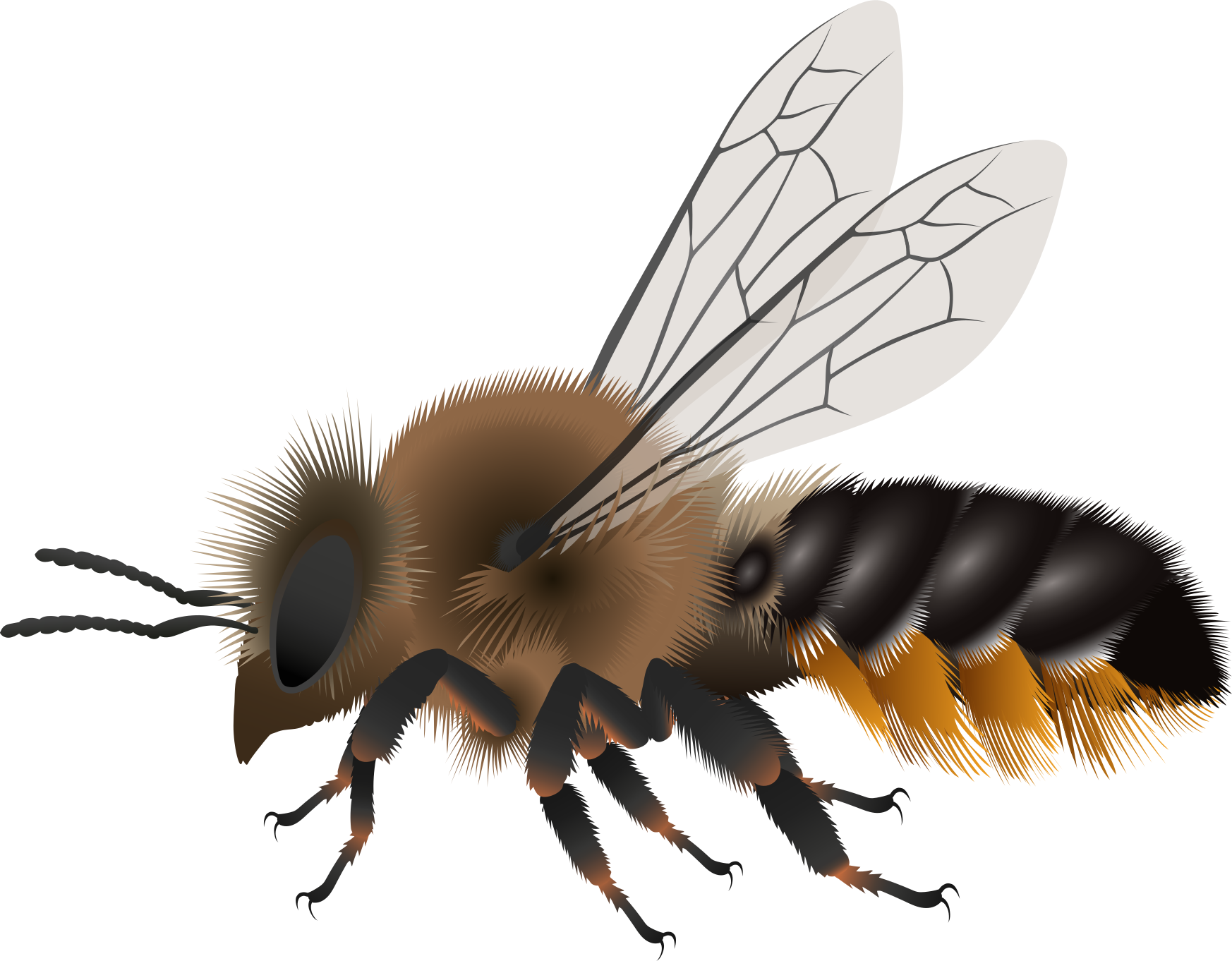
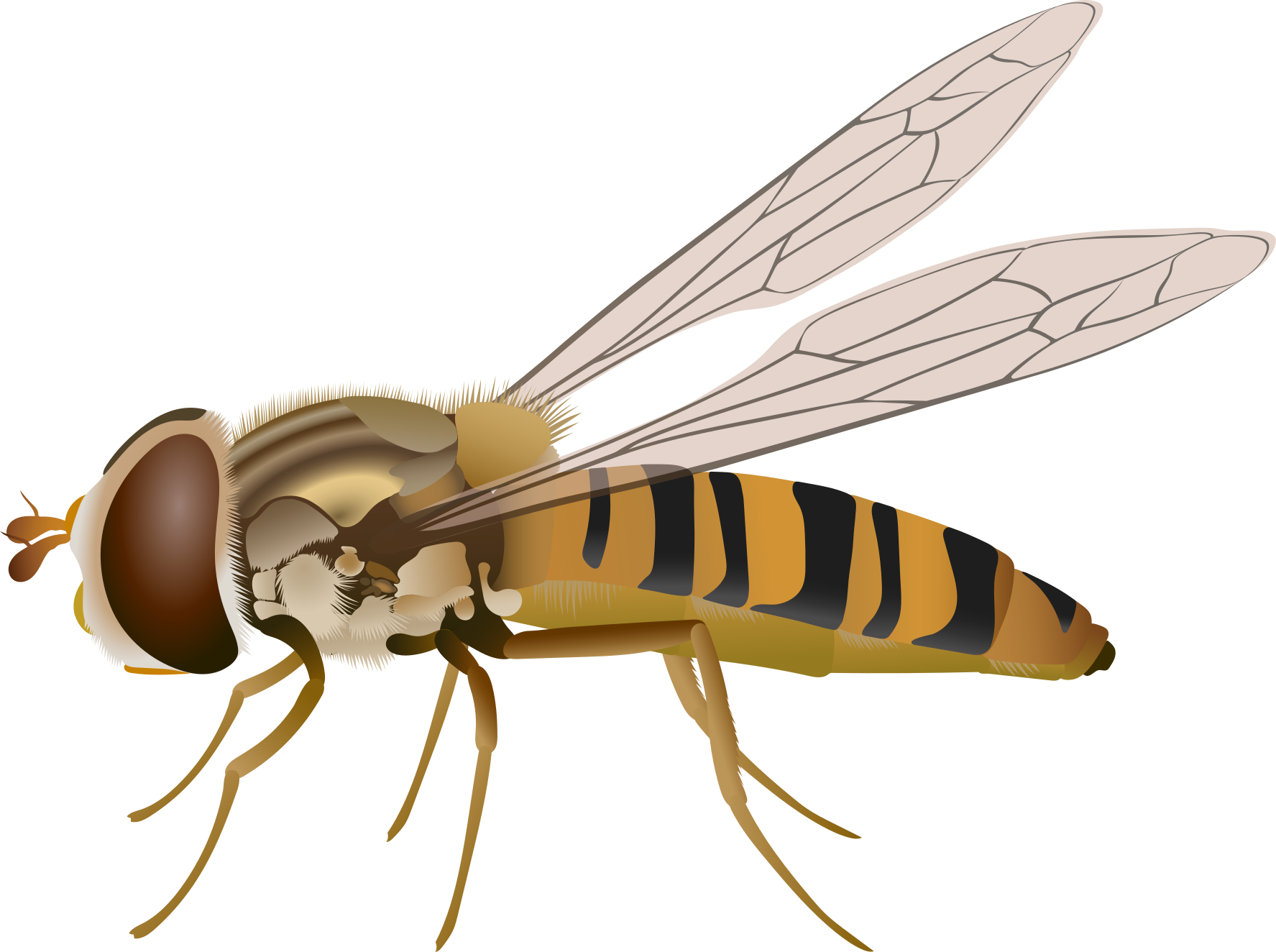
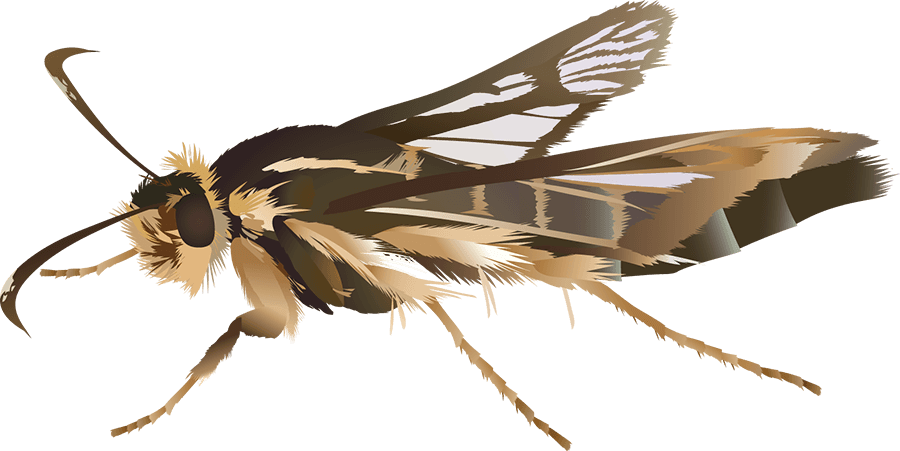
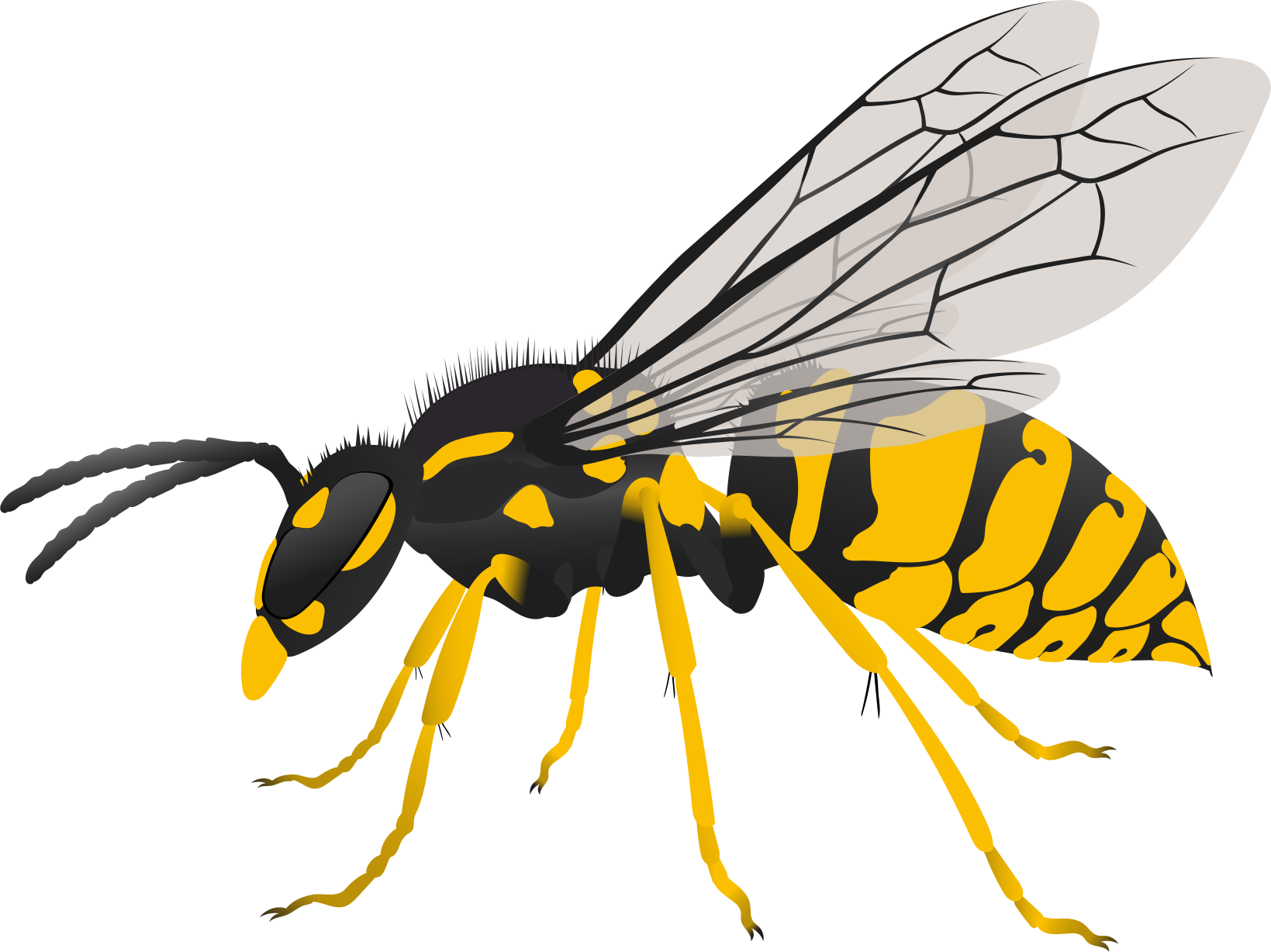
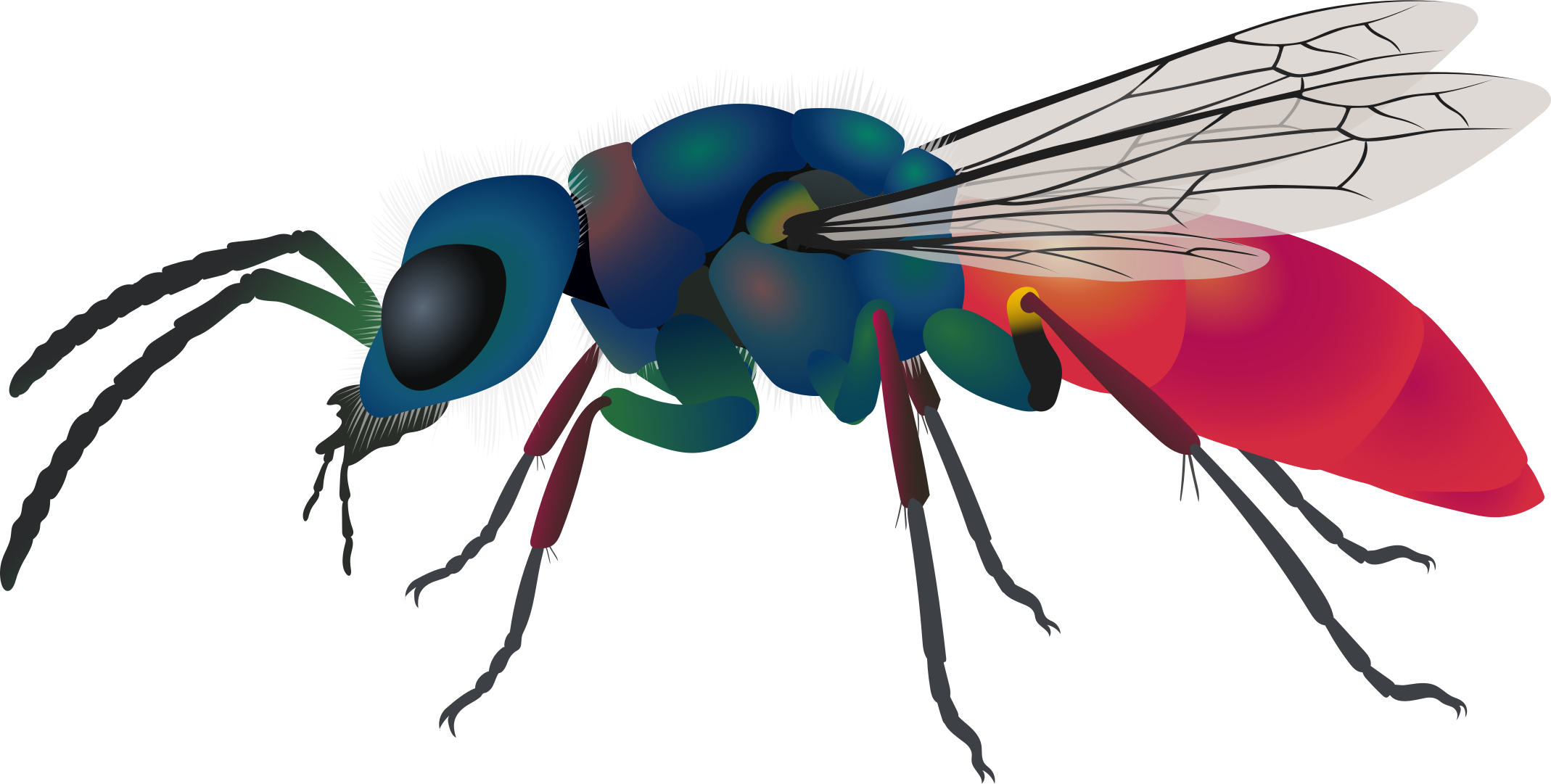
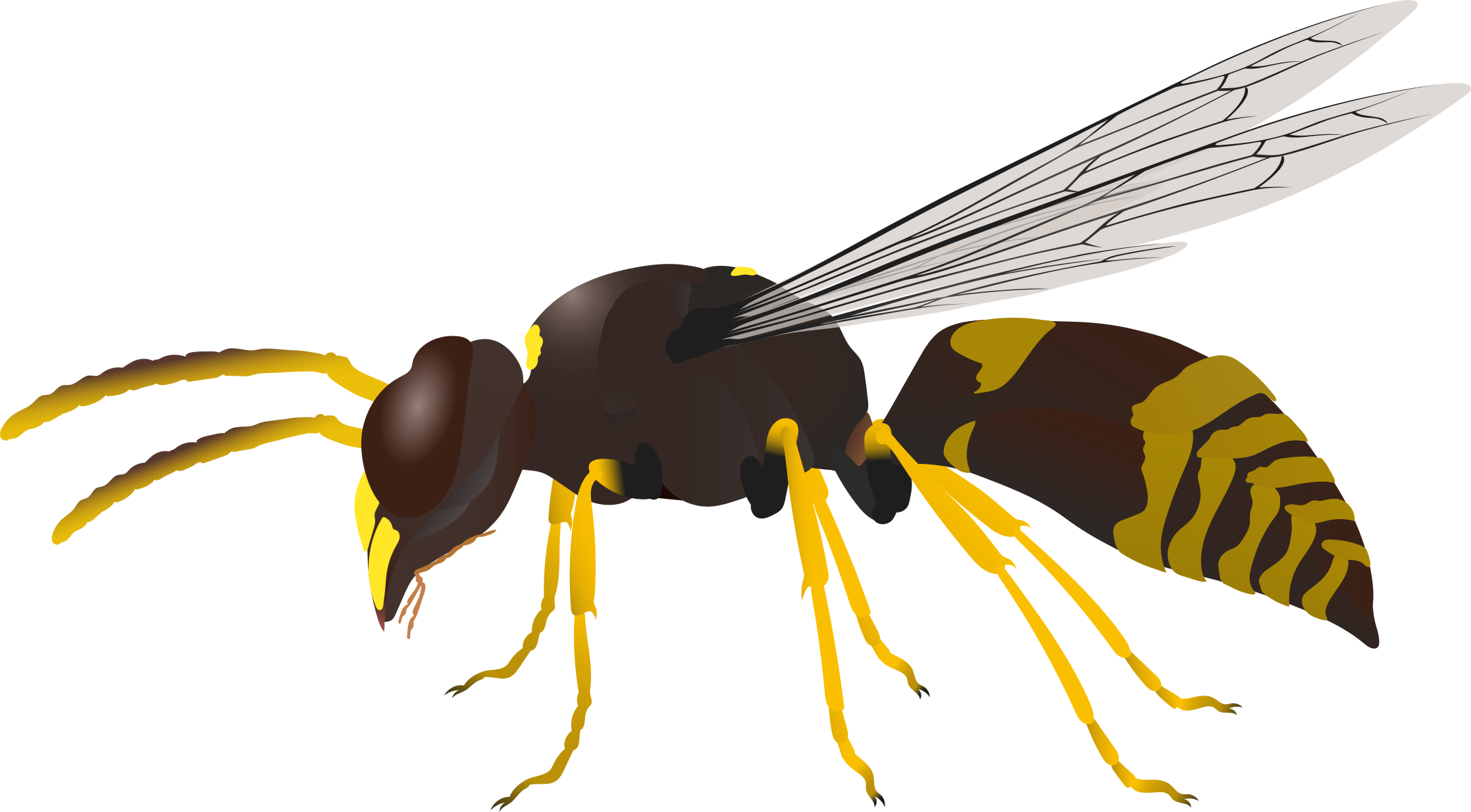
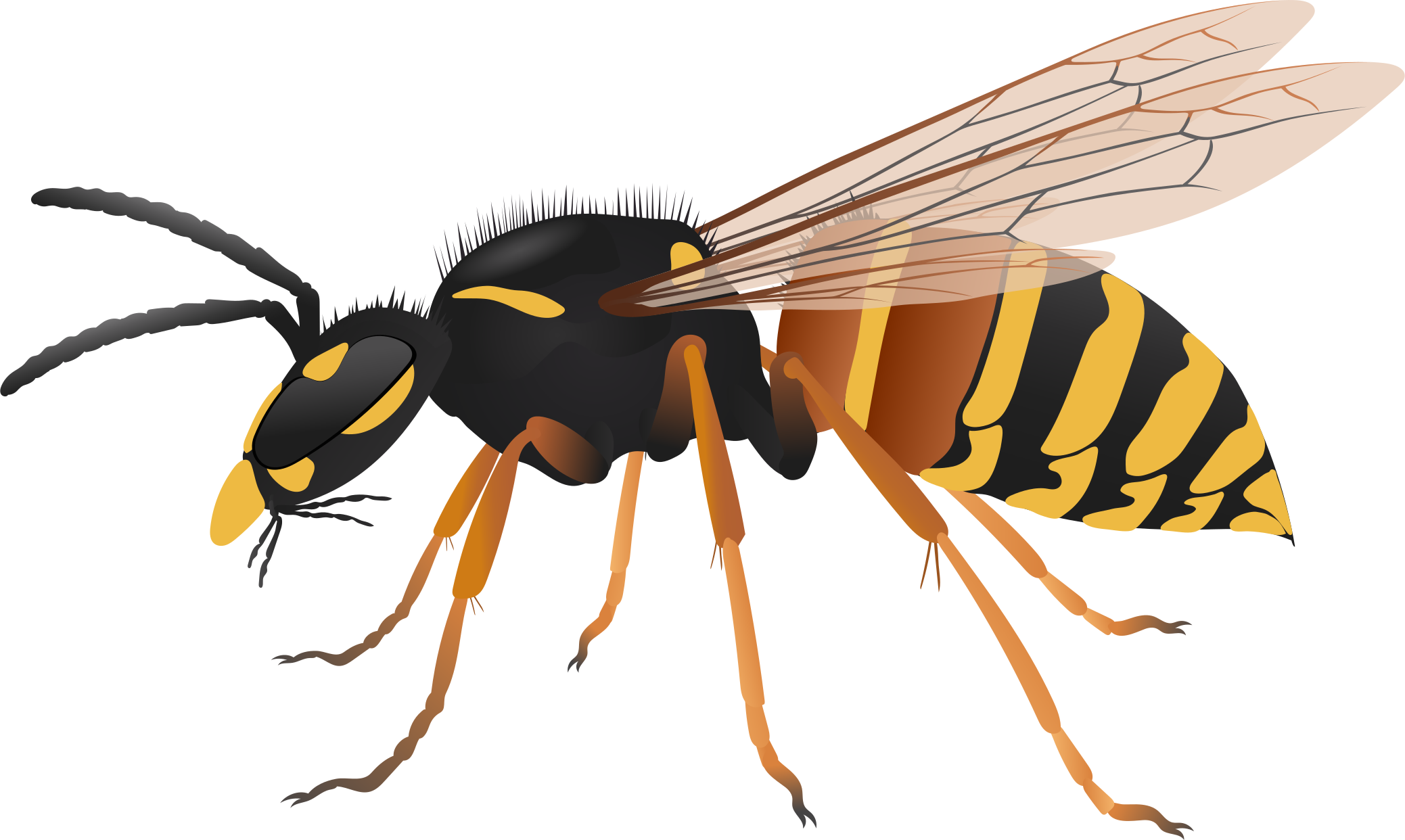
The UK hosts an exceptional variety of pollinating insects. There are 275 species of bee alone, alongside 280 hoverfly species, more than 2,200 moth species, 6,700 other species of fly, and numerous beetles, wasps and thrips that contribute to pollination. These species support not only our food crops but the wildflowers, grasslands and woodlands that underpin entire food chains.
The landscapes these species depend on have been dramatically altered. England and Wales have lost over 97% of its flower-rich grasslands since the 1930s, an area equivalent to one and a half times the size of Wales. These meadows once formed extensive, connected networks across the countryside; today, most survive only as isolated fragments. As a result, many pollinators struggle to find the nectar, pollen and nesting sites they need. This fragmentation is one of the primary reasons why once-widespread species have become rare or disappeared entirely.
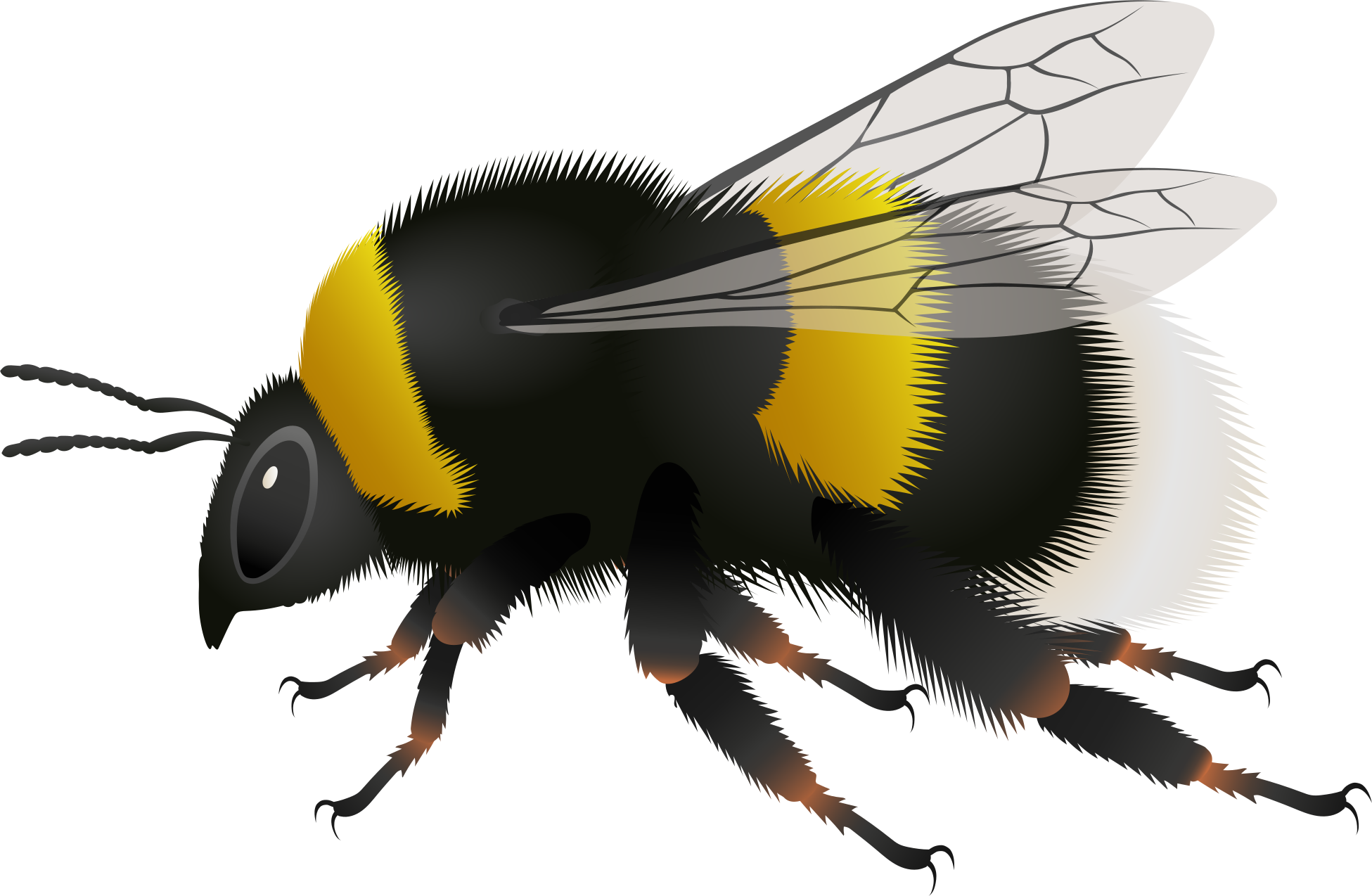
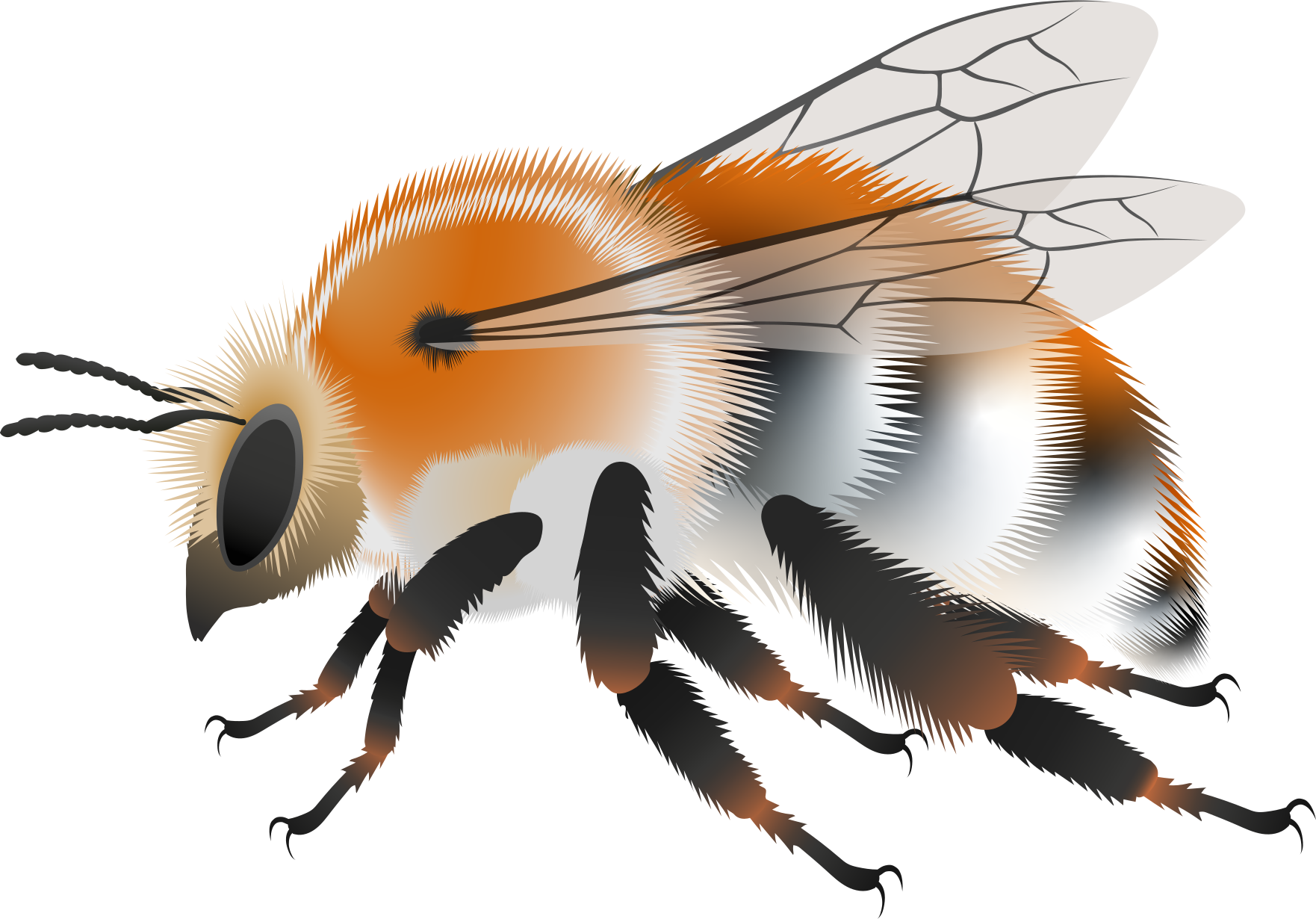
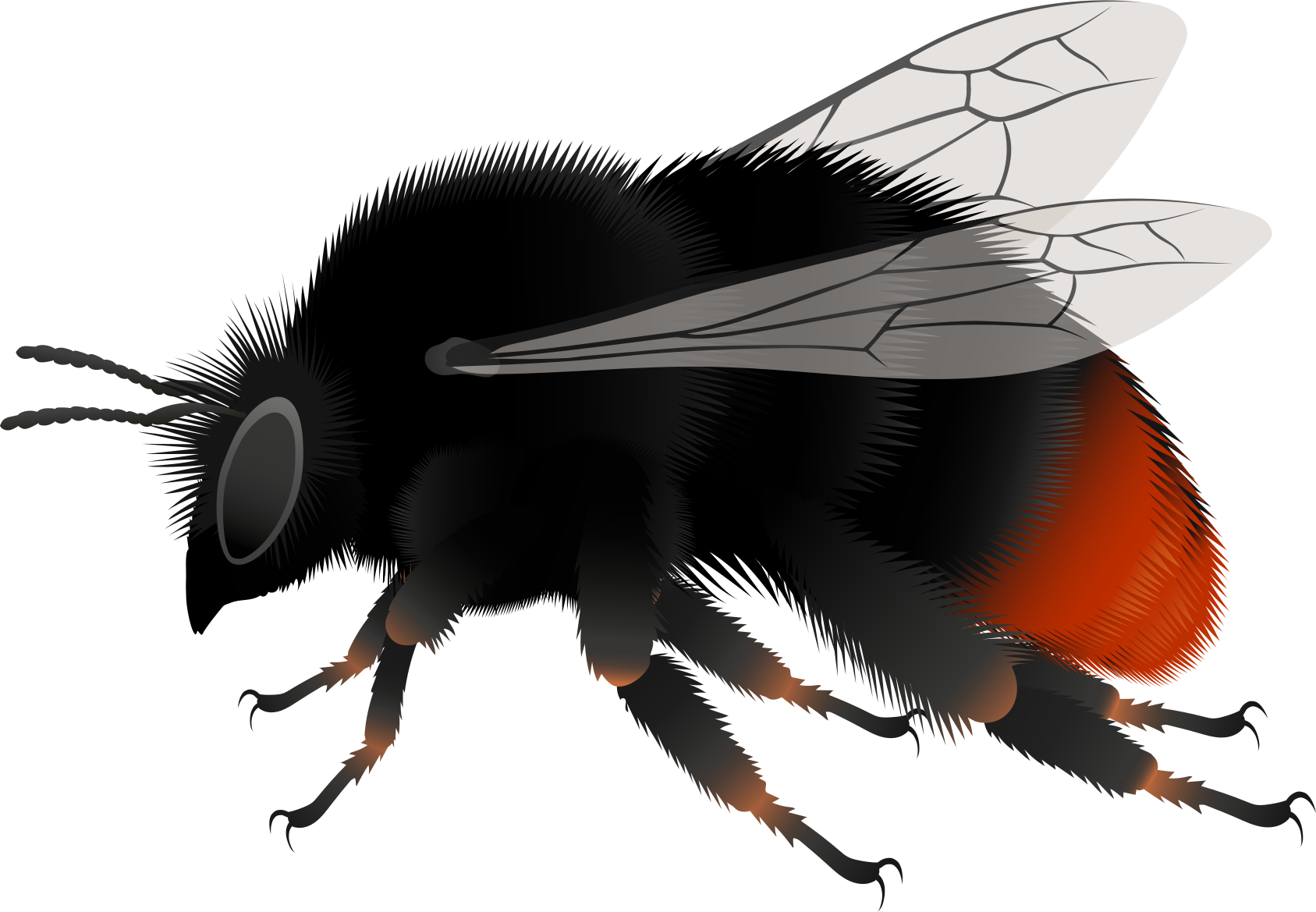
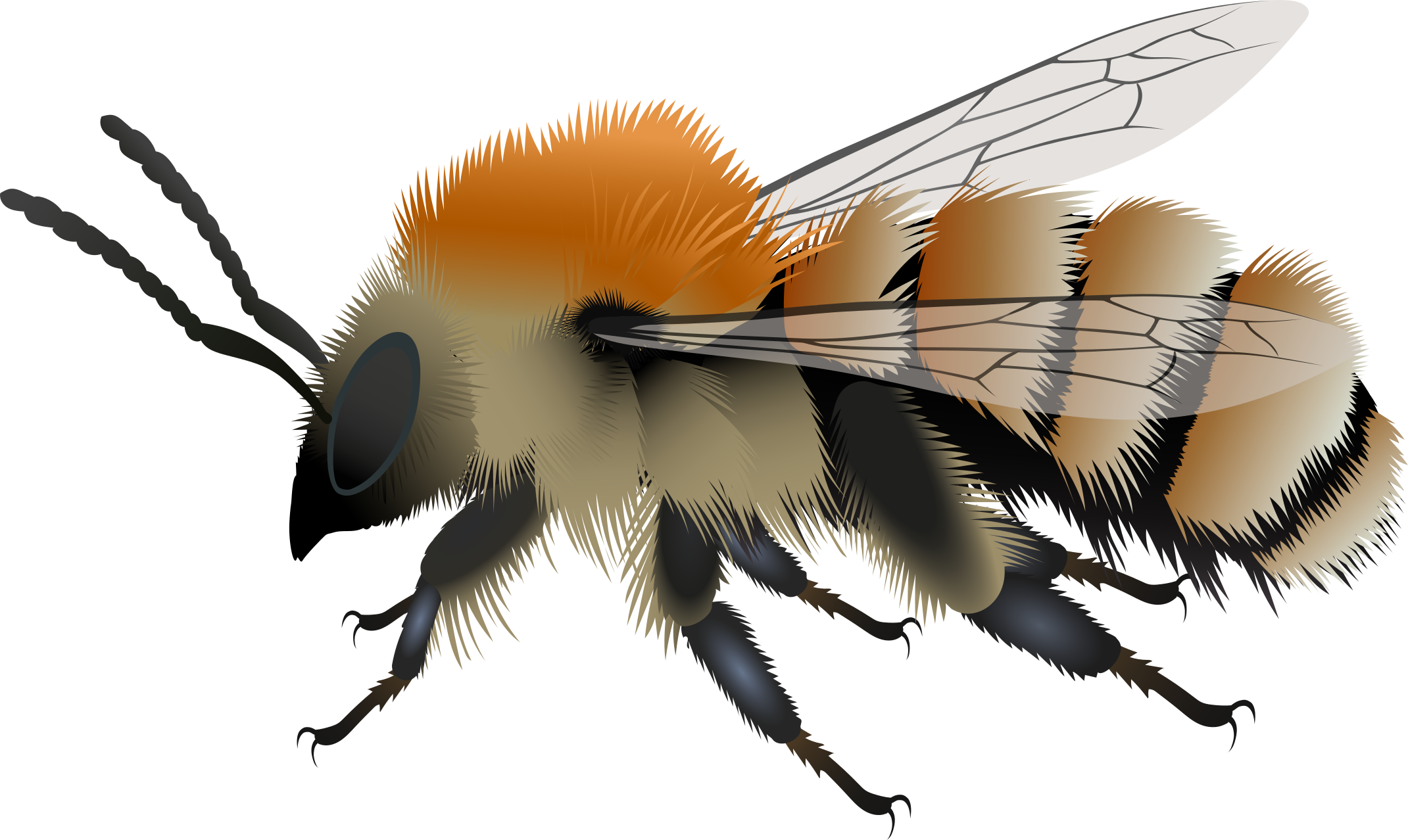
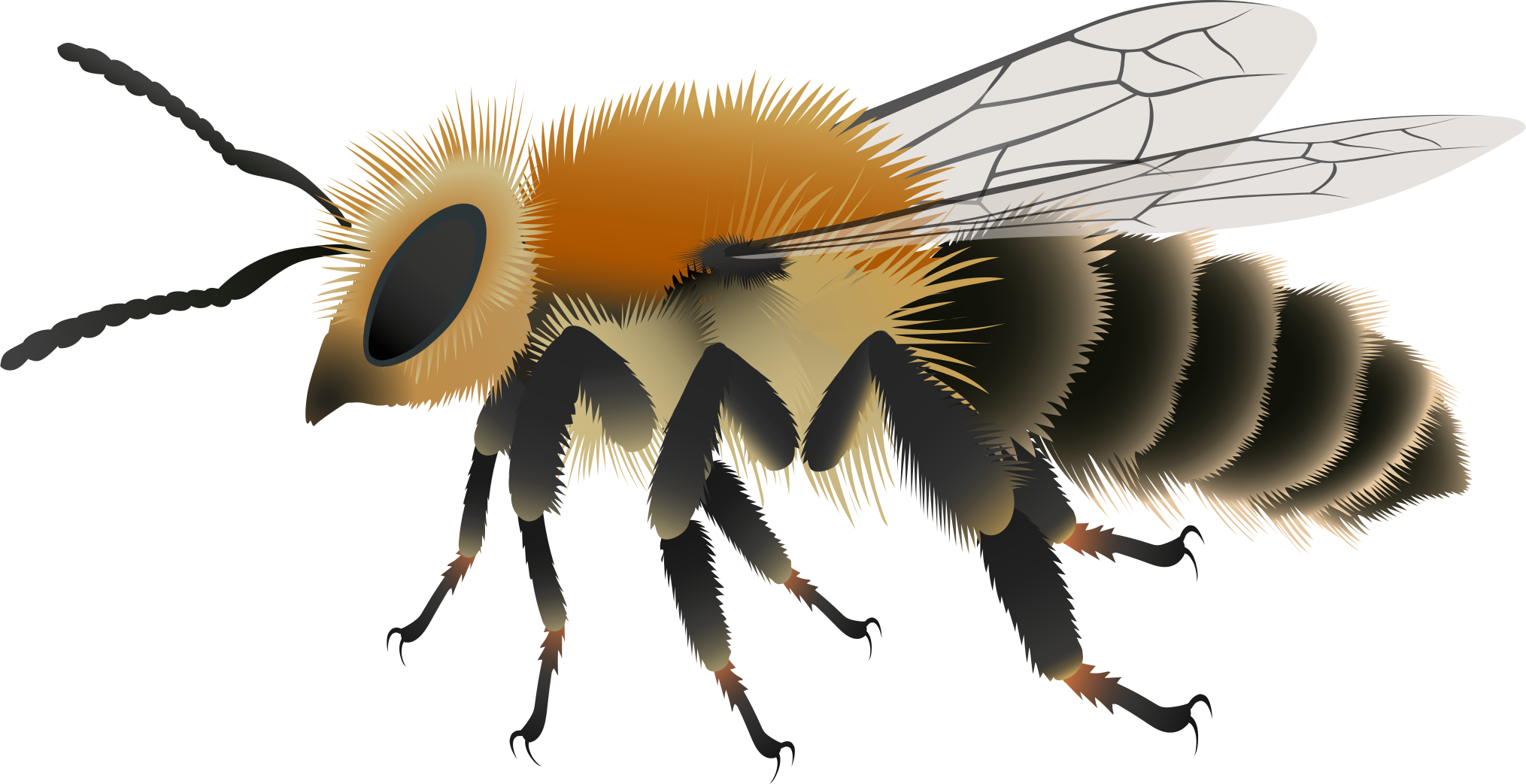
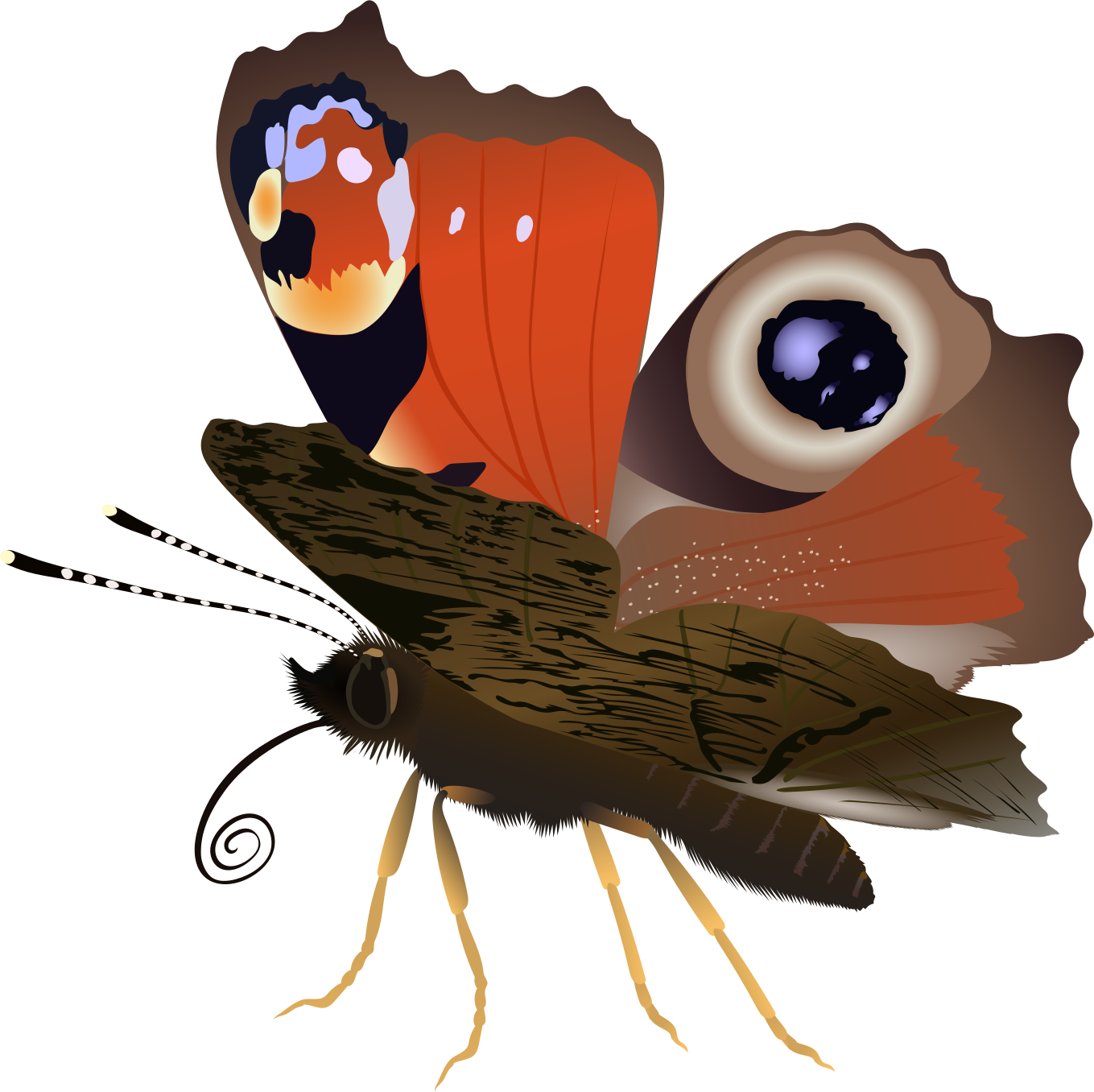
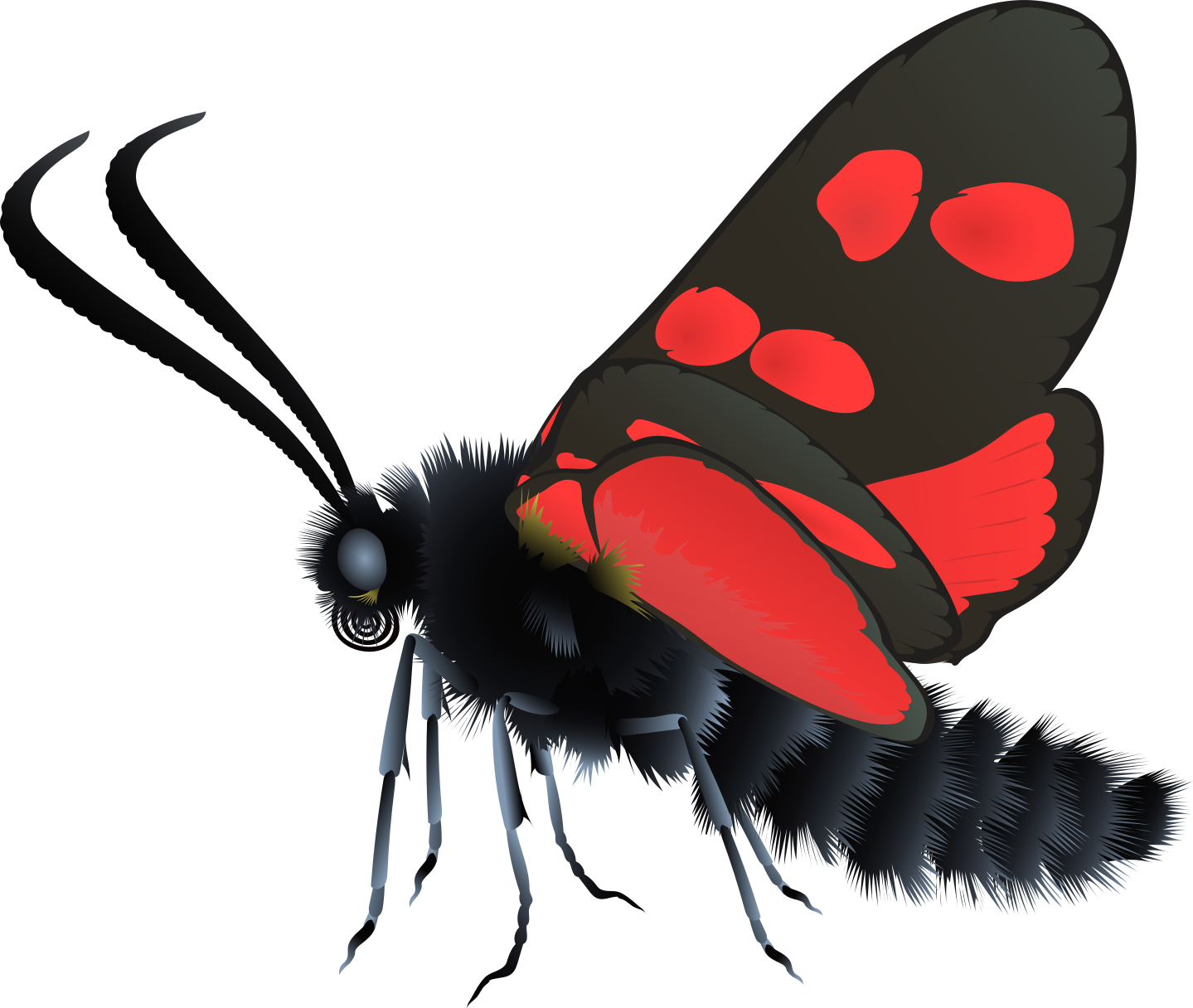
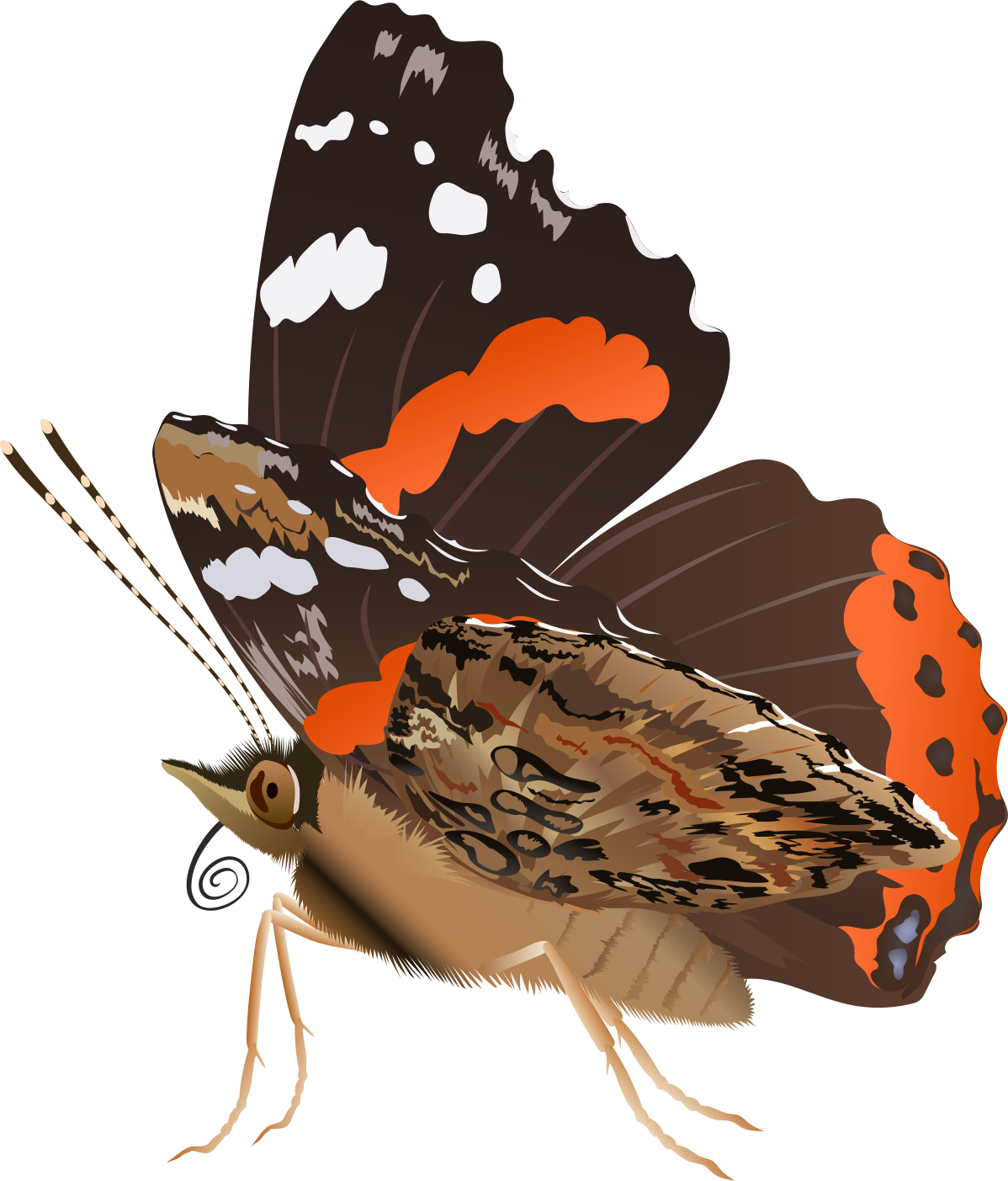
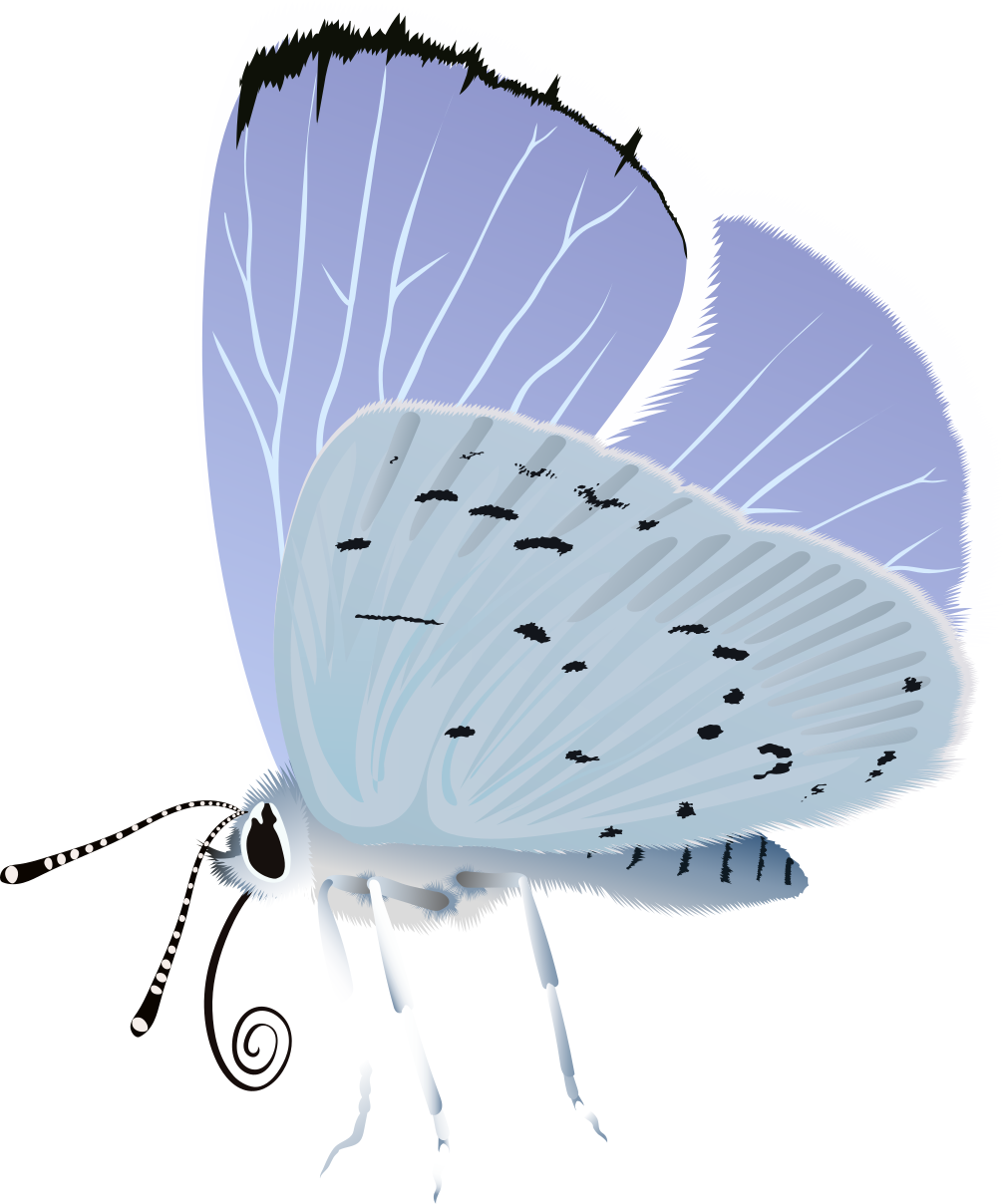
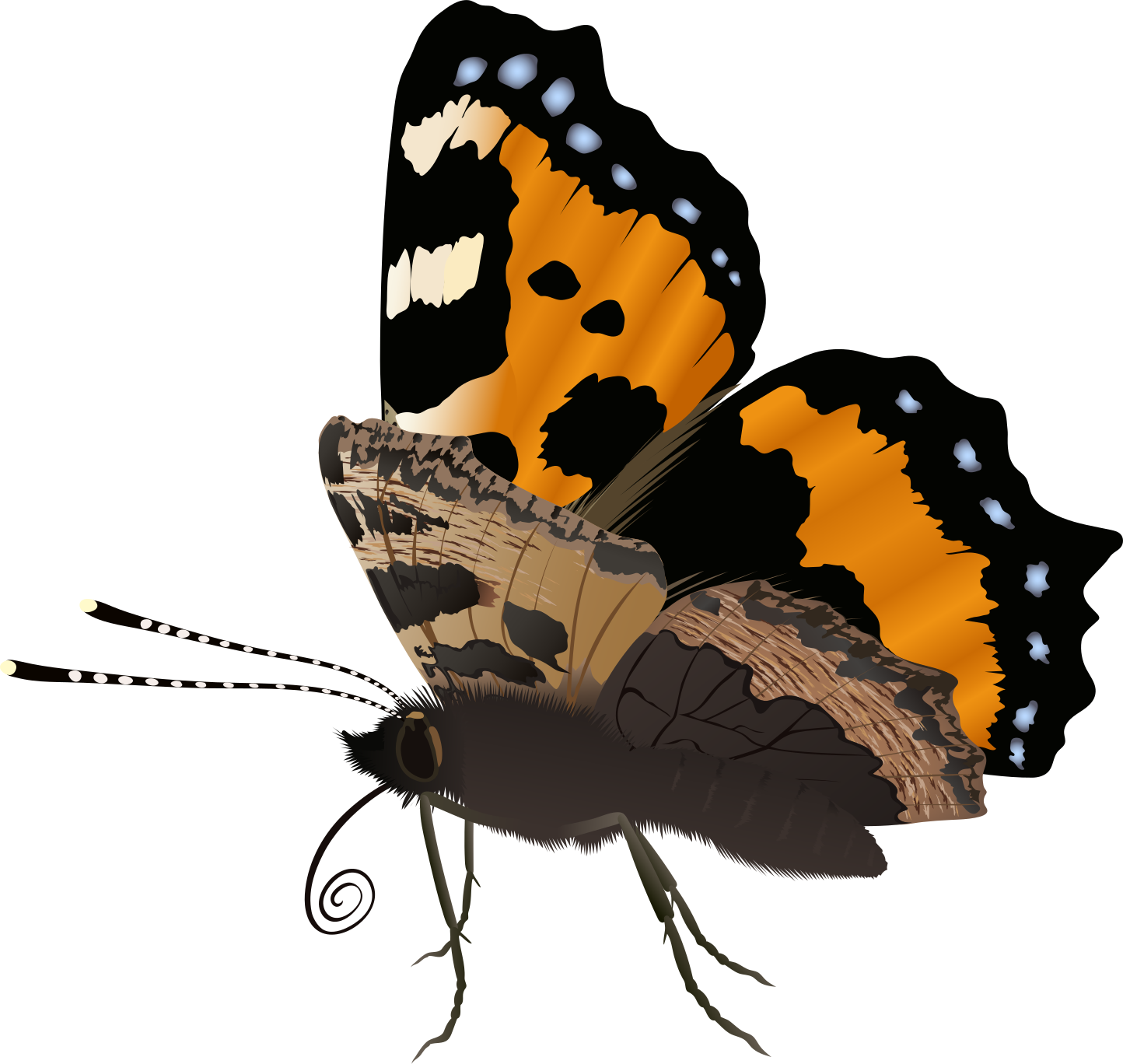
The consequences of this loss are stark. Half of the UK’s 27 bumblebee species are in decline, three species have already gone extinct, and seven have suffered declines of more than 50% in just the last quarter-century. Our butterflies and moths tell the same story, with 71% of butterflies and two-thirds of moths now in long-term decline. Even common species are becoming increasingly scarce. The 2025 Bugs Matter Survey, led by Buglife and Kent Wildlife Trust, recorded a nearly 60% decrease in UK insect numbers since 2021, signalling severe and rapid ecological change.
This is why wildflower restoration is one of the most impactful interventions we can make. Wildflower-rich habitats support more pollinator species than any other habitat type, providing nectar, pollen, nesting opportunities and refuge throughout the year. GreenTheUK has partnered with Buglife to deliver the B-Lines initiative – a nationwide network of “insect highways” – to reconnect fragmented landscapes with new and restored wildflower areas, allowing pollinators to move, feed and breed across the country.
By supporting wildflower restoration with GreenTheUK and Buglife, Munich RE is helping to rebuild these ecological lifelines and reverse decades of habitat loss. This work extends far beyond protecting insects: it strengthens food security, enhances climate resilience, and restores the natural systems that future generations will depend on.
Wildflower Restoration in Devon (2 hectares)
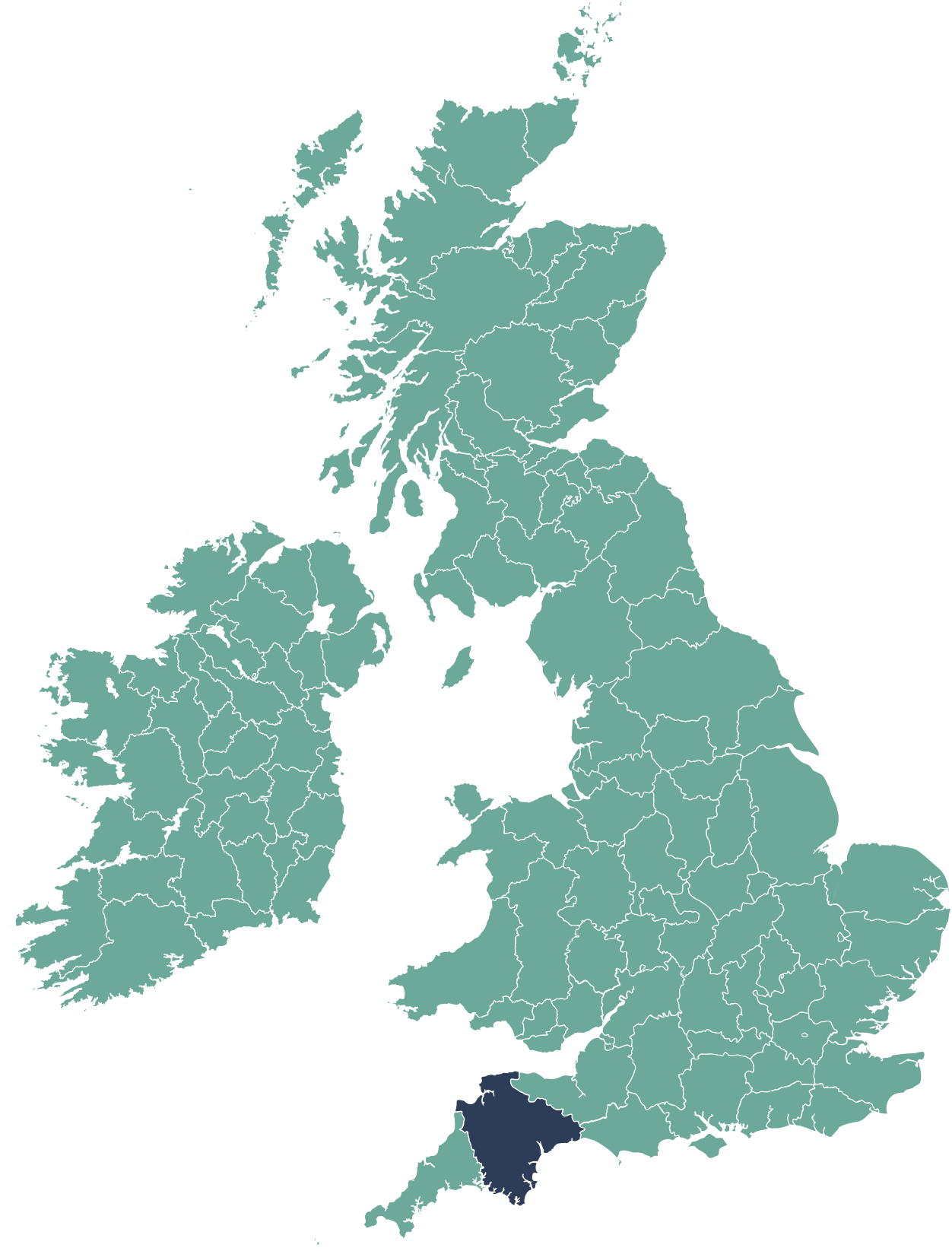
Munich RE has supported vital habitat restoration within Buglife’s Wembury Hotspot, one of the key focus areas within Life on the Edge - an ambitious partnership project working to restore viable populations of some of the UK’s rarest invertebrates and plants along the South Devon coast. Wembury is one of five priority “Project Hotspots” identified within the South Devon coastal B-Line, where the project aims to restore or create over 675 hectares of species-rich grassland and build a 1,300-hectare network of nature-friendly farmland to reconnect fragmented habitats.
The restoration site sits alongside recently sown species-rich grassland and lies close to the maritime cliff and slope priority habitat - landscapes that act as true biodiversity hotspots. Their unique combination of warmth, structural diversity, low disturbance, and specialist coastal plant communities creates ideal conditions for a rich array of invertebrates. These habitats support both rare and more widespread invertebrate species, as well as a broad range of birds and mammals, making them critically important for biodiversity conservation and a central focus of the Life on the Edge programme.
To improve the quality of the existing grassland, the low-diversity sward was power-harrowed before wildflower seed was broadcast onto the surface and rolled in. This method opens up the soil structure, allowing the new seed mix to establish successfully and increase botanical diversity - helping create the high-quality, connected grassland networks that Life on the Edge is working to deliver across its project areas.
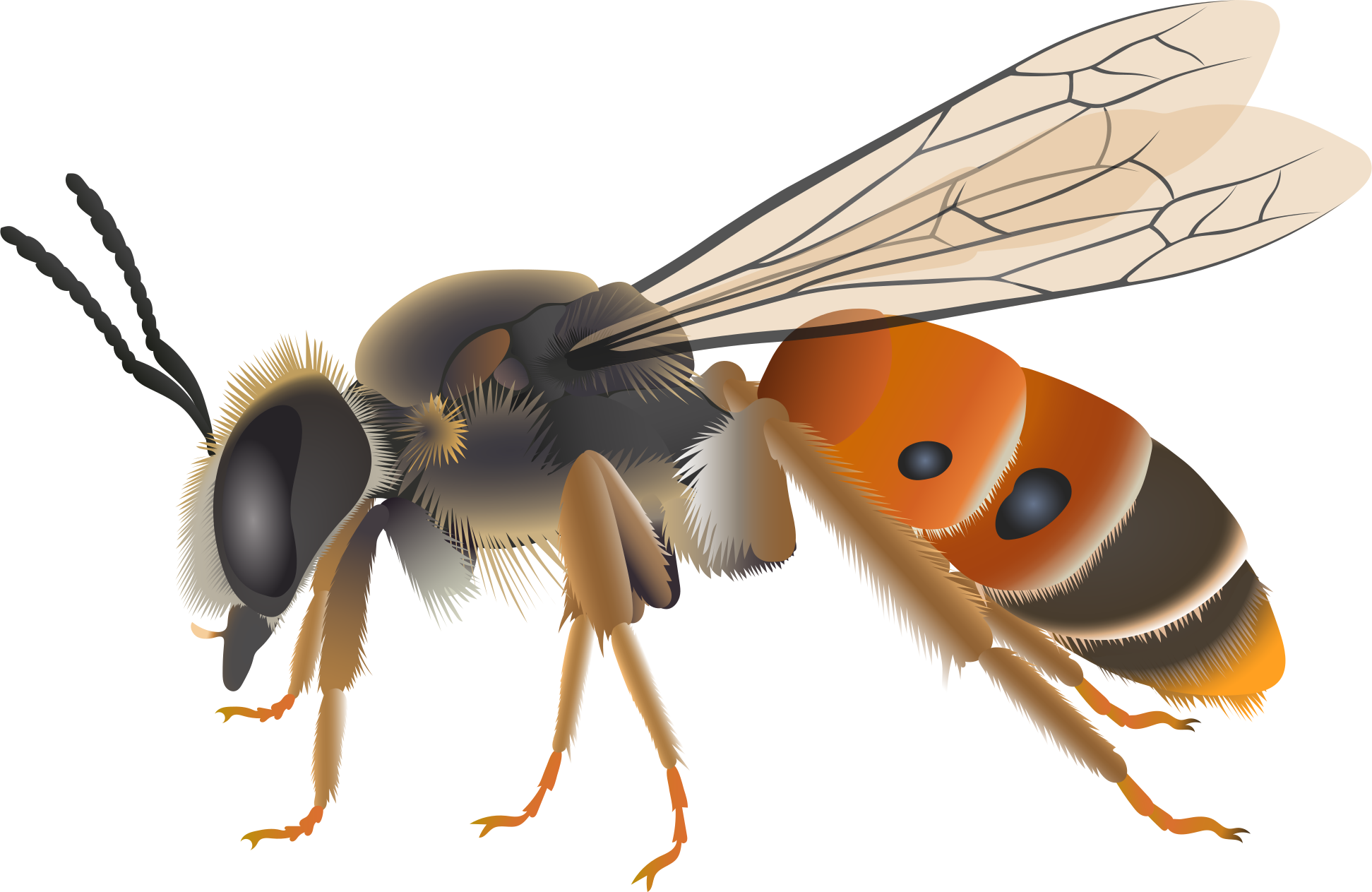
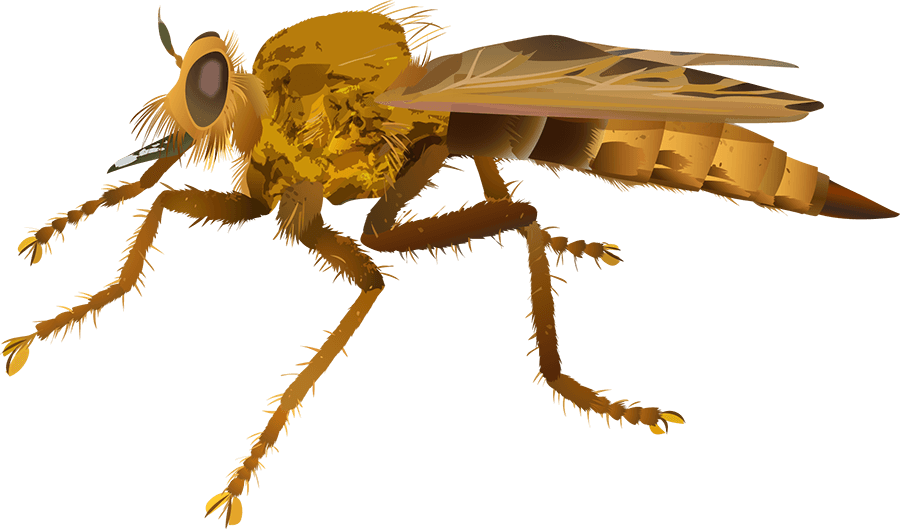
The restoration works will benefit a variety of priority invertebrate species recorded locally, including the orange-footed furrow bee (Lasioglossum xanthopus) and the hornet robberfly (Asilus crabroniformis), two of the thirty threatened species that the Life on the Edge project aims to support. By backing this targeted habitat enhancement, Munich RE is contributing to the long-term recovery, resilience, and ecological connectivity of one of South Devon’s most important wildlife landscapes, helping ensure a safer future for some of the UK’s most vulnerable invertebrates.
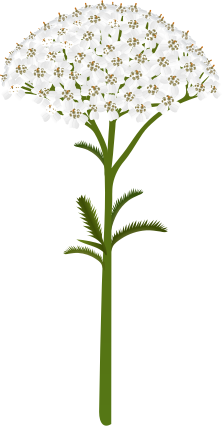
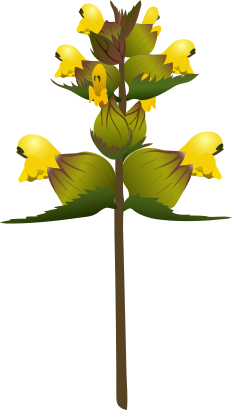
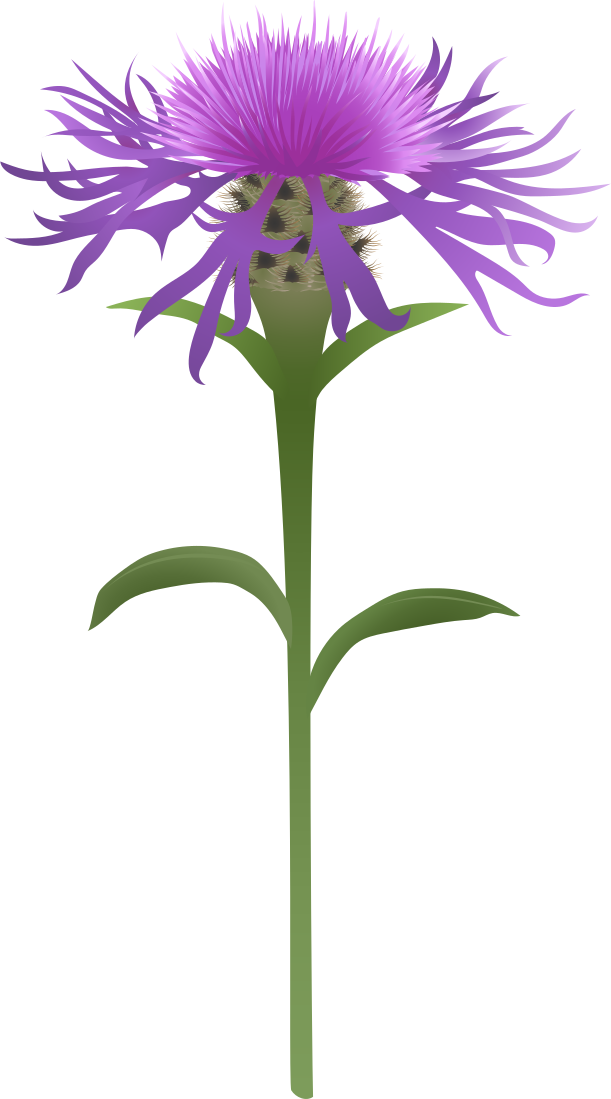
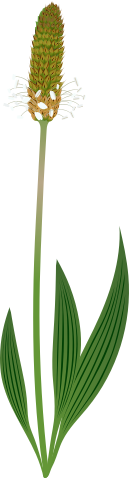
Wildflowers & Grasses Planted











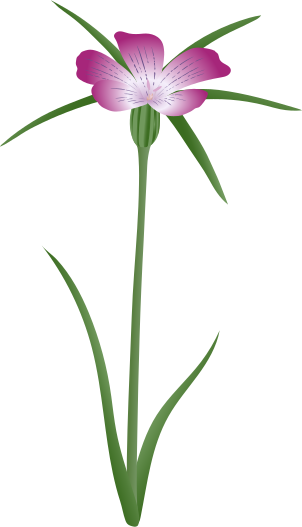


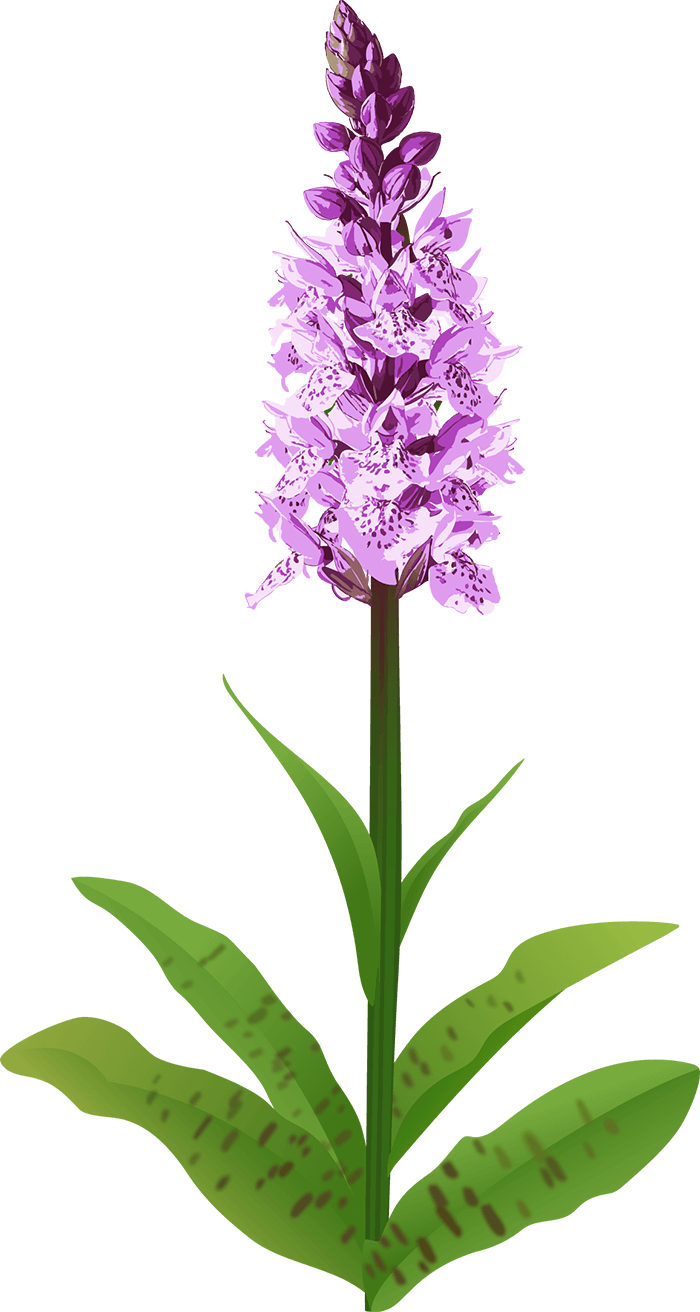
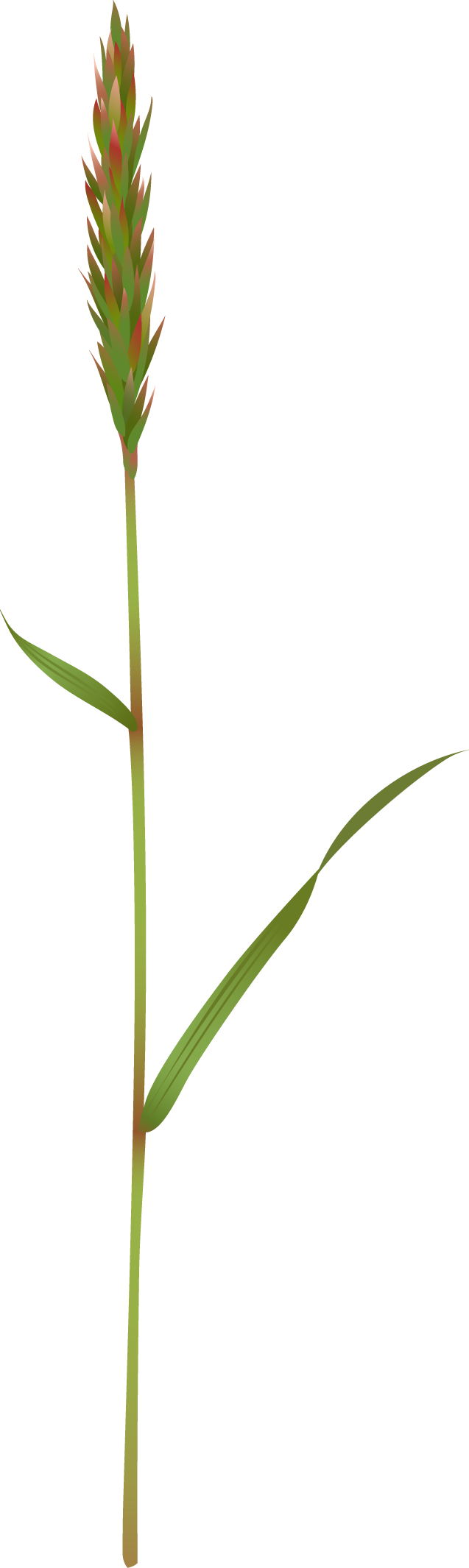

UN Sustainable Development Goals
As a GreenTheUK partner, you support projects that are in line with the UN Sustainable Development Goals.

Take urgent action to combat climate change and its impacts.
Sustainably manage forests, combat desertification, halt and reverse land degradation, halt biodiversity loss.