Planting for the Future

header image

Riello UPS supported the planting of 3 hectares of wildflowers in the UK in 2026

Imagine trying to cross Britain if nine out of every ten roads had vanished. For the insects that pollinate our crops and wildflowers, that is close to reality. Since the 1930s, England has lost more than 97% of its flower-rich grassland, an area comparable to the size of Wales. What remains is mostly scattered patches, too far apart for many insects to travel between. This project is about rebuilding those missing connections.

The stakes reach well beyond the countryside. Around one in every three mouthfuls of food depends on pollinators, while pollinators are estimated to contribute £691 million a year to UK crop production. Wild plants rely on them too, so the grasslands, woodlands and hedgerows that shelter other wildlife depend on the same small workers. As habitat shrinks and other pressures grow, insect populations are declining at an alarming rate. The 2025 Bugs Matter survey recorded a 59% decline in flying insects sampled on vehicle number plates between 2021 and 2025. That puts both our food supply and the health of natural ecosystems at risk. That is why the support of partners such as Riello UPS matters so much.
Map

Britain's pollinators are far more varied than most people realise. Honeybees and bumblebees are only a small part of the picture. The UK is home to more than 250 species of bee, alongside hundreds of hoverflies, thousands of moths and many other flies, beetles, wasps and thrips that carry pollen from flower to flower. Each plays its own part in keeping the countryside productive, which means losing even a few can have knock-on effects.

The evidence of decline is hard to ignore. Of the UK's 24 bumblebee species, half are in decline and three are already extinct. Butterflies and moths are following the same path: 71% of butterfly species and two-thirds of moth species are in long-term decline. Even familiar insects are vanishing. The 2025 Bugs Matter Survey found that flying insect numbers had fallen by almost 60% since 2021.

There is a practical way to help reverse this decline, and it is already being built. B-Lines are a network of "insect pathways": chains of new and restored wildflower habitat that link existing wildlife sites in the same way that a railway links towns. They have been mapped across England, Wales, Northern Ireland and Scotland and the programme aims to create or restore at least 150,000 hectares of flower-rich habitat.By backing this work alongside GreenTheUK and Buglife, Riello UPS is helping reconnect a fragmented landscape, one stepping stone at a time. The benefits go further than saving insects. Healthier pollinator populations support more resilient farming, give wildlife room to adapt to a changing climate and leave future generations with a living countryside rather than a diminished one.

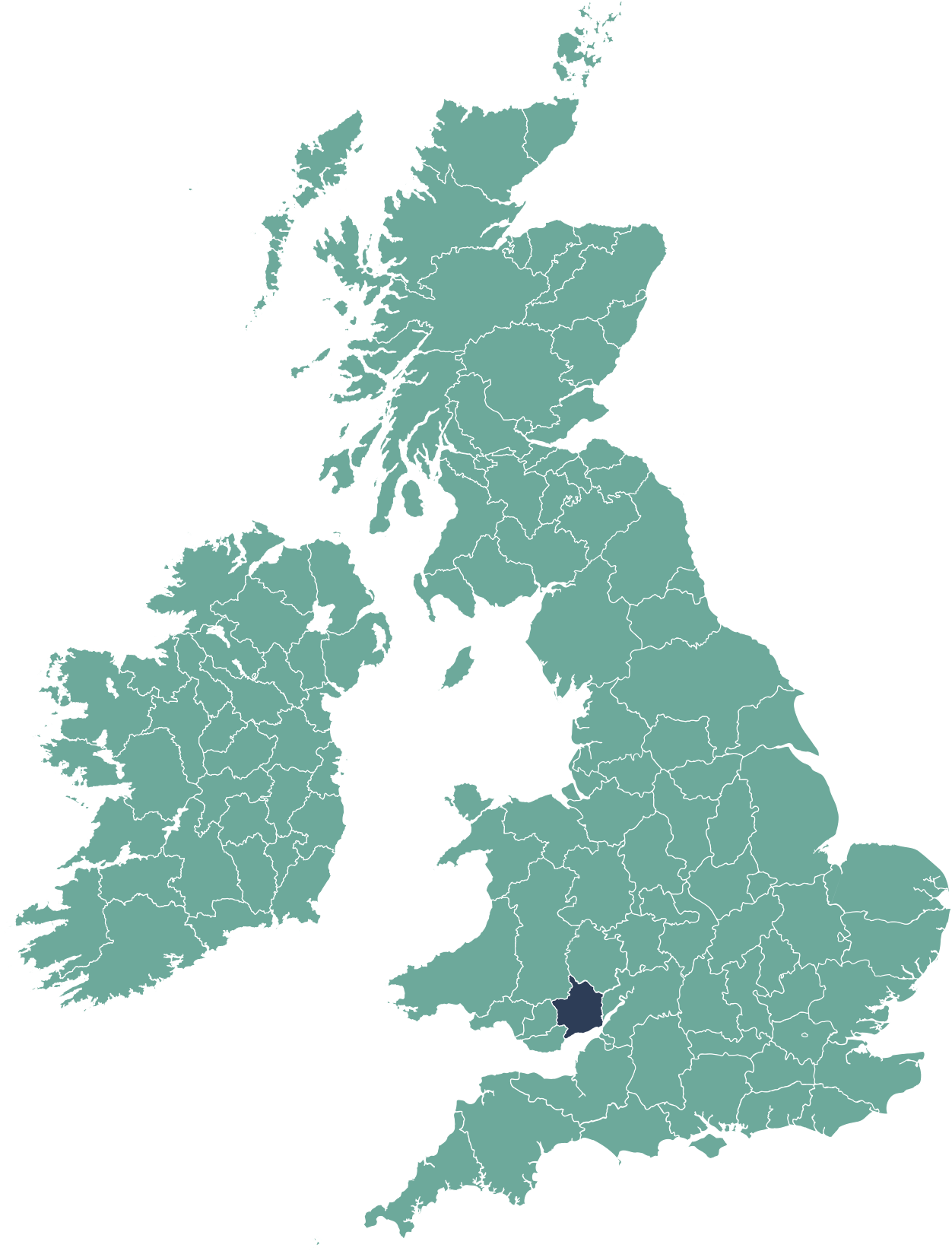
Wildflower Restoration in Monmouthshire (3 hectares)

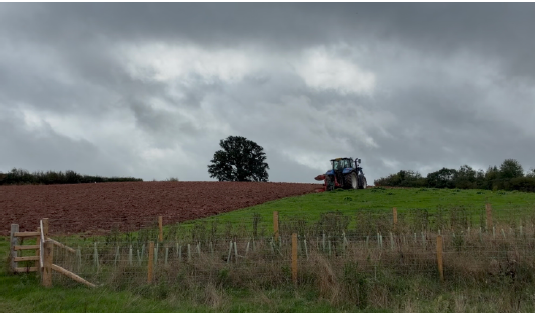
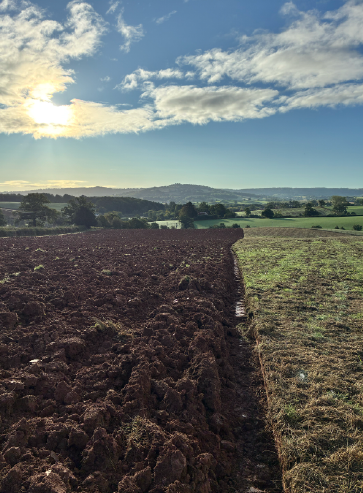
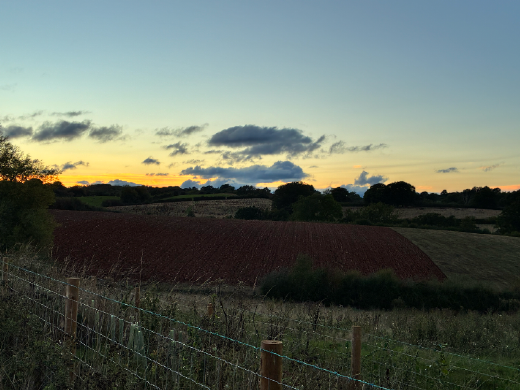
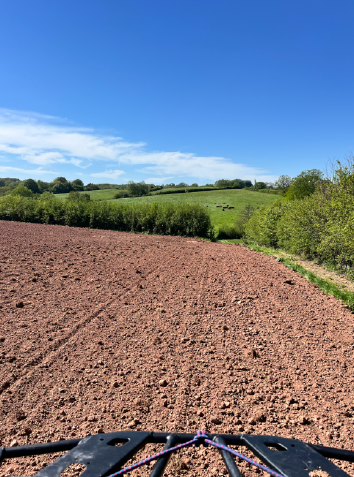
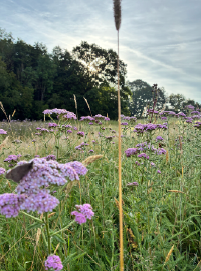
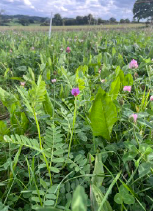
Riello UPS supported the establishment of 3 hectares of new wildflower meadow habitat at New House Farm. The work formed part of a larger meadow creation project covering five former arable fields, within a combined area of approximately 16 hectares. The fields had previously been under arable management and had areas of significant soil compaction. As the farm is predominantly clay, soil structure was an important consideration when establishing the new wildflower site. Soil testing showed that some cultivation was necessary, rather than relying solely on direct drilling, to break up compaction and allow the new plants to establish deeper root systems. The funded area was prepared through ploughing and harrowing before the seed was drilled and rolled. A diverse mixture of grasses, legumes, forage herbs, and wildflowers was used. This included perennial ryegrass, cocksfoot, tall fescue, timothy and meadow fescue, together with a variety of clovers and birdsfoot trefoil. Burnet, plantain and chicory were also added, with yarrow and oxeye daisy providing greater flowering diversity. The 3 hectares are being incorporated into the cattle grazing system, providing a diverse forage sward alongside flowering plants that support pollinators and other wildlife.

Wildflowers & Grasses Planted

Salad Burnet

Salad Burnet: Sanguisorba Minor

Read More

Salad Burnet: Sanguisorba Minor

Salad burnet has a taste that is somewhat reminiscent of cucumber, making it a popular kitchen garden plant for use in drinks, salads, sauces and elsewhere. In the 1600s, English settlers took it with them to the New World where it quickly became a popular delicacy, and Thomas Jefferson was known to be a fan. He wasn’t the only one; Sir Francis Bacon suggested planting salad burnet along pathways to perfume the air.

Bird’s-foot Trefoil

Bird’s-foot Trefoil: Lotus Corniculatus

Read More

Bird’s-foot Trefoil: Lotus Corniculatus

Bird’s-foot trefoil is already a pretty great name, but this plant has many other exciting aliases, including “hen and chickens” and “eggs and bacon”. These colourful names refer to the plant’s red and yellow flowers. Its seed pods are reminiscent of a bird’s claws.

Yarrow

Yarrow: Achillea Millefolium

Read More

Yarrow: Achillea Millefolium

This hardy perennial has a slightly aniseed taste and can be made into tea; in the Middle Ages, it was used to flavour beer. Centuries ago, Yarrow was used to heal wounds and stop bleeding, but it was also thought to start nosebleeds, and still has the nickname “nosebleed plant”. Starlings and other birds use yarrow to line their nests.

Ox-eye Daisy

Ox-eye Daisy: Leucanthemum Vulgare

Read More

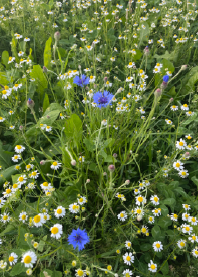
Ox-eye Daisy: Leucanthemum Vulgare

Ox-eye Daisy is a small, yet resilient flower and has the ability to thrive in diverse habitats. The yellow centre of the oxeye daisy is made up of many small flowers which hold nectar enjoyed by various pollinating insects, including butterflies, bees and hoverflies. A mature plant can produce up to 26,000 seeds that are spread by animals, vehicles, water and contaminated agricultural produce, and some seeds remain viable for up to nearly forty years.

Ribwort Plantain

Ribwort Plantain: Plantago Lanceolata

Read More

Ribwort Plantain: Plantago Lanceolata

You’re most likely to see this perennial in England between the months of May and August. The hoary plantain has a rosette of leaves at its base, a slim stem and delicate pinkish-white flowers growing out of a thick spike at the top. This plant grows best in dry grassland areas, especially where there is chalk or limestone soil.

Chicory

Chicory: Cichorium intybus

Read More

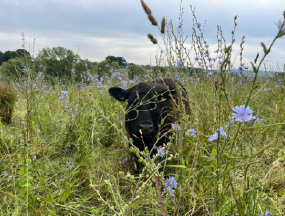
Chicory: Cichorium intybus

Chicory's sky-blue flowers brighten roadsides and field edges from summer into autumn, though each bloom opens in the morning and usually closes by early afternoon. They are a rich source of nectar and pollen for bees and hoverflies. People have grown chicory for centuries, roasting the root as a coffee substitute, and its relatives include radicchio and endive.

Scabious Stamp

Scabious: Scabiosa

Read More

Scabious: Scabiosa

These vibrant bluish-purple flowers are related to the honeysuckle, rich in nectar and attractive to insects, especially bees. They are also known as “pincushion flowers” because they have short petals with little stamens sticking out of them. This flower gets its name from the Latin word for itch, because it was once believed to be a remedy for the skin disease scabies.

Perennial Ryegrass

Perennial Ryegrass: Lolium Perenne

Read More

Perennial Ryegrass: Lolium Perenne

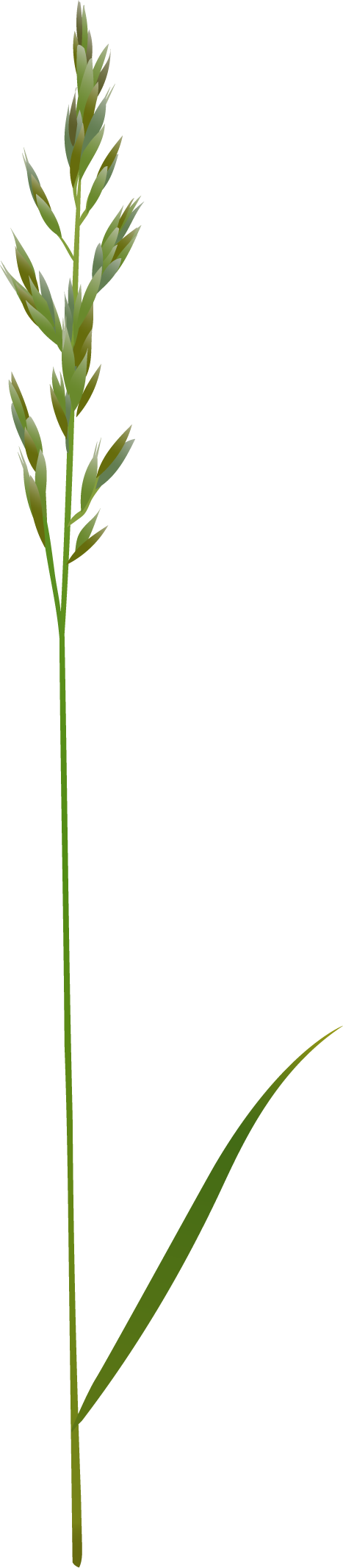
Also known as English ryegrass, it is a low-growing, tufted, hairless grass, with a tendency to grow in bunches. As a very common and important pasture plant, it was exported across the world and grows worldwide. Its ability to easily set seed and germinate has led to it spreading to roadsides, trackways, footpaths, wasteland, river banks, and even sand dunes. As such, it is useful for preventing erosion and stabilising soils.

Tall Fescue

Tall Fescue: Festuca arundinacea

Read More

Tall Fescue: Festuca arundinacea

Tall fescue is a tough, tufted grass that can grow well over a metre high, forming dense clumps in meadows, verges and field margins. Its deep roots help it survive drought, waterlogging and heavy footfall, so it is used for pasture, hay and sports pitches. The tussocks shelter small mammals, insects and ground-nesting birds, and the seeds feed finches in autumn. The name comes from the Latin festuca, meaning stalk.

Meadow fescue

Meadow fescue: Festuca pratensis

Read More

Meadow fescue: Festuca pratensis

A tall, tufty grass commonly found in hay meadows and fertile pastures. Meadow fescue produces abundant leafy growth that is palatable to livestock and supports pollinating insects that nest in the base.

Cock’s-foot

Cock’s-foot: Dactylis glomerata

Read More

Cock’s-foot: Dactylis glomerata

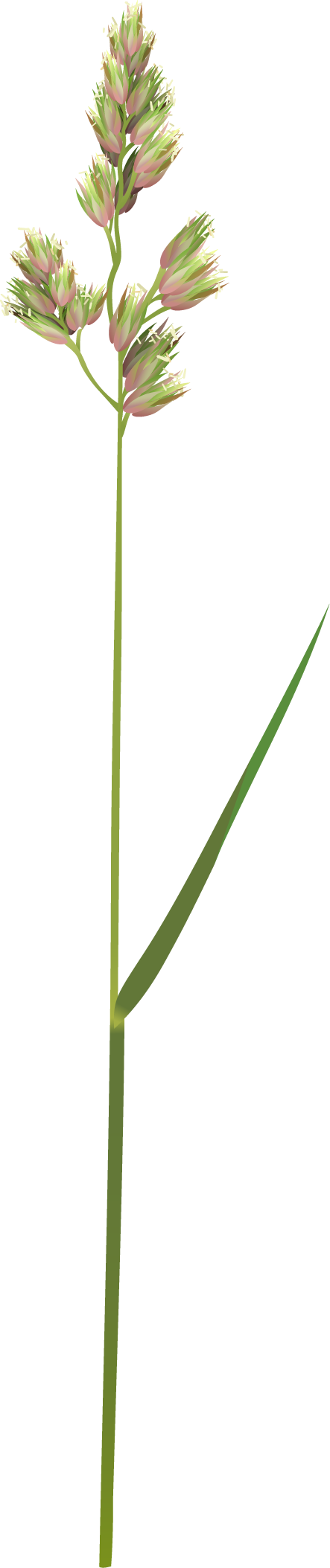
This robust grass is easily identified by its splayed, flowering heads. Cock’s-foot thrives in hedgerows, meadows, and road verges, where it provides shelter and food for caterpillars and grassland invertebrates. It is also a highly resilient species, capable of withstanding drought thanks to its hardy, deep, and densely rooted growth.

UN Sustainable Development Goals

As a GreenTheUK partner, you support projects that are in line with the UN Sustainable Development Goals.

SDG Icon

Take urgent action to combat climate change and its impacts.

SDG Icon

Sustainably manage forests, combat desertification, halt and reverse land degradation, halt biodiversity loss.

Over time, this meadow should be home to a rich variety of wildlife which could include…

Buff-tailed bumblebee: Bombus terrestris

Buff-tailed bumblebee

These are the giants of the bumblebee world, and the whole species is named after the buff colour of their queen’s tail. They can be found in the UK’s lowlands, nesting underground in very large groups. These insects are very fond of nectar, and if they can’t easily reach it with their tongues, they will bite a hole in the flower to suck it out.

Common Carder Bee: Bombus Pascuorum

Common Carder Bee

This relatively small ginger-coloured bumblebee is widespread throughout the UK, in habitats including farms, woods and gardens. Carder bees have very long tongues and feed on heather, clover and lavender. They often nest in old mouse runs and disused birds’ nests.

Red-tailed Bumblebee: Bombus Lapidarius

Red-tailed Bumblebee

This is an abundant species of bumblebee that is found all over the UK. This social bee nests in disused burrows, under stones or at the base of old dry stone walls. Both males and females have the eponymous red tails as well as velvety black bodies and transparent wings.

Shrill Carder Bee: Bombus Sylvarum

Shrill Carder Bee Stamp

The shrill carder bee is one one of the rarest bumblebees in the UK, and is only found in a handful of locations, including the Newport Wetlands in South Wales. This bee has a distinctly high-pitched buzz, which is why it got the moniker “shrill”. Carder bees have very long tongues which they stick into flowers so that they can suck nectar.

Brown-banded Carder Bee: Bombus Humilis

Brown-banded Carder Bee Stamp

The brown-banded carder bee is a bumblebee that favours heaths and dry, open grasslands. It has a chestnut-coloured thorax and strawberry-blond abdomen, but there are a few black hairs at the base of its wings. Populations have declined because of habitat loss, but this bee can be found in clusters in north Cornwall and Newport in South Wales, for example.

Honeybee: Apis Mellifera

Honeybee

Honeybees have six legs, four wings and five eyes. They use the Sun, and possibly the Earth’s magnetic fields, to navigate, and they can fly at speeds of up to 20mph when in search of food. At the height of summer there are around 40,000 honeybees in each hive, and that number drops to around 5,000 in the winter.

Tawny Mining Bee: Andrena Fulva

Tawny Mining Bee

These furry, ginger bees are commonly found in parks and gardens across southern Britain during April and May. They feed from a wide variety of plants including dandelions, buttercups, willows and fruit trees. Tawny mining bees often make their nests in lawns and flowerbeds or in orchards where they can be close to apple, pear and cherry blossom for example.

Red Mason: Osmia Rufa

Red Mason

Also known as the red mason bee, this insect can be found in cities, towns and villages across Britain and Europe. Females make their homes and lay their eggs in wall cavities, under roof tiles and even inside keyholes, lining their nests with mud. These bees are excellent pollinators, particularly of apple trees.

A Leaf-cutter Bee: Megachile Centuncularis

A Leaf-cutter Bee

As the name suggests, if you spot semi-circular holes in leaves, it’s a sign that this bee has been at work in your garden. The insect then carries the little pieces of leaf back to its nest, gluing them together with saliva to build cells for their larvae. You can spot this bee from April to August when it flies around feeding on pollen and nectar.

Large Scabious Bee: Andrena Hattofiana

Large Scabious Bee Stamp

This solitary bee can be found in small numbers across Europe, and it is now considered an endangered species. As the name suggests, this bee needs scabious flowers to thrive, and as scabious-rich habitats have declined, so bee numbers have followed. Small populations have been found in Cornwall, notably in the rough of golf courses, where scabious flowers can thrive, attracting the bees.

Marmalade Hoverfly: Episyrphus Balteatus

Marmalade Hoverfly

The marmalade hoverfly is so-called because it is orange with black stripes that are thin or “thick cut” just like the popular preserve! It is Britain’s most common hoverfly and can be seen in parks, gardens, hedgerows and woods. They are present all year round, but numbers are often much higher in the summer when marmalade hoverflies migrate to the UK from abroad.

Drone Fly: Eristalis Tenax

Drone Fly

This insect’s patchy brown and orange body makes it look a lot like the male honeybee, which is a very effective way to keep it safe from predators. Drone flies also copy honeybee flight patterns as they move around in search of nectar. Their larvae, nicknamed “rat-tailed maggots”, feed on rotting organic material in stagnant water.

Pellucid Hoverfly: Volucella Pellucens

Pellucid Hoverfly

This large black fly has a white stripe on its body and black spots on its transparent wings. It can be found throughout most of Britain and Ireland, and is often seen feasting on bramble flowers in hedgerows or on the edge of woodland. The larvae develop in wasp nests where they feed on detritus wasp grubs.

Large Narcissus Fly: Merodon Equestris

Large Narcissus Fly

This medium-sized hoverfly looks very much like a bumblebee, which provides great protection against predators. This insect loves warm, sunny spots full of flowers, like gardens in the summer. Females lay their eggs on the leaves of bulbous plants such as bluebells and daffodils, and the larvae then burrow into the bulbs, feeding on them and causing some damage.

Soldier Beetle: Cantharis Rustica

Soldier Beetle

The soldier beetle makes its home in open woodland or anywhere where there is tall grass. These carnivorous predators are common throughout England and Wales, where they can be seen from May to July. The adults prefer to hunt for food on flowers, while their larvae live on the ground, feeding on a range of other creatures.

7-spot Ladybird: Coccinella Septempunctata

7-spot Ladybird

These ladybirds are easy to identify because, just as you might expect, they have a pattern of seven black spots on their red wing cases. They are our most common ladybirds, found in parks and gardens throughout the UK. Ladybirds use their bright colours to warn predators that they won’t taste good, but it doesn’t always work!

Rose Chafer: Cetonia Aurata

Rose Chafer

These beetles have distinctive green and purple-bronze iridescent bodies, making them easy to identify. They love crawling on flowers on sunny days, when they shimmer in the light and look even more striking. Their favourite source of food, as the name indicates, is the rose, and the dog rose in particular.

Flower Beetle: Oedeomera Nobilis

Flower Beetle

This beetle is so-called because the male of the species has large green bulges on its hind thighs, whereas the female does not. It used to be quite rare, but is now a very abundant species throughout the UK. You should be able to spot the adults without too much difficulty, as they like to feed on open flowers like daisies

Peacock Butterfly: Inachis Io

Peacock Butterfly

This common British butterfly gets its name from the large spots on its wings, which are reminiscent of peacock feathers. These markings help to scare off predators in the woods, gardens and parks where they live. They hibernate in winter, folding up their wings to show the dull undersides so that they can blend in with their surroundings while they sleep.

6-spot Burnet: Zygaena Filipendulae

6-spot Burnet

You are most likely to spot this medium-sized moth flying around in the daytime between June and August. It has six red spots on each of its glossy black forewings. If attacked, the burnet moth will release cyanide, so the spots serve as a warning to predators that this species is poisonous.

Red Admiral: Vanessa Atalanta

Red Admiral

These large red, white and black butterflies have very powerful wings. Most of the magnificent red admirals that we see in the UK start off in North Africa and migrate north, arriving here from late March onwards and staying until autumn. Male red admirals court their females for several hours before they begin mating.

Holly Blue: Celastrina Argiolus

Holly Blue

This stunning, vibrant, blue butterfly can be seen across most of the UK, but is most common in England and Wales. Caterpillars feed on holly and ivy buds, digging into them and eating what is inside. Holly blues are very popular in Finland, where they have been elevated to the status of national butterfly!

Small Tortoiseshell Butterfly: Aglais Urticae

Small Tortoiseshell Butterfly

The small tortoiseshell is one of the UK’s most common and beloved butterfly species. Females lay their eggs on stinging nettles, before caterpillars hatch around ten days later. When courting, the males beat their antennae on the females’ hindwings.

Common Wasp: Vespula Vulgaris

Common Wasp

Anyone who has ever tried to have a summer picnic will be familiar with this yellow and black striped insect which can be found all over the UK. Queens first come out of hibernation at the very start of spring and start to look for suitable nesting sites in a range of habitats. Wasps will try to eat anything sweet, and although we might think of them as pests, they are useful pollinators.

Supported By:

supported company logo

Project Partner:

partner logo GreenTheUK logo

Join Our Mailing List...