Planting for the Future

header image

Stadler Rail supported the planting of 1 hectare of wildflowers in the UK in 2025

Pollination underpins life on Earth, shaping ecosystems, global food production and the stability of the natural world we depend on every day. One out of every three mouthfuls of food relies on animal pollination, and in the UK alone the benefits that pollinators provide to crop production are estimated at £691 million each year. Yet despite their irreplaceable role, pollinators are in crisis. Scientific assessments show that pollinators are declining globally, driven by habitat loss, climate pressures and harmful chemicals. The health of our pollinating insects is directly tied to the security of our food systems and the resilience of natural ecosystems, which is why the support of organisations like Stadler Rail is so vital.

The UK hosts an exceptional variety of pollinating insects. There are 275 species of bee alone, alongside 280 hoverfly species, more than 2,200 moth species, 6,700 other species of fly, and numerous beetles, wasps and thrips that contribute to pollination. These species support not only our food crops but the wildflowers, grasslands and woodlands that underpin entire food chains.

The landscapes these species depend on have been dramatically altered. England and Wales have lost over 97% of its flower-rich grasslands since the 1930s, an area equivalent to one and a half times the size of Wales. These meadows once formed extensive, connected networks across the countryside; today, most survive only as isolated fragments. As a result, many pollinators struggle to find the nectar, pollen and nesting sites they need. This fragmentation is one of the primary reasons why once-widespread species have become rare or disappeared entirely.
Map

The consequences of this loss are stark. Half of the UK’s 27 bumblebee species are in decline, three species have already gone extinct, and seven have suffered declines of more than 50% in just the last quarter-century. Our butterflies and moths tell the same story, with 71% of butterflies and two-thirds of moths now in long-term decline. Even common species are becoming increasingly scarce. The 2025 Bugs Matter Survey, led by Buglife and Kent Wildlife Trust, recorded a nearly 60% decrease in UK insect numbers since 2021, signalling severe and rapid ecological change.

This is why wildflower restoration is one of the most impactful interventions we can make. Wildflower-rich habitats support more pollinator species than any other habitat type, providing nectar, pollen, nesting opportunities and refuge throughout the year. GreenTheUK has partnered with Buglife to deliver the B-Lines initiative – a nationwide network of “insect highways” – to reconnect fragmented landscapes with new and restored wildflower areas, allowing pollinators to move, feed and breed across the country.

By supporting wildflower restoration with GreenTheUK and Buglife, Stadler Rail is helping to rebuild these ecological lifelines and reverse decades of habitat loss. This work extends far beyond protecting insects: it strengthens food security, enhances climate resilience, and restores the natural systems that future generations will depend on.

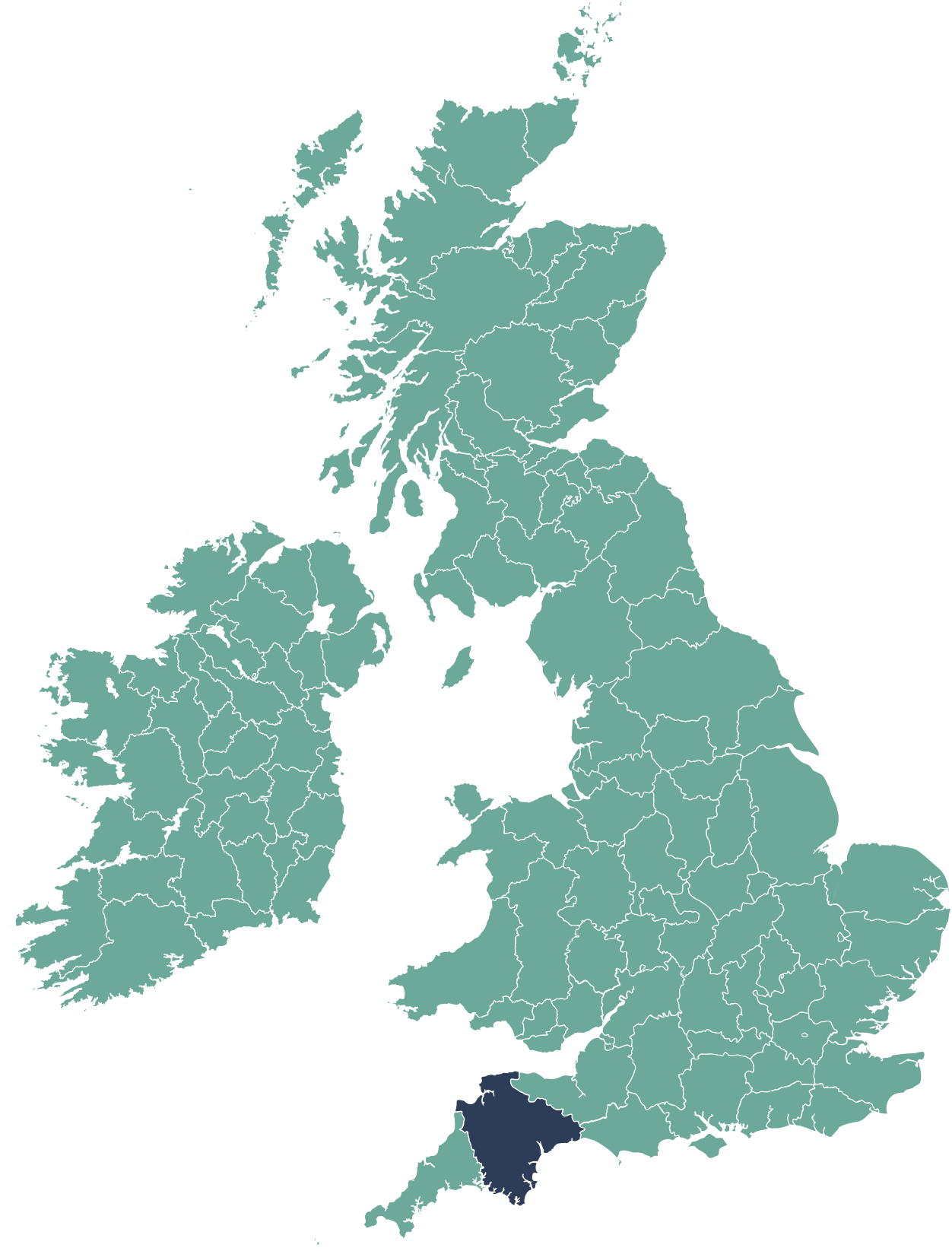
Wildflower Restoration in Devon (1 hectare)

Stadler Rail has supported important habitat restoration within Buglife’s Brownstone to Berry Head Hotspot, one of the five priority “Project Hotspots” within Life on the Edge - an ambitious partnership project working to restore viable populations of some of the UK’s rarest invertebrates and plants along the South Devon coast. This hotspot forms a crucial part of the South Devon coastal B-Line, where the project aims to restore or create over 675 hectares of species-rich grassland and reconnect fragmented habitats for at least thirty threatened invertebrate species.

The project site sits within the highly significant Berry Head National Nature Reserve, one of Torbay’s most treasured landscapes and a nationally important area for both biodiversity and heritage. The reserve carries multiple conservation and heritage designations, including Special Area of Conservation (SAC), Site of Special Scientific Interest (SSSI), and Scheduled Ancient Monument status. It is also home to the UK’s only Area of Special Protection, safeguarding the renowned guillemot colony by restricting boat access during the breeding season. Altogether, the reserve spans more than 170 acres of ecologically rich and historically important land, forming a cornerstone of the Life on the Edge project’s landscape-scale ambitions.

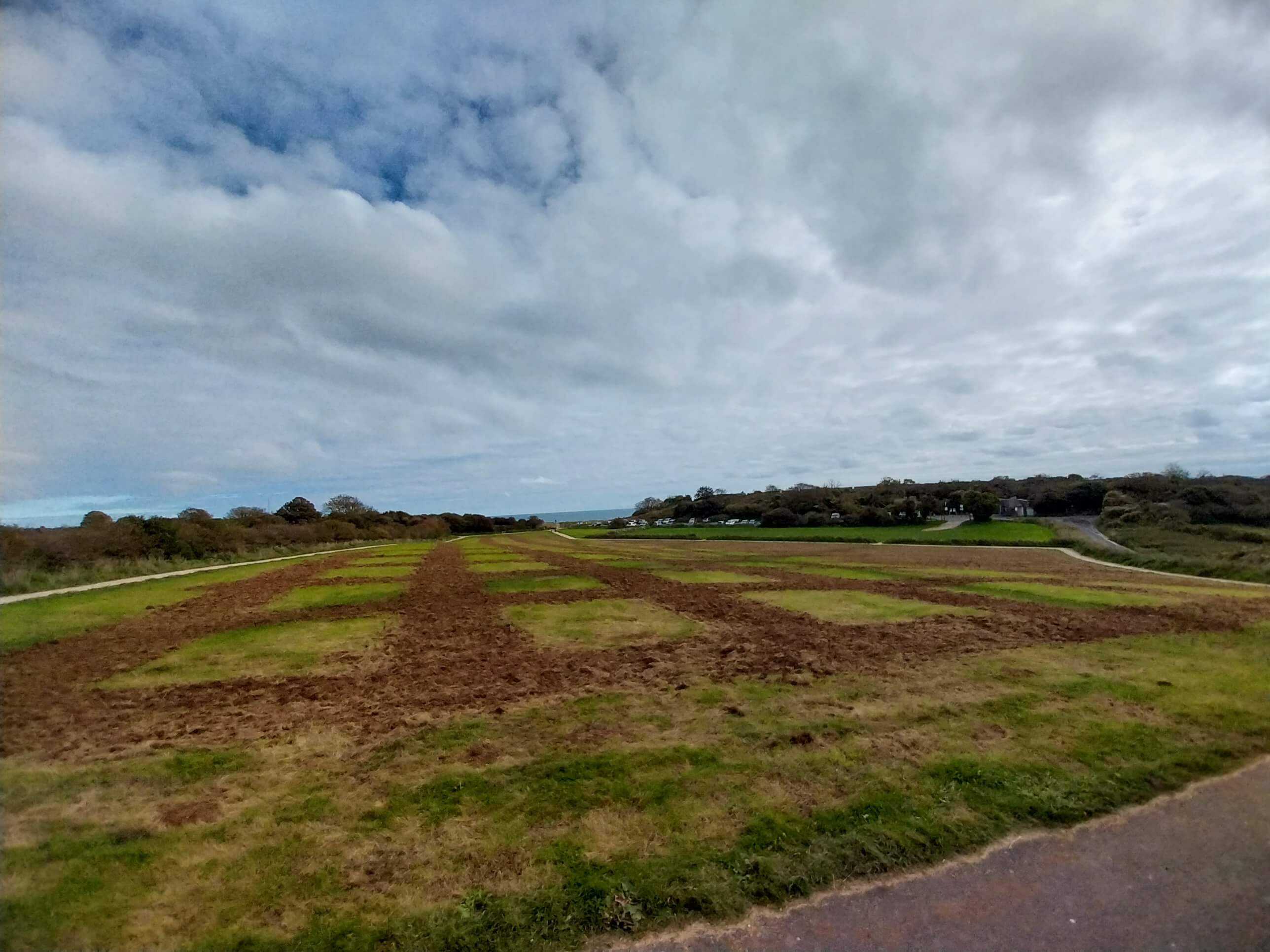
The restoration area, located beside the main car park, was previously low-diversity amenity grassland. To increase botanical richness and improve habitat quality, the sward was power-harrowed before wildflower seed was hand-broadcast and carefully trodden in. This sensitive, low-disturbance approach helps the seed establish effectively while respecting the ecological and cultural significance of this high-profile site - aligning with Life on the Edge’s commitment to targeted, high-quality habitat creation.

The resulting habitat improvements will benefit a wide range of specialist invertebrates recorded in the area, including the Goldilocks aster case-bearer moth (Coleophora artemisiella) and the orange-footed furrow bee (Lasioglossum xanthopus), both of which depend on diverse floral resources and well-connected grassland networks. By supporting this restoration work within such a nationally important landscape, Stadler Rail is contributing to the long-term conservation of rare species and helping strengthen biodiversity across one of South Devon’s most ecologically valuable hotspots.

Wildflowers & Grasses Planted
Rough Hawkbit

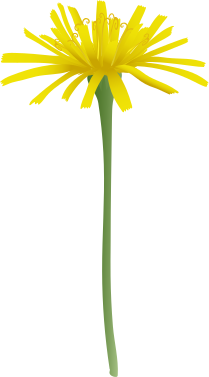
Rough Hawkbit: Leontodon Hispidus

Read More

Rough Hawkbit: Leontodon Hispidus

The rough hawkbit is a rather hairy plant which fares best in the full sunshine. It looks quite a lot like the dandelion and shares its famously diuretic properties. Hawkbits have a sweet smell, like honey.

Common Toadflax

Common Toadflax: Linaria Vulgaris

Read More

Common Toadflax: Linaria Vulgaris

The common toadflax has creamy orange and yellow flowers and is often found growing on wasteland and by the side of the road. It is very popular with bumblebees and honeybees. Common toadflax is also known by the nickname “butter-and-eggs” because of the colour of its petals.

Bird’s-foot Trefoil

Bird’s-foot Trefoil: Lotus Corniculatus

Read More

Bird’s-foot Trefoil: Lotus Corniculatus

Bird’s-foot trefoil is already a pretty great name, but this plant has many other exciting aliases, including “hen and chickens” and “eggs and bacon”. These colourful names refer to the plant’s red and yellow flowers. Its seed pods are reminiscent of a bird’s claws.

Fairy flax

Fairy flax: Linum catharticum

Read More

Fairy flax: Linum catharticum

A tiny, delicate white-flowered plant of chalk grasslands and meadows, fairy flax produces nectar for small solitary bees and hoverflies. Its fine stems and airy flowers make it an unobtrusive yet valuable component of wildflower-rich habitats, often blooming in early to mid-summer.

UN's Sustainable Development Goals

As a GreenTheUK partner, you support projects that are in line with the UN Sustainable Development Goals.

SDG Icon

Take urgent action to combat climate change and its impacts.

SDG Icon

Sustainably manage forests, combat desertification, halt and reverse land degradation, halt biodiversity loss.
Over time, this meadow should be home to a rich variety of wildlife which could include…

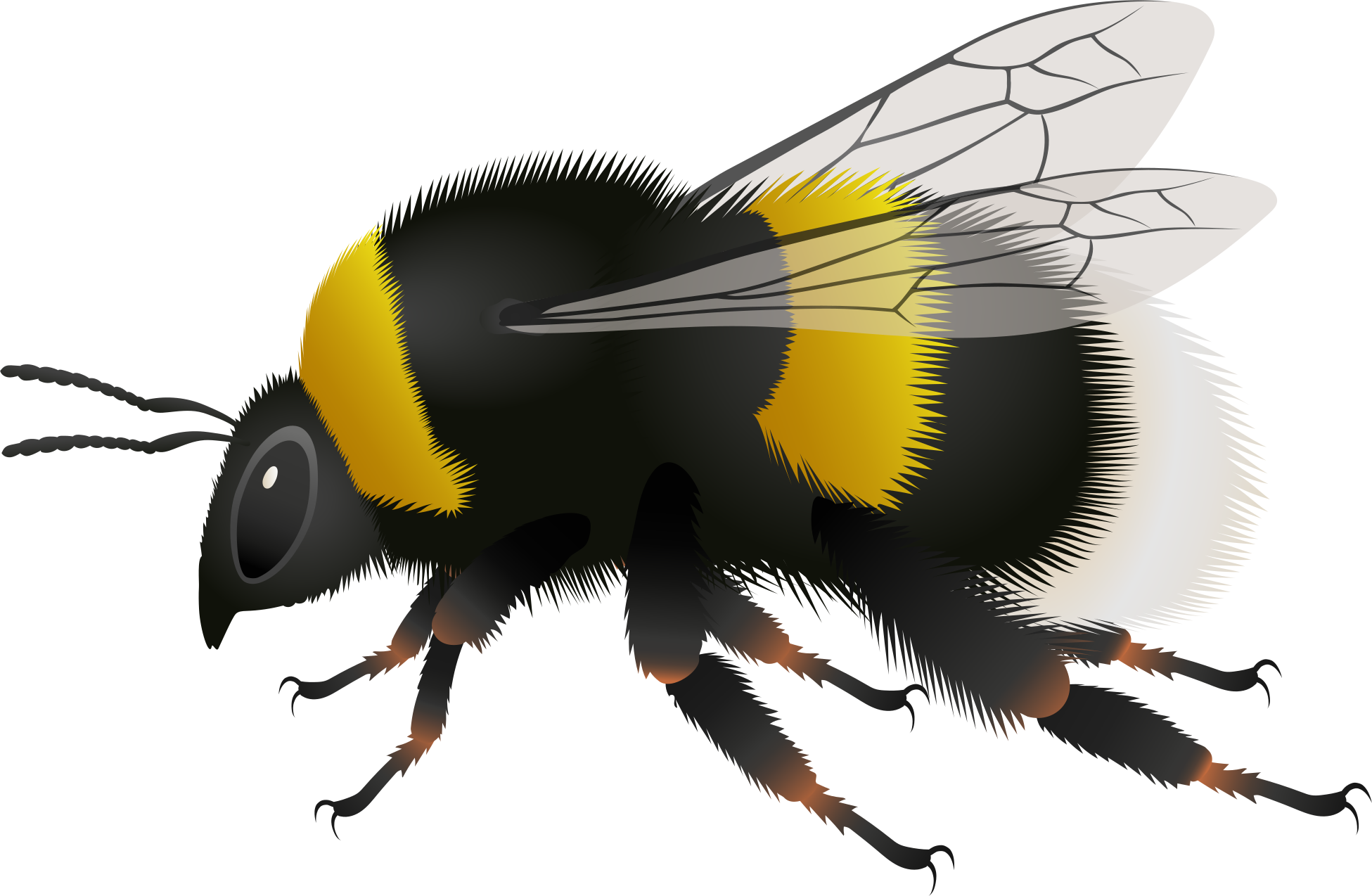
Buff-tailed bumblebee: Bombus terrestris

Buff-tailed bumblebee

These are the giants of the bumblebee world, and the whole species is named after the buff colour of their queen’s tail. They can be found in the UK’s lowlands, nesting underground in very large groups. These insects are very fond of nectar, and if they can’t easily reach it with their tongues, they will bite a hole in the flower to suck it out.

Common Carder Bee: Bombus Pascuorum

Common Carder Bee

This relatively small ginger-coloured bumblebee is widespread throughout the UK, in habitats including farms, woods and gardens. Carder bees have very long tongues and feed on heather, clover and lavender. They often nest in old mouse runs and disused birds’ nests.

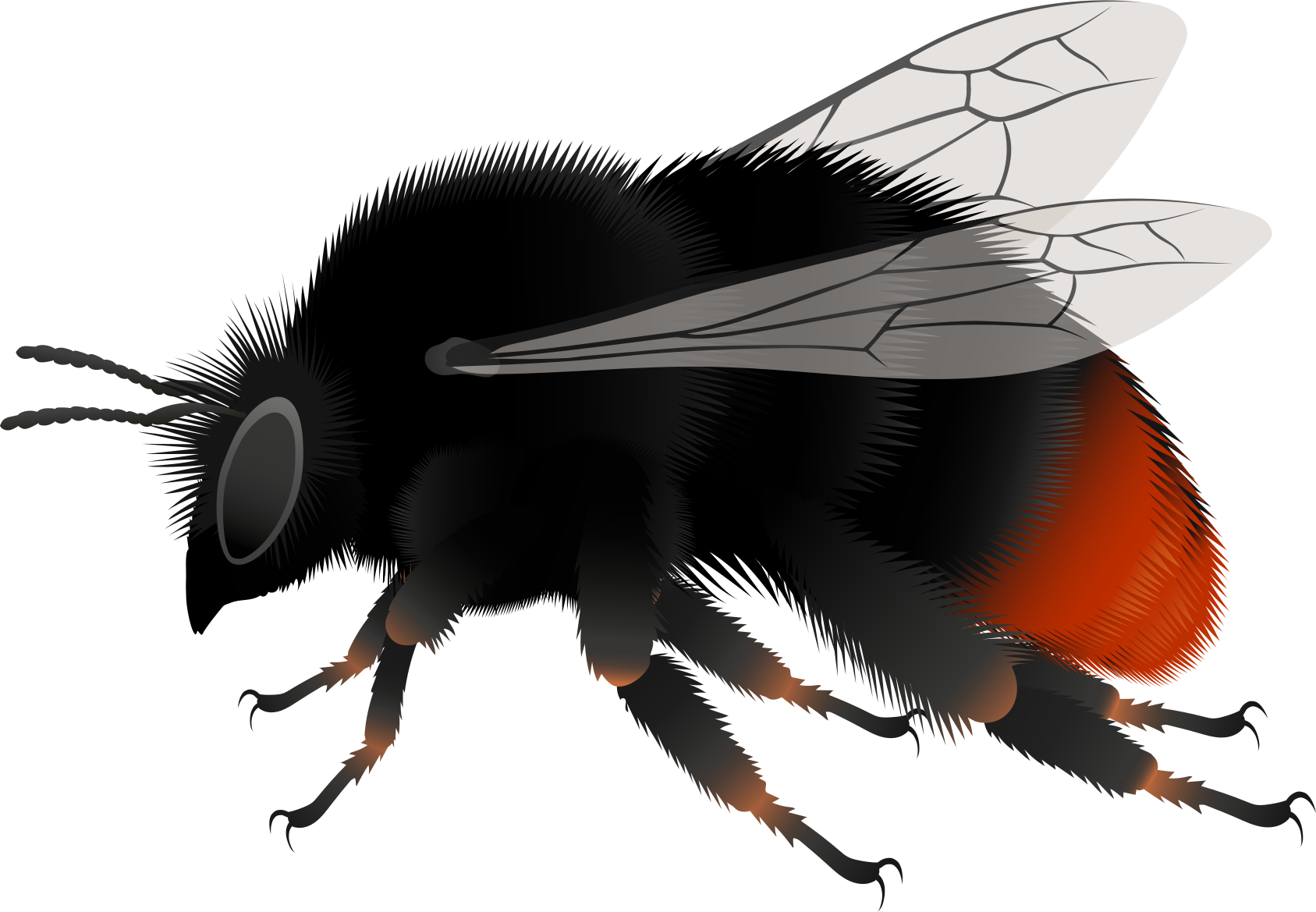
Red-tailed Bumblebee: Bombus Lapidarius

Red-tailed Bumblebee

This is an abundant species of bumblebee that is found all over the UK. This social bee nests in disused burrows, under stones or at the base of old dry stone walls. Both males and females have the eponymous red tails as well as velvety black bodies and transparent wings.

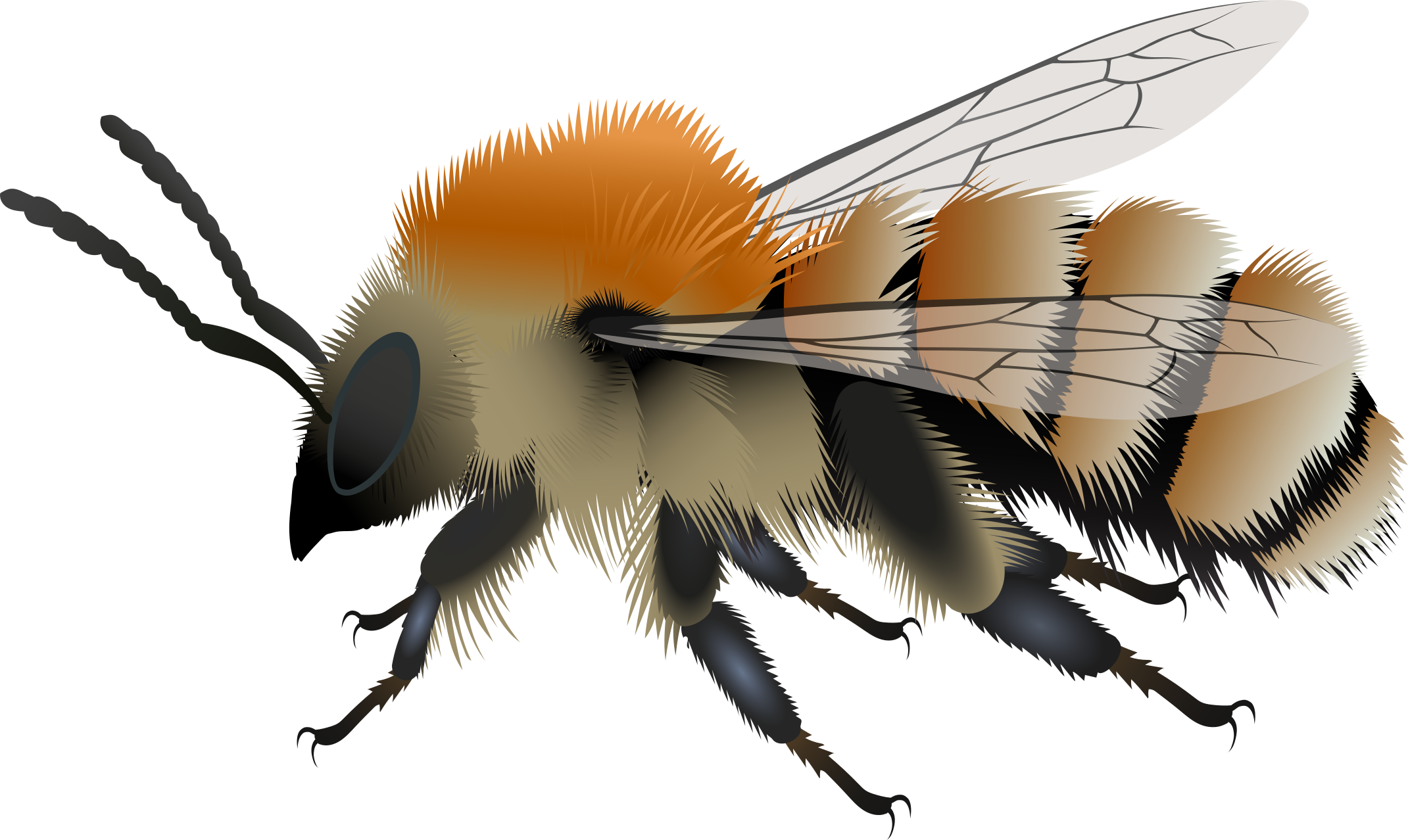
Brown-banded Carder Bee: Bombus Humilis

Brown-banded Carder Bee Stamp

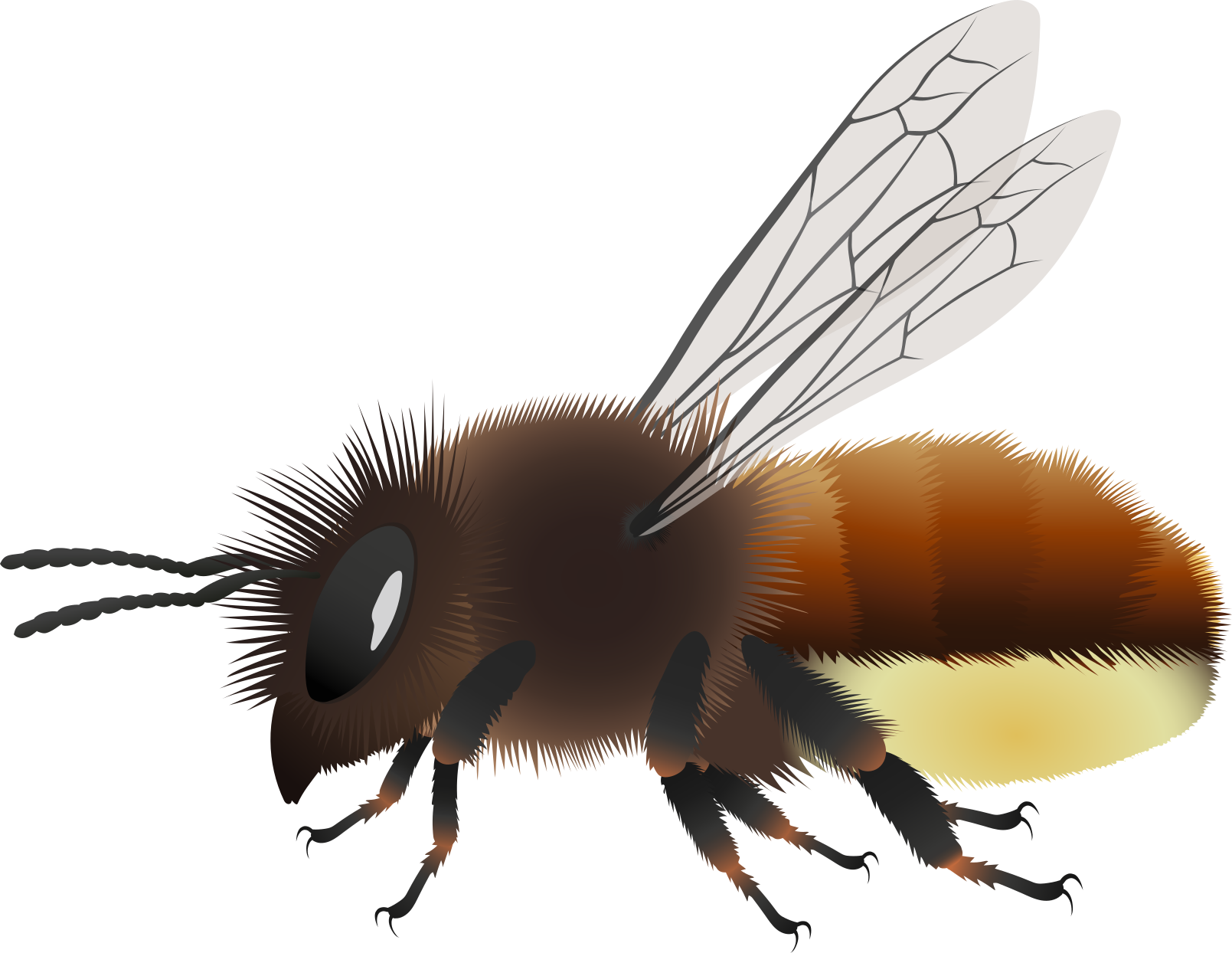
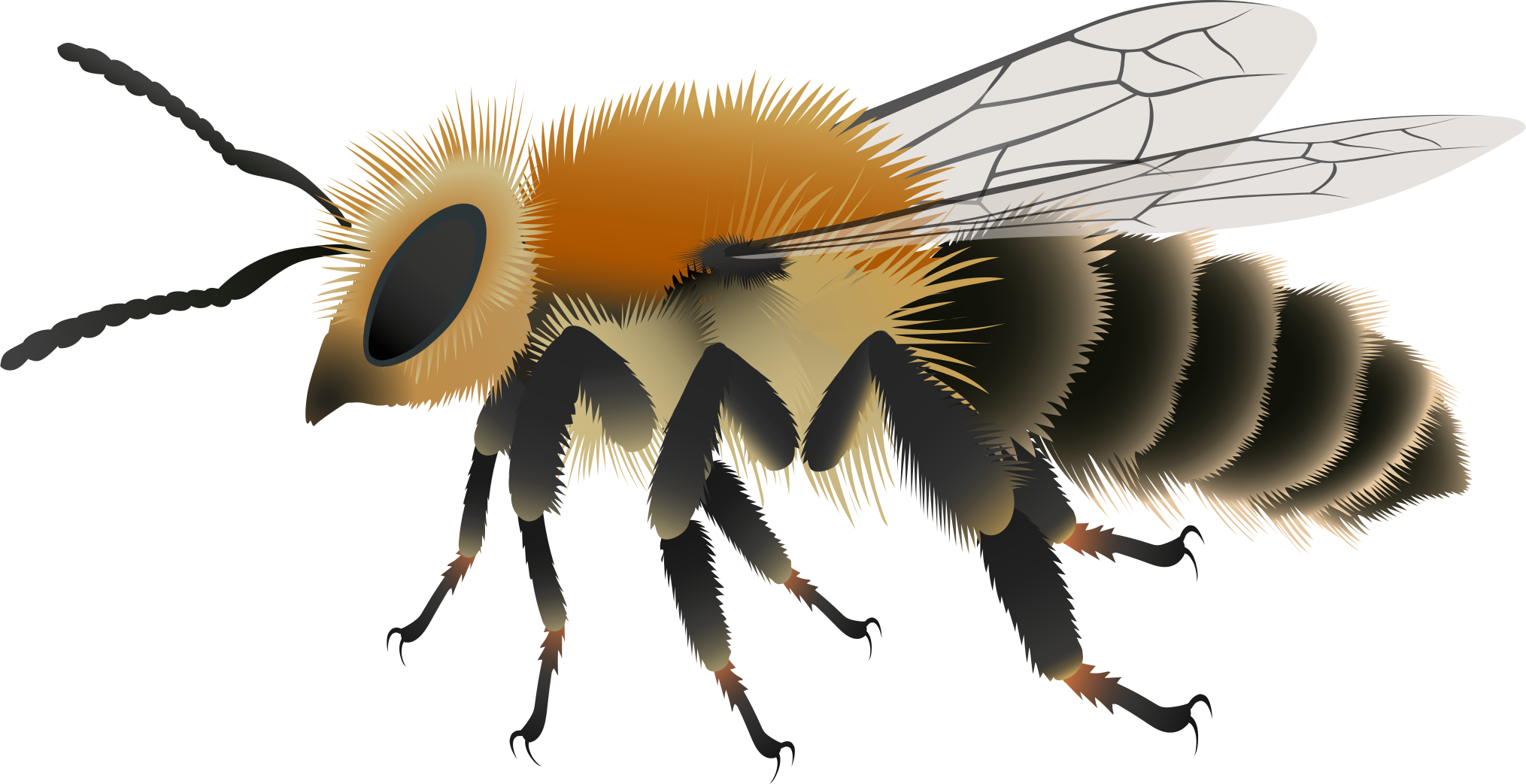
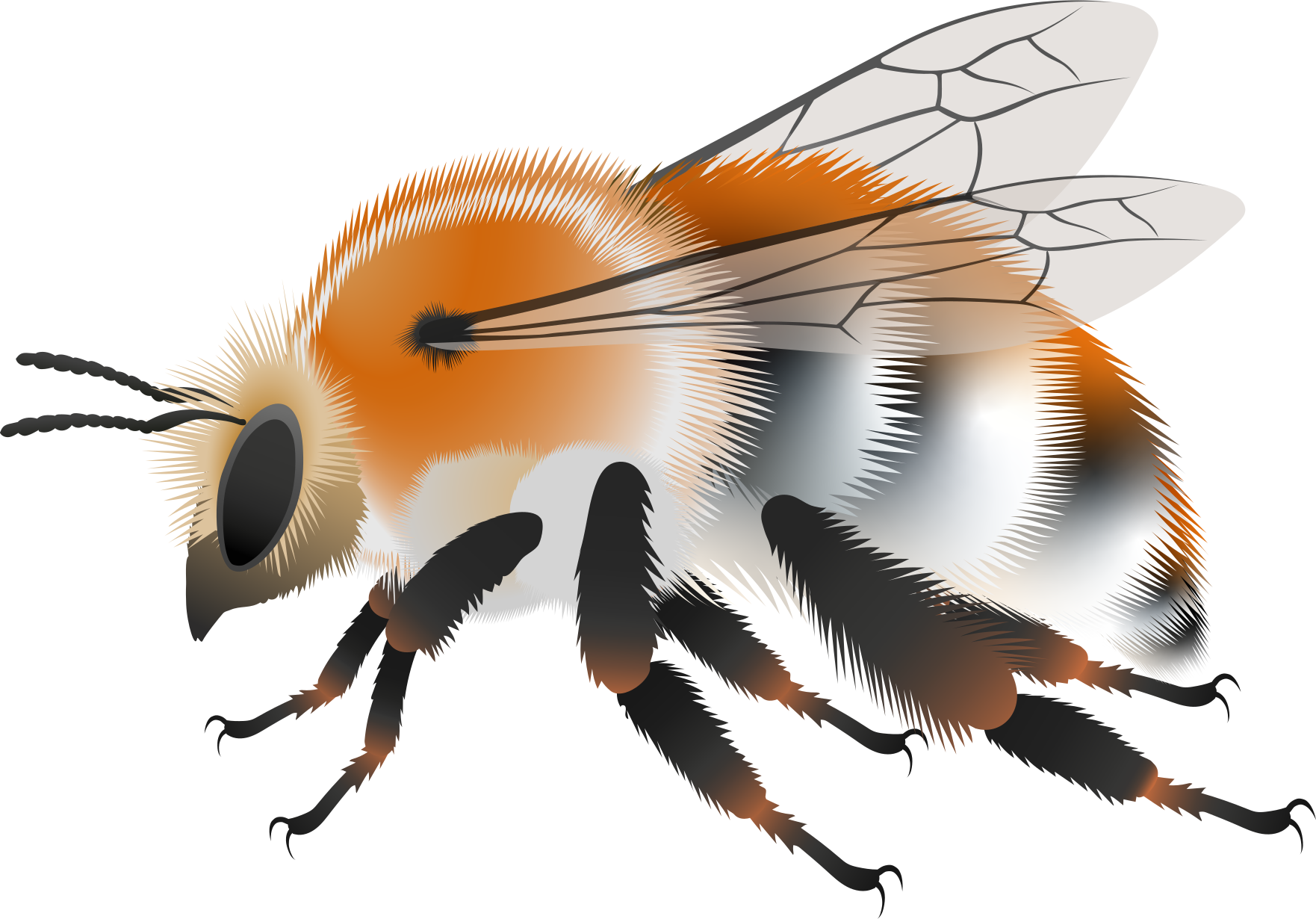
The brown-banded carder bee is a bumblebee that favours heaths and dry, open grasslands. It has a chestnut-coloured thorax and strawberry-blond abdomen, but there are a few black hairs at the base of its wings. Populations have declined because of habitat loss, but this bee can be found in clusters in north Cornwall and Newport in South Wales, for example.

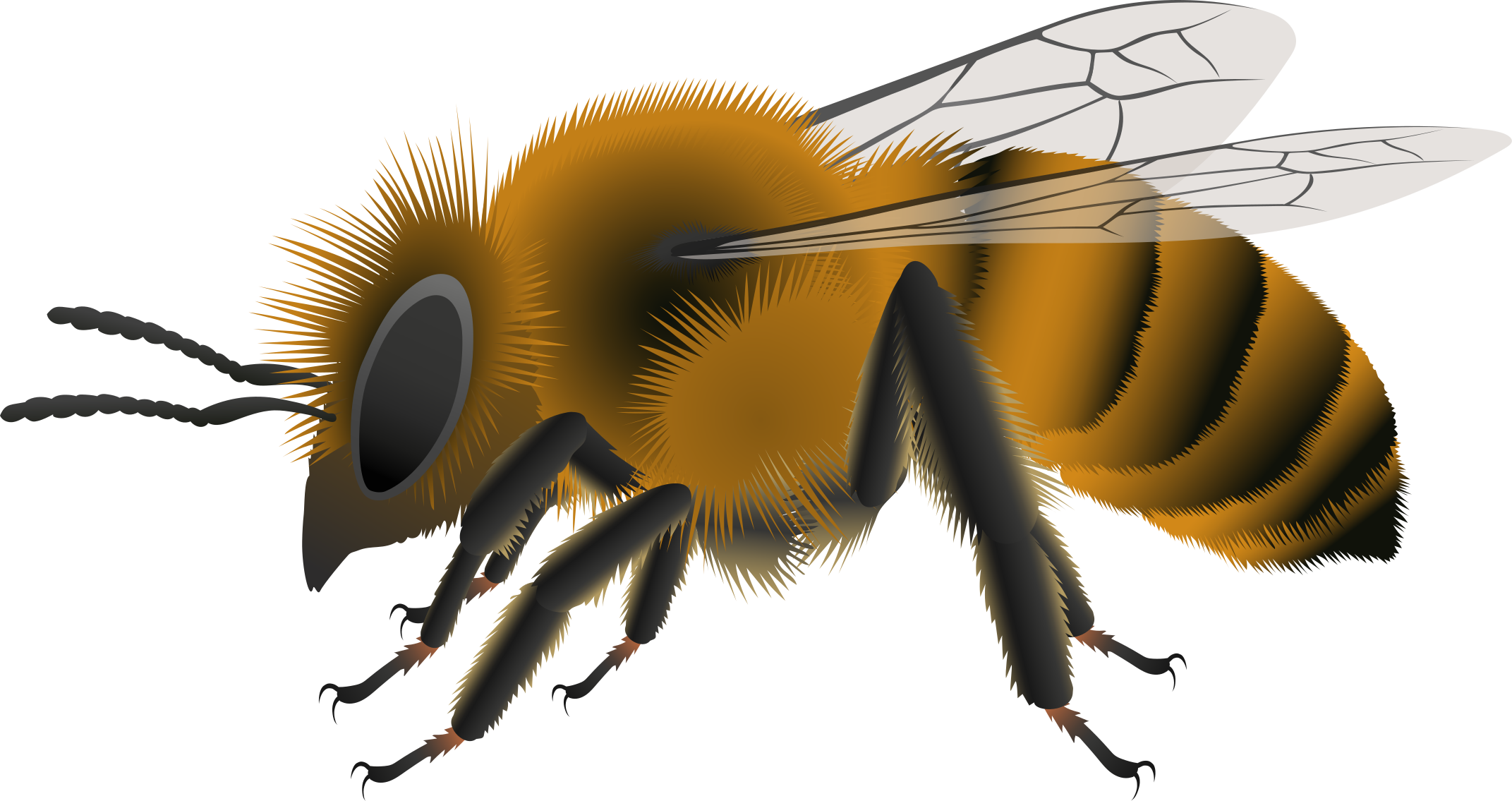
Honeybee: Apis Mellifera

Honeybee

Honeybees have six legs, four wings and five eyes. They use the Sun, and possibly the Earth’s magnetic fields, to navigate, and they can fly at speeds of up to 20mph when in search of food. At the height of summer there are around 40,000 honeybees in each hive, and that number drops to around 5,000 in the winter.

Tawny Mining Bee: Andrena Fulva

Tawny Mining Bee

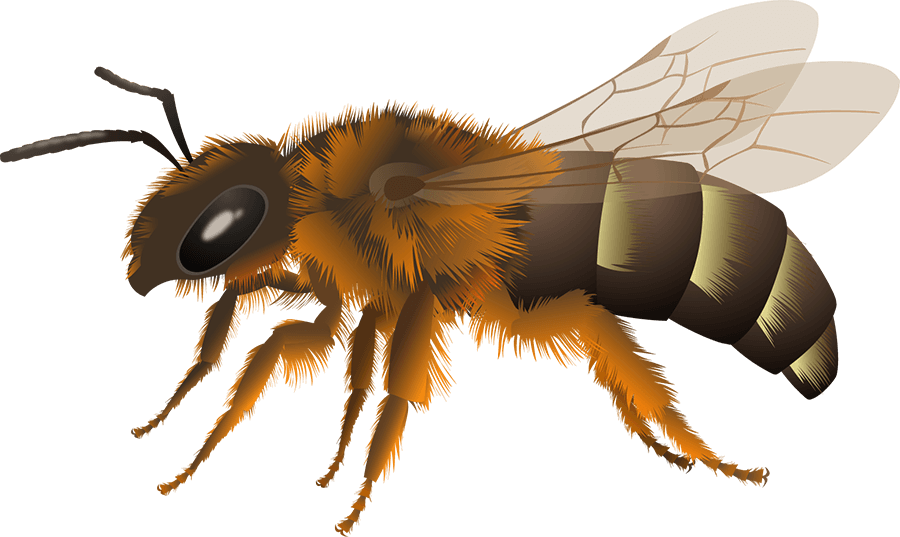
These furry, ginger bees are commonly found in parks and gardens across southern Britain during April and May. They feed from a wide variety of plants including dandelions, buttercups, willows and fruit trees. Tawny mining bees often make their nests in lawns and flowerbeds or in orchards where they can be close to apple, pear and cherry blossom for example.

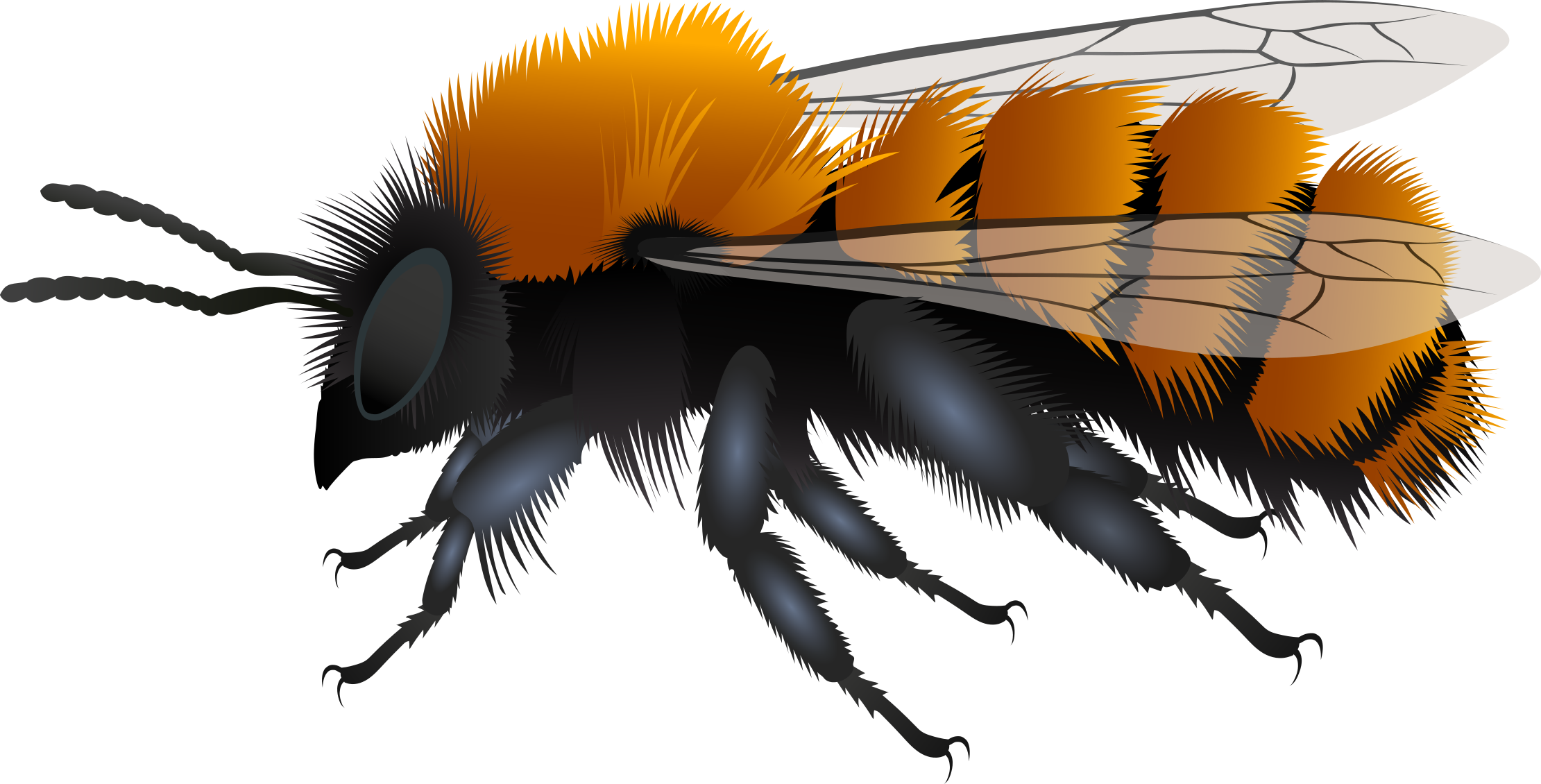
Red Mason: Osmia Rufa

Red Mason

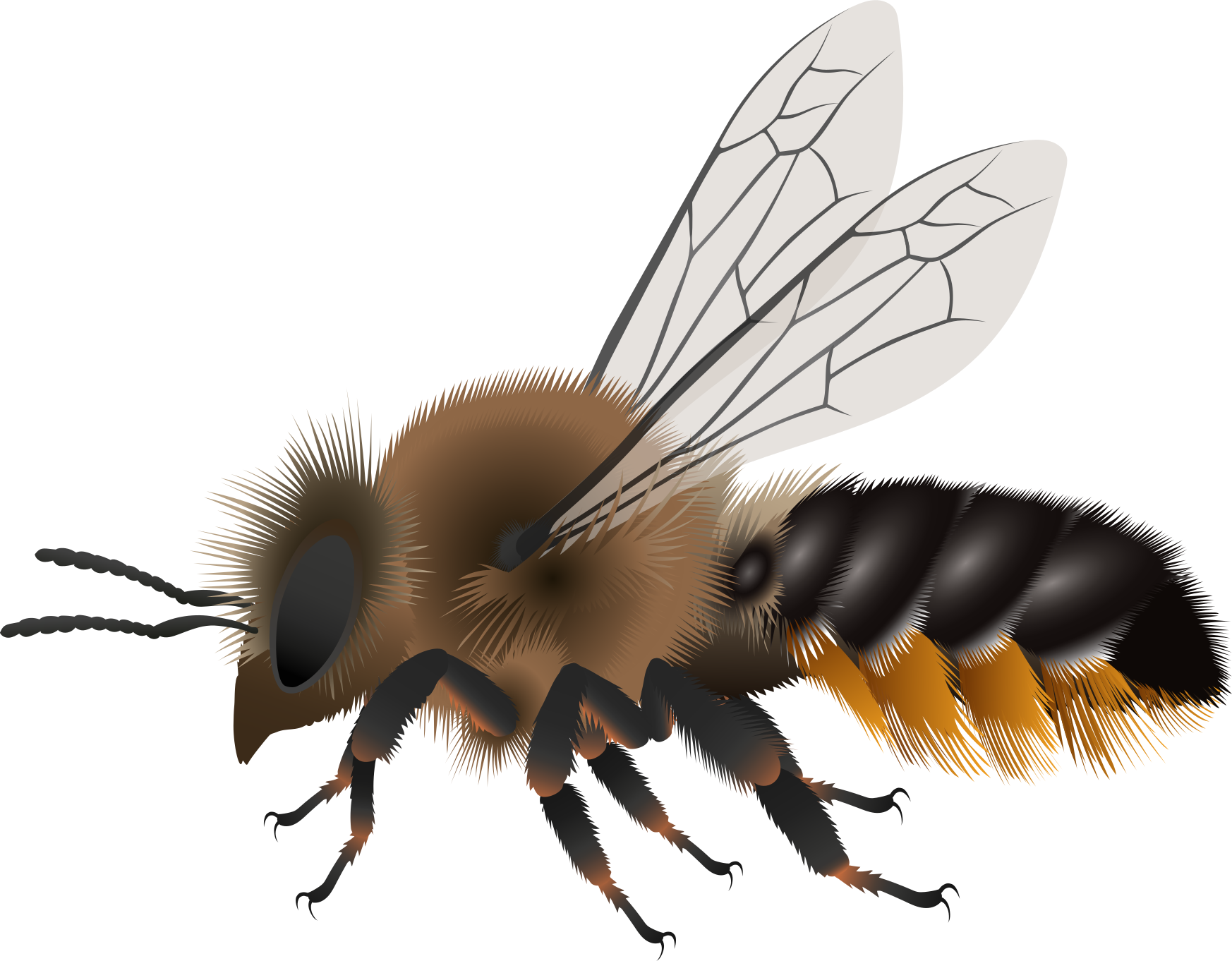
Also known as the red mason bee, this insect can be found in cities, towns and villages across Britain and Europe. Females make their homes and lay their eggs in wall cavities, under roof tiles and even inside keyholes, lining their nests with mud. These bees are excellent pollinators, particularly of apple trees.

Orange-footed furrow bee: Lasioglossum xanthopus

Orange-footed furrow bee

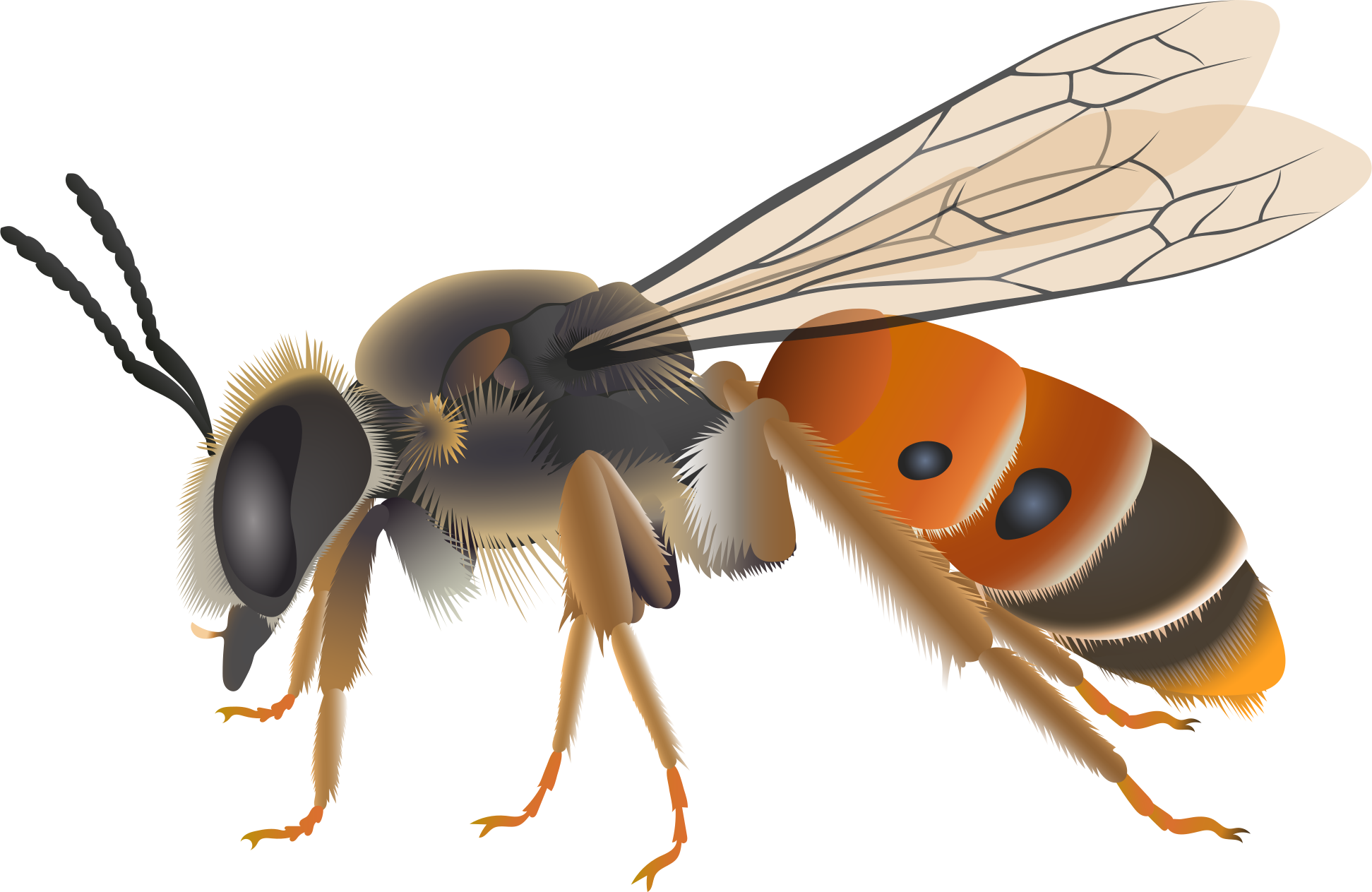
These tiny solitary bees are named for the bright orange hairs on their legs, which stand out against their dark bodies. They are active in the UK during spring and early summer, visiting a wide variety of flowers to collect pollen and nectar. Orange-footed furrow bees nest in small burrows dug into bare soil, often in sunny, sheltered spots.

A Leaf-cutter Bee: Megachile Centuncularis

A Leaf-cutter Bee

As the name suggests, if you spot semi-circular holes in leaves, it’s a sign that this bee has been at work in your garden. The insect then carries the little pieces of leaf back to its nest, gluing them together with saliva to build cells for their larvae. You can spot this bee from April to August when it flies around feeding on pollen and nectar.

Large Scabious Bee: Andrena Hattofiana

Large Scabious Bee Stamp

This solitary bee can be found in small numbers across Europe, and it is now considered an endangered species. As the name suggests, this bee needs scabious flowers to thrive, and as scabious-rich habitats have declined, so bee numbers have followed. Small populations have been found in Cornwall, notably in the rough of golf courses, where scabious flowers can thrive, attracting the bees.

Buff-banded Mining Bee: Andrena Simillima

Buff-banded Mining Bee Stamp

The buff-banded mining bee is mainly found along the north Cornish coast. Its body is a deep reddish-brown colour, decorated with the buff-coloured stripes that give the bee its name. Mining bees are so-called because they burrow into the ground to make their nests.

Marmalade Hoverfly: Episyrphus Balteatus

Marmalade Hoverfly

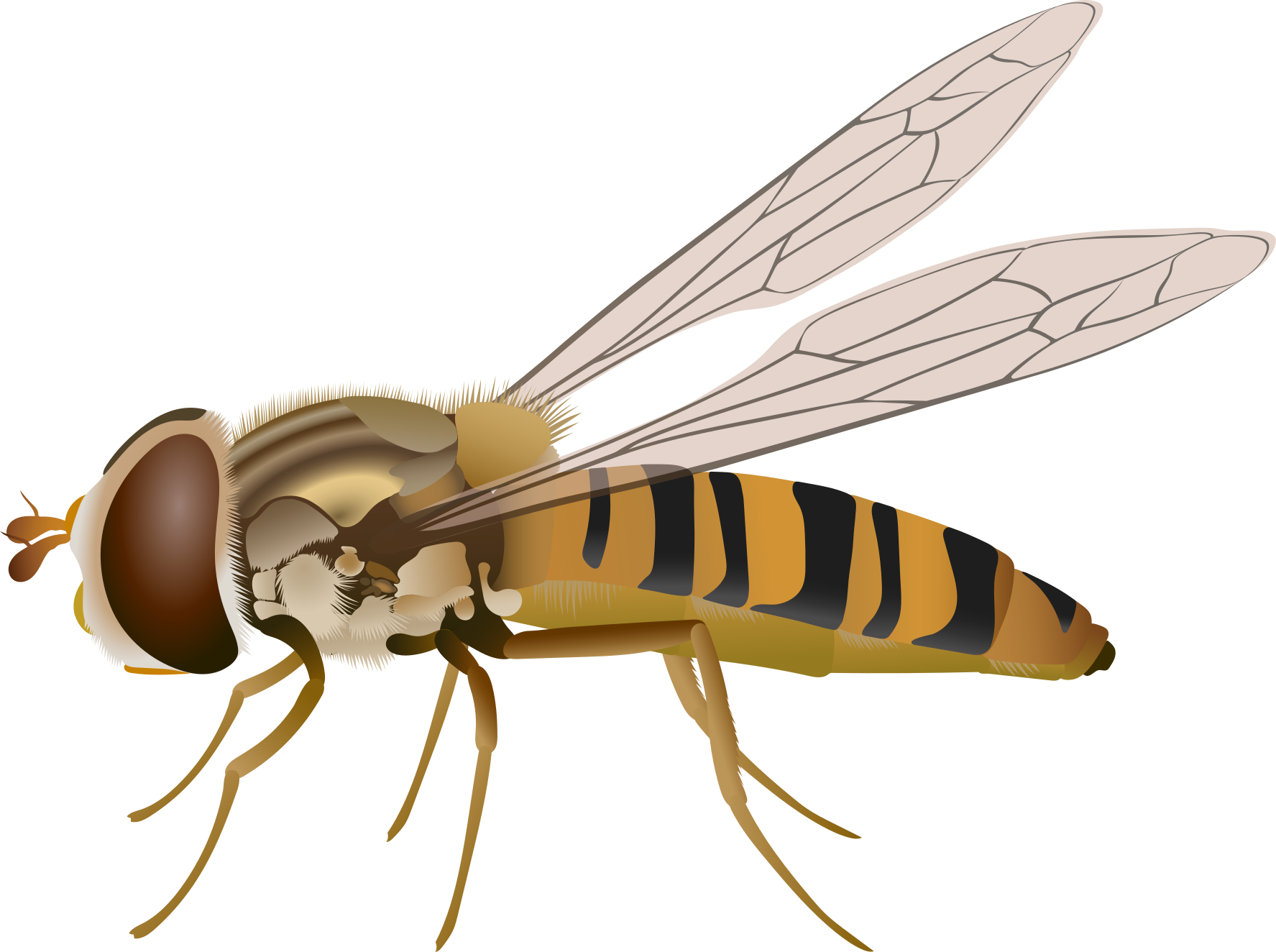
The marmalade hoverfly is so-called because it is orange with black stripes that are thin or “thick cut” just like the popular preserve! It is Britain’s most common hoverfly and can be seen in parks, gardens, hedgerows and woods. They are present all year round, but numbers are often much higher in the summer when marmalade hoverflies migrate to the UK from abroad.

Drone Fly: Eristalis Tenax

Drone Fly

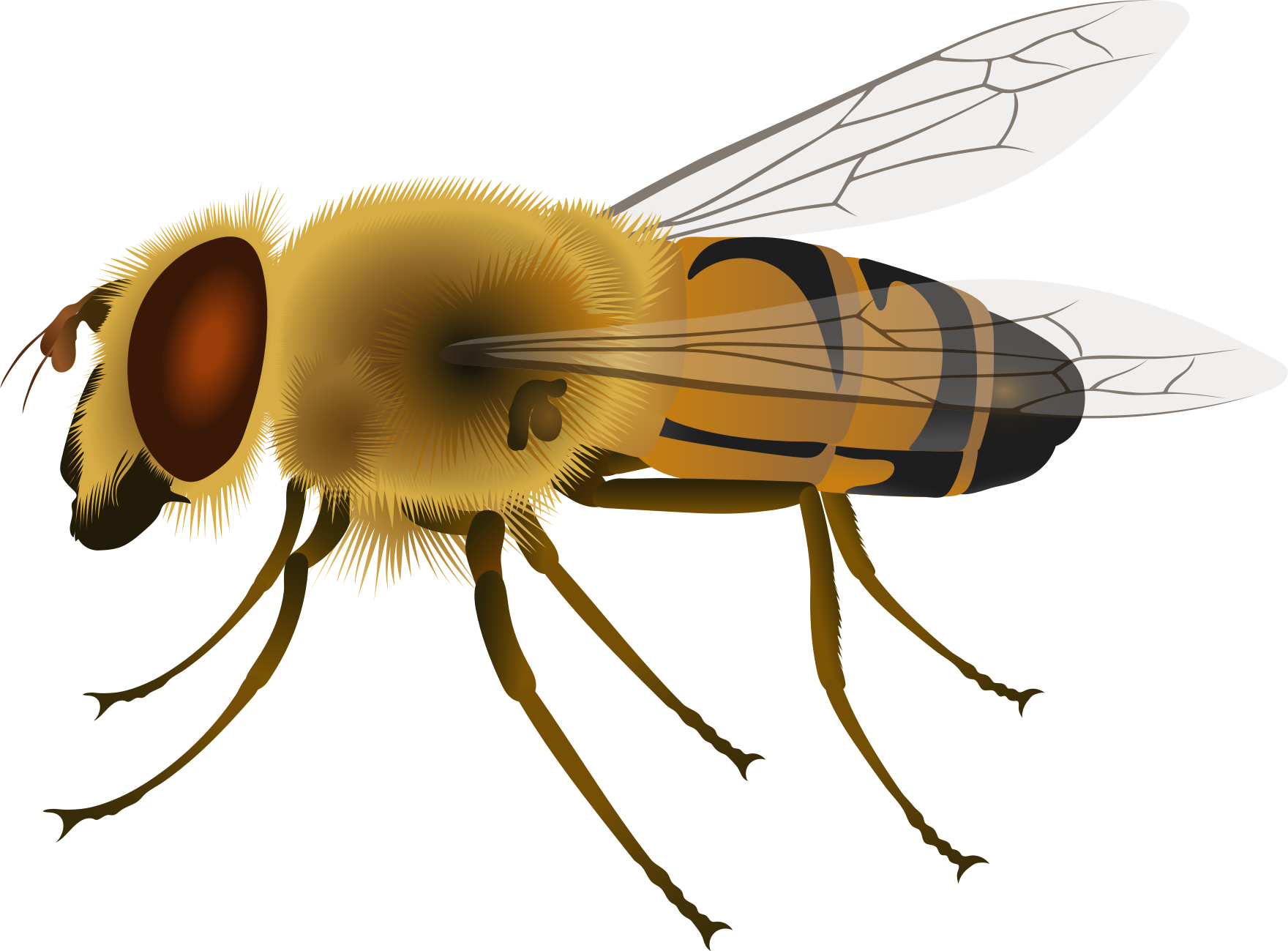
This insect’s patchy brown and orange body makes it look a lot like the male honeybee, which is a very effective way to keep it safe from predators. Drone flies also copy honeybee flight patterns as they move around in search of nectar. Their larvae, nicknamed “rat-tailed maggots”, feed on rotting organic material in stagnant water.

Pellucid Hoverfly: Volucella Pellucens

Pellucid Hoverfly

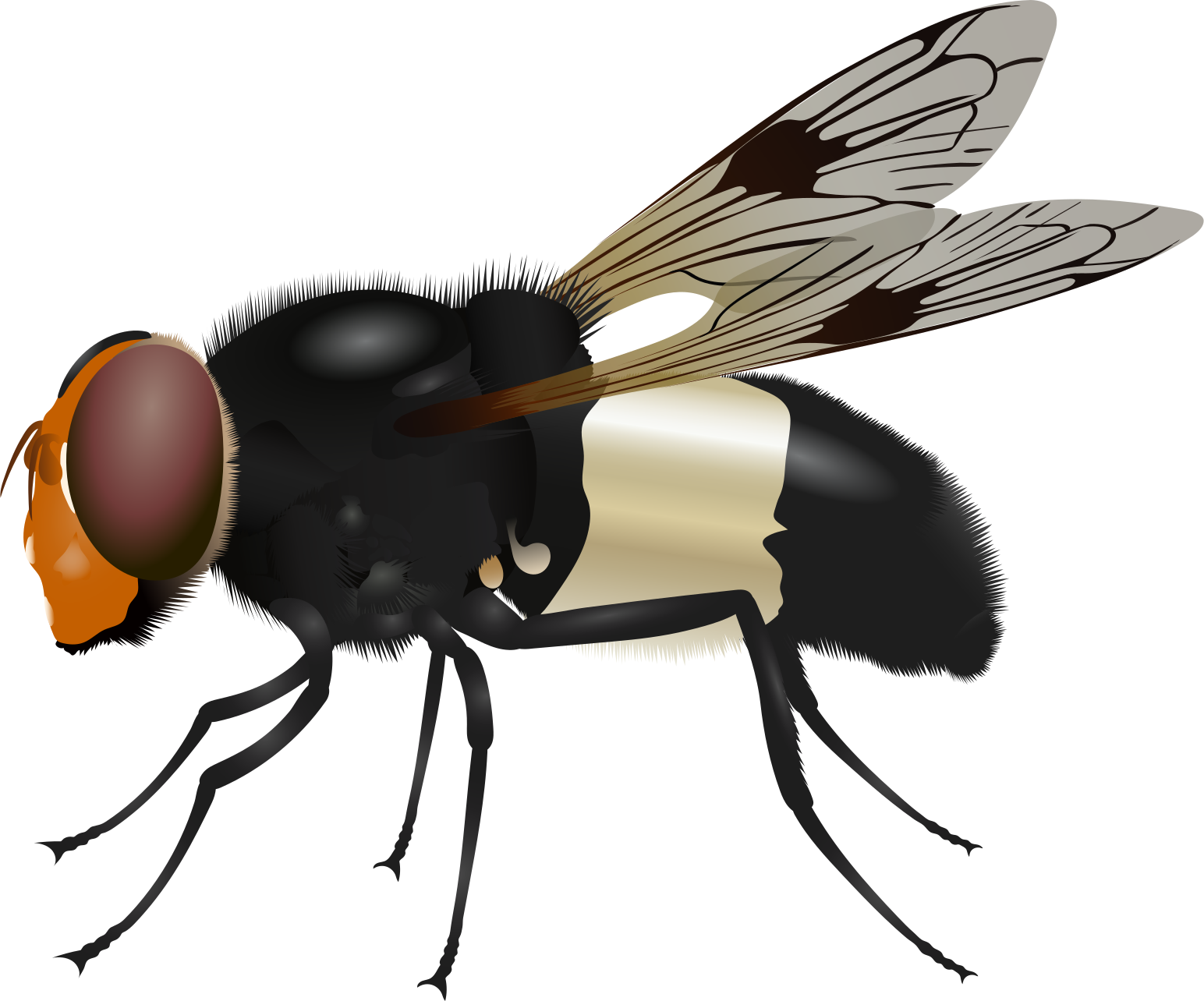
This large black fly has a white stripe on its body and black spots on its transparent wings. It can be found throughout most of Britain and Ireland, and is often seen feasting on bramble flowers in hedgerows or on the edge of woodland. The larvae develop in wasp nests where they feed on detritus wasp grubs.

Large Narcissus Fly: Merodon Equestris

Large Narcissus Fly

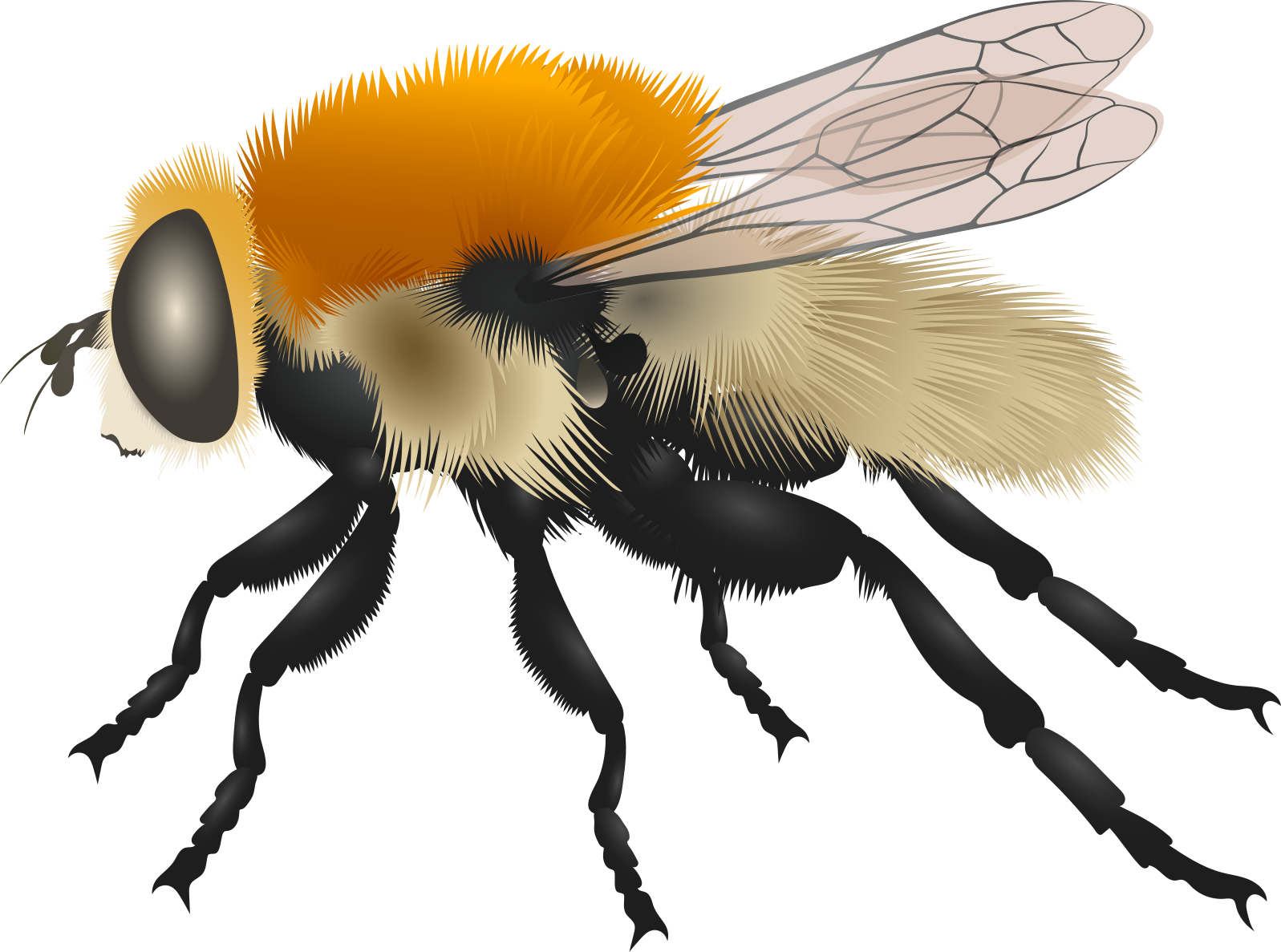
This medium-sized hoverfly looks very much like a bumblebee, which provides great protection against predators. This insect loves warm, sunny spots full of flowers, like gardens in the summer. Females lay their eggs on the leaves of bulbous plants such as bluebells and daffodils, and the larvae then burrow into the bulbs, feeding on them and causing some damage.

Hornet robberfly: Asilus craboniformis

Hornet robberfly Stamp

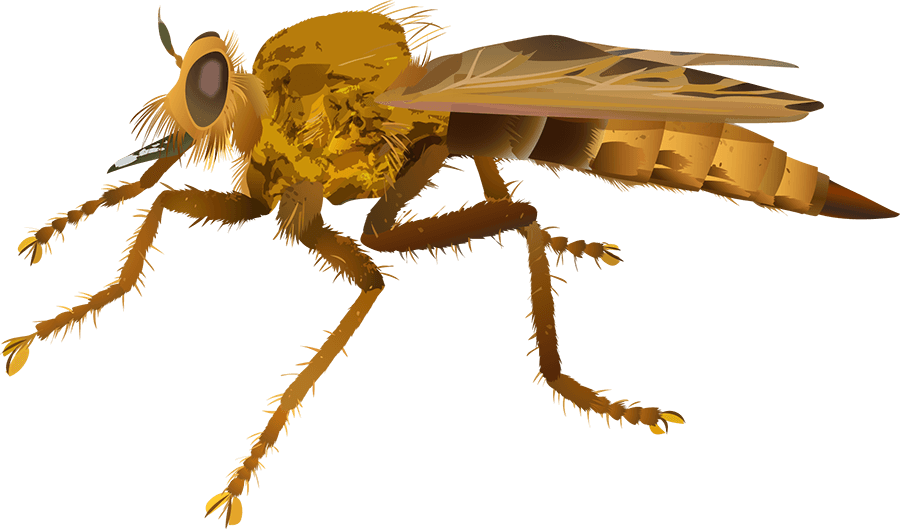
This impressive predator is one of the UK’s largest flies, mimicking a hornet with its black and yellow striped body. Hornet robberflies perch in sunny spots, waiting to ambush other insects, including bees and wasps. Their larvae develop in the soil, feeding on beetle larvae, making them a fascinating part of the ecosystem’s predator-prey balance.

Grey bush-cricket: Platycleis albopunctata

Grey bush-cricket Stamp

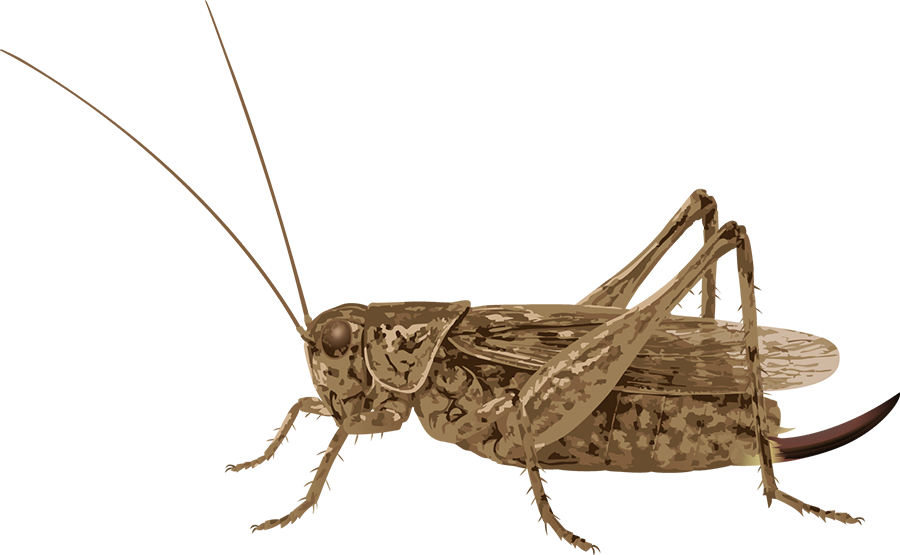
This large, grey insect is a master of camouflage, blending into grasses and shrubs in southern England. The grey bush-cricket is mostly active at night, feeding on a mix of leaves and small insects. Males produce a distinctive, soft song by rubbing their wings together, helping them attract mates while remaining hidden from predators.

Soldier Beetle: Cantharis Rustica

Soldier Beetle

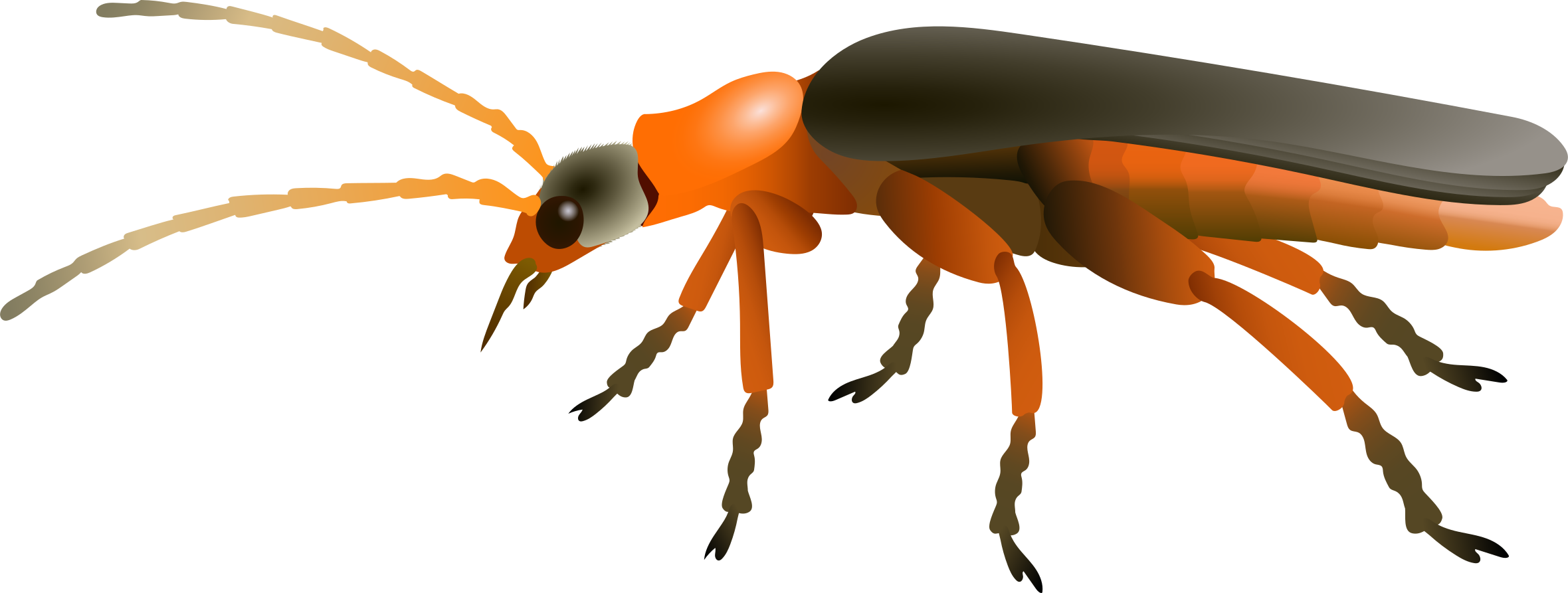
The soldier beetle makes its home in open woodland or anywhere where there is tall grass. These carnivorous predators are common throughout England and Wales, where they can be seen from May to July. The adults prefer to hunt for food on flowers, while their larvae live on the ground, feeding on a range of other creatures.

7-spot Ladybird: Coccinella Septempunctata

7-spot Ladybird

These ladybirds are easy to identify because, just as you might expect, they have a pattern of seven black spots on their red wing cases. They are our most common ladybirds, found in parks and gardens throughout the UK. Ladybirds use their bright colours to warn predators that they won’t taste good, but it doesn’t always work!

Rose Chafer: Cetonia Aurata

Rose Chafer

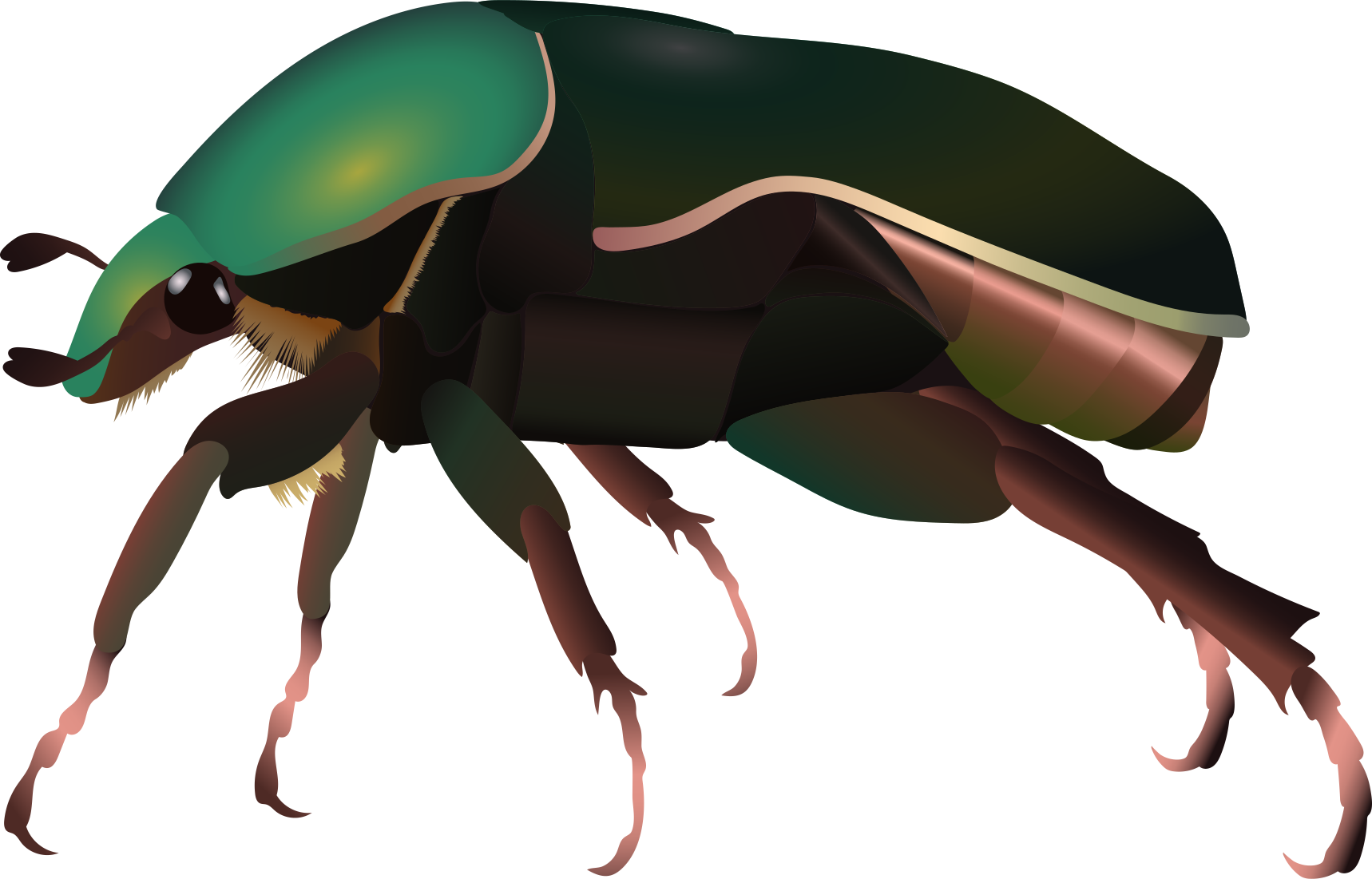
These beetles have distinctive green and purple-bronze iridescent bodies, making them easy to identify. They love crawling on flowers on sunny days, when they shimmer in the light and look even more striking. Their favourite source of food, as the name indicates, is the rose, and the dog rose in particular.

Flower Beetle: Oedeomera Nobilis

Flower Beetle

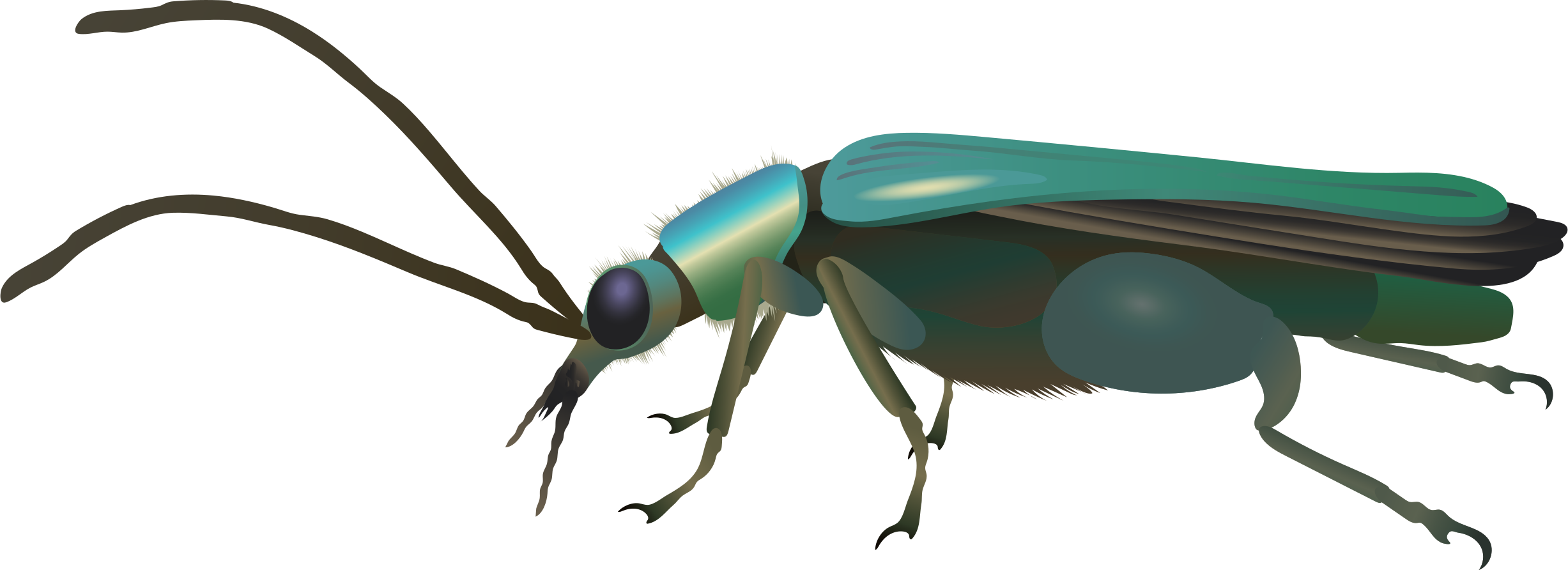
This beetle is so-called because the male of the species has large green bulges on its hind thighs, whereas the female does not. It used to be quite rare, but is now a very abundant species throughout the UK. You should be able to spot the adults without too much difficulty, as they like to feed on open flowers like daisies

Mediterranean oil beetle: Meloe mediterraneus

Mediterranean oil beetle Stamp

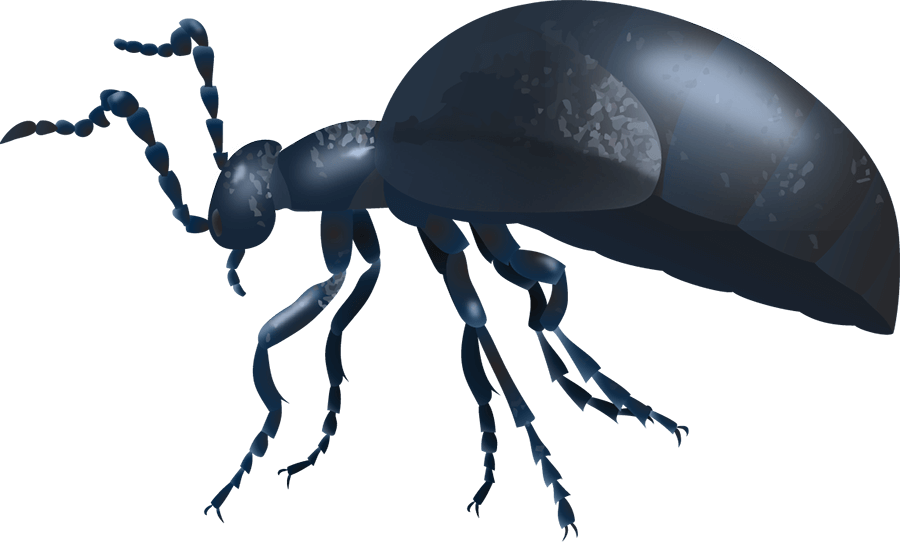
A member of the blister beetle family, this striking beetle has a soft, metallic-blue body. Mediterranean oil beetles are active in spring, feeding on flowers, while their larvae rely on solitary bees, hitching rides into bee nests to consume the stored pollen. Rare in the UK, these beetles are a true hidden gem of wildflower-rich habitats.

Black oil beetle: Meloe proscarabaeus

Black oil beetle Stamp

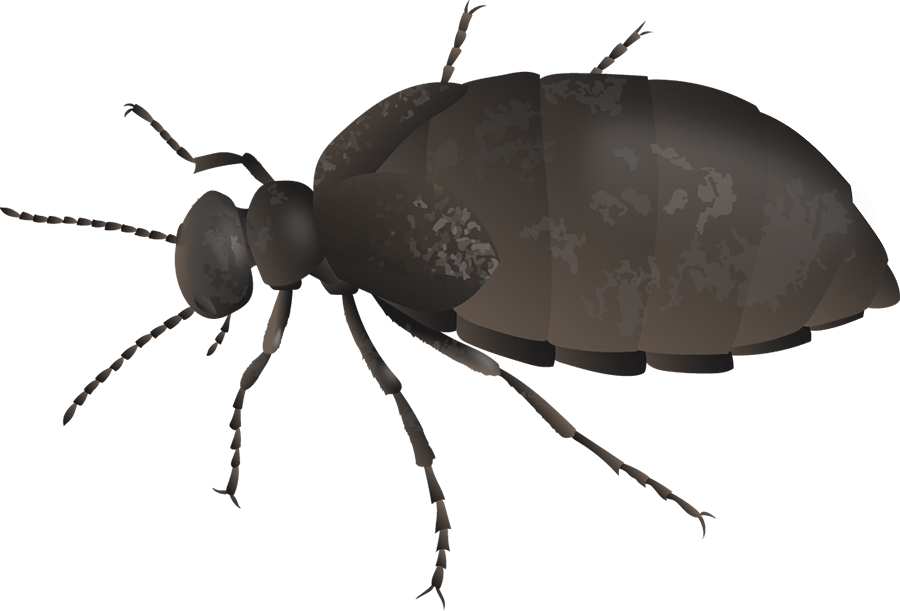
This large, wingless beetle is instantly recognizable by its shiny black body and swollen abdomen. Like its Mediterranean cousin, the black oil beetle’s larvae parasitize solitary bees, often found in sandy soils. Adults feed on flowers, especially buttercups and daisies, and their unusual lifecycle offers a fascinating glimpse into the complex interactions of UK pollinators.

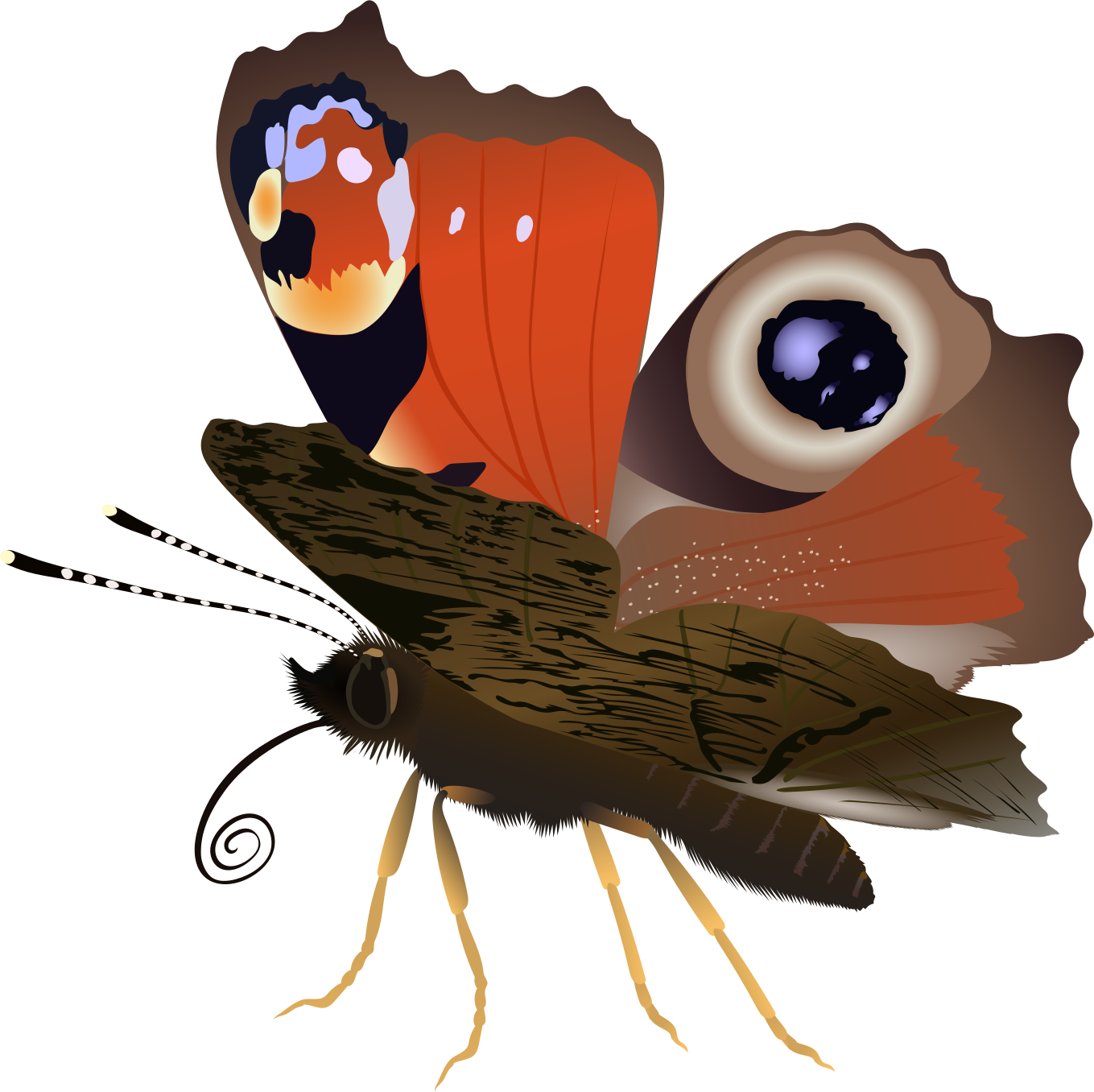
Peacock Butterfly: Inachis Io

Peacock Butterfly

This common British butterfly gets its name from the large spots on its wings, which are reminiscent of peacock feathers. These markings help to scare off predators in the woods, gardens and parks where they live. They hibernate in winter, folding up their wings to show the dull undersides so that they can blend in with their surroundings while they sleep.

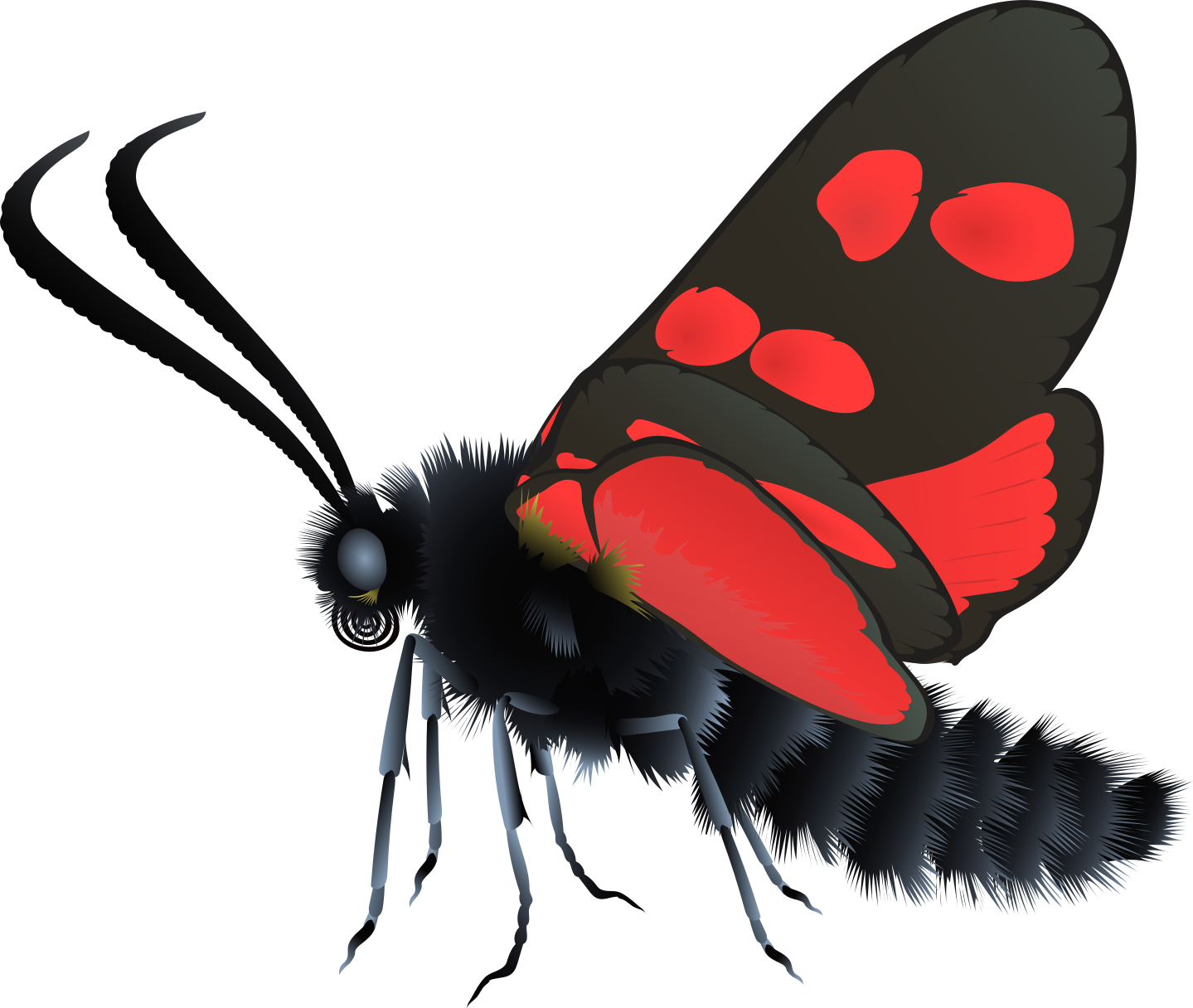
6-spot Burnet: Zygaena Filipendulae

6-spot Burnet

You are most likely to spot this medium-sized moth flying around in the daytime between June and August. It has six red spots on each of its glossy black forewings. If attacked, the burnet moth will release cyanide, so the spots serve as a warning to predators that this species is poisonous.

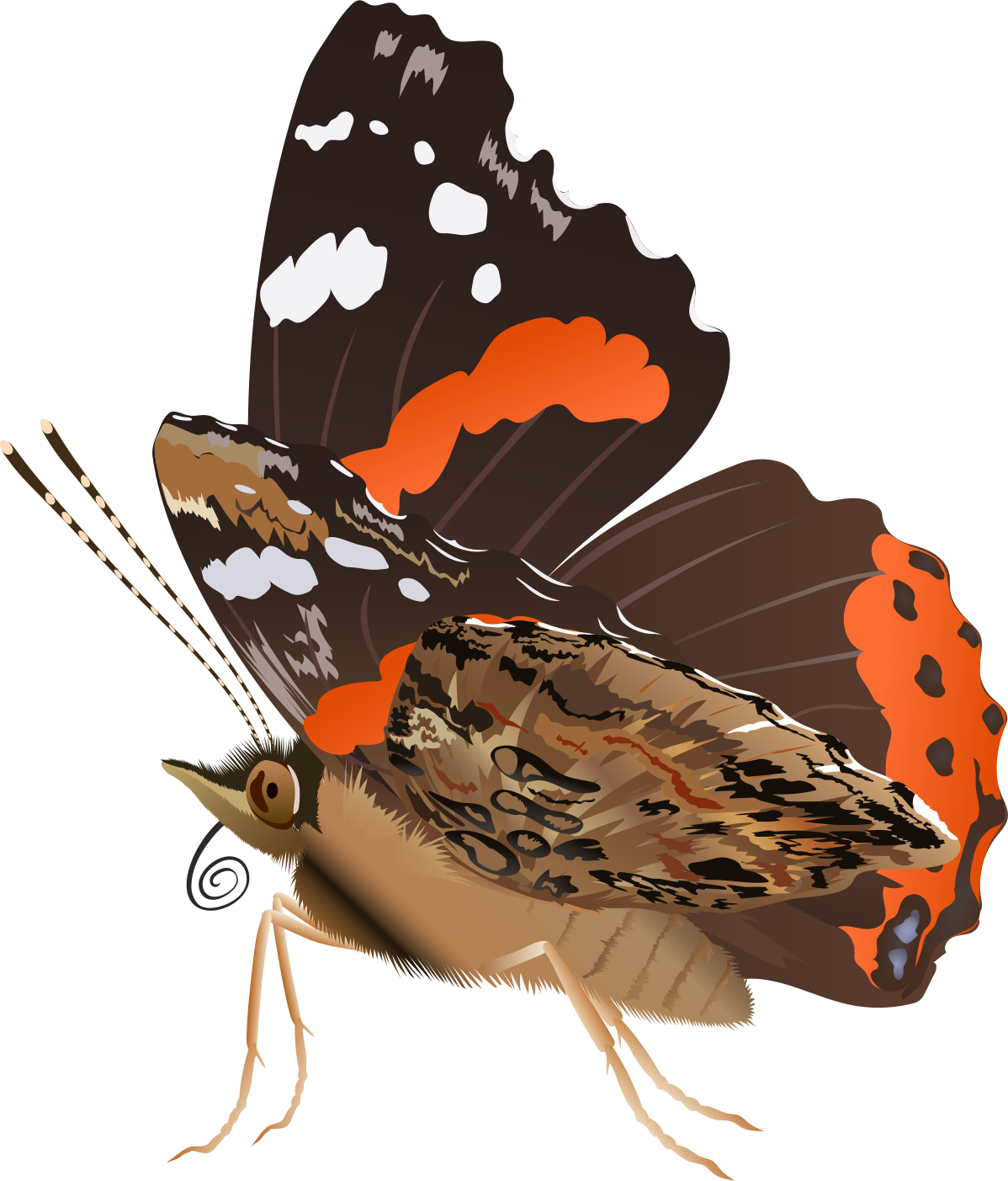
Red Admiral: Vanessa Atalanta

Red Admiral

These large red, white and black butterflies have very powerful wings. Most of the magnificent red admirals that we see in the UK start off in North Africa and migrate north, arriving here from late March onwards and staying until autumn. Male red admirals court their females for several hours before they begin mating.

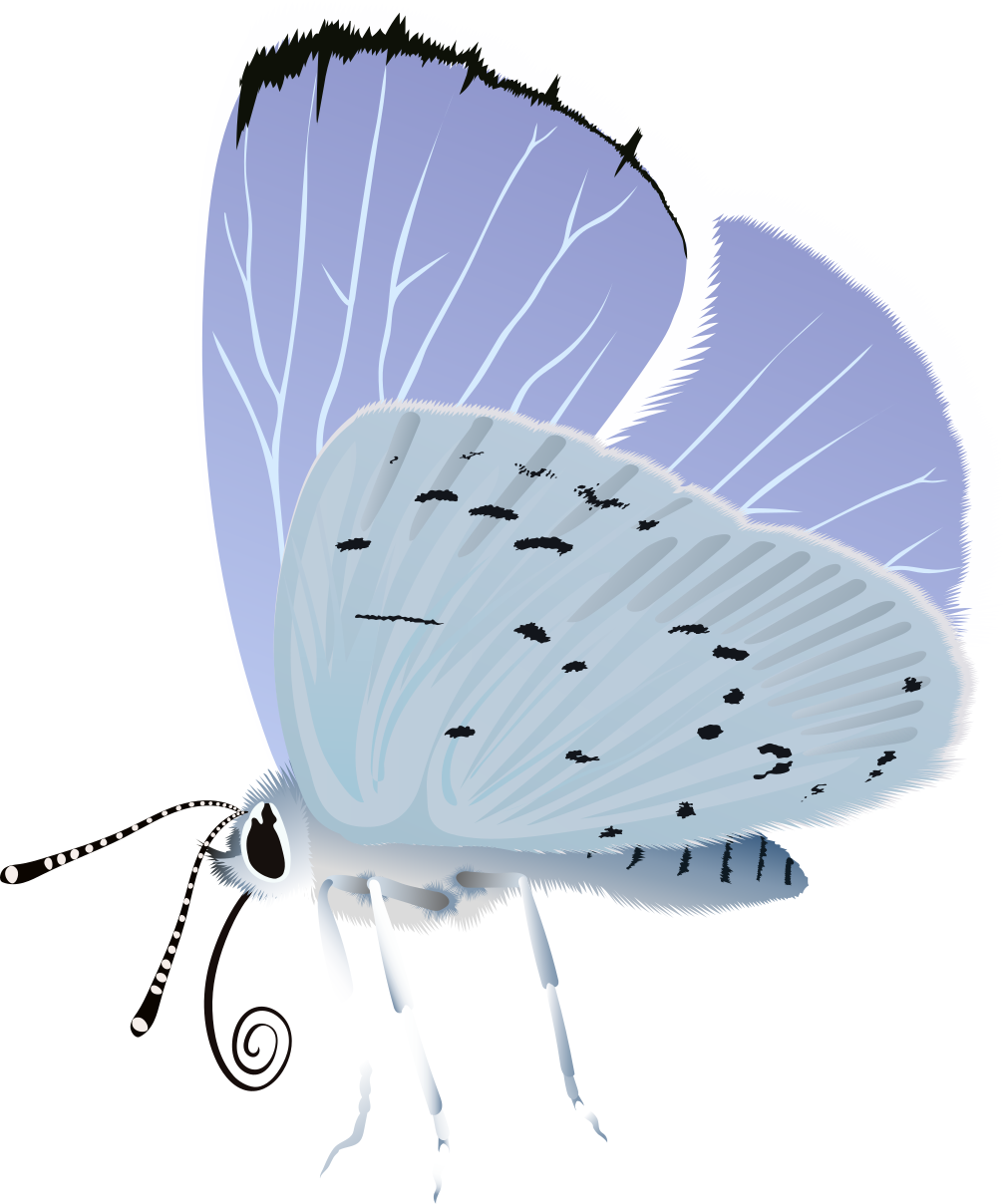
Holly Blue: Celastrina Argiolus

Holly Blue

This stunning, vibrant, blue butterfly can be seen across most of the UK, but is most common in England and Wales. Caterpillars feed on holly and ivy buds, digging into them and eating what is inside. Holly blues are very popular in Finland, where they have been elevated to the status of national butterfly!

Goldilocks aster case-bearer moth: Coleophora artemisiella

Goldilocks aster case-bearer moth

A delicately built moth with a golden-brown case carried by its larvae, this species is a specialist feeder on plants like mugwort. Found in scattered locations across southern England, the larvae create portable cases from silk and plant material, which they live in as they feed. The adult moths are tiny and often go unnoticed, but their lifecycle is a remarkable example of insect ingenuity.

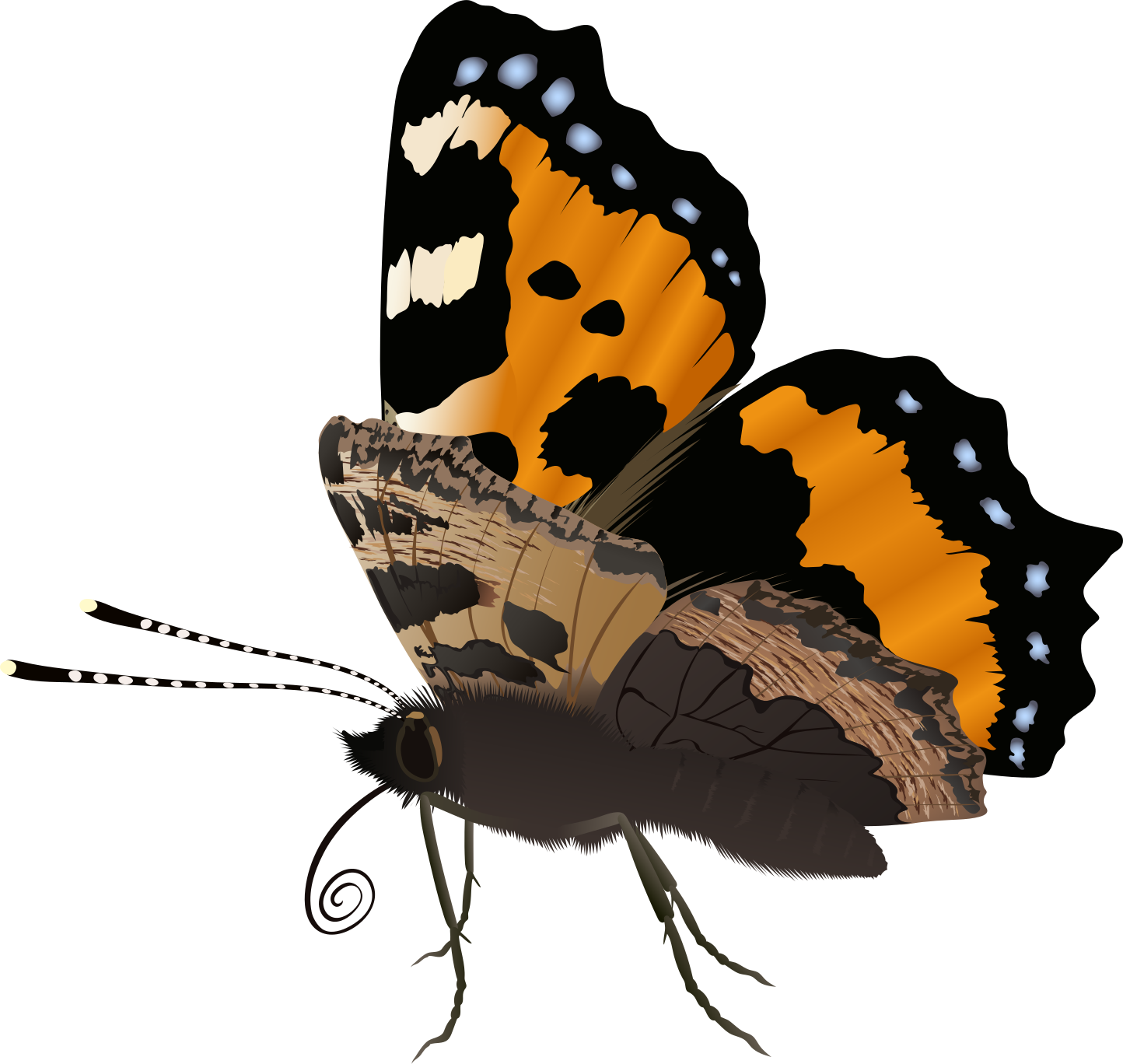
Small Tortoiseshell Butterfly: Aglais Urticae

Small Tortoiseshell Butterfly

The small tortoiseshell is one of the UK’s most common and beloved butterfly species. Females lay their eggs on stinging nettles, before caterpillars hatch around ten days later. When courting, the males beat their antennae on the females’ hindwings.

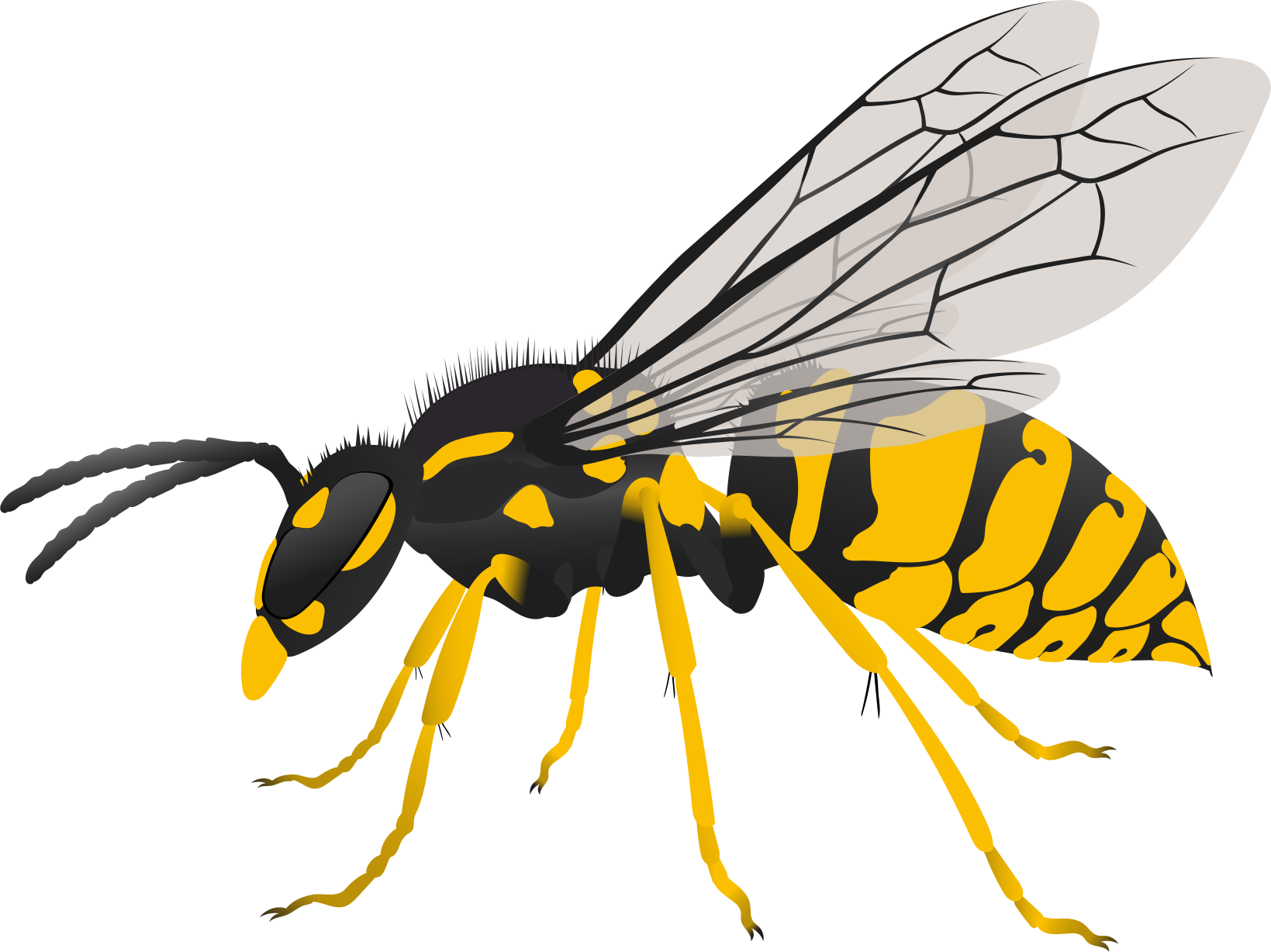
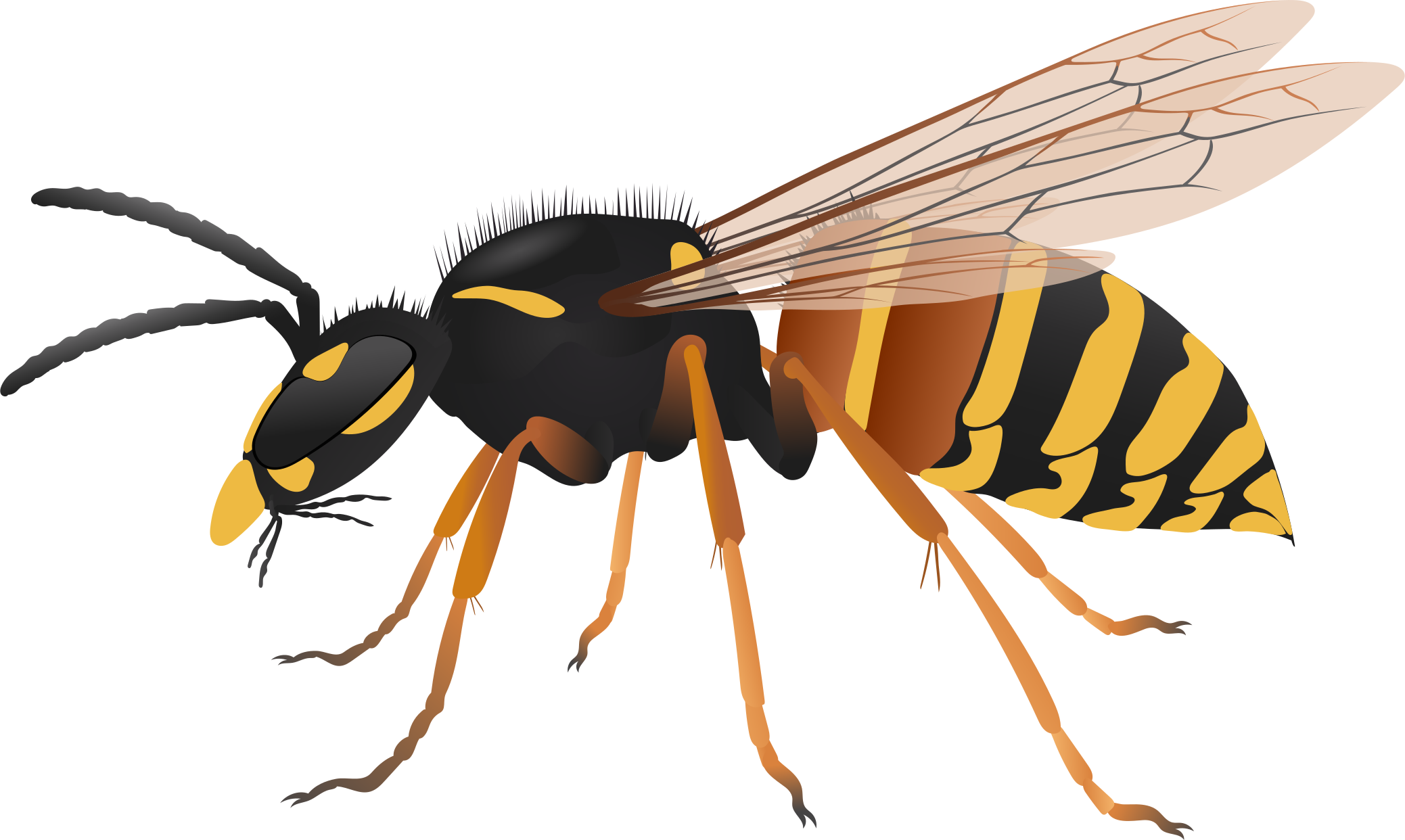
Common Wasp: Vespula Vulgaris

Common Wasp

Anyone who has ever tried to have a summer picnic will be familiar with this yellow and black striped insect which can be found all over the UK. Queens first come out of hibernation at the very start of spring and start to look for suitable nesting sites in a range of habitats. Wasps will try to eat anything sweet, and although we might think of them as pests, they are useful pollinators.

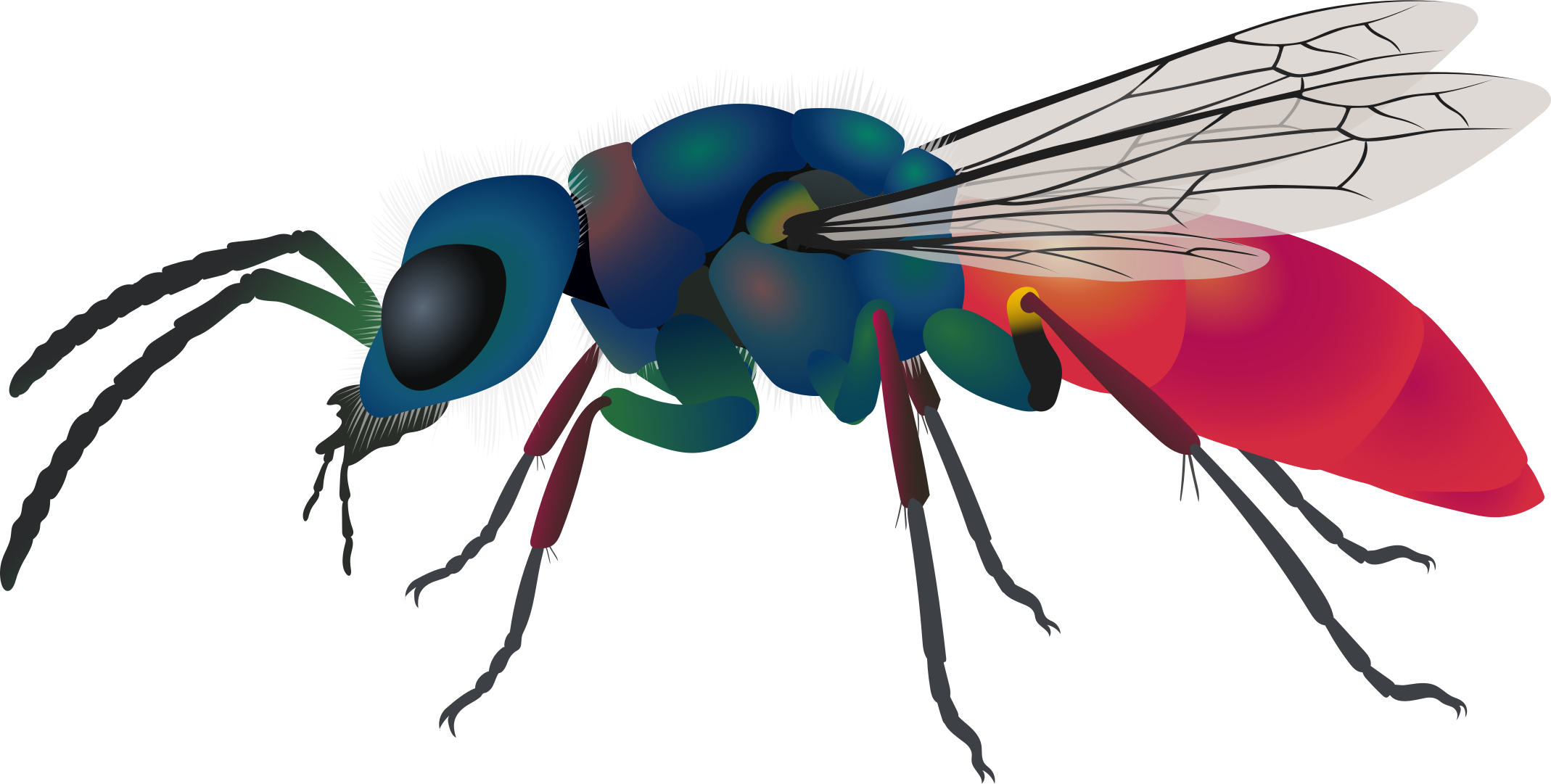
Ruby-tailed Wasp: Chrysis Ignita

Ruby-tailed Wasp

Ruby-tailed wasps are often called “cuckoo wasps” because they lay their eggs in other insects’ nests. Shiny and turquoise with a rich red abdomen, they are strikingly beautiful in appearance. Ruby-tailed wasps have a sting, but don’t tend to use it.

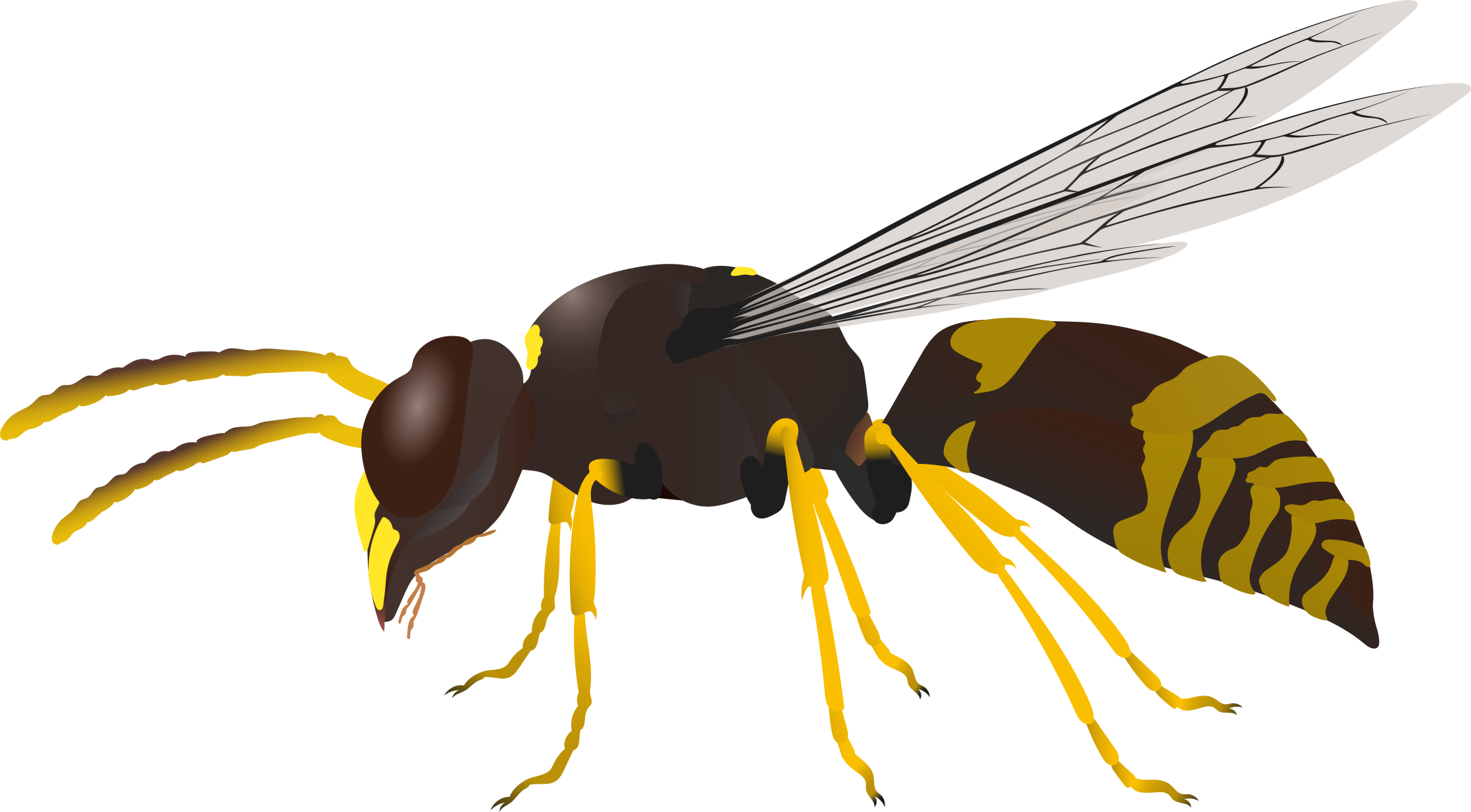
Mason Wasp: Ancistrocerus Parietum

Mason Wasp

This wasp is native to Europe and North America and gets its name because it likes to build its nests in walls. Mason wasps have black bodies with yellow stripes and narrow waists. Female mason wasps are slightly larger than males, and can control the gender of their offspring.

Red Wasp: Vespula Rufa

Red Wasp

This wasp is so-called because it has reddish-brown markings on its body. Red wasps make their nests in tree stumps, using leaf litter and soil. Badgers often destroy the nests, eating them along with the wasps, as their thick hair and skin protects them from being stung.

Supported By:

supported company logo

Project Partner:

partner logo GreenTheUK logo

Join Our Mailing List...