VolkerHighways supported the planting of 3.18 hectares of wildflowers in the UK in 2024-26
Pollination is fundamental to the health of our environment, supporting ecosystems, food production and biodiversity across the United Kingdom. A significant proportion of the crops we rely on depend on pollinators, making their survival critical not only for nature, but for long-term food security and economic stability. Through its support of wildflower restoration, VolkerHighways is helping to protect and strengthen these essential natural systems.
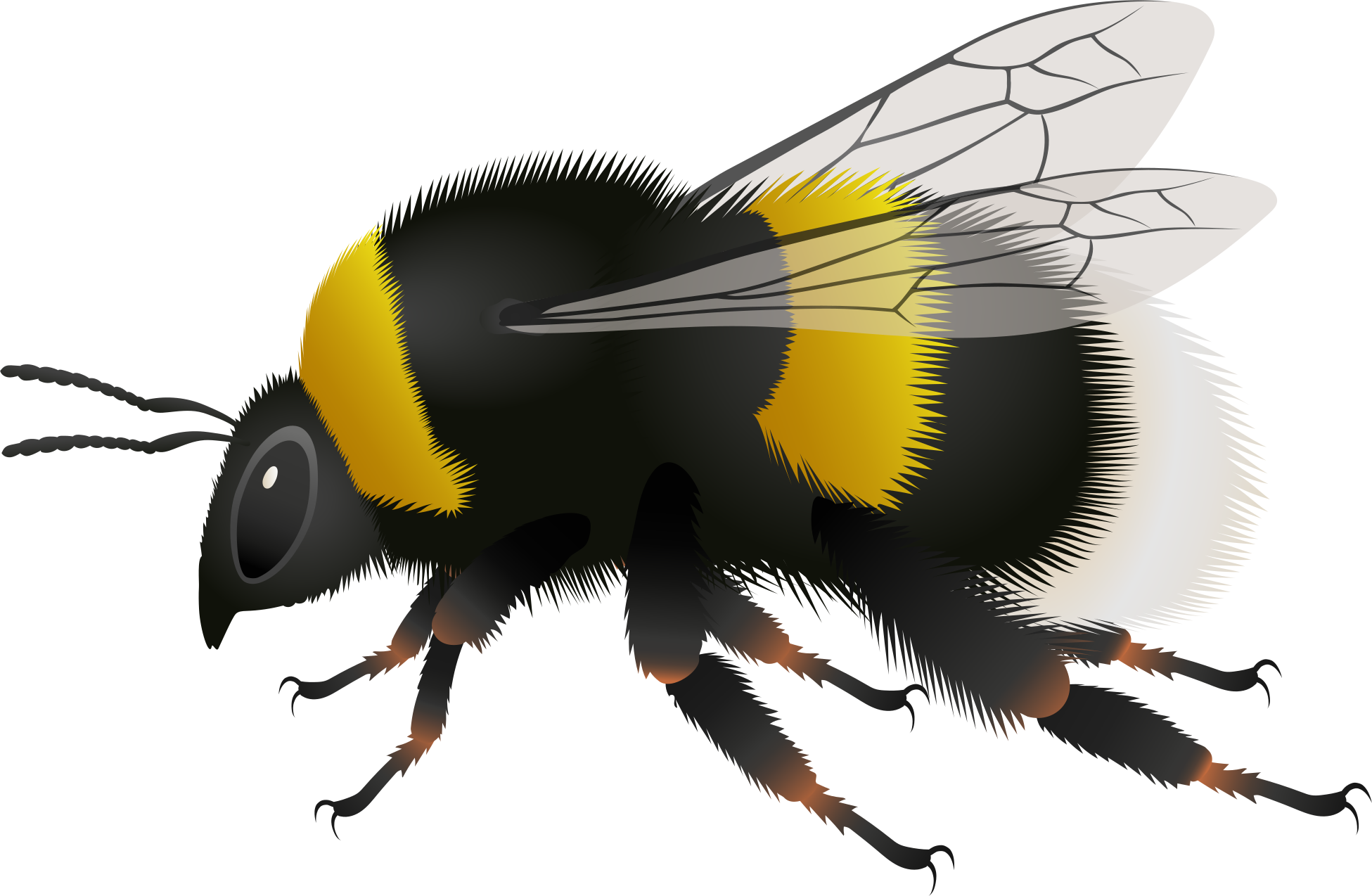
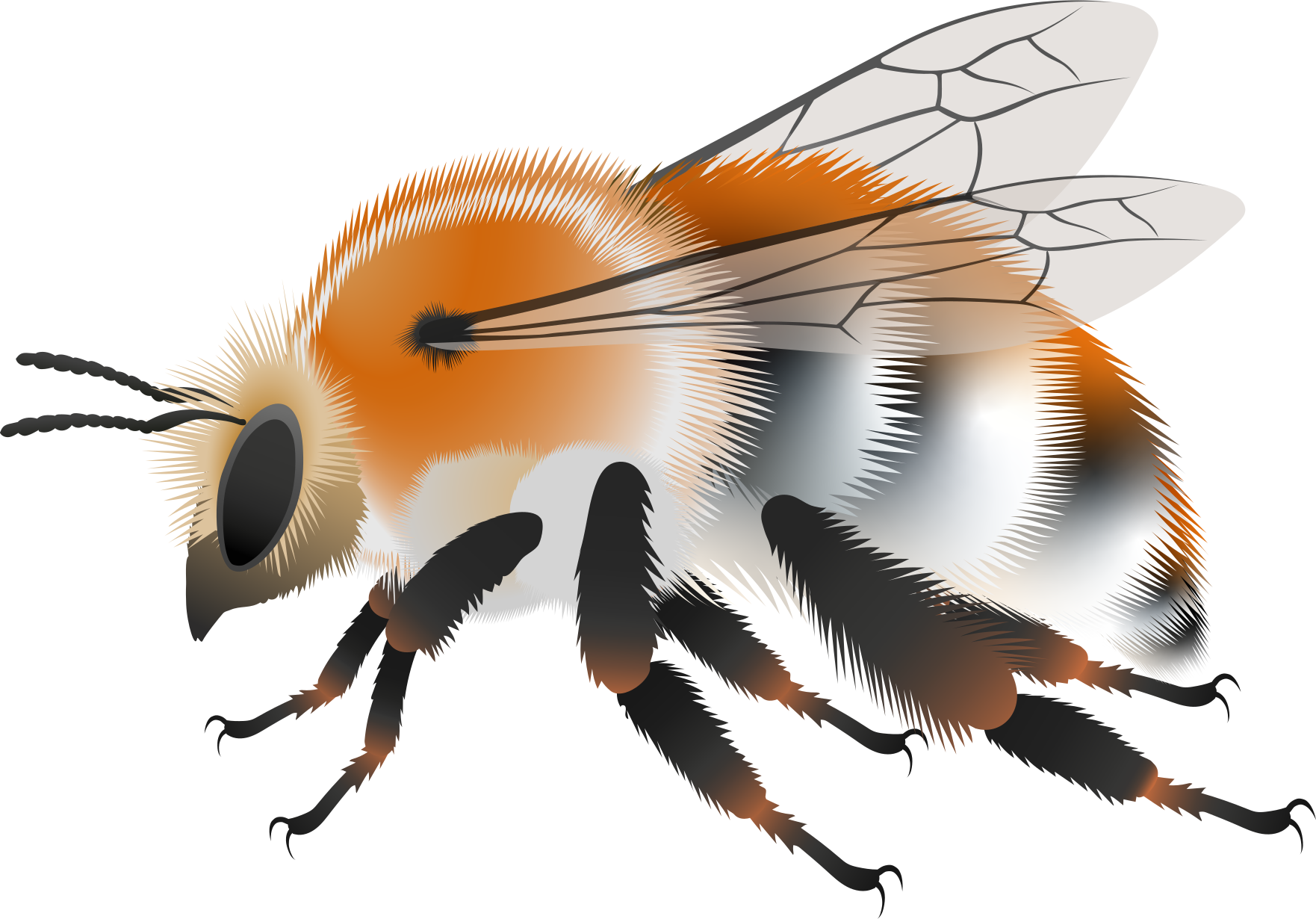
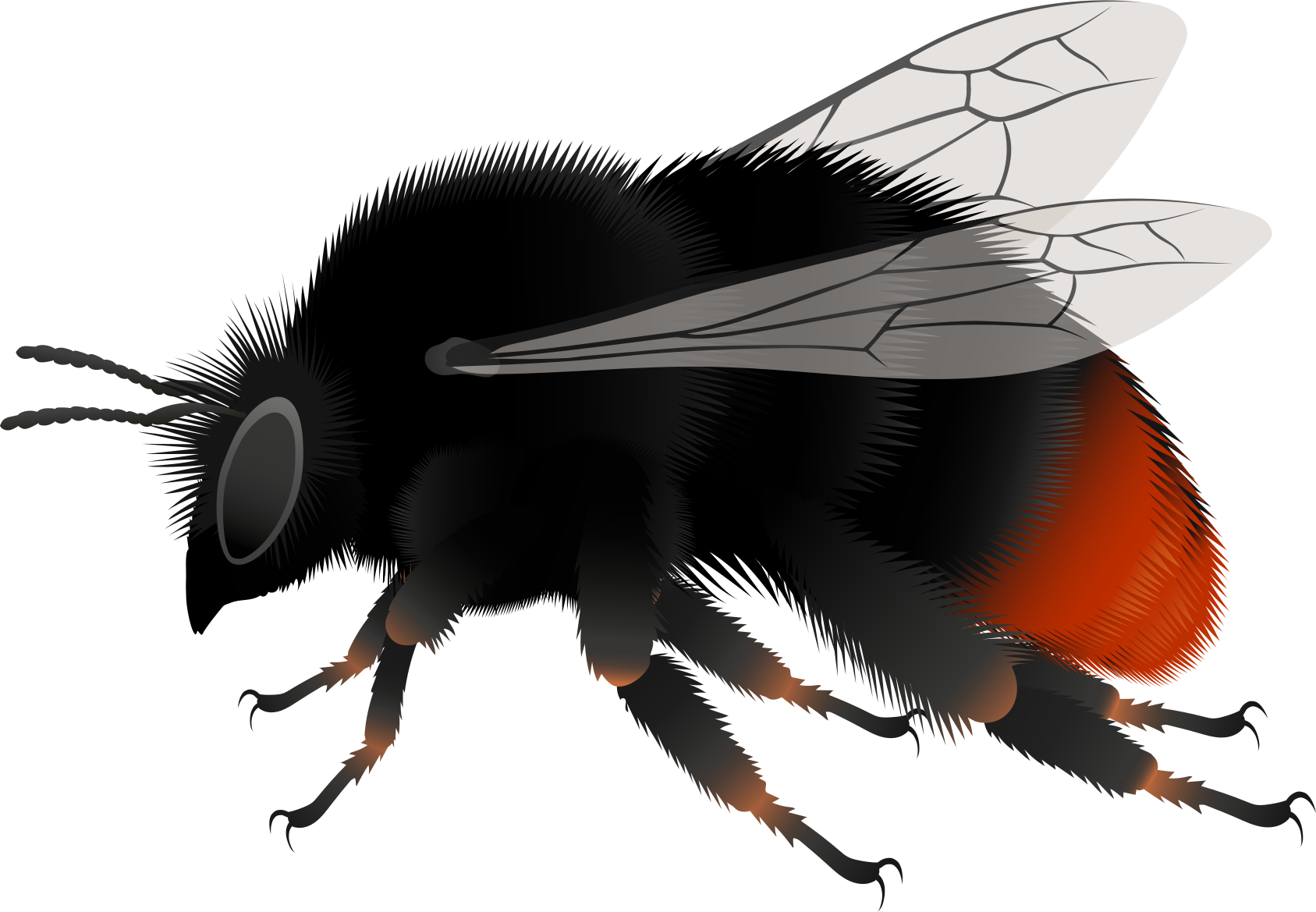
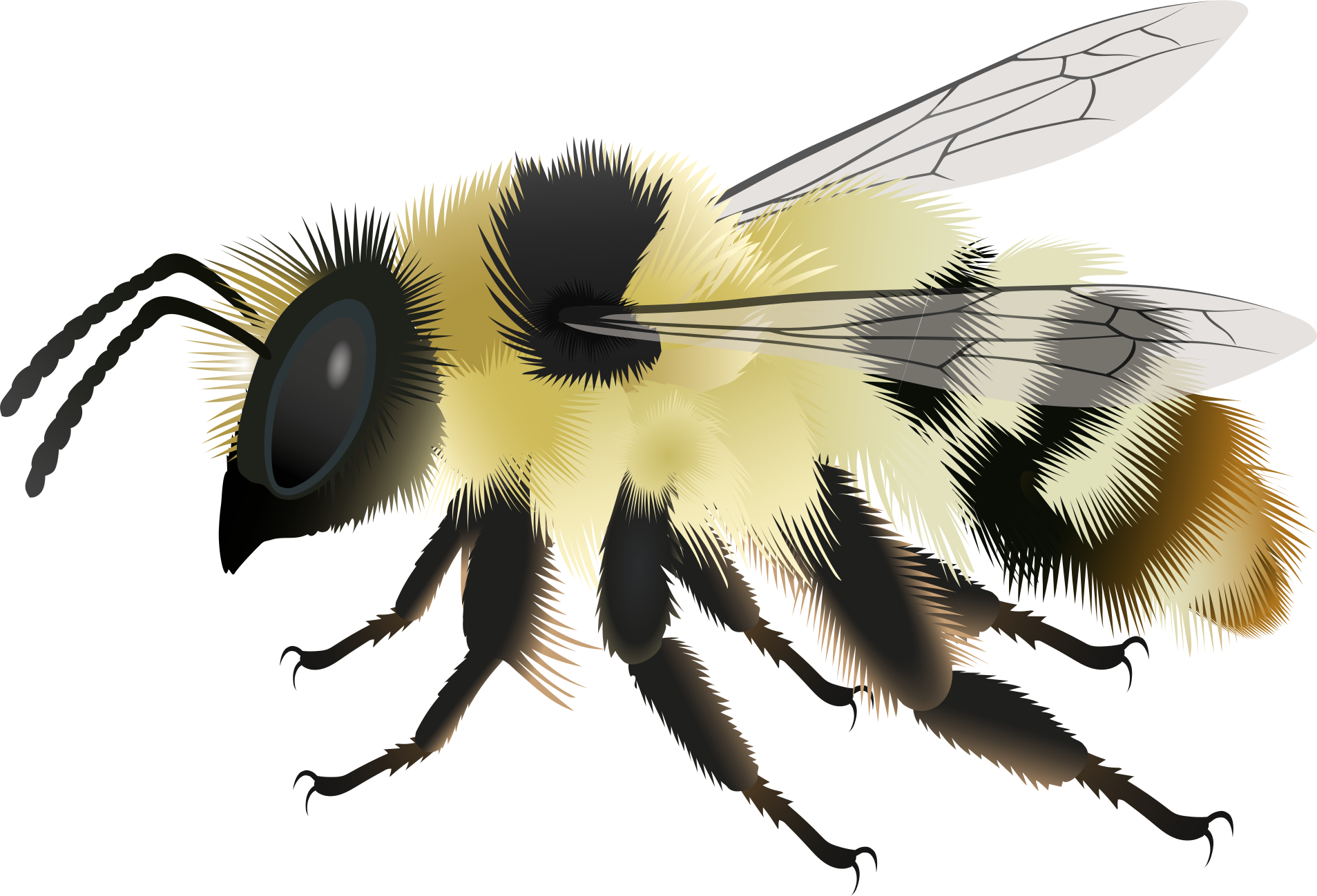
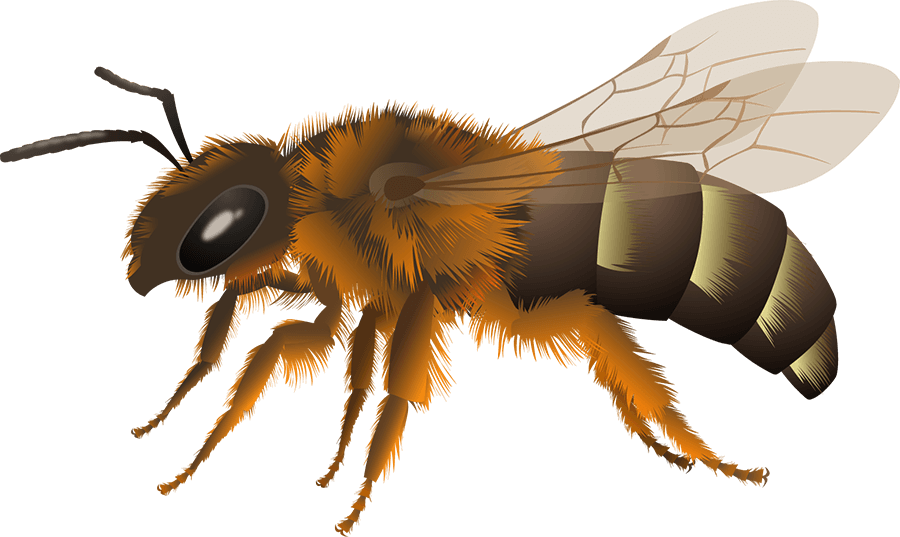
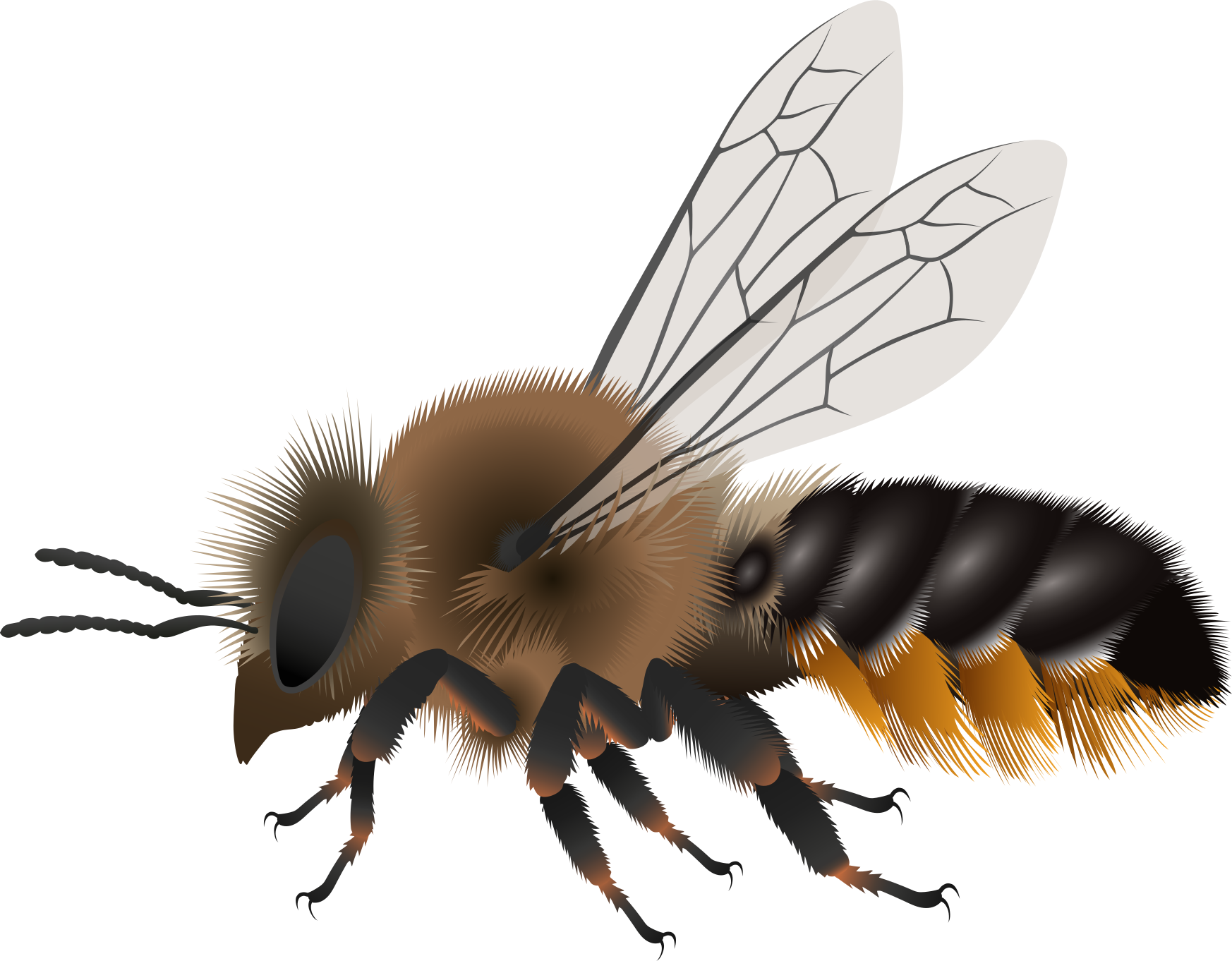
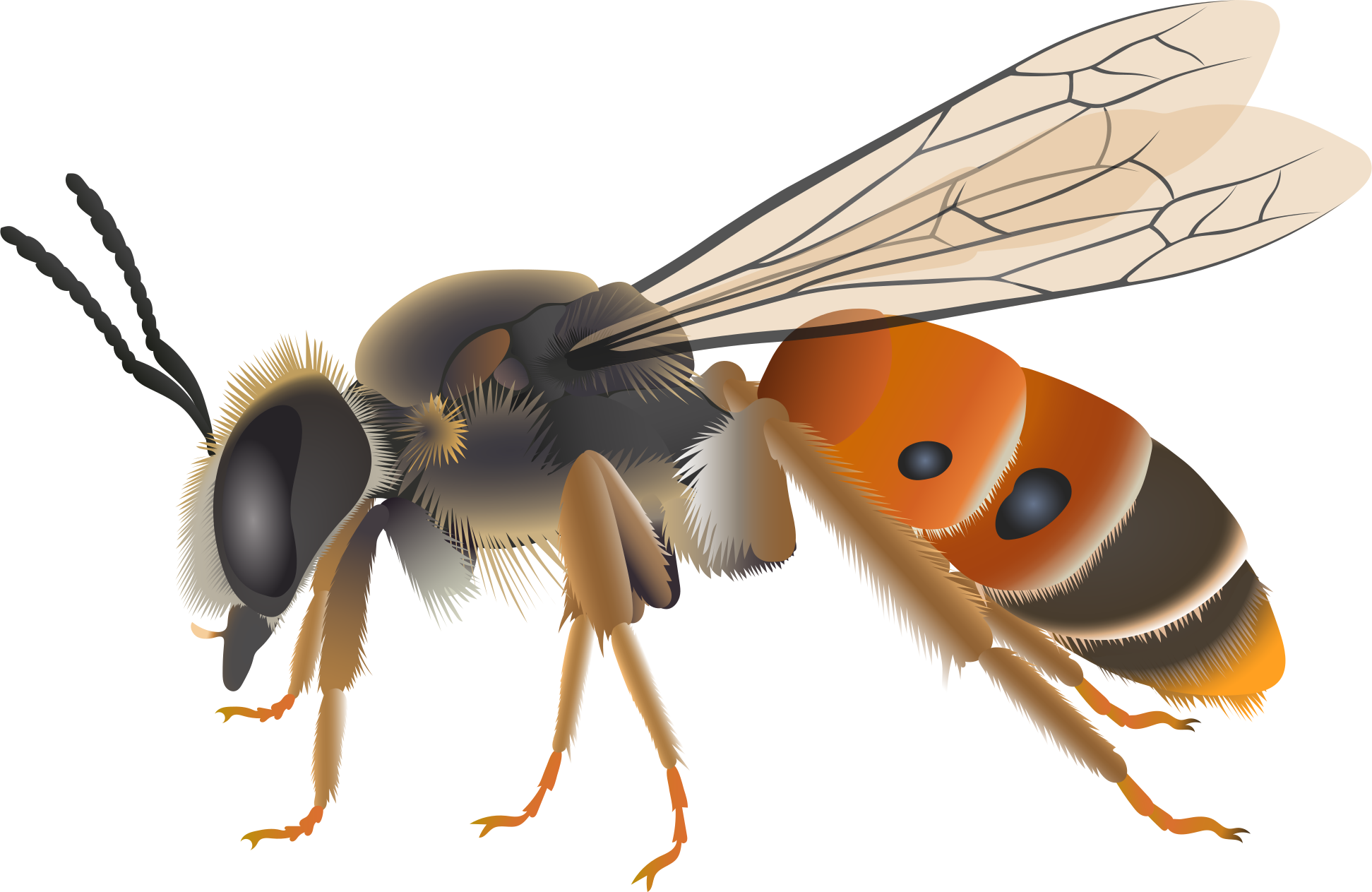
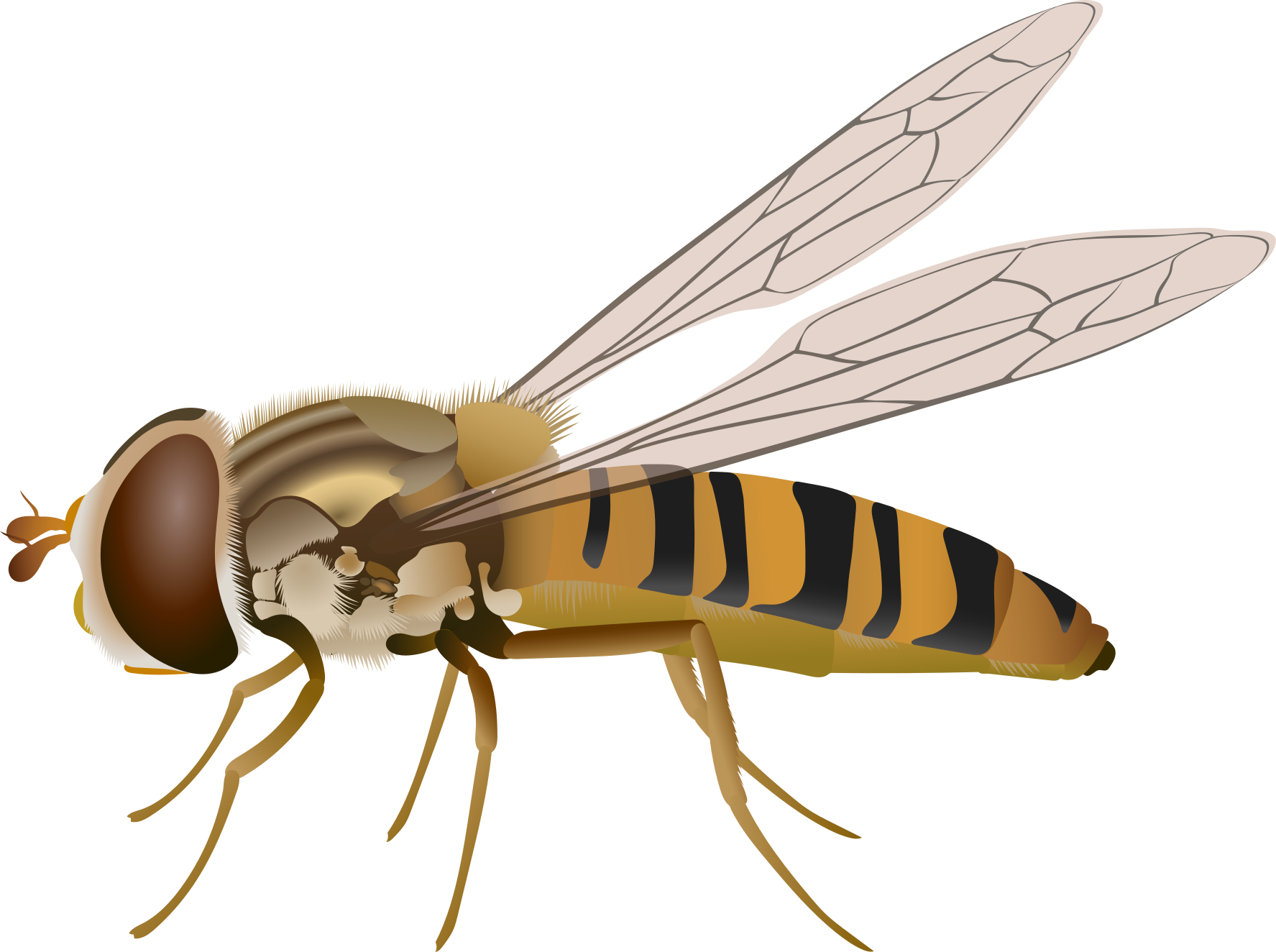
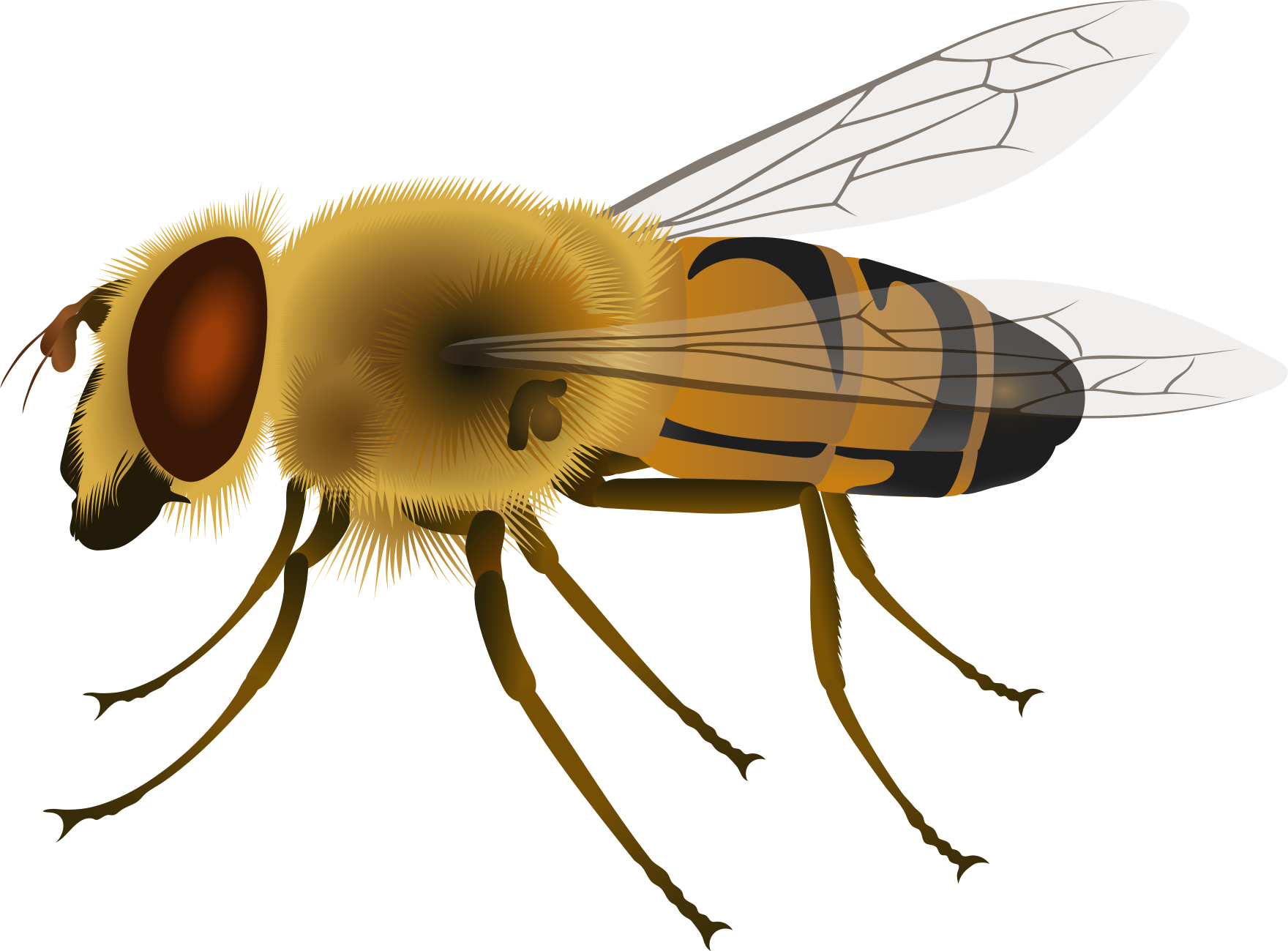
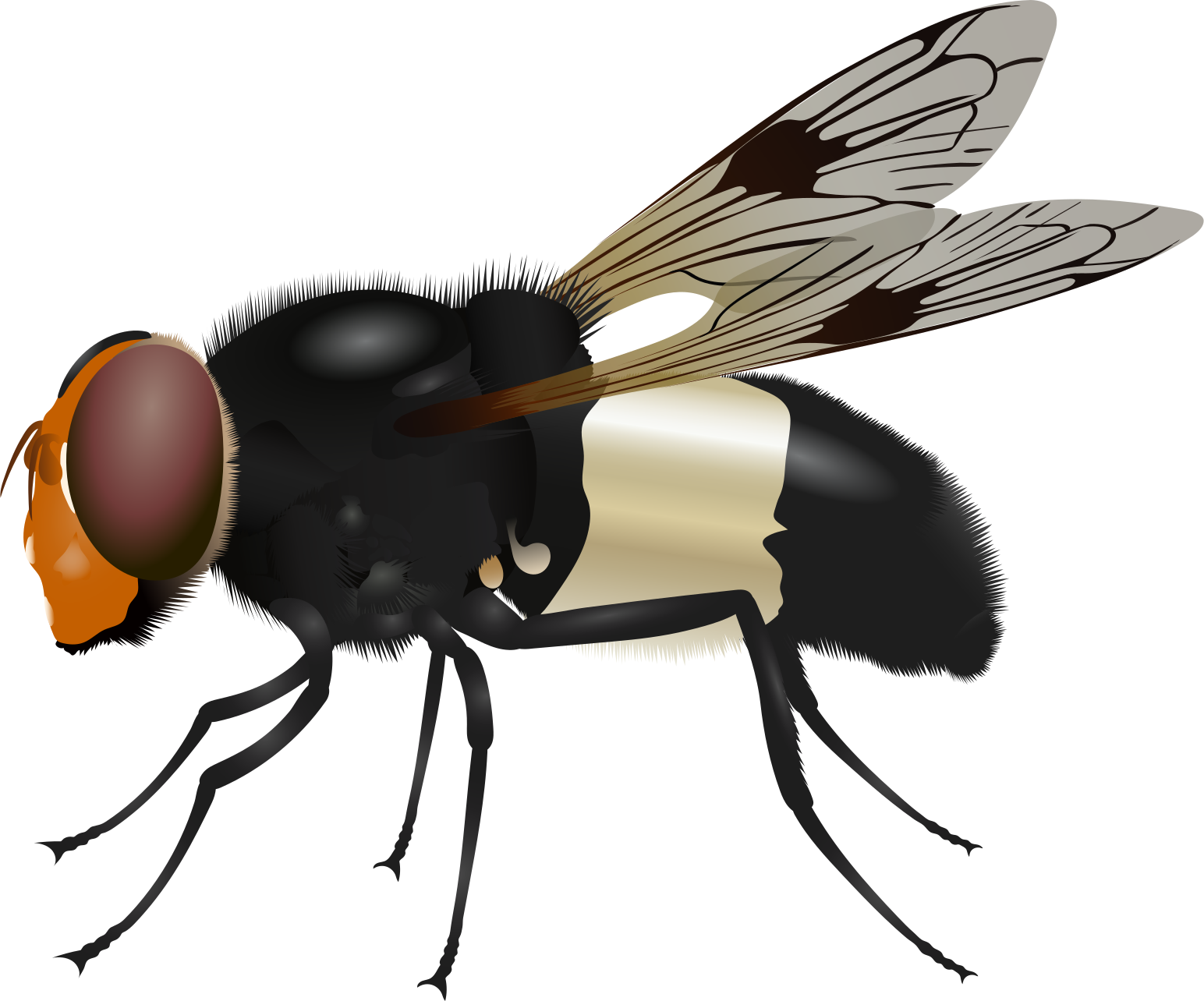
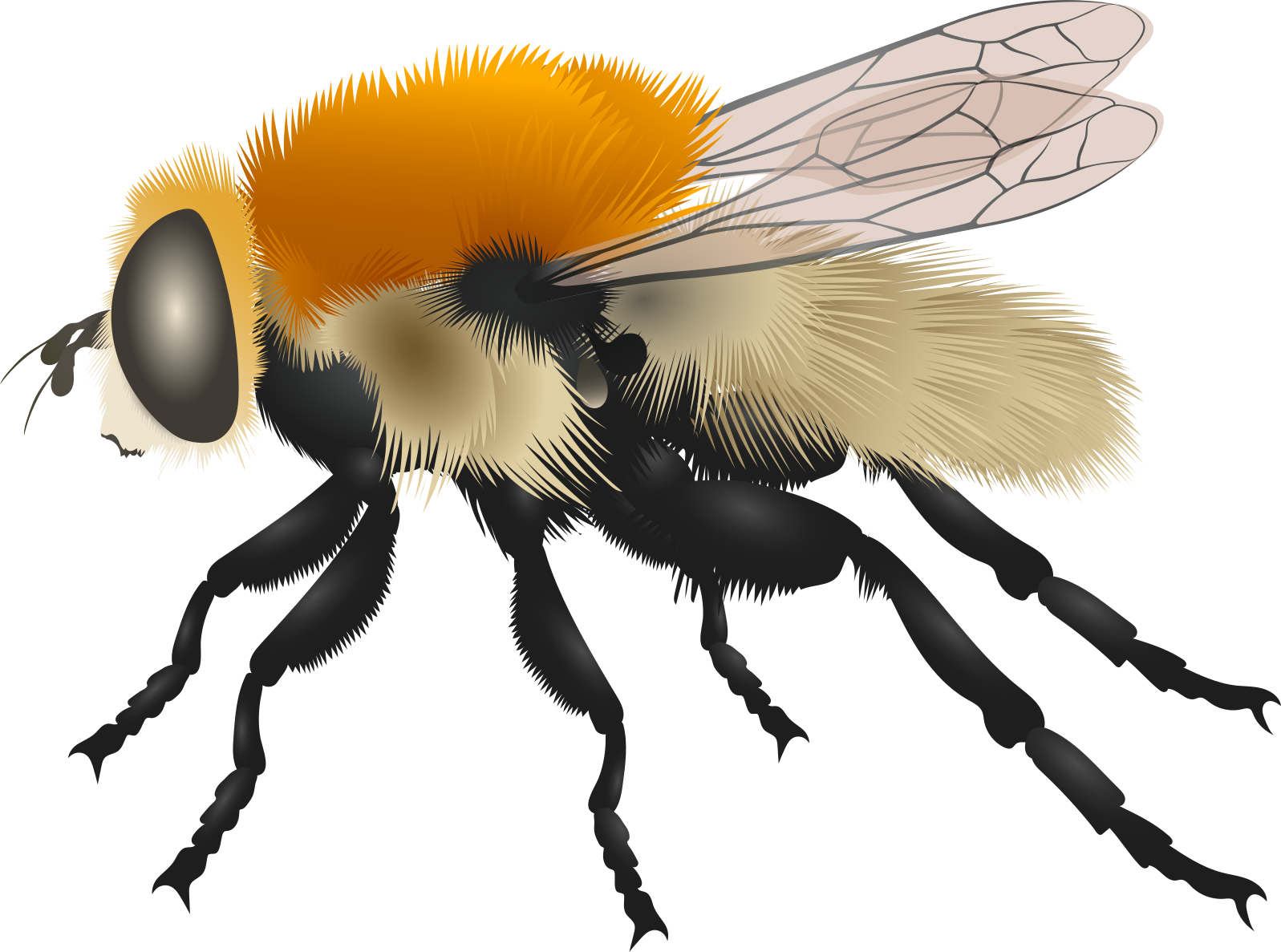
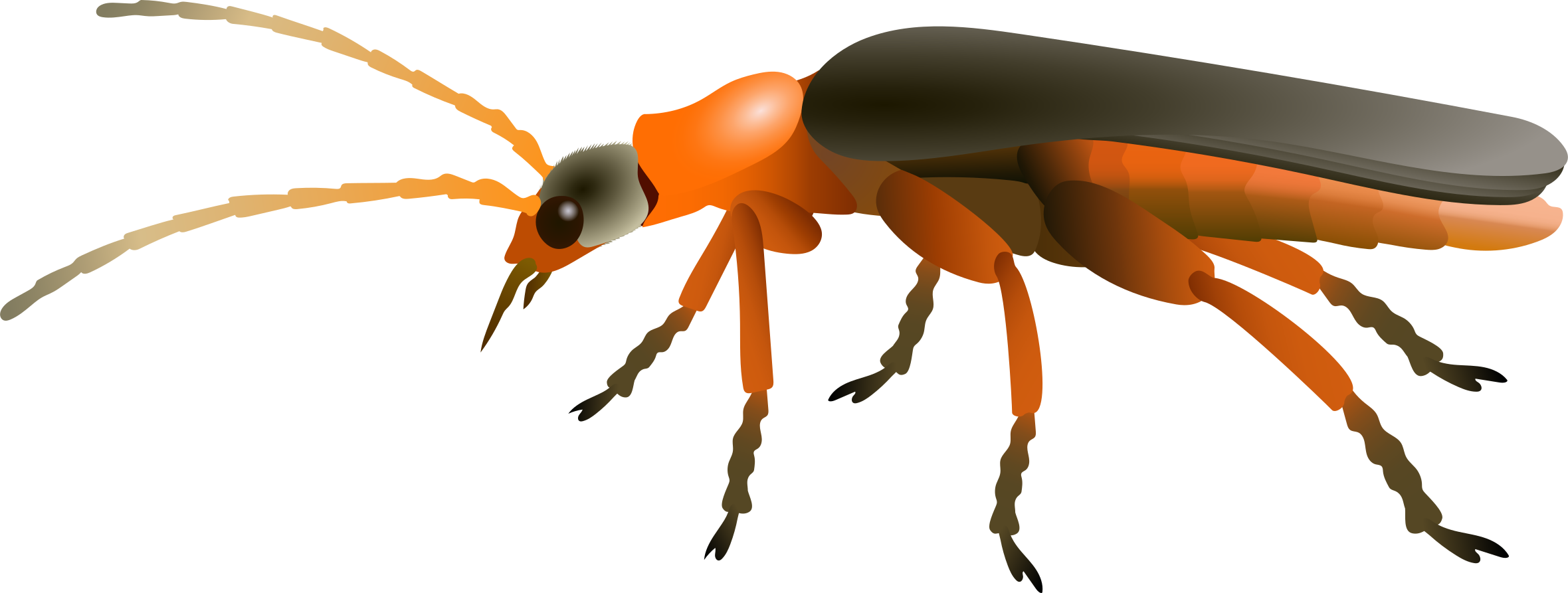
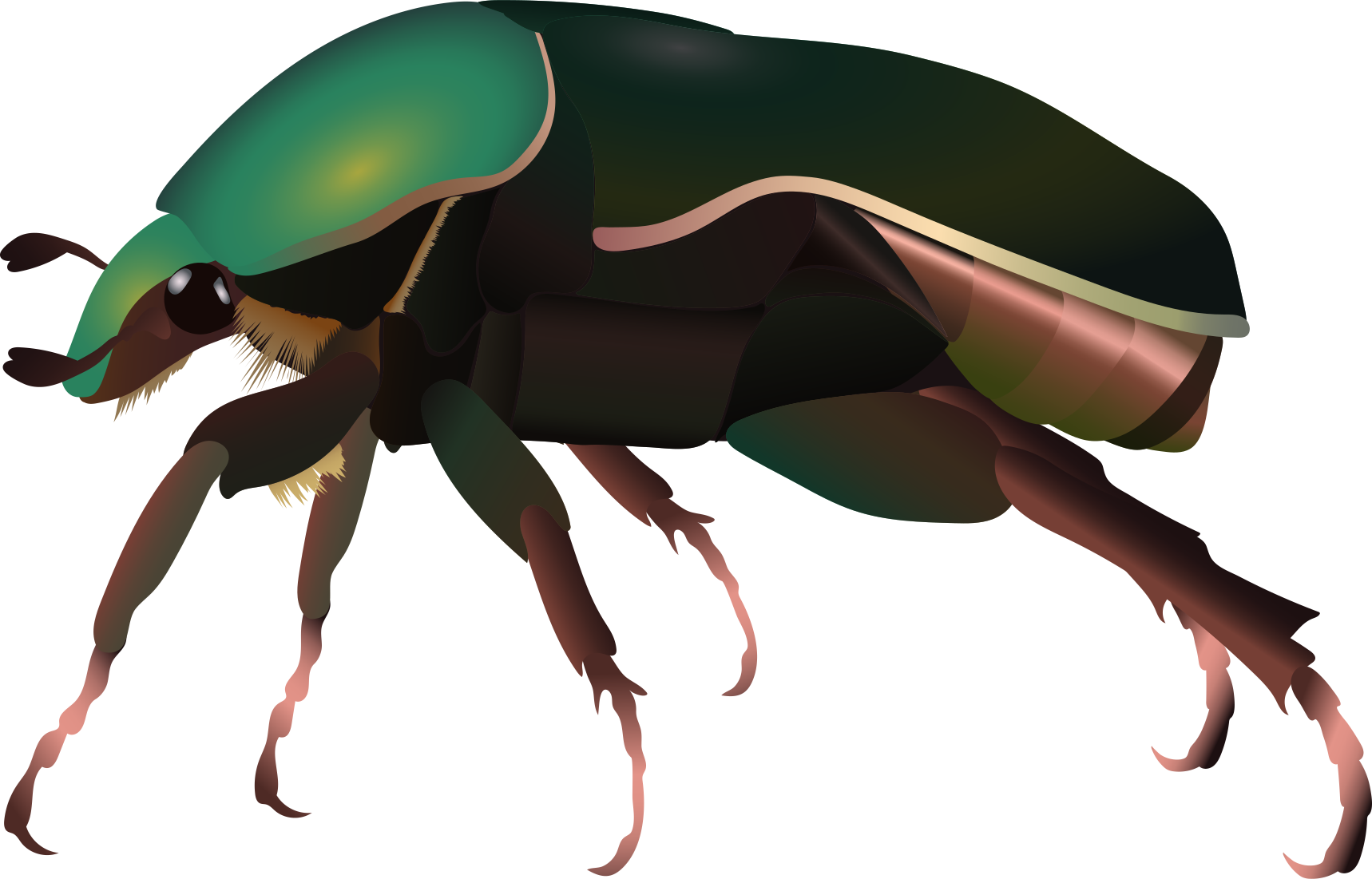
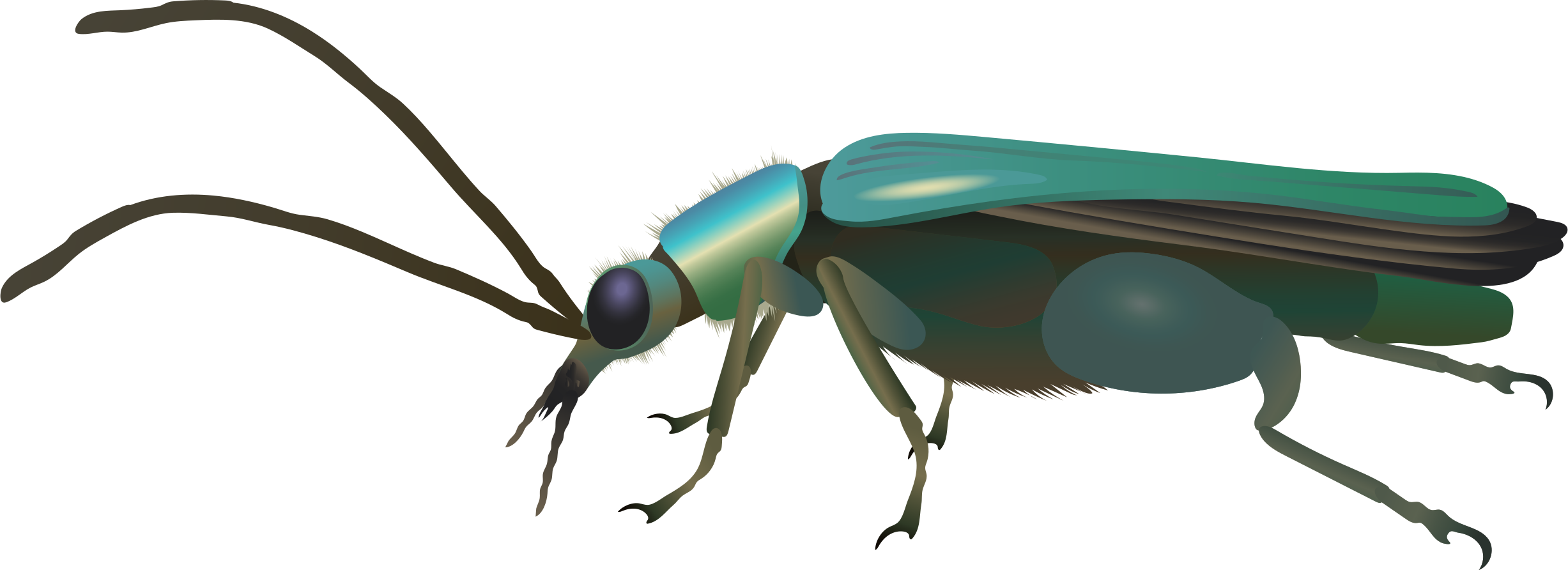
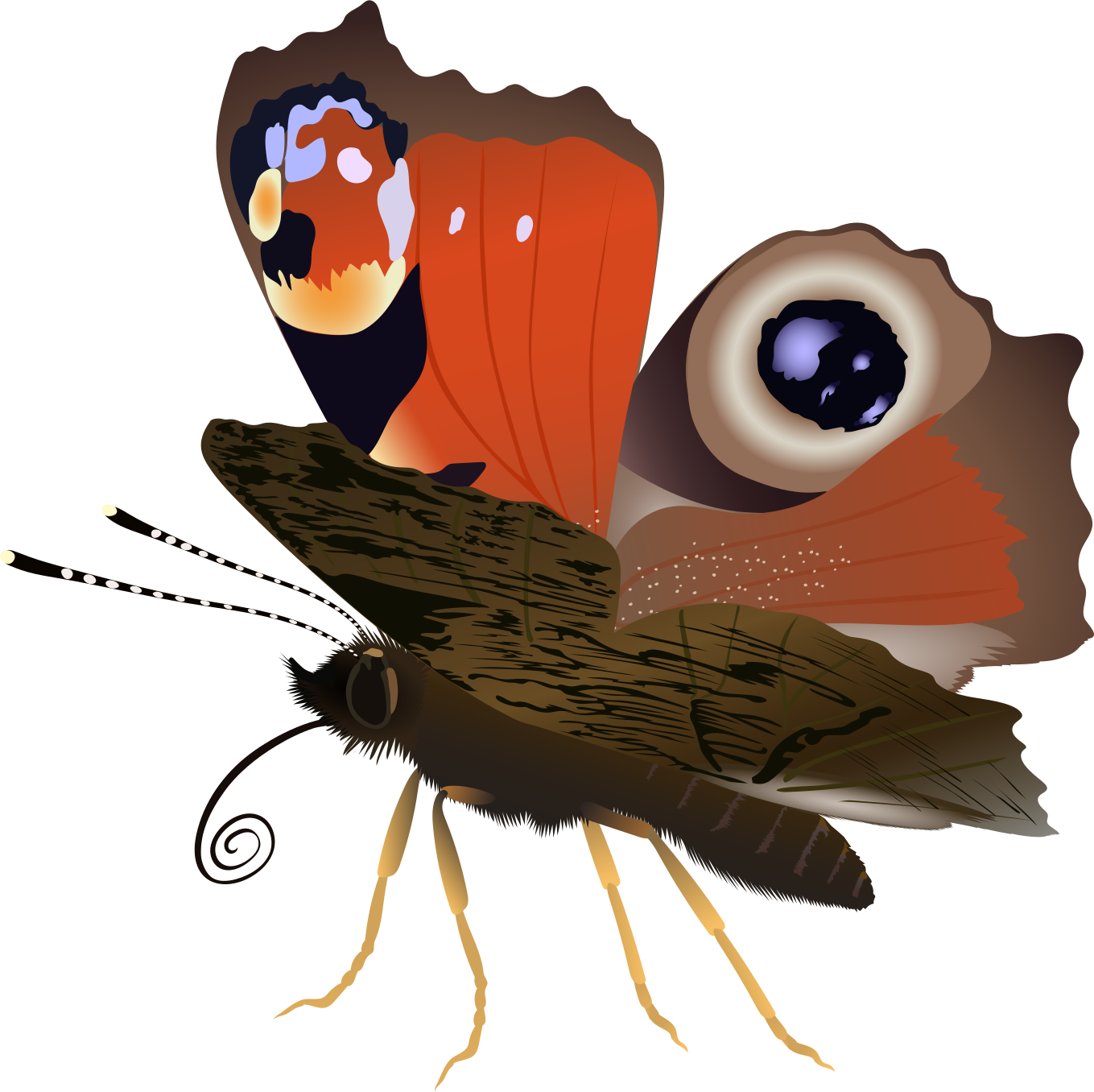
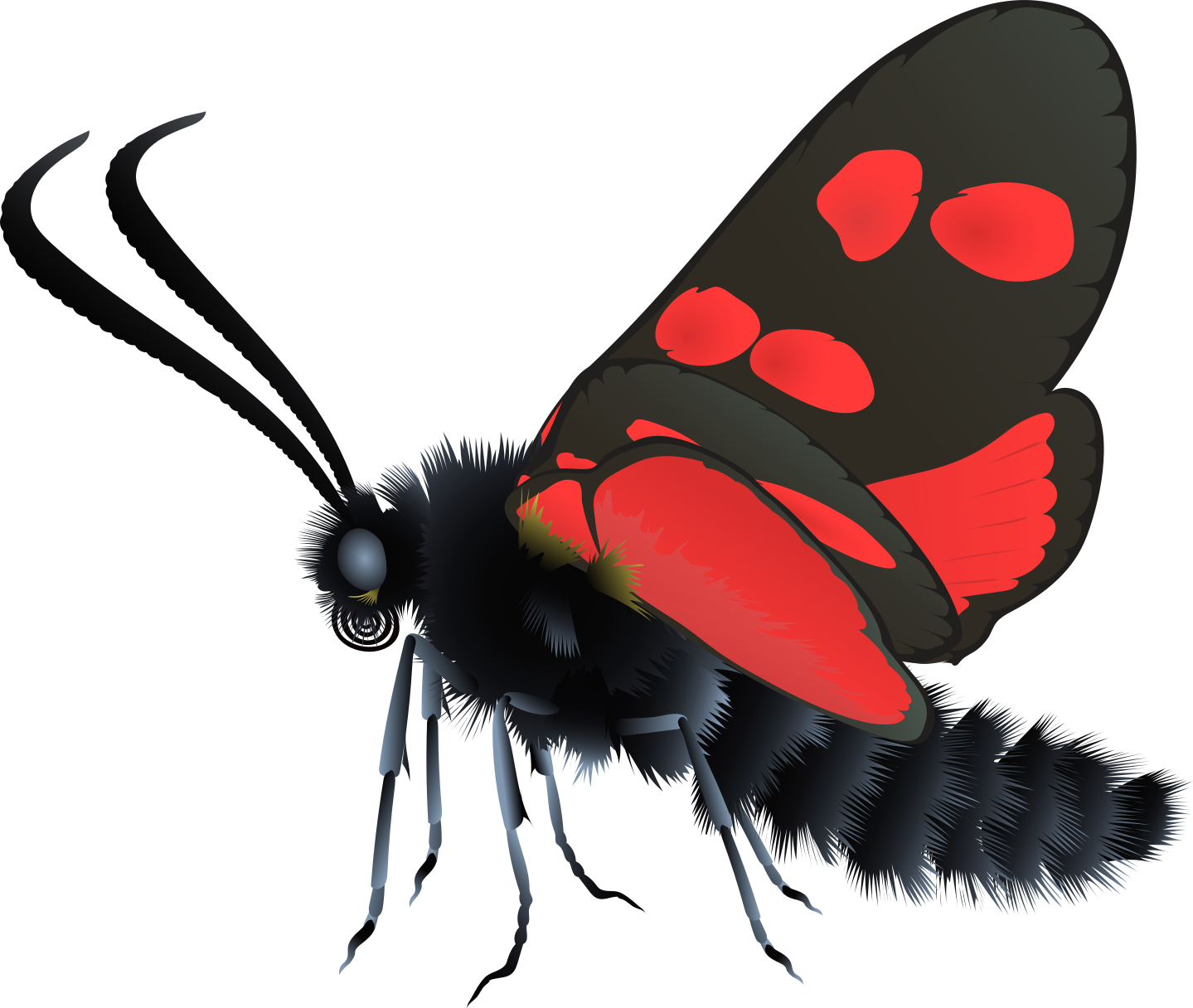
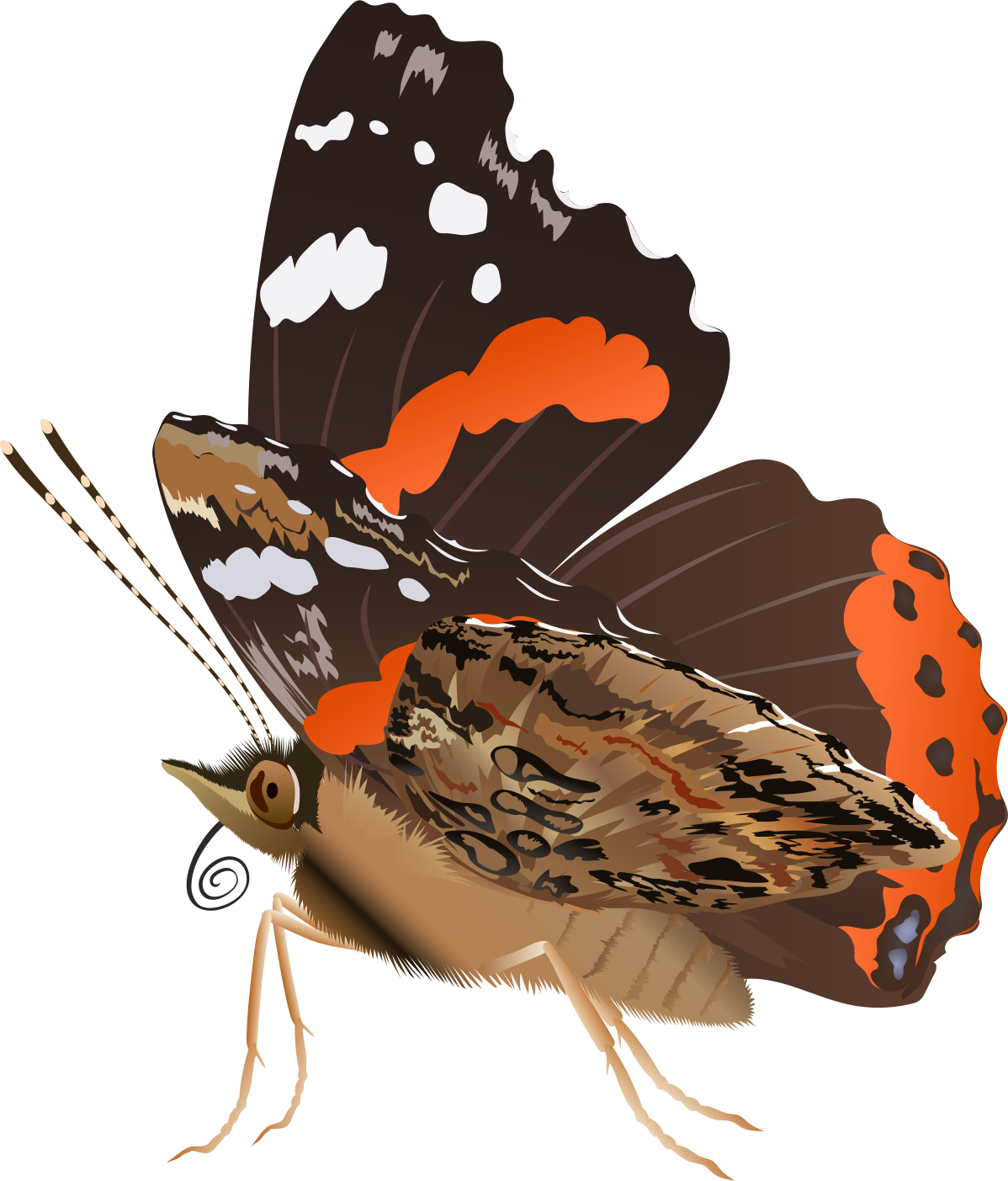
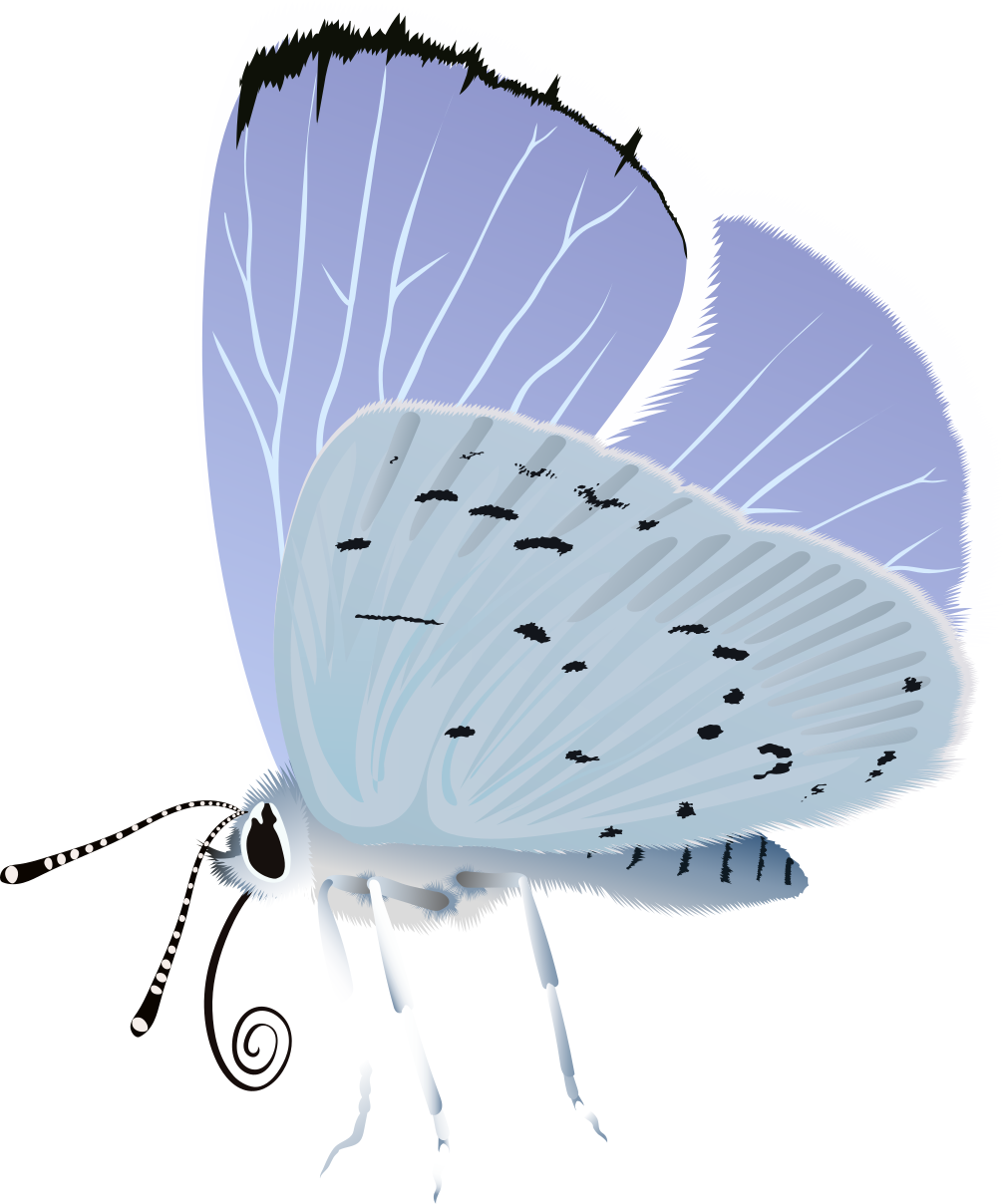
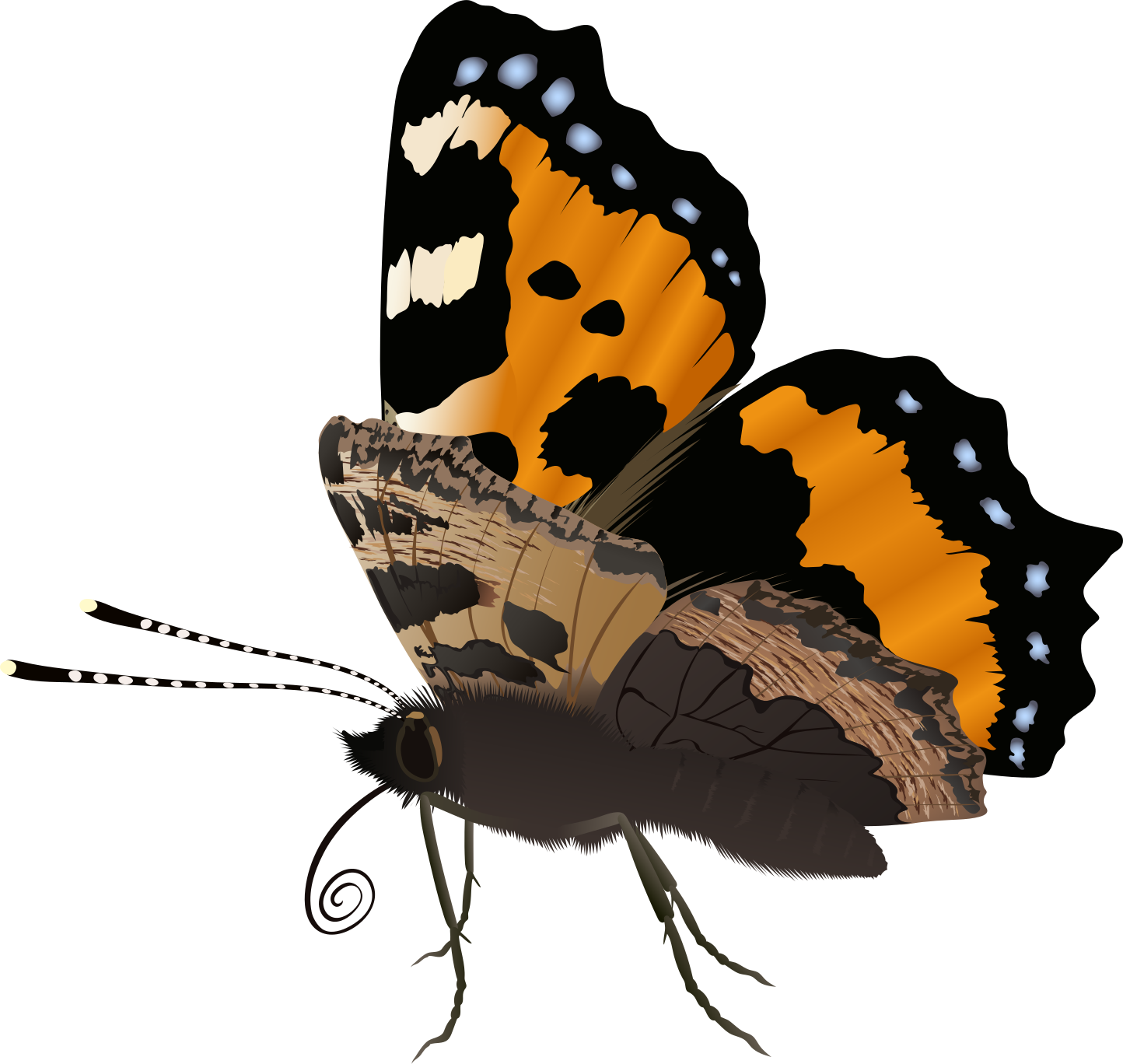
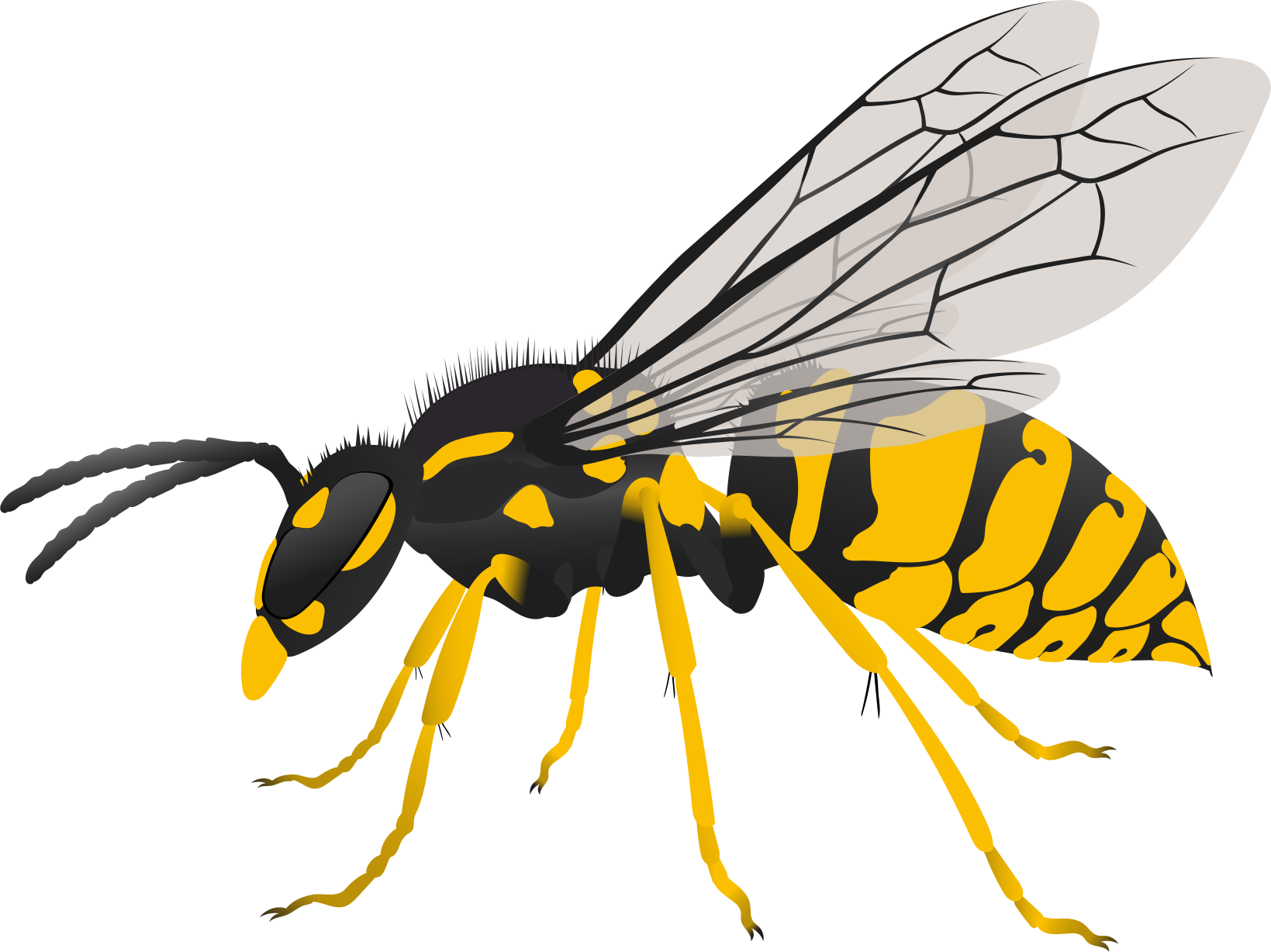
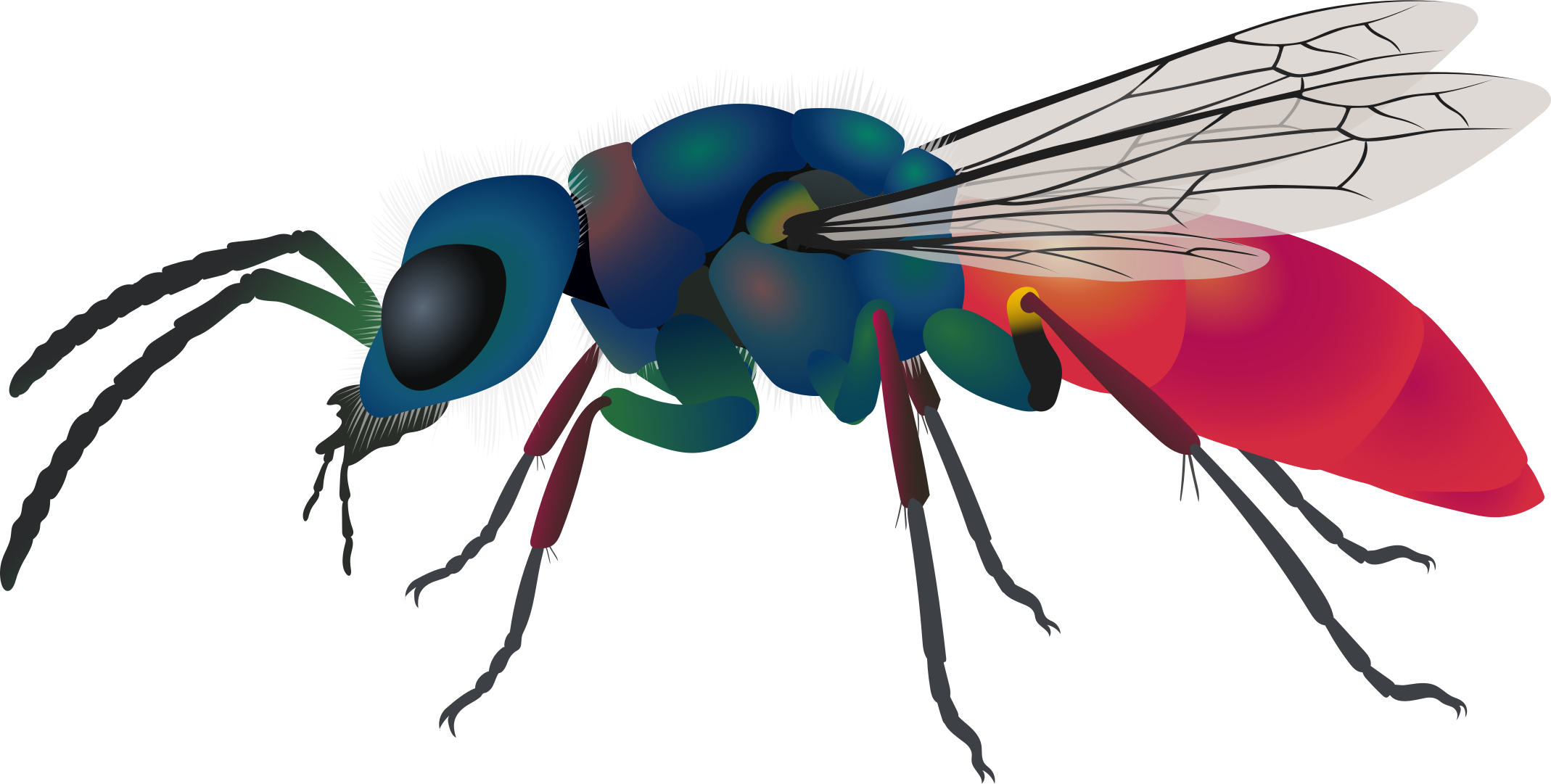
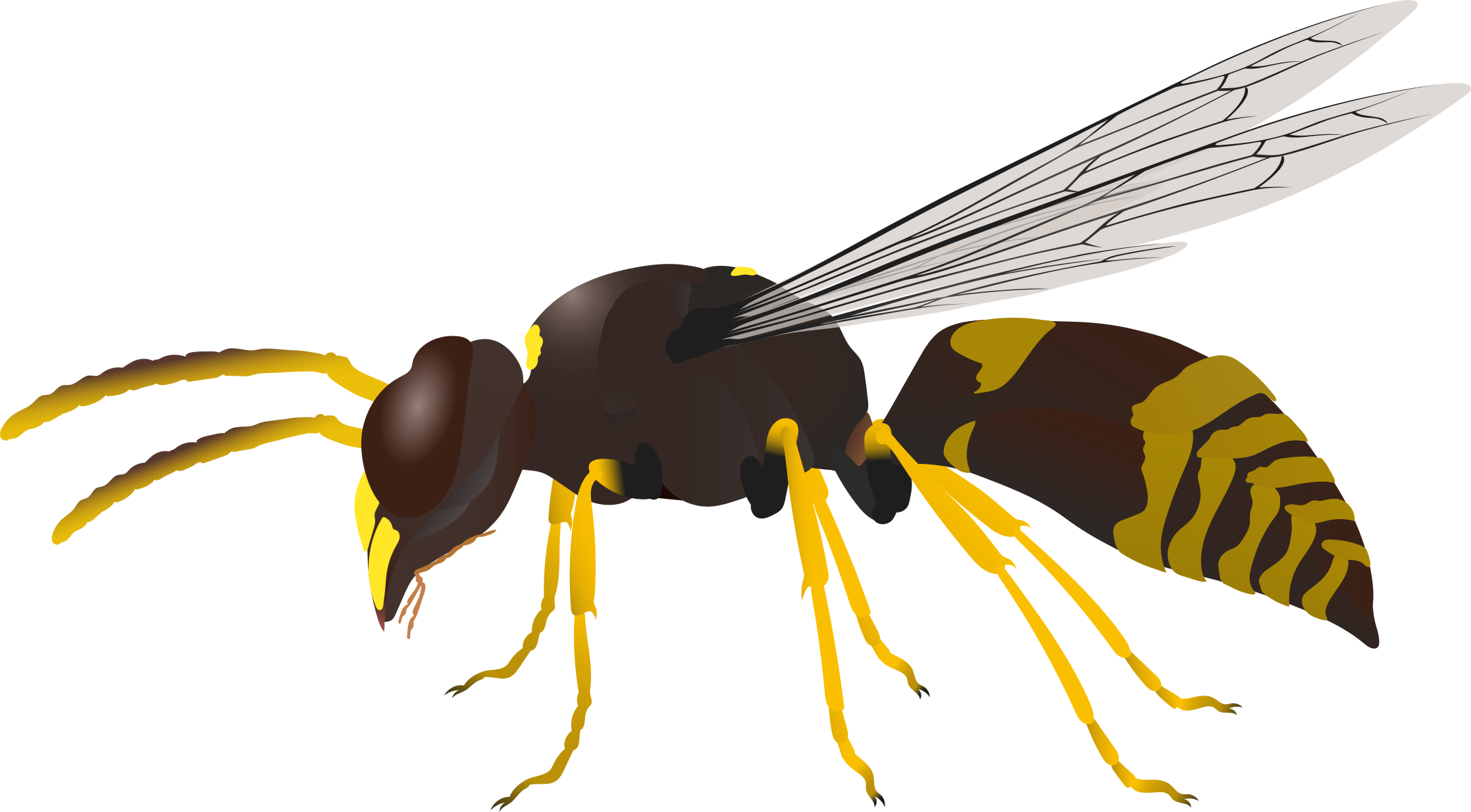
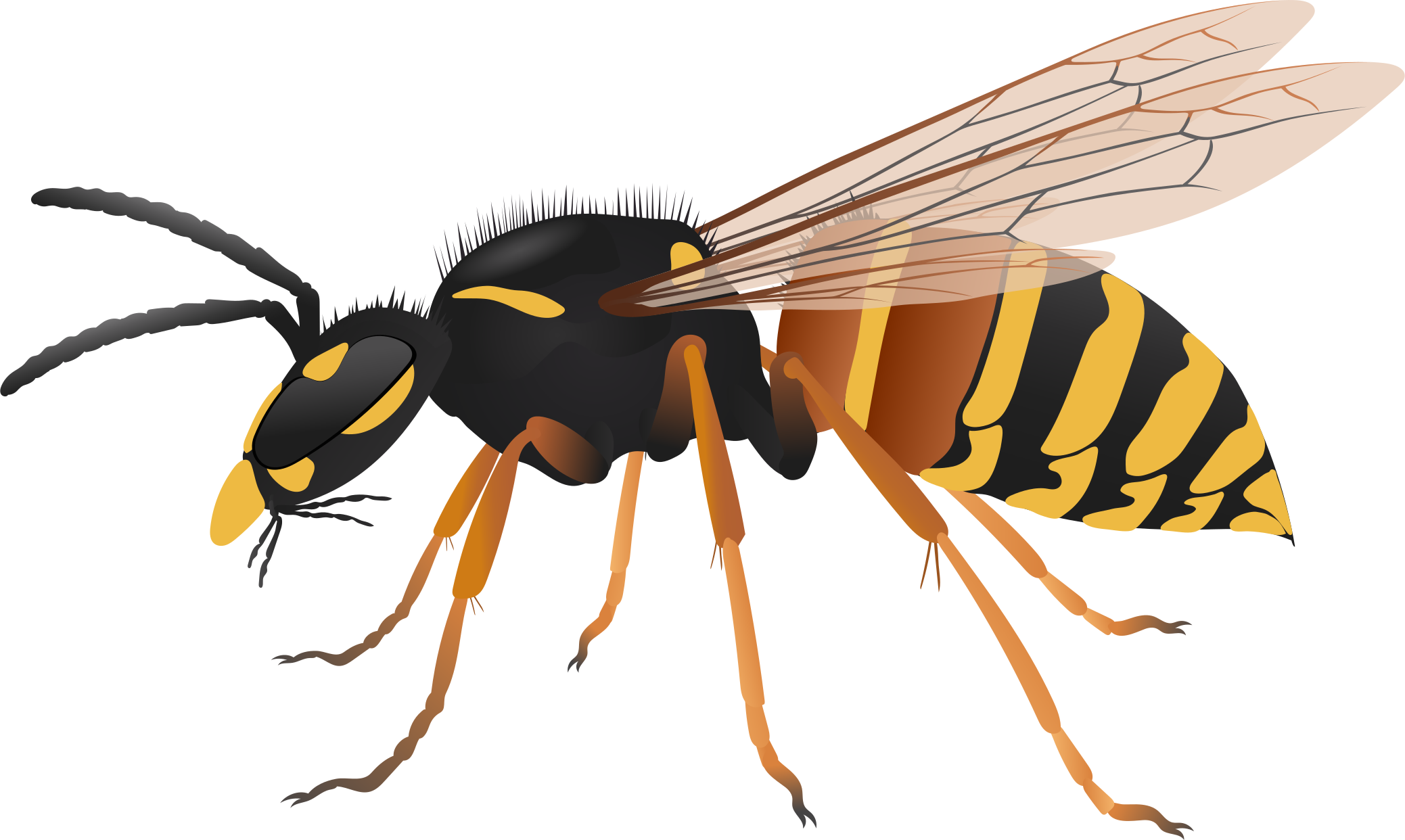
The UK is home to a remarkable diversity of pollinators, from bees and butterflies to hoverflies and beetles, all of which depend on flower-rich habitats for survival. Wildflower meadows are among the most valuable environments for these species. In summer, they become vibrant, living landscapes filled with colour, movement and sound, providing vital nectar, pollen and nesting opportunities that sustain a wide range of wildlife.
However, these habitats have declined dramatically over the past century, leaving many pollinators without the resources they need to thrive. The loss and fragmentation of wildflower-rich grasslands has made it increasingly difficult for insects to feed, breed and move across the landscape, contributing to widespread population declines.
VolkerHighways' support plays a key role in making this possible, not just by enabling the creation of new wildflower areas, but by helping to ensure they are carefully established and managed over time. Wildflower grasslands require thoughtful stewardship, particularly in their early years, to allow delicate species to establish successfully. Sensitive management, such as controlling aggressive grasses and weeds, and timing mowing or grazing to support flowering and seed-setting, helps these habitats develop into rich, balanced ecosystems.
The benefits of this work extend far beyond pollinators. Restored wildflower grasslands support birds, small mammals and other wildlife, improve soil health, and enhance the natural beauty of the landscape. They also contribute to climate resilience, helping ecosystems better withstand environmental pressures. These projects create corridors of habitat that allow pollinators to move more freely, supporting healthier, more resilient populations.
By supporting wildflower restoration, VolkerHighways is contributing to reconnecting landscapes, restoring biodiversity and ensuring that the UK’s natural environment can continue to flourish.
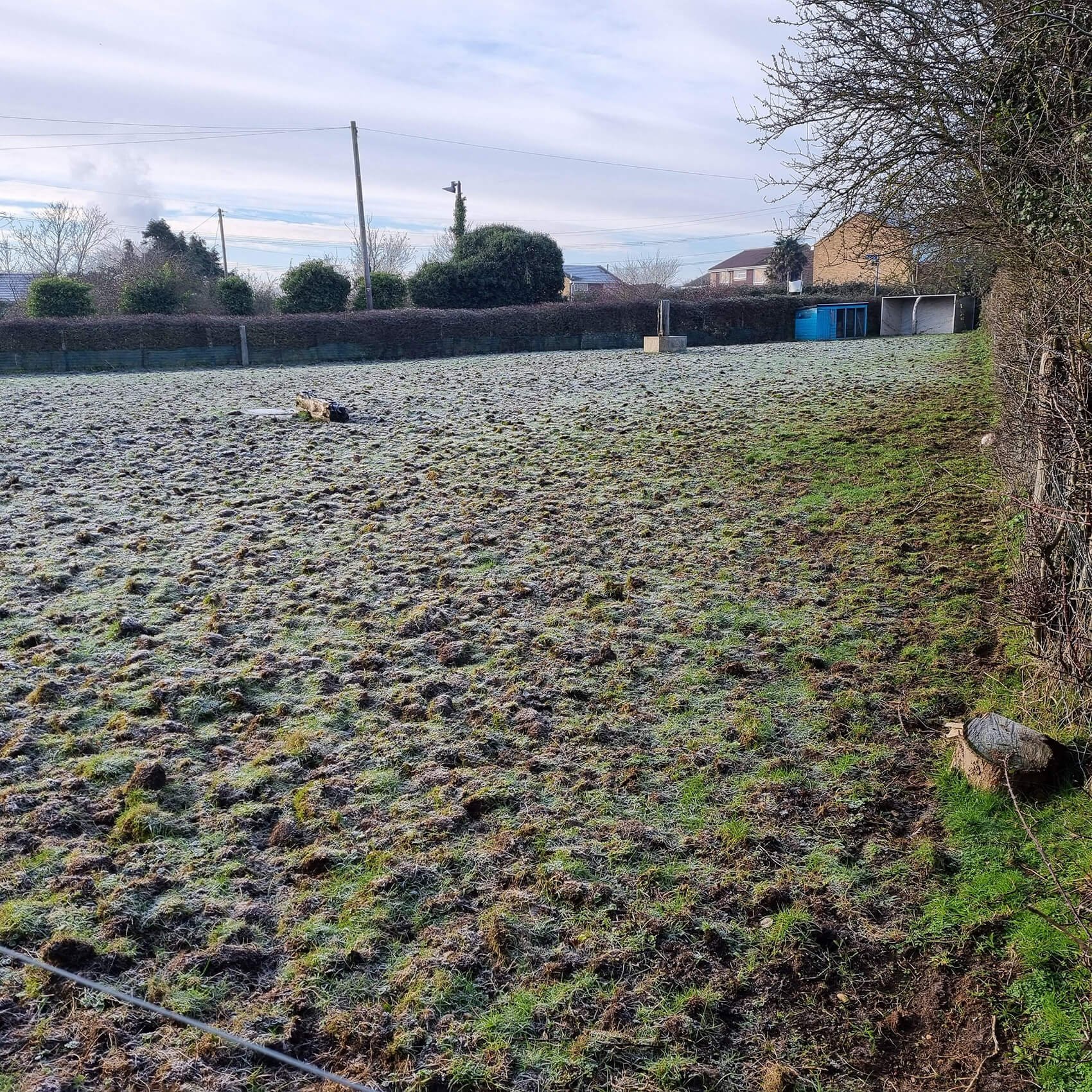
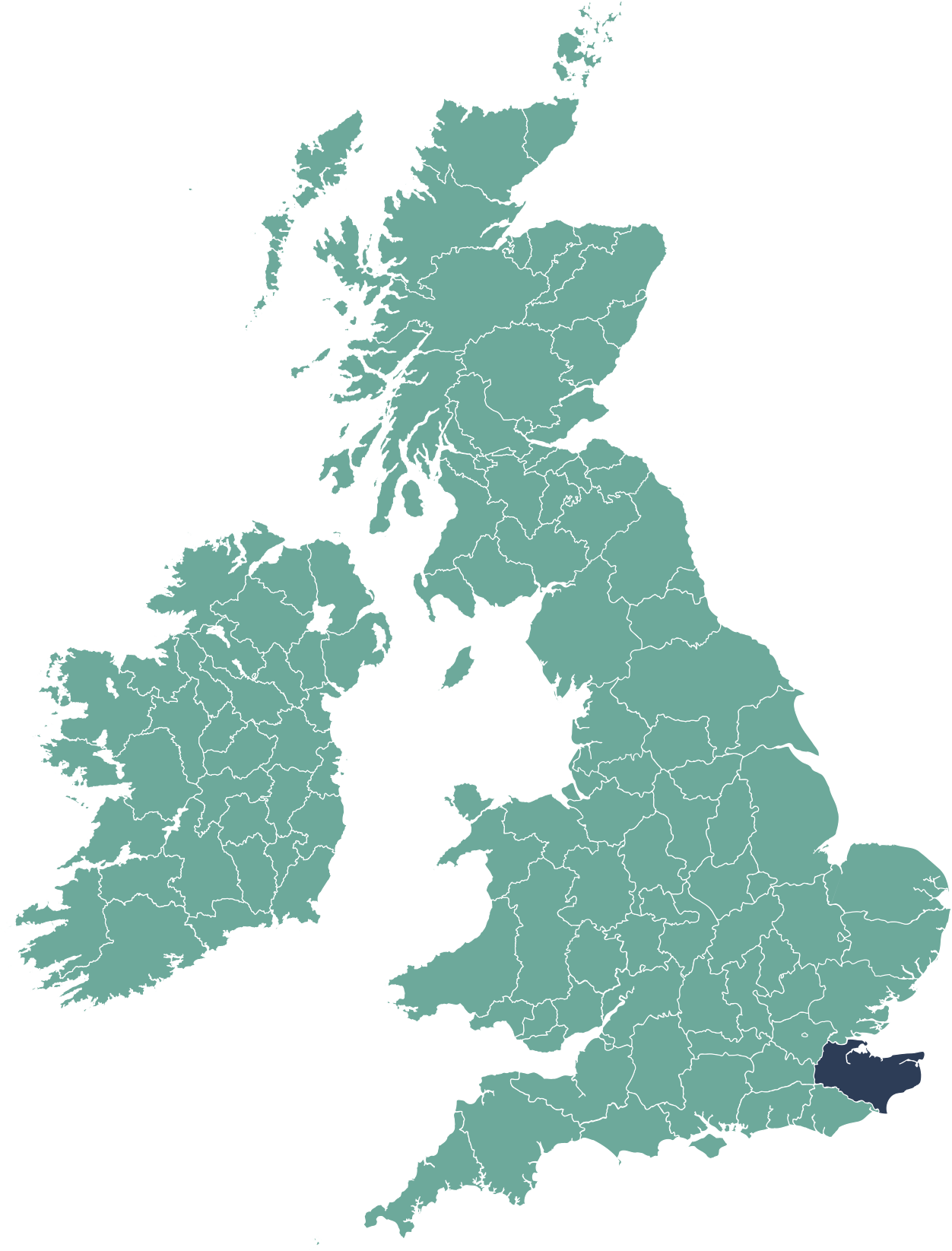
Wildflower Restoration in Kent (0.2 hectares)
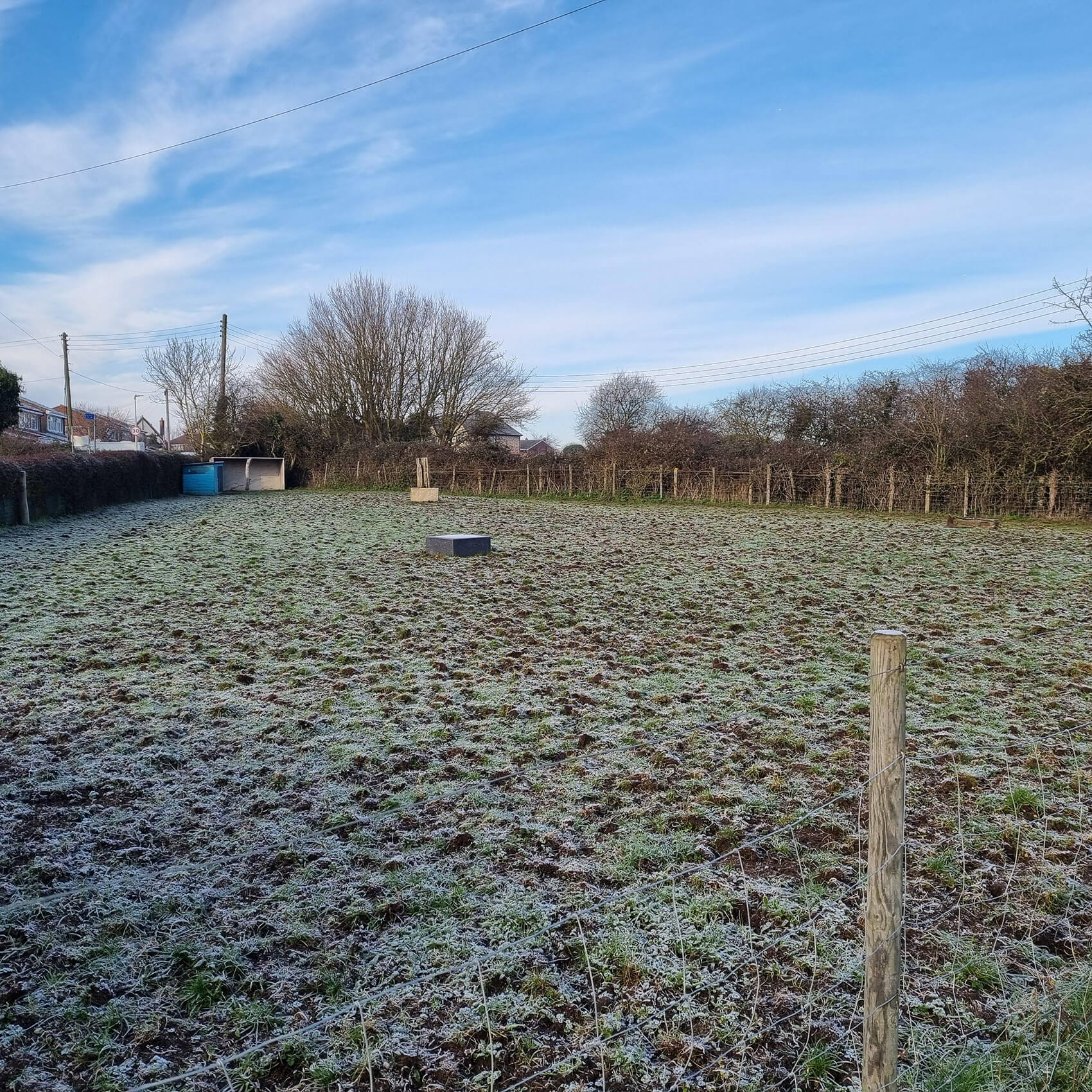
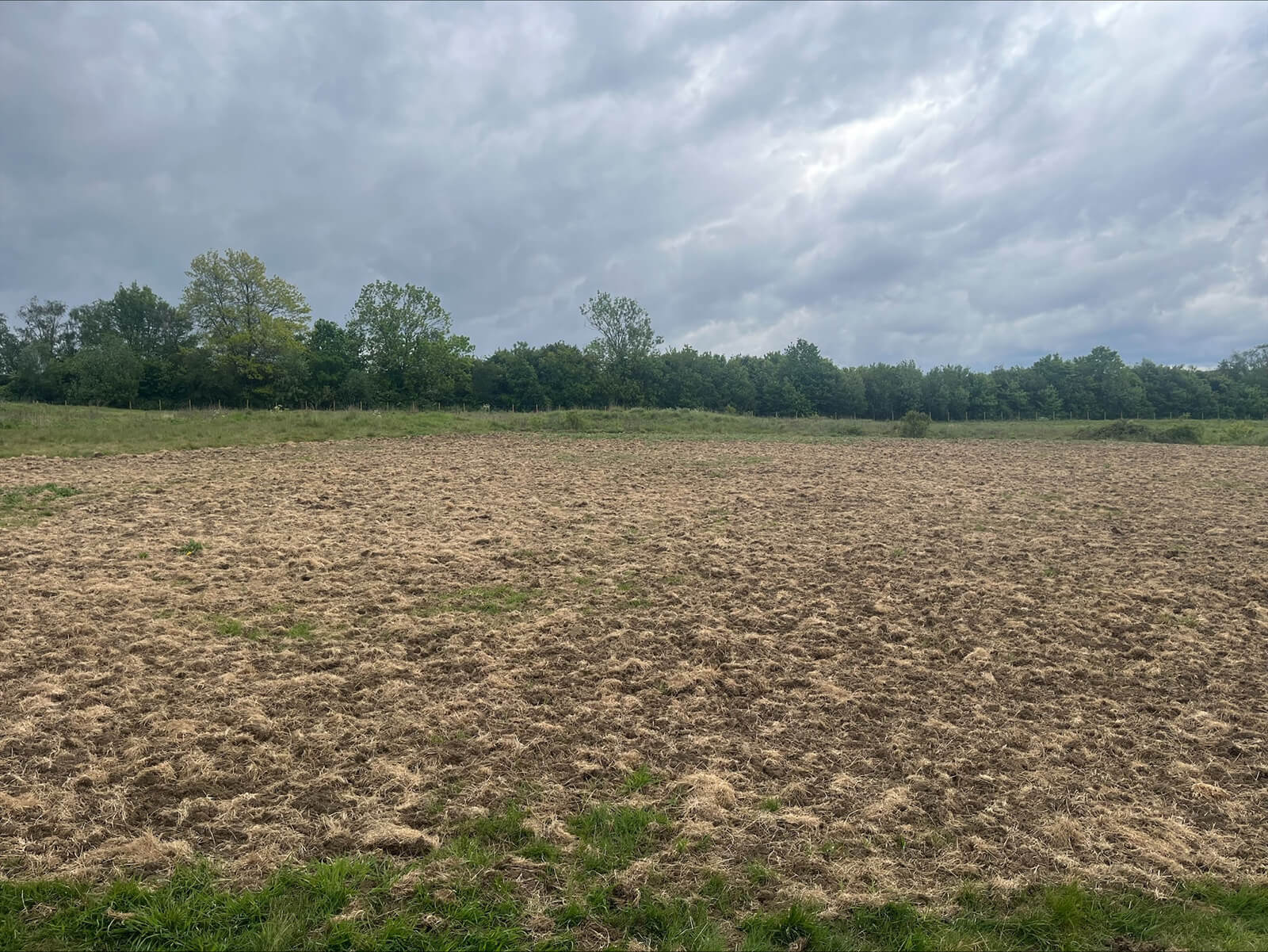
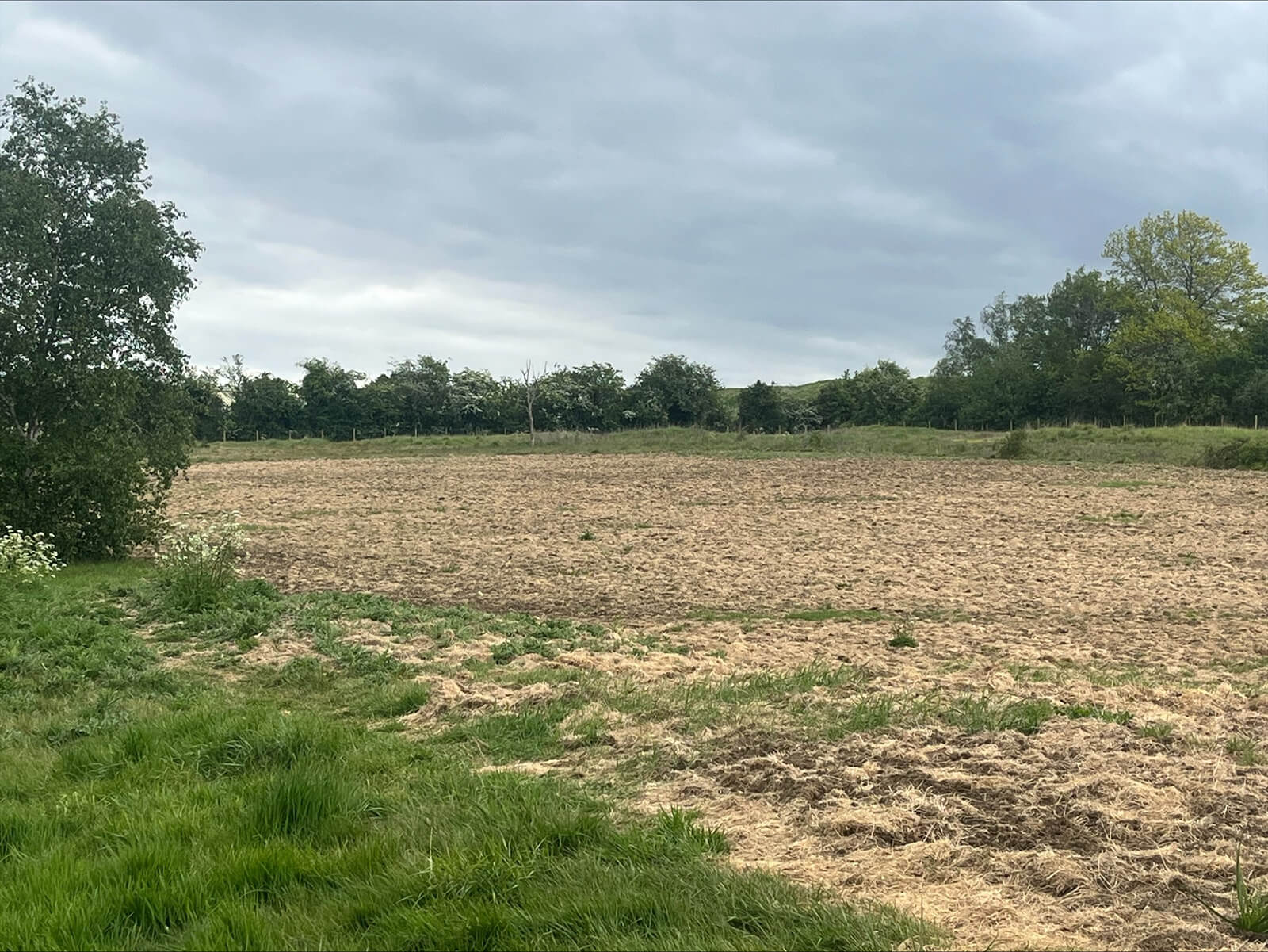
Two sites at Grain Coast Crafty Alpaca Farm have been seeded with wildflowers to benefit local pollinators and support the farm’s wellbeing and outreach activities. Both areas were previously unused by the alpacas and offered ideal opportunities for habitat restoration.
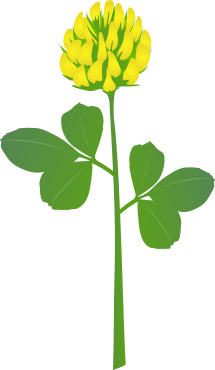
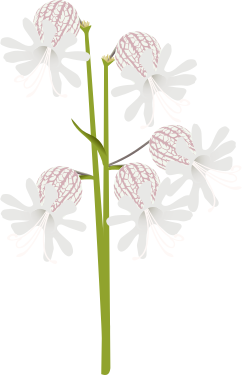
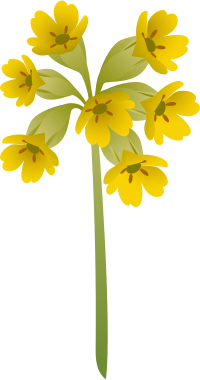
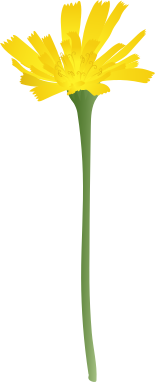
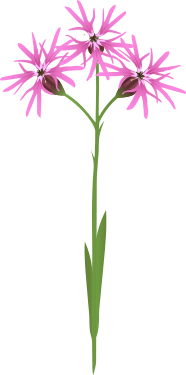
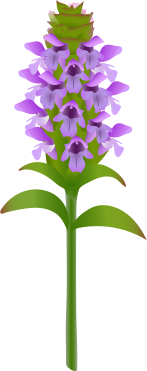
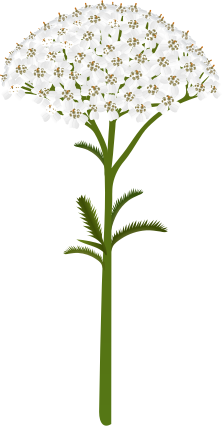
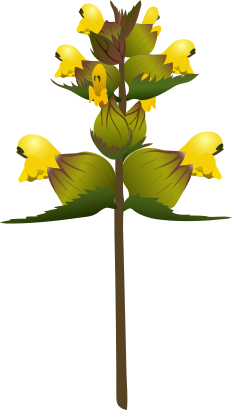
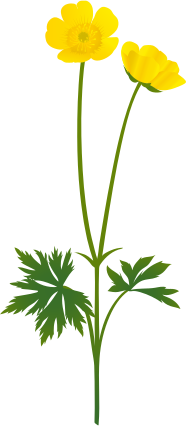
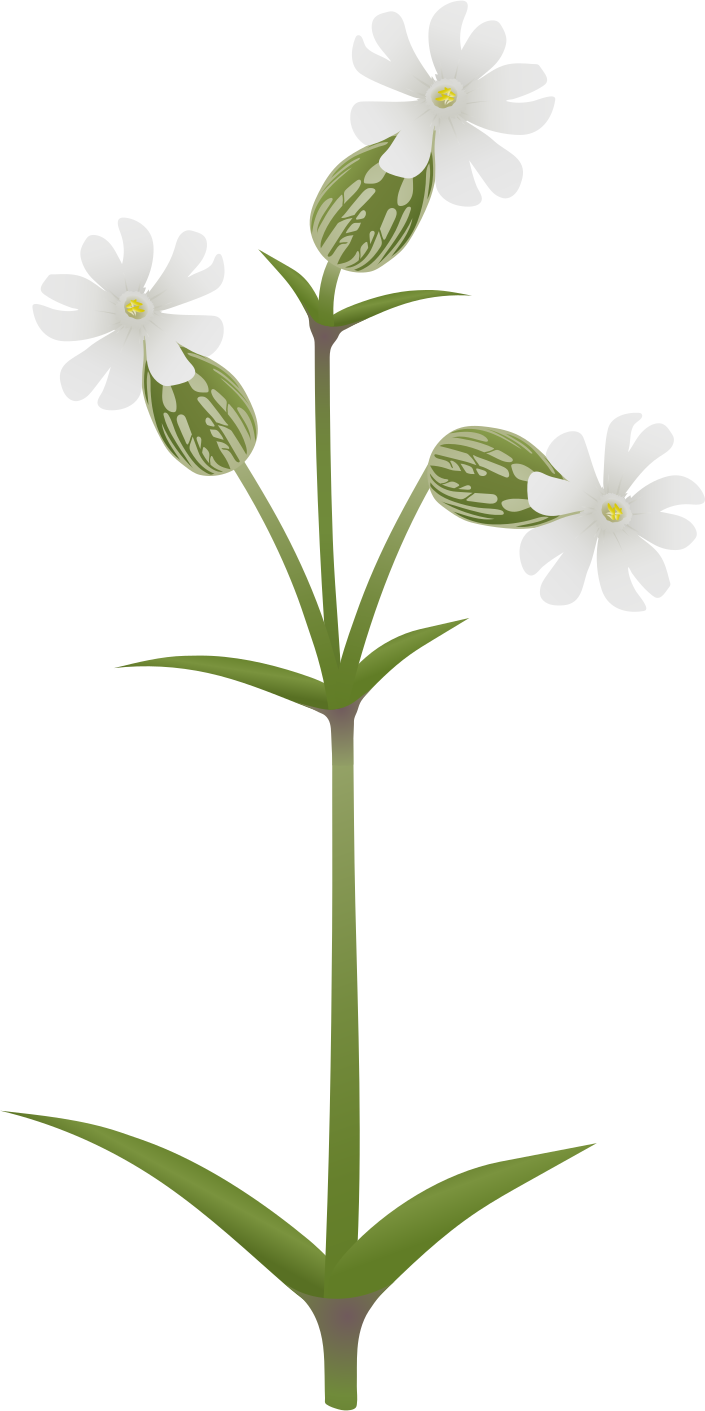
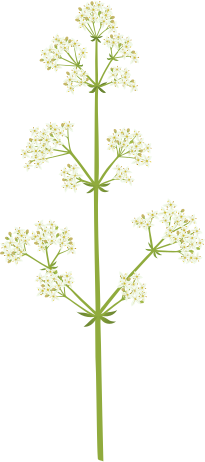
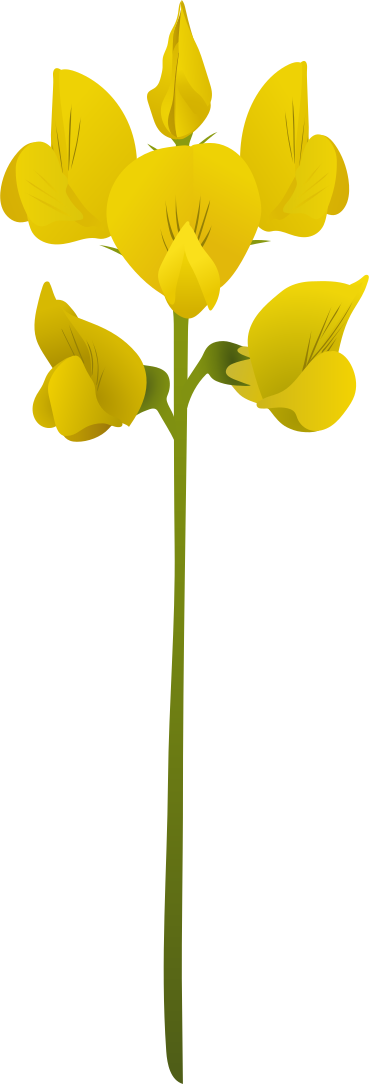
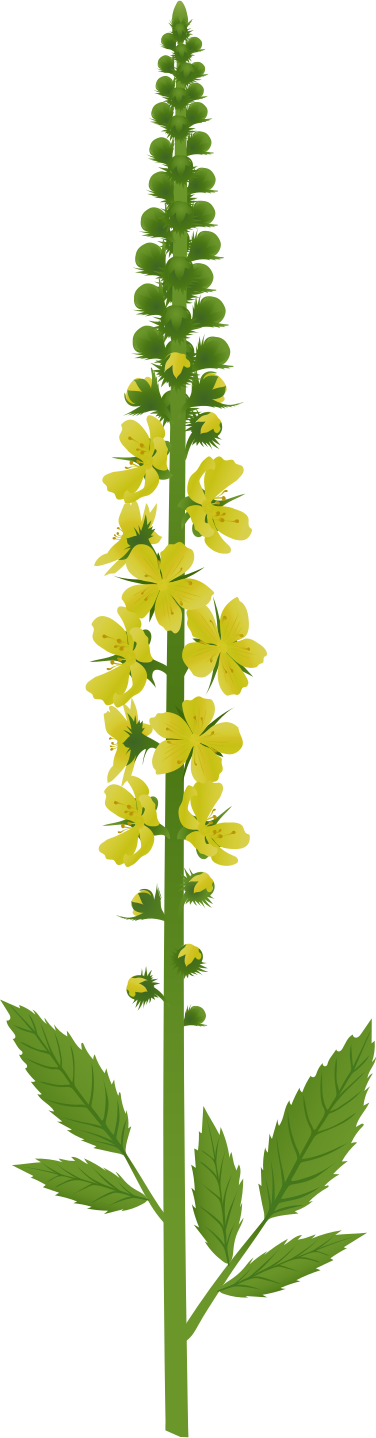
A 0.1-hectare woodland area was sown with species such as Common Agrimony (Agrimonia eupatoria), Ragged Robin (Lychnis flos-cuculi), and Red Campion (Silene dioica). The second site, an unused field with loamy clay soils covering another 0.1 hectares, was seeded with a mix suited to its soil type, including Ox-eye Daisy (Leucanthemum vulgare), Lady’s Bedstraw (Galium verum), and Self-heal (Prunella vulgaris).
The Fenn Bell Conservation Project will support Grain Coast Crafty Alpaca Farm in monitoring and managing these new wildflower areas.
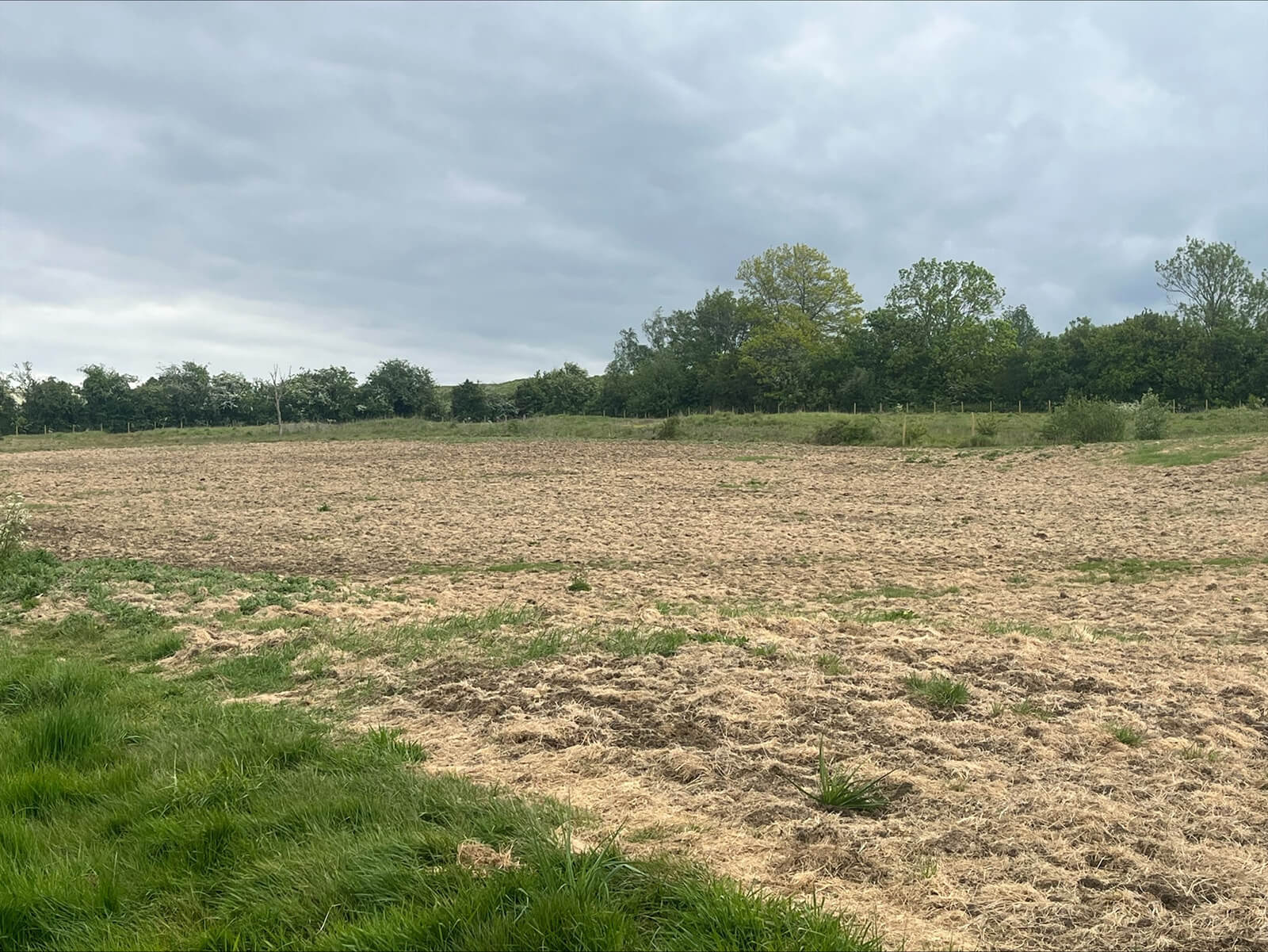
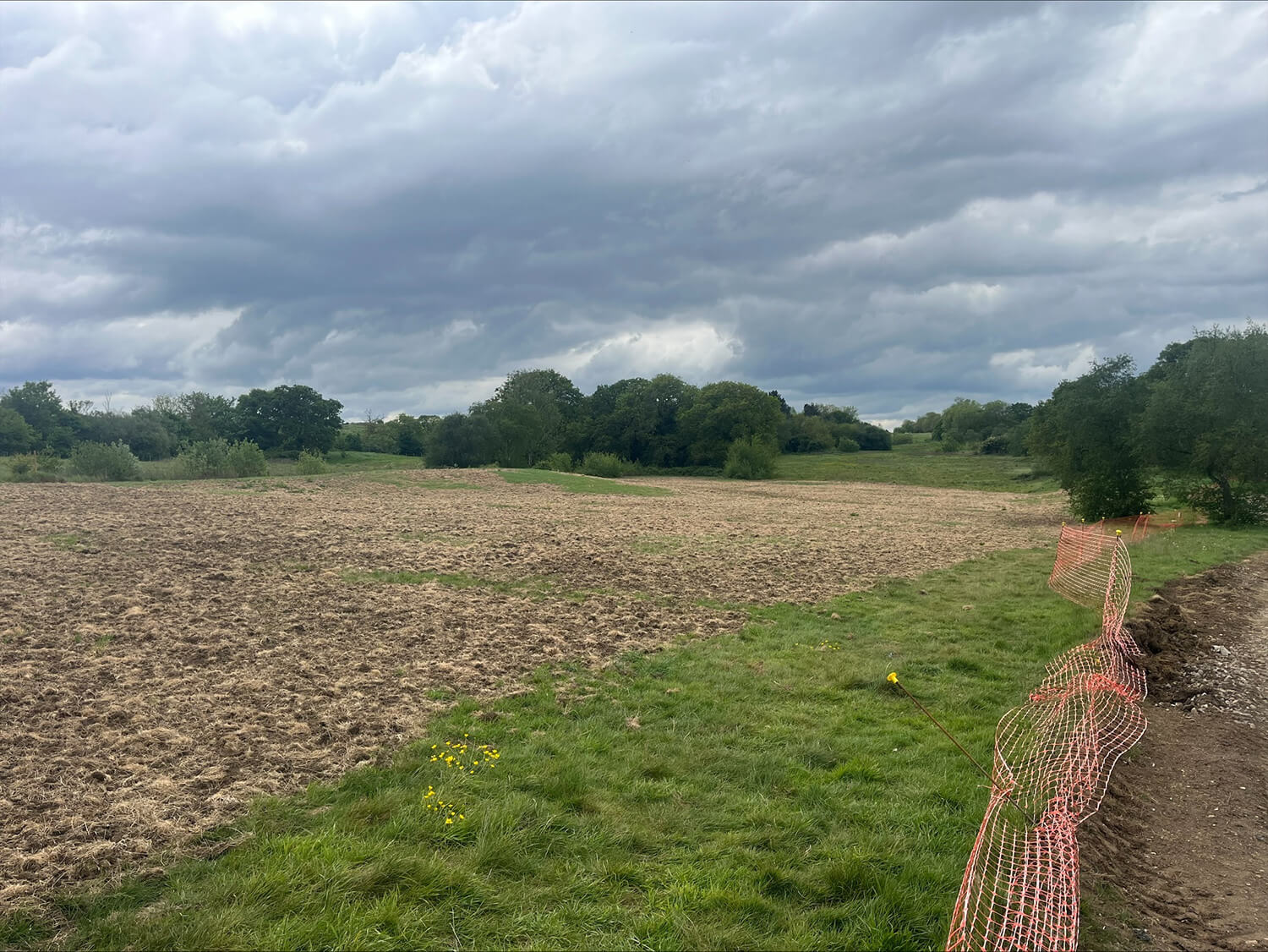
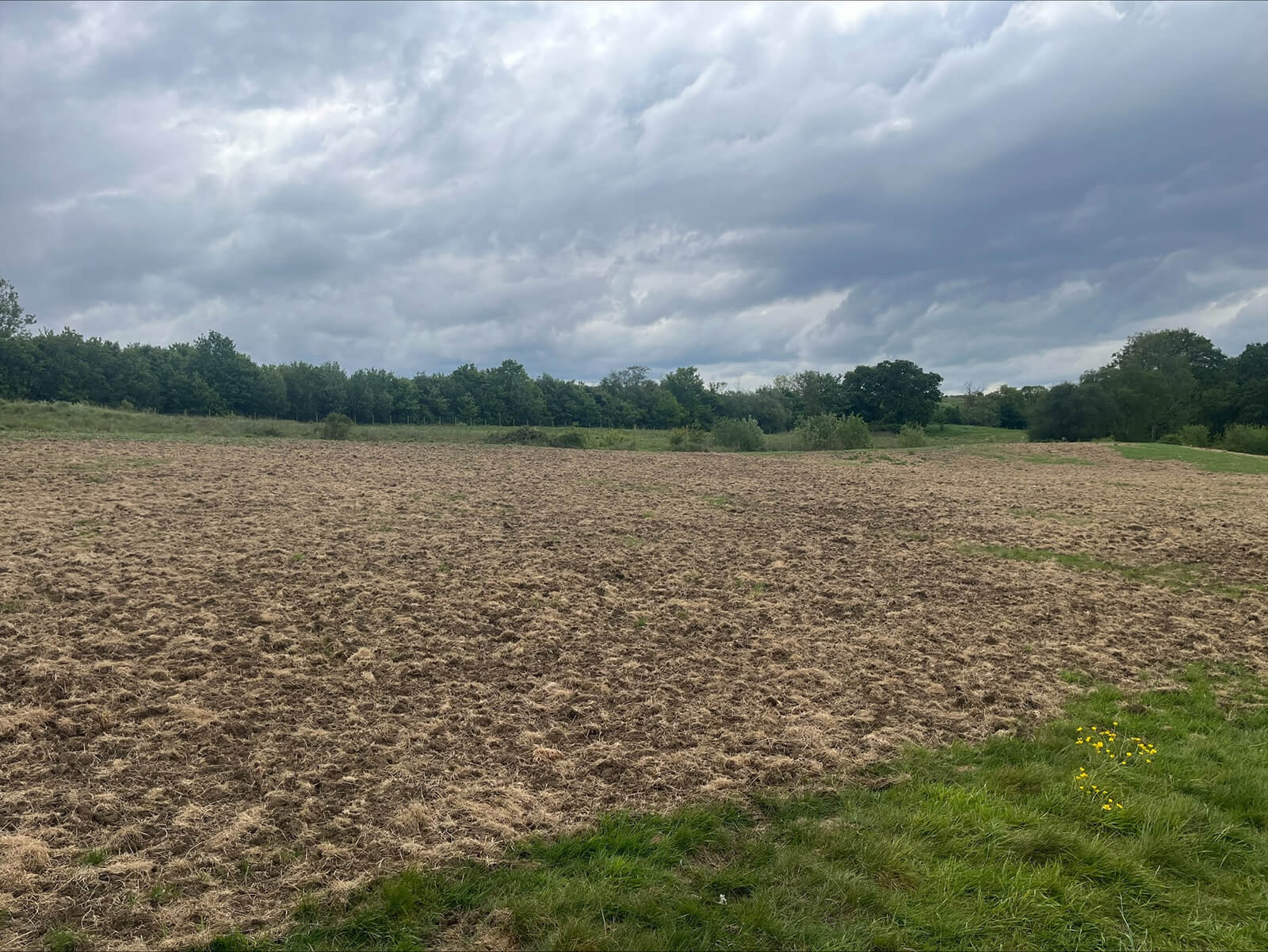
Wildflower Restoration in Kent (2.98 hectares)
2.98 hectares of wildflower meadows were seeded at Deangate Ridge Country Park. The newly established community park sits on the former Deangate Ridge Golf Course and aims to create an open public space of around 43 hectares, providing valuable green space for both the local community and wildlife. The wildflower meadow was created using a carefully selected seed mix designed to support pollinating insects and increase biodiversity across the site. As the meadow establishes, it will bring seasonal colour and provide important habitat and food sources for a wide range of species. The wider park project has already created new and enhanced existing habitats for other wildlife including slow worms and great crested newts, helping to restore nature across the landscape while creating a welcoming outdoor space for visitors to enjoy.
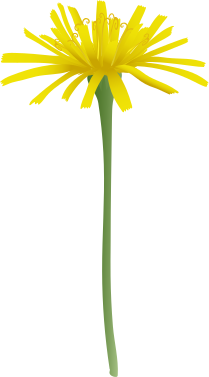
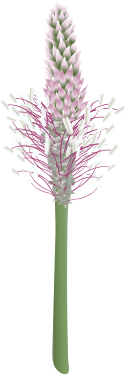
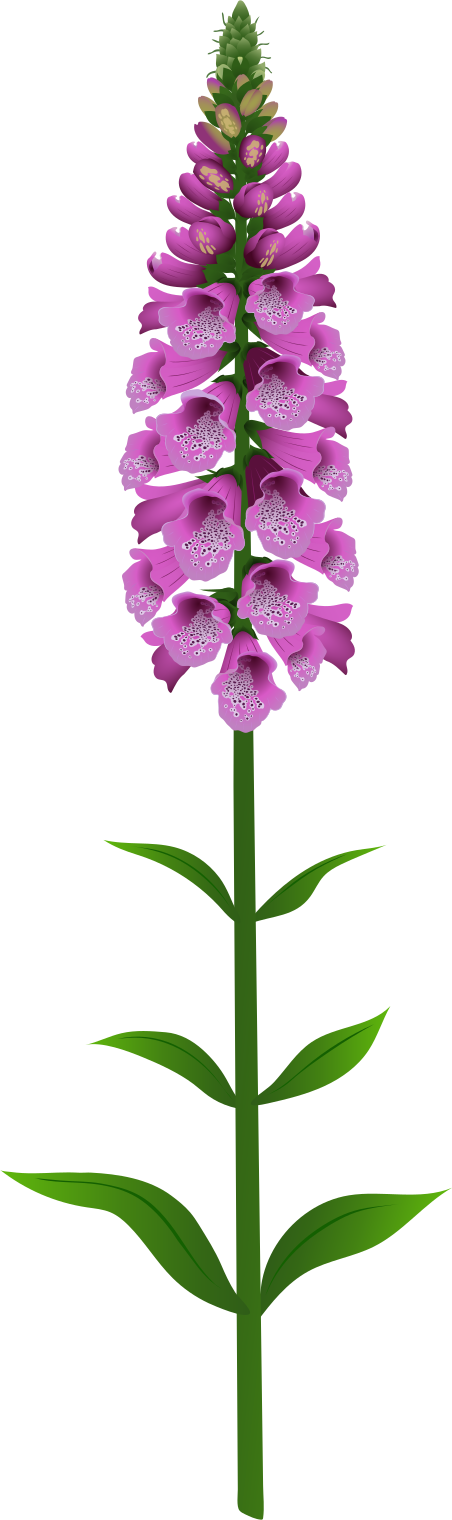
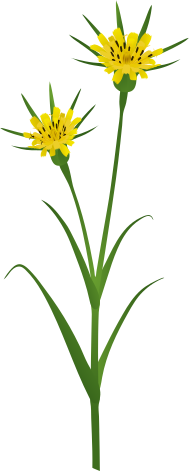
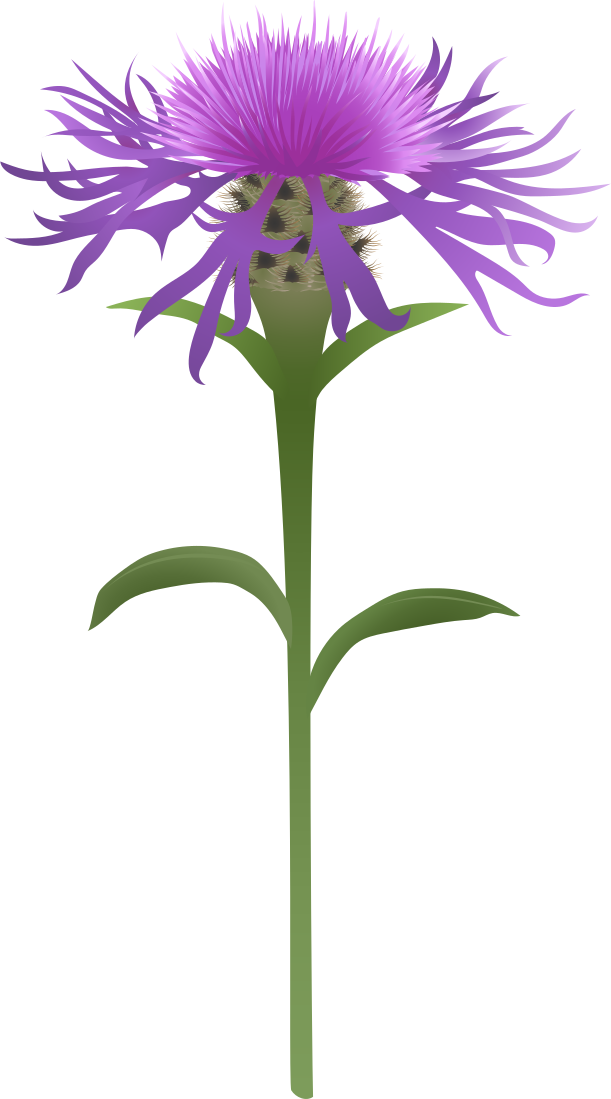
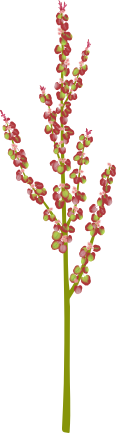
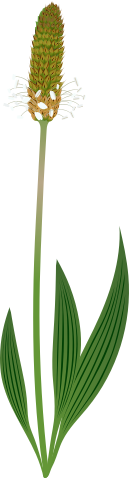
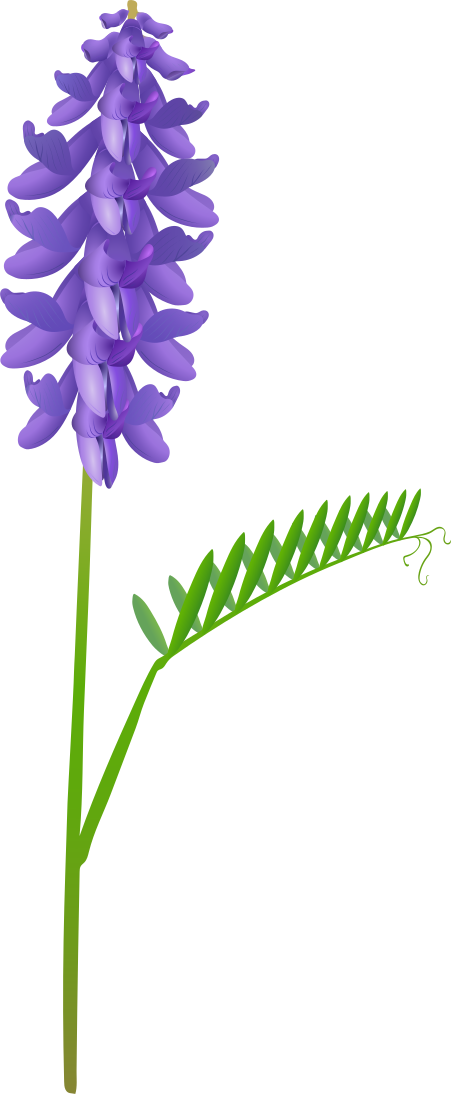
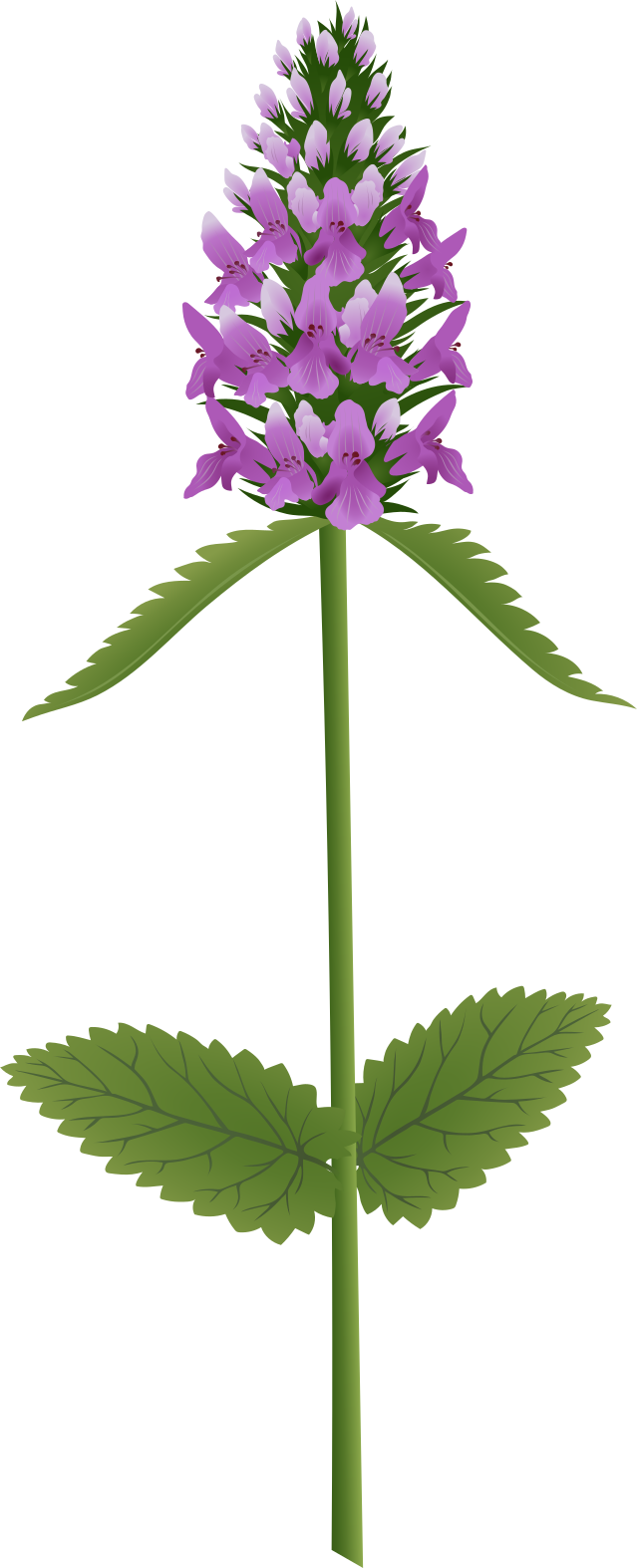
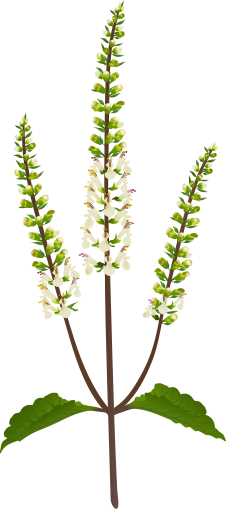
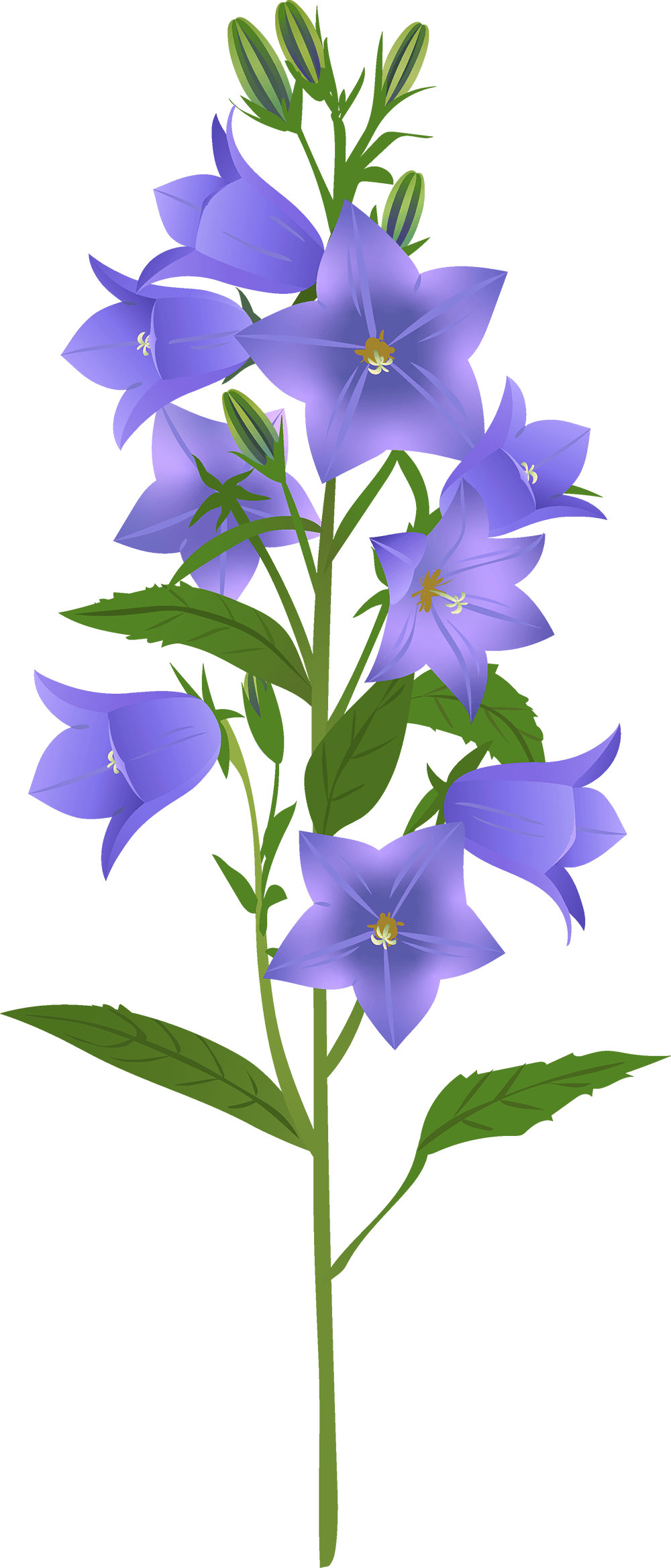
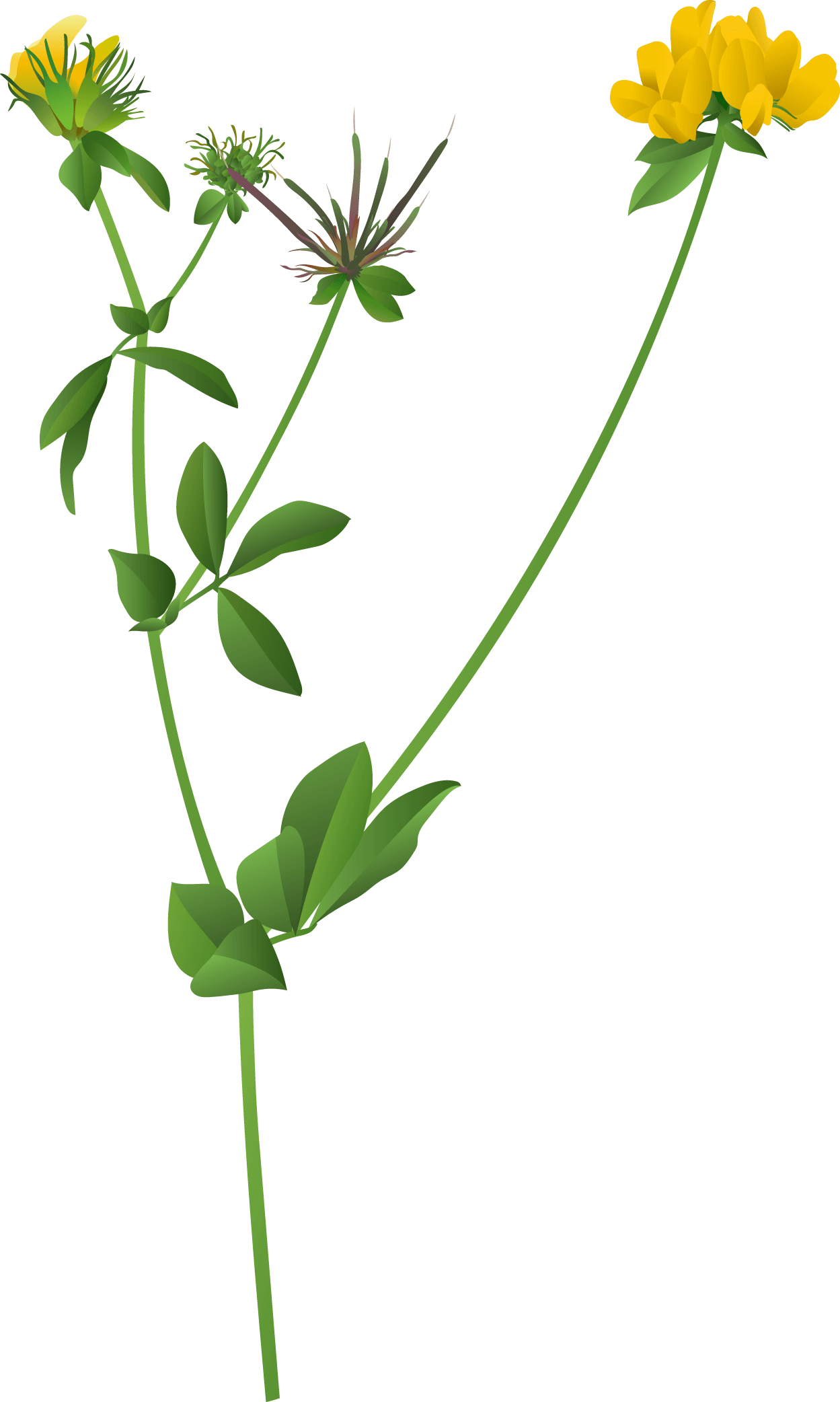
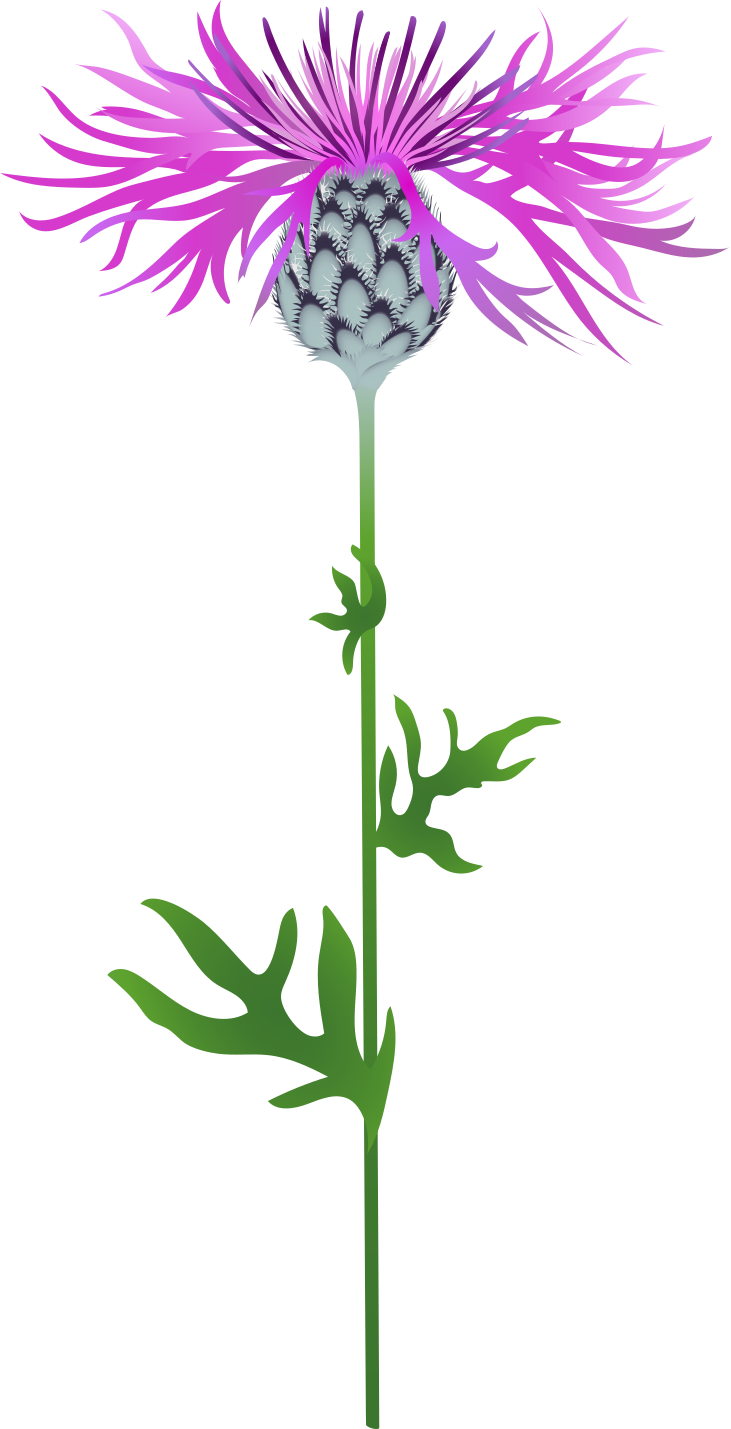
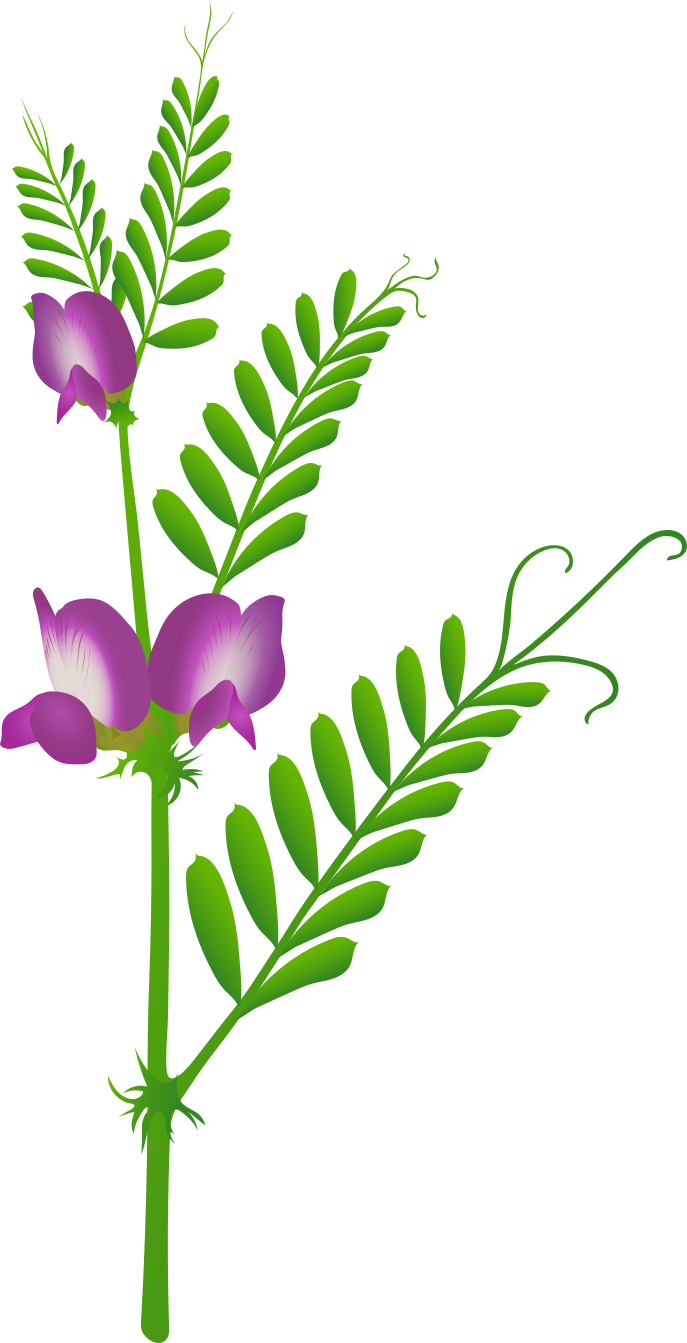
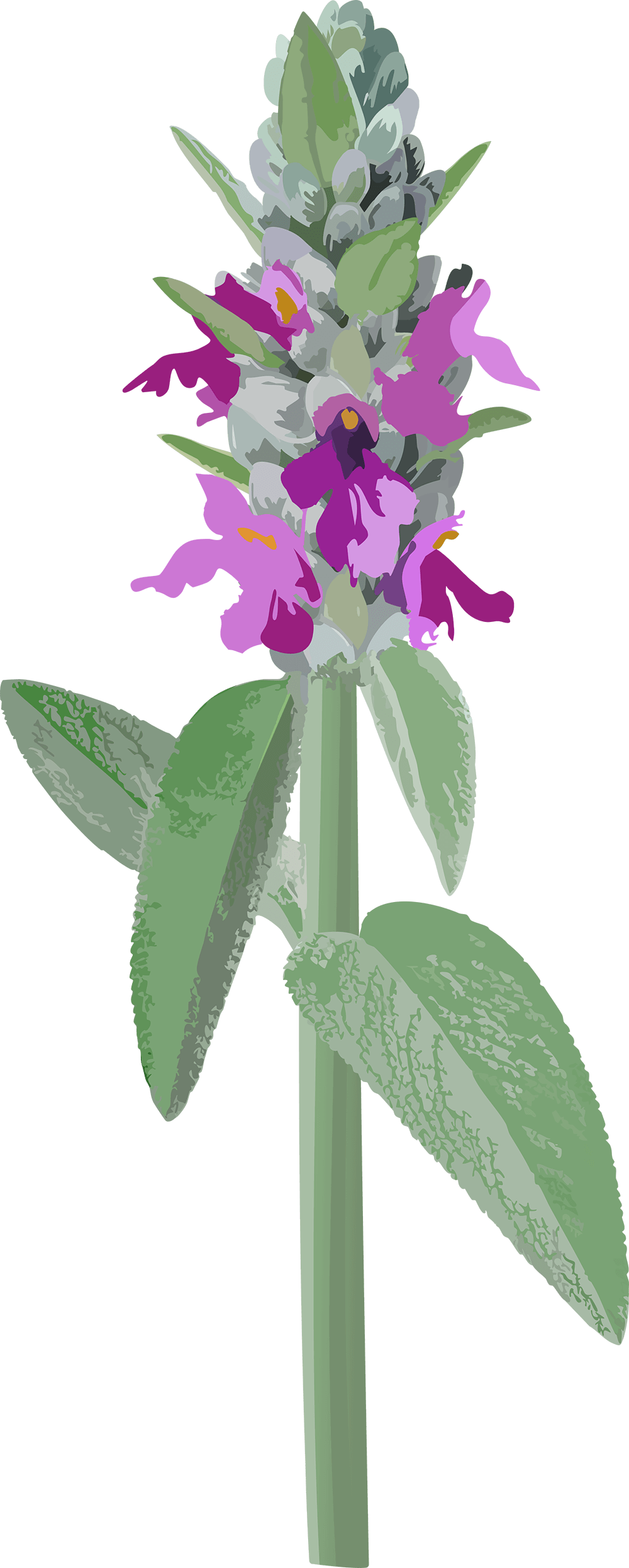
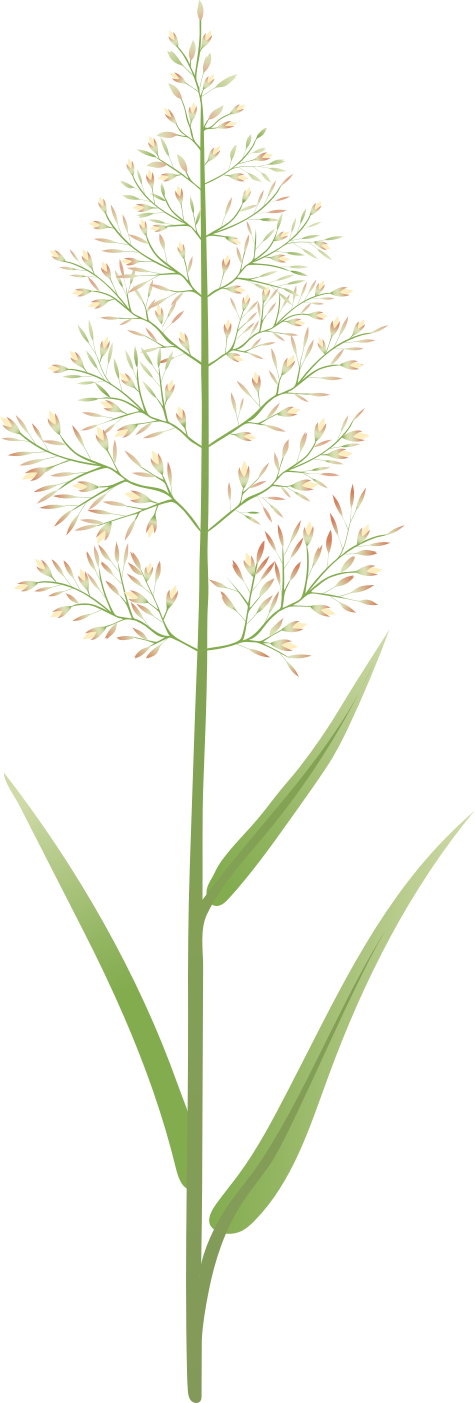
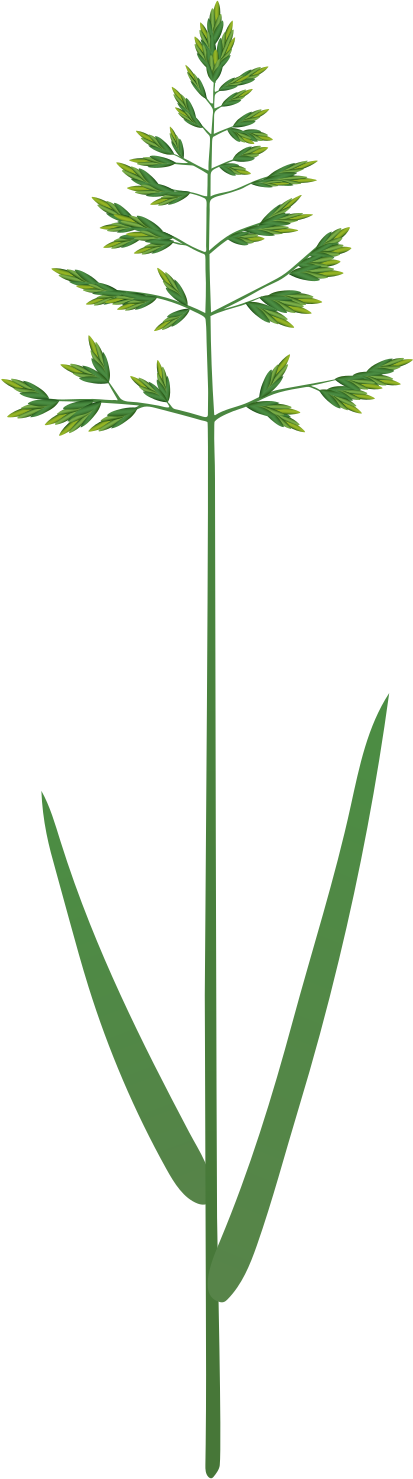
Wildflowers & Grasses Planted













UN Sustainable Development Goals
As a GreenTheUK partner, you support projects that are in line with the UN Sustainable Development Goals.

Take urgent action to combat climate change and its impacts.
Sustainably manage forests, combat desertification, halt and reverse land degradation, halt biodiversity loss.